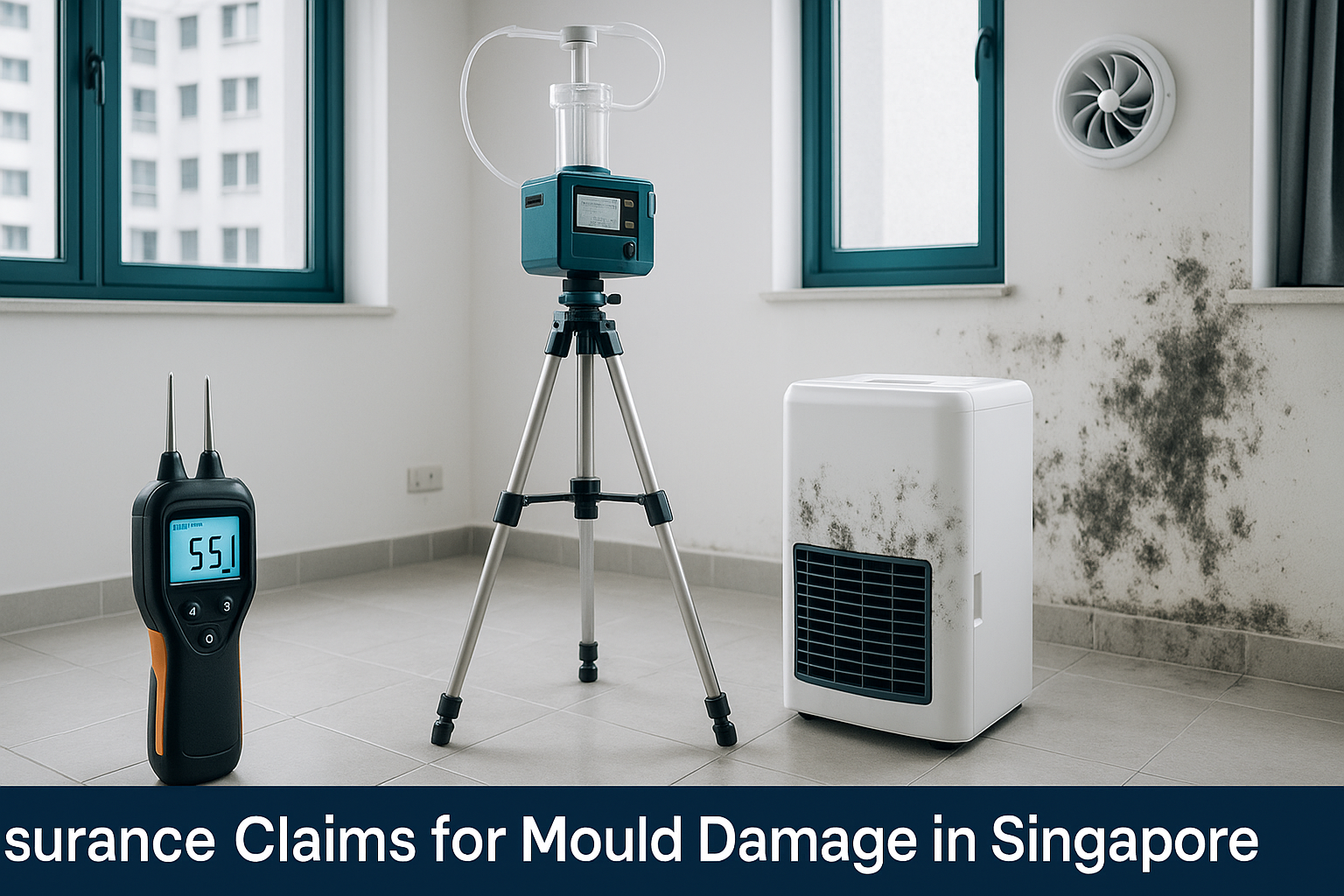
# Navigating Insurance Claims for Mould Damage in Singapore
Mould can be a stealthy invader in many Singaporean homes, thriving in our humid tropical climate. As a homeowner, whether you live in an HDB flat, a condominium, or a landed property, understanding the nuances of insurance claims for mould damage is crucial. This guide provides insights from over 15 years of industry experience, helping you navigate the complexities of mould damage insurance in Singapore.
Understanding Mould in Singapore: The Tropical Challenge
Singapore's Climate and Mould Growth
Singapore's climate is characterized by high humidity levels, often exceeding 80%, along with frequent rainfall. This creates an ideal environment for mould to flourish, especially in poorly ventilated areas.
Key Stat:According to the Meteorological Service Singapore, the annual average relative humidity in Singapore is around 84.3%.
Common Areas for Mould Growth in Singapore Homes
Living in Singapore, homeowners must be vigilant about potential mould hotspots, such as:
- Bathrooms: High moisture levels make these areas prime for mould.
- Kitchens: Steam from cooking can accumulate, encouraging mould growth.
- Bedrooms: Air-conditioned rooms with poor airflow can trap humidity.
- Basements: Less sunlight and ventilation make basements susceptible.
Regularly inspect and clean these areas to prevent mould proliferation.
Insurance Coverage for Mould Damage
Types of Insurance Policies
Home insurance policies in Singapore vary widely in terms of coverage for mould damage. While some policies may include mould as part of their standard coverage, others may require additional endorsements.
Standard Home Insurance
- Typically covers damage from unforeseen events such as water leaks.
- May not cover gradual mould damage due to poor maintenance.
Additional Coverage
- Some insurers offer endorsements or riders specifically for mould damage.
- Costs can vary, but it's worth considering if you live in a high-risk area.
Filing a Claim: Step-by-Step Guide
Filing an insurance claim for mould damage can seem daunting, but following these steps can streamline the process:
- Take clear photos of all affected areas.
- Record dates and times of when you first noticed the mould.
- Understand what your policy covers and any limitations or exclusions.
- Report the damage promptly to begin the claims process.
- Hire a trained mould remediation specialist to assess the extent of the damage.
- Provide your insurer with all necessary documents and reports.
- Regularly check with your insurer to ensure the claim is processed.
Best Practice:Keep a detailed record of all communications with your insurer for reference.
Industry Best Practices for Mould Remediation
Professional Mould Inspection
A professional inspection is crucial to understanding the extent of mould damage. Trained specialists can identify hidden mould and assess underlying issues contributing to its growth.
Remediation Techniques
Industry-standard techniques for mould remediation include:
- Containment: Sealing off affected areas to prevent spore spread.
- Removal: Safe and thorough removal of mould-infested materials.
- Cleaning: Using professional-grade cleaners to eradicate mould spores.
- Prevention: Implementing measures to control humidity and improve ventilation.
Regular maintenance and prompt response to leaks or water damage can significantly reduce mould risks.
Real-Life Examples: Mould Challenges in Singapore Neighborhoods
Case Study: Tampines HDB Flats
In Tampines, a common issue is mould growth in bathroom ceilings due to inadequate ventilation. In one case, professional remediation not only removed existing mould but also recommended installing exhaust fans to prevent recurrence.
Case Study: Condominiums in Marina Bay
High-rise condominiums often face challenges with window condensation, leading to mould around window frames. A proactive approach involving regular cleaning and improved air circulation proved effective.
Cost Considerations for Mould Remediation
Mould remediation costs in Singapore can vary based on the extent of damage and the size of the affected area. Here’s a rough breakdown:
- Inspection and Assessment: S$200 - S$500
- Remediation Services: S$1,500 - S$5,000 (depending on severity)
- Preventive Measures: S$500 - S$2,000
Delaying mould remediation can lead to more extensive damage and higher costs.
Conclusion: Take Action Today
Understanding the intricacies of insurance claims and mould remediation can save you time, stress, and money. If you suspect mould in your home, don't wait. Schedule a free inspection with our experienced team to safeguard your property and health.
---
Frequently Asked Questions
Does home insurance in Singapore cover mould damage?
Home insurance policies in Singapore vary. Some may cover mould damage resulting from sudden incidents like water leaks, while others may require additional coverage for mould. It's important to review your policy or consult with your insurer directly.
How can I prevent mould growth in my HDB flat?
To prevent mould, ensure good ventilation by using exhaust fans in bathrooms and kitchens, keep humidity levels low with dehumidifiers, and regularly clean areas prone to moisture accumulation. Promptly address any leaks or water damage.
What should I do if I find mould in my condominium?
If you discover mould, document the affected areas with photos, check your insurance policy for coverage, and contact a professional mould remediation specialist for an assessment. Prompt action can prevent further damage and health risks.
How long does the mould remediation process take?
The duration depends on the extent of mould growth. A typical remediation process can take anywhere from a few days to a week, including inspection, removal, and preventive measures. Large or severe cases may require more time.
Are there long-term solutions to prevent mould in Singapore homes?
Yes, long-term solutions include improving home ventilation, using dehumidifiers, conducting regular maintenance checks, and addressing water leaks promptly. Implementing these measures can significantly reduce the risk of mould growth.