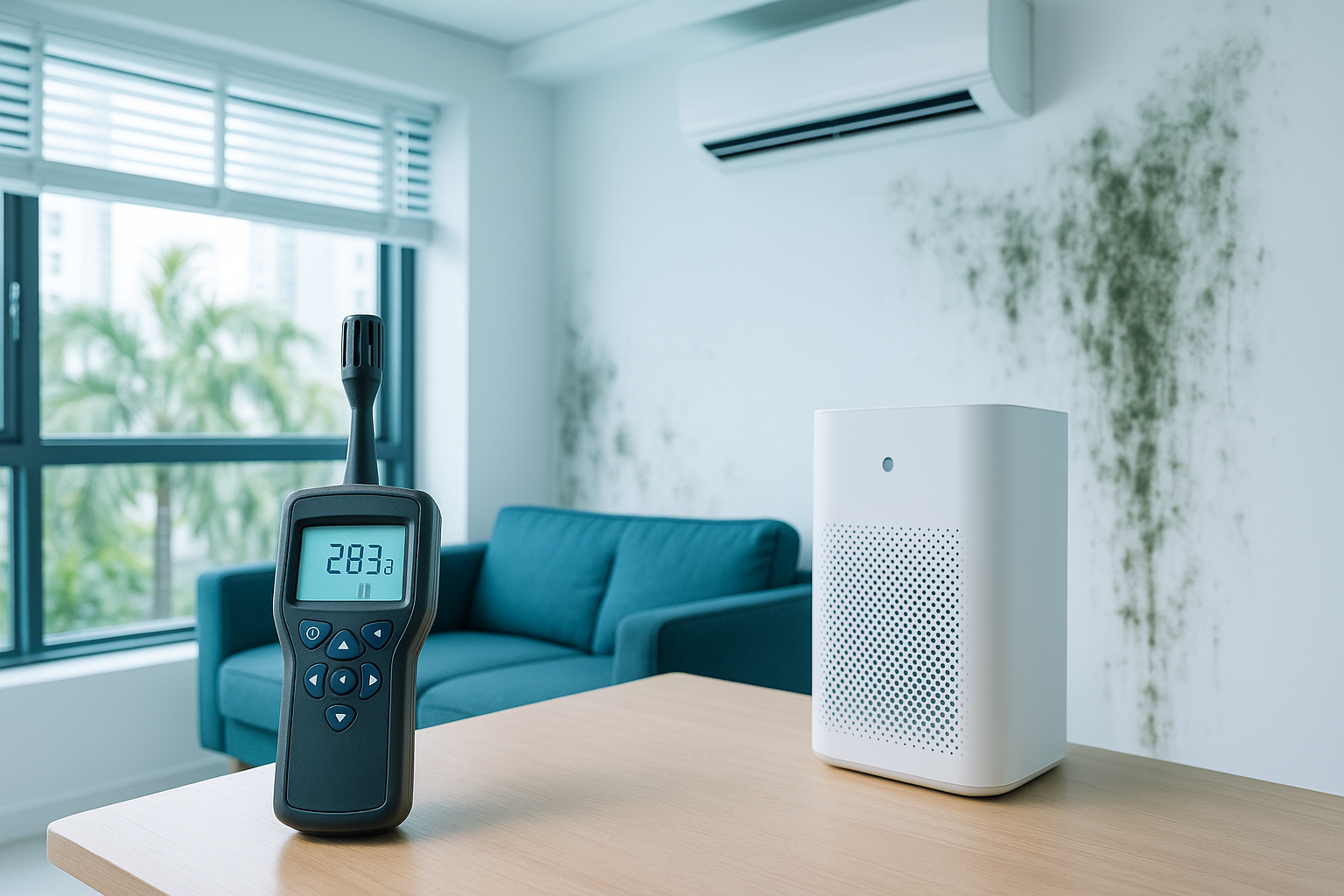
# Monsoon Season Mould: What Every Homeowner Should Know
As the monsoon season approaches in Singapore, homeowners brace themselves for the increased humidity and rainfall that often lead to one common problem—mould. Understanding how to manage and prevent mould growth during this time is crucial for maintaining a healthy living environment. With over 15 years of experience in the mould remediation industry, we aim to provide you with comprehensive insights and actionable tips to safeguard your home.
Understanding Singapore's Monsoon Climate
The Impact of Monsoon on Humidity
Singapore's tropical climate is characterized by high temperatures and humidity levels year-round, with a significant increase during the monsoon season. The country experiences two primary monsoon periods: the Northeast Monsoon (December to March) and the Southwest Monsoon (June to September). During these times, humidity levels can soar above 90%, creating a perfect breeding ground for mould.
Key Stat:
According to the Meteorological Service Singapore, the average relative humidity ranges between 70% to 90% during the monsoon season.
Why Humidity Spurs Mould Growth
Mould thrives in warm, damp environments. High humidity levels can cause condensation on surfaces, providing the moisture needed for mould spores to grow. Common areas affected include bathrooms, kitchens, and even air-conditioned rooms if not properly ventilated.
Identifying Mould Hotspots in Homes
HDB Flats
HDB flats, particularly those in older estates like Tampines and Jurong, often face mould issues due to inadequate ventilation and older building materials. Areas to watch include:
- Bathrooms with poor ventilation
- Corners of rooms where walls meet ceilings
- Kitchens with limited exhaust systems
Condominiums
In condominiums, common areas and shared facilities such as gymnasiums and swimming pools can be vulnerable to mould. Additionally, individual units with extensive use of air-conditioning might experience mould in:
- Air vents and ducts
- Behind heavy furniture against walls
Landed Properties
Landed properties, often larger and with more varied construction materials, can face mould issues in:
- Basements and attics
- Wooden structures like decks or pergolas
- Under roof tiles and eaves
Best Practices for Mould Prevention
Maintain Optimal Indoor Humidity
The first line of defence against mould is controlling indoor humidity levels.
Best Practice:
Use a dehumidifier to keep indoor humidity between 30% to 50%. This range is optimal for preventing mould growth.
Improve Ventilation
Proper ventilation reduces moisture build-up.
- Install exhaust fans in kitchens and bathrooms.
- Keep windows open when possible to allow air circulation.
- Use air purifiers with HEPA filters to trap mould spores.
Regular Cleaning and Maintenance
Frequent cleaning can prevent mould from taking hold.
- Clean and dry any damp surfaces immediately.
- Use professional-grade mould-killing solutions, especially in bathrooms and kitchens.
- Inspect and clean air conditioning units regularly.
Professional Mould Remediation: When to Call the Experts
Signs You Need Professional Help
While minor mould issues can often be managed with regular cleaning, there are times when professional intervention is necessary.
- Visible mould covers a large area (greater than 1 square meter).
- Persistent musty odour despite cleaning.
- Mould reappears after treatment.
What to Expect from Professional Services
Professional mould remediation involves several steps:
Expert Insight:
"Professional mould remediation specialists use specialized equipment and techniques that are not available to the average homeowner, ensuring thorough removal and future prevention."
Cost Considerations for Mould Remediation
Understanding Costs
Mould remediation costs can vary depending on the extent of the infestation and property type.
- HDB Flats: Typically S$500 to S$2,000, depending on the severity.
- Condominiums: Costs range from S$1,000 to S$3,000, considering shared facilities.
- Landed Properties: May exceed S$3,000 due to larger areas and complex structures.
Investing in Professional Services
While the upfront cost of professional remediation may seem high, it can save money in the long run by preventing structural damage and health issues related to mould exposure.
Conclusion: Protect Your Home Today
In Singapore's monsoon climate, mould prevention and remediation are essential for a healthy home. By understanding the conditions that foster mould growth and implementing best practices, you can protect your property and health. Don't wait until it's too late. Schedule a free inspection with our trained specialists today to ensure your home remains mould-free.
Frequently Asked Questions
How can I prevent mould in my HDB flat during the monsoon season?
To prevent mould in your HDB flat, maintain indoor humidity levels between 30% to 50% using a dehumidifier. Ensure proper ventilation by installing exhaust fans in the kitchen and bathroom and opening windows when possible. Regularly clean damp areas using professional-grade mould-killing solutions.
What are the signs that I need professional mould remediation?
You should consider professional mould remediation if you notice a large area of visible mould (greater than 1 square meter), a persistent musty odour, or if mould reappears after cleaning. Professionals can thoroughly remove mould and prevent future growth using specialized equipment and techniques.
How much does mould remediation cost in Singapore?
Mould remediation costs vary depending on the property type and severity of the infestation. For HDB flats, costs range from S$500 to S$2,000. Condominiums may cost between S$1,000 and S$3,000, while landed properties can exceed S$3,000 due to their size and complexity.
Are there specific areas in Singapore more prone to mould during the monsoon?
Areas with older buildings, such as Tampines and Jurong, may be more prone to mould due to inadequate ventilation and older construction materials. However, any property in Singapore can be affected during the monsoon season if proper preventive measures are not taken.