# Mould Inspection: What to Expect and Why It Matters
Mould is a silent invader that can compromise the integrity of your home and the health of your family. In Singapore, where the climate is perpetually humid, mould growth is a common issue that many homeowners face. Whether you're living in an HDB flat in Tampines, a condo in Marina Bay, or a landed property in Bishan, understanding the importance of mould inspection can save you from costly repairs and health issues down the line.
In this comprehensive guide, we will delve into what you can expect during a mould inspection and why it is crucial for your property. With over 15 years of industry experience, we have seen firsthand the impact of mould in local homes and how proactive inspections can make a significant difference.
Understanding the Threat of Mould in Singapore
The Singapore Climate: A Perfect Breeding Ground for Mould
Singapore's climate is characterized by high humidity levels, often exceeding 80%, and consistent temperatures averaging 27°C to 30°C throughout the year. This tropical environment provides the perfect conditions for mould to thrive. Homes in areas like Jurong and Tampines, which experience frequent rainfall, are particularly susceptible to mould growth.
Key Stat: According to the Meteorological Service Singapore, the average annual rainfall is about 2,340 mm, contributing to the moist environment conducive to mould proliferation.
Health and Structural Implications
Mould not only affects the aesthetics of your home but also poses significant health risks such as respiratory problems, allergies, and skin irritation. Prolonged exposure, especially in poorly ventilated spaces common in HDB flats, can exacerbate these issues.
Structurally, mould can weaken walls, ceilings, and floors. Over time, this can lead to significant damage requiring costly repairs. Thus, regular inspections are not just a precaution—they're a necessity.
What to Expect During a Mould Inspection
Initial Assessment and Consultation
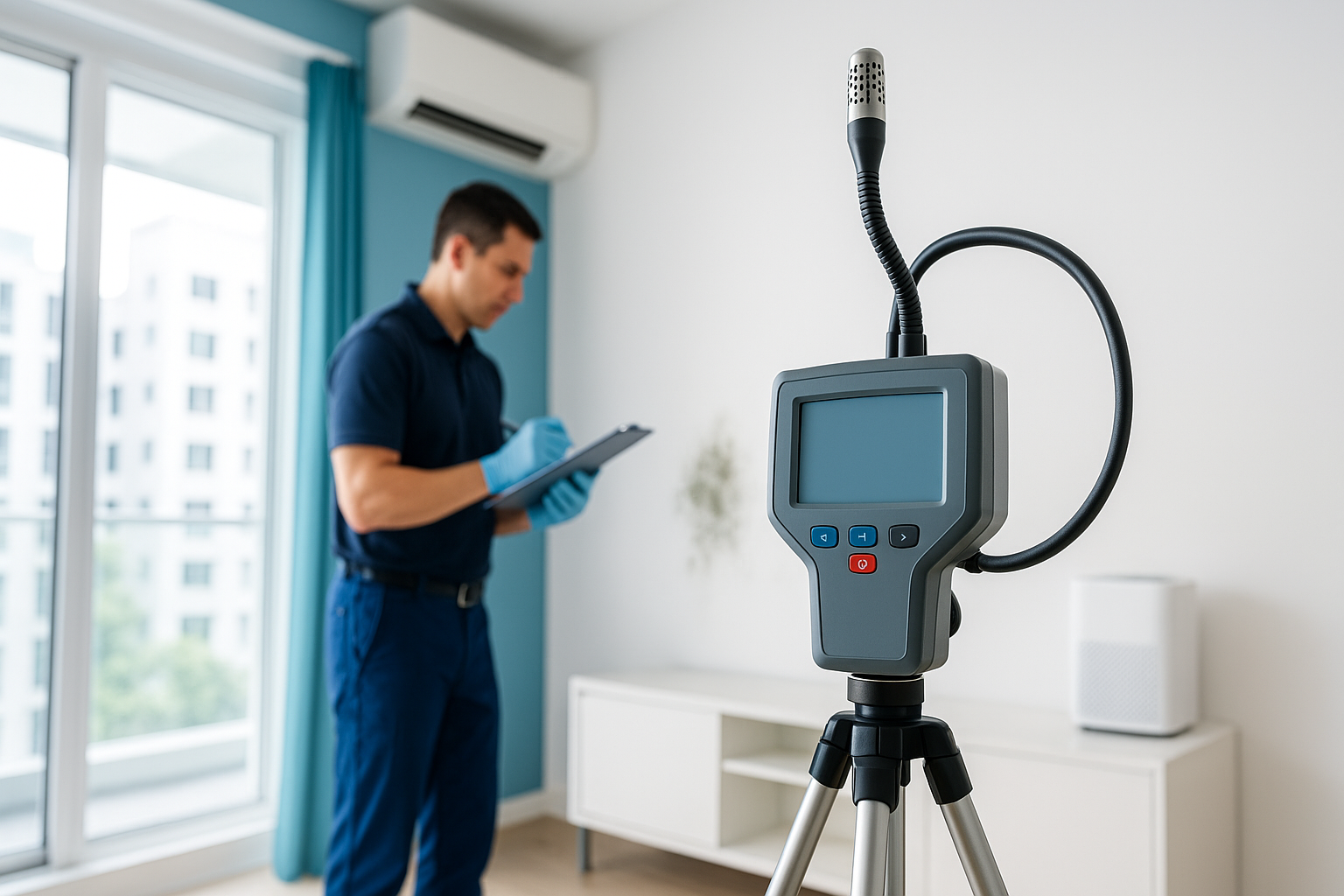
A professional mould inspection begins with an initial consultation where trained specialists will discuss your concerns and gather information about your home. This includes understanding any visible signs of mould, unusual odours, or health symptoms experienced by occupants.
Pro Tip: Document any water leaks or previous flooding incidents before your consultation. This information will be valuable during the inspection process.
Comprehensive Visual Inspection
During the inspection, specialists will conduct a thorough visual assessment of your property. This involves checking common problem areas such as:
- Bathrooms and kitchens
- Basements and attics
- Air conditioning systems
- Window frames and sills
Air Quality Testing
To determine the extent of mould presence, air quality testing may be conducted. This involves collecting air samples from different areas of your home to analyze the concentration of mould spores.
Expert Insight: Air quality tests can identify specific types of mould, which is crucial for tailoring effective remediation strategies.Detailed Reporting and Recommendations
After the inspection, you'll receive a detailed report outlining the findings. This report will include photos, locations of mould growth, and air quality test results. Based on these findings, you'll receive professional recommendations for remediation and prevention.
Warning: Delaying mould remediation can lead to more extensive damage and higher costs. Acting on professional recommendations promptly is essential.
Why Mould Inspection Matters
Protecting Your Health
The health of your family should always be a top priority. Mould inspections help identify potential health hazards early, allowing you to take corrective action before symptoms escalate.
Preserving Property Value
Maintaining a mould-free home is critical for preserving its value. Prospective buyers in Singapore are increasingly aware of mould issues and may be deterred by a home with a history of mould problems.
Cost-Effective Prevention
Regular inspections and early detection can prevent the need for extensive repairs. Addressing mould issues promptly is far more cost-effective than dealing with the aftermath of severe infestations.
Industry Best Practices for Mould Inspection
Professional-Grade Equipment and Techniques
Trained specialists use professional-grade equipment and adhere to industry best practices to ensure accurate and comprehensive inspections. This includes:
- Moisture Meters: To identify areas with excess moisture.
- Infrared Cameras: To detect temperature variations indicating hidden mould.
- HEPA Filters: To ensure clean air during testing and remediation.
Ongoing Education and Training
Staying updated with the latest industry standards and techniques is crucial. Continuous education ensures that specialists are equipped to handle new challenges and provide the best service possible.
Conclusion: Taking Action Against Mould
Mould is a persistent issue in Singapore's humid climate, but with regular inspections and prompt remediation, it can be effectively managed. Don't wait for visible signs of mould to appear. Schedule a professional inspection today to safeguard your home and health.
Call to Action: Protect your home and loved ones by scheduling a free mould inspection with our trained specialists. Contact us today to take the first step towards a mould-free living environment.Frequently Asked Questions
Frequently Asked Questions
How often should I have a mould inspection in Singapore?
Given Singapore's humid climate, it's advisable to have a mould inspection at least once a year. If you have experienced water damage or notice signs of mould, more frequent inspections may be necessary.
What are the common signs of mould in my home?
Look for visible mould growth, musty odours, and signs of water damage such as peeling paint or wallpaper. Health symptoms like allergies or respiratory issues can also indicate mould presence.
Is air quality testing necessary during a mould inspection?
Air quality testing is crucial for identifying mould spore concentrations and types, especially if there are no visible signs of mould. It helps in tailoring effective remediation strategies.
Can I perform a mould inspection myself?
While you can inspect for visible signs of mould, professional inspections are recommended for accurate detection and assessment. Specialists use advanced equipment and techniques that are not available to the average homeowner.
How much does a professional mould inspection cost in Singapore?
The cost of a professional mould inspection in Singapore can vary depending on the size of your property and the extent of the inspection. On average, you can expect to pay between S$300 to S$500.