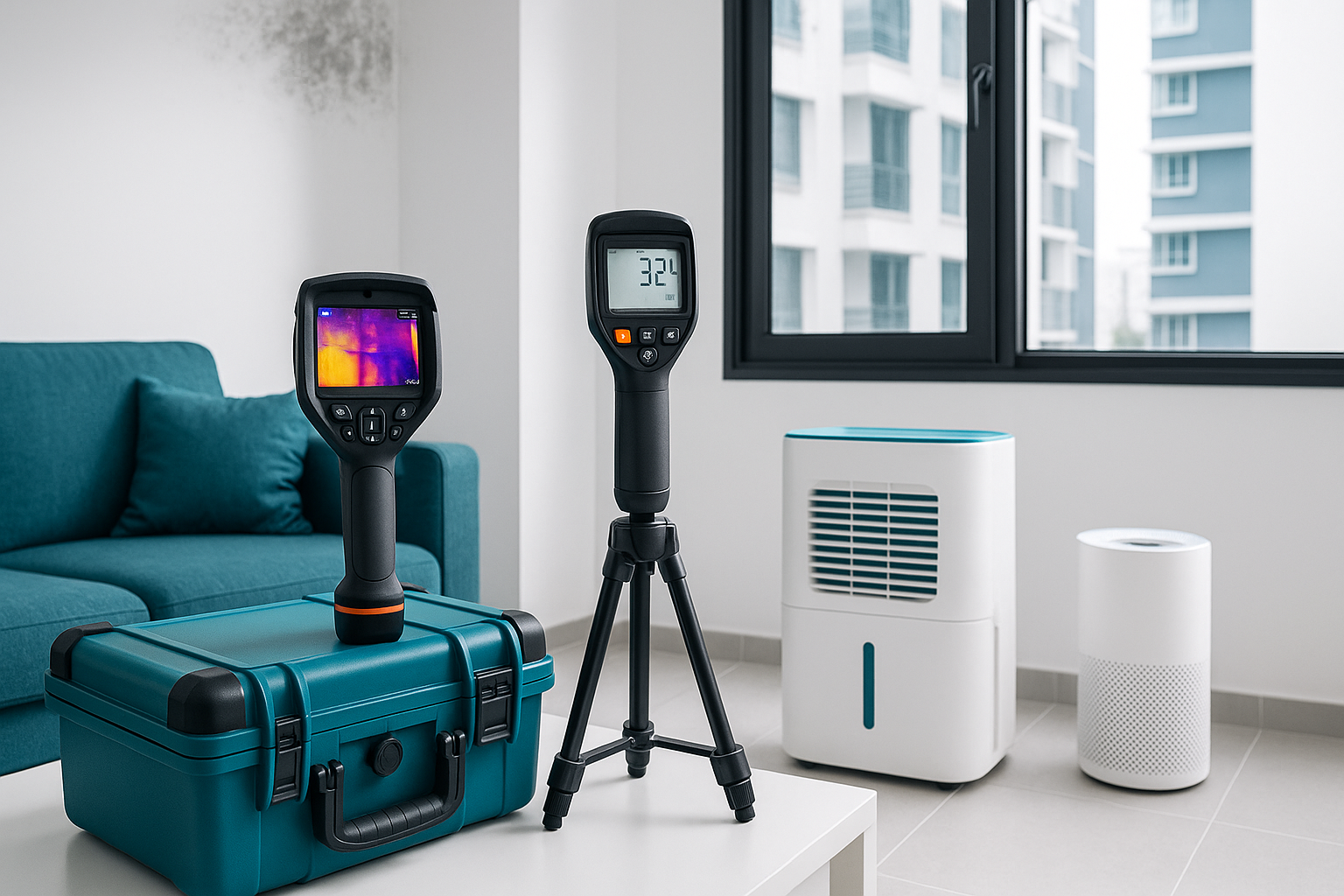
Northeast Monsoon and Your Home: Mould Prevention Guide
As the year draws to a close, Singapore homeowners brace themselves for the annual Northeast Monsoon. This season, which spans from December to March, brings increased rainfall, higher humidity, and cooler temperatures. While this change in weather might offer a respite from the usual heat, it also presents a unique challenge for homeowners: the risk of mould growth. With over 15 years of experience, I understand the importance of preparing your home for this season to protect your health and property.
Mould thrives in damp, humid environments, making Singapore's climate particularly conducive to its growth. During the Northeast Monsoon, the risk of mould infestation increases due to prolonged periods of rain and consistently high humidity levels. Whether you live in an HDB flat in Tampines, a condominium in Bishan, or a landed property in Jurong, understanding how to prevent mould is crucial.
Understanding the Singapore Climate and Its Impact on Mould Growth
Singapore's tropical climate, characterized by high humidity and substantial rainfall, provides the perfect conditions for mould to thrive. During the Northeast Monsoon, humidity levels can soar above 80%, creating an environment where mould can easily develop and spread.
Key Climatic Factors Contributing to Mould
- Humidity Levels: High humidity is a primary factor in mould growth. Maintaining indoor humidity below 60% can significantly reduce the risk.
- Rainfall: The increased rainfall during the monsoon season can lead to leaks and water intrusion, common catalysts for mould development.
- Temperature: Cooler temperatures slow evaporation, allowing moisture to linger longer on surfaces.
Key Stat: During the Northeast Monsoon, Singapore experiences an average of 250-300mm of rainfall per month, significantly increasing the risk of water damage and mould growth.
Identifying Mould-Prone Areas in Your Home
Different property types in Singapore face unique challenges when it comes to mould prevention. Identifying these areas can help you take targeted action.
HDB Flats
- Bathrooms and Kitchens: These areas often have poor ventilation, making them hotspots for mould growth.
- Laundry Areas: Damp clothes and poor air circulation contribute to higher humidity levels.
Condominiums
- Balconies and Windows: Rain exposure can lead to water seepage and mould growth if not properly sealed.
- Air Conditioning Units: Condensation from air conditioners can create moisture buildup conducive to mould.
Landed Properties
- Basements and Attics: Poor ventilation and potential water leaks make these areas vulnerable.
- External Walls: Rainwater can penetrate through cracks, leading to hidden mould growth.
Industry Best Practices for Mould Prevention
Professional mould remediation specialists adhere to industry standards to effectively manage and prevent mould growth. Here are some best practices to consider:
Regular Inspections
Ventilation and Dehumidification
- Use Exhaust Fans: Install exhaust fans in bathrooms and kitchens to improve air circulation.
- Dehumidifiers: Professional-grade dehumidifiers can help maintain optimal humidity levels, especially during the monsoon.
Professional Mould Remediation
- Trained Specialists: Employ professionals who follow industry-standard procedures for mould removal.
- Non-Toxic Treatments: Opt for environmentally-friendly and non-toxic mould treatments.
Expert Insight: "Engaging a professional mould remediation service ensures thorough removal and prevention, using advanced equipment and industry-standard techniques."
Step-by-Step Guide to Mould Prevention
Here’s a comprehensive guide to help you safeguard your home against mould during the Northeast Monsoon.
Cost Breakdown for Mould Prevention
Understanding the costs associated with mould prevention can help you budget effectively. Here is a breakdown of typical expenses:
- Dehumidifiers: S$200 - S$800 depending on the unit's capacity and features.
- Exhaust Fans: S$150 - S$300 per unit.
- Professional Inspection: S$100 - S$300 for a comprehensive assessment.
- Mould Remediation Services: S$500 - S$2,500, depending on the severity of the infestation and property size.
Pro Tip: Investing in preventive measures is often more cost-effective than dealing with extensive mould remediation later.
Conclusion
The Northeast Monsoon poses a significant risk of mould growth in Singapore homes, but with the right knowledge and preparation, you can protect your property and health. By following industry best practices, conducting regular inspections, and engaging professional services, you can effectively prevent mould during this challenging season.
For a comprehensive mould assessment or to schedule a free inspection, contact our team of trained specialists today!
Frequently Asked Questions
How can I tell if there's mould in my home?
Look for signs such as a musty odor, visible discoloration on walls or ceilings, and areas with water stains or leaks. You might also notice an increase in respiratory issues if mould is present. Regular inspections, especially in high-risk areas like bathrooms and kitchens, can help in early detection.
What are the best ways to reduce humidity in my home during the Northeast Monsoon?
To reduce humidity, use dehumidifiers in moisture-prone areas, ensure good ventilation by opening windows or using exhaust fans, and regularly check for leaks that might contribute to excess moisture. Keeping indoor humidity levels below 60% is ideal for mould prevention.
Is professional mould remediation necessary, or can I handle it myself?
While small areas of mould can be managed with DIY methods, professional remediation is recommended for larger infestations or recurring mould issues. Trained specialists use industry-standard techniques and equipment to ensure thorough removal and prevention, which can prevent future problems.
How often should I have my home inspected for mould?
It's advisable to have your home inspected at least once a year, especially before the monsoon season. High-risk areas like basements, attics, and bathrooms should be checked more frequently. Regular inspections by professionals can help in early detection and prevention.
What should I do if I find mould in my air conditioning unit?
If you discover mould in your air conditioning unit, turn it off to prevent spores from spreading. Clean or replace the filters and have the unit serviced by a professional. Regular maintenance and cleaning are key to preventing mould growth in air conditioning systems.