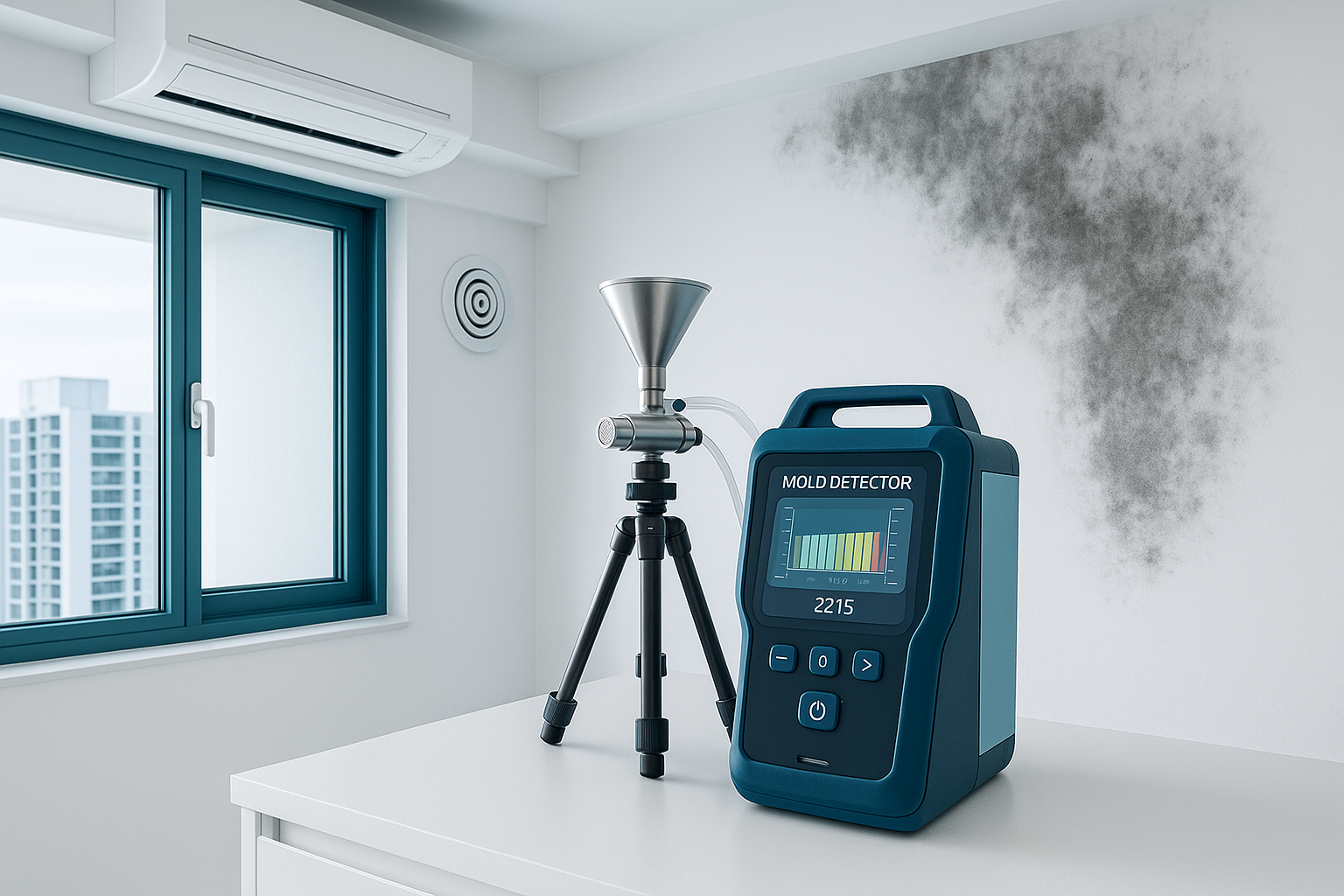
# Plumbing Leak vs Humidity: How to Identify Your Mould Source
Singapore's tropical climate, characterized by high humidity and frequent rainfall, creates a perfect environment for mould growth. Homeowners across HDB flats, condominiums, and landed properties often find themselves battling this persistent issue. Identifying the source of mould—whether from a plumbing leak or humidity—is crucial in applying effective remediation strategies.
Understanding Mould in Singapore Homes
The Singapore Climate and Its Impact
With year-round temperatures averaging between 25°C to 31°C and humidity levels often above 80%, Singapore homes are susceptible to mould, especially in poorly ventilated areas. Key Stat: Singapore experiences an average annual rainfall of around 2,400mm, contributing significantly to indoor humidity levels.
Common Areas Prone to Mould Growth
- Bathrooms and Kitchens: High moisture content and frequent use of water make these rooms prime locations.
- Bedrooms and Living Rooms: Poor ventilation and retained humidity can lead to hidden mould growth, especially in corners and behind furniture.
- Air Conditioning Units: Condensation from AC units can lead to unnoticed mould growth, impacting air quality.
Identifying the Source: Plumbing Leak vs Humidity
Signs of a Plumbing Leak
Detecting a plumbing leak early can save homeowners from costly repairs and extensive mould remediation.
- Visible Water Stains: Look for discolouration on walls, ceilings, or floors.
- Unexpected Increase in Water Bills: A sudden spike in your water bill can indicate a hidden leak.
- Musty Odour: Persistent musty smells often point to water accumulation and potential mould growth.
Pro Tip: Regularly inspect areas under sinks, around toilets, and near appliances for signs of water leaks.
Humidity-Related Mould Growth
Humidity-induced mould is often spread over larger areas and can be trickier to pinpoint.
- Widespread Mould Presence: If mould appears in multiple locations across your home, humidity is likely the culprit.
- Condensation on Windows: Excessive indoor humidity can cause moisture buildup on windows, indicating poor ventilation.
- Noisy Dehumidifiers: If your dehumidifier is running continuously, your home might be too humid.
Expert Insight: Investing in a hygrometer can help monitor indoor humidity, keeping it below 60% to prevent mould growth.
Steps to Diagnose the Source of Mould
Step-by-Step Guide
Best Practice: Regular maintenance checks can preemptively address both leaks and humidity issues.
Industry-Standard Remediation Techniques
Mould Remediation for Plumbing Leaks
- Repair Leaks Promptly: Fix any identified leaks to prevent further water damage.
- Dry Affected Areas Thoroughly: Use fans and dehumidifiers to dry out wet areas swiftly.
- Remove and Replace Damaged Materials: Severely affected materials like drywall may need to be replaced.
Addressing Humidity-Induced Mould
- Enhance Ventilation: Open windows and use exhaust fans to improve air circulation in humid areas.
- Utilize Dehumidifiers: Deploy dehumidifiers to maintain optimal indoor humidity levels.
- Apply Anti-Mould Coatings: Professional-grade anti-mould paints and sealants can prevent future growth.
Warning: DIY mould removal can be hazardous; professional intervention ensures thorough and safe remediation.
Cost Considerations for Mould Remediation
Breakdown of Costs in Singapore
- Inspection and Assessment: Typically ranges from S$100 to S$300 depending on property size.
- Leak Repair Costs: Vary widely, from S$50 for minor fixes to over S$1,000 for major plumbing work.
- Professional Mould Removal: On average, costs range between S$500 to S$2,500, factoring in the extent of mould and property size.
Expert Insight: Investing in early detection and remediation can save significant costs in extensive repairs and health impacts.
Conclusion
Identifying the source of mould in your Singapore home—be it a plumbing leak or humidity—is essential for effective remediation. With a combination of vigilant monitoring, professional assessment, and industry-standard techniques, you can protect your property and health from the challenges of mould. For a comprehensive assessment and tailored solutions, schedule a free inspection with our trained specialists today.
Frequently Asked Questions
How can I tell if mould in my home is caused by a plumbing leak or humidity?
To determine the cause of mould, look for signs such as water stains or a sudden increase in water bills which indicate a plumbing leak. If mould appears in multiple areas without apparent leaks, it may be due to high humidity levels. Monitoring humidity with a hygrometer can help identify moisture issues.
What are some common areas in Singapore homes where mould is likely to grow?
In Singapore homes, mould commonly grows in bathrooms and kitchens due to high moisture, as well as in poorly ventilated bedrooms and living rooms. Air conditioning units and areas with poor drainage can also harbor mould.
What are the costs associated with mould remediation in Singapore?
The costs for mould remediation in Singapore can vary. Inspection fees range from S$100 to S$300, while minor plumbing repairs can cost around S$50. Professional mould removal services typically cost between S$500 to S$2,500, depending on the severity and size of the affected area.
Why is professional mould removal recommended over DIY methods?
Professional mould removal is recommended because specialists are trained to safely and effectively remove mould using industry-standard techniques. DIY methods can be ineffective and potentially hazardous, especially if the mould is extensive or toxic.
How can I prevent mould growth in my Singapore home?
To prevent mould, maintain indoor humidity below 60% using dehumidifiers, ensure proper ventilation in all rooms, and fix any water leaks promptly. Regular inspections and using anti-mould coatings in vulnerable areas can also help prevent mould growth.