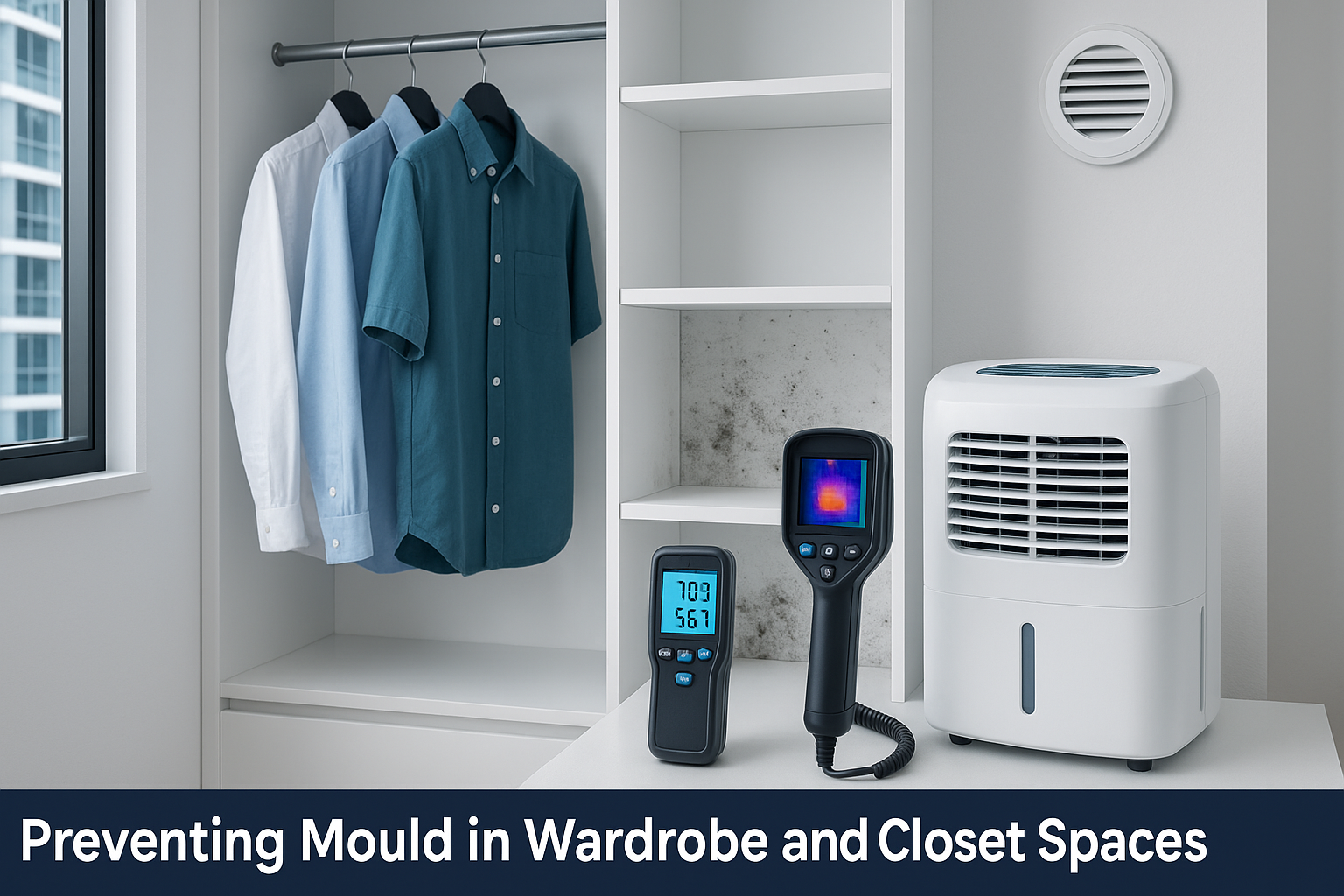
# Preventing Mould in Wardrobe and Closet Spaces: A Comprehensive Guide for Singapore Homeowners
Singapore's tropical climate, with its high humidity and frequent rainfall, creates the perfect breeding ground for mould growth, particularly in enclosed spaces like wardrobes and closets. As an expert in mould remediation with over 15 years of experience in the industry, I've seen firsthand how mould can damage clothing, linens, and even the structural integrity of your home. In this guide, we'll explore how you can prevent mould from taking over your wardrobe and closet spaces, ensuring a healthier living environment for you and your family.
Understanding the Singapore Climate and Its Impact on Mould Growth
Humidity: The Primary Culprit
Singapore's average relative humidity ranges from 70% to 90% throughout the year, with peaks during the monsoon seasons. This persistent moisture in the air creates ideal conditions for mould spores to thrive.
Key Stat: The average indoor humidity level in Singapore homes can often exceed 80%, especially in poorly ventilated areas like wardrobes and closets.
Temperature and Ventilation
While the warm temperatures in Singapore accelerate mould growth, inadequate ventilation in closet spaces further exacerbates the problem. Without proper airflow, moisture gets trapped, creating a micro-environment that encourages mould proliferation.
Common Areas Prone to Mould in Singapore Homes
HDB Flats
In Housing Development Board (HDB) flats, compact spaces and limited air circulation are common issues. Wardrobes built into the structure of rooms often lack adequate ventilation, making them prone to mould.
Condominium Units
Condos, often featuring luxurious finishes, can suffer from mould if wardrobes are built without considering airflow. High-rise living can also result in less natural ventilation.
Landed Properties
While landed properties may have more space, closets and wardrobes located in basements or near bathrooms can still fall prey to mould due to higher humidity in these areas.
Industry Best Practices for Mould Prevention
Effective Ventilation
Dehumidification Solutions
- Place Desiccants: Silica gel packets or activated charcoal can absorb excess moisture. Replace them regularly to maintain effectiveness.
- Use a Dehumidifier: A compact dehumidifier can significantly reduce humidity levels in your closet.
Regular Cleaning and Maintenance
- Clean Regularly: Dust and clean your wardrobes weekly to remove mould spores.
- Inspect for Leaks: Regularly check for water leaks or condensation inside and around your wardrobe.
Warning: Mould can spread rapidly if not addressed quickly. Regular inspections can help catch problems early.
Practical Tips for Mould Prevention in Wardrobes
Organisation and Storage
Material Choices
- Opt for Mould-Resistant Materials: Use mould-resistant paints or laminates for wardrobe interiors.
- Select Breathable Fabrics: Natural fabrics like cotton and linen are less likely to trap moisture compared to synthetic materials.
Seasonal Adjustments
- Rotate Clothes: Change wardrobe contents seasonally to reduce prolonged exposure to moisture.
- Sun-Dry Clothes: Whenever possible, dry clothes in the sun to eliminate moisture before storing them.
Cost Considerations for Mould Prevention
Budget-Friendly Options
- Desiccants and Fans: Setting up a basic prevention system with desiccants and portable fans can cost between S$50 to S$150.
Mid-Range Solutions
- Compact Dehumidifiers: These devices typically range from S$200 to S$500, depending on the brand and capacity.
Professional-Grade Installations
For those seeking long-term solutions, professional installation of ventilation systems or built-in dehumidifiers can range from S$1,000 to S$5,000.
Expert Insight: Investing in professional-grade solutions can save money in the long run by preventing costly mould damage and repairs.Conclusion: Take Action Today
Preventing mould in your wardrobe and closet spaces is crucial for maintaining a healthy home environment. By implementing these industry-standard practices and solutions, you can protect your belongings and ensure that your living spaces remain mould-free. If you're concerned about existing mould problems or want a professional assessment, consider scheduling a free inspection with a trained specialist today.
Frequently Asked Questions
How can I tell if there is mould in my wardrobe?
Look for visible signs such as black, green, or white spots on walls, clothes, or shelves. A musty smell is also a strong indicator of mould presence. Regular inspections and cleaning can help identify mould early.
Are there any specific products recommended for preventing mould in closets?
Desiccants like silica gel and activated charcoal are effective for moisture absorption. For larger spaces, a compact dehumidifier can help maintain ideal humidity levels. Always ensure these products are used as per manufacturer guidelines for best results.
What should I do if I find mould in my wardrobe?
Remove any affected items and clean the area with a mild detergent and water. Ensure the space is well-ventilated during cleaning. For severe cases, seek professional mould remediation services to prevent recurrence and ensure thorough removal.
Can mould in my wardrobe affect my health?
Yes, mould can cause respiratory problems, allergies, and skin irritations. It is particularly harmful to individuals with pre-existing respiratory conditions. Ensuring your wardrobe is mould-free can contribute to a healthier living environment.
Is professional mould removal expensive in Singapore?
The cost of professional mould removal varies based on the severity and extent of the mould problem. On average, services can range from S$500 to S$2,000. Investing in professional services can prevent more costly damage and health issues in the long run.