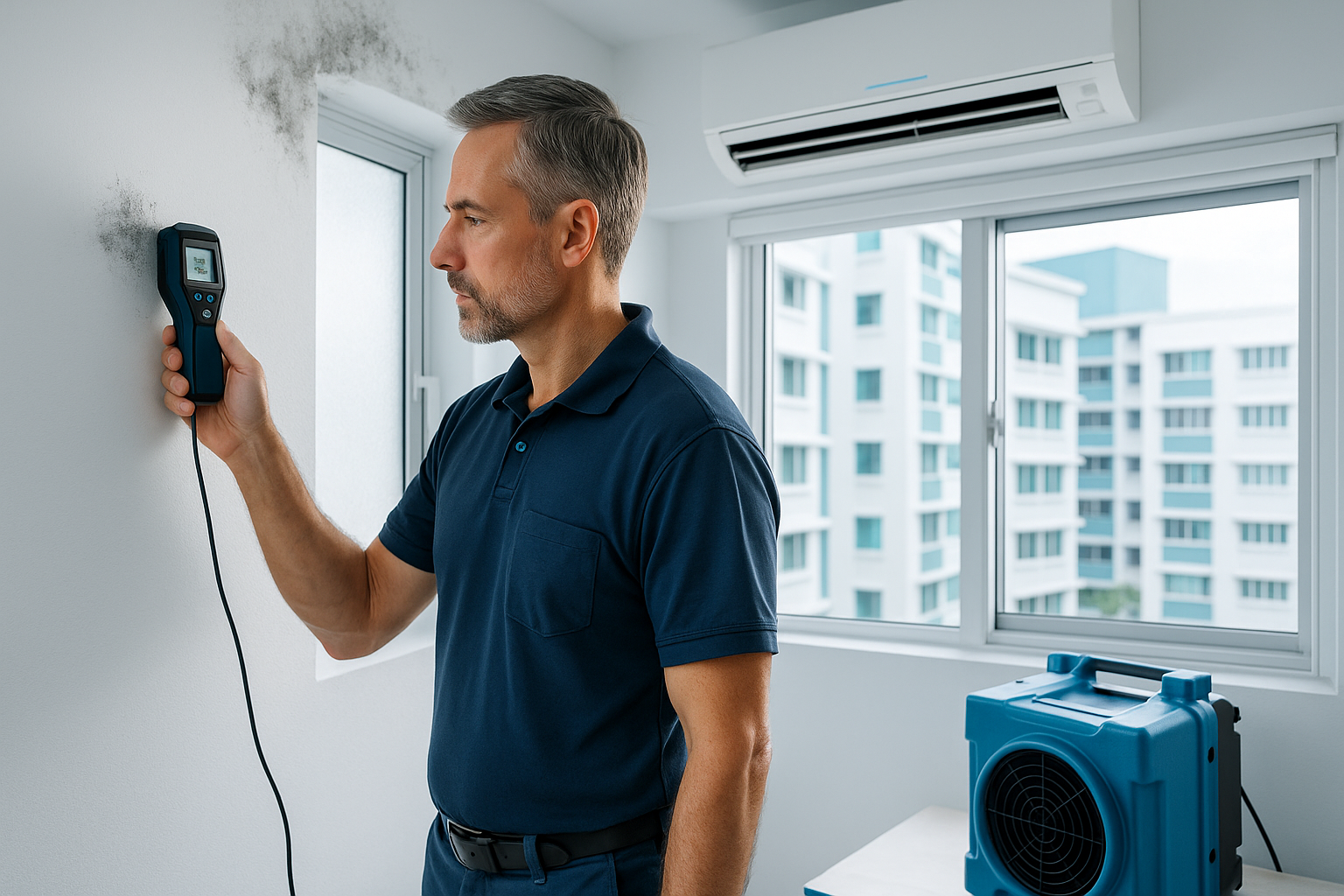
How Antimicrobial Treatments Work
Professional antimicrobial treatments create a protective barrier on surfaces that actively kills mould spores, bacteria, and other microorganisms. Unlike cleaning which removes existing growth, these treatments provide ongoing protection against future contamination.
Types of Treatments
- Surface coatings - Applied to walls, ceilings, and other surfaces; typically last 2-5 years
- Fog treatments - Antimicrobial fog that reaches all surfaces including hidden areas
- Injection treatments - For porous materials where mould penetrates deeply
- HVAC treatments - Specialized treatments for air conditioning systems
Benefits of Professional Treatment
- Long-lasting protection (years vs weeks for DIY solutions)
- Reaches areas inaccessible to homeowner cleaning
- Effective against all mould species including resistant strains
- Improves indoor air quality
- Often includes warranty coverage
Frequently Asked Questions
How long do antimicrobial treatments last?
Professional antimicrobial treatments typically last 1-5 years depending on the product and application area. Surface coatings in high-traffic areas may need renewal sooner. Most treatments include warranties. Reapplication before complete breakdown ensures continuous protection.
Are antimicrobial treatments safe for families with children and pets?
Yes, once cured. Professional antimicrobial treatments are designed to be safe after the curing period (typically 24-48 hours). During application and curing, vacate the area. After curing, treatments are bonded to surfaces and don't off-gas. Always ask your provider about safety certifications.
Can antimicrobial treatments prevent mould completely?
No treatment can guarantee 100% mould prevention. Antimicrobial treatments significantly reduce mould growth by killing spores on contact, but they work best as part of a comprehensive approach including humidity control, ventilation, and regular maintenance.
What's the difference between antimicrobial and anti-mould treatments?
Antimicrobial treatments target a broad range of microorganisms including bacteria, viruses, and fungi (including mould). Anti-mould treatments specifically target fungal growth. Antimicrobial products provide broader protection but both are effective against mould when properly applied.