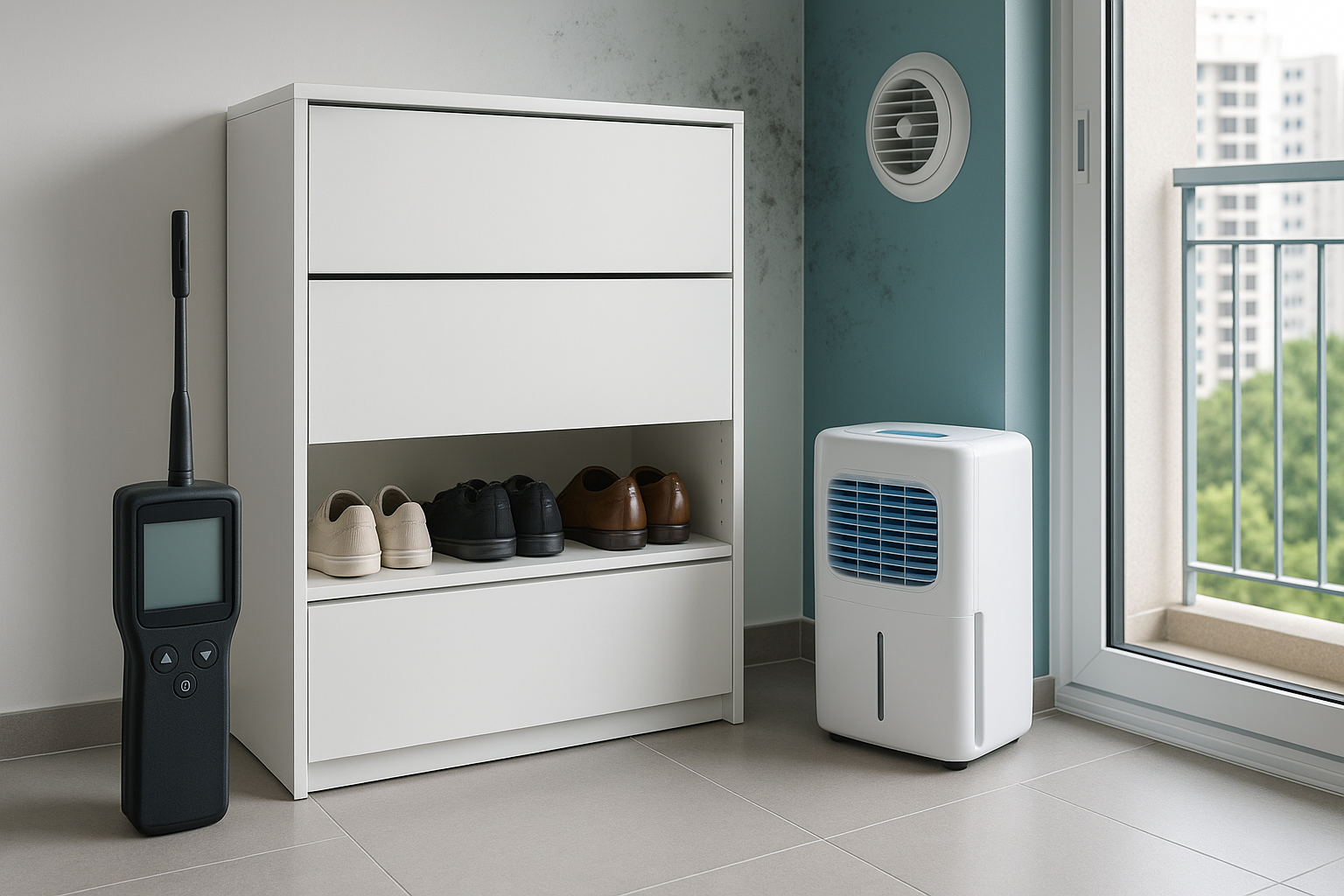
Shoe Cabinet Mould Prevention in Humid Singapore
Singapore's tropical climate, characterized by high humidity and frequent rainfall, creates the perfect environment for mould growth. This is a common issue faced by homeowners across various property types, including HDB flats, condos, and landed properties. One of the areas most susceptible to mould infestation is the shoe cabinet, due to its enclosed space and often poor ventilation. In this comprehensive guide, we will delve into effective strategies for preventing mould growth in shoe cabinets, tailored specifically to the unique climate of Singapore.
Understanding Mould and Its Impact
Mould is a type of fungus that thrives in damp and humid conditions, feeding on organic materials. In Singapore, with average humidity levels ranging between 70-90%, shoe cabinets become prime targets for mould infestation. Not only does mould damage your shoes and cabinet interiors, but it also poses health risks, such as allergies and respiratory issues.
Key Stat:
Singapore's average humidity levels range between 70-90%, creating ideal conditions for mould growth.
Why Shoe Cabinets Are Vulnerable
Shoe cabinets are often located in areas with limited airflow, such as entryways or hallways. This lack of ventilation, combined with the moisture from shoes, creates a microclimate conducive to mould growth. The materials commonly used in shoe cabinets, such as wood and fabric, are also organic, providing a nutrient-rich surface for mould spores.
Common Property Types and Their Challenges
HDB Flats: With limited space, shoe cabinets in HDB flats are often compact and placed near entryways, which may not have optimal ventilation. Condominiums: These often feature built-in cabinets, which can trap moisture and heat, exacerbating mould growth. Landed Properties: While these typically offer more space, shoe cabinets in basements or garages are prone to high humidity levels.Industry Best Practices for Mould Prevention
Assess and Improve Ventilation
Proper ventilation is crucial in preventing mould growth. Here are some strategies:
- Install Ventilation Grates: Adding grates to the cabinet doors can enhance airflow.
- Use Exhaust Fans: If the cabinet is in an enclosed area, consider installing an exhaust fan to reduce humidity levels.
Maintain Optimal Humidity Levels
Keeping humidity under control is vital. Consider these methods:
- Use Dehumidifiers: A professional-grade dehumidifier can effectively reduce moisture levels in the air.
- Silica Gel Packs: Place these moisture-absorbing packs inside the cabinet to control humidity.
Regular Cleaning and Maintenance
Implement a regular cleaning schedule to prevent mould build-up:
- Weekly Wipe-Down: Use a damp cloth with mild detergent to clean the interior surfaces.
- Monthly Deep Clean: Use a professional-grade mould cleaning solution for a thorough cleanse.
Professional Mould Inspection
Engage trained specialists to inspect your home regularly:
- Annual Inspections: A professional inspection can identify potential problem areas before they escalate.
- Infrared Moisture Detection: Advanced tools can detect hidden moisture problems.
Step-by-Step Guide to Mould Prevention
Real-Life Examples from Singapore
Let's explore a few real-world scenarios:
Tampines HDB Flat: A homeowner installed ventilation grates and used silica gel packs, significantly reducing mould incidents. Jurong Condo: By installing a small dehumidifier in the shoe cabinet, a resident managed to maintain a dry environment, preventing mould growth. Bishan Landed Property: A homeowner opted for a professional mould inspection, which identified a hidden water leak contributing to high humidity levels, allowing for timely repairs.Costs and Investment
While investing in mould prevention might seem costly upfront, it can save you from significant expenses down the line. Here's a cost breakdown:
- Ventilation Upgrades: S$100-S$300
- Dehumidifiers: S$200-S$500
- Professional Cleaning Solutions: S$50-S$100
- Annual Inspections: S$150-S$300
"Investing in professional-grade solutions and regular maintenance can significantly extend the lifespan of your cabinetry and protect your health." — Industry Specialist
Conclusion
Mould prevention in shoe cabinets requires a proactive approach, especially in Singapore's humid climate. By improving ventilation, maintaining optimal humidity levels, and scheduling regular inspections, you can protect your home and health from the detrimental effects of mould. If you're concerned about mould in your shoe cabinets, consider scheduling a free inspection with trained specialists to ensure your home remains mould-free.
Frequently Asked Questions
How can I prevent mould in my HDB flat's shoe cabinet?
To prevent mould in an HDB flat's shoe cabinet, ensure proper ventilation by installing grates or using a small fan. Regularly clean the cabinet with a mild detergent, and use silica gel packs to control humidity. Schedule annual professional inspections to catch any potential issues early.
Are dehumidifiers effective for shoe cabinets in condos?
Yes, dehumidifiers are highly effective in controlling humidity levels in condo shoe cabinets. Opt for a compact, professional-grade dehumidifier to maintain a dry environment, which helps prevent mould growth. Regular maintenance of the dehumidifier ensures its efficiency.
What are some signs of mould infestation in shoe cabinets?
Common signs of mould infestation include a musty odor, visible black or green spots on surfaces, and a persistent increase in humidity levels within the cabinet. If you notice any of these signs, it's advisable to conduct a thorough cleaning and consider professional inspection.
How often should I clean my shoe cabinet to prevent mould?
It's recommended to perform a weekly wipe-down of your shoe cabinet using a damp cloth and mild detergent. A more comprehensive deep clean with a professional-grade mould cleaning solution should be done monthly to prevent mould build-up effectively.
Is professional mould inspection necessary for landed properties?
While not mandatory, professional mould inspections are highly beneficial for landed properties. These inspections can identify hidden moisture problems, such as leaks or poor ventilation, which are common in larger homes. Regular inspections help in preventing costly repairs and potential health risks.