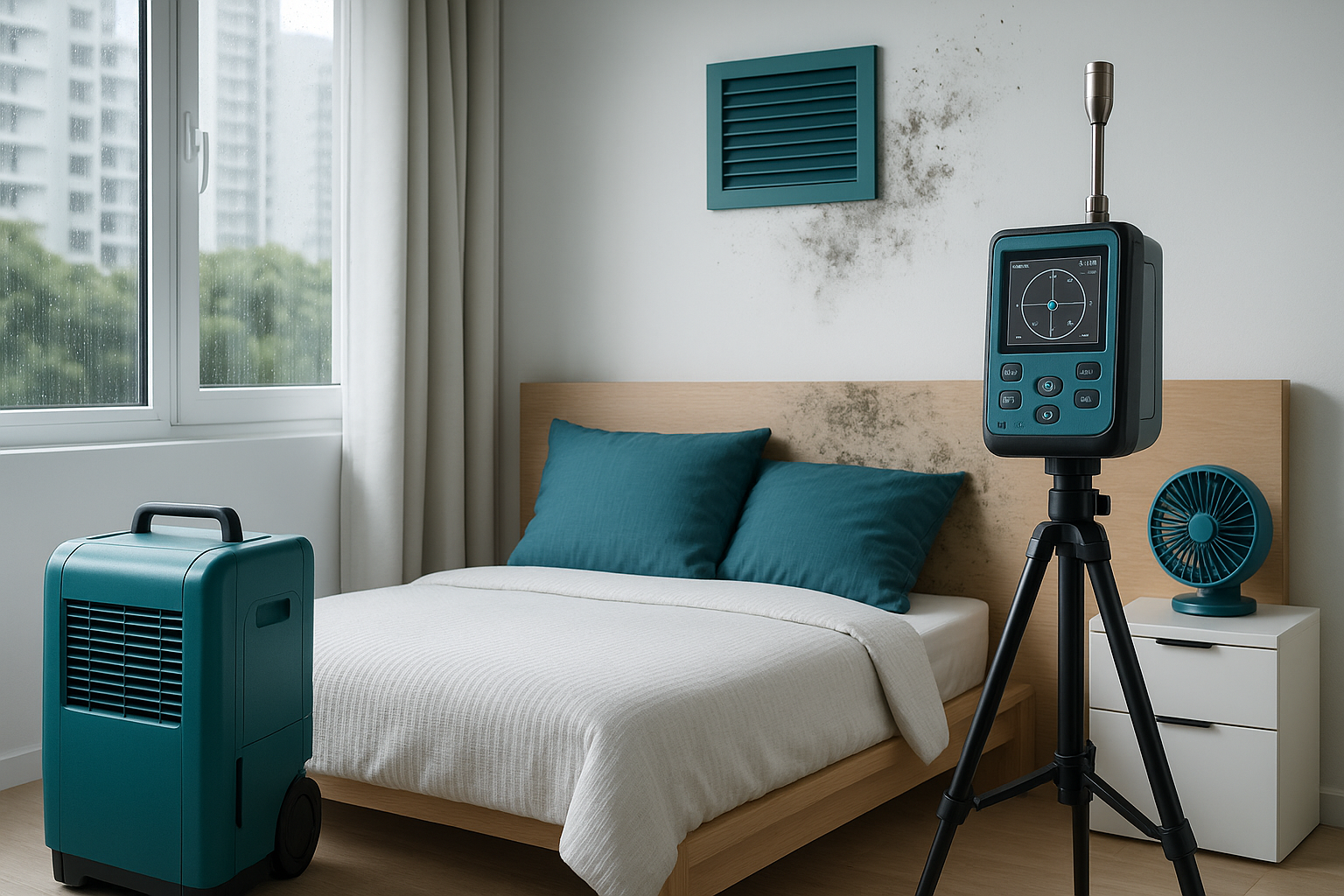
# Singapore's Rainy Season: Protecting Your Home from Water Intrusion
Singapore's tropical climate is characterized by high humidity and significant rainfall, especially during the monsoon seasons. While the lush greenery and vibrant flora are a boon, the rainy season can bring challenges for homeowners across the island. Water intrusion is a common concern, leading to potential mould growth and structural damage. As an expert in mould remediation with over 15 years of experience, I aim to guide you in safeguarding your home during Singapore's rainy season.
Understanding Singapore's Rainy Season
Climate Overview
Key Stat: Singapore receives an average annual rainfall of about 2,340mm, with heavy downpours during the Northeast Monsoon (December to March) and the Southwest Monsoon (June to September).The humidity levels often exceed 80%, creating a conducive environment for water intrusion. Understanding these climate factors is crucial for effective home protection strategies.
Common Areas Affected by Water Intrusion
Homes in Singapore, whether HDB flats, condominiums, or landed properties, are susceptible to water intrusion in various areas:
- HDB Flats: Balconies, windows, and laundry areas
- Condominiums: Basement car parks, swimming pool decks, and roof terraces
- Landed Properties: Basements, gardens, and roof spaces
Protecting these key areas is essential to prevent mould growth and structural issues.
Identifying Water Intrusion Risks
Signs of Water Intrusion
Be vigilant for these common indicators of water intrusion:
- Water stains on ceilings or walls
- Peeling paint or wallpaper
- Musty odours
- Visible mould growth
Risk Factors
Certain factors increase the risk of water intrusion:
- Poor drainage systems
- Inefficient waterproofing
- Aging infrastructure
Conducting a thorough inspection can help you identify and mitigate these risks before they escalate.
Industry Best Practices for Water Intrusion Prevention
Professional-Grade Waterproofing
Invest in professional-grade waterproofing solutions tailored to your property type. This includes:
- External Walls and Roofs: Use high-quality waterproof coatings and membranes.
- Balconies and Terraces: Opt for slip-resistant waterproof sealants.
Regular Maintenance and Inspections
Routine maintenance is crucial in preventing water intrusion:
By following these steps, you can maintain the integrity of your home's water barriers.
Mould Prevention and Remediation
How Mould Develops
Mould thrives in damp, humid conditions. Water intrusion during the rainy season can create ideal conditions for mould growth.
Warning: Mould can cause health issues such as respiratory problems and allergic reactions. Addressing it promptly is vital for your family's well-being.Professional Mould Remediation
As a mould remediation expert, I recommend the following industry-standard practices:
Engaging trained specialists ensures a comprehensive and effective remediation process.
Real-Life Examples from Singapore
Case Study: HDB Flats in Tampines
A series of HDB flats in Tampines experienced water intrusion in their balconies due to inadequate waterproofing. By implementing professional-grade solutions and routine inspections, homeowners successfully prevented further damage.
Case Study: Condominiums in Marina Bay
Condominiums in Marina Bay faced water seepage issues in their basement car parks. After engaging specialists for waterproofing and drainage improvements, the problem was effectively resolved.
Cost Considerations and Budgeting
Breakdown of Costs
Here's a general idea of what you might expect to spend on water intrusion prevention:
- Waterproofing Services: S$2,000 to S$10,000 depending on property size and scope
- Regular Inspections and Maintenance: S$200 to S$500 annually
- Mould Remediation Services: S$1,000 to S$5,000 based on severity
Conclusion: Protect Your Home Today
Ensuring your home is protected from water intrusion during Singapore's rainy season is crucial. By understanding the risks and implementing industry best practices, you can safeguard your property and health. If you suspect water intrusion or mould, schedule a free inspection with our trained specialists today.
Frequently Asked Questions
How can I tell if my home has water intrusion?
Look for signs such as water stains on walls or ceilings, peeling paint, musty odours, and visible mould growth. Regular inspections during the rainy season can help identify these issues early.
What are the costs associated with waterproofing my home in Singapore?
Costs can vary based on property size and the extent of work required. Generally, waterproofing services range from S$2,000 to S$10,000. Regular maintenance and inspections may cost between S$200 to S$500 annually.
Why is professional mould remediation important?
Professional mould remediation ensures thorough removal of mould using industry-standard practices. This prevents health issues and further property damage. Trained specialists use advanced tools and techniques for effective results.
What areas of my home are most at risk during the rainy season?
Common areas include basements, balconies, roofs, and windows. These areas are prone to water accumulation and must be inspected regularly for signs of intrusion.
How often should I inspect my home for water intrusion?
It's advisable to inspect your home at the start of the rainy season and after any significant downpours. Regular checks ensure early detection and prevention of water-related issues.