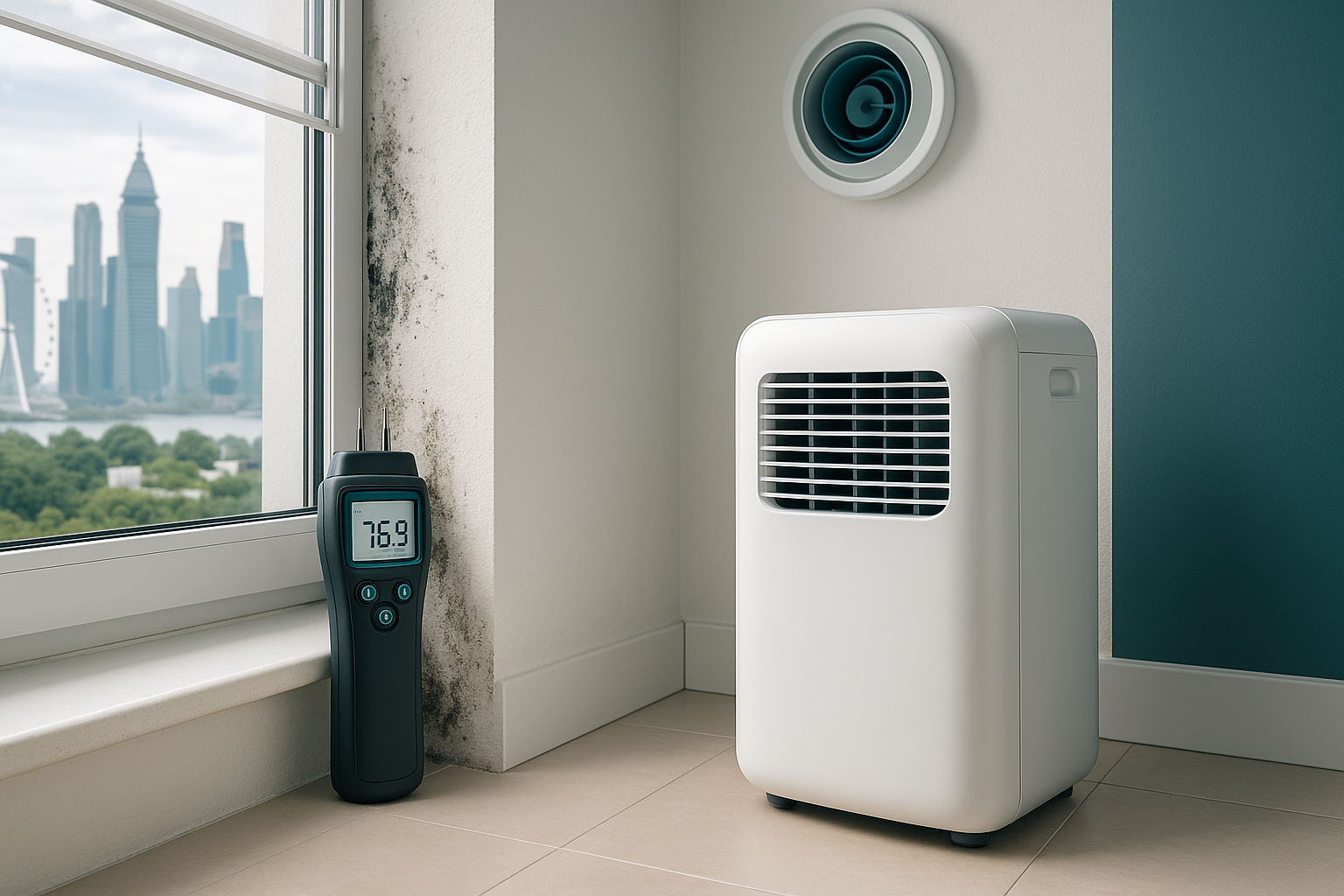
# Understanding Singapore Weather Patterns and Optimal Dehumidifier Usage for Homeowners
Singapore's tropical climate is both a blessing and a curse. The lush greenery and warm weather are appealing, but the high humidity levels can be a challenge for homeowners. As an experienced mould remediation specialist with over 15 years of experience, I have witnessed how Singapore's weather patterns contribute to mould growth in homes. This blog post aims to help homeowners in Singapore—whether you live in an HDB, condo, or landed property—understand the importance of managing indoor humidity with optimal dehumidifier usage.
The Unique Climate of Singapore
Singapore's Weather Patterns
Singapore is situated near the equator, which means it experiences a tropical rainforest climate. The average temperature ranges from 25°C to 31°C, with humidity levels often exceeding 80%. The climate is characterized by two monsoon seasons: the Northeast Monsoon (December to March) and the Southwest Monsoon (June to September). These seasons bring heavy rainfalls, contributing to the high ambient moisture.
Key Stat:Singapore's average annual rainfall is about 2,300 mm, making it one of the wettest regions in Southeast Asia.
Impact on Indoor Humidity Levels
The consistent high humidity in Singapore creates a perfect environment for mould growth. When indoor humidity exceeds 60%, it can lead to condensation on walls, ceilings, and floors, providing an ideal breeding ground for mould. This is especially prevalent in areas like Tampines, Jurong, and Bishan, where dense housing can exacerbate humidity issues.
Why Dehumidifiers are Essential in Singapore
Importance of Humidity Control
Controlling indoor humidity is crucial for maintaining a healthy living environment. High humidity can not only encourage mould growth but also affect indoor air quality, aggravate respiratory conditions, and damage your property.
Expert Insight: "Maintaining relative humidity between 40% and 60% is considered best practice to prevent mould growth and preserve indoor air quality."
Benefits of Using Dehumidifiers
Dehumidifiers are an effective tool to manage indoor moisture levels. Here are some benefits:
- Prevents Mould Growth: By reducing humidity levels, dehumidifiers help prevent the conditions that mould needs to thrive.
- Improves Air Quality: Lower humidity levels can reduce allergens like dust mites and improve overall air quality.
- Protects Property: Helps in safeguarding wooden furniture, electronics, and other moisture-sensitive items.
- Energy Efficiency: Modern dehumidifiers come with energy-efficient settings, saving on electricity bills.
Choosing the Right Dehumidifier
Considerations for Different Property Types
HDB Flats
HDB flats typically have less space, so compact dehumidifiers are ideal. Look for models with features like auto shut-off and continuous drainage options to reduce maintenance efforts.
Condominiums
Condo dwellers may need a dehumidifier with a larger capacity, particularly if they have multiple rooms or an open floor plan. A unit with a built-in humidistat can provide precise control over humidity levels.
Landed Properties
For larger landed properties, whole-house dehumidifiers can be integrated with existing HVAC systems for comprehensive humidity control. These systems are more expensive, ranging from S$1,500 to S$3,000, but they offer robust solutions for extensive properties.
Key Features to Look For
- Capacity: Choose a dehumidifier based on the size of the area it needs to cover. This is measured in liters per day.
- Energy Efficiency: Look for models with energy-saving modes to minimize electricity costs.
- Noise Level: Consider the noise output, especially if the dehumidifier will be placed in living or sleeping areas.
Best Practices for Dehumidifier Usage
Optimal Placement
- Keep Away from Walls: Place the dehumidifier at least 10-15 cm away from walls for optimal air circulation.
- Central Location: Position it centrally in the home for even humidity reduction.
Maintenance Tips
- Regular Cleaning: Clean the filter and water tank regularly to prevent bacteria buildup.
- Check Humidity Levels: Use a hygrometer to monitor humidity and adjust the dehumidifier settings accordingly.
Pro Tip: "Run your dehumidifier during peak humidity hours, typically early morning and late afternoon, for maximum efficiency."
Managing Humidity in Different Seasons
Northeast Monsoon (December to March)
The Northeast Monsoon brings more rain and cooler temperatures, which can lead to increased indoor humidity. During this time, running a dehumidifier consistently is crucial.
Southwest Monsoon (June to September)
The Southwest Monsoon is less intense but still contributes to high humidity. Consider using a dehumidifier in combination with air conditioning to maintain comfortable indoor conditions.
Conclusion
Understanding Singapore's weather patterns and using a dehumidifier effectively are vital steps in preventing mould growth and ensuring a healthy living environment. By investing in the right dehumidifier and following industry-standard practices, homeowners can protect their homes and improve their quality of life.
For a professional assessment of your home's humidity levels and expert mould remediation advice, schedule a free inspection with our team today.
Frequently Asked Questions
How often should I run my dehumidifier in Singapore?
In Singapore's consistently humid climate, it's best to run your dehumidifier daily during peak humidity hours, typically in the early morning and late afternoon. Adjust usage based on specific humidity levels in your home, aiming to maintain a relative humidity of 40% to 60%.
What size dehumidifier do I need for my HDB flat?
For an HDB flat, a compact dehumidifier with a capacity of 10-20 liters per day is usually sufficient. This size effectively manages humidity in smaller spaces while being energy-efficient and easy to maintain.
Can I use a dehumidifier while air conditioning is on?
Yes, using a dehumidifier in conjunction with air conditioning can enhance humidity control. The air conditioner cools the air, while the dehumidifier removes excess moisture, creating a comfortable indoor environment.
How do I maintain my dehumidifier?
Regular maintenance of your dehumidifier includes cleaning the filter and water tank to prevent bacteria buildup. Check the humidity settings and empty the water reservoir frequently. Refer to the manufacturer's guidelines for specific maintenance instructions.
What are the signs that my home has high humidity?
Signs of high humidity include condensation on windows, musty odors, visible mould growth, and increased allergy symptoms. If you notice any of these signs, consider using a dehumidifier to reduce indoor moisture levels.