# Southwest Monsoon Effects on Indoor Air Quality in Singapore
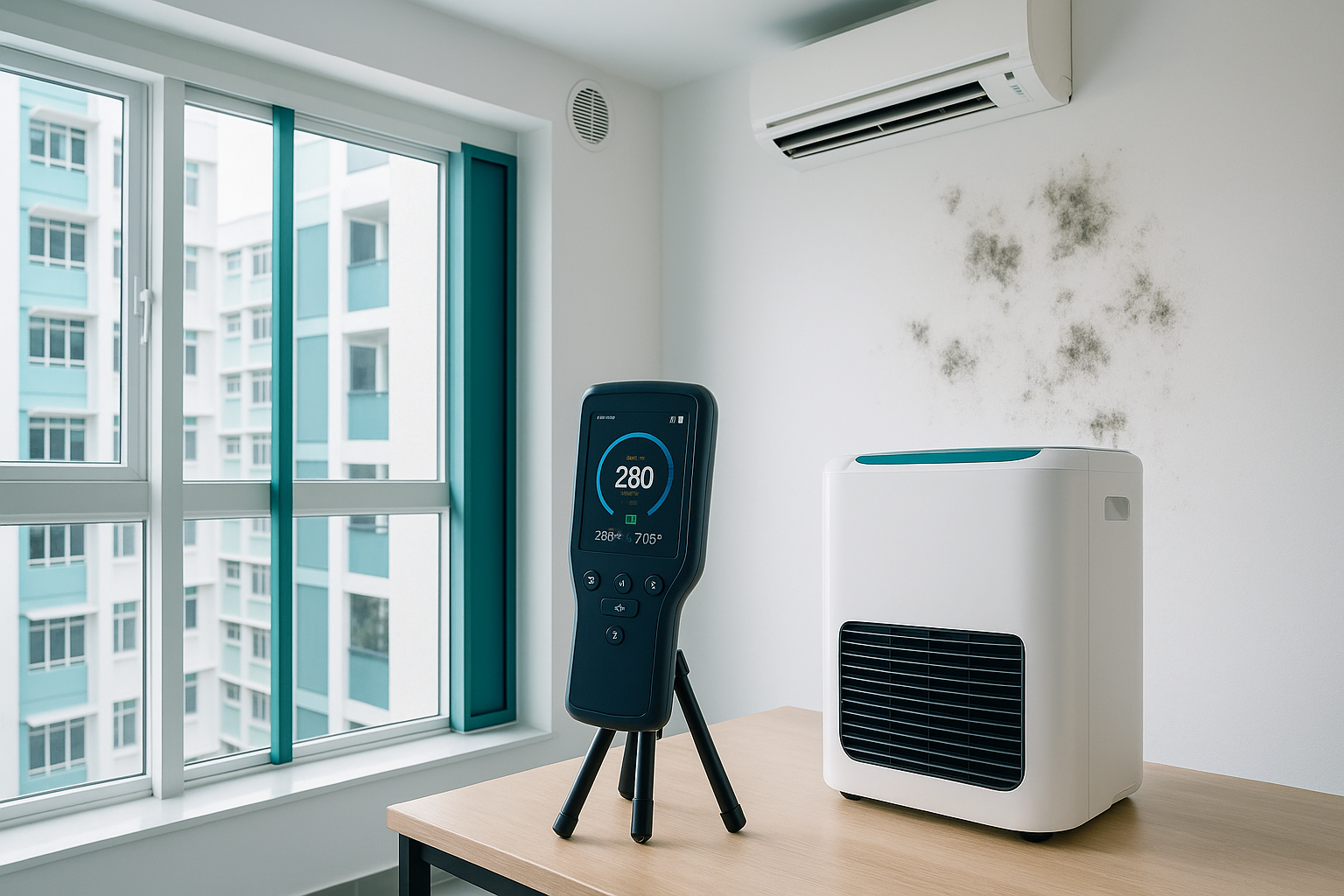
The Southwest Monsoon, stretching from June to September, brings much-needed rainfall to Singapore. While this period is crucial for replenishing our reservoirs and ensuring lush greenery, it also poses significant challenges for homeowners. The increased humidity and persistent rain can drastically affect indoor air quality, leading to potential health issues and property damage.
As a seasoned mould remediation specialist with over 15 years of experience in Singapore, I have witnessed firsthand how this monsoon can exacerbate mould growth in homes, particularly in HDB flats, condominiums, and landed properties. This blog post aims to equip Singapore homeowners with the knowledge and practical strategies needed to maintain a healthy indoor environment during the Southwest Monsoon.
Understanding the Southwest Monsoon
Climate Characteristics
The Southwest Monsoon is characterized by:
- High humidity, often exceeding 90% during peak periods.
- Heavy rainfall, with monthly averages ranging from 150mm to 250mm.
- Persistent cloud cover, leading to reduced sunlight exposure.
Impact on Indoor Spaces
These climatic conditions create a perfect breeding ground for mould. In Singapore's urban areas like Tampines, Jurong, and Bishan, where homes are tightly packed, the lack of ventilation further exacerbates the issue.
Key Stat: Studies show that indoor humidity levels above 60% significantly increase the likelihood of mould growth.
Effects of the Southwest Monsoon on Indoor Air Quality
Increased Humidity
High humidity levels during the monsoon season can lead to:
- Condensation on walls and ceilings, particularly in poorly ventilated spaces.
- Accumulation of moisture in household items like carpets, curtains, and upholstery.
Mould and Mildew Growth
Mould thrives in damp environments, and the monsoon provides ideal conditions for its proliferation:
- Rapid growth on walls, ceilings, and hidden corners.
- Spread of spores into the air, reducing air quality and posing health risks.
Expert Insight: Mould spores can trigger allergic reactions, respiratory issues, and even skin irritations in sensitive individuals.
Allergens and Pollutants
With windows often closed to keep out the rain, indoor spaces can become a trap for:
- Dust mites and other allergens.
- Volatile organic compounds (VOCs) from household products that are not adequately ventilated.
Best Practices for Maintaining Indoor Air Quality
Ventilation
Dehumidification
- Invest in dehumidifiers to maintain indoor humidity levels between 30% and 50%.
- Regularly empty and clean dehumidifier tanks to prevent mould growth.
Pro Tip: Place dehumidifiers in central locations or areas prone to dampness, such as basements and bathrooms.
Routine Maintenance
- Conduct regular inspections for signs of mould, especially in hidden areas.
- Clean air conditioning units and replace filters to ensure they function efficiently.
Mould Remediation: Professional Intervention
When to Call Professionals
If you notice persistent dampness, visible mould, or experience health issues, it might be time to seek professional help. Our trained specialists follow industry-standard protocols to ensure thorough mould removal and prevention:
Cost Considerations
- Basic inspection: S$150 - S$300
- Comprehensive remediation: S$500 - S$2000, depending on the severity and property size
Best Practice: Schedule regular inspections, especially before and after the monsoon season, to catch and address issues early.
Real-Life Examples from Singapore
HDB Flats
In densely populated areas like Jurong and Bishan, HDB flats can suffer from poor ventilation. Residents often report mould growth in bathrooms and kitchens, where moisture accumulates rapidly.
Condominiums
Condominiums in areas like Marina Bay, with their modern architecture, often face challenges with moisture control due to large glass surfaces and central air conditioning systems.
Landed Properties
Landed properties in the East, such as those in Tampines, may experience water seepage issues due to their proximity to the ground. Regular maintenance of drainage systems is crucial here.
Conclusion
Maintaining indoor air quality during the Southwest Monsoon is crucial for the health and well-being of your household. By implementing the best practices outlined above and considering professional mould remediation services, you can ensure a safe and healthy living environment.
If you suspect mould growth or need a professional assessment, don't hesitate to reach out. Schedule a free inspection today to protect your home and health.
Frequently Asked Questions
How does the Southwest Monsoon affect indoor air quality in Singapore?
The Southwest Monsoon increases humidity and rainfall, which can lead to higher indoor moisture levels. This environment promotes mould growth and can trap allergens and pollutants indoors, deteriorating air quality.
What are the signs of mould growth in homes during the monsoon?
Signs include musty odors, visible black or greenish spots on walls and ceilings, condensation on windows, and increased allergy symptoms among residents. Regular inspections can help catch these early.
How can homeowners prevent mould growth during the monsoon?
Homeowners can prevent mould by using dehumidifiers, ensuring proper ventilation, regularly cleaning air conditioning units, and promptly fixing leaks. Professional inspections can also identify potential problem areas.
Is professional mould remediation necessary for small mould spots?
While small mould spots can sometimes be managed with household cleaners, professional remediation is recommended if mould returns frequently, covers large areas, or causes health problems. Trained specialists use industry-standard methods to ensure complete removal and prevention.
What are the costs associated with mould removal services in Singapore?
Costs vary based on the severity of the problem and the property size. Basic inspections typically range from S$150 to S$300, while comprehensive remediation can cost between S$500 and S$2000. Investing in professional services can prevent further damage and health issues.