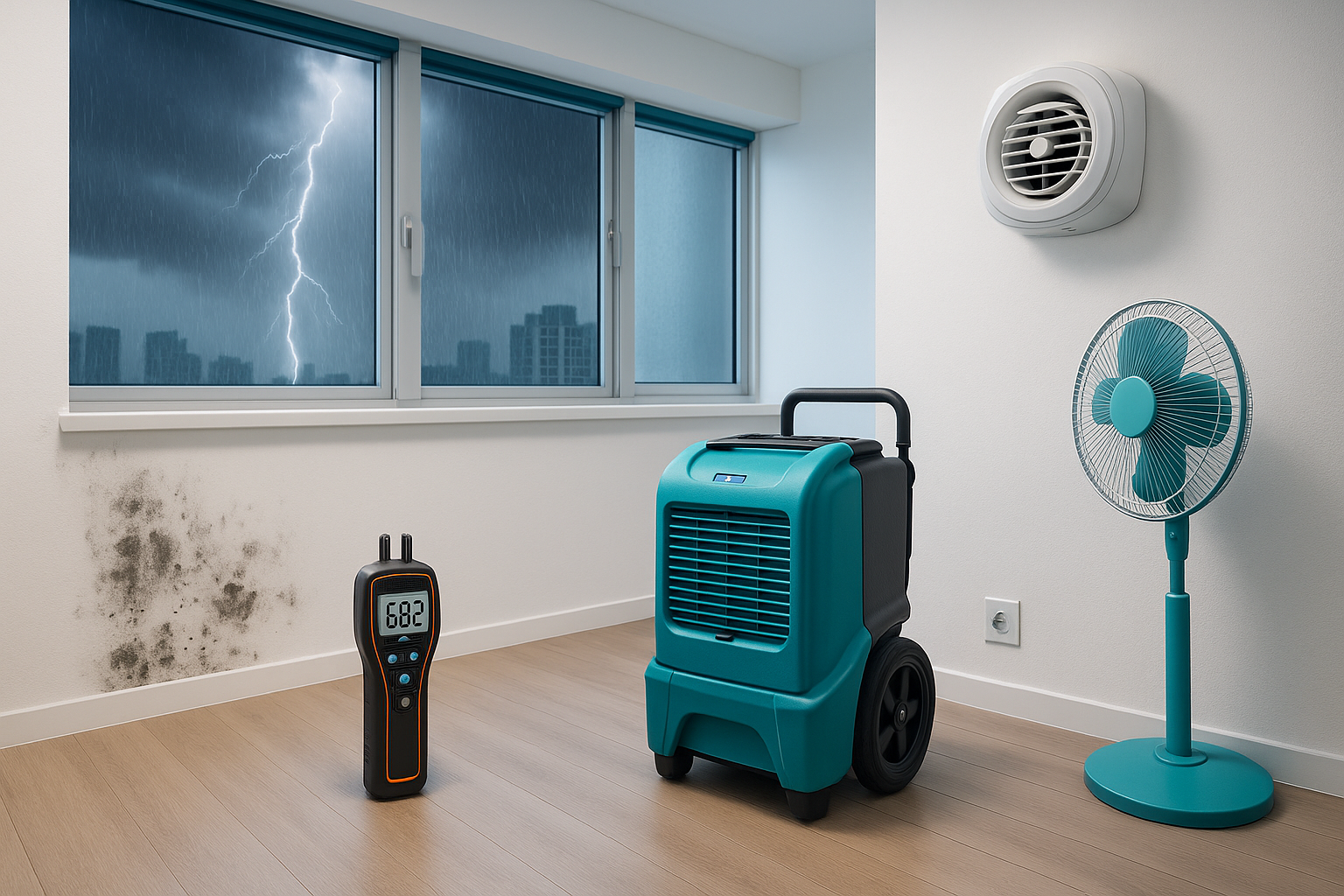
Thunderstorm Season and Water Damage Prevention: A Comprehensive Guide for Singapore Homeowners
As a homeowner in Singapore, you're probably no stranger to the frequent thunderstorms that grace our island, particularly during the monsoon seasons. While these storms can be a relief from the tropical heat, they also bring along the risk of water damage, which can lead to mould growth—a persistent issue in our humid climate. With over 15 years of industry experience in mould remediation, I understand the challenges homeowners face and the best practices to mitigate these risks.
In this guide, we will delve into the specifics of Singapore's thunderstorm season, explore the types of properties that are most vulnerable to water damage, and provide actionable tips for prevention. Whether you live in an HDB flat in Tampines, a condo in Marina Bay, or a landed property in Bishan, this guide is tailored to help you protect your home.
Understanding Singapore's Thunderstorm Season
The Climate Dynamics
Singapore's climate is characterized by high humidity and significant rainfall, especially during the Northeast Monsoon from December to early March and the Southwest Monsoon from June to September. According to the Meteorological Service Singapore, the island experiences an average annual rainfall of about 2,340mm, with November and December being the wettest months.
Key Stat: "Singapore receives approximately 167 rainy days in a year, making it crucial for homeowners to be vigilant about water damage prevention."
Impact on Different Property Types
- HDB Flats: High-rise buildings are prone to water seepage through windows and balconies, especially during heavy downpours.
- Condos: Common areas like basements and parking lots are susceptible to flooding.
- Landed Properties: Ground-level homes face direct exposure to water pooling and drainage issues.
Identifying Vulnerabilities in Your Home
Common Problem Areas
Conducting a Home Inspection
- Check for cracks or gaps around windows and doors.
- Inspect roof tiles for damage or displacement.
- Ensure gutters are clean and free from debris.
Pro Tip: "Schedule regular inspections by trained specialists to catch vulnerabilities early and prevent extensive damage."
Industry Best Practices for Water Damage Prevention
Professional-Grade Solutions
Sealing and Waterproofing
- Use industry-standard sealants around window frames and door thresholds.
- Apply waterproof coatings to basement walls and floors.
Drainage Solutions
- Install sump pumps in basements to manage excess water.
- Ensure proper grading around your home to direct water away from the foundation.
Roof and Gutter Maintenance
- Conduct bi-annual cleaning of gutters to prevent blockages.
- Consider installing gutter guards to minimize debris accumulation.
Best Practice: "Regular maintenance and timely repairs can save you thousands of dollars in water damage repairs."
Cost Considerations
- Sealing and Waterproofing: S$500 - S$2,000 depending on the extent of work needed.
- Gutter Maintenance: S$100 - S$300 for professional cleaning.
- Sump Pump Installation: S$1,500 - S$3,500 including equipment and labor.
Responding to Water Damage
Immediate Steps
Professional Remediation
- Hire trained specialists for comprehensive water damage assessments.
- Use industrial-grade dehumidifiers to manage indoor humidity levels.
Warning: "Attempting DIY water damage repair can lead to incomplete restoration and future mould issues."
The Importance of Mould Prevention
Why Mould is a Concern
Mould thrives in damp environments and can cause structural damage and health issues such as allergies and respiratory problems. Singapore's humid climate makes mould prevention a priority for homeowners.
Effective Mould Prevention Strategies
- Maintain indoor humidity levels below 60% using dehumidifiers.
- Ensure adequate ventilation in kitchens and bathrooms.
- Regularly inspect areas prone to moisture for early signs of mould.
Expert Insight: "Professional mould removal services can effectively address existing mould issues and prevent future occurrences."
Conclusion: Protect Your Home Today
Thunderstorm season in Singapore is inevitable, but water damage and mould are not. By understanding the vulnerabilities of your property and taking proactive steps, you can safeguard your home against the adverse effects of heavy rains. Whether you need assistance with a home inspection or professional mould remediation, our team of experts is here to help.
Call to Action: Schedule a complimentary inspection today to ensure your home is protected against water damage and mould.Frequently Asked Questions
How can I prevent water damage in my HDB flat during thunderstorm season?
To prevent water damage in your HDB flat, ensure that windows and doors are properly sealed to prevent seepage. Regularly check and maintain your drainage systems, and consider installing window awnings to deflect rainwater. Additionally, place absorbent materials or towels near entry points during heavy rains to catch any leaks.
What are the signs of water damage that I should look for in my condo?
Key signs of water damage in a condo include discoloration or stains on walls and ceilings, peeling paint or wallpaper, a musty odor, and warped flooring. Pay special attention to common areas like basements and parking lots, where water pooling can lead to damage. Early detection can prevent extensive repairs.
How does mould grow, and why is it a concern in Singapore homes?
Mould grows in damp and humid conditions, which are prevalent in Singapore due to the tropical climate. It can cause structural damage to your property and pose health risks such as allergies and respiratory issues. Preventing mould involves controlling indoor humidity levels, ensuring proper ventilation, and addressing any water leaks promptly.
What should I do if I find mould in my landed property?
If you discover mould in your landed property, it's important to address it quickly to prevent spread and health risks. Remove any moisture sources and ensure the area is well-ventilated. For effective removal, consider hiring trained mould remediation specialists who can use professional-grade equipment and techniques to eliminate the issue.
Are there any specific products recommended for water damage prevention in Singapore homes?
For water damage prevention, it's advisable to use high-quality sealants for windows and doors, waterproof paints for basements, and install gutter guards to prevent blockages. Additionally, investing in dehumidifiers can help maintain optimal indoor humidity levels, reducing the risk of mould growth. Consult with professionals for tailored product recommendations based on your property's needs.