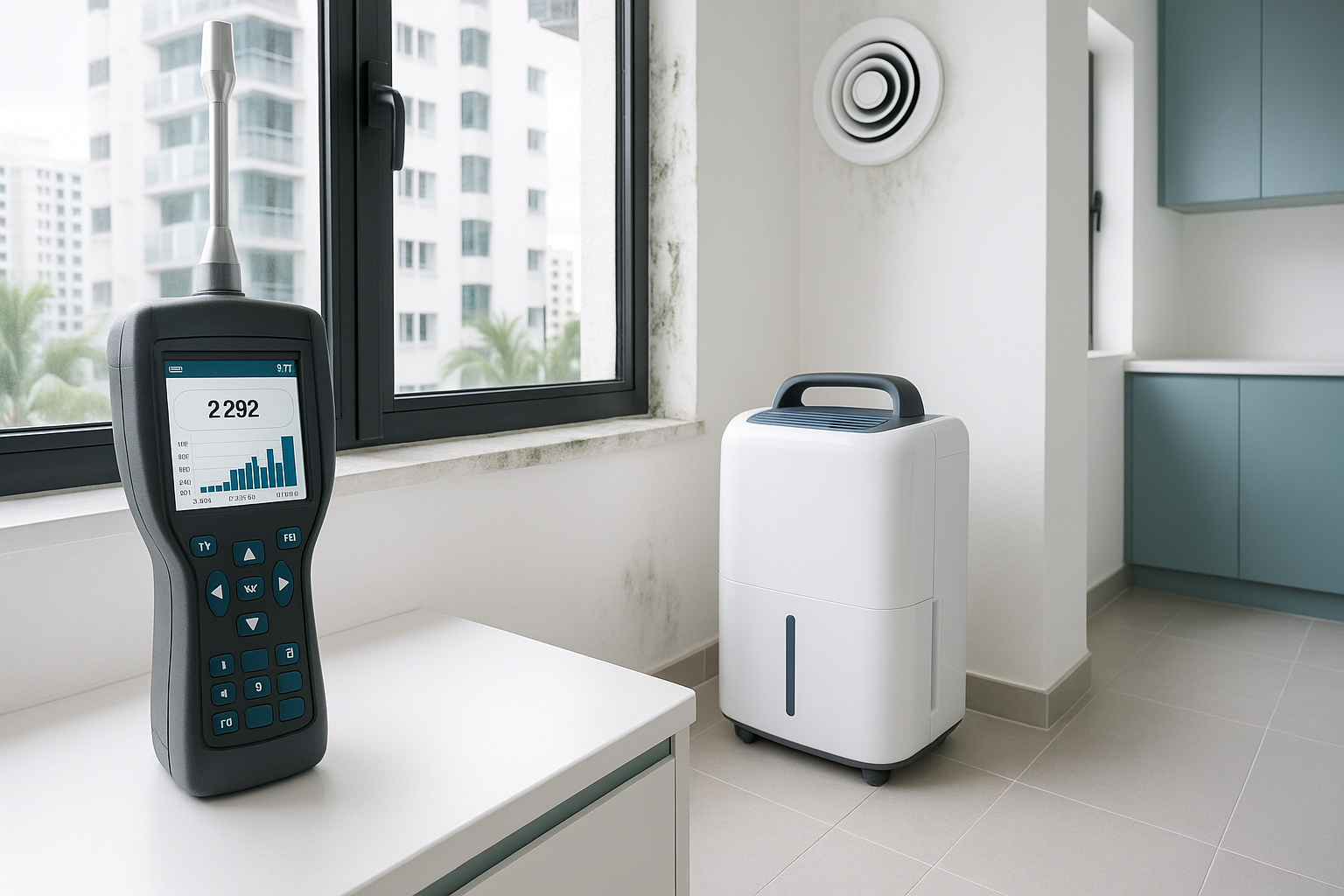
# Understanding Mould Testing Reports in Singapore
Mould can be a persistent problem in Singapore's humid climate, affecting homes from HDB flats to luxurious condos and landed properties. Understanding mould testing reports is crucial for homeowners aiming to maintain a healthy living environment. With over 15 years of industry experience in mould remediation, we provide insights into reading and interpreting these reports effectively.
The Unique Climate of Singapore and Its Impact on Mould
Singapore's tropical climate, characterized by high humidity levels averaging around 70% to 80%, creates an ideal breeding ground for mould. This pervasive issue can lead to structural damage and health concerns if not addressed promptly.
How Singapore's Climate Contributes to Mould Growth
- High Humidity: The constant high humidity levels provide the moisture mould spores need to thrive.
- Warm Temperatures: With temperatures consistently ranging from 25°C to 31°C, warmth accelerates mould growth.
- Frequent Rainfall: Sudden rain showers contribute to dampness, often exacerbating indoor mould issues.
Key Stat: Studies suggest that over 60% of Singaporean homes experience mould problems due to climatic conditions.
Deciphering Mould Testing Reports
Mould testing reports are technical documents that provide detailed insights into the presence and concentration of mould in a property. Understanding these reports is essential for implementing effective remediation strategies.
Components of a Mould Testing Report
Expert Insight: "A comprehensive mould testing report goes beyond detection—it informs precise remediation actions."
Interpreting Mould Spore Counts
Interpreting the data from mould spore counts is pivotal for determining the severity of mould contamination.
Understanding Spore Count Levels
- Low Spore Counts: Typically indicate minor issues that can be resolved with improved ventilation or dehumidification.
- Moderate Spore Counts: Suggest a need for targeted cleaning and potentially minor repairs.
- High Spore Counts: Highlight significant infestation that requires professional remediation.
Mould Species and Health Implications
Some mould species, such as Stachybotrys or Aspergillus, are known for their potential health risks. Identifying these in a report necessitates immediate action.
Warning: "High levels of certain mould species can cause allergic reactions or respiratory issues, particularly in sensitive individuals."
Industry Best Practices for Mould Remediation
Engaging trained specialists who adhere to industry standards is crucial for effective mould removal.
Professional Remediation Process
Best Practice: "Consistent monitoring and maintenance are key to preventing mould re-infestation in Singapore's climate."
Cost Considerations for Mould Testing and Remediation
Understanding the financial aspect of mould testing and remediation is essential for budgeting.
Breakdown of Costs in Singapore
- Initial Inspection: Ranges from S$200 to S$400, depending on property size.
- Mould Testing: Air and surface sampling typically costs between S$300 to S$800.
- Remediation Services: Can range from S$1,000 to S$5,000 or more, based on the extent of mould infestation.
Pro Tip: "Investing in regular maintenance can save significant costs on future extensive mould remediation."
Conclusion: Taking Action Against Mould
Understanding mould testing reports empowers homeowners to take informed actions against mould infestations. With professional insights and adherence to industry best practices, achieving a mould-free home in Singapore is attainable.
Call to Action: Schedule a free inspection with our expert team today and ensure your home is safe from the persistent threat of mould.Frequently Asked Questions
How often should I have a mould inspection in my Singapore home?
Given Singapore's humid climate, it's advisable to conduct a mould inspection annually, especially if your home has a history of mould issues or if you notice signs of dampness or musty odors.
Can I perform mould testing myself at home?
While DIY mould testing kits are available, they may not provide accurate results. Professional mould testing uses advanced equipment and expertise to accurately assess mould presence and severity, ensuring effective remediation plans.
What are common signs that indicate mould problems in my home?
Common signs include visible mould growth, persistent musty odors, water stains on walls or ceilings, and health symptoms like allergies or respiratory issues. If you notice any of these signs, it's crucial to schedule a mould inspection.
What should I do if my mould testing report shows high spore counts?
High spore counts necessitate immediate professional remediation. Contact a mould remediation specialist to develop a customized plan to address the infestation and prevent future issues.
How can I prevent mould growth in my Singapore home?
To prevent mould, maintain good ventilation, use dehumidifiers to control humidity levels, fix any leaks promptly, and regularly inspect areas prone to moisture like bathrooms and kitchens.