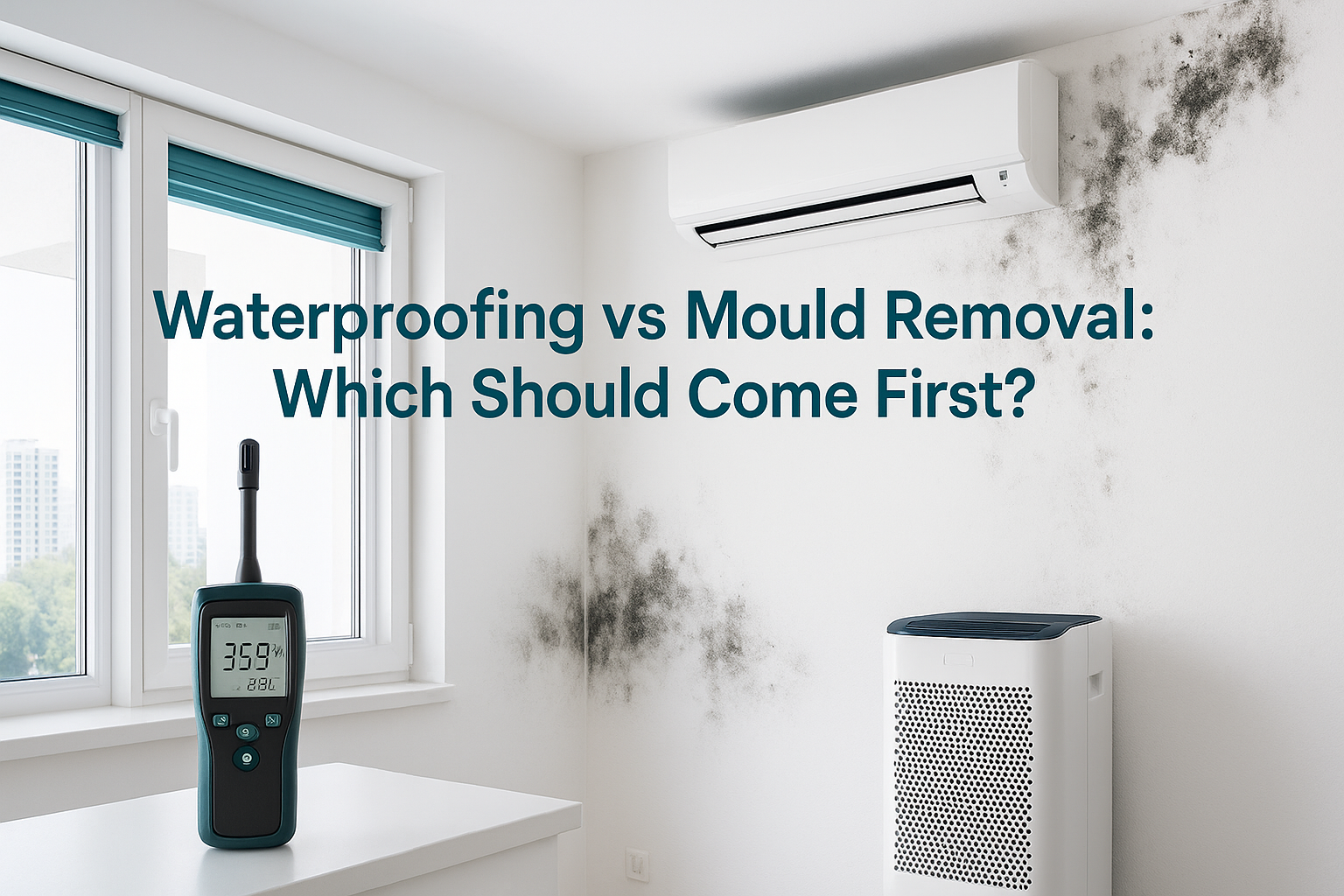
# Waterproofing vs Mould Removal: Which Should Come First?
When it comes to maintaining your Singapore property, whether it’s an HDB flat in Tampines, a condominium in Marina Bay, or a landed property in Bishan, two concerns often top the list: waterproofing and mould removal. Both are crucial for ensuring a healthy living environment, but the question remains: which should come first?
In this comprehensive guide, we delve into this common homeowner dilemma. With over 15 years of industry experience in mould remediation and waterproofing, we provide insights into the best practices, cost considerations, and industry standards that will help you make an informed decision.
Understanding the Singapore Climate
The Impact of Humidity
Singapore’s tropical climate is characterized by high humidity levels, averaging around 84% throughout the year. This persistent moisture in the air creates an ideal environment for mould growth, especially in poorly ventilated areas.
- Key Stat: According to the Meteorological Service Singapore, the average relative humidity rarely dips below 70%, even on drier days.
Effects on Different Property Types
- HDB Flats: Common issues include mould in bathrooms and kitchens due to inadequate ventilation.
- Condominiums: High-rise units often struggle with moisture in enclosed balconies and storerooms.
- Landed Properties: Basements and ground floors are particularly susceptible to moisture ingress and mould proliferation.
Expert Insight: Regular inspections and proactive maintenance are essential to combat the challenges posed by Singapore's climate.
Mould Removal: The First Line of Defense?
Identifying Mould Infestation
Before deciding on the order of operations, it's crucial to identify if mould is already present. Common signs include:
- Musty odours
- Visible black or green patches
- Respiratory issues or allergies among occupants
Professional Mould Remediation
Engaging trained specialists for mould removal ensures that the problem is addressed at the root. Industry-standard procedures include:
Best Practice: Always opt for professionals with a proven track record in handling local property types to ensure thorough remediation.
Waterproofing: A Preventive Measure?
Importance of Waterproofing
Waterproofing acts as a preventive shield, protecting your property from water ingress that can lead to structural damage and mould growth. Key areas to consider include:
- Roofs and terraces
- Bathrooms and kitchens
- External walls and windows
Professional Waterproofing Solutions
Professional waterproofing services offer long-lasting solutions tailored to Singapore’s unique conditions:
- Liquid Membranes: Provide seamless coverage for complex surfaces.
- Cementitious Coatings: Ideal for internal use, particularly in bathrooms.
- Bituminous Membranes: Commonly used for roofs and foundation walls.
Pro Tip: Regular maintenance and inspections of waterproofing systems can prevent costly repairs down the line.
Comparing Costs: Mould Removal vs Waterproofing
Mould Removal Costs
The cost of professional mould removal in Singapore varies depending on the severity and location of the infestation. Average costs range from:
- S$500 to S$2,000: For minor to moderate infestations.
- S$2,000 to S$5,000: For extensive mould issues requiring comprehensive remediation.
Waterproofing Costs
Waterproofing costs also vary based on the area and method used. Typical expenses include:
- S$1,000 to S$3,000: For basic waterproofing of small areas.
- S$3,000 to S$10,000: For extensive coverage or complex areas, like roofs.
Warning: Ignoring either issue can lead to increased costs due to structural damage or health-related expenses.
Decision Time: Which Comes First?
Assessing Your Property’s Needs
The decision on whether to prioritize mould removal or waterproofing depends on the current state of your property:
- If mould is already present, address it immediately to prevent health risks and further damage.
- For properties at risk of water ingress but with no visible mould, consider waterproofing as a preventive measure.
Integrated Approach
In many cases, a combined approach is most effective. Professionals can tailor a plan that addresses both concerns simultaneously, ensuring comprehensive protection.
Key Stat: Studies show that combining mould removal with waterproofing can reduce future mould incidents by up to 60%.
Conclusion: Protect Your Investment
In conclusion, whether you’re grappling with mould issues or looking to prevent them through waterproofing, the key is to act promptly. Delaying action can lead to more significant problems and higher costs.
Schedule a free inspection with our trained specialists today to assess your property’s specific needs and receive a customized solution that ensures a healthy, mould-free living environment.
Frequently Asked Questions
Why is mould removal important before waterproofing?
Mould removal is crucial before waterproofing because it addresses existing health hazards and prevents mould from being trapped beneath waterproofing layers. This ensures a clean slate for effective moisture control.
How often should I inspect my property for mould and waterproofing issues?
It's advisable to inspect your property at least twice a year, especially before and after the monsoon season, to catch any signs of mould or waterproofing failures early.
Can I perform mould removal or waterproofing myself?
While minor DIY solutions can be attempted, professional intervention is recommended for effective mould remediation and waterproofing, as they require specialized knowledge and equipment to ensure long-term results.
What are the signs that my waterproofing has failed?
Signs of waterproofing failure include peeling paint, damp patches on walls or ceilings, and an increase in mould growth. These indicate that moisture is penetrating your property's barriers.
How does Singapore's climate affect mould and waterproofing?
Singapore's high humidity and frequent rainfall create ideal conditions for mould growth and water ingress, making regular maintenance and professional waterproofing essential to protect your property.