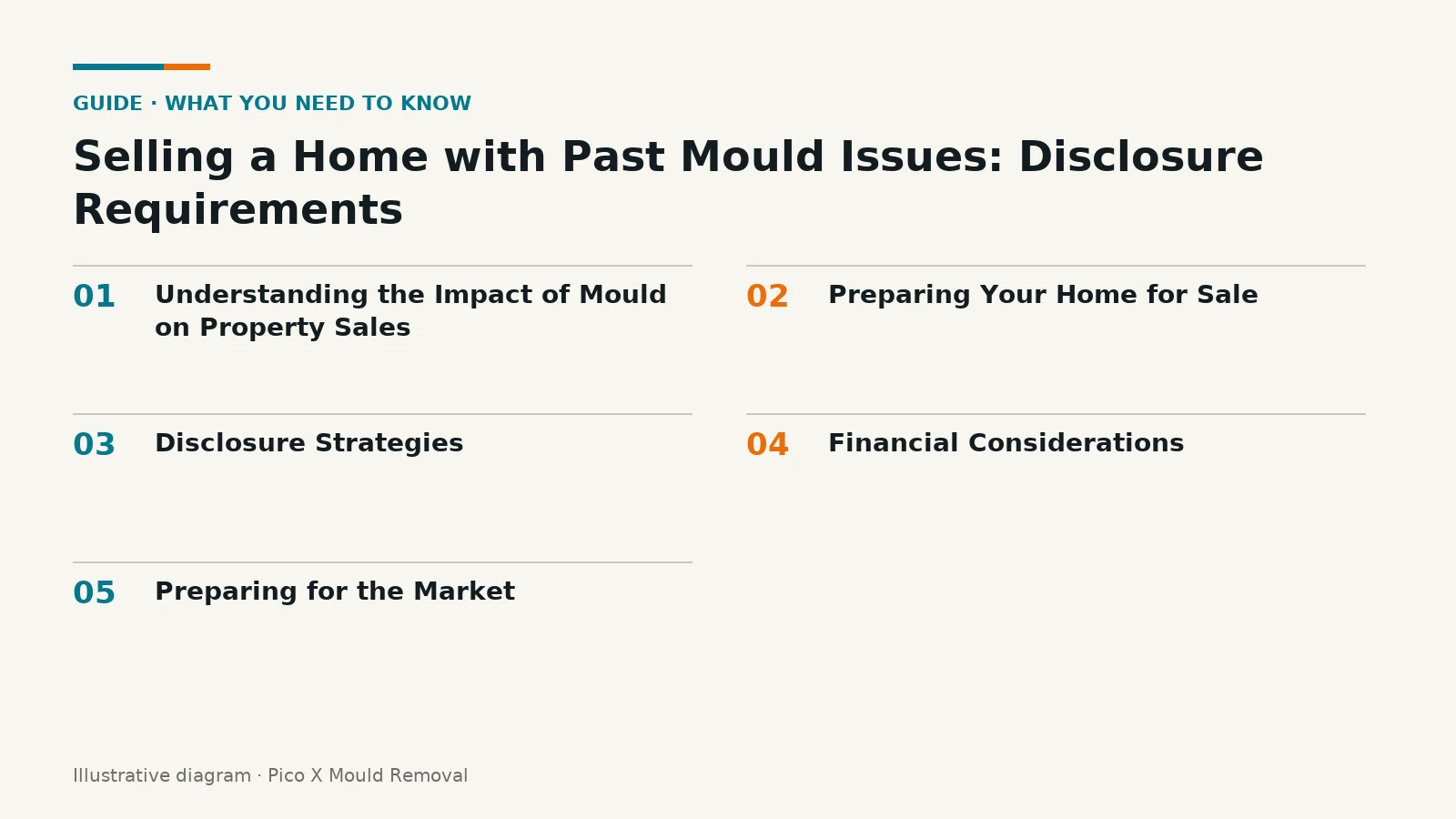
# Selling a Home with Past Mould Issues: Disclosure Requirements
In the vibrant and bustling real estate market of Singapore, selling a home is often a significant financial and emotional milestone. However, if your property has experienced mould issues in the past, this can complicate the selling process. Understanding the disclosure requirements and best practices can help you navigate this situation efficiently and ethically.
Understanding the Impact of Mould on Property Sales
Why Mould Matters
Mould is not just an aesthetic concern; it can pose health risks and structural challenges. Singapore’s tropical climate, characterized by high humidity and frequent rainfall, creates an ideal environment for mould growth. This is particularly evident in areas like Jurong and Tampines, where older HDB flats may face ventilation challenges.
Key Stat: According to industry data, about 60% of homes in Southeast Asia experience some level of mould growth due to environmental conditions.Legal and Ethical Disclosure
When selling a property, transparency is crucial. Failing to disclose past mould issues could lead to legal disputes or a tarnished reputation. While there might not be specific legal mandates in Singapore requiring disclosure of past mould issues, ethical practices suggest full transparency to protect both buyer and seller interests.
Expert Insight: "Full disclosure is not just about compliance; it builds trust with potential buyers and can enhance your property's market value."
Preparing Your Home for Sale
Thorough Inspection and Remediation
Enhancing Property Appeal
- Improve Ventilation: Consider installing dehumidifiers or improving natural airflow within the property to reduce future mould risk.
- Cosmetic Touch-Ups: Repaint affected areas and replace any mould-damaged fixtures to enhance visual appeal.
Pro Tip: Use mould-resistant paint and materials during renovation to prevent future problems and reassure potential buyers.
Disclosure Strategies
Crafting a Disclosure Statement
When preparing a disclosure statement, clarity and honesty are paramount. This document should detail:
- The extent and location of past mould issues.
- Steps taken for remediation.
- Measures implemented to prevent future occurrences.
Communicating with Potential Buyers
Warning: Avoid downplaying or omitting information about past mould issues, as this can lead to buyer mistrust or potential legal consequences.
Financial Considerations
Cost Analysis
Mould remediation costs can vary based on the extent of the issue. Here’s a rough breakdown:
- Inspection: S$200 - S$400
- Remediation: S$1,000 - S$5,000 (depending on severity)
- Preventive Measures: S$500 - S$2,000
Impact on Property Value
While past mould issues can impact property value, effective remediation and transparent communication can mitigate this effect. Properties in prime locations like Marina Bay may see less impact due to demand, but in areas like Bishan, full disclosure and remediation are critical to maintaining value.
Preparing for the Market
Marketing Strategies
- Highlight Positives: Focus on the property's strengths, such as location, amenities, and recent upgrades.
- Professional Photography: High-quality images can emphasize the property's appeal, minimizing focus on past issues.
Working with Real Estate Agents
Choose agents with experience in properties with past issues. They can guide you on pricing strategies and buyer communication.
Expert Insight: "A knowledgeable agent can make all the difference in navigating the complexities of selling a home with past mould issues."
Conclusion
Selling a home with past mould issues in Singapore requires careful preparation, transparent disclosure, and strategic marketing. By adhering to industry best practices and maintaining open communication with potential buyers, you can successfully navigate this process. For a professional evaluation and peace of mind, consider scheduling a free inspection with a trained specialist today.
Frequently Asked Questions
Do I have to disclose past mould issues when selling a home in Singapore?
While there are no specific legal requirements in Singapore mandating the disclosure of past mould issues, ethical business practices suggest full transparency. Disclosing past problems can prevent future legal disputes and build trust with potential buyers.
How can I prevent mould from returning after remediation?
Preventing mould recurrence involves improving ventilation, using dehumidifiers, and applying mould-resistant paints. Regular maintenance and inspections can also help identify and address potential issues early.
How much does mould remediation cost in Singapore?
The cost of mould remediation in Singapore can range from S$1,000 to S$5,000, depending on the severity and size of the affected area. Additional costs may include inspection fees and preventive measures.
Can mould affect the value of my property?
Yes, past mould issues can impact property value. However, effective remediation and transparent disclosure can mitigate this effect. Properties in high-demand areas may see less impact due to location advantages.
What steps can I take to enhance my property's market appeal after mould issues?
To enhance market appeal, focus on improving ventilation, conducting thorough cleaning, and making aesthetic upgrades like repainting with mould-resistant paint. Highlight improvements and preventive measures during viewings.