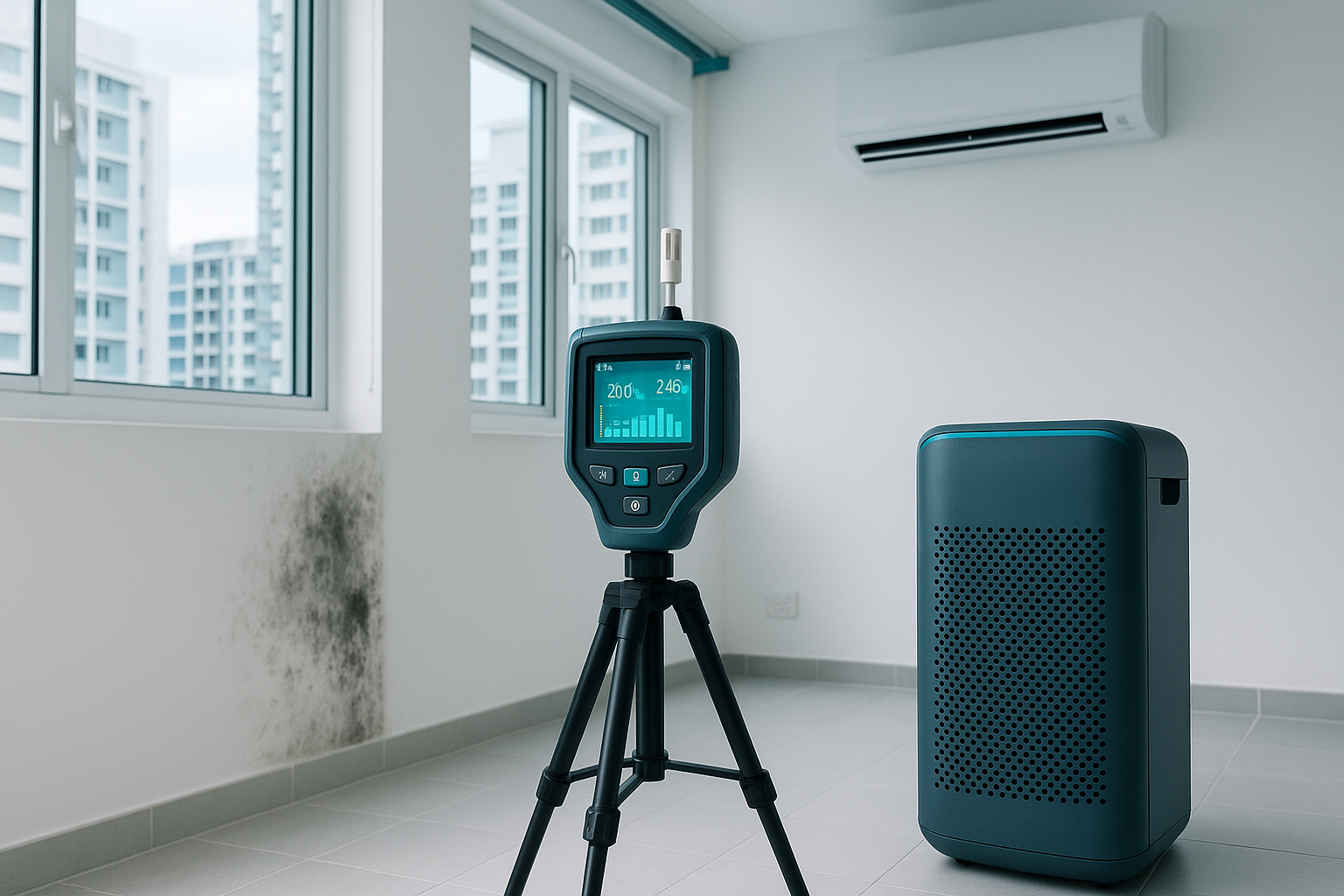
Singapore's tropical climate creates the perfect conditions for mould growth. With year-round humidity levels averaging 80-90% and temperatures between 25-32°C, preventing mould requires a proactive approach. This comprehensive guide covers everything you need to know about keeping your Singapore home mould-free.
Understanding Why Mould Thrives in Singapore
Mould spores are everywhere – they're a natural part of our environment. However, they only grow into visible colonies when conditions are right. Singapore's climate provides these ideal conditions:
- High Humidity: Mould thrives when relative humidity exceeds 60%. Singapore's average is 80-90%.
- Warm Temperatures: Most mould species grow optimally between 25-35°C – exactly Singapore's temperature range.
- Abundant Moisture: Frequent rain, condensation, and poor ventilation provide constant moisture sources.
- Organic Materials: Modern homes contain plenty of mould food sources – wood, paper, fabric, and dust.
Key Prevention Strategies
1. Control Indoor Humidity
Maintaining indoor humidity below 60% is the single most effective mould prevention measure:
- Use dehumidifiers, especially during monsoon season
- Run air conditioning for at least 4-6 hours daily
- Consider a hygrometer to monitor humidity levels
- Target 50-60% relative humidity for optimal comfort and mould prevention
2. Ensure Proper Ventilation
Good airflow prevents moisture from accumulating:
- Use exhaust fans in bathrooms during and after showers
- Run kitchen hood while cooking
- Open windows when outdoor humidity is lower (typically 10am-4pm on dry days)
- Don't block air vents or close doors completely in wet areas
3. Address Water Issues Promptly
Water leaks and seepage must be fixed immediately:
- Check for pipe leaks regularly, especially under sinks
- Address ceiling water stains immediately – they indicate leaks above
- Ensure proper bathroom waterproofing
- Fix window and door seals to prevent rain ingress
4. Use Anti-Mould Products
Preventive products create hostile environments for mould:
- Apply anti-mould paint in bathrooms, kitchens, and ceilings
- Use mould-resistant silicone for bathroom seals
- Consider antimicrobial surface treatments for problem areas
Room-Specific Prevention Tips
Bathroom
Bathrooms are the most vulnerable to mould:
- Squeegee walls and glass after every shower
- Keep exhaust fan running for 30 minutes after bathing
- Wash and dry bath mats weekly
- Clean grout and silicone edges monthly with anti-mould cleaner
Bedroom
Sleep quality depends on a mould-free bedroom:
- Run aircon or dehumidifier while sleeping
- Leave wardrobe doors slightly open for airflow
- Use moisture absorbers in wardrobes
- Wash bedding in hot water regularly
Kitchen
Cooking generates significant moisture:
- Always use range hood while cooking
- Wipe down counters and sinks after use
- Check under sink for leaks monthly
- Clean refrigerator drip trays regularly
HDB-Specific Considerations
HDB flats have unique characteristics that affect mould risk:
- Bomb Shelters: These enclosed spaces are extremely prone to mould. Use dehumidifiers and check regularly.
- Corridor-Facing Windows: Less direct sunlight means higher humidity. Consider additional ventilation.
- Concrete Walls: Can absorb and release moisture. Ensure proper sealing and painting.
- Shared Plumbing: Leaks from upper floors can cause mould. Report issues to town council promptly.
When to Call Professionals
Some situations require professional intervention:
- Mould covering more than 1 square meter
- Mould in HVAC systems or ductwork
- Mould returning despite repeated cleaning
- Musty odors with no visible mould source
- Family members experiencing health symptoms
Professional remediation ensures complete removal and addresses the root cause to prevent recurrence.
Frequently Asked Questions
How does Singapore's climate affect mould growth in homes?
Singapore's tropical climate with 80-90% average humidity and temperatures between 25-32°C creates ideal conditions for mould growth. Mould thrives when humidity exceeds 60% and temperatures are warm, making Singapore homes particularly vulnerable without proper prevention measures.
What are the most effective ways to prevent mould in an HDB flat?
Key strategies include: using dehumidifiers to maintain humidity below 60%, ensuring adequate ventilation especially in bathrooms and kitchens, running air conditioning regularly, using anti-mould paint in wet areas, and addressing any water leaks immediately.
Are there cost-effective methods to prevent mould in my home?
Yes, many prevention methods are low-cost: opening windows during dry periods for ventilation, using exhaust fans while cooking and showering, wiping down wet surfaces after use, using silica gel packets in wardrobes, and regular cleaning with anti-mould solutions.
Why should I consider hiring a professional for mould remediation?
Professional remediation is recommended for mould covering more than 1 square meter, mould in HVAC systems, recurring mould despite cleaning, or if occupants have respiratory issues. Professionals have proper equipment, safety gear, and expertise to eliminate mould at its source.
What should I do if I discover mould in my condo?
First, identify and stop the moisture source. For small patches (under 1 sqm), clean with appropriate anti-mould solutions while wearing protective gear. For larger infestations or recurring mould, contact a professional remediation service to prevent spread and ensure complete removal.