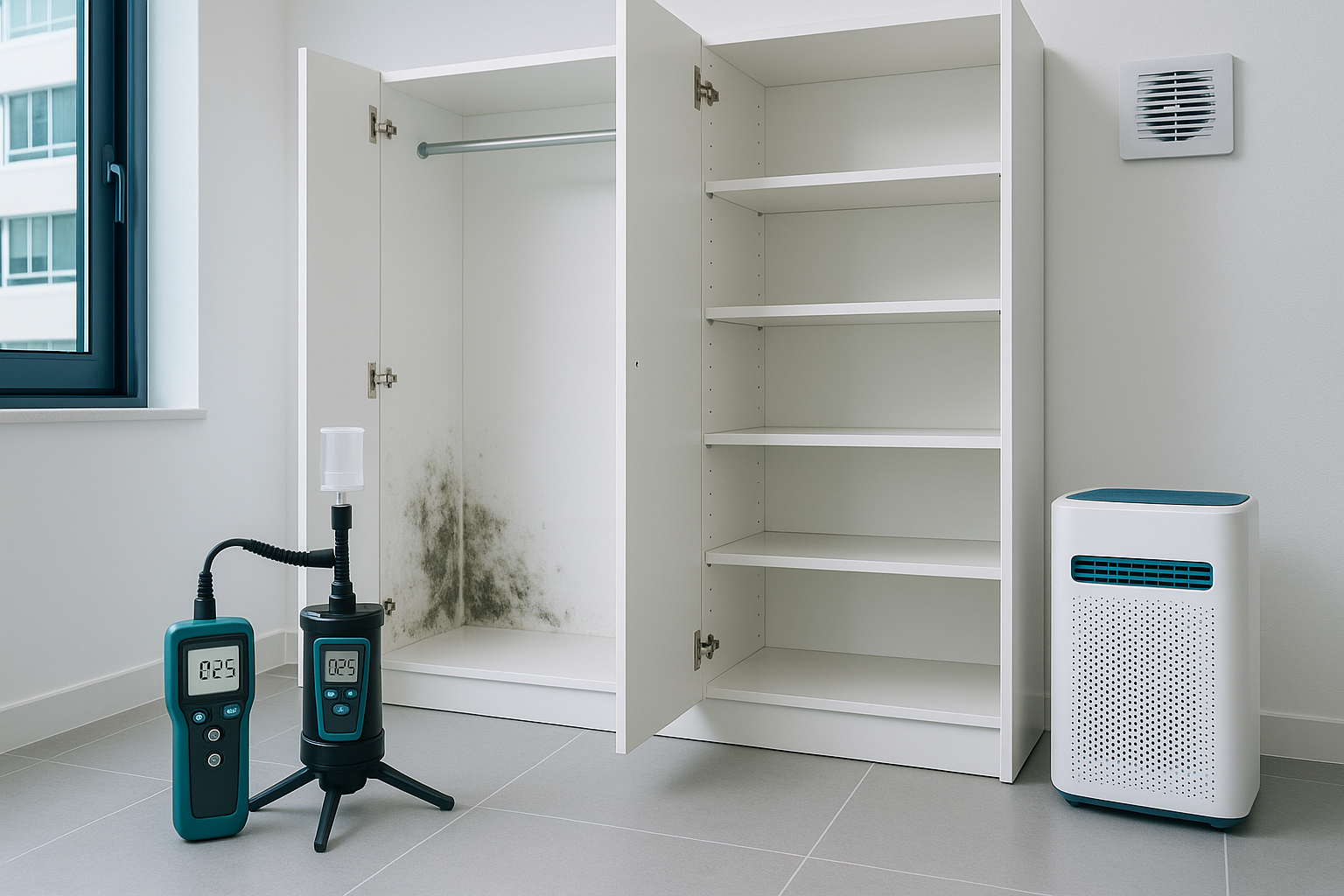
# Understanding Why Bomb Shelters, Wardrobes, and Shoe Cabinets Get Mouldy in Singapore
Singapore, with its tropical climate, is no stranger to the persistent issue of mould growth in homes. This problem is particularly prevalent in bomb shelters, wardrobes, and shoe cabinets, which are common features in many Singaporean homes, including HDB flats, condominiums, and landed properties. Understanding the root causes and learning how to prevent mould growth in these areas can save you time, money, and the hassle of dealing with potential health risks.
Why Mould Thrives in Singapore
The Singapore Climate
Singapore's climate is characterized by high humidity, with average relative humidity levels ranging from 70% to 90% throughout the year. Coupled with temperatures that consistently hover between 25°C to 31°C, these conditions create an ideal breeding ground for mould.
- Humidity: Mould requires moisture to grow, and the high humidity levels in Singapore provide the perfect environment.
- Temperature: Warm temperatures accelerate mould growth, making Singapore’s climate particularly conducive to this problem.
Key Stat: "Singapore experiences over 170 rainy days a year, contributing to the persistently high humidity levels."
Insufficient Ventilation
Many enclosed spaces within homes, such as bomb shelters, wardrobes, and shoe cabinets, suffer from inadequate ventilation. Lack of airflow means moisture can accumulate, providing an ideal environment for mould to thrive.
Mould in Bomb Shelters
Purpose and Challenges
Bomb shelters are a unique feature in Singaporean homes, mandated by local building regulations. These rooms are designed to be airtight, which poses a significant challenge for preventing mould growth.
- Airtight Nature: While essential for safety, airtightness limits airflow, trapping moisture inside.
- Concrete Walls: The concrete used in bomb shelters can absorb and retain moisture.
Preventive Measures
- Dehumidifiers: Use a dehumidifier to control humidity levels within the shelter.
- Regular Checks: Inspect the shelter regularly for signs of mould, especially after heavy rains.
- Ventilation Solutions: Consider installing a mechanical ventilation system to promote airflow.
Pro Tip: "Ensure that the bomb shelter door is opened periodically to allow fresh air to circulate and reduce moisture buildup."
Mould in Wardrobes
Common Causes
Wardrobes, particularly those built into walls, are prone to mould due to their enclosed nature and proximity to external walls that may be damp.
- Condensation: Clothes, especially if stored slightly damp, can contribute to increased humidity within the wardrobe.
- Proximity to Damp Walls: External walls can absorb rainwater, leading to increased moisture levels in adjacent wardrobes.
Best Practices for Prevention
- Silica Gel Packs: Place silica gel packs to absorb excess moisture.
- Proper Clothing Storage: Ensure clothes are completely dry before storing them.
- Wardrobe Layout: Avoid overpacking to allow air circulation.
Best Practice: "Install louvered doors or integrate ventilation holes into wardrobe doors to enhance natural airflow."
Mould in Shoe Cabinets
Specific Challenges
Shoe cabinets often house damp shoes, particularly during the rainy season, contributing to mould growth.
- Moisture from Shoes: Shoes can trap moisture, especially after a walk in the rain.
- Material of the Cabinet: Wooden cabinets can absorb moisture, exacerbating the problem.
Steps to Combat Mould
Expert Insight: "Consider using a shoe rack instead of a closed cabinet in especially humid areas to promote drying and air circulation."
Industry-Standard Mould Remediation
Professional-Grade Solutions
While preventive measures are effective, sometimes professional intervention is necessary. As a mould remediation specialist with over 15 years of experience, I can attest to the importance of employing industry-standard practices for effective mould removal.
- Assessment: A thorough inspection to determine the extent of mould growth and underlying causes.
- Containment: Using professional-grade containment methods to prevent mould spores from spreading.
- Removal: Carefully removing mould using industry-standard techniques and equipment.
- Post-Remediation Verification: Ensuring the environment is safe and free from mould.
Warning: "Attempting to remove mould without the proper equipment can exacerbate the problem by spreading spores."
Cost Considerations
Professional mould remediation services in Singapore can range from S$500 to S$5,000, depending on the severity and size of the affected area. Investing in professional services can prevent more extensive damage and health risks in the long term.
Conclusion: Act Now to Protect Your Home
Preventing and addressing mould in Singapore homes is crucial for maintaining a healthy living environment. Regular inspections, proper ventilation, and professional mould remediation can help keep your bomb shelters, wardrobes, and shoe cabinets mould-free.
If you suspect mould growth in your home or want to learn more about preventive measures, contact us for a free inspection. Our trained specialists are equipped with the expertise and tools to effectively manage and prevent mould issues in your home.
Frequently Asked Questions
Why do bomb shelters in HDB flats often get mouldy?
Bomb shelters in HDB flats are designed to be airtight for safety, which limits airflow and traps moisture inside. The high humidity levels in Singapore further exacerbate this issue, making these spaces particularly susceptible to mould growth. Regular ventilation and the use of dehumidifiers can help mitigate this problem.
What can I do to prevent mould in my wardrobe?
To prevent mould in your wardrobe, ensure clothes are completely dry before storing them. Use silica gel packs to absorb excess moisture and avoid overpacking to allow air circulation. Installing louvered doors or ventilation holes can also enhance airflow, reducing the risk of mould.
How can I keep my shoe cabinet mould-free?
To keep your shoe cabinet mould-free, dry your shoes thoroughly before storing them. Regularly clean the cabinet interior with antifungal sprays and consider using a shoe rack instead of a closed cabinet to allow better air circulation and drying.
What are the costs associated with professional mould remediation in Singapore?
Professional mould remediation services in Singapore typically range from S$500 to S$5,000, depending on the severity and size of the affected area. This investment can prevent more extensive damage and health risks, ensuring your home remains a safe environment.
How often should I have professional mould inspections in my home?
It's advisable to have professional mould inspections at least once a year, particularly in high-risk areas such as bomb shelters, wardrobes, and shoe cabinets. Regular inspections can help identify potential issues early and prevent significant mould problems.