Bomb Shelter Mould Removal in Punggol
From S$360 — photo quote on WhatsApp.
Limited-time promoEssential one-wall or one-ceiling from S$199 — non-toxic treatment + anti-mould paint.
Local diagnostic insight
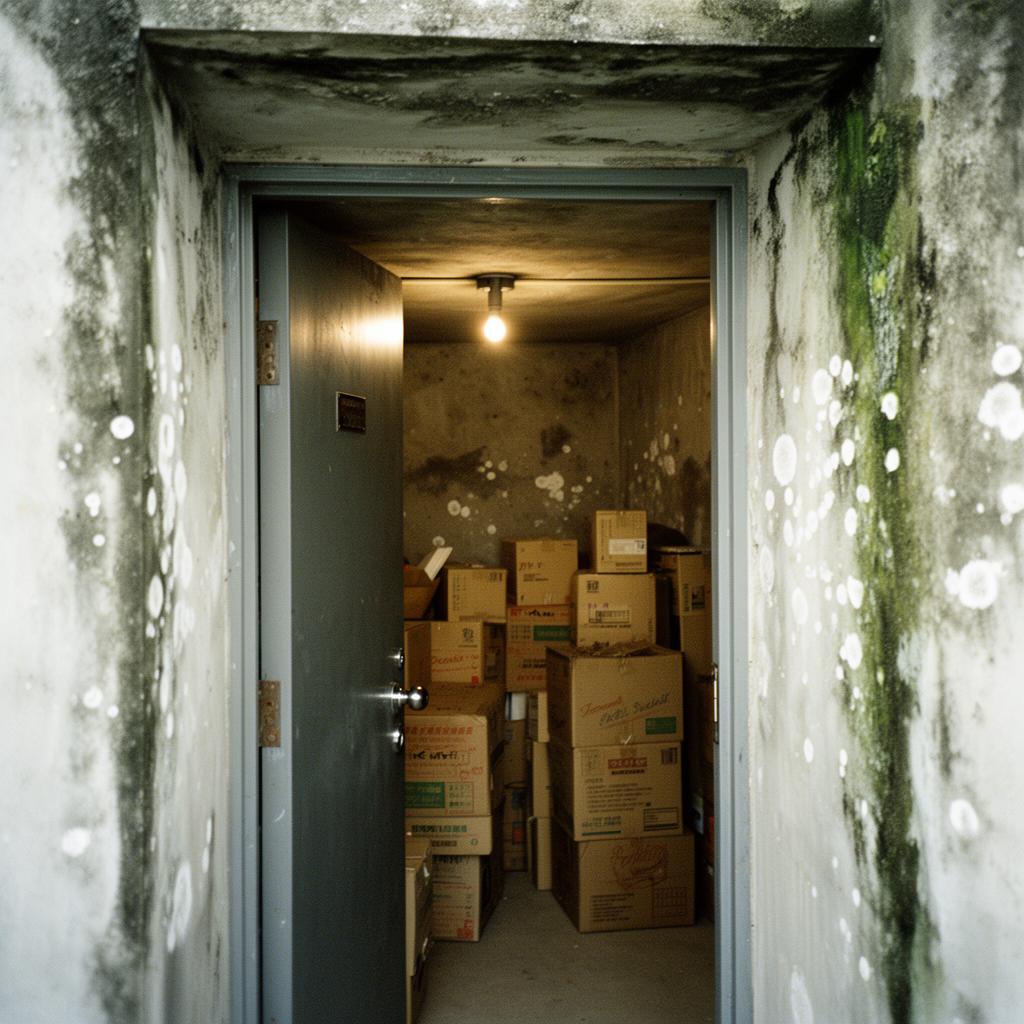
Punggol BTO household shelters double as storerooms but were never designed to be ventilated when in storage use. With the heavy steel door shut for weeks, internal RH climbs to 85%+ and mould blooms on stored cardboard and fabric items — and on the concrete walls themselves.
Diagnostic protocol — Punggol Bomb Shelter Mould
- Antimicrobial wash-down compatible with HDB shelter spec
- Anti-mould primer + Zinsser Perma-White (HDB-approved)
- Storage protocol guidance (no cardboard direct on walls)
- Passive vent-grille recommendation
Punggol Area Health profile
A zone-level read of the conditions that drive mould in Punggol, scored on the same weighting as our Home Wellness Index: outdoor air 30%, humidity and mould risk 30%, thermal comfort 25%, with a 15% noise allowance.
Composite area score: 71/100 — Good · North-east / North reporting zone
Outdoor air quality 86/100
Punggol reports with the north. Air quality is typically good, helped by open waterfront exposure and lower traffic density than the central corridor.
Humidity & mould risk 54/100
Waterfront exposure along the Punggol and Serangoon reservoirs pushes humidity higher than the surrounding north. New BTO blocks also carry residual construction moisture in screed and plaster for the first 18 to 24 months, which vents into the flat and lifts indoor RH well above the outdoor figure.
Thermal / heat load 68/100
Open, unshaded waterfront blocks take strong afternoon sun with little obstruction, then cool quickly in the evening breeze. That daily swing drives condensation on aircon trunking and on cold external wall faces.
Ambient noise 78/100
Included for parity with the Home Wellness Index; it has no bearing on mould risk.
Mould risk through the year
Typical seasonal mould-risk index for Punggol. Peak: November to January, and the first year after handover.
- Jan80
- Feb72
- Mar66
- Apr70
- May68
- Jun62
- Jul60
- Aug62
- Sep68
- Oct76
- Nov86
- Dec90
What this means inside a Punggol home
Punggol scores well on air and noise but carries a young-building moisture penalty. Mould in a first-year flat here is usually the building drying out, not a defect — but it still needs treating properly before it colonises the paint film.
How to read this: these figures are a typical seasonal profile for the reporting zone — an estate-level estimate, not a live reading and not a measurement of any individual home. For a score on your own address, use the Aira Hales Home Wellness Index.
Sources: NEA / data.gov.sg — PSI, PM2.5 and weather records by reporting zone; Pico X Health Island AMRI — our humidity and mould-risk composite; ASHRAE 160 humidity and moisture-control guidance; Pico X Health field records and Aira Sense sensor data.
What we actually find in Punggol
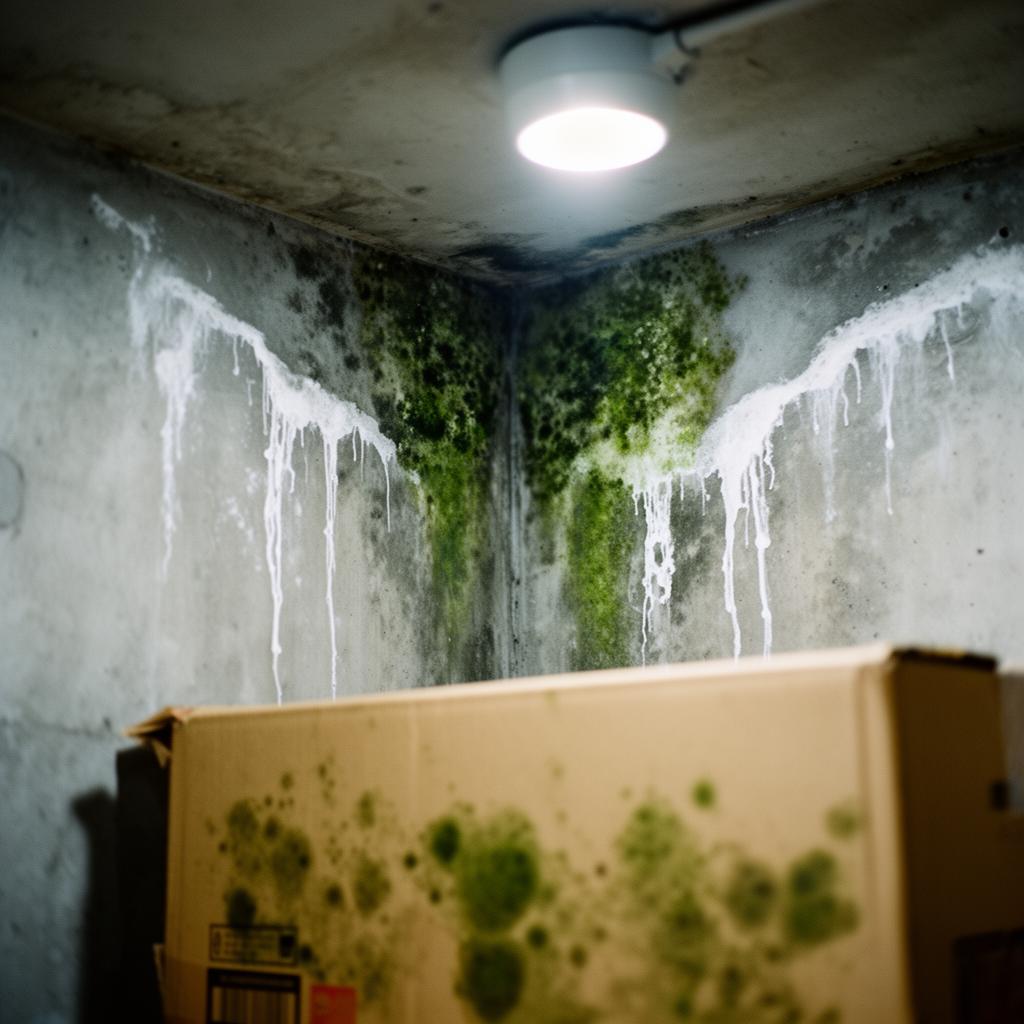
Household shelter mould in Punggol BTO household shelters is caused by design, not neglect. The shelter is a sealed reinforced box with a steel door, minimal ventilation and no natural light. Whatever moisture gets in stays in, and the concrete itself holds moisture for years after construction. We check the door seal, the ventilation openings, stored contents and the wall and ceiling surfaces, which are typically the coldest in the flat.
Warning signs worth acting on
- A strong musty smell the moment the shelter door is opened
- Cardboard boxes softening or spotting at the base
- Grey bloom in the ceiling corners
- Condensation on the inside face of the steel door
How we treat bomb shelter mould here
- Photo assessment, then on arrival we check ventilation openings, the door seal and stored contents.
- Contents cleared and the shelter floor protected before treatment begins.
- Mouldicide treatment across walls and ceiling to kill the colony at the root.
- Gush MouldSeal over the treated concrete or plaster to close the surface.
- Anti-mould finish coat with additive blended in.
- Recovery clean, plus practical storage and ventilation advice so the space can dry.
Half a day for a standard household shelter. You will need to empty it first; we protect the floor, sheet the doorway and clean up afterwards.
Severity and price guide
| Severity | What it looks like | Recommended | Price |
|---|---|---|---|
| Early patch | Scattered spotting smaller than a sheet of A4, paint film still sound. | Essential Care on the affected full wall or ceiling | S$199 first surface (promo), then S$299 each |
| Established growth | Continuous colonisation across a wall or ceiling, staining through the paint. | Essential Care on every affected full wall or ceiling | S$299 per full wall or ceiling |
| Recurring or high-humidity room | Mould has returned after a previous clean or repaint, or the room never dries. | Signature Care — Gush Care or Zinsser Perma-White over Gush MouldSeal | S$400 per full wall or ceiling, 12-month warranty |
Before: Sealed household shelter wall showing typical unventilated colonisation before treatment.
After: The same shelter surface treated, sealed and finished with an anti-mould coat.
Punggol Bomb Shelter Mould — common questions
Can I leave the shelter door open to fix it?
It helps, but on its own it usually is not enough — the room has no cross-flow, so opening one door only exchanges air slowly. A small fan running on a timer, or a dehumidifier if you store anything valuable in there, makes far more difference.
Can you treat a shelter used as a store room?
Yes, and most of the ones we attend are. Everything has to come out for the day; we tell you which stored items are safe to bring back and which have already been colonised.
What does it cost?
Pricing follows the standard per-surface structure: Essential Care S$299 per full wall or ceiling — S$199 for your first surface under the current promotion — or Signature Care S$400 with a 12-month warranty.
Across the Pico X network
More mould help in Punggol
Other Punggol mould problems
Bomb Shelter Mould in other estates
Estates we cover
Related Reading
Get a Same-Day Quote for Punggol
WhatsApp a clear photo of the affected area for transparent pricing — no on-site inspection fee.