Waterfront Bedroom Mould in Punggol
From S$720 — photo quote on WhatsApp.
Limited-time promoEssential one-wall or one-ceiling from S$199 — non-toxic treatment + anti-mould paint.
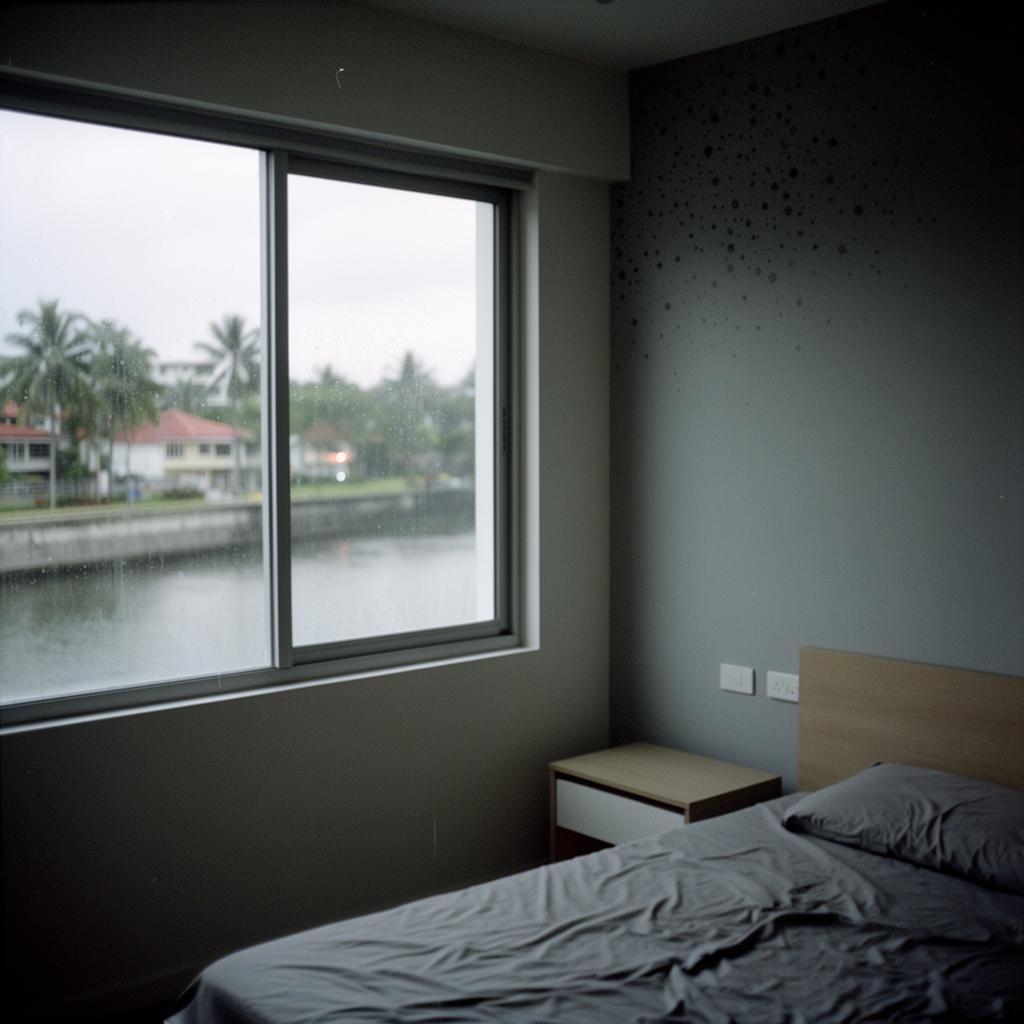
Local diagnostic insight
Bedrooms facing Punggol Waterway run consistently 3–5%RH higher than inland-facing units in the same block. The cold north-facing external wall becomes a condensation surface during overnight aircon cycles, and mould appears as scattered black spots on the upper third of the wall — distinctive enough to diagnose by photo.
Diagnostic protocol — Punggol Waterfront Bedroom Mould
- Waterfront-specific anti-mould protocol (RH-resilient coatings)
- Wall thermal mapping to find condensation zone
- Family-safe low-VOC repaint (kids and infants safe)
- Dehumidifier and aircon-cycling guidance
Punggol Area Health profile
A zone-level read of the conditions that drive mould in Punggol, scored on the same weighting as our Home Wellness Index: outdoor air 30%, humidity and mould risk 30%, thermal comfort 25%, with a 15% noise allowance.
Composite area score: 71/100 — Good · North-east / North reporting zone
Outdoor air quality 86/100
Punggol reports with the north. Air quality is typically good, helped by open waterfront exposure and lower traffic density than the central corridor.
Humidity & mould risk 54/100
Waterfront exposure along the Punggol and Serangoon reservoirs pushes humidity higher than the surrounding north. New BTO blocks also carry residual construction moisture in screed and plaster for the first 18 to 24 months, which vents into the flat and lifts indoor RH well above the outdoor figure.
Thermal / heat load 68/100
Open, unshaded waterfront blocks take strong afternoon sun with little obstruction, then cool quickly in the evening breeze. That daily swing drives condensation on aircon trunking and on cold external wall faces.
Ambient noise 78/100
Included for parity with the Home Wellness Index; it has no bearing on mould risk.
Mould risk through the year
Typical seasonal mould-risk index for Punggol. Peak: November to January, and the first year after handover.
- Jan80
- Feb72
- Mar66
- Apr70
- May68
- Jun62
- Jul60
- Aug62
- Sep68
- Oct76
- Nov86
- Dec90
What this means inside a Punggol home
Punggol scores well on air and noise but carries a young-building moisture penalty. Mould in a first-year flat here is usually the building drying out, not a defect — but it still needs treating properly before it colonises the paint film.
How to read this: these figures are a typical seasonal profile for the reporting zone — an estate-level estimate, not a live reading and not a measurement of any individual home. For a score on your own address, use the Aira Hales Home Wellness Index.
Sources: NEA / data.gov.sg — PSI, PM2.5 and weather records by reporting zone; Pico X Health Island AMRI — our humidity and mould-risk composite; ASHRAE 160 humidity and moisture-control guidance; Pico X Health field records and Aira Sense sensor data.
What we actually find in Punggol
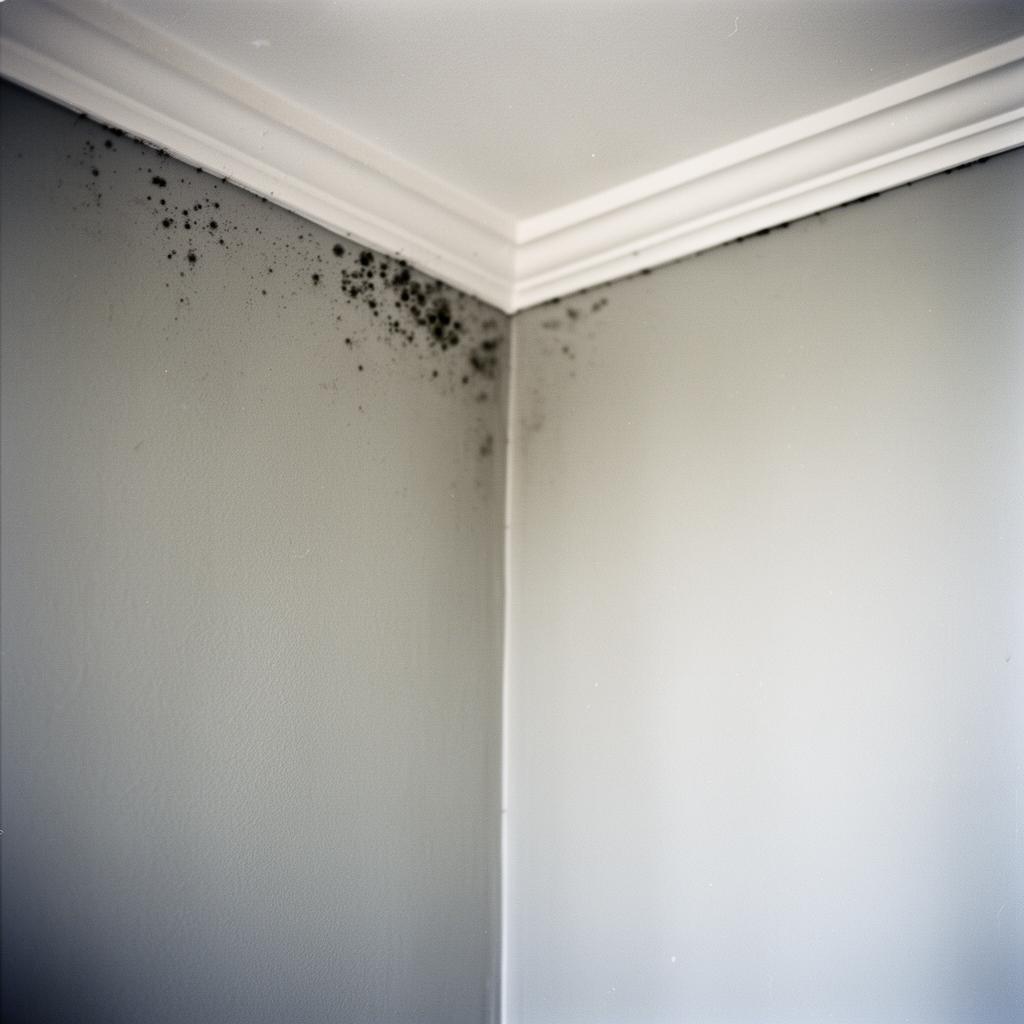
Bedroom mould in waterfront-facing Punggol bedrooms concentrates where cooled air meets a warm external wall — usually behind the bed head, along the aircon wall or in the corner furthest from the door. We check surface temperature against dew point, look behind furniture that sits flush to the wall, and inspect the mattress underside and bed-frame slats, which colonise before the wall does in a room that is cooled nightly.
Warning signs worth acting on
- Marks appearing on the wall behind the bed head
- A musty smell noticeable only when you first enter the room
- Waking with a blocked nose that clears elsewhere in the flat
- Spotting on the underside of the mattress or bed slats
How we treat waterfront bedroom mould here
- Photo assessment, then surface and dew-point checks against the affected wall.
- Bed and furniture pulled clear, flooring and remaining furniture sheeted.
- Mouldicide treatment across the full wall to kill the colony at the root.
- Gush MouldSeal applied to close the substrate.
- Anti-mould finish coat with additive blended in.
- Recovery clean, plus clearance and airflow advice for the bed position.
One bedroom wall in a single visit of three to four hours. We move the bed; you only need to clear bedding and anything on the floor.
Severity and price guide
| Severity | What it looks like | Recommended | Price |
|---|---|---|---|
| Early patch | Scattered spotting smaller than a sheet of A4, paint film still sound. | Essential Care on the affected full wall or ceiling | S$199 first surface (promo), then S$299 each |
| Established growth | Continuous colonisation across a wall or ceiling, staining through the paint. | Essential Care on every affected full wall or ceiling | S$299 per full wall or ceiling |
| Recurring or high-humidity room | Mould has returned after a previous clean or repaint, or the room never dries. | Signature Care — Gush Care or Zinsser Perma-White over Gush MouldSeal | S$400 per full wall or ceiling, 12-month warranty |
Before: Bedroom wall colonisation behind furniture before treatment.
After: The same wall treated, sealed and finished with an anti-mould coat.
Punggol Waterfront Bedroom Mould — common questions
Is bedroom mould a health risk while we sleep in the room?
Sustained exposure in a sleeping space matters more than the same growth in a corridor, particularly for children, older adults and anyone with asthma. Our research on indoor humidity and respiratory outcomes covers the evidence, and it is the reason we treat bedrooms as a priority booking.
Should we move out during the work?
No. The products are non-toxic and low-VOC, and the room is ventilated and cleaned before handover. Most customers sleep in the room the same night.
What does it cost?
Essential Care S$299 per full wall, or S$199 for your first surface under the current promotion. Signature Care is S$400 per full wall with a 12-month warranty.
Across the Pico X network
Related Reading
Get a Same-Day Quote for Punggol
WhatsApp a clear photo of the affected area for transparent pricing — no on-site inspection fee.