Top Lists · Reviewed by Pico X Health Research
Top 8 Mould-Related Illnesses Singapore Doctors See
Not a substitute for medical advice — but maps what your GP is most likely to link to indoor mould. Reviewed by Pico X Health Research.
Quick Answer
The mould-related conditions we see most in Singapore homes are allergic rhinitis, asthma exacerbation, eczema and atopic dermatitis flares, chronic sinusitis, allergic bronchopulmonary aspergillosis, hypersensitivity pneumonitis, and invasive aspergillosis in immunocompromised patients. The common pattern is symptoms that ease when you leave home and return within hours of coming back — a strong signal that the exposure is indoors, not seasonal.
Allergic rhinitis (constant sneezing, blocked nose)
Mould spores are #2 indoor allergen in Singapore after dust mites.
Asthma flare-ups and cough
Mould-triggered asthma is a leading cause of paediatric asthma admissions.
Eczema flares and skin rashes
Especially in children — damp air + spore contact re-triggers atopic dermatitis.
Recurrent sinus and upper-respiratory infections
Aspergillus and Penicillium colonise nasal mucosa; antibiotics don't help.
Sleep disruption and morning fatigue
Damp bedroom + spore load = fragmented sleep, brain fog.
Pregnancy complications and paediatric concerns
Chronic exposure associated with lower birth weight and paediatric asthma risk.
Immunocompromised infections
Aspergillus and Stachybotrys cause invasive infections in immunocompromised patients.
Mycotoxin-related headaches and cognitive symptoms
Reported for Stachybotrys and long-standing hidden colonies.
Ready to fix it?
Limited-time promo — Essential first full ceiling or wall surface is $199 (normally $299). Full mould removal + Gush MouldSeal sealer + Gush Core anti-mould paint, 6-month warranty.Frequently Asked Questions
- Can indoor mould really cause all these?
- Strong evidence for allergies, asthma, eczema, sinusitis, paediatric outcomes (WHO 2009).
- How do I know if symptoms are mould-related?
- Improve when away from home; return within 1–3 days back.
- Do I need mould testing?
- For most residential cases, no. Visible mould + moisture mapping is enough.
- Can removal be done while pregnant?
- Yes with sealed containment, non-toxic biocides, room evacuation.
- Which mould species are riskiest?
- Aspergillus and Stachybotrys for immunocompromised; Cladosporium/Penicillium for allergy/asthma.
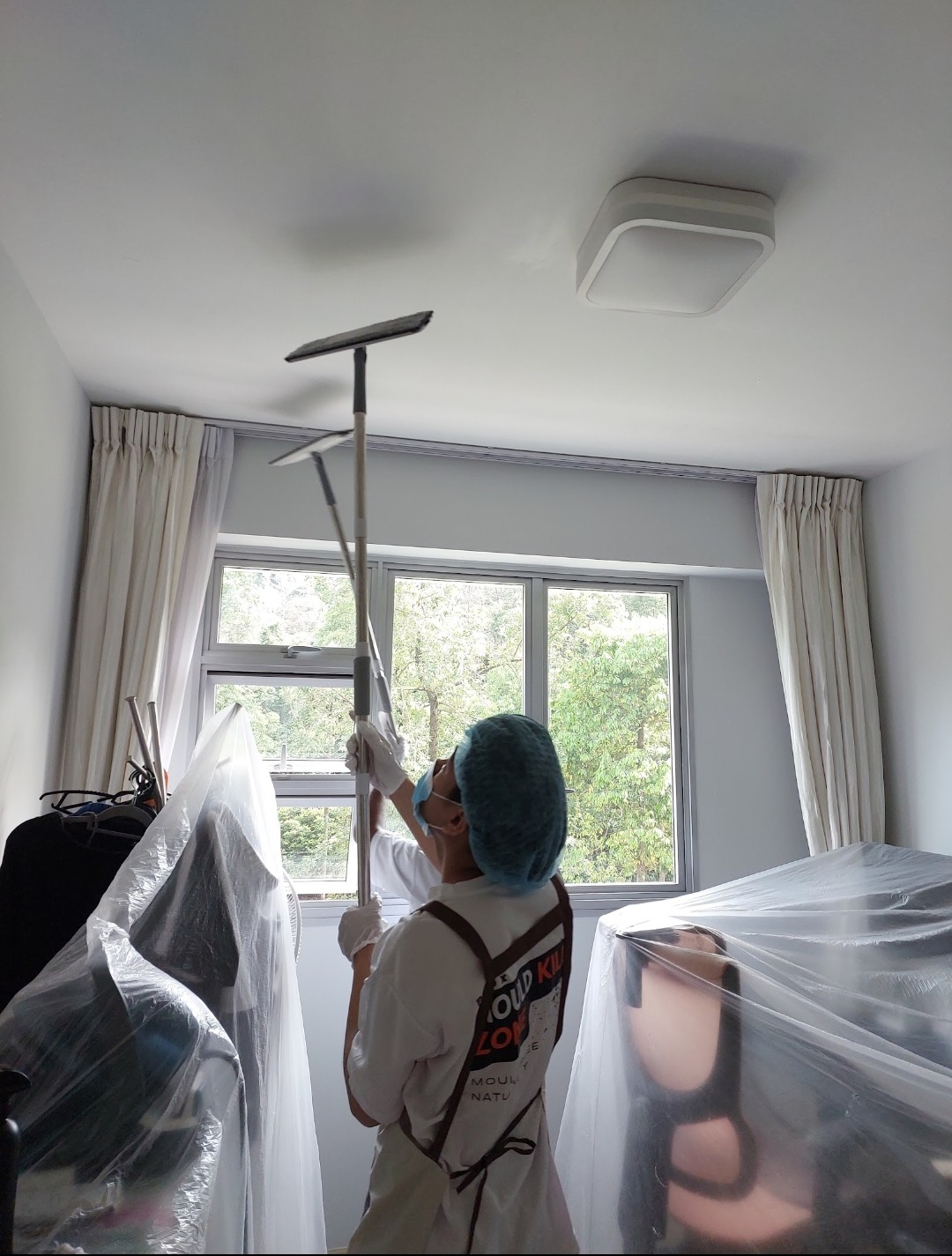
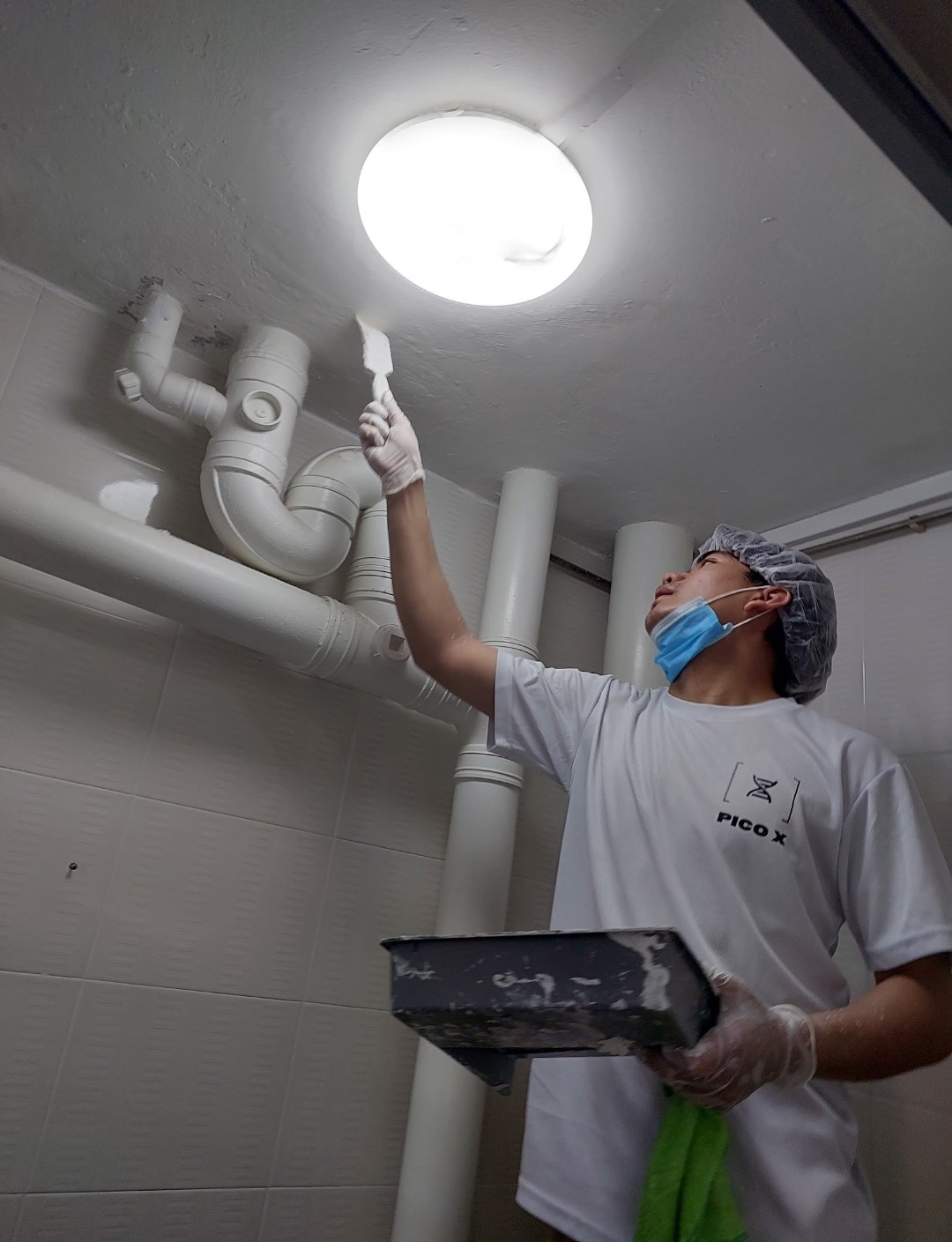
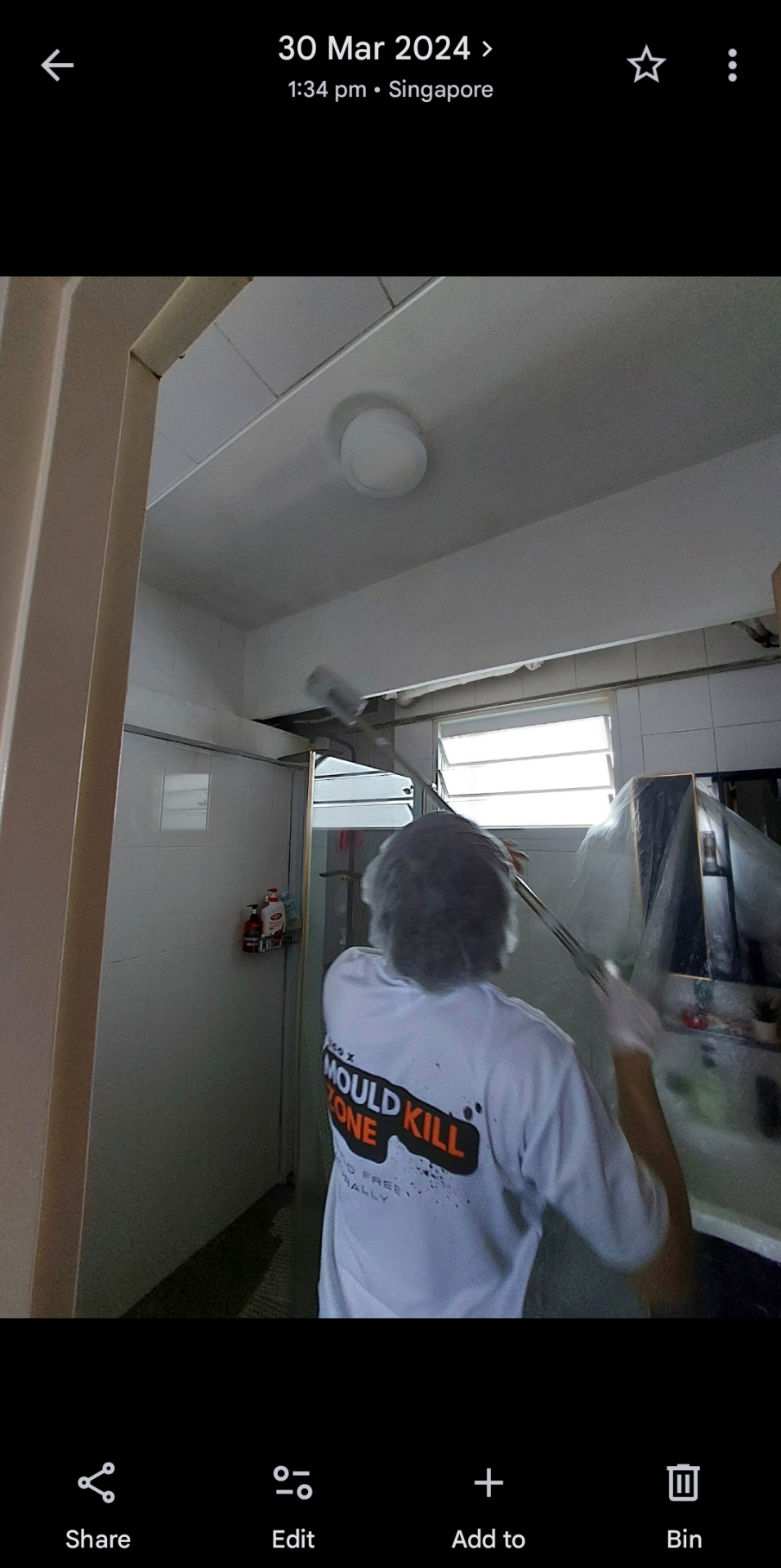
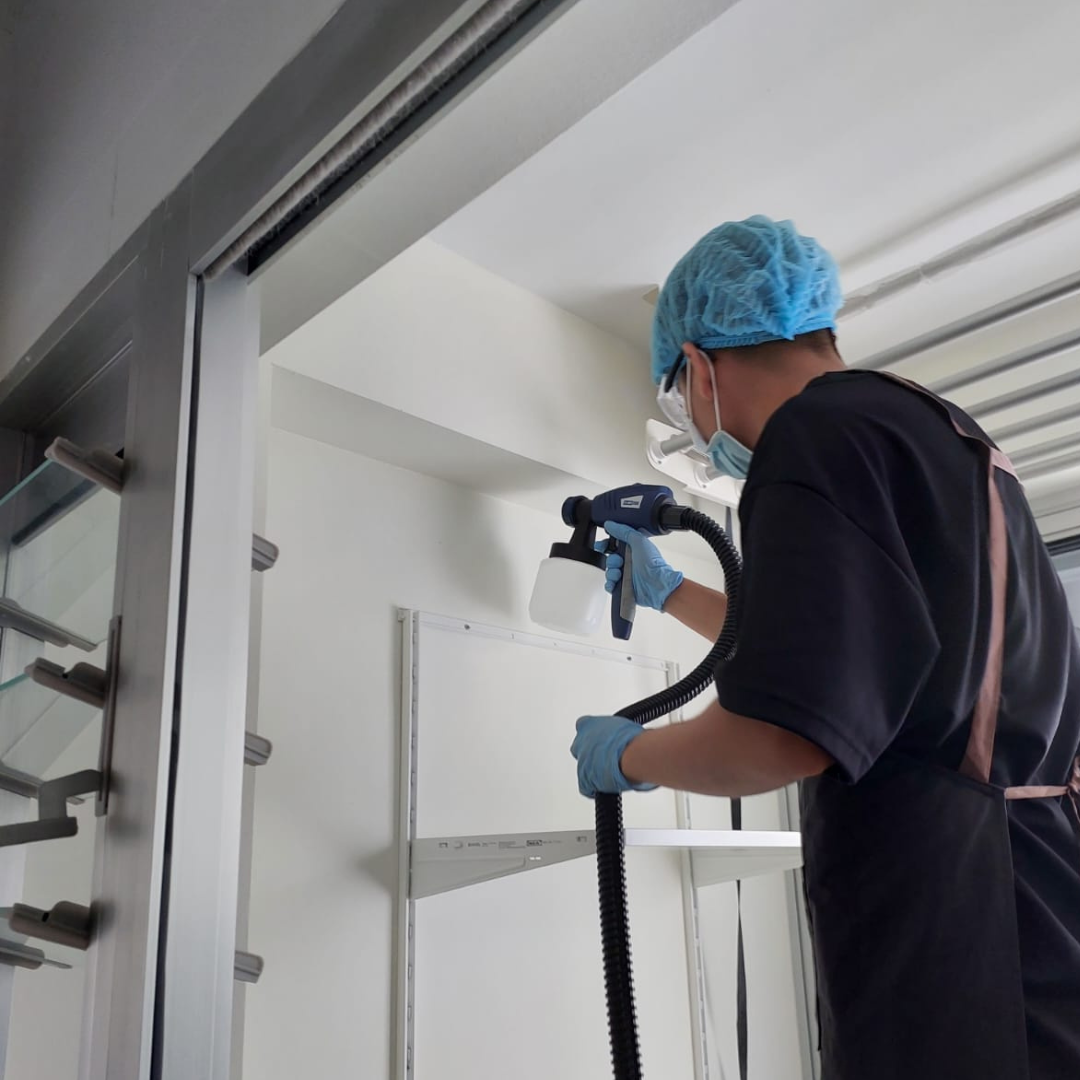
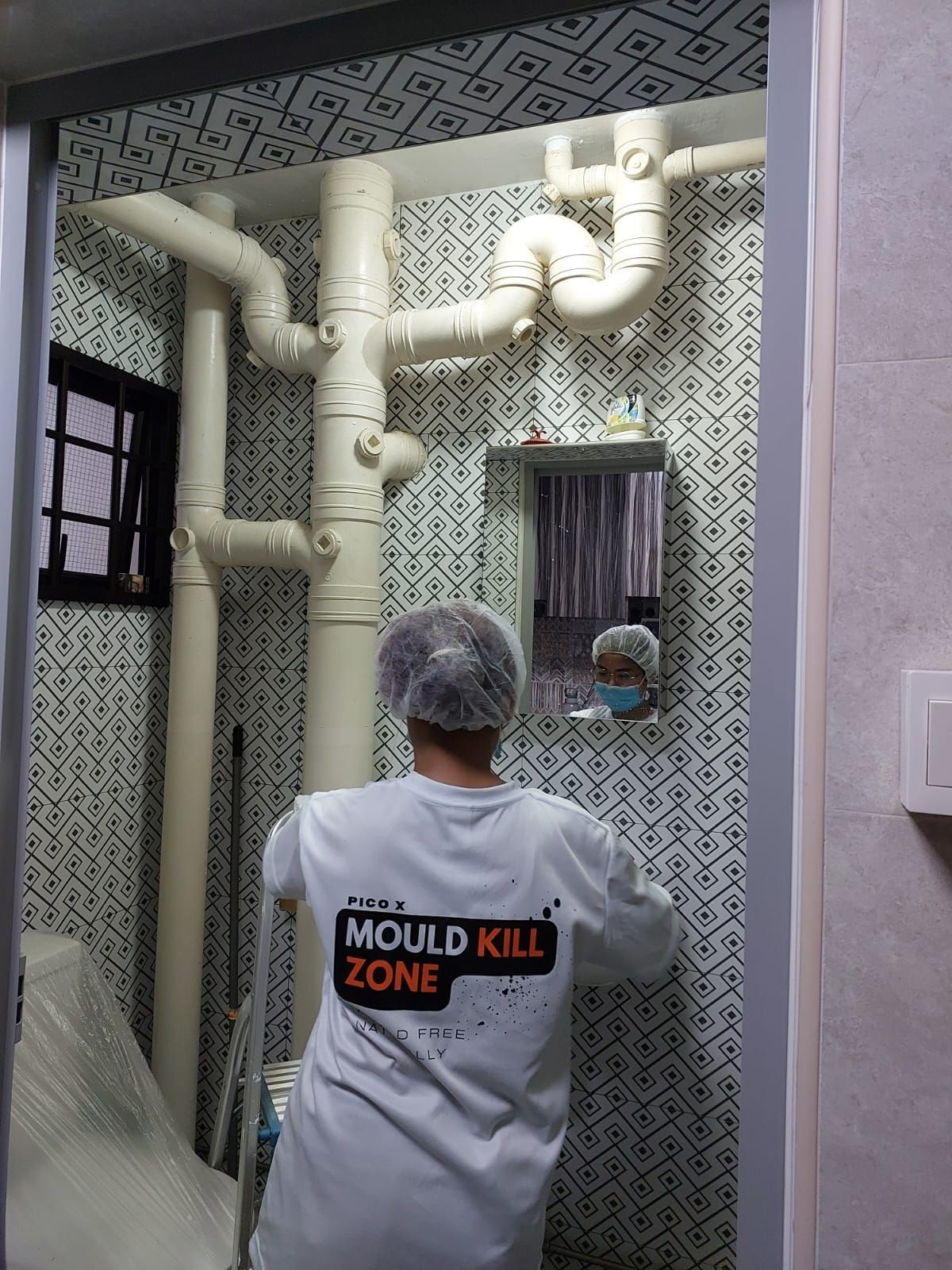
Our Team in Action
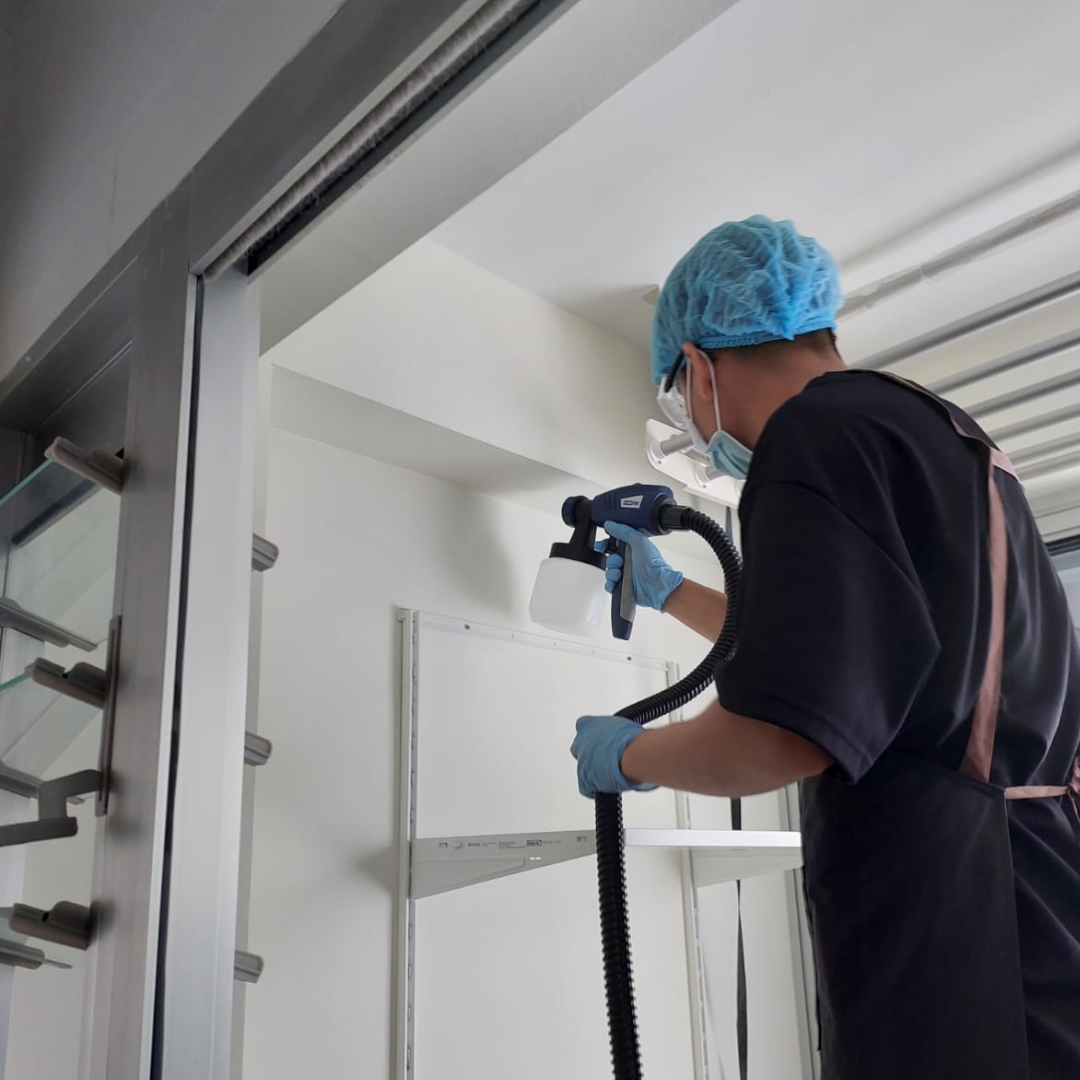
Trained Pico X Health technicians follow strict containment, PPE, and protocols on every job in Singapore.
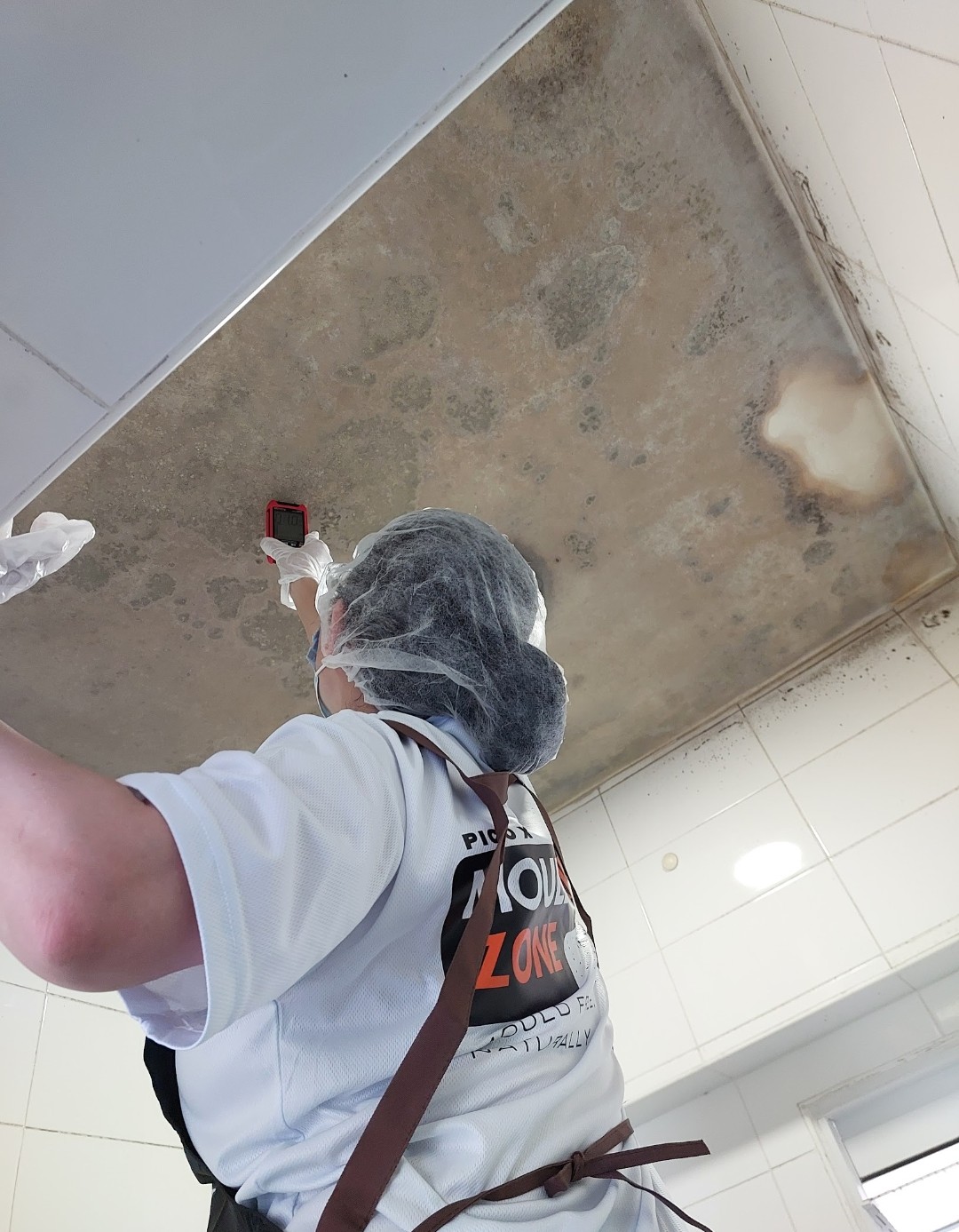
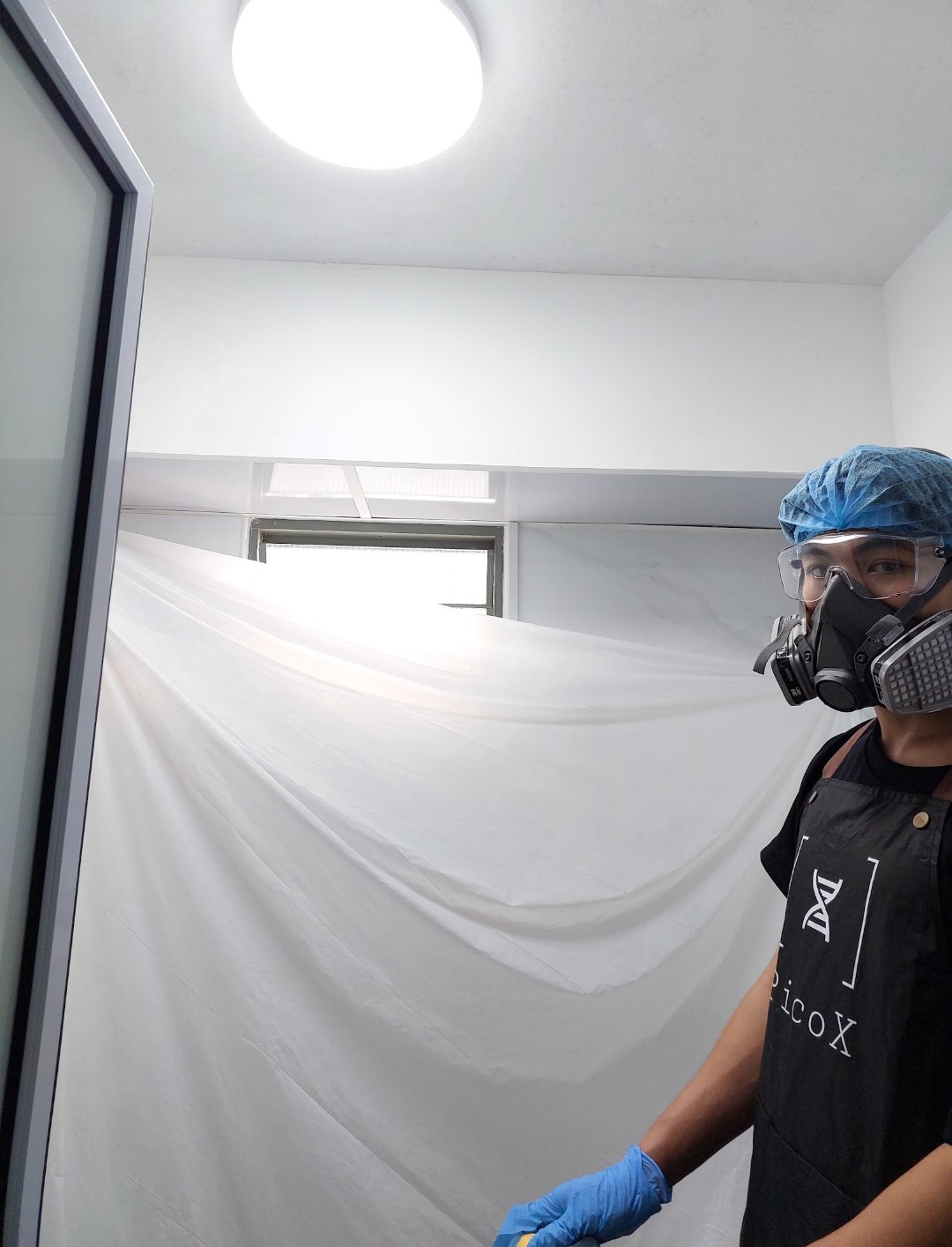
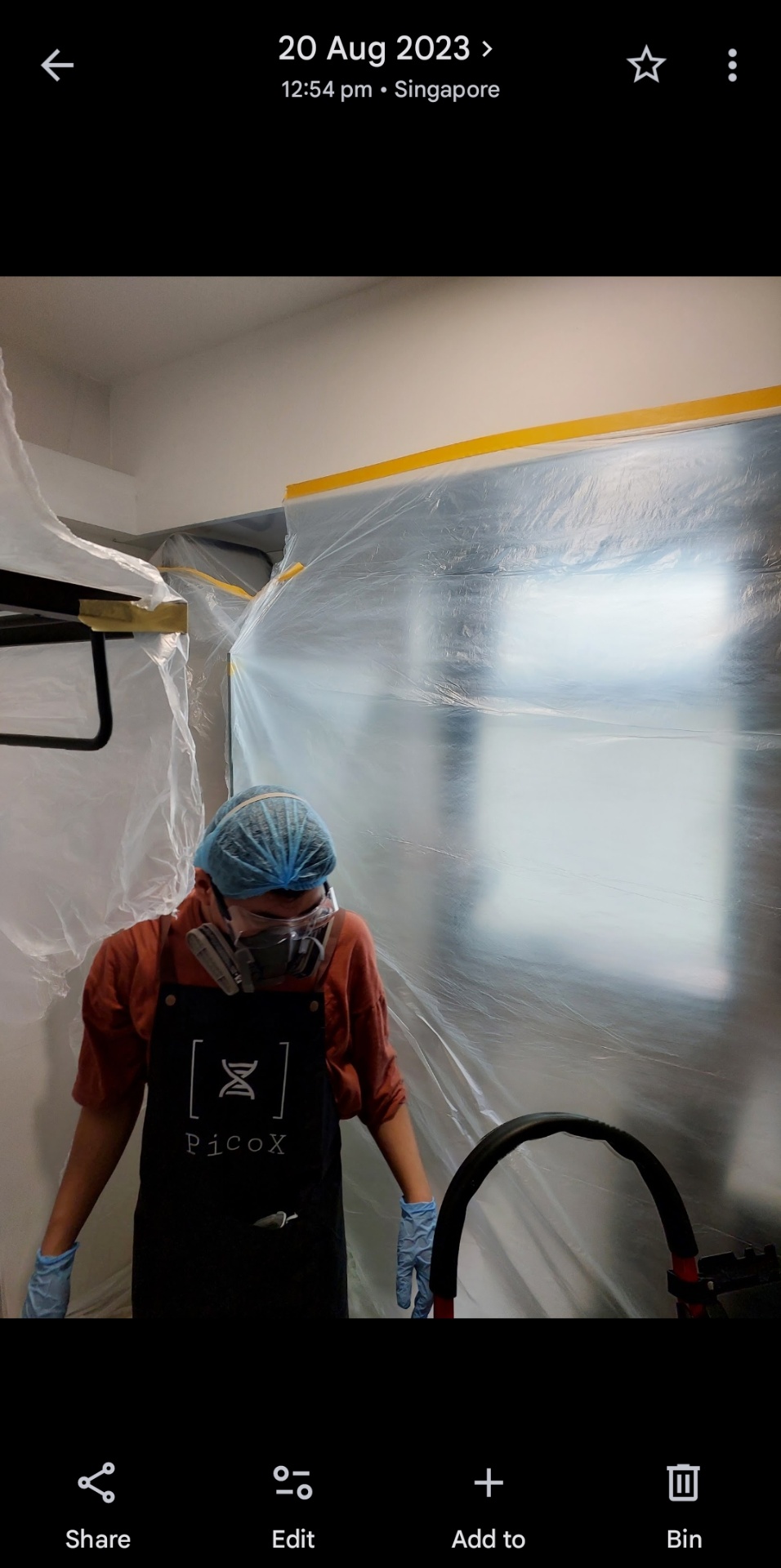
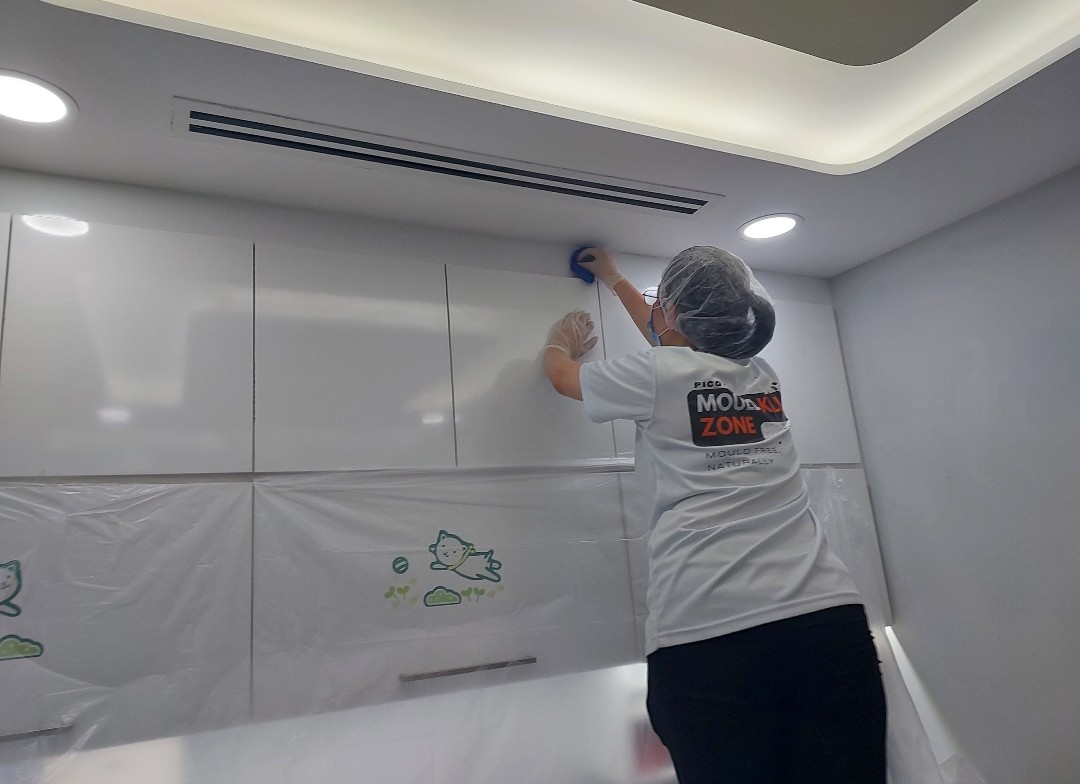
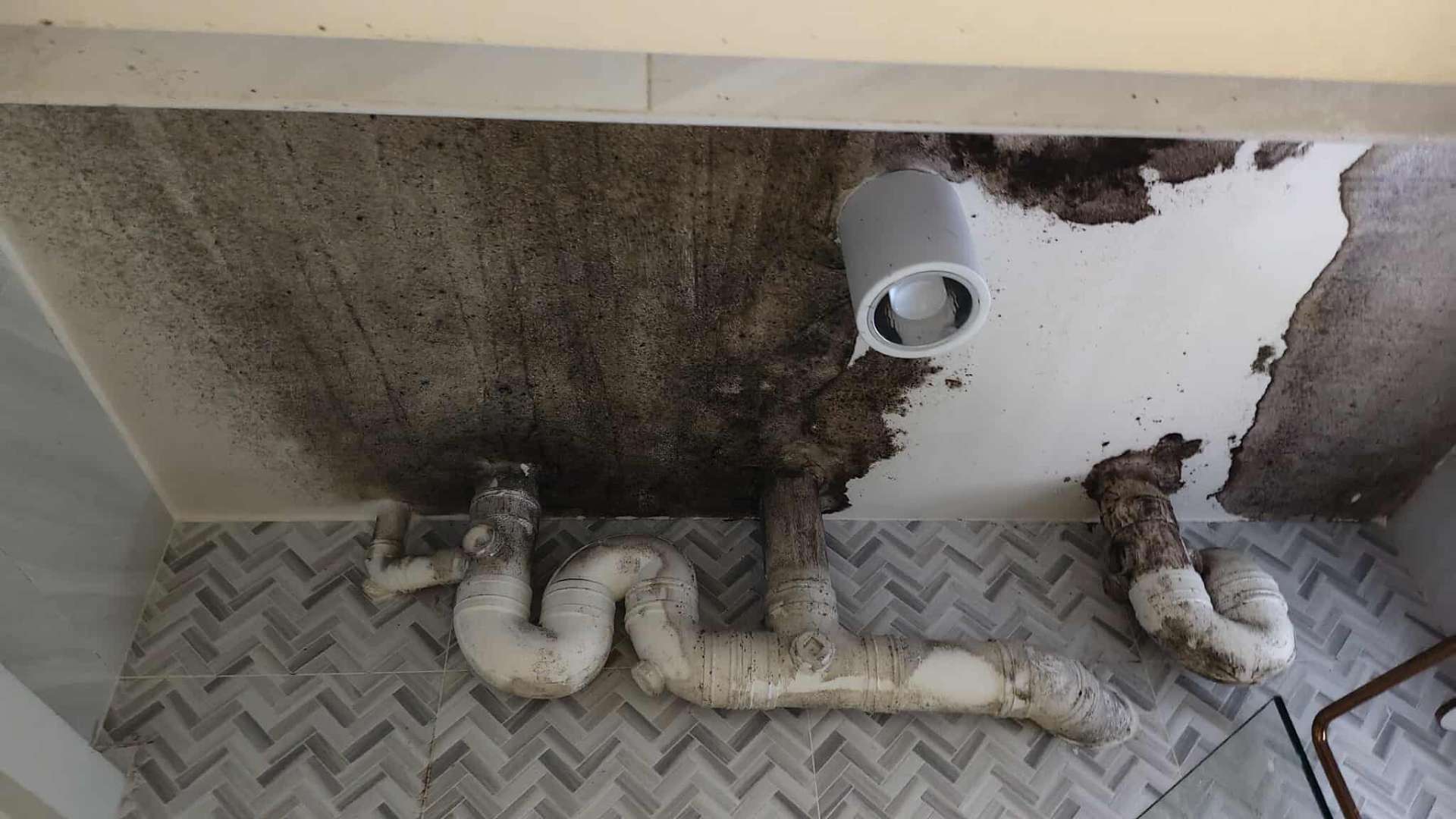
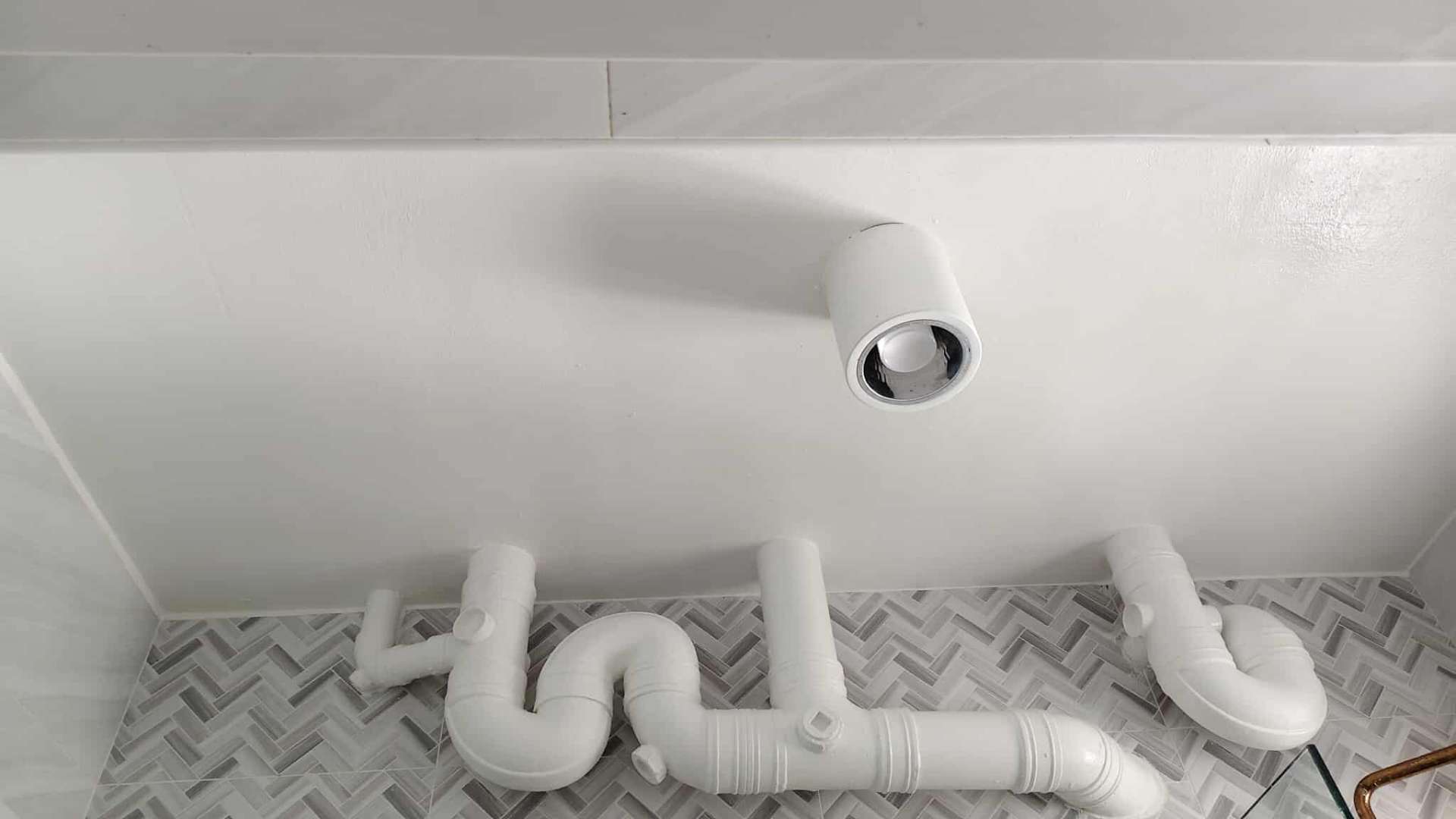
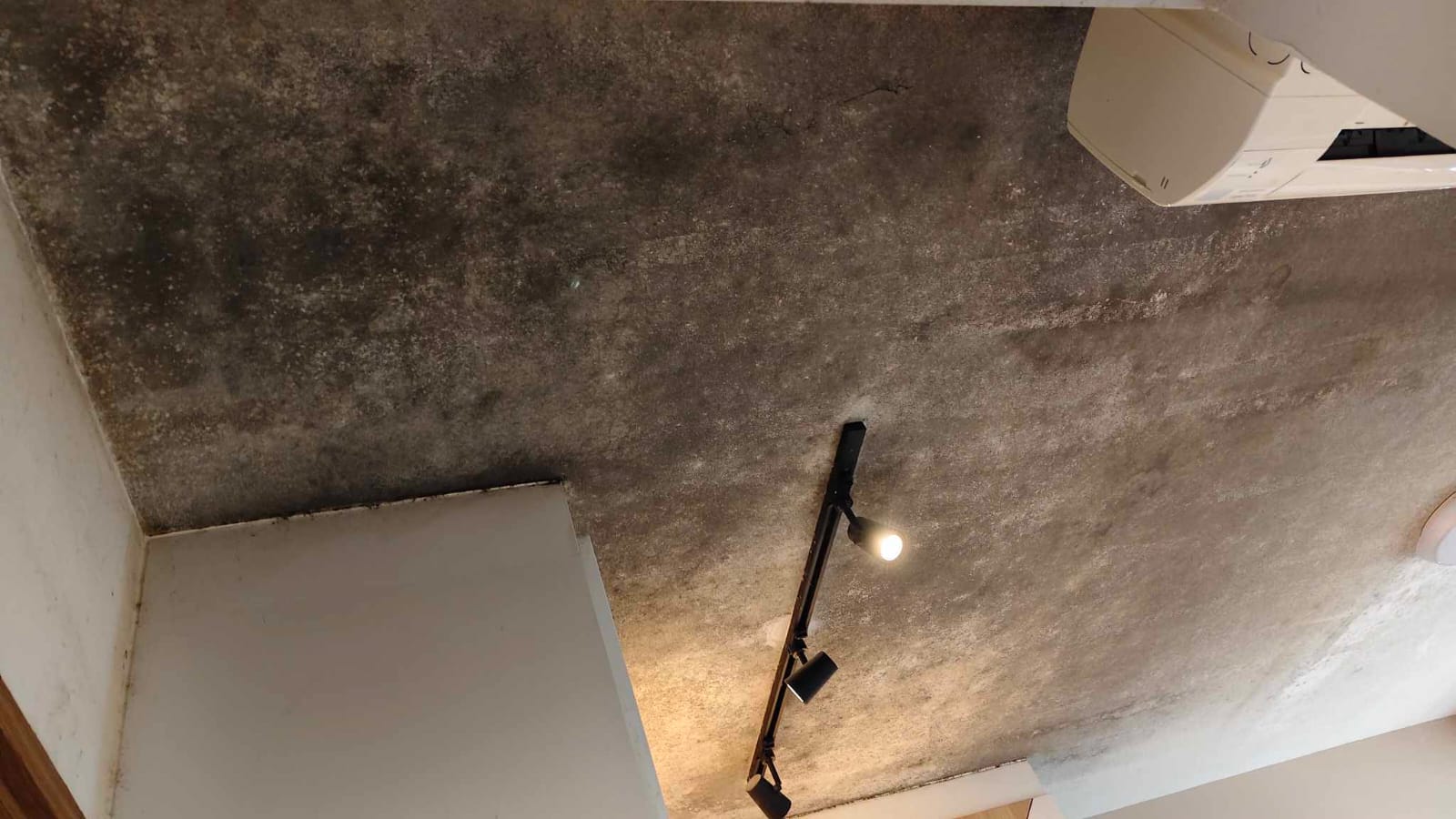
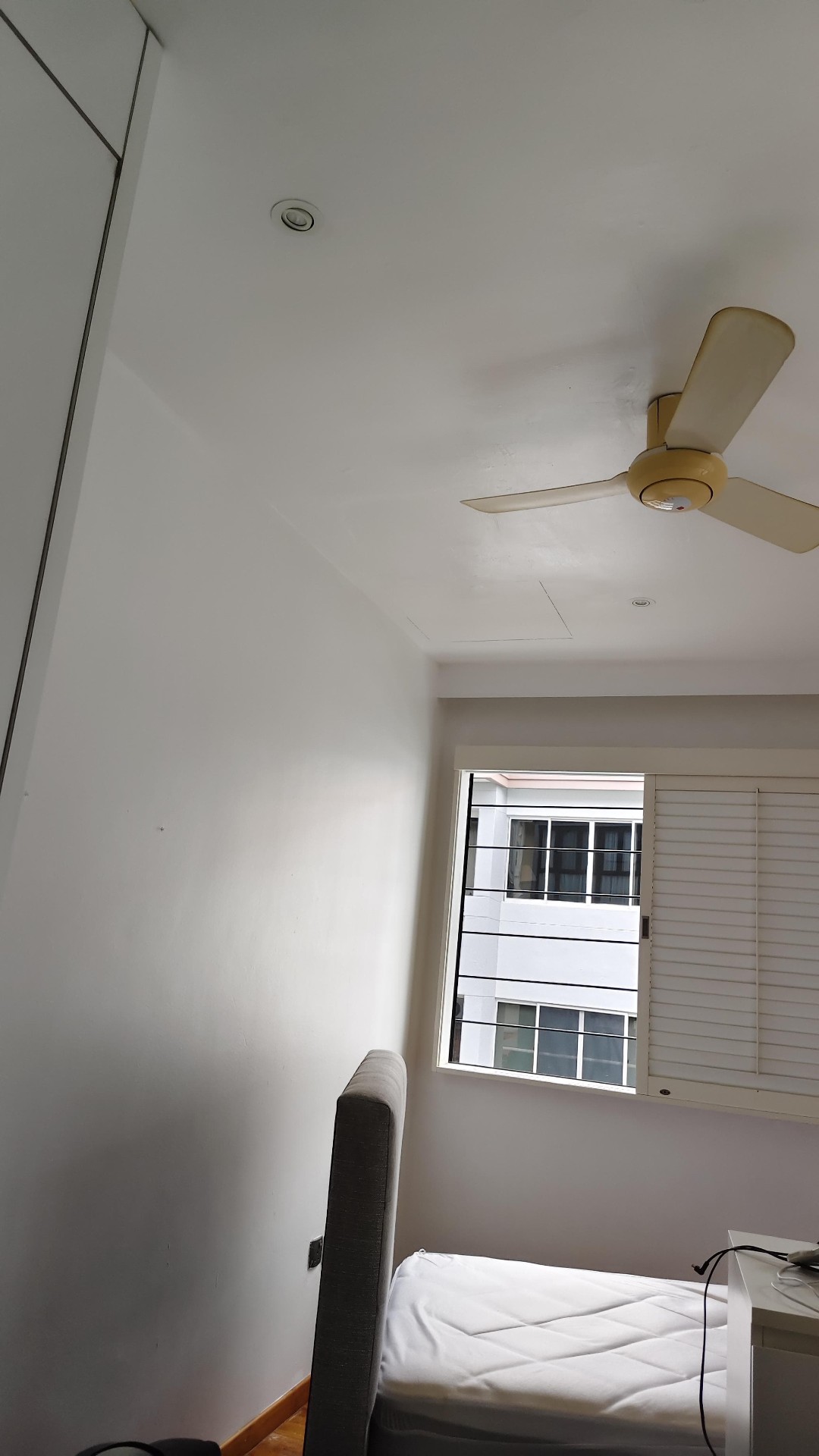
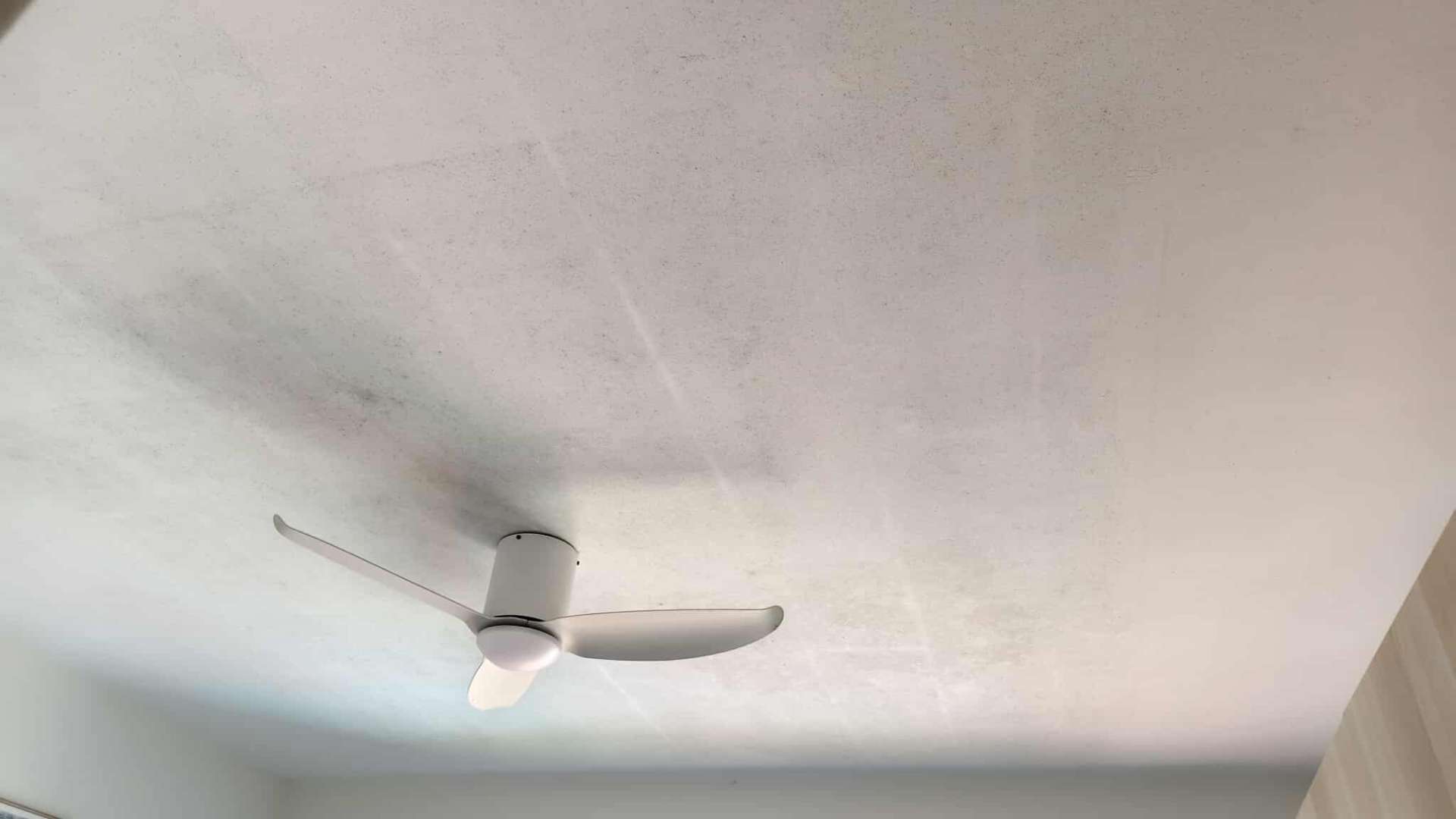
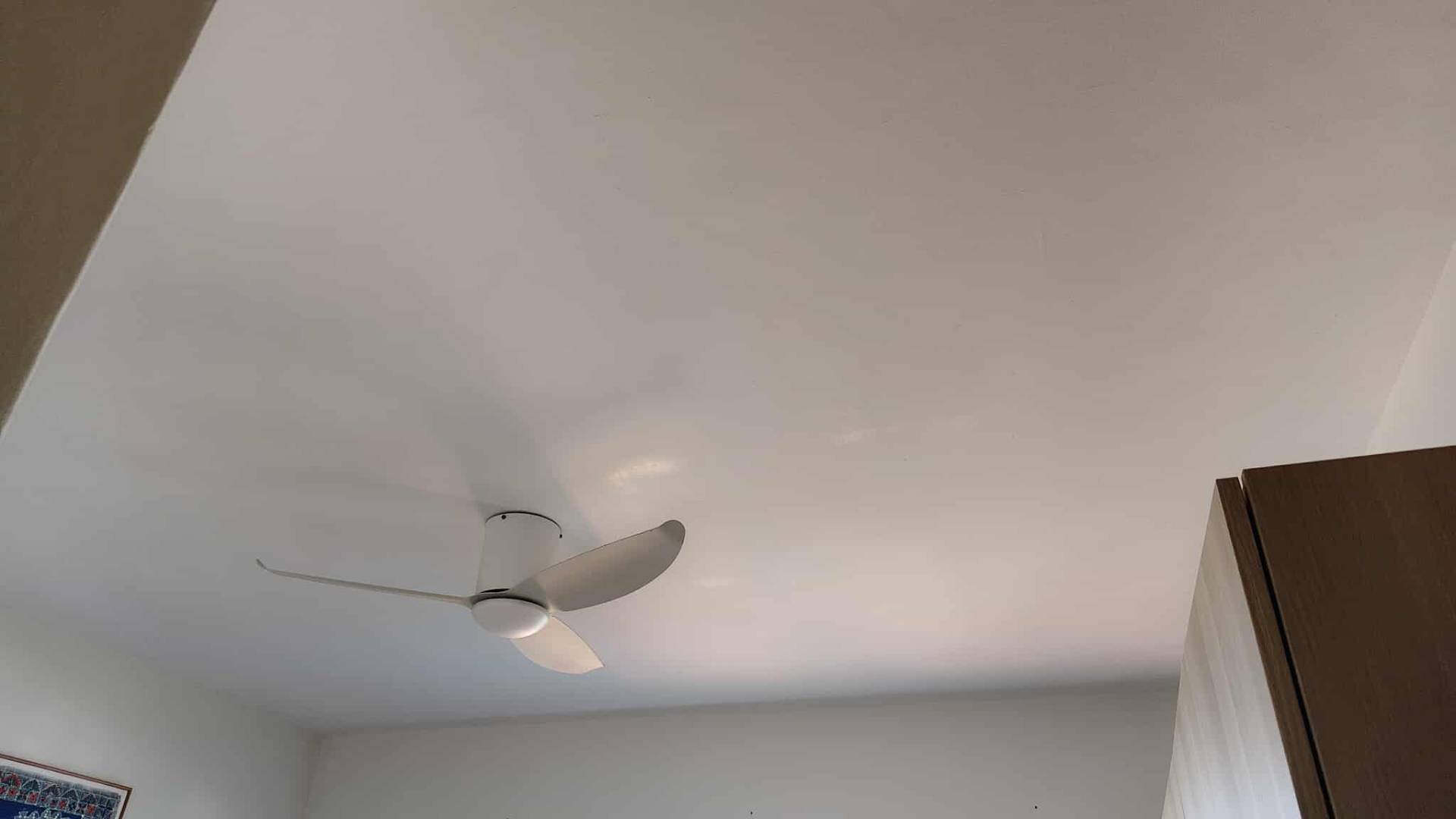
Before & After: Real Singapore Jobs
Documented mould remediation across HDB, condo, landed and commercial spaces.
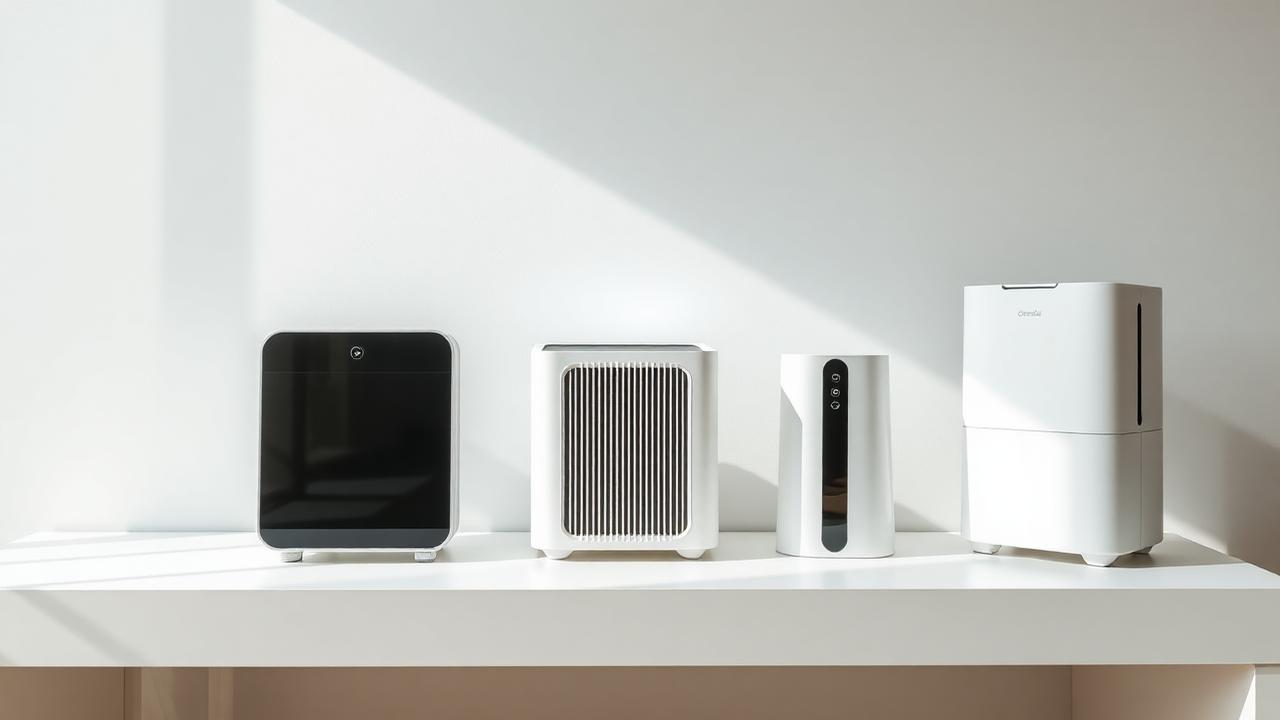
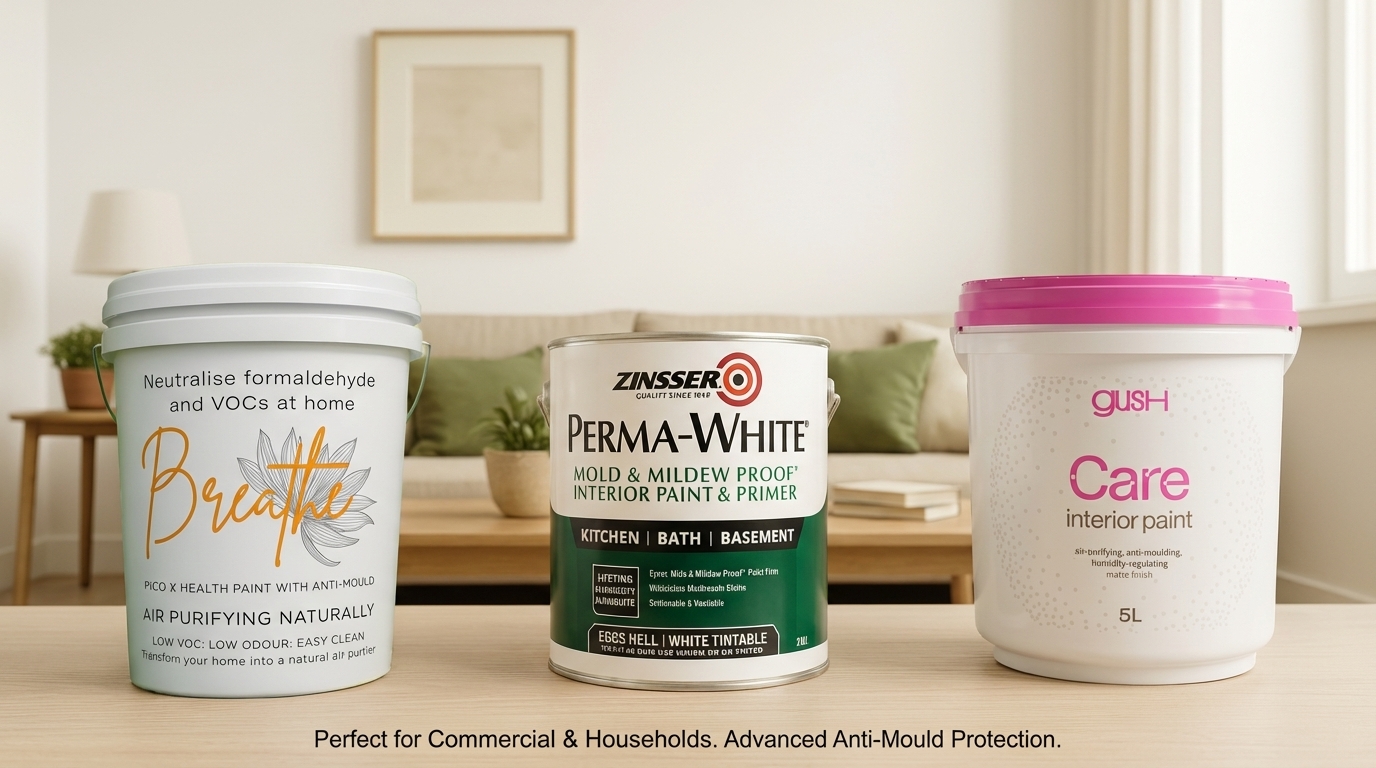
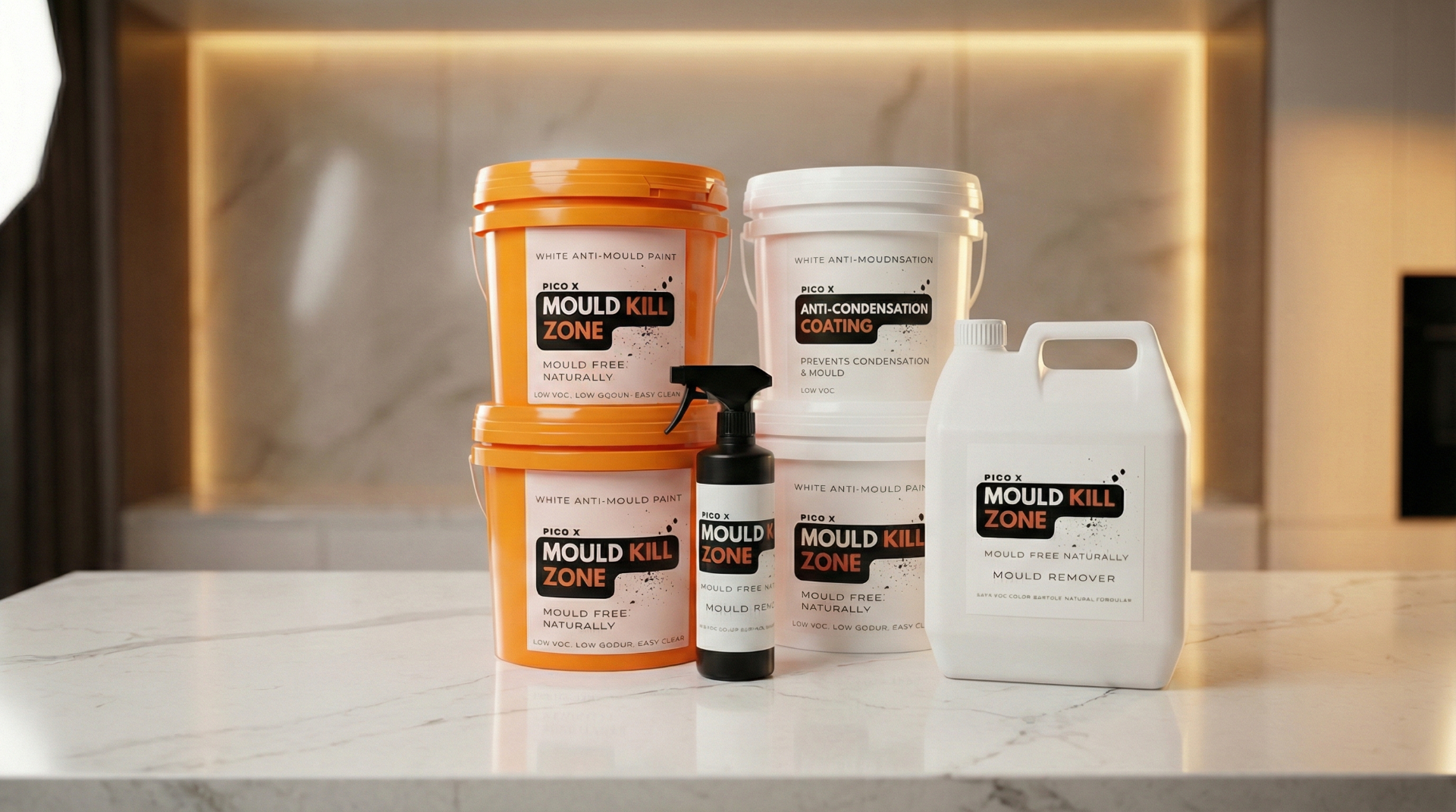
Products We Use & Recommend
Professional-grade equipment and coatings selected for Singapore's humid climate.
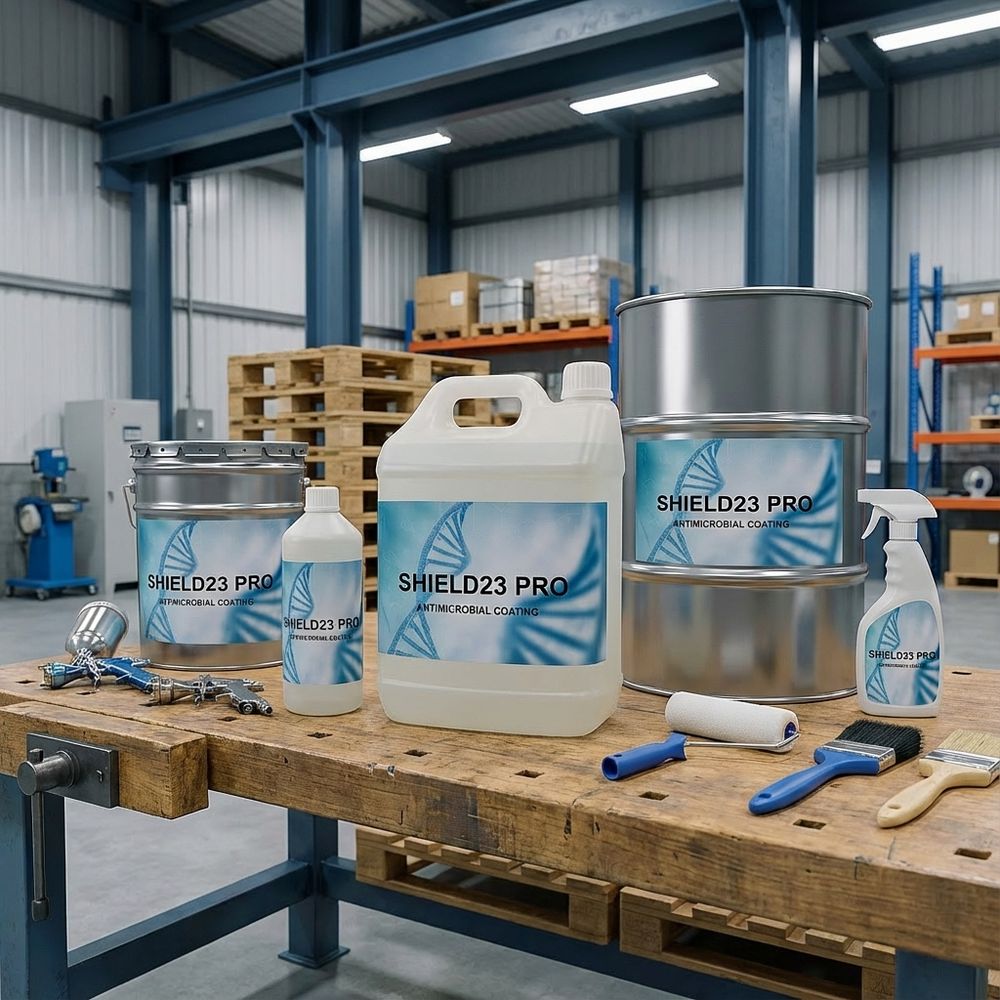
Shield23 Pro — Antimicrobial Coating
Long-life inorganic-ion defense applied by trained Pico X Health technicians across hospitals, F&B, schools, and homes.
Recommended Services
Pico X Health services most relevant to this topic.
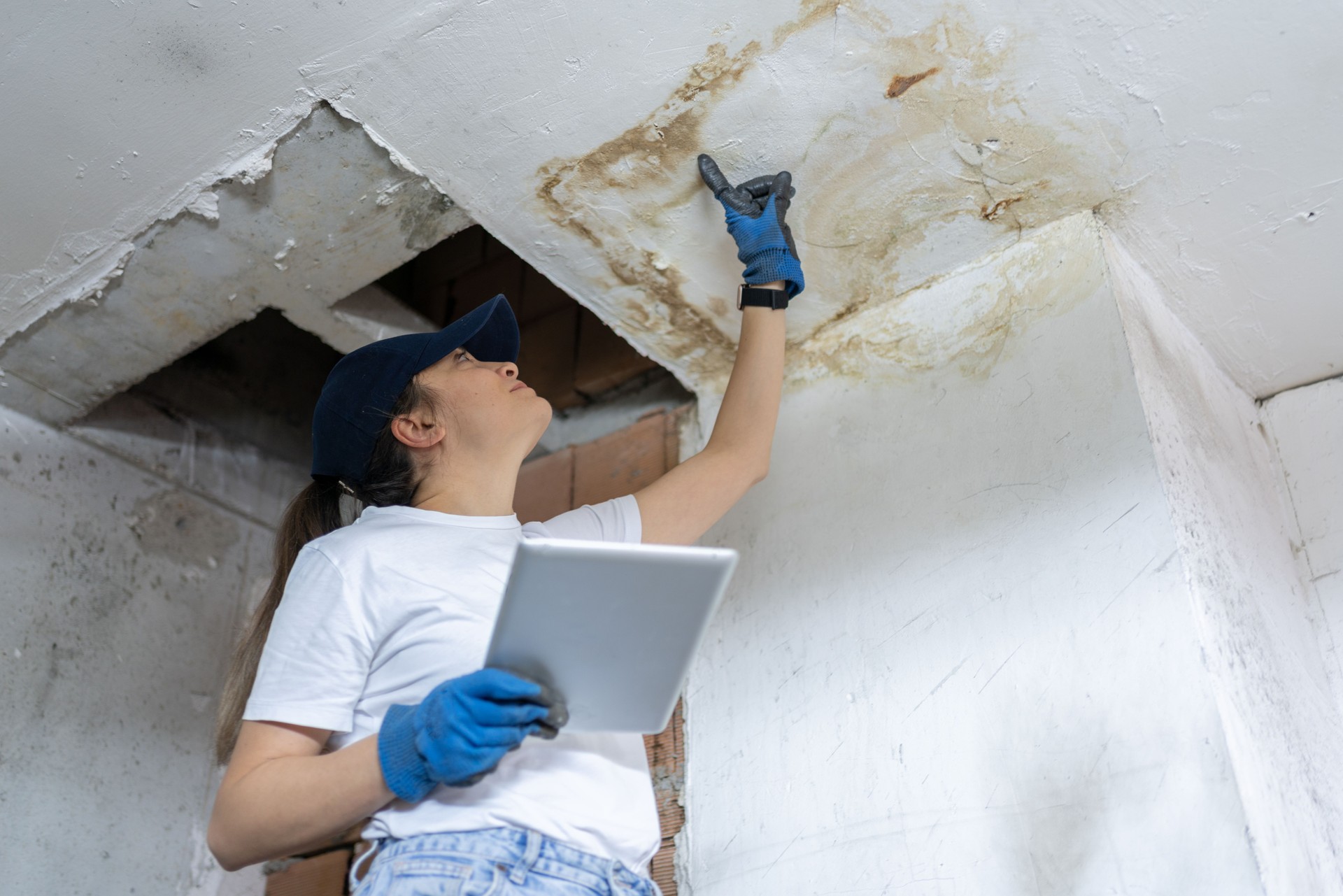
Watch: Top 5 illnesses that can be triggered by mould
A two-minute summary of the health conditions most often linked to indoor mould.
Respiratory and skin conditions commonly aggravated by long-term indoor mould exposure in humid climates, and the warning signs worth acting on. Watch on YouTube · More Pico X Health videos