Clinic & Vet Mould Removal in Singapore
MOH-grade containment, discreet after-hours crews, and permanent fixes for the aircon-trunking condensation that keeps mould coming back on clinic grills and ceilings.
Request Clinic AssessmentQuick Answer
Pico X Health clinic and vet mould removal in Singapore follows low-odour, non-toxic protocols suitable for medical, dental, paediatric, and veterinary clinics. We schedule around patient hours and provide clearance documentation.
Based on: Stachybotrys Black Mould Study Aspergillus & Penicillium Study Pico X Health Research
Why clinics get mould faster than offices
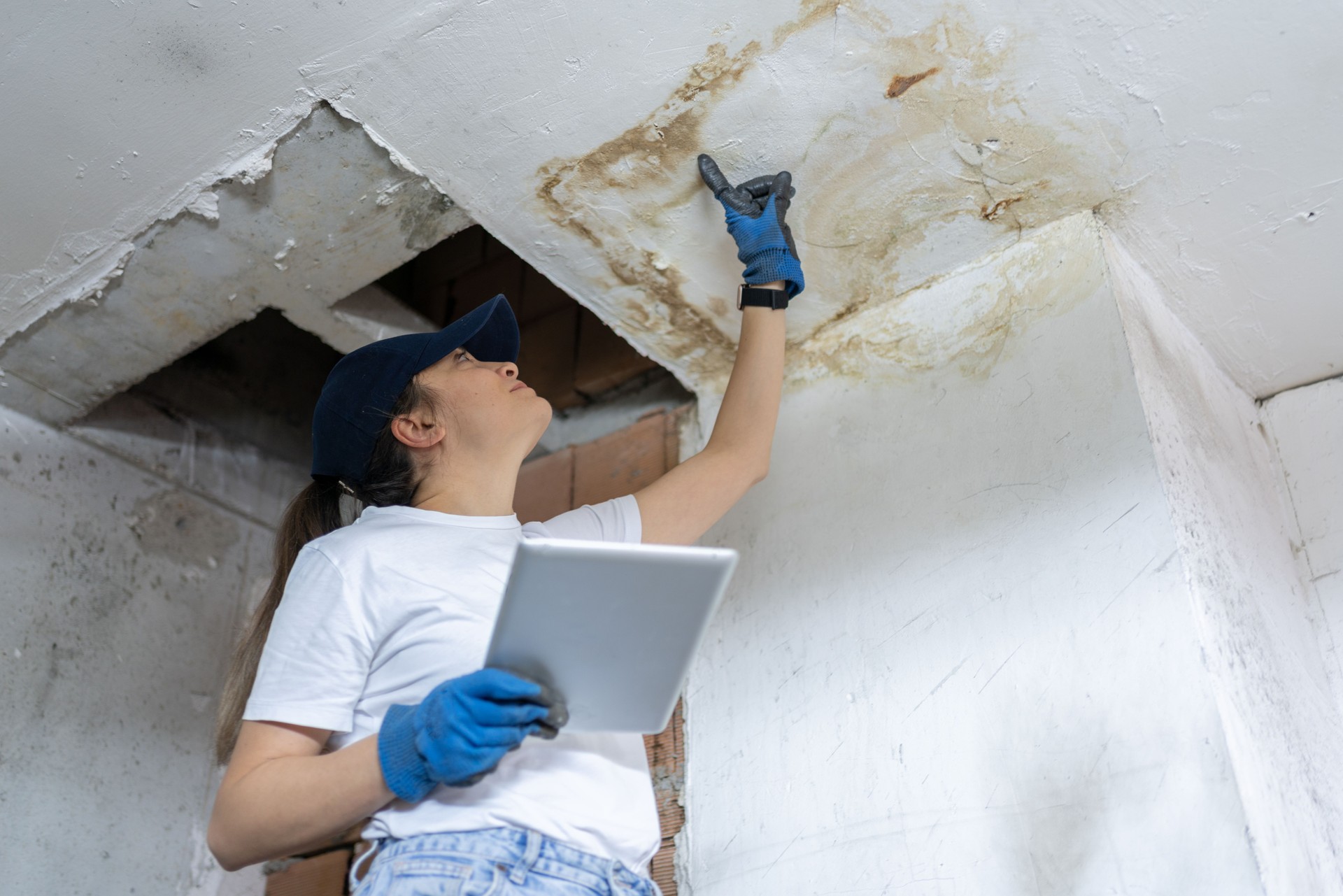
Clinics run their aircon harder, keep floors wetter, and cycle more patients per square metre than a standard office. That combination pushes ceiling voids, supply trunking and return grills past their condensation threshold long before an office of the same size would.
Once mould establishes inside trunking, wiping the visible grill is cosmetic — the source is upstream. Our clinic work always follows the moisture back to the trunking, not just the grill.
Root causes we fix
- Aircon trunking condensation. Cold supply-air ducts running through warm ceiling voids sweat continuously. Uninsulated joints and sagging insulation seed mould inside grills within weeks.
- Wet-floor treatment protocols. Frequent mopping in exam, dental, grooming and kennel rooms keeps floor slabs, skirtings and lower walls damp. Poor drying between patients compounds it.
- Cold supply air on warm returns. Under-sized returns and closed doors between treatment rooms create dead zones. Chilled air condenses against warmer surfaces the moment the compressor cycles off.
- Patient-load humidity spikes. Waiting rooms and boarding kennels see body-heat and respiration loads that lift RH 10–15% above set-point. Coils recover but grills, vents and ceiling corners stay damp.
Prevention protocol for clinics
- Air curtains at entrances — cuts outdoor humidity ingress by up to 70% during opening hours.
- Sealed & insulated trunking — closed-cell insulation on every cold supply run inside ceiling voids.
- MVHR / balanced ventilation — continuous fresh-air exchange keeps CO₂ down and RH stable at 55–60%.
- Quarterly grill audit — wipe-test + moisture-meter check on every supply and return grill.
- Anti-condensation coating — ceramic-microsphere coating on trunking soffits stops sweat forming.
- Continuous moisture logging — cloud-logged data loggers flag drift before mould appears.
4-step weekly grill check
- Inspect the grill weekly. Shine a torch across every supply and return grill. Look for dark streaking on the vanes and dust that clumps rather than falls off — both are early biofilm.
- Wipe with a food-grade antimicrobial. Use a lint-free cloth dampened with a food-grade, non-corrosive antimicrobial (never bleach on aluminium). Wipe vanes and frame; discard cloth after each grill.
- Check the trunking above the grill. Pop a ceiling tile and torch the trunking. Any drips, damp lining or sagging insulation means the trunking is condensing internally and needs sealing.
- Log RH and set a recall. Record room RH after morning start-up. If it climbs above 65% for more than an hour, book a ventilation review before mould re-establishes.
MOH-grade containment. Zero disruption.
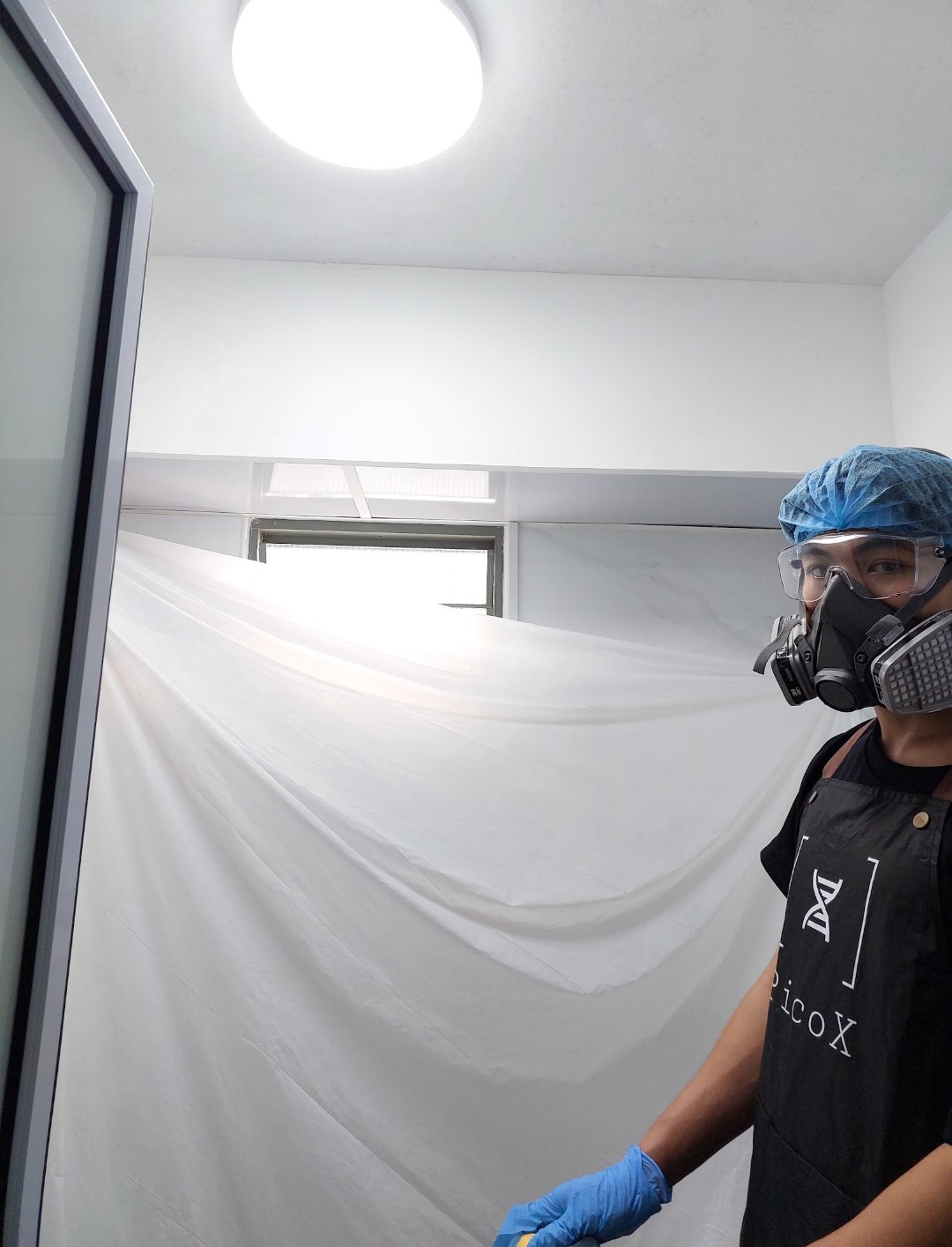
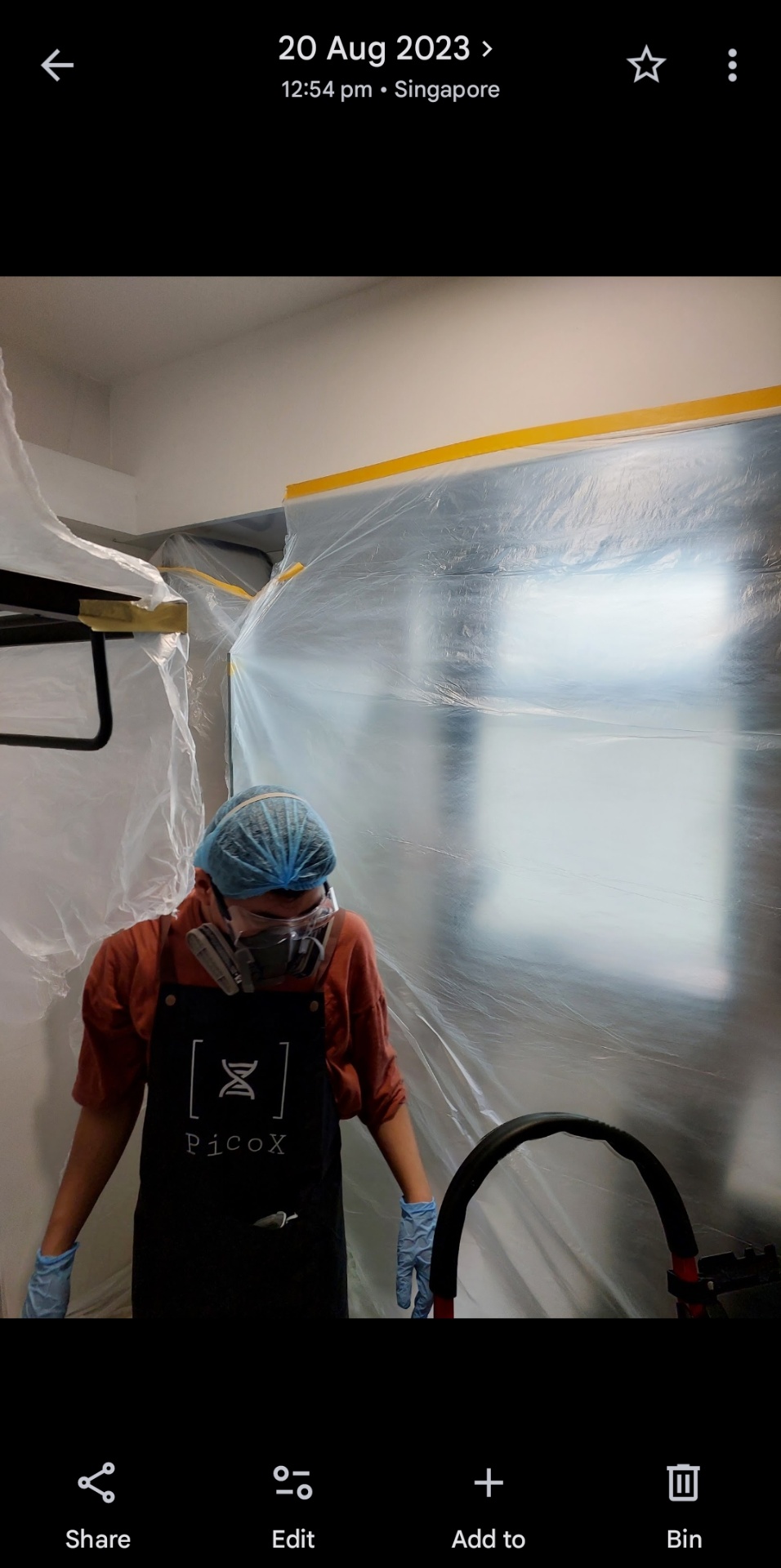
Negative-pressure enclosures, HEPA scrubbers, sealed floor-to-ceiling barriers, and low-odour food-grade antimicrobials — everything you need to remediate without shutting a treatment room for a day.
- After-hours & overnight windows as standard
- Unmarked vehicles, plain uniforms, NDA on request
- Single-room phased work while adjacent rooms operate
- Post-remediation air-quality verification
Clinic & Vet FAQs
- Do you understand clinic infection-control requirements?
- Yes. We work with MOH-grade containment (negative-air enclosures, HEPA scrubbers, sealed floor-to-ceiling barriers) and can schedule around clinic hours so exam and treatment rooms are handed back cleaned, dried and air-quality verified before the next patient.
- Can you work around live patients and animals?
- We prefer after-hours or single-room phased work. For urgent cases we can isolate a single room under negative pressure so the rest of the clinic keeps operating. All chemistries used inside occupied clinics are food-grade / low-VOC and safe around pets.
- Why do vet clinics get mould on aircon grills so fast?
- Vet clinics combine wet-floor cleaning, high animal respiration loads, and long opening hours with the aircon running constantly. That drives sustained condensation inside supply trunking — mould visible on the grill is usually a symptom of condensation upstream, not surface dirt.
- Will the remediation smell affect patients or animals?
- No. We use non-toxic, low-odour antimicrobials cleared for healthcare and food-prep environments. Rooms are HEPA-scrubbed and aired before handback; there is no chemical residue left on treatment tables, exam surfaces or floors.
- Do you provide documentation for landlord or insurance claims?
- Yes — pre-remediation photos, moisture readings, containment plan, work log, post-remediation swab or ATP results (on request) and warranty certificate. This packet is accepted by all major Singapore insurers and by most commercial landlords.
- Do you handle discretion for private clinics?
- Absolutely. Unmarked vehicles, plain uniforms, NDAs on request. Many of our clinic clients ask us to arrive after last patient and leave before first patient — we routinely operate an overnight window without disturbing signage or reception.
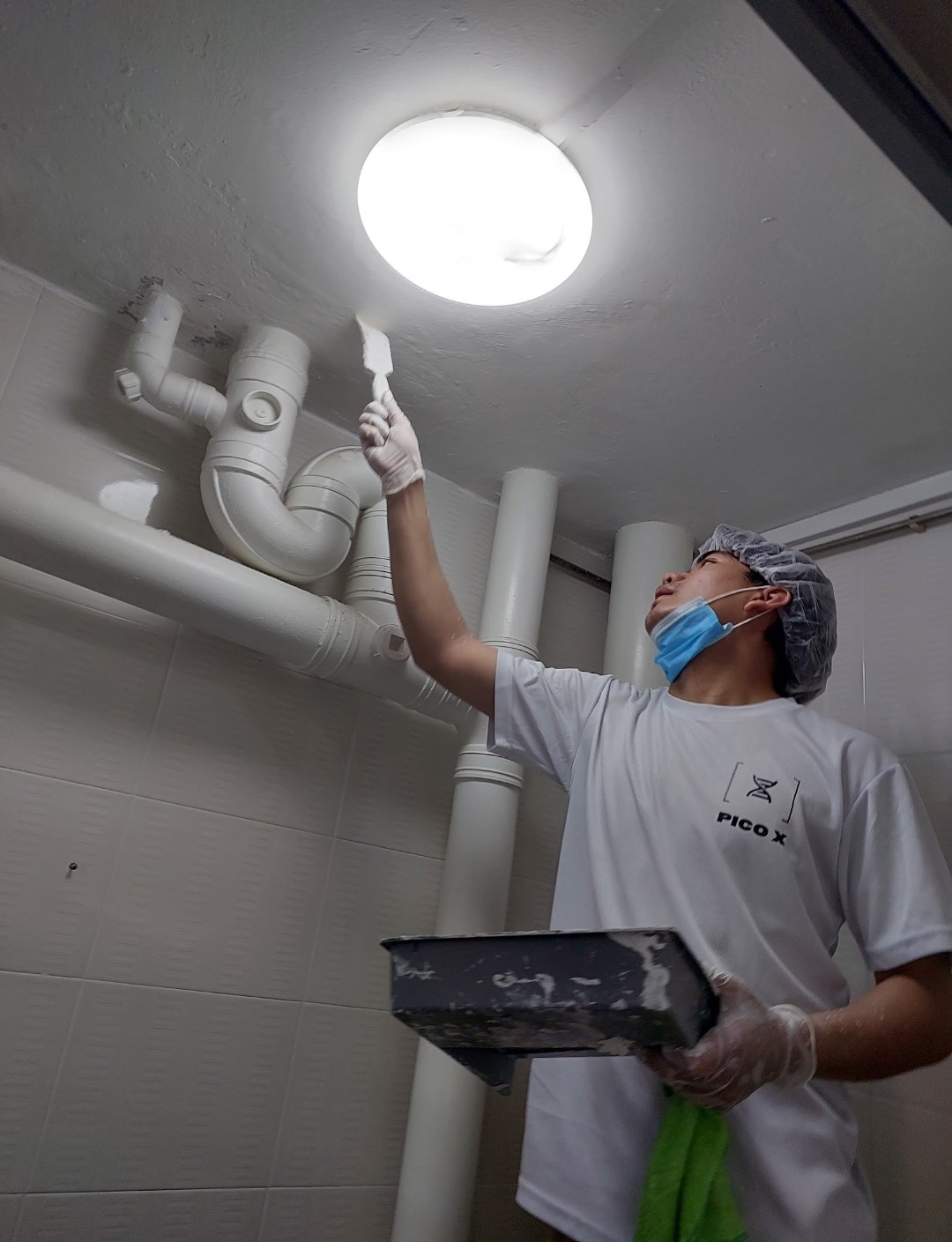
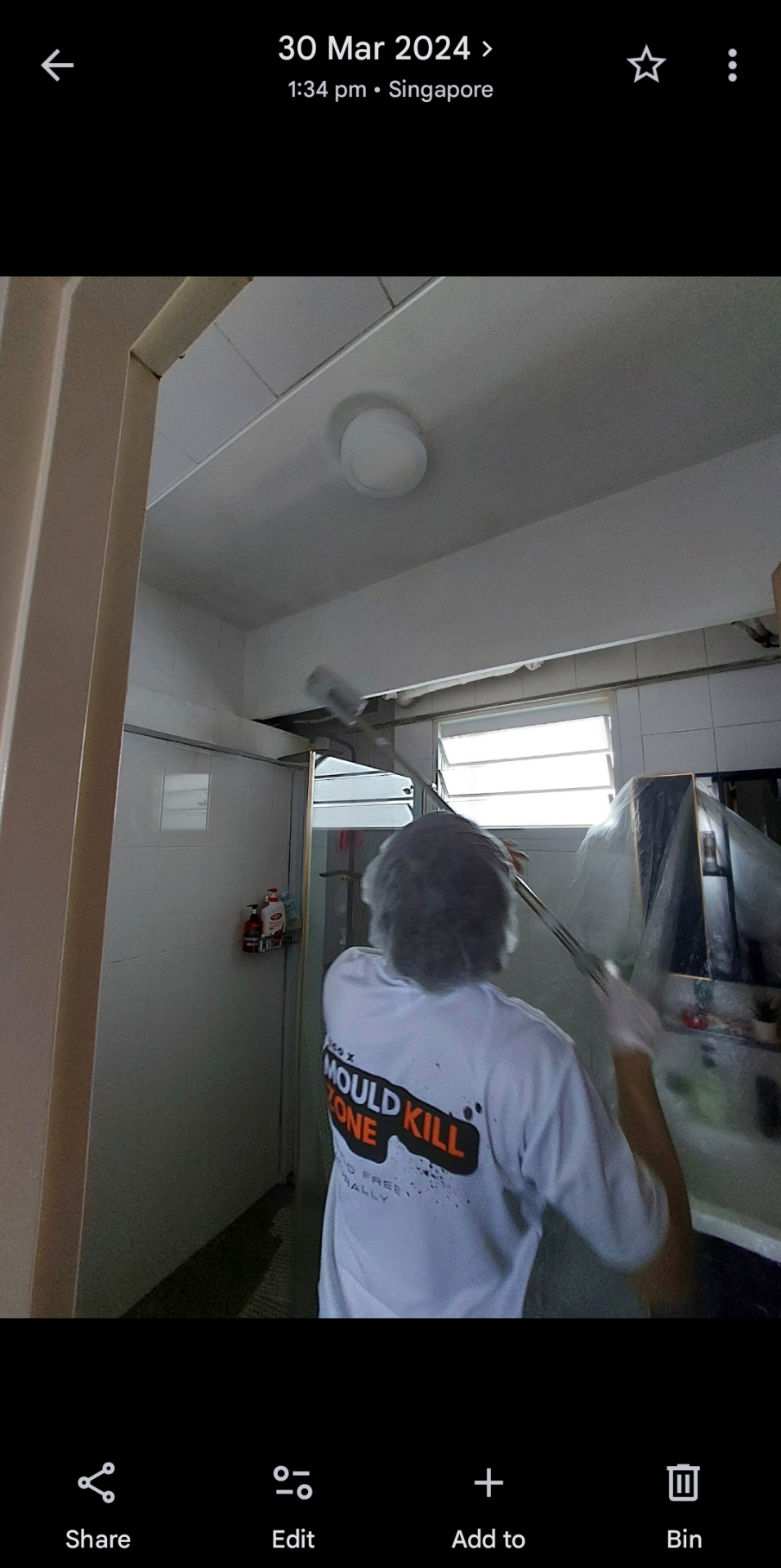
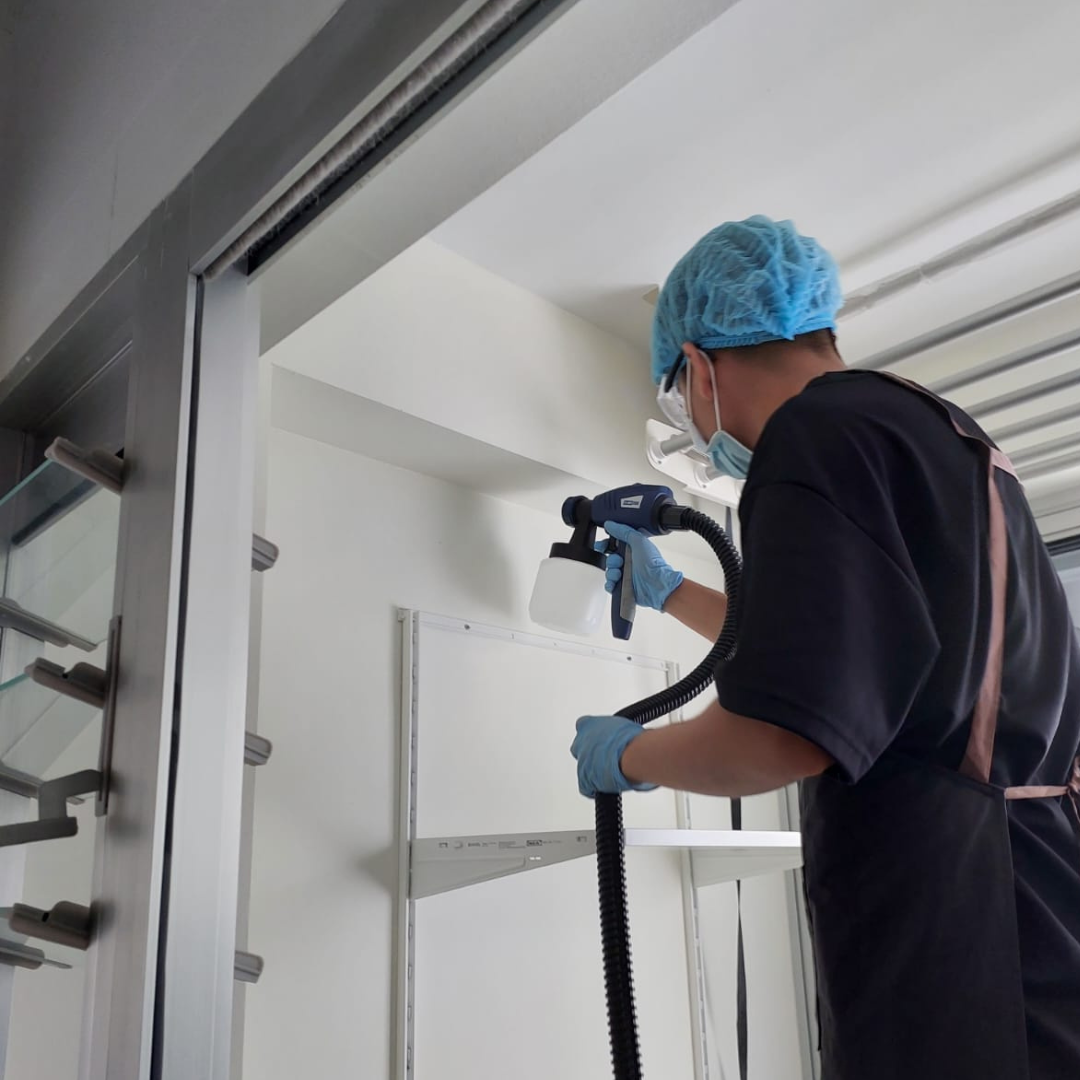
Our Team in Action
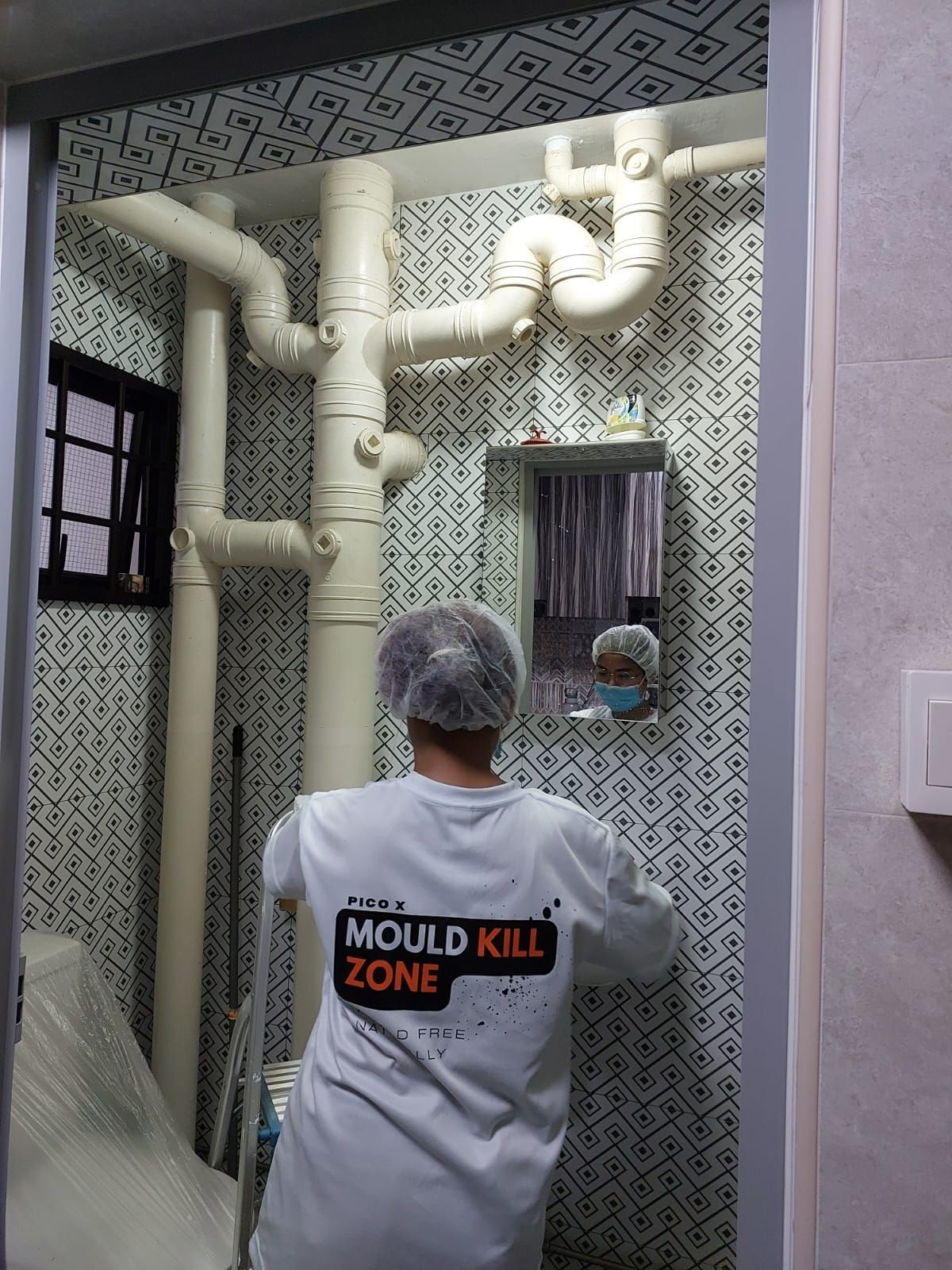
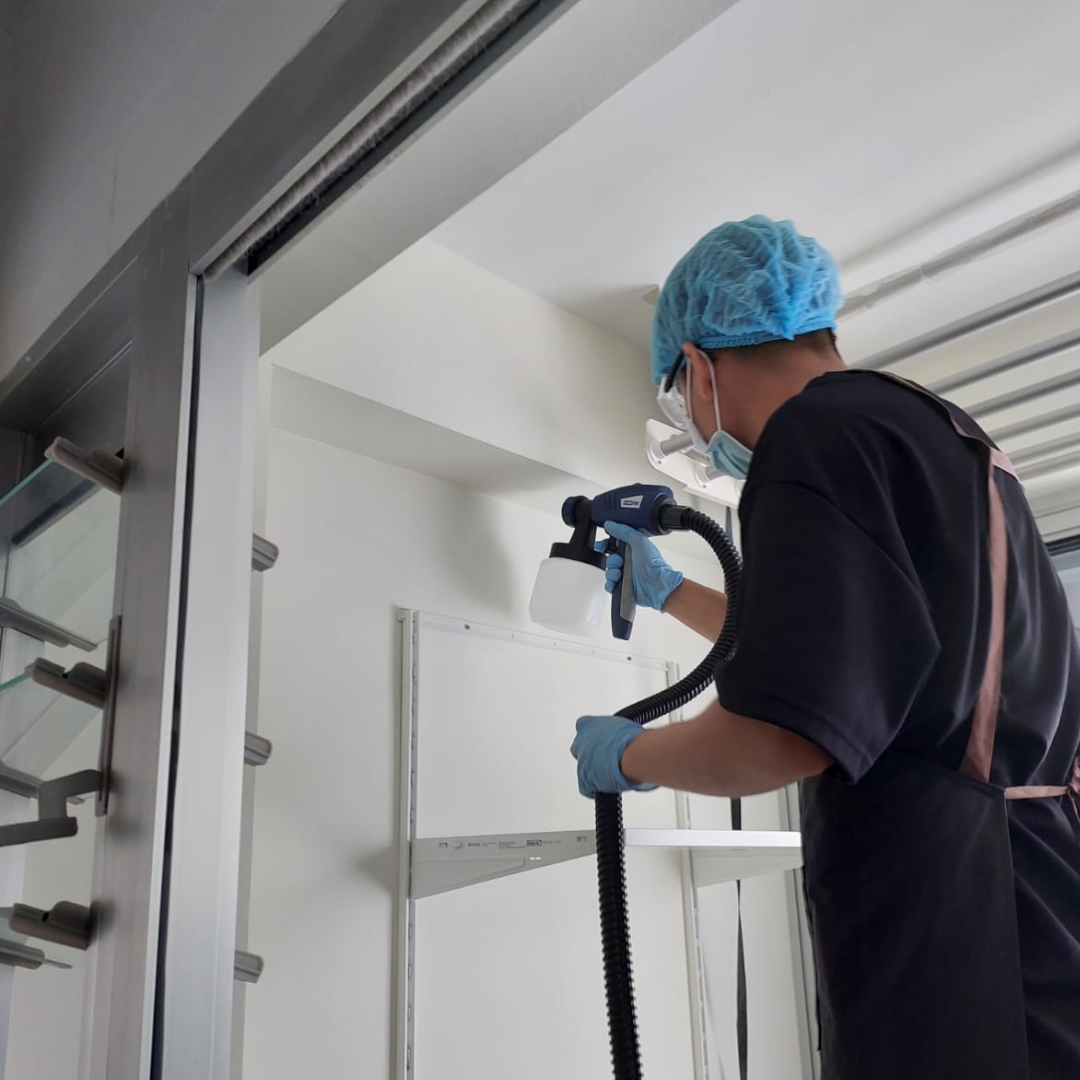
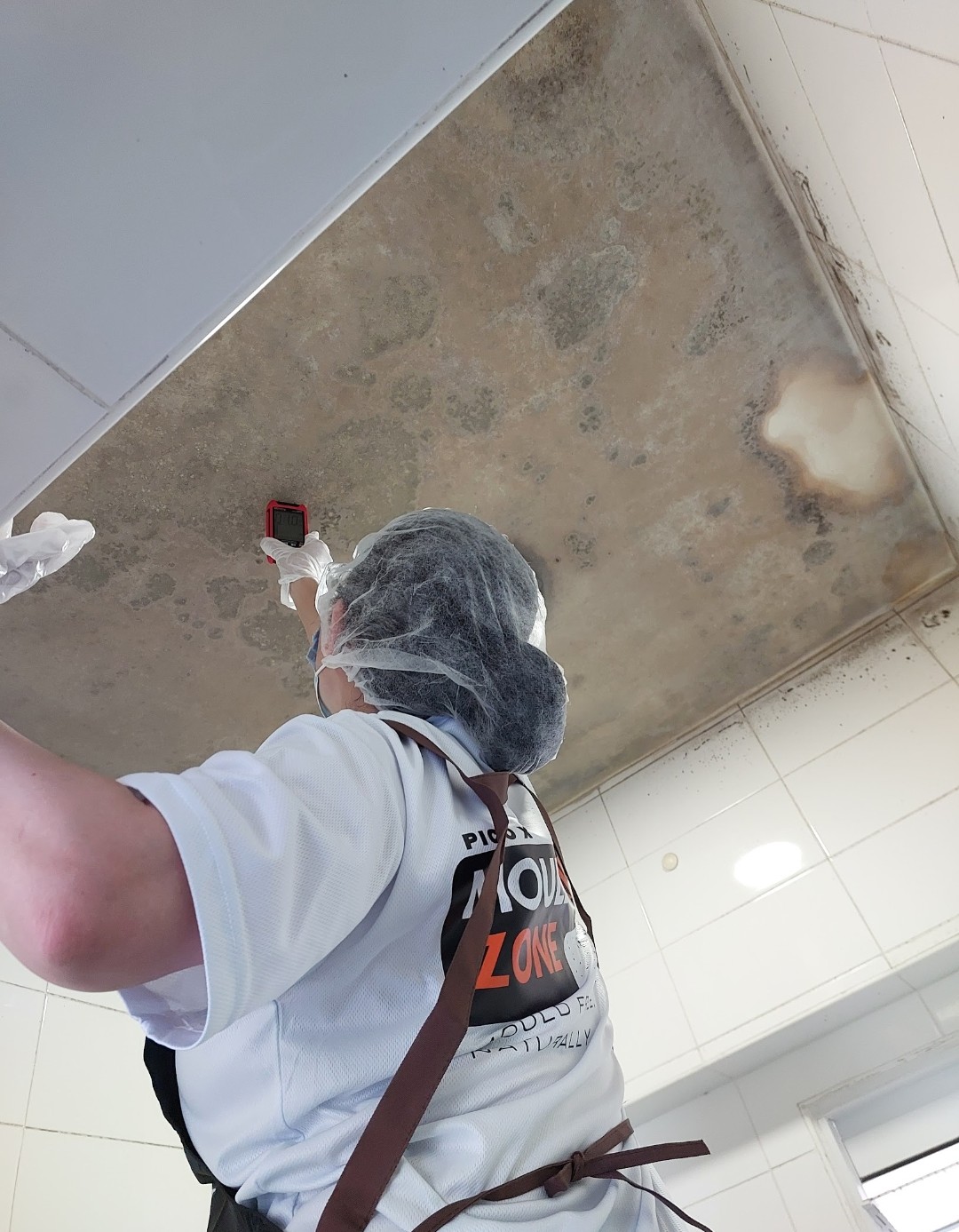
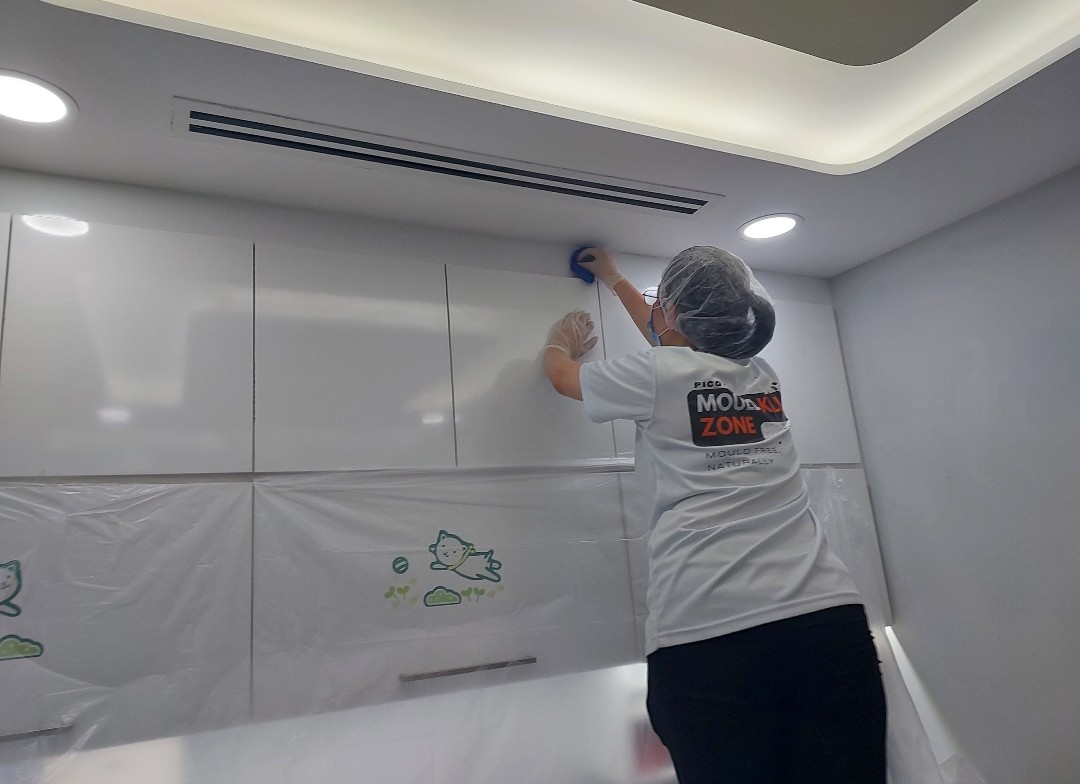
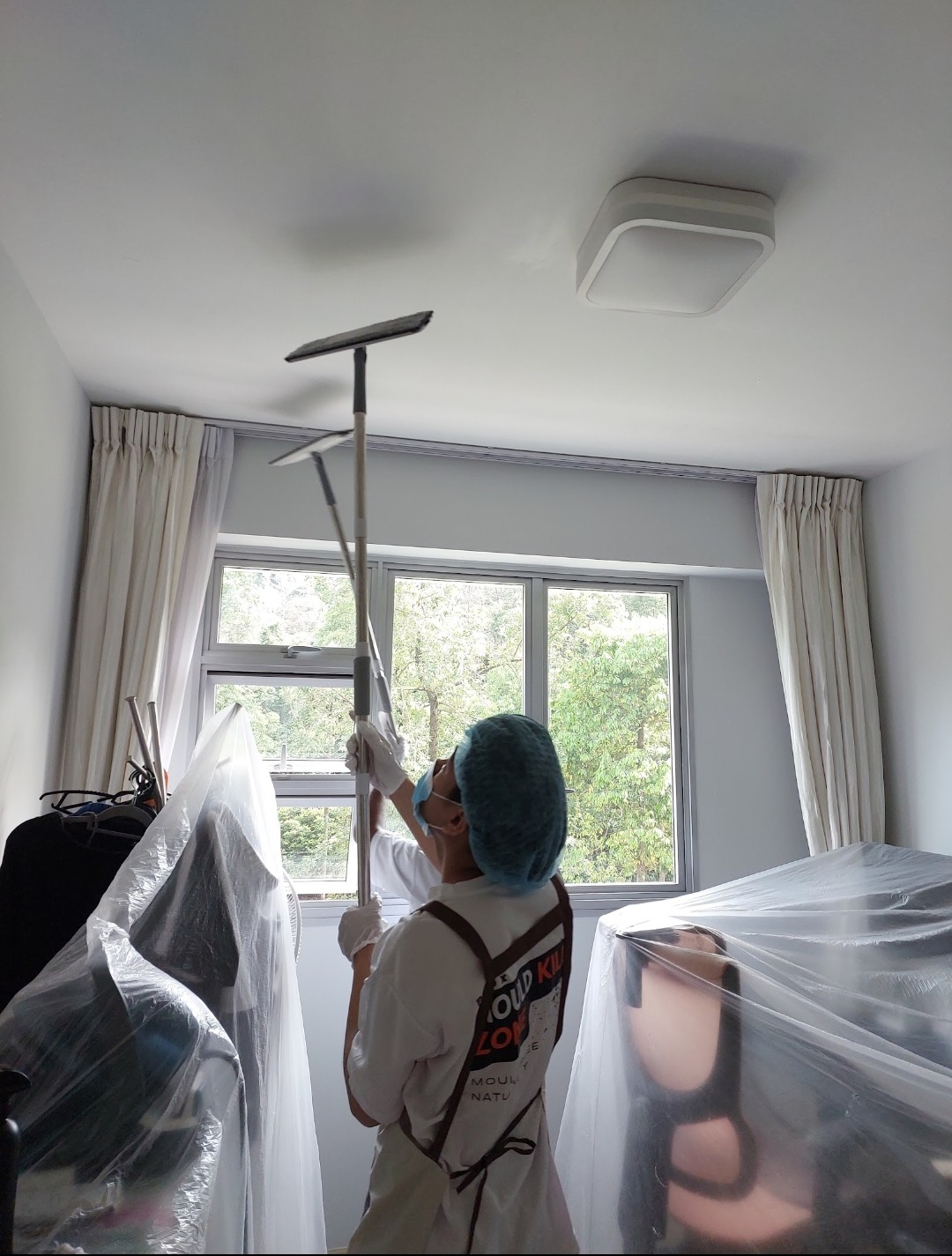
Trained Pico X Health technicians follow strict containment, PPE, and protocols on every job in Singapore.
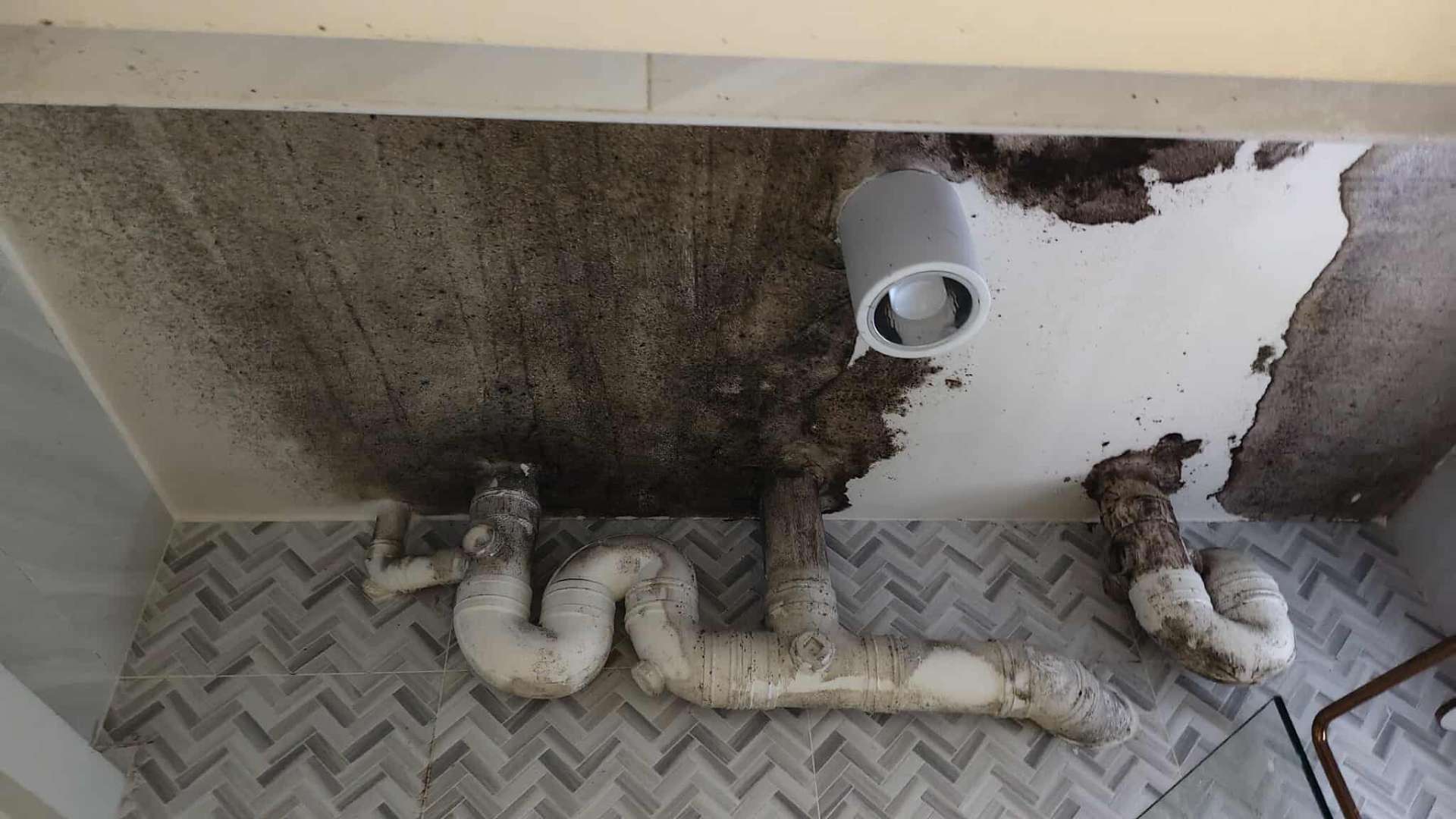
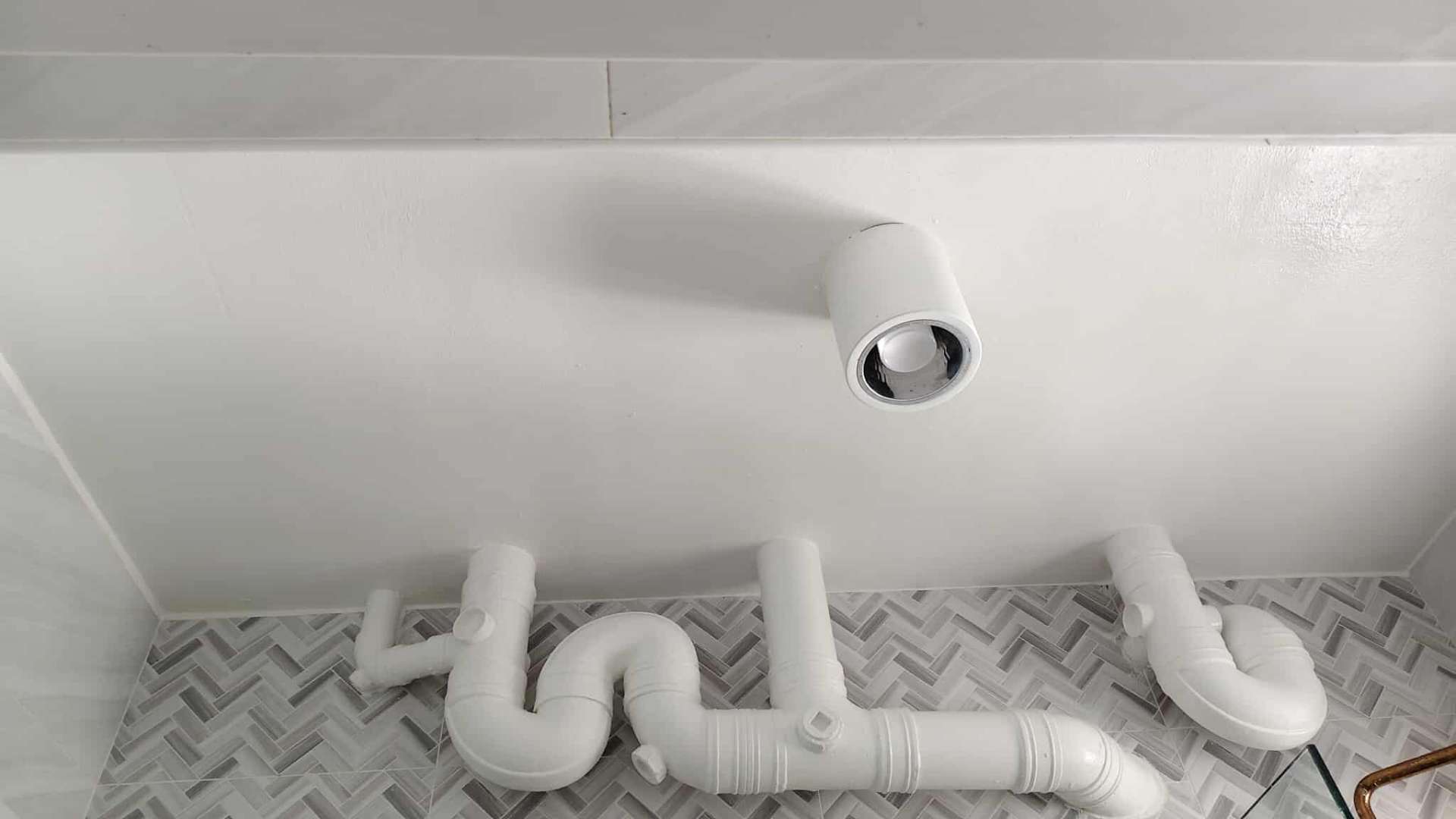
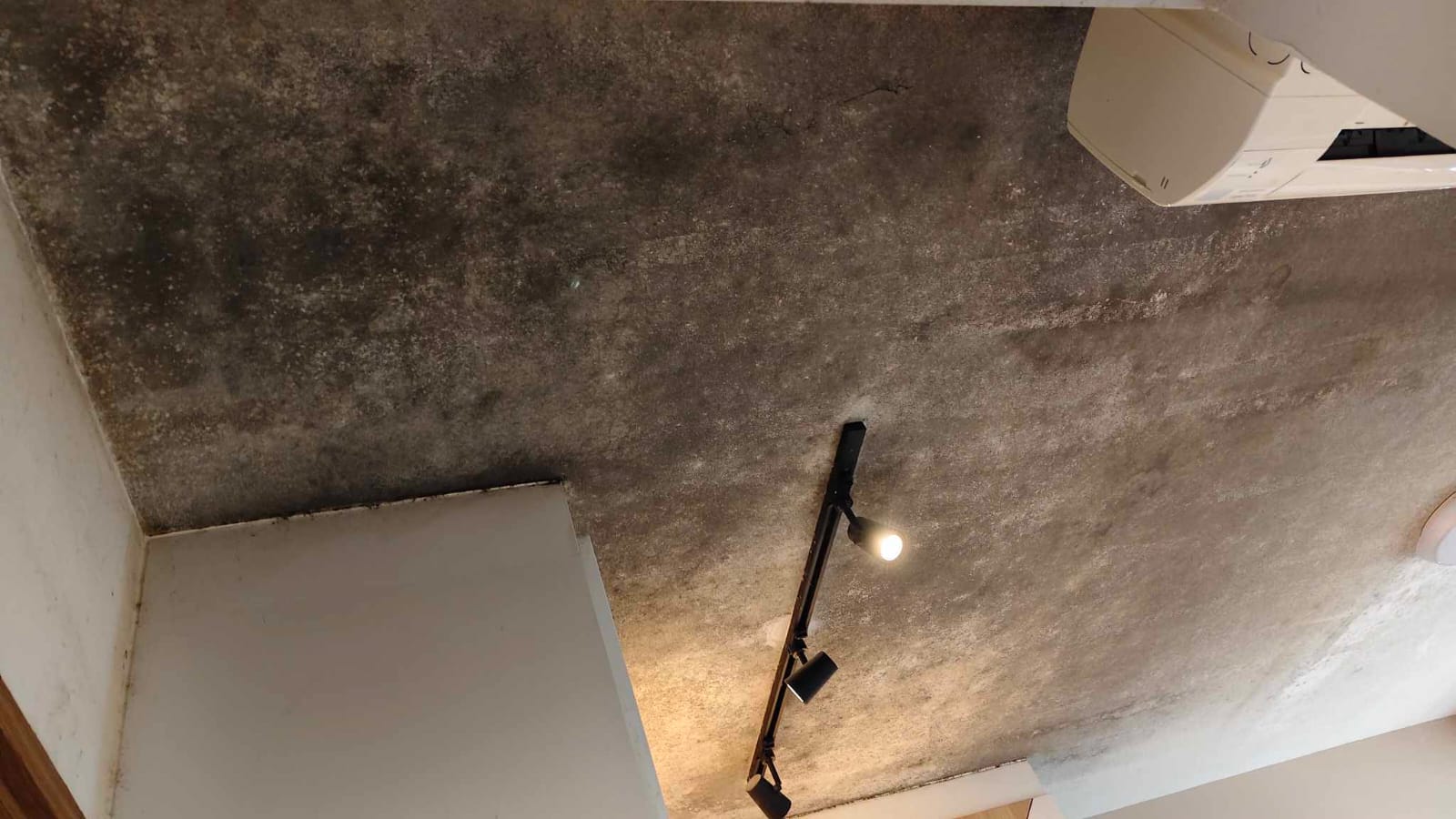
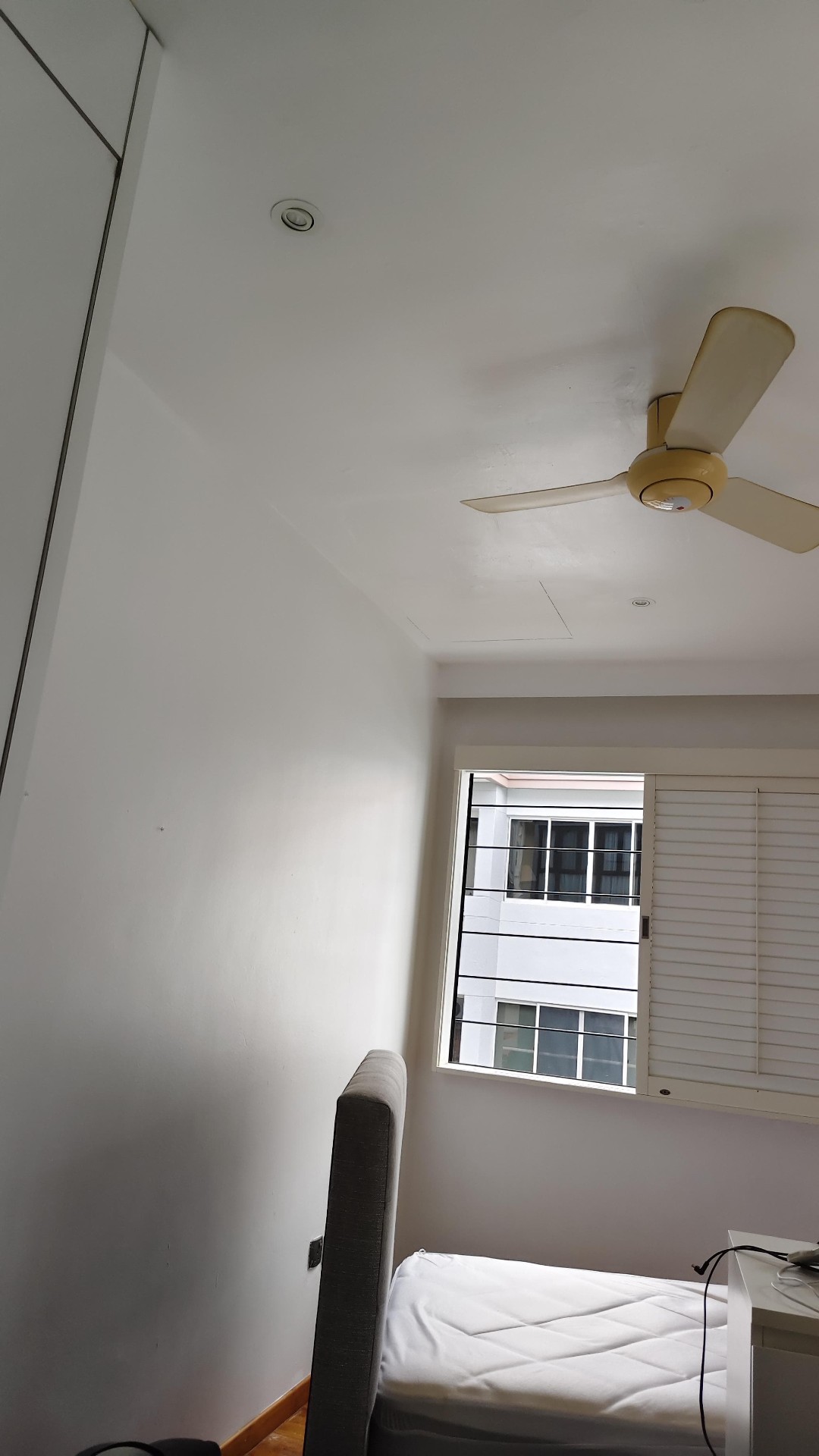
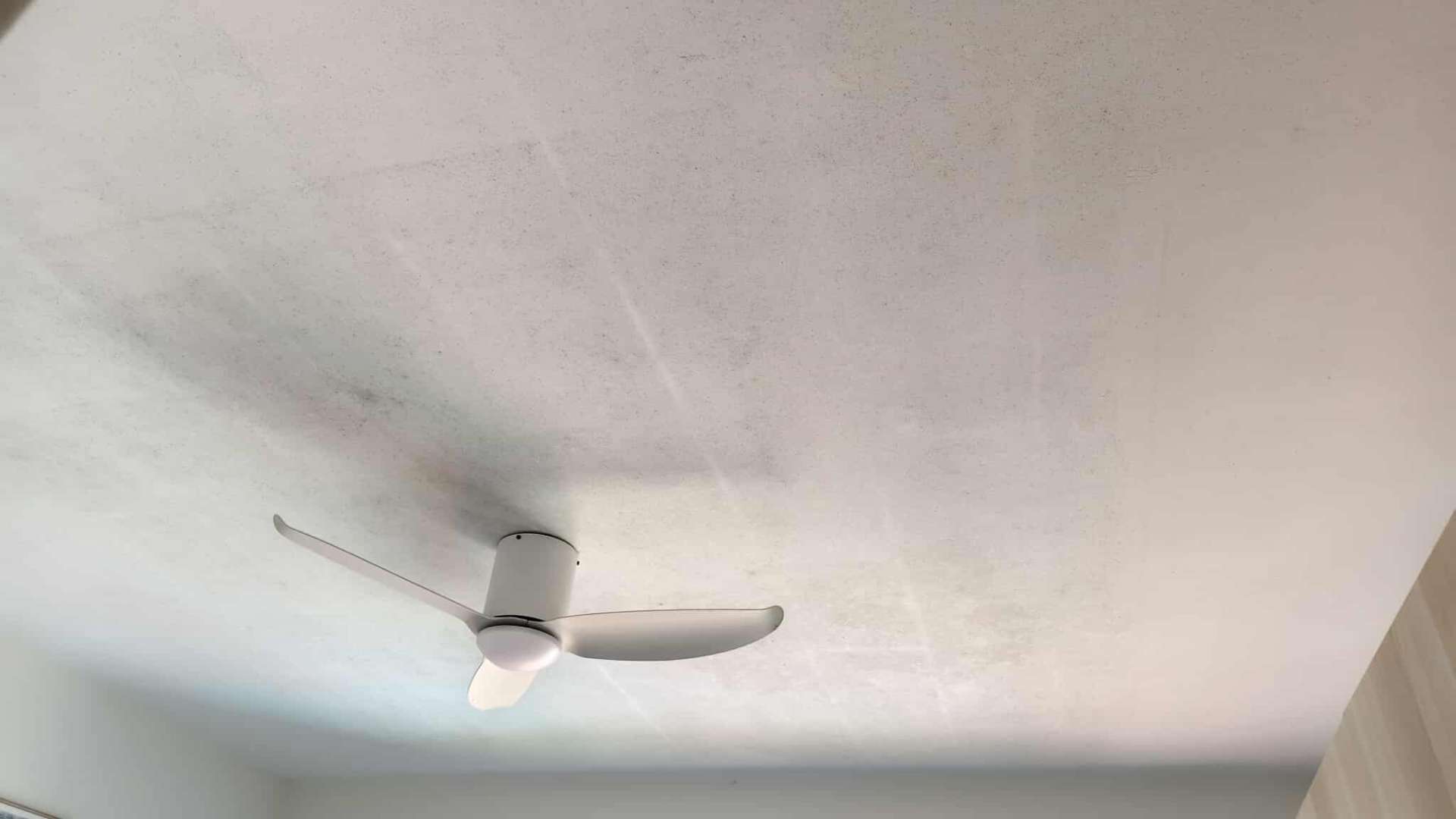
Before & After: Real Singapore Jobs
Documented mould remediation across HDB, condo, landed and commercial spaces.
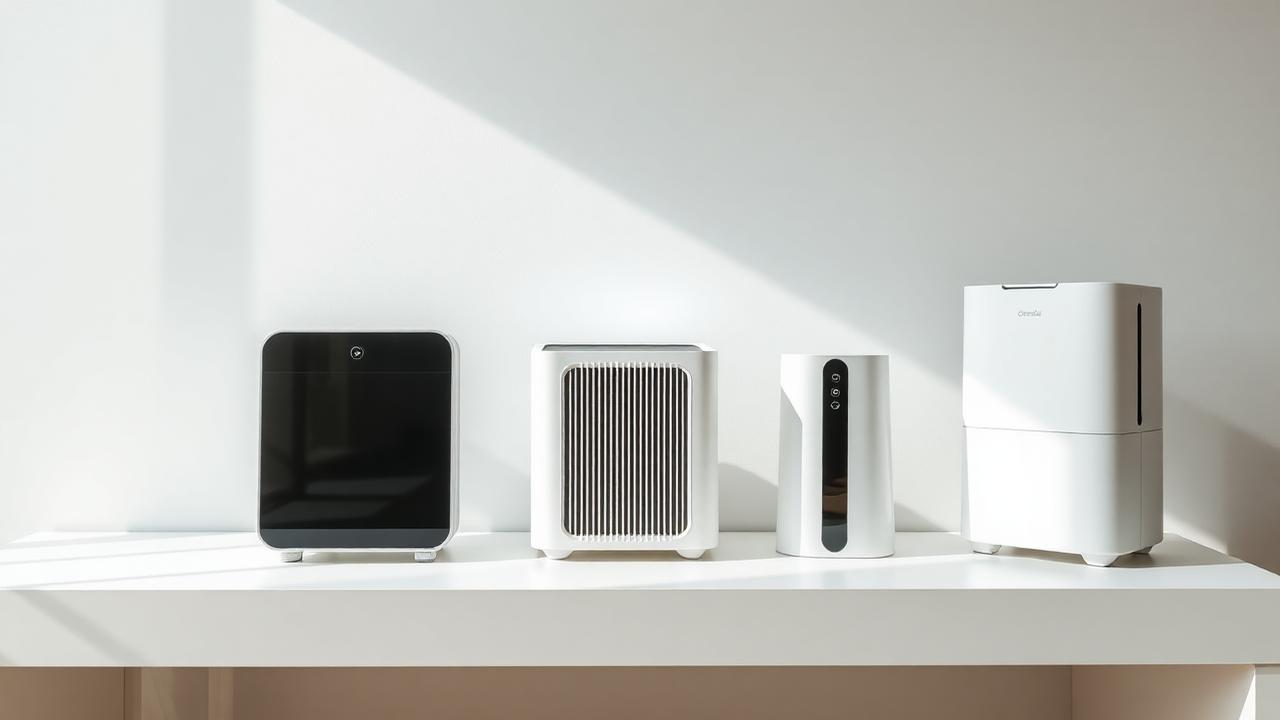
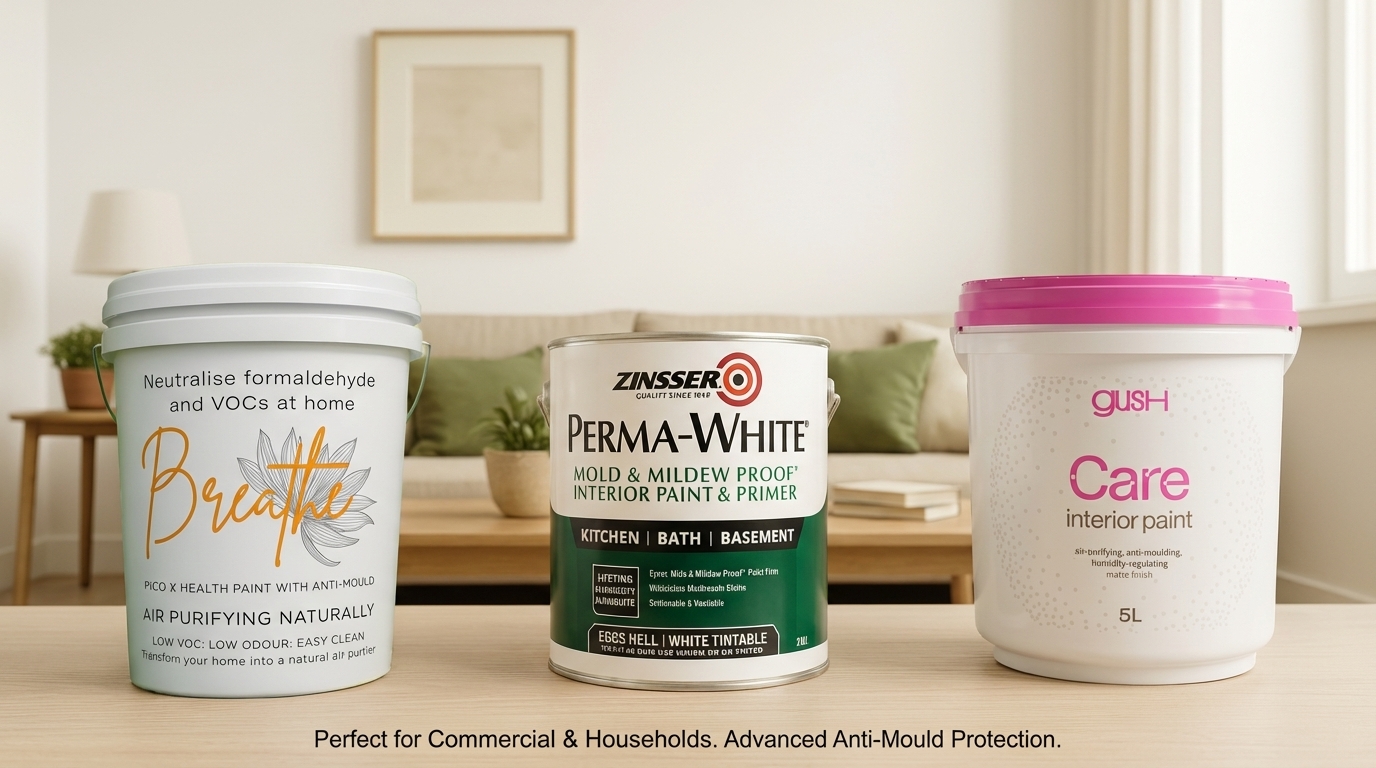
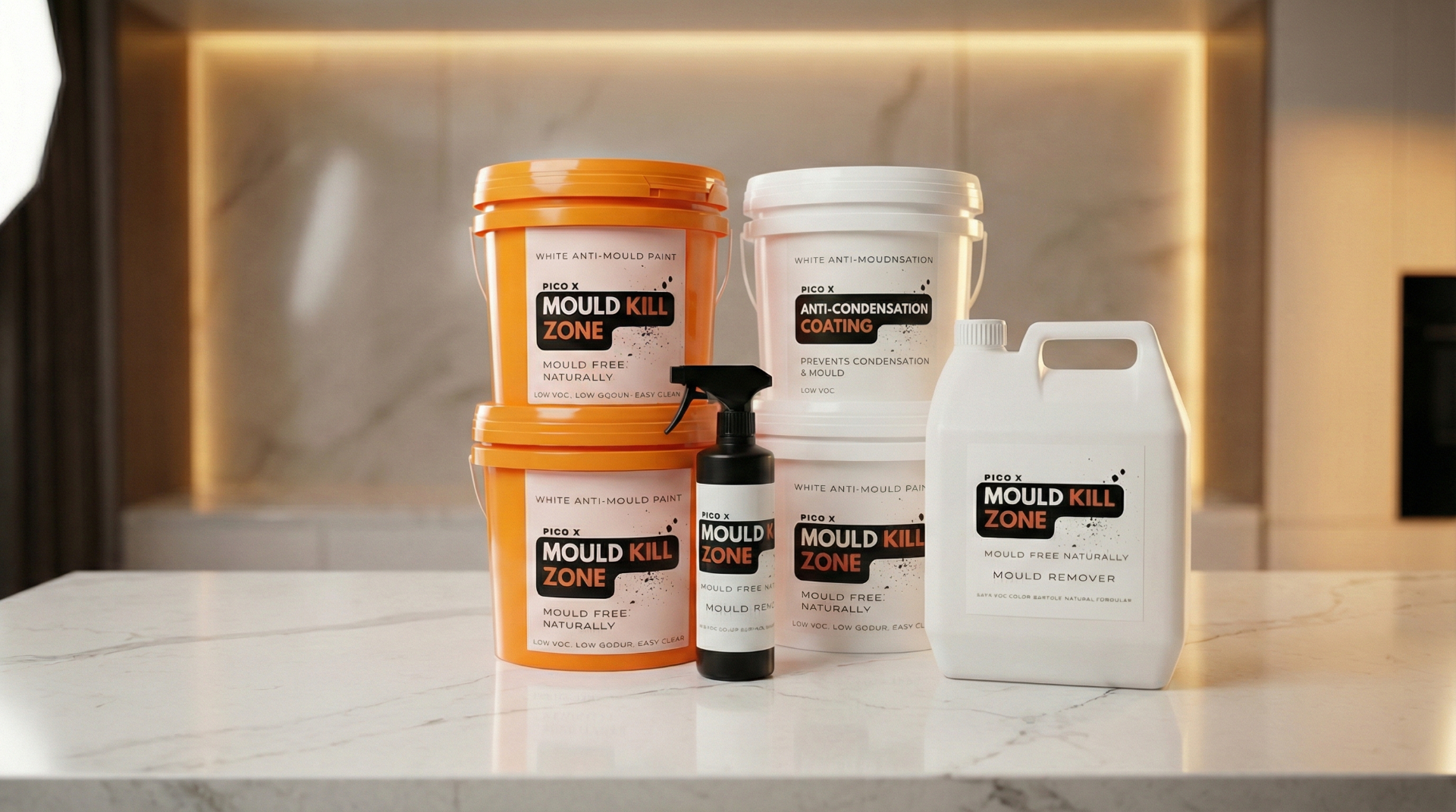
Products We Use & Recommend
Professional-grade equipment and coatings selected for Singapore's humid climate.
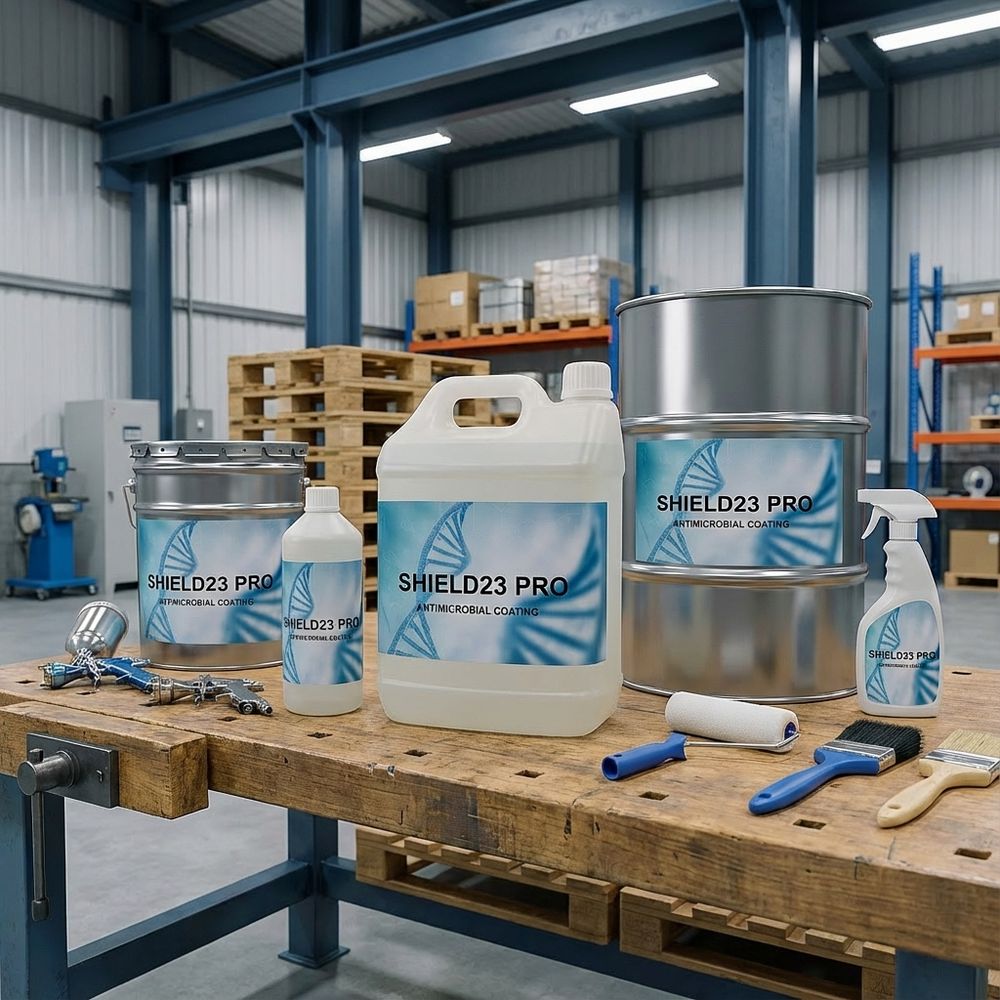
Shield23 Pro — Antimicrobial Coating
Long-life inorganic-ion defense applied by trained Pico X Health technicians across hospitals, F&B, schools, and homes.
Recommended Services
Pico X Health services most relevant to this topic.