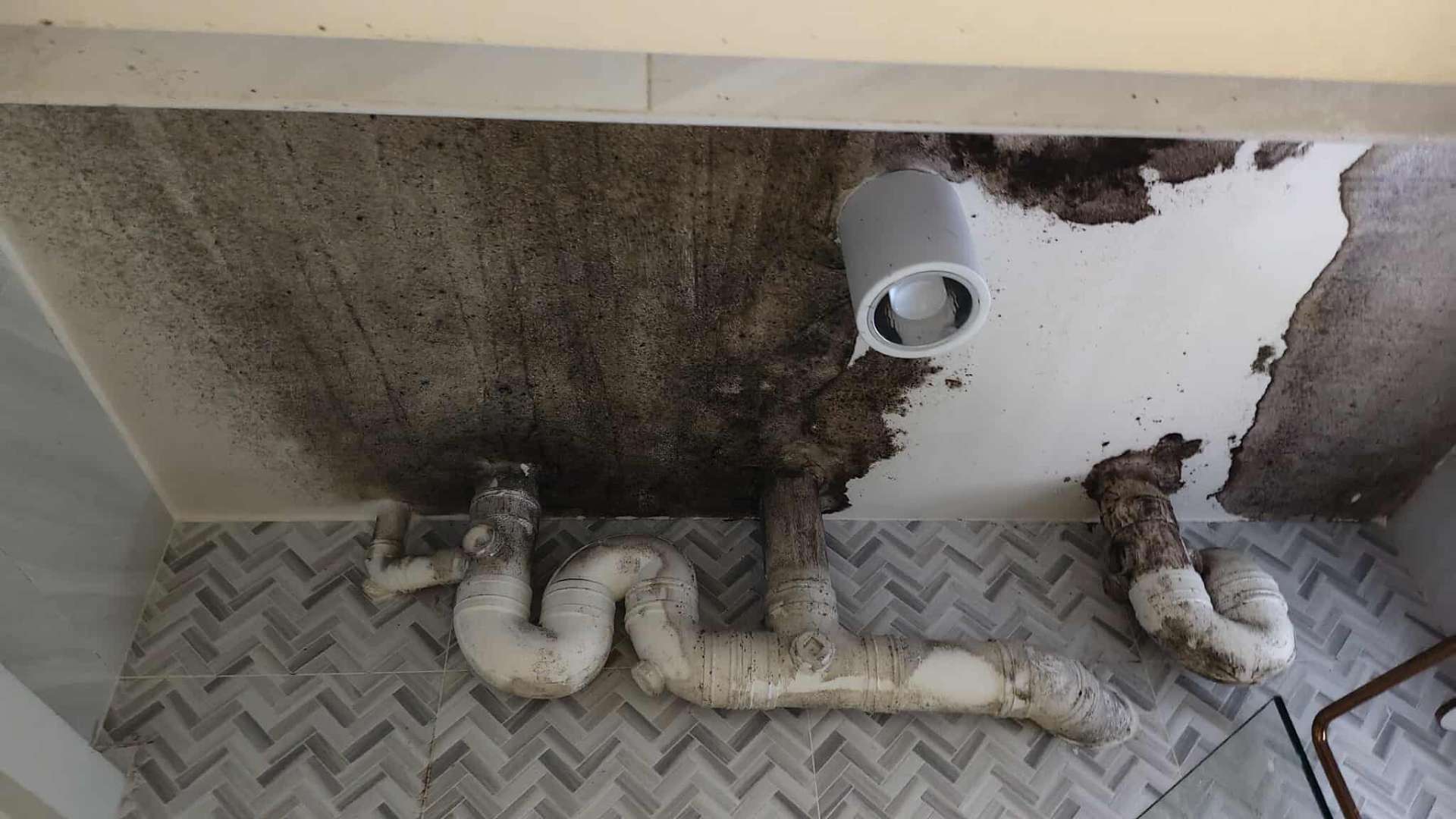
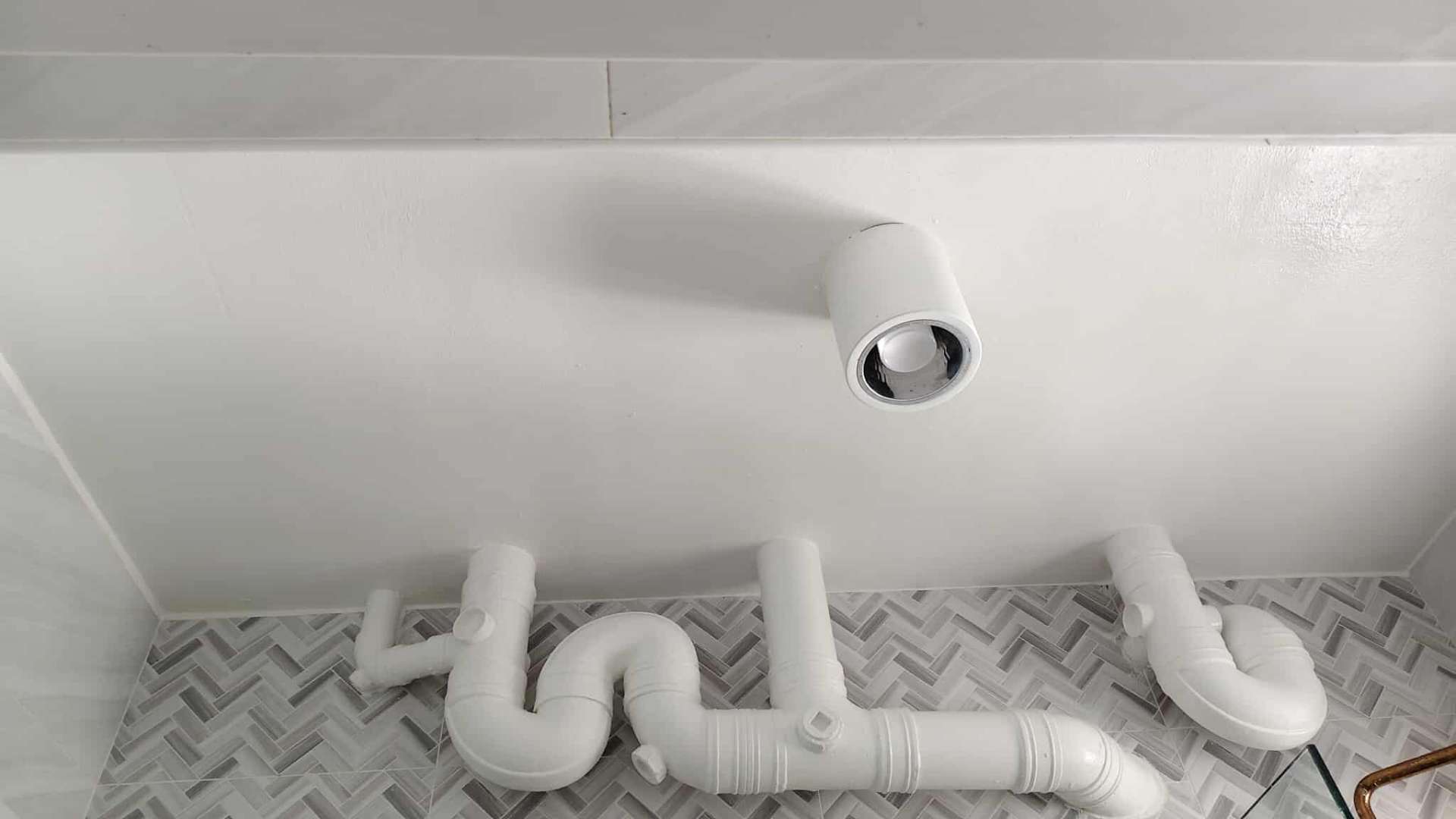
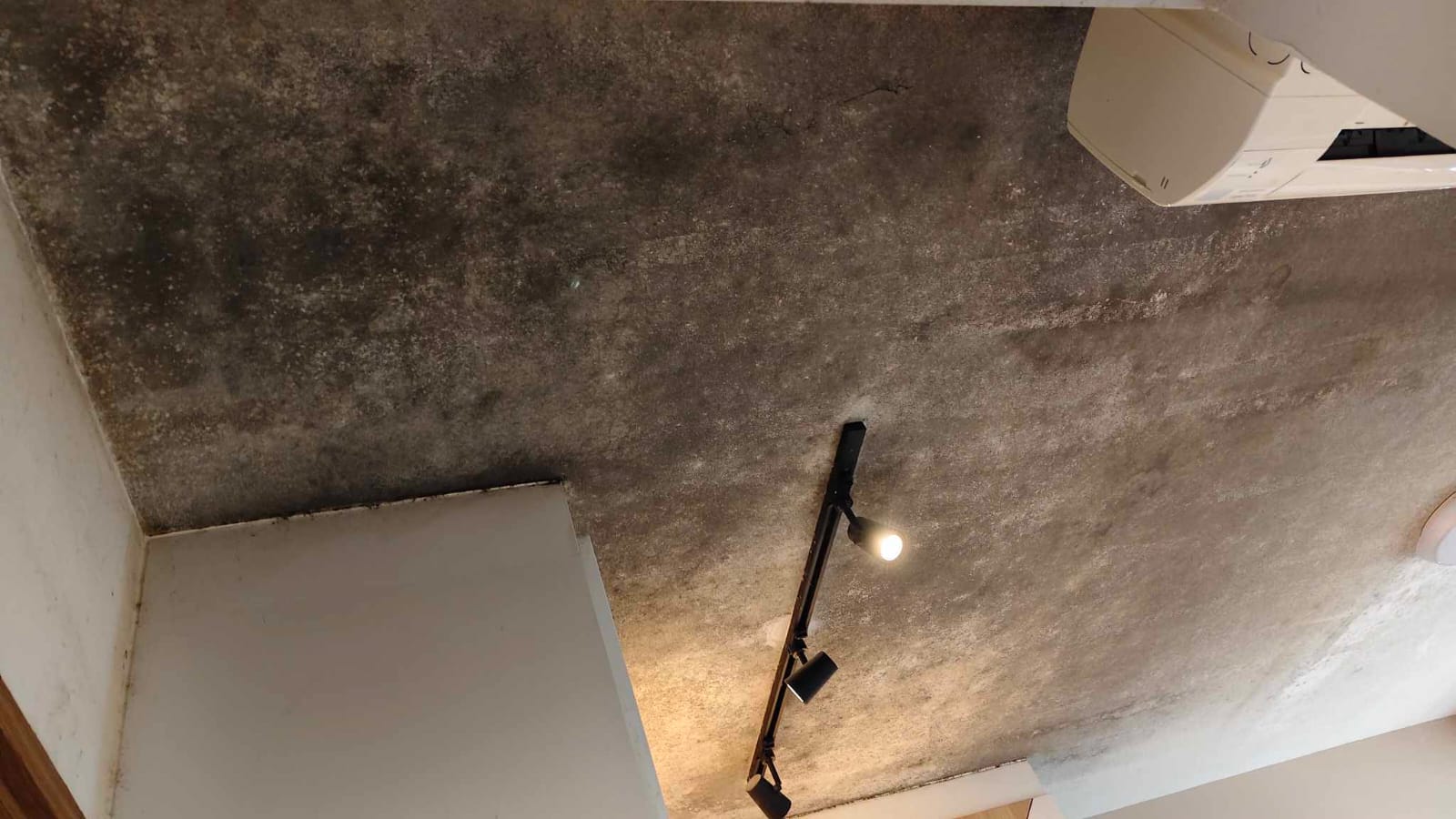
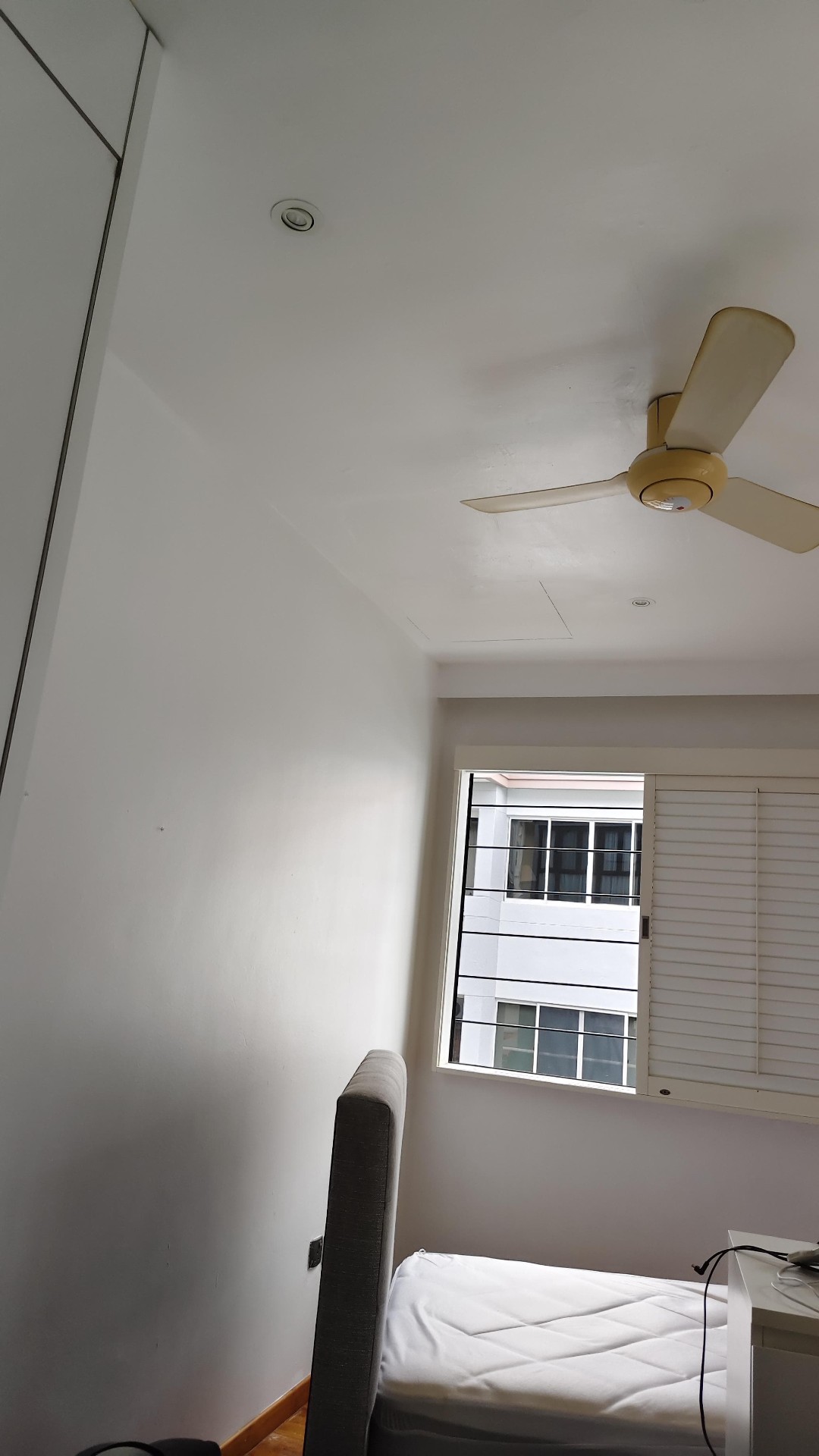
Quick Answer
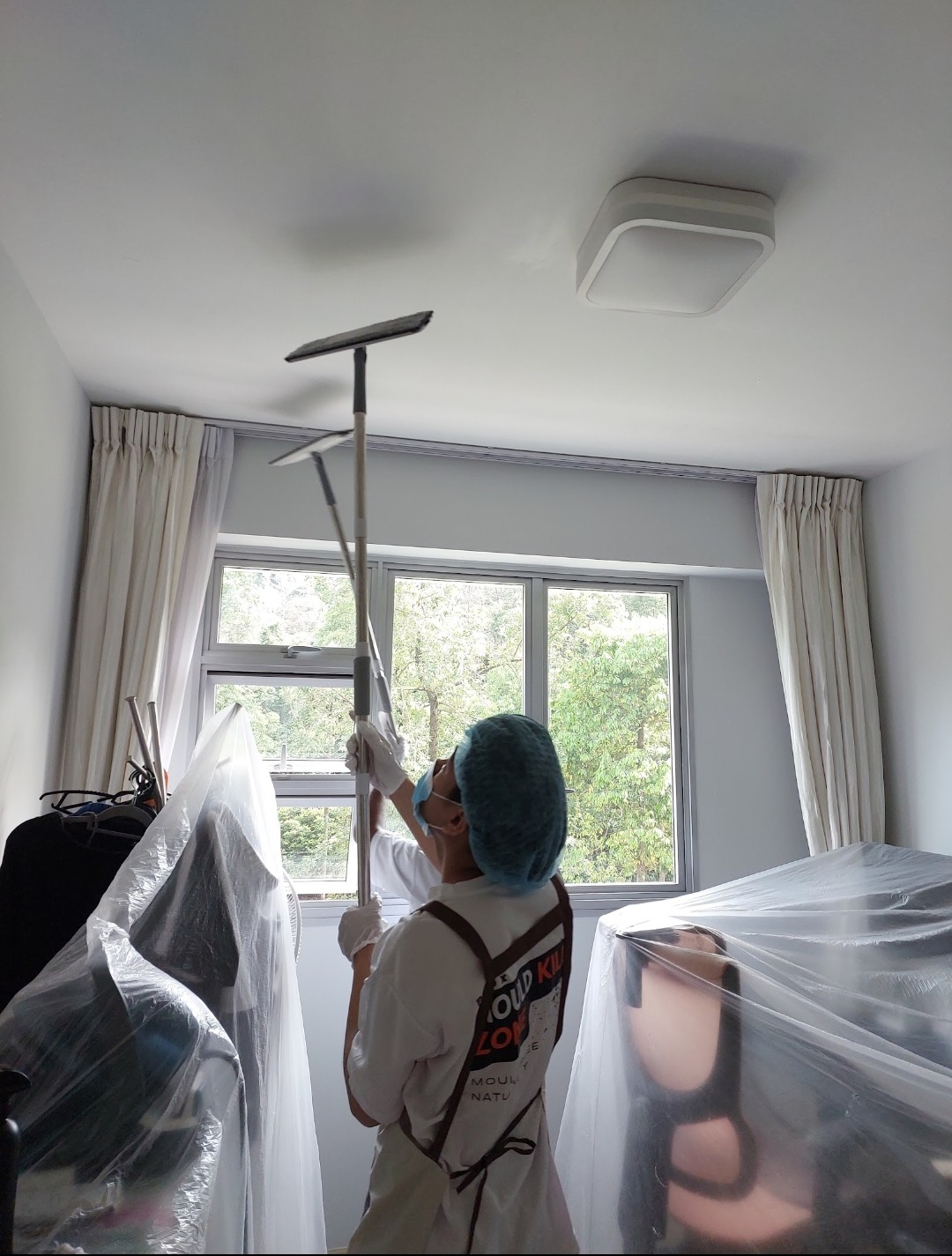
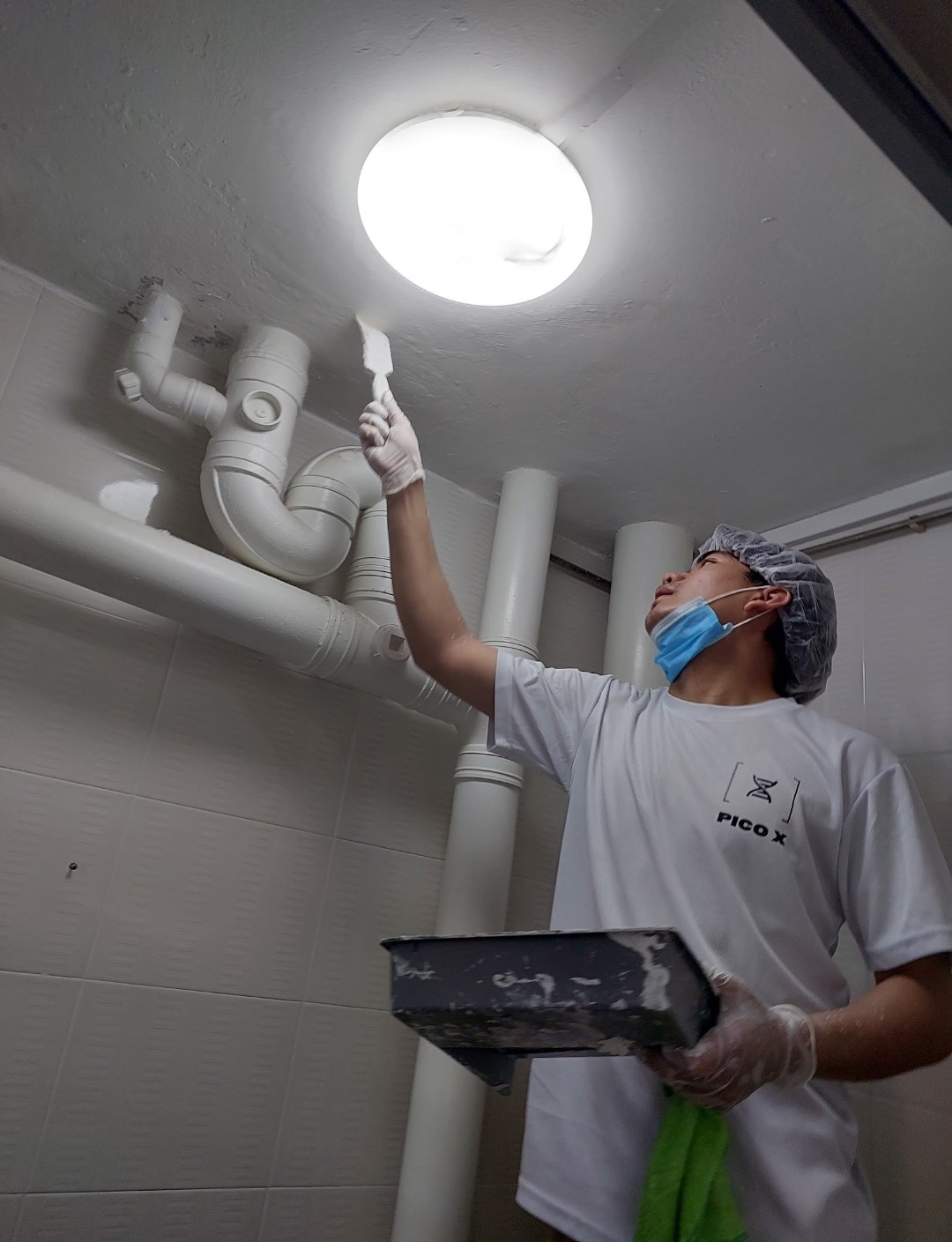
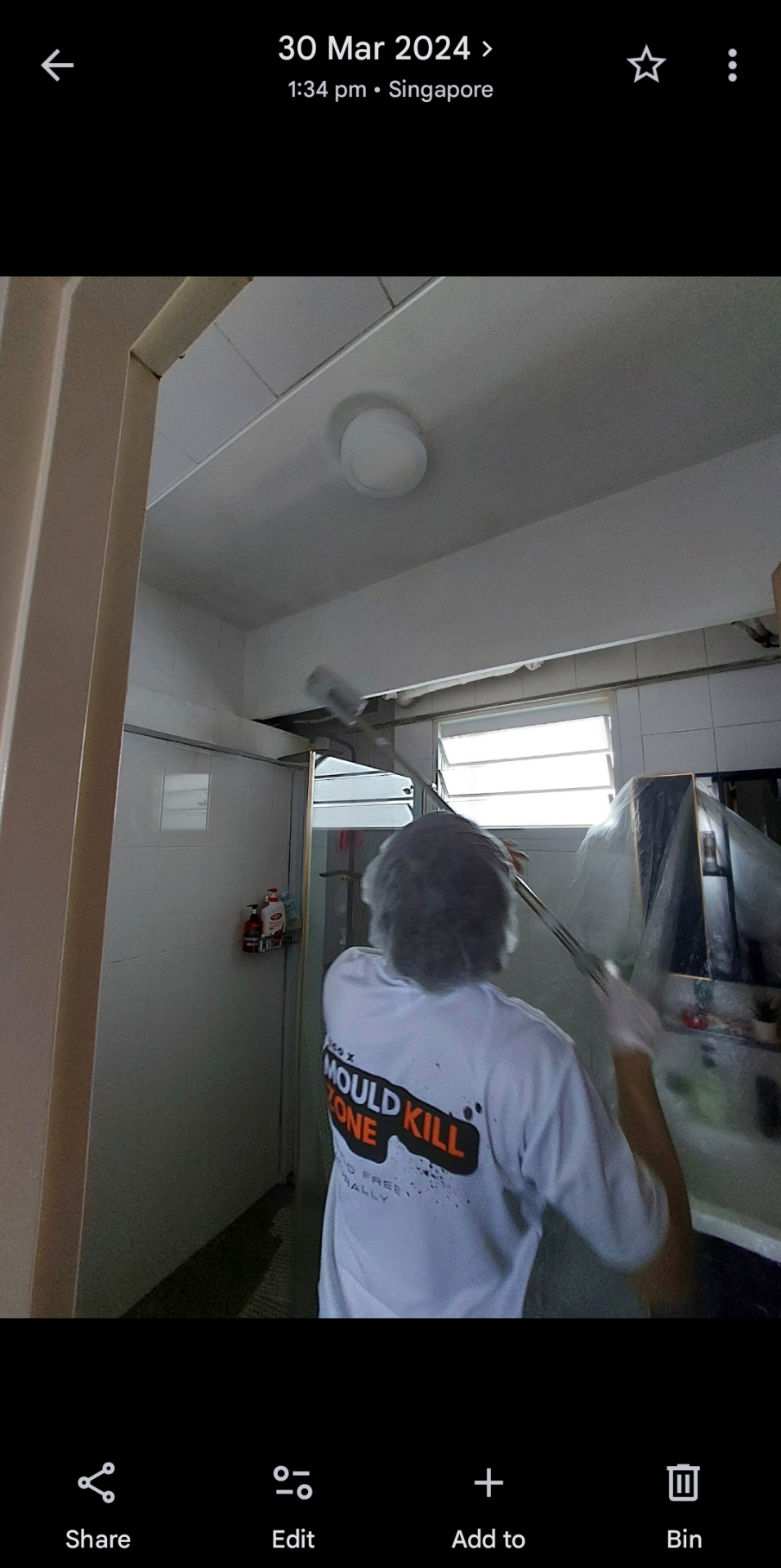
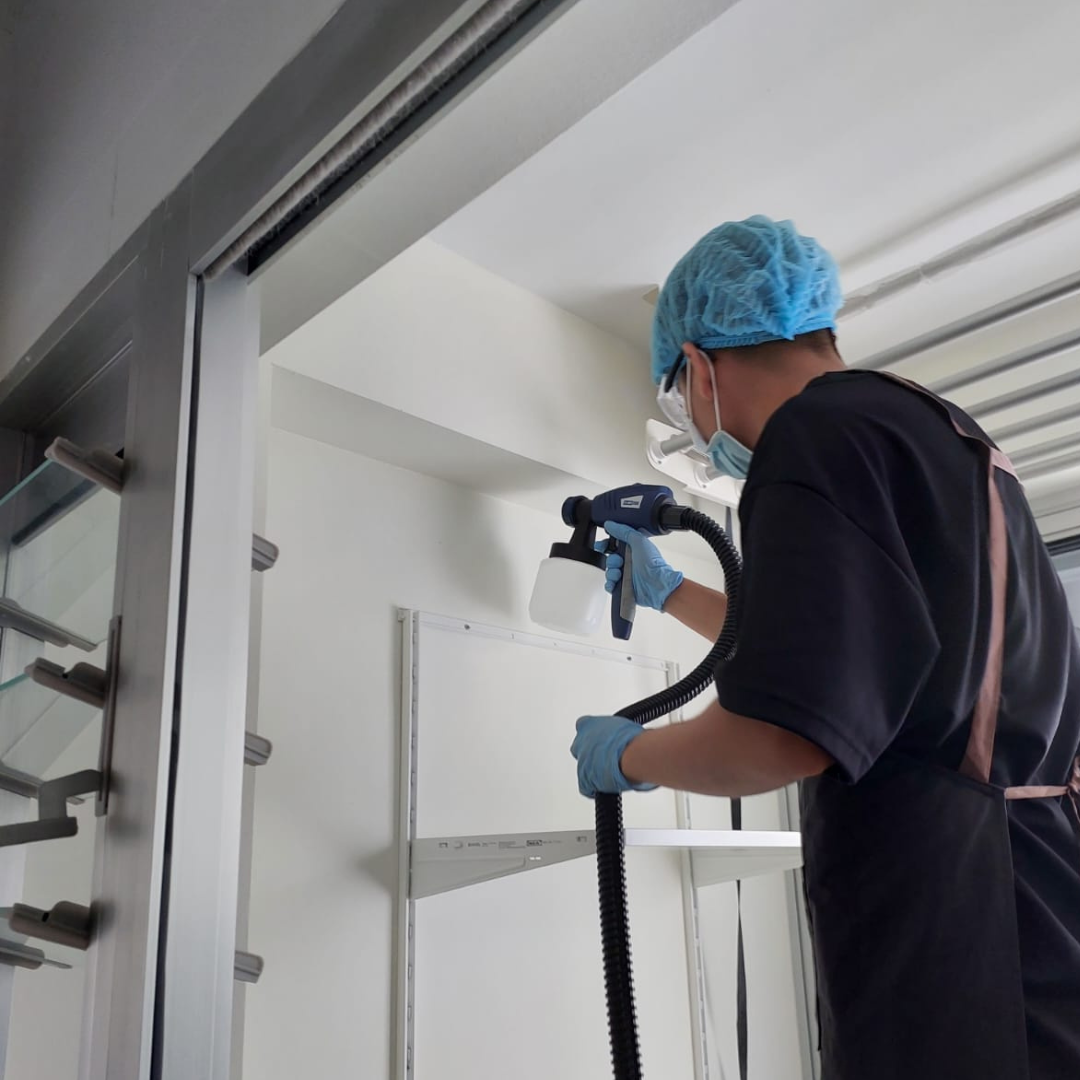
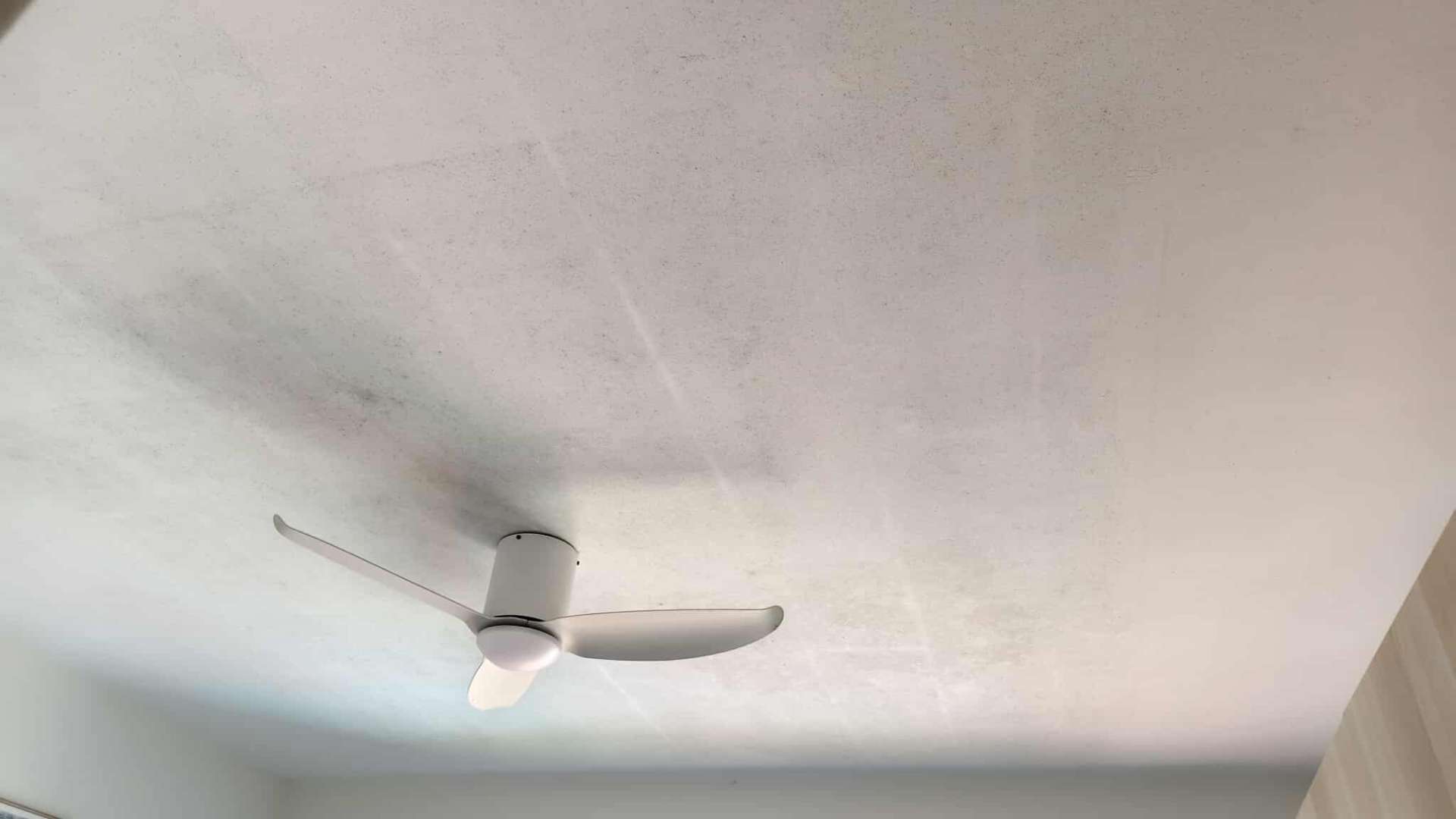
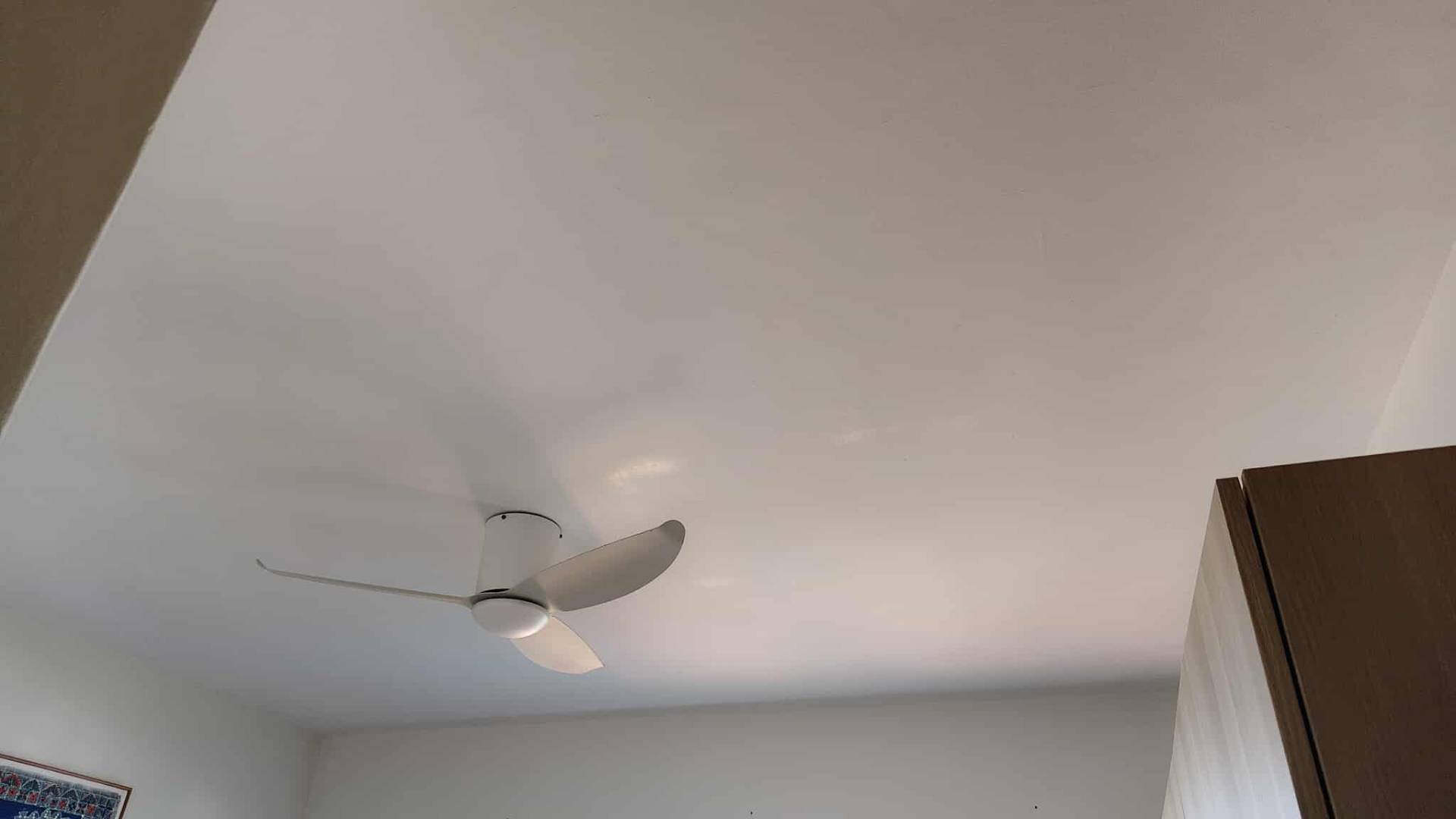
Landed home mould removal costs $199 for the first full ceiling or wall surface (Essential promo, normally $299), +$100 per additional full surface. Signature Care is $400 for the first full surface and +$150 per additional full surface.
Pricing Breakdown
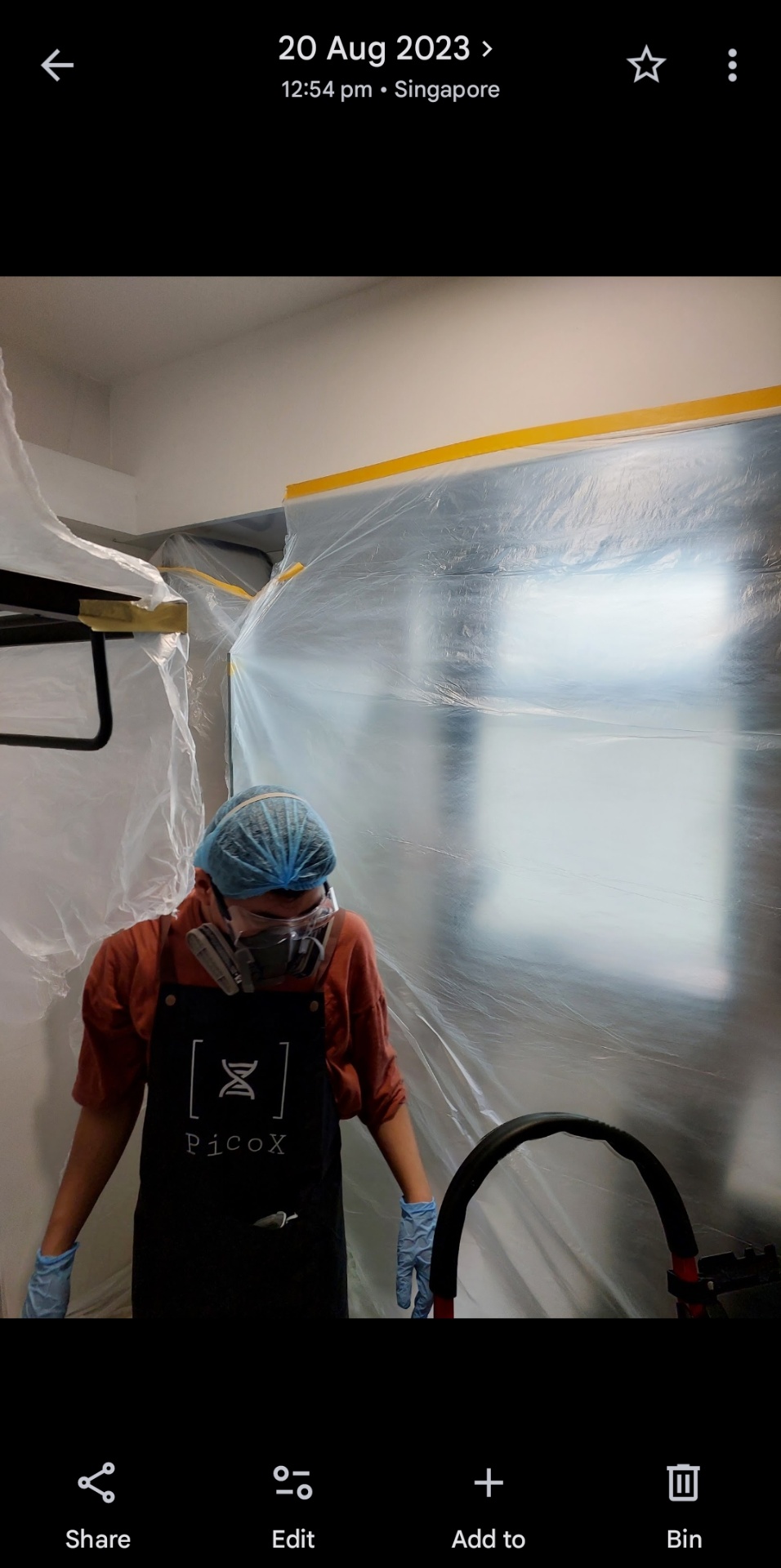
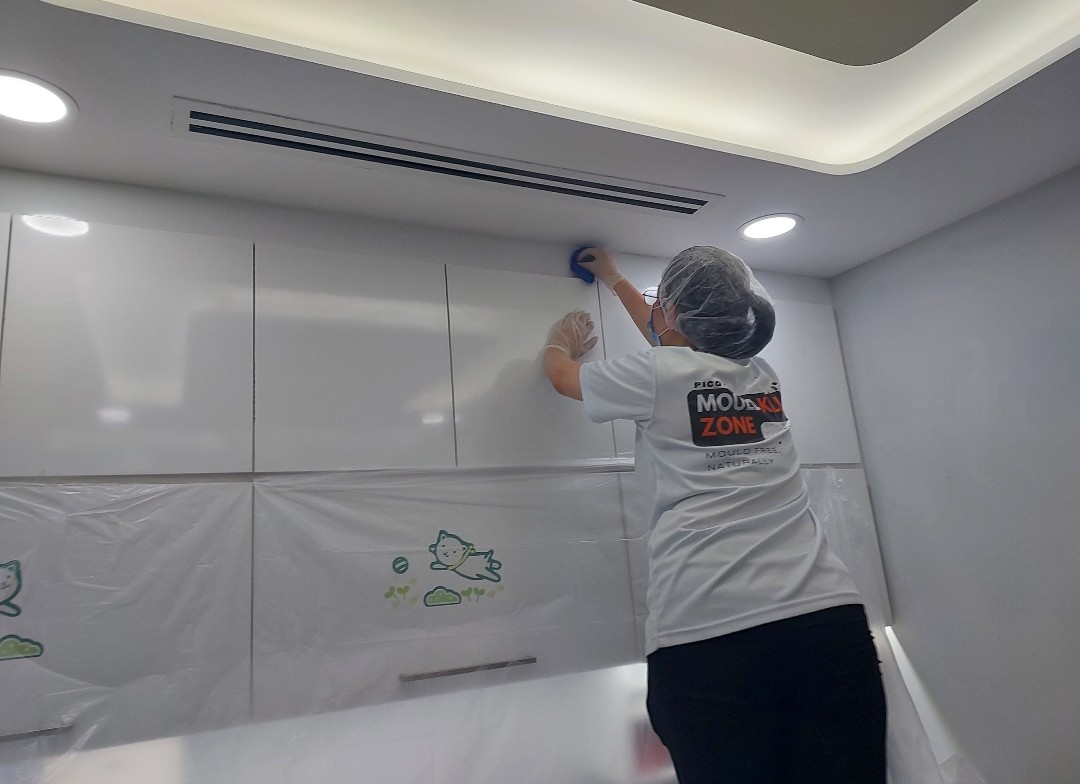
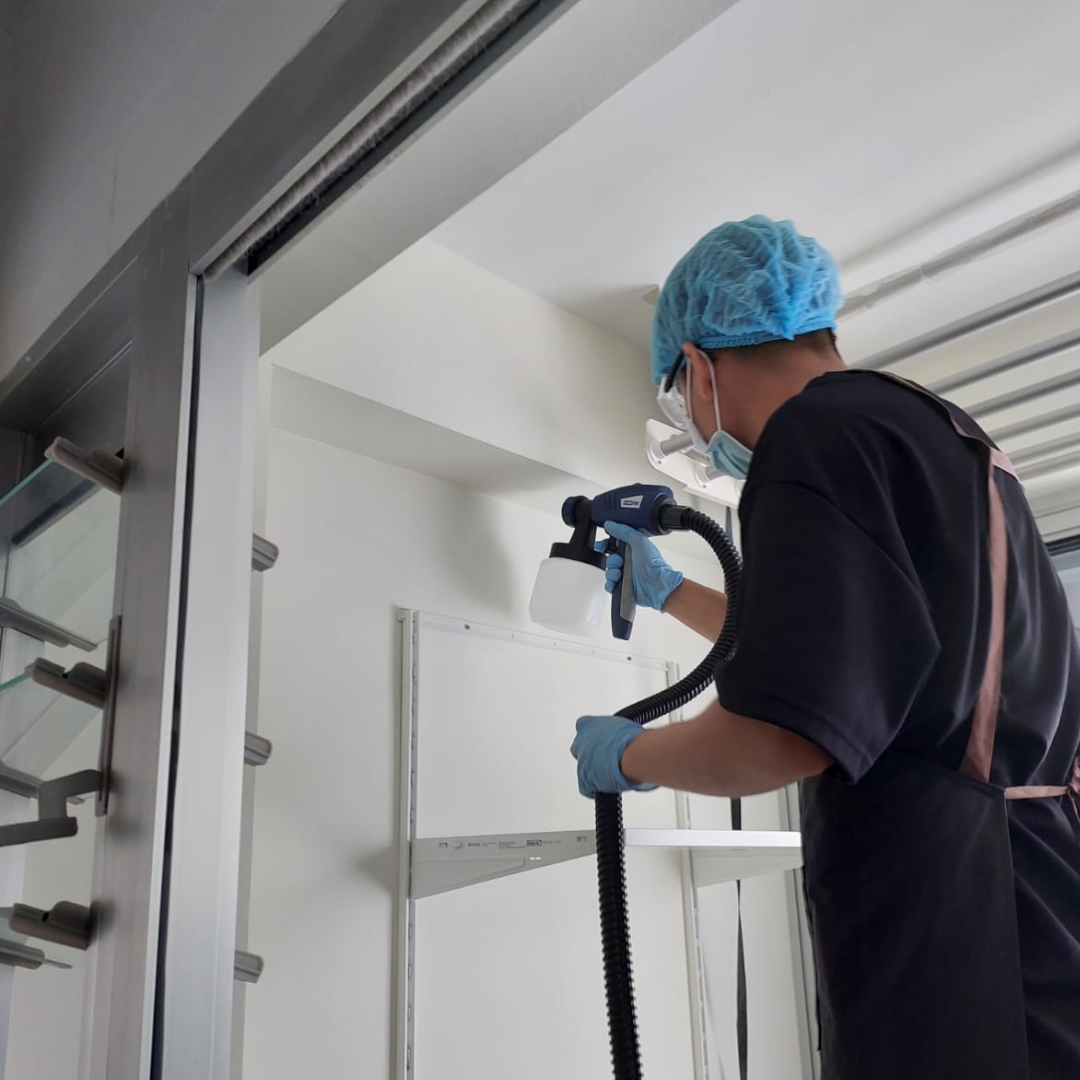
Included on every job: furniture & flooring protection (sheets / masking) plus post-service recovery (surface wipe-down, debris removal).
| Scope | Price | Notes |
|---|---|---|
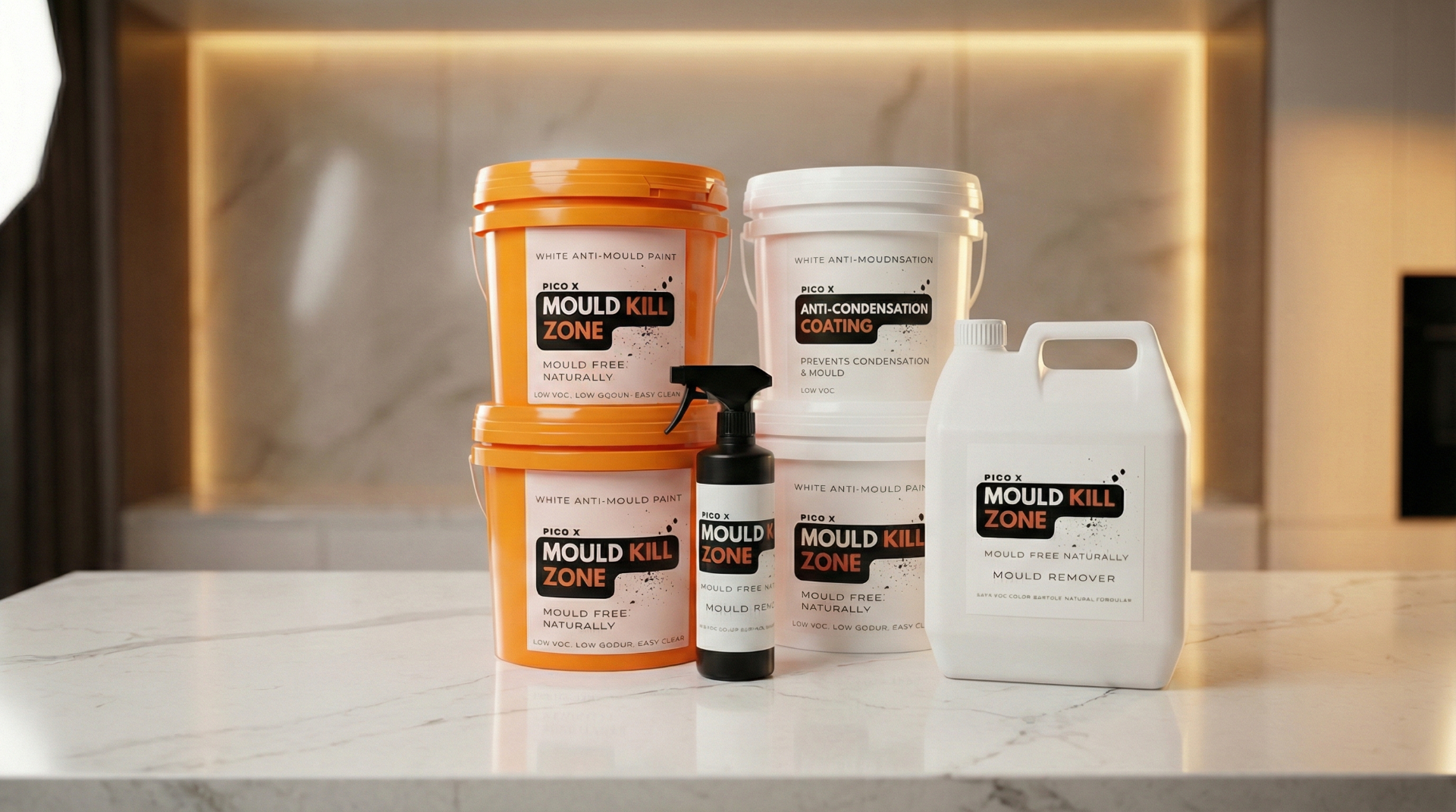
| Essential — first full ceiling or wall surface | S$199 | Limited-time promo — was $299. Full mould removal + Gush MouldSeal sealer + Gush Core anti-mould paint; 6-month warranty |
| Essential — each additional full surface | +$100 | Same room scope |
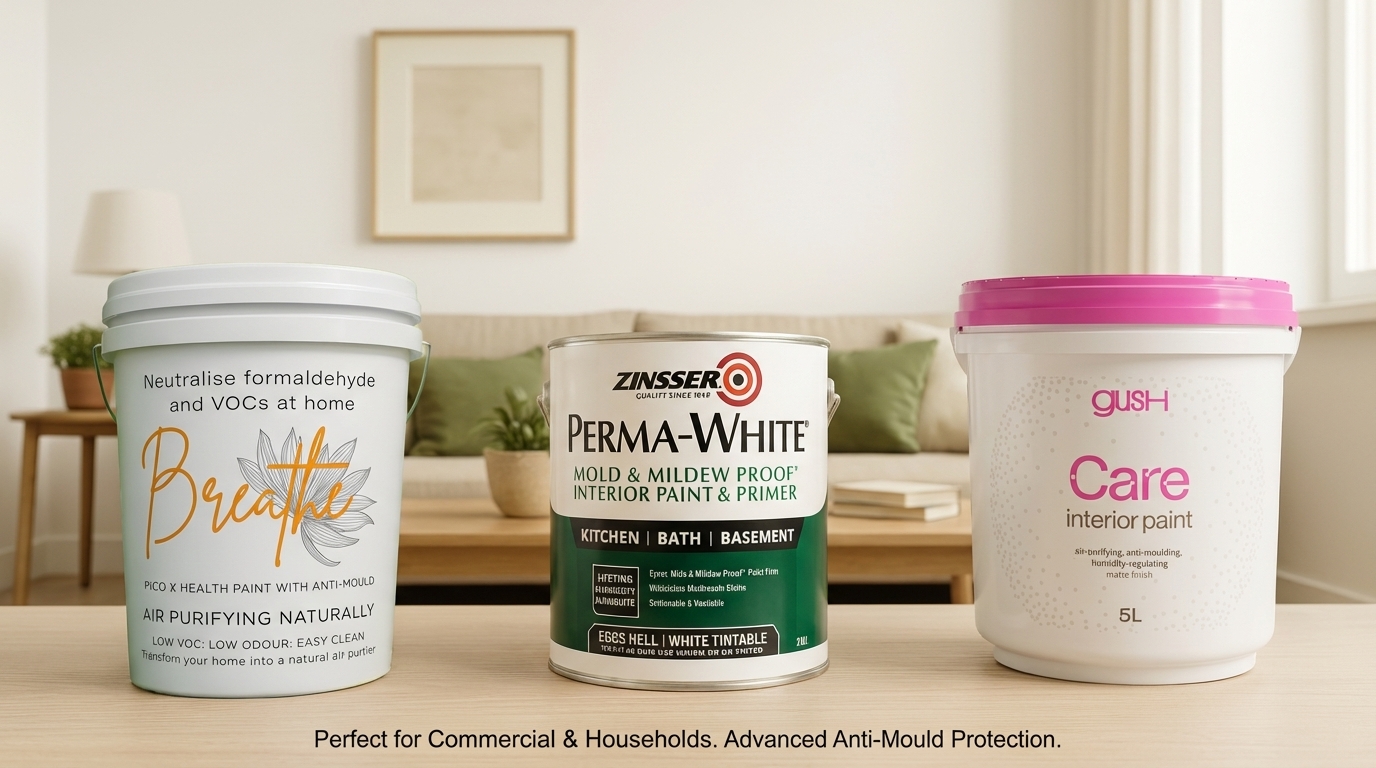
| Signature Care — first full surface | S$400 | Zinsser Perma-White or Gush Care over Gush MouldSeal sealer; 12-month warranty |
| Signature Care — each additional full surface | +$150 | Zinsser Perma-White or Gush Care system |
| Wardrobe / cabinet mould + prevention | S$120 | Per job; walk-ins, built-ins, store rooms |
| Silicone change + mould prevention | S$120 | Per job; bathroom/kitchen joints |
| Exterior wall (rain-driven mould) | S$500 | Per elevation, includes mould vs algae diagnosis |
| Attic / loft cavity | S$600 | Tile underside + insulation inspection; PPE-intensive |
| Basement / lower ground | S$800 | Includes RH baseline log + dehumidifier strategy |
| Heritage shophouse (lime substrate) | S$1,200 | Lime-compatible protocol; URA-aware reinstatement |
| Whole-property GCB audit | S$2,500 | Quoted post-walkthrough; m² + substrate complexity |
Weak Areas We See Most
Basement walls (below DPC line)
Singapore's water table is shallow. Below-grade walls draw moisture by capillary action. Mould appears as a horizontal band 30–80 cm above the floor — the 'rising-damp signature'. Painting over makes it worse by trapping moisture.
Attic timber rafters & roof underlay
Tile roofs sweat at night. Without adequate eave ventilation, condensate forms on rafters and underlay. Often invisible until you smell it from a bedroom below or see staining on the ceiling cornice.
Party wall facing neighbour's exterior
On terraces & semi-Ds, your interior wall is the back of the neighbour's exterior wall. If their face is unsealed, your interior takes the moisture. Tricky because the cause is technically not on your property.
Bay window / cantilever soffit
These features have minimal eave protection. The underside of any cantilever is a chronic mould zone in Singapore — gravity holds condensate against the soffit until it grows.
Garage / car-porch ceiling under master bedroom
Master bath above + uninsulated concrete soffit below = condensation in dry weather, leak in wet. Owners always assume leak; usually it's both.
Heritage shophouse internal lime walls
Lime walls breathe — they need to. Cement render or modern emulsion paint traps vapour, mould blooms behind the paint. Removing wallpaper from a 1930s shophouse often reveals 90 years of layered mould.
Detection Difficulties
- Horizontal damp band 30–80 cm above floor on ground level = capillary rise, not surface mould
- Bedroom ceiling stains directly under attic = roof condensation, not always a leak
- White efflorescence + mould together = active water ingress, not historical
- Strong musty smell at the foot of stairs to basement = sub-floor moisture, even if walls look dry
- Black streaks running vertically on exterior render = algae (cheaper, $300–$400 wash) — not mould; we'll tell you which during photo triage
- Mould only on one elevation = wind-driven rain orientation; usually NW (monsoon) or SE (sumatra squalls)
Removal Challenges
- Basement remediation requires moisture-source resolution before paint — otherwise the warranty is void from day 1
- Attic work needs hot-weather morning slots (rafter temps reach 50°C+ by midday — unsafe and bad for paint cure)
- Heritage shophouses use lime wash + breathable mineral paint, not modern emulsion — different supplier, different cure time
- Exterior elevations require scaffold or boom-lift on most landed properties (single-storey extensions sometimes ladder-accessible)
- Party-wall jobs need neighbour notification and sometimes coordinated treatment to avoid wave-after-wave recurrence
- Garden/landscape proximity matters: dense planting = persistent micro-climate. Solution often includes pruning recommendation, not just paint
What Drives the Cost
- Property size: GCB (≈800 m² floor area) vs intermediate terrace (≈250 m²) — 3× audit time
- Substrate mix: pure cementitious vs lime+timber+brick — multi-material jobs need parallel protocols
- Heritage classification: URA-conserved properties have reinstatement constraints (+15–25%)
- Garden/landscape intensity: dense vegetation against walls drives recurrence and influences paint tier choice
- Access height: anything above single-storey gable adds platform/scaffold cost
- Number of bathrooms: each one is its own ecosystem
Why landed jobs swing widest in price
A bathroom is a bathroom — HDB, condo or landed, it is the same fixed package: Toilet Refresh $199 or Toilet Protection Pro $400 (see bathroom pricing). What makes landed prices range from $199 to $25,000+ is everything around the rooms: external envelope, basement, attic, garden interface, heritage status, and the sheer surface-area math.
We split landed jobs into Phase 1 (urgent biological) and Phase 2 (envelope stabilisation). Phase 1 keeps your family safe at HDB-equivalent prices; Phase 2 is where landed-specific costs concentrate and can be planned over months.
Heritage shophouse — a different protocol
If your property is in Chinatown, Tanjong Pagar, Joo Chiat, Geylang, Tiong Bahru or Little India and pre-1960, it's likely a lime-mortar / lime-render structure. Modern anti-mould paint will accelerate decay by trapping vapour inside the wall.
Our heritage protocol uses breathable mineral silicate paints, lime washes, and where possible removes incompatible past coatings. Cure times are longer (7–14 days vs 24–48 hrs), so plan accordingly.
Frequently Asked Questions
Is the $199 full-surface promo really available for my property type?
Yes. During this limited-time promo, the first full ceiling or wall surface (Essential tier) is $199 — normally $299. Same protocol whether you're in a 3-room HDB, a penthouse, a landed home, or an office: full surface preparation, complete mould removal, Gush MouldSeal sealer + Gush Core anti-mould paint, protective sealer, and a 6-month warranty. Additional surfaces in the same room are +$100 each (unchanged).
Should I worry about my basement?
Yes, even if it 'looks dry'. Singapore basements run 75–90% RH year-round without active dehumidification. Mould you can see is the late stage; we measure baseline RH, surface moisture and sub-floor moisture before quoting. Most basements need a dehumidifier strategy as much as a paint job.
Is my exterior wall stain mould or algae?
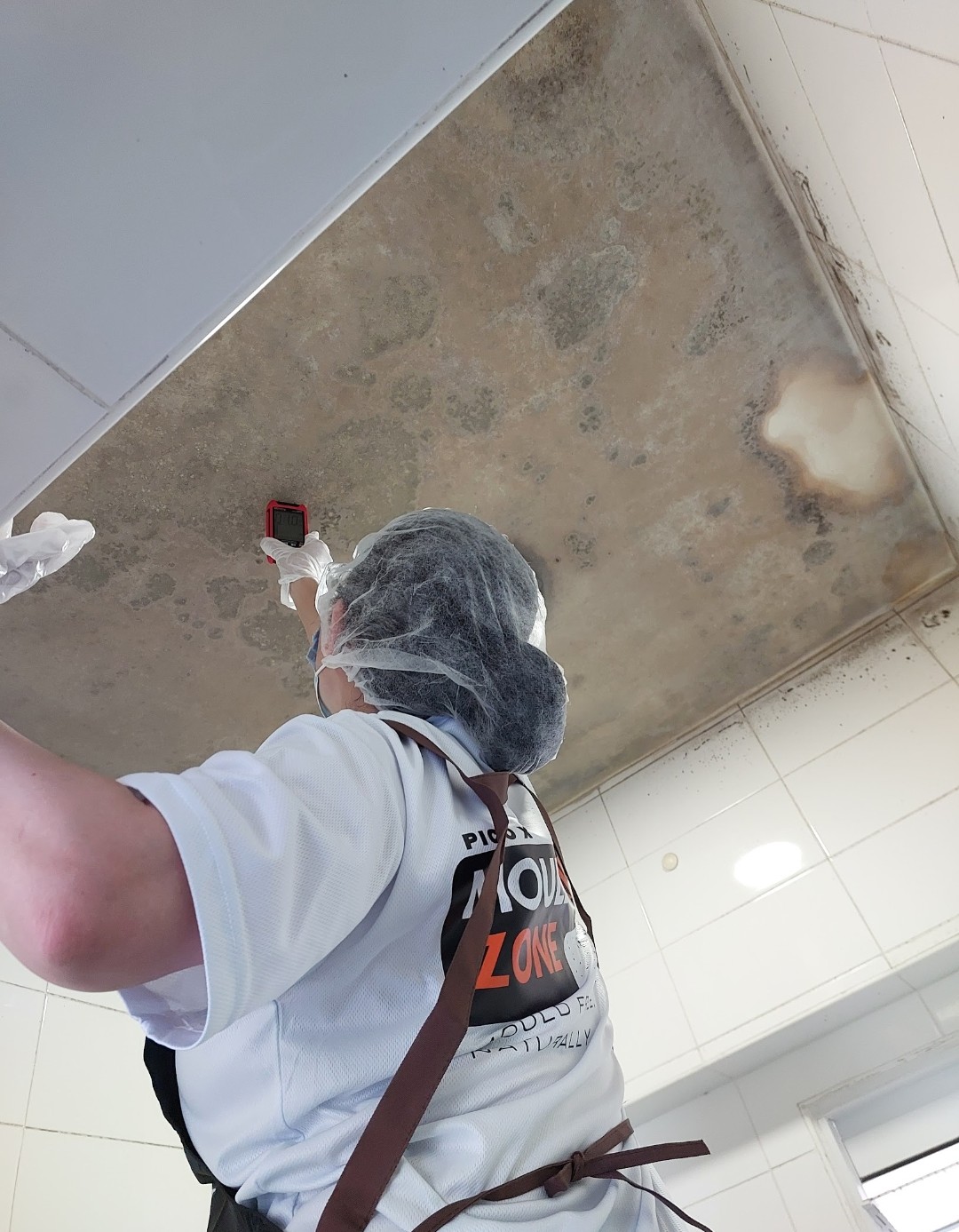
Black vertical streaks below window sills and gutters are usually algae (Gloeocapsa) — needs a $300–$500 biocide wash, not full mould protocol. Patchy, three-dimensional growth in sheltered corners is mould. Send a photo on WhatsApp and we'll triage free.
Do you handle Black & White houses?
Yes. SLA-leased Black & White properties have specific reinstatement standards — we work within them and coordinate with SLA's appointed managing agent where required.
Why is my exterior wall mouldy on only one side of the house?
Wind-driven rain orientation. In Singapore, NW elevations cop the NE monsoon (Dec–Mar) and SE elevations cop the SW monsoon and sumatra squalls (Jun–Sep). Solution combines biocide + a paint system rated for that exposure (Signature Care strongly recommended).
Why a WhatsApp photo quote instead of a paid inspection?
For 80% of cases, three photos (close-up, mid, room context) plus the affected area in m² is enough to scope honestly. We only quote a paid inspection when the cause is structurally hidden — inter-flat condensation, suspected concealed leak, or HVAC-borne contamination — and we tell you upfront before charging.
Is there a warranty?
Yes. Essential tier carries a 6-month warranty on the treated surface; Signature Care (with engineered anti-mould paint) carries a 12-month warranty when applied to a properly prepared substrate. Warranty excludes seepage, structural defects, diagnostic scans and new water ingress events. See full terms at /warranty.
Related Reading
Get a same-day quote
WhatsApp 3 photos — honest triage, with Essential Care at $199 for the first full surface during the promotion.
WhatsApp Photo Quote Call +65 8751 5146