Why Children's Bodies Are Biologically More Vulnerable
A child's respiratory system is not just a smaller adult one — it is structurally and immunologically different. Alveolar multiplication continues until age 8, and the lung doubles in size again between ages 8 and 18. Mould-driven inflammation during these windows is not a temporary nuisance; it can permanently reshape airway calibre, alveolar count and small-airway elasticity.
The paediatric immune system also handles fungal antigens differently. Th2-skewed responses dominant in the first 5 years promote IgE class-switching, which is the molecular basis of allergic sensitisation. A child repeatedly exposed to Aspergillus, Penicillium, Cladosporium or Alternaria spores in early life is significantly more likely to develop persistent allergic asthma, allergic rhinitis and atopic dermatitis — the so-called atopic march.
Singapore-specific data from the Growing Up in Singapore Towards Healthy Outcomes (GUSTO) cohort and similar regional paediatric studies has reinforced the WHO 2009 conclusion: indoor dampness and visible mould measurably raise childhood respiratory morbidity, with effect sizes between 1.5× and 3× depending on outcome.
Singapore-Specific Exposure Profile for Children
Three features of Singapore family living make paediatric exposure unusually high compared with temperate climates:
- Year-round growth conditions — there is no winter dry-out window. Indoor relative humidity sits at 70–90% in most HDB and condo bedrooms unless a dehumidifier runs continuously.
- Aircon biofilm in nurseries — split-unit evaporator coils run at the dew point and accumulate Cladosporium and Penicillium biofilm within 6–12 weeks of last servicing. Each compressor cycle aerosolises spores onto a sleeping child below.
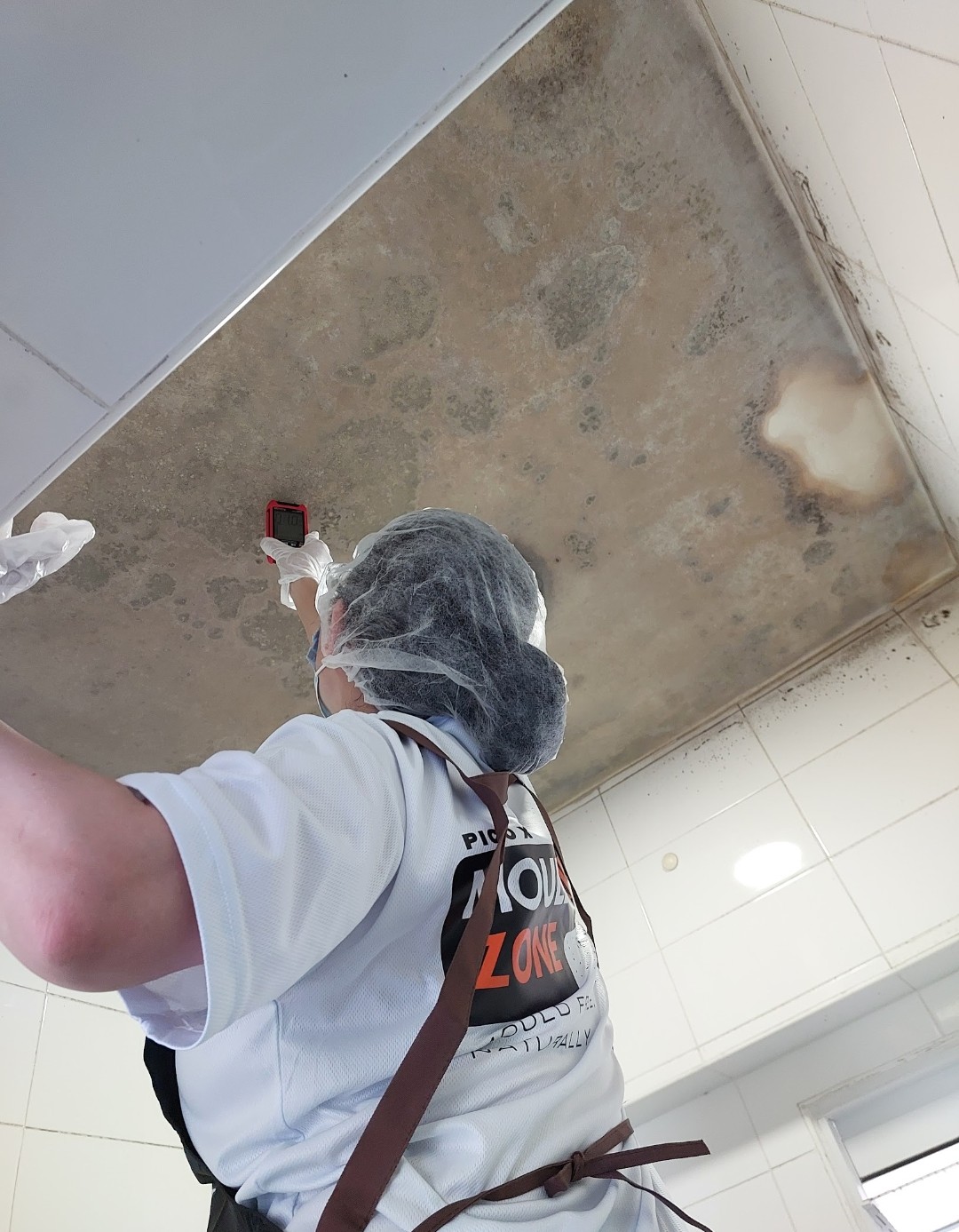
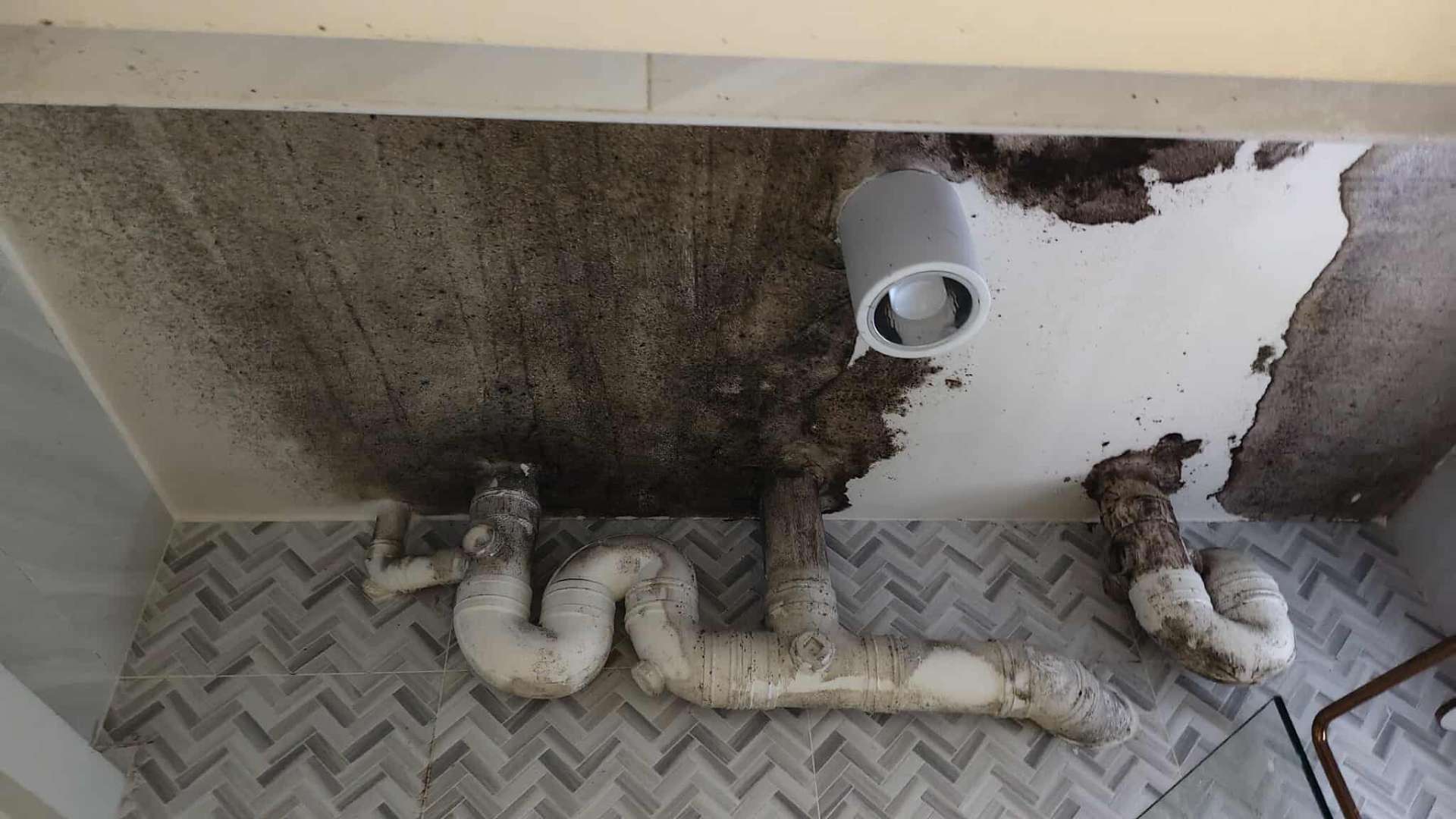
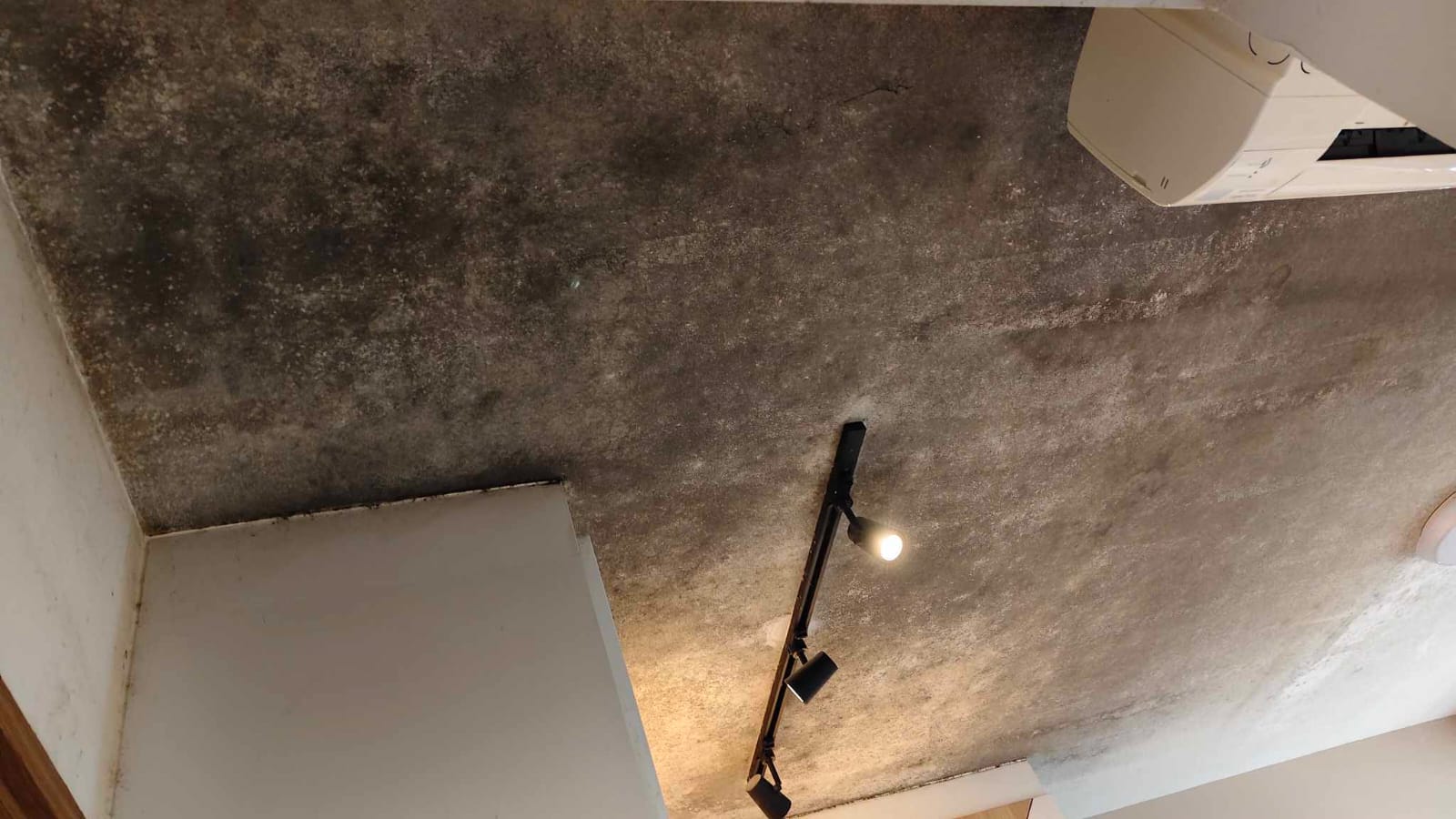
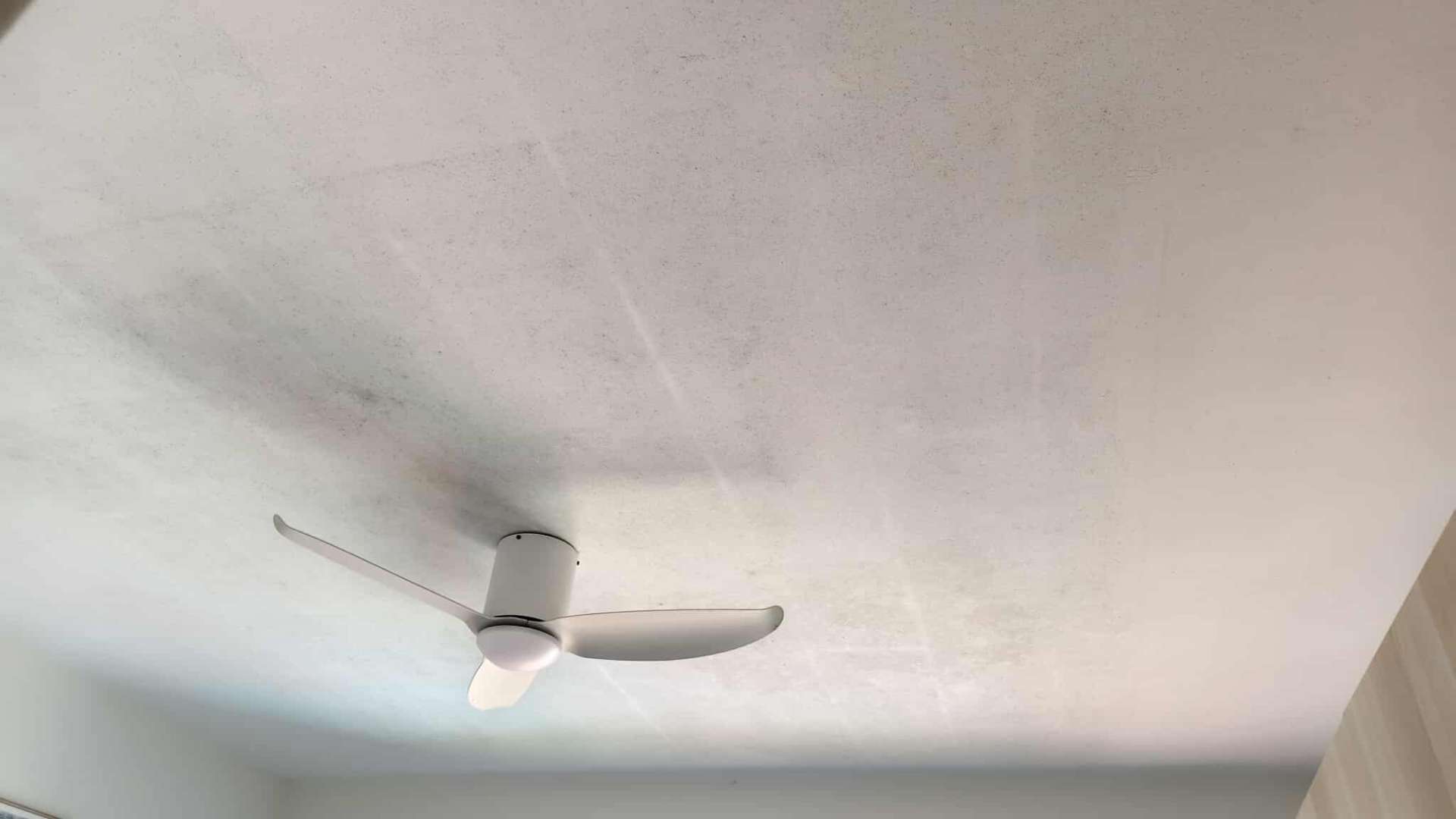
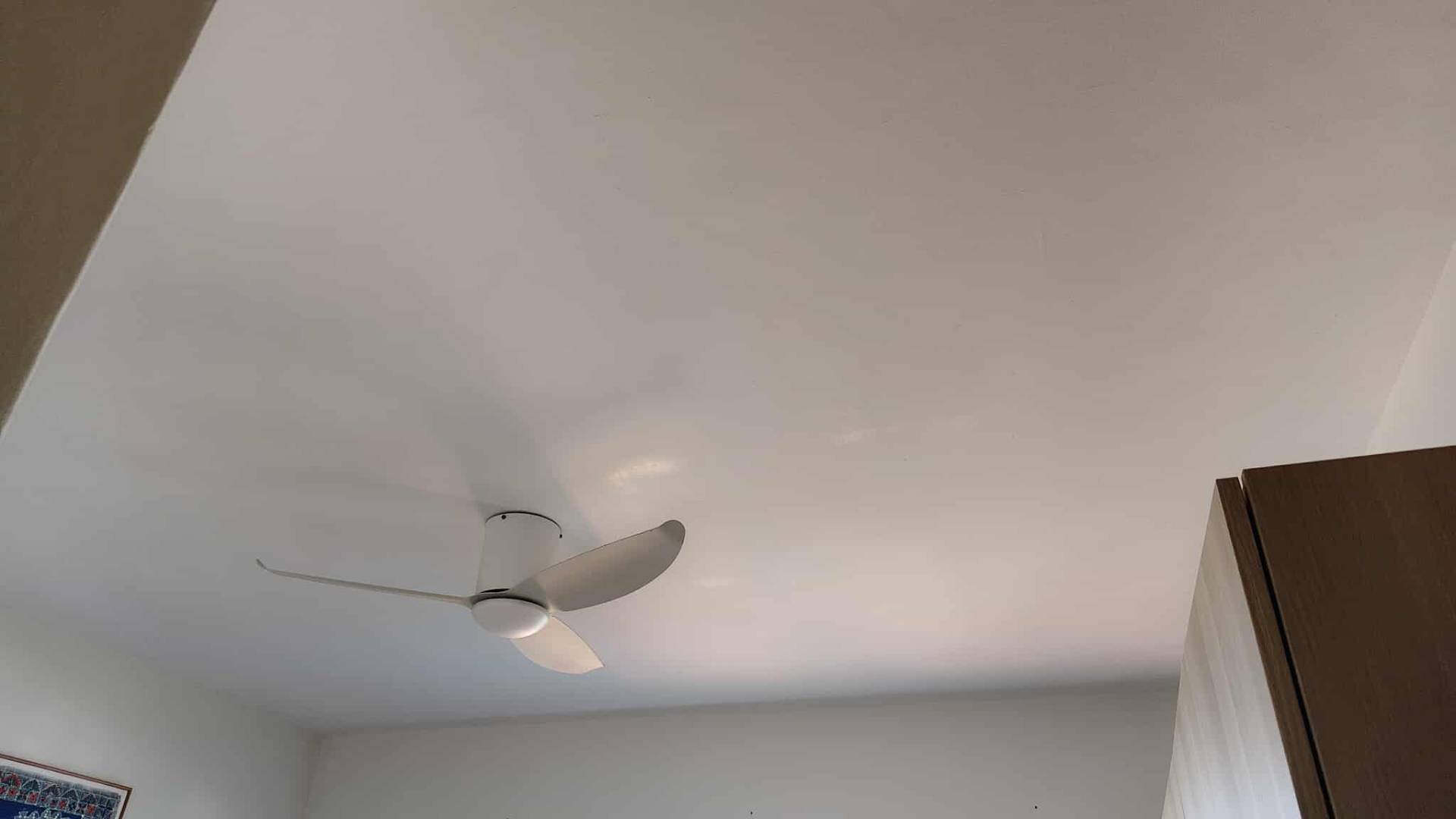
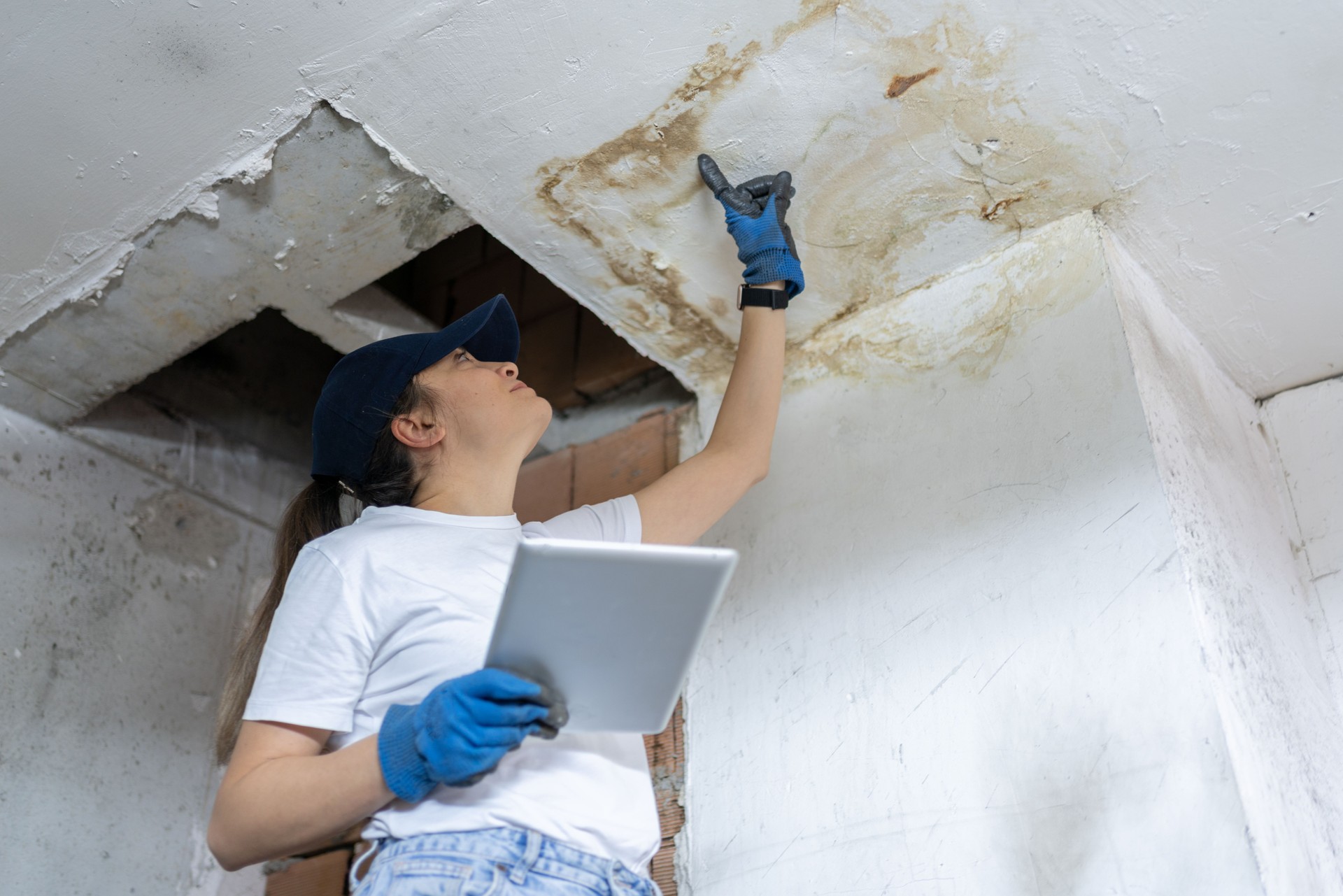
- Inter-flat condensation — bedroom ceilings shared with the upstairs neighbour's bathroom or kitchen develop hidden colonies on the cot-side surface. Paint blistering above the cot is the classic late warning sign.
- Wardrobes against external walls — closed humid air plus moisture migration from a north-facing wall produces Aspergillus growth on the back of children's clothing within weeks.
- Soft furnishings — plush toys, mattresses and rugs absorb spores and re-release them with every cuddle and bounce.
Acute Symptoms in Children — Easy to Miss, Easy to Misdiagnose
Paediatric mould symptoms are routinely written off as "just another cold". The pattern that distinguishes mould from infection is symptom relief during time away from home (school, holidays, grandparents') and recurrence within hours of returning. Track for one week, then a weekend away — pattern recognition beats blood tests for indoor mould allergy.
- Persistent dry night cough that improves on holidays
- Recurring blocked nose without fever
- Eczema flare-ups behind knees, in elbow creases, on the cheeks
- Red, watery eyes on waking
- Frequent ear infections (otitis media)
- Wheezing, particularly at night or in air-conditioned rooms
- Unexplained fatigue, irritability, or daytime sleepiness
- Slowed growth, picky eating, or weight plateau
Long-Term Consequences if Exposure Continues
Persistent paediatric mould exposure is not a benign childhood inconvenience that the child "grows out of". The published literature is consistent on several long-term outcomes:
- Childhood-onset asthma — meta-analyses put the relative risk between 1.5× and 3× for children in damp/mouldy homes versus dry homes. Once asthma is established, it is rarely fully reversible.
- Reduced peak lung function — children with chronic mould exposure reach adolescence with lower FEV1 and FVC than peers, which predicts higher COPD risk in their fifties and sixties.
- Atopic march progression — eczema in infancy → food allergy in toddlerhood → allergic rhinitis at school age → asthma by adolescence. Mould accelerates each transition.
- Chronic rhinosinusitis — sustained Aspergillus exposure can colonise paranasal sinuses, requiring surgical clearance in extreme cases.
- Cognitive and behavioural effects — mycotoxin exposure (gliotoxin, ochratoxin A, trichothecenes) has been associated in clinical literature with attention difficulties, sleep disturbance and irritability; the mechanism appears to involve neuroinflammation rather than direct toxicity.
- School absenteeism — children in mouldy homes miss measurably more school days per year, with downstream impact on academic trajectory.
Singapore Home Hotspots to Inspect Before Baby Arrives or Before the New School Year
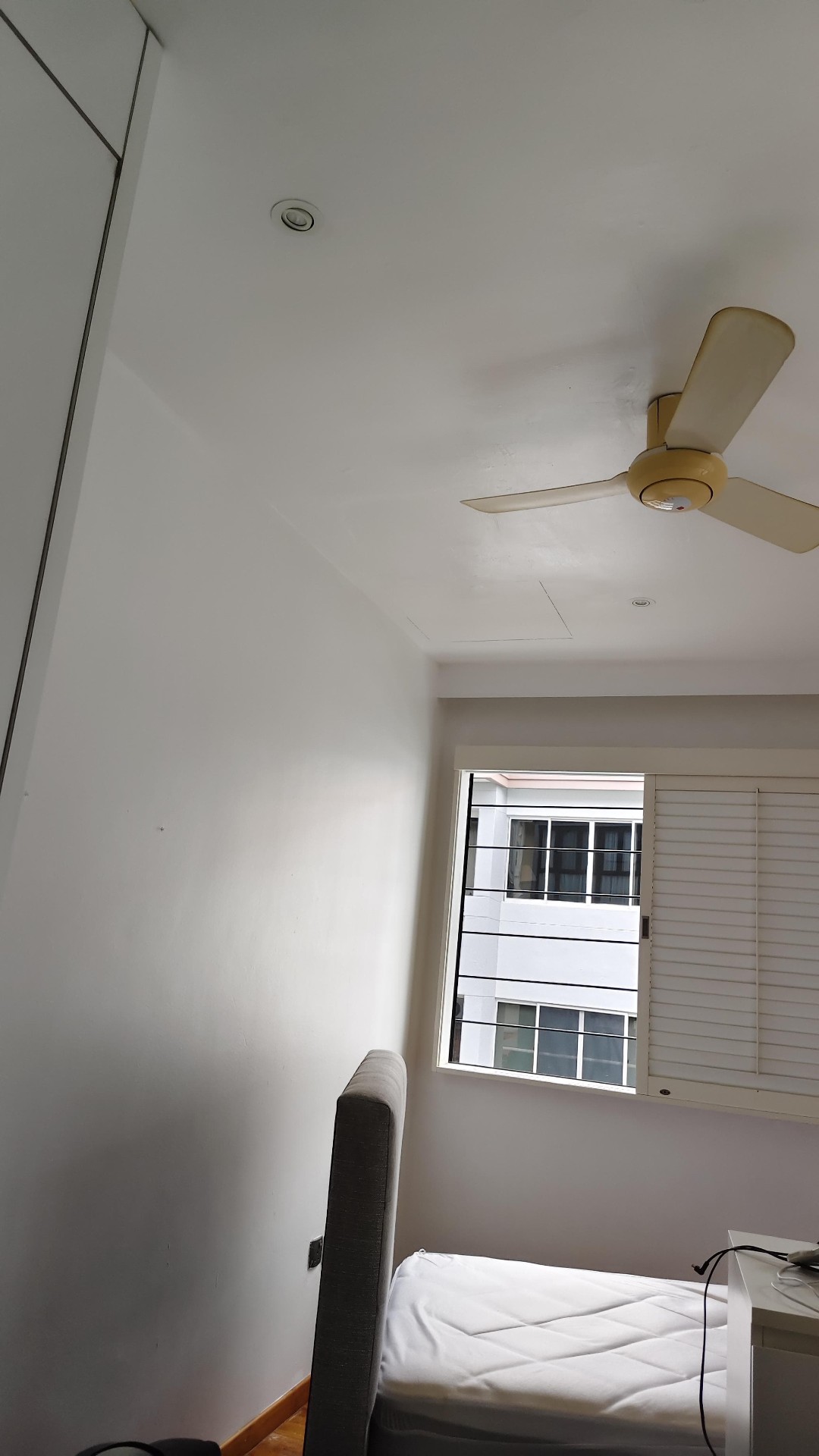
- Cot-side ceiling, especially the corner above the head
- Wardrobe back wall — pull the wardrobe 30 cm out and look + smell
- Aircon evaporator coil — open the front cover; black film = biofilm
- Bomb shelter and store room (often used for nursery storage)
- Bedroom wall adjacent to the bathroom — paint blistering or hairline cracks
- Under the cot mattress and around the changing table
- Soft toys, plush rugs, fabric playmats — wash hot ≥60°C monthly
- Window frames and the wall directly below window-mounted aircons
Family-Safe Remediation Protocol
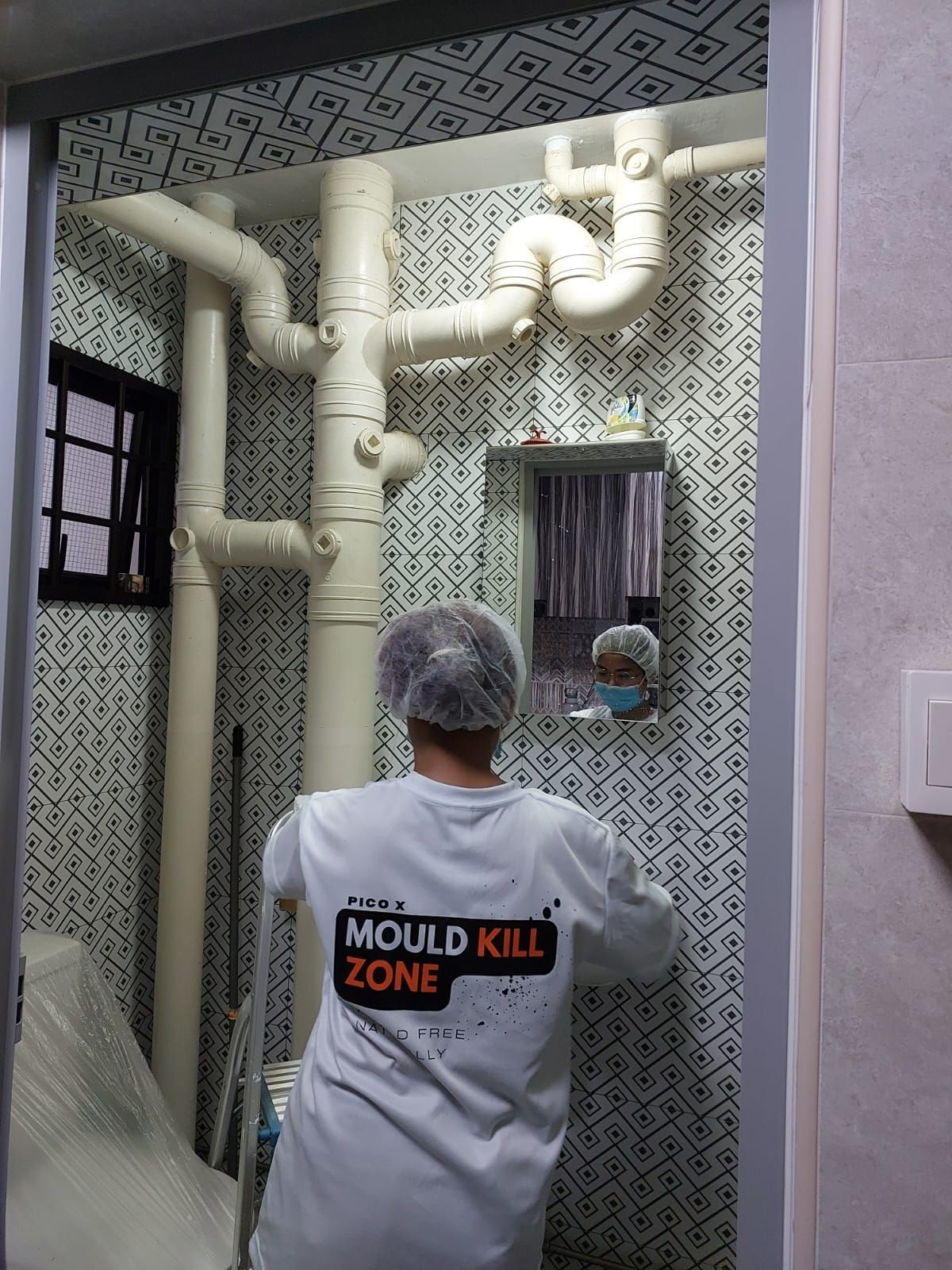
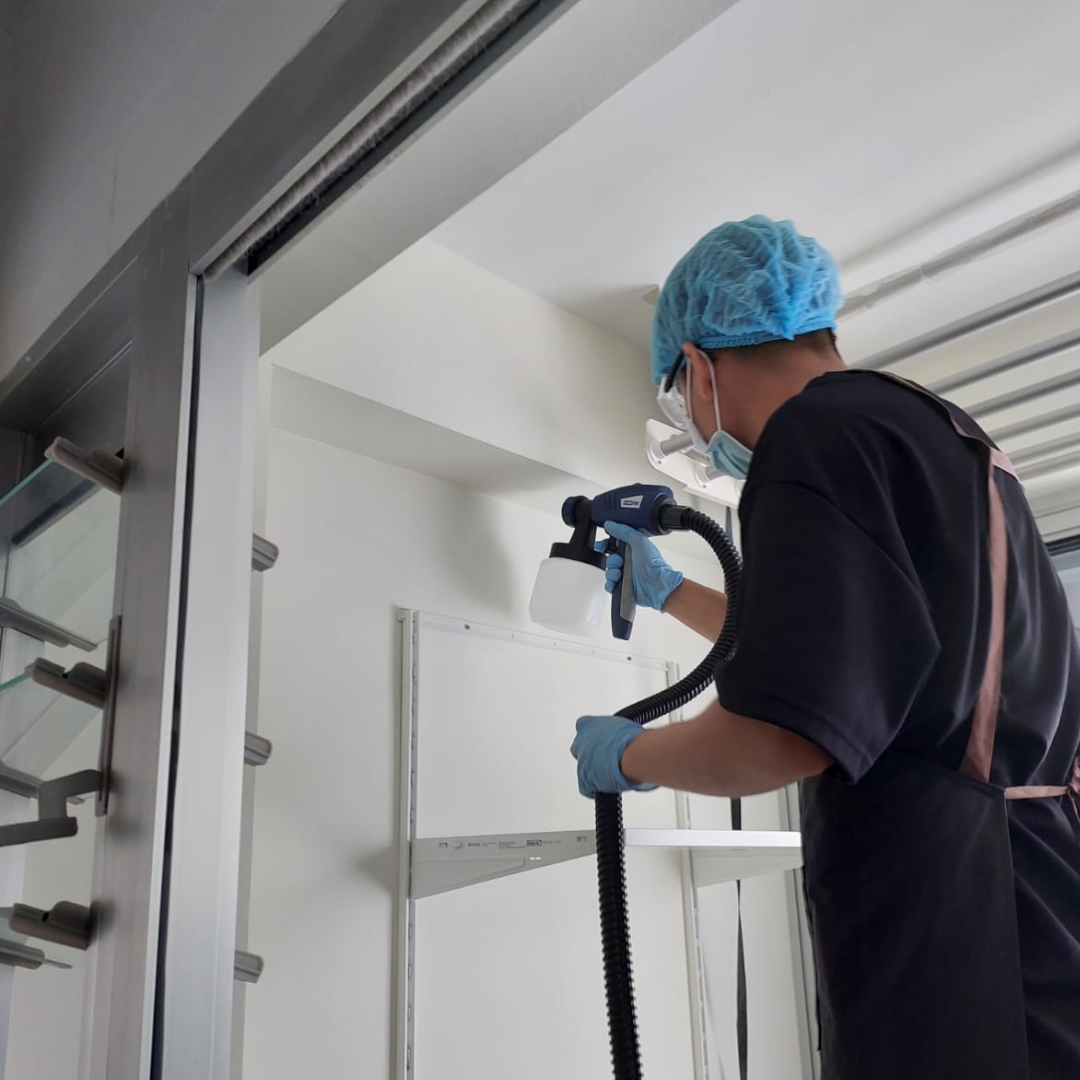
Standard contractor mould removal — bleach, quaternary ammonium, chlorine dioxide — leaves chemical residues that are particularly hard on paediatric airways. Our family-safe protocol is designed for occupied homes with infants, toddlers and asthmatic children:
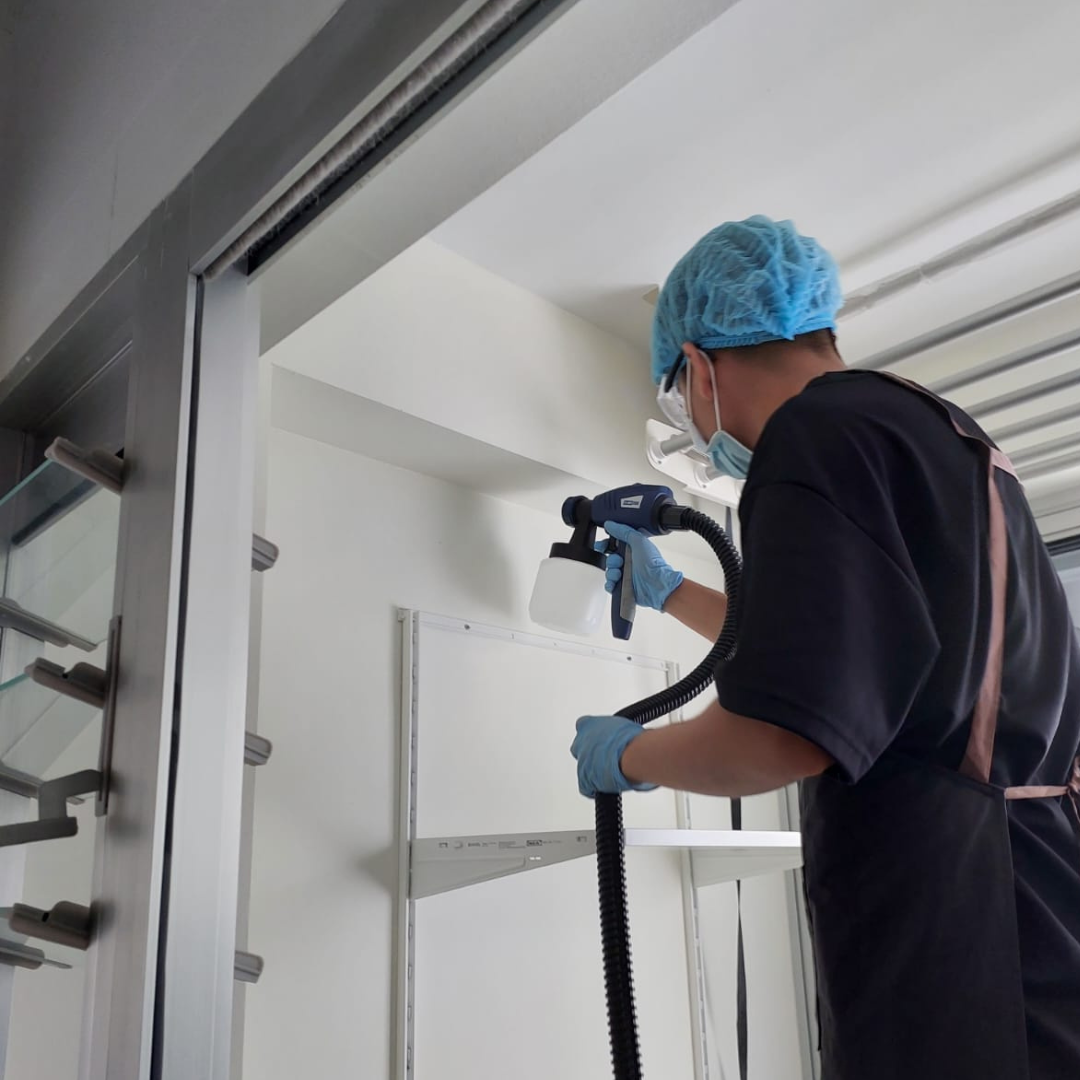
- Botanical sporicidal antimicrobials only — thymol and citric-acid based blends that break down to water and CO2, no reactive residue
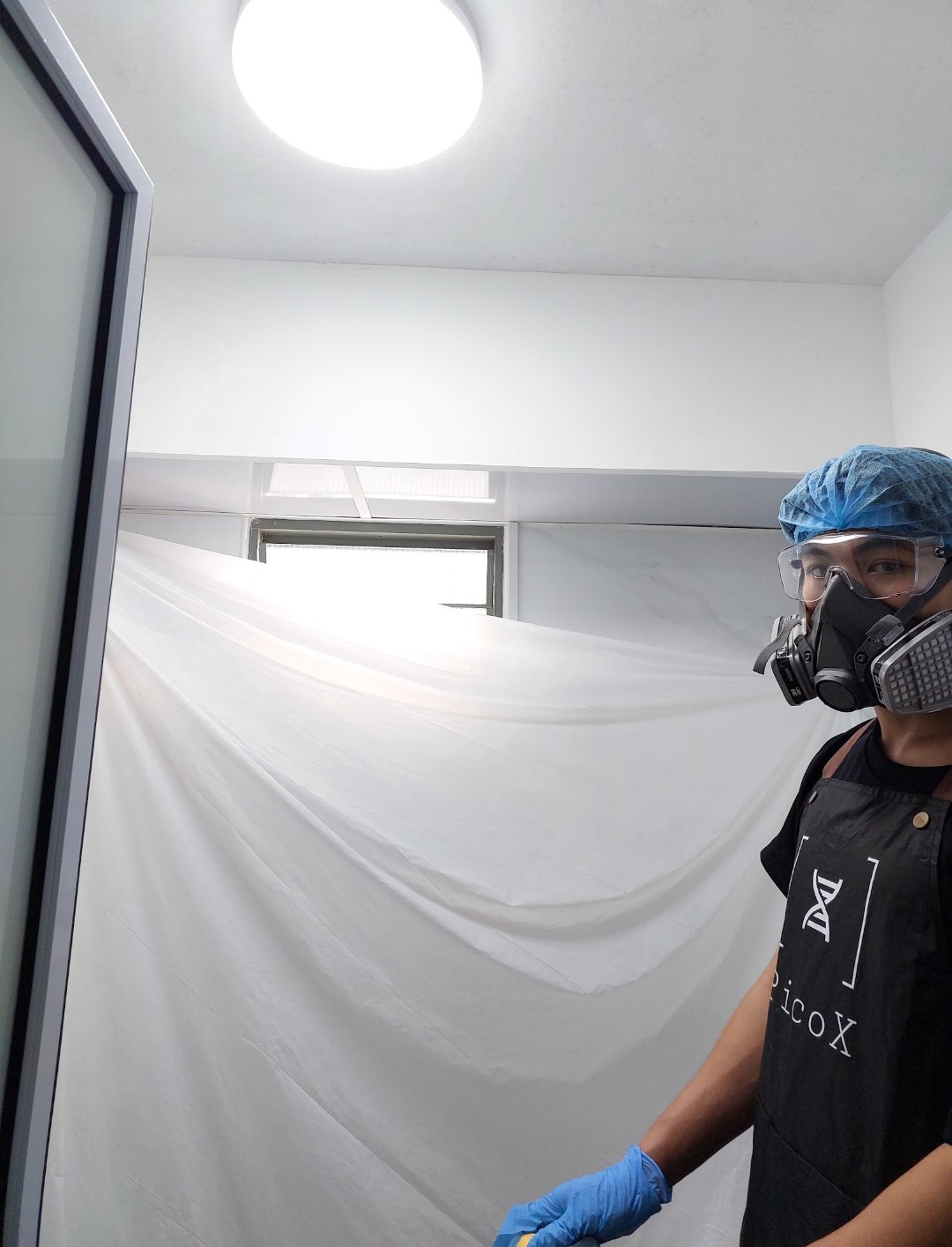
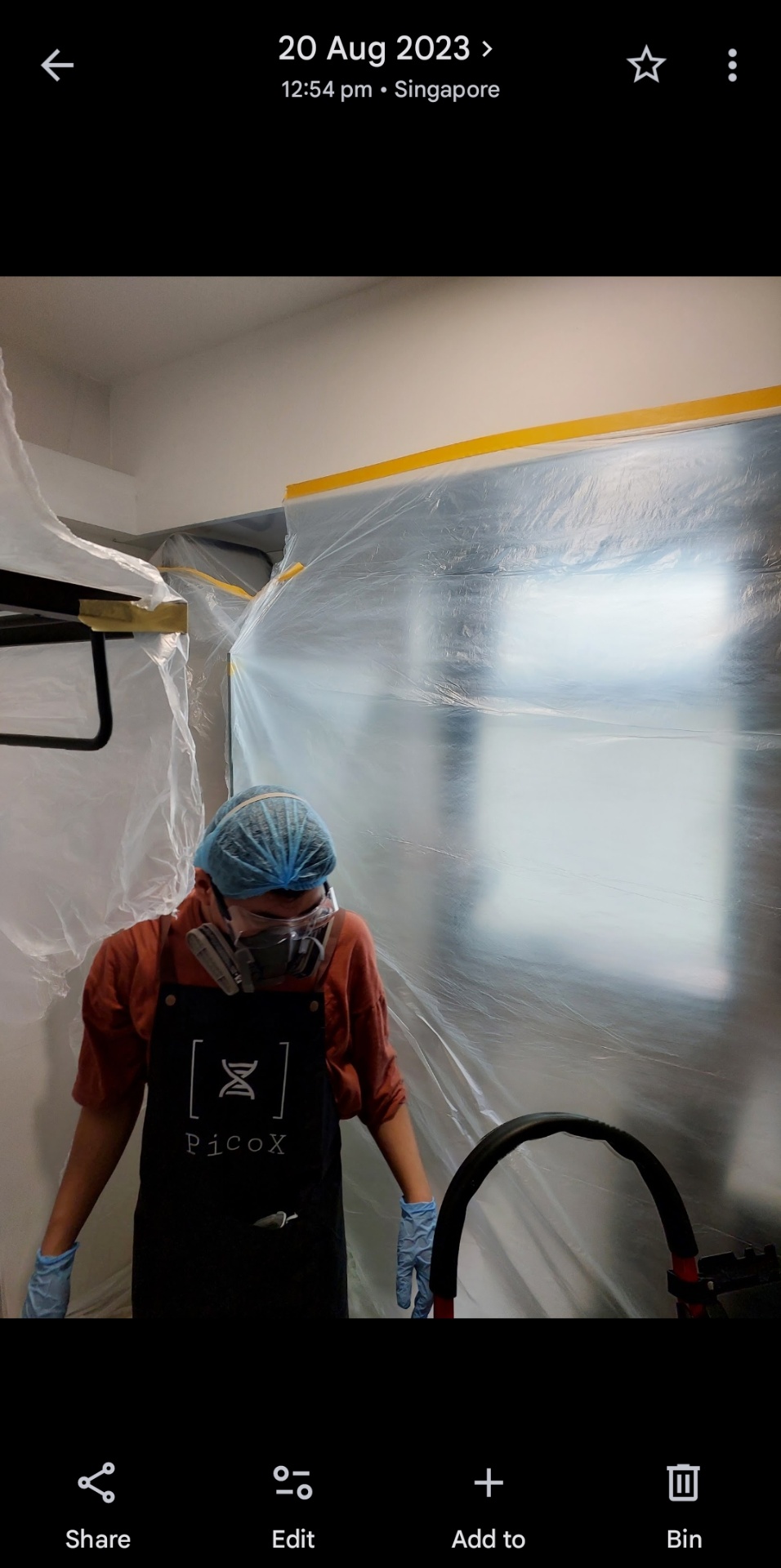
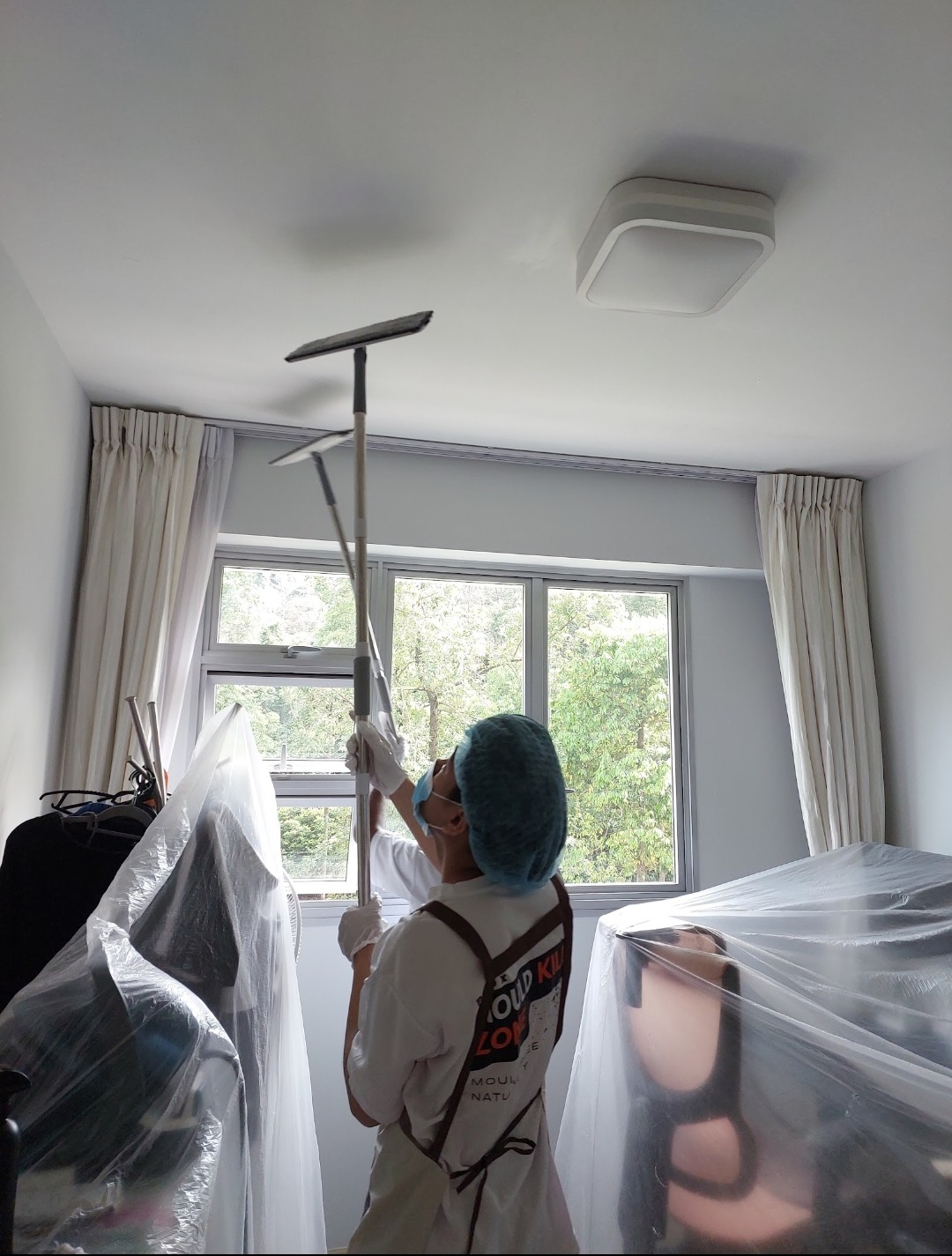
- Negative-pressure containment — work zone sealed in 6-mil polyethylene; spores cannot migrate to other rooms
- Children relocated from the treated room only — typical re-entry within 2 hours, the rest of the home stays liveable throughout
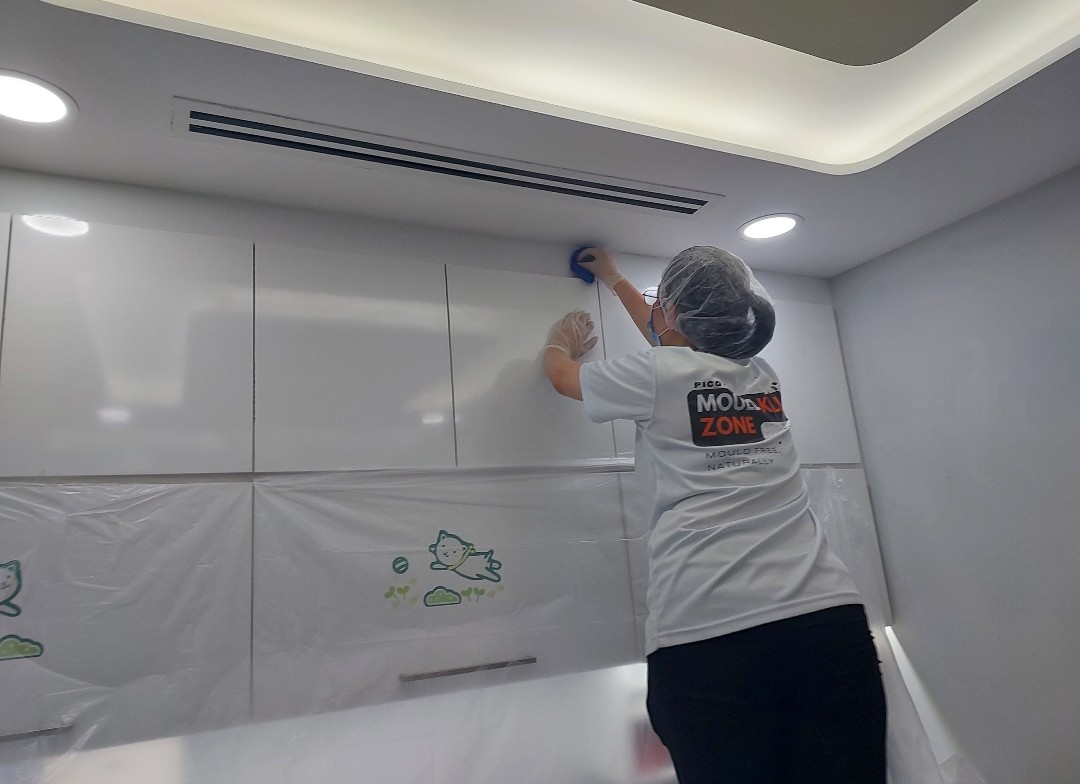
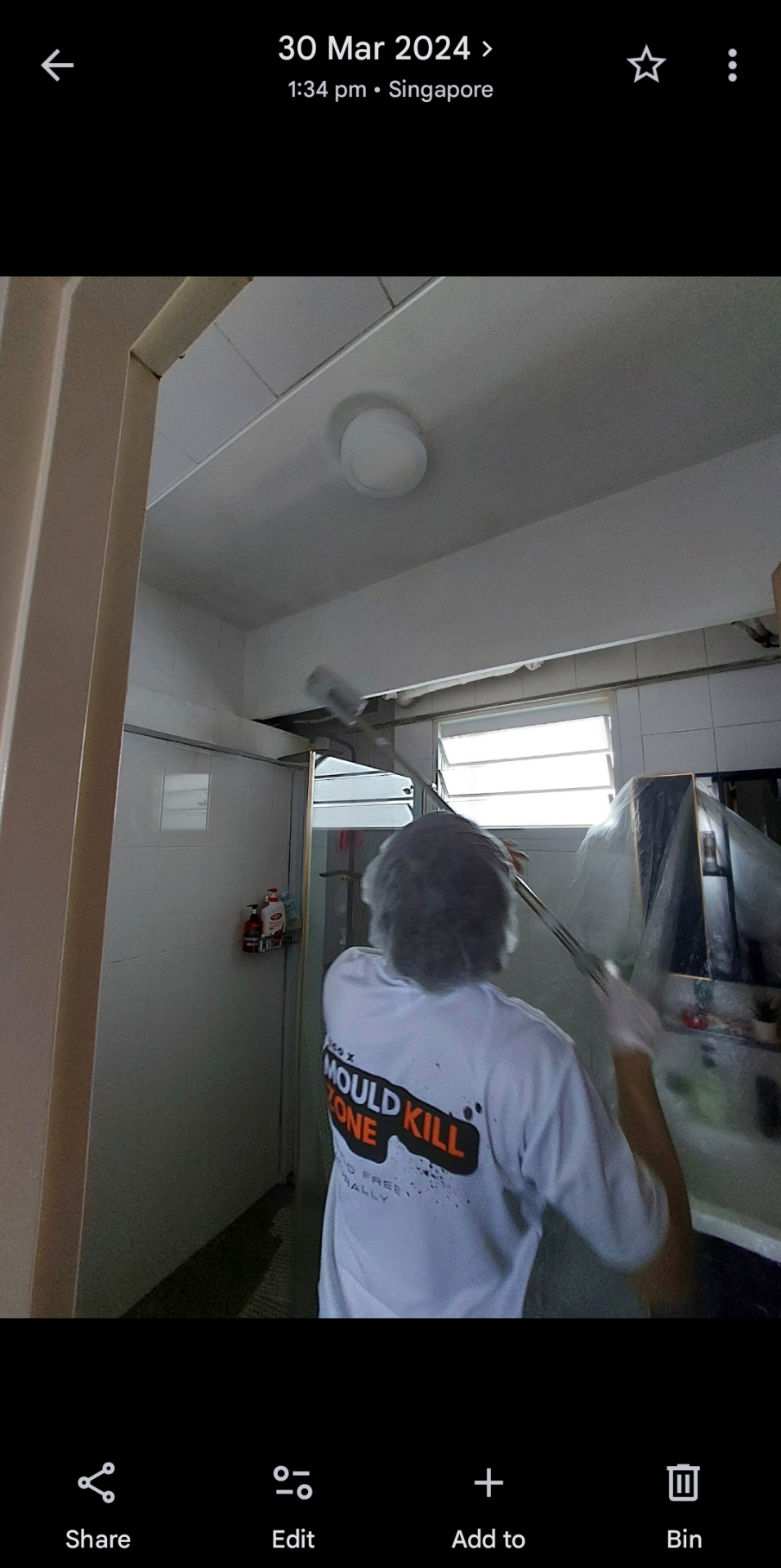
- Vacuum + wet-wipe protocol on every surface in the work zone, then 1.5 m beyond the containment edge
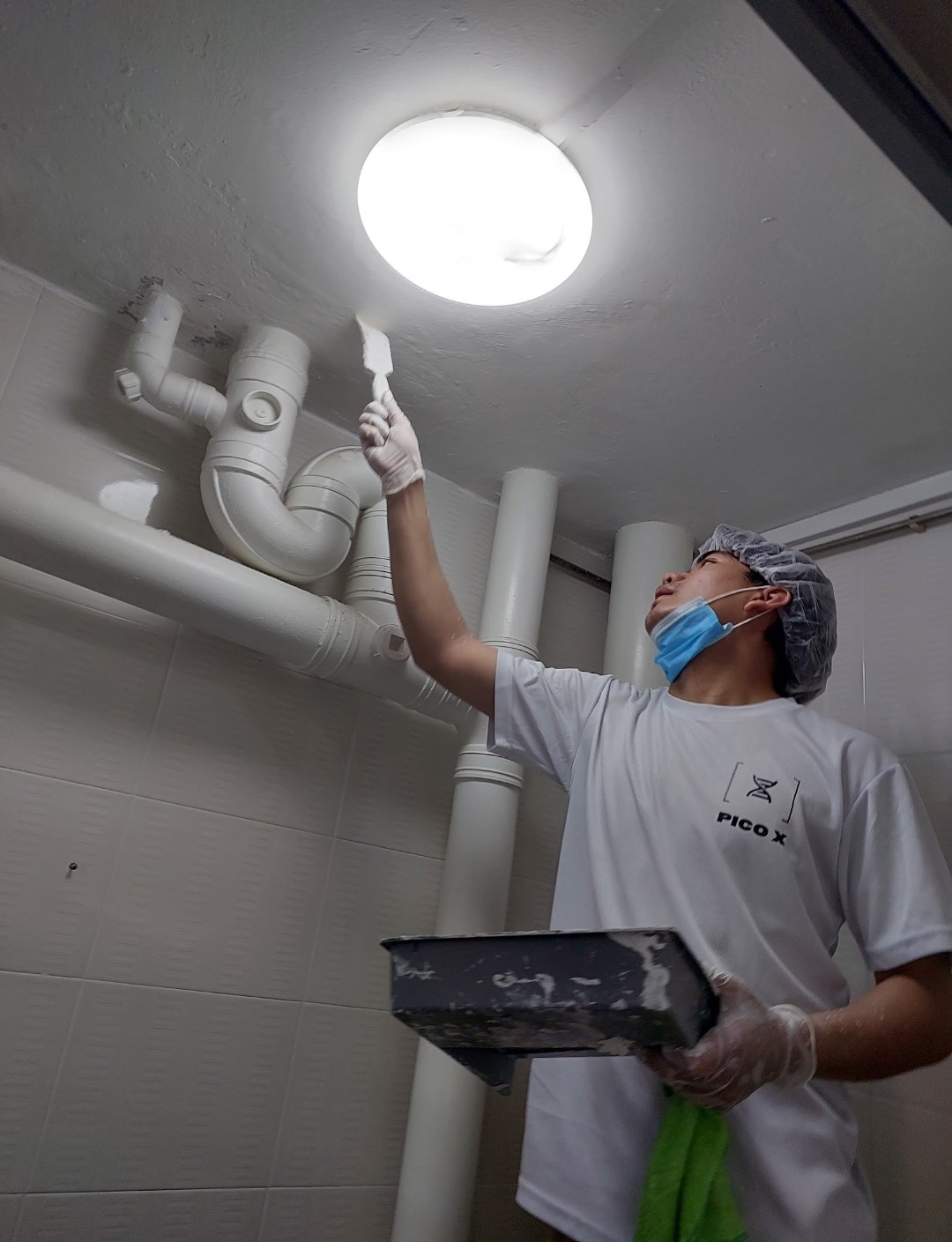
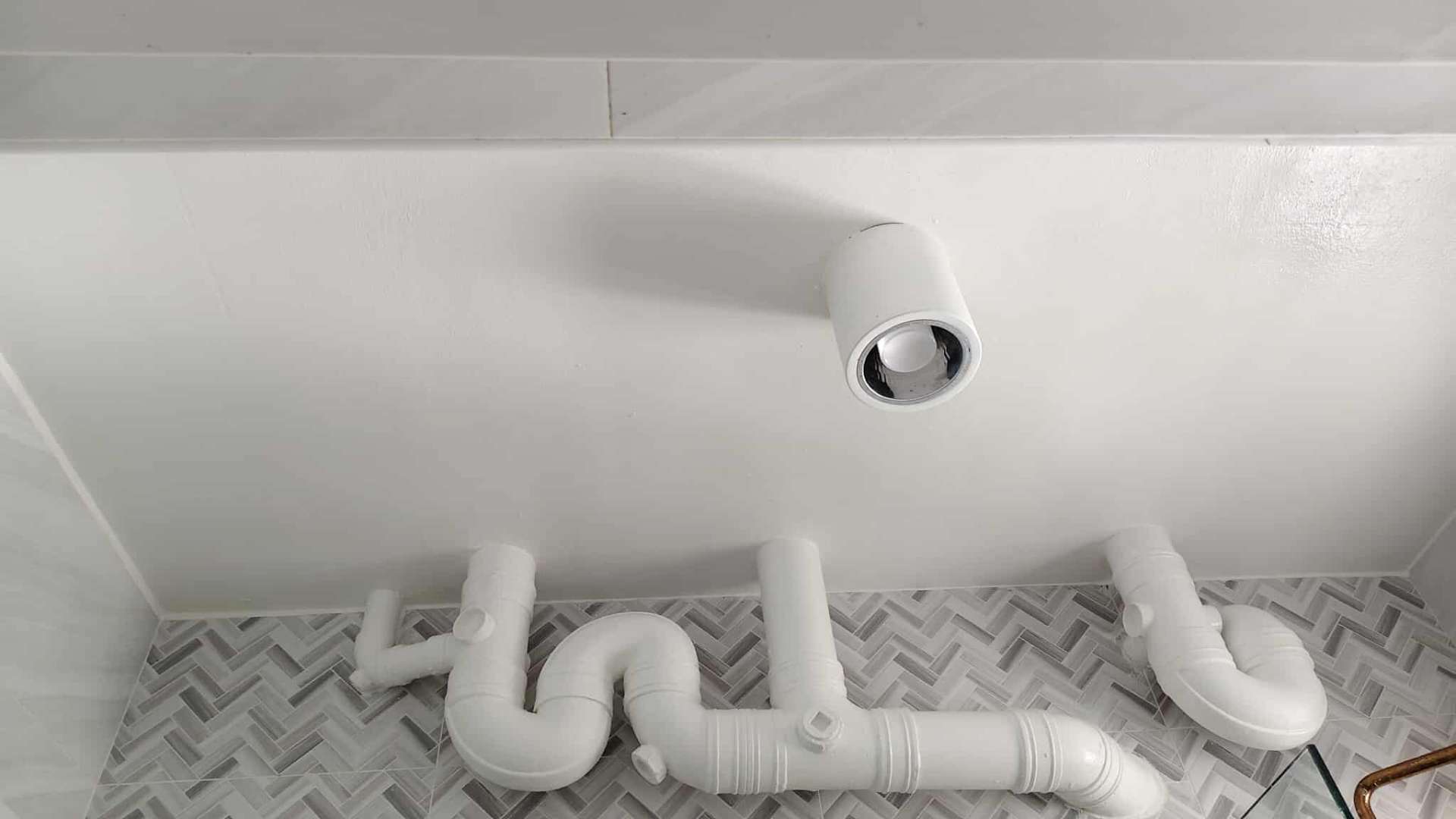
- Substrate decision — porous materials with deep colonisation (drywall, ceiling board) removed and replaced rather than cleaned, in line with IICRC S520 guidance
- Optional post-treatment air sampling — written report you can share with your paediatrician
What to Tell Your Paediatrician
If your child has been seen for recurrent cough, eczema, asthma or sinusitis, bring three things to the next appointment: photographs of any visible household mould, a one-week symptom diary noting time-of-day and location, and our post-treatment clearance report (if remediation has been done). This package materially changes the differential diagnosis and the choice of management — sometimes from inhaled steroids to environmental remediation.
Related Reading
Frequently Asked Questions
Can mould cause asthma in children?
Yes. Multiple peer-reviewed studies and the WHO 2009 indoor dampness guidelines confirm early-life mould exposure raises childhood asthma risk by 1.5–3×. In Singapore's high-humidity climate mould sits in the top three indoor asthma triggers alongside dust mites and cockroach allergen.
Is it safe for my baby to stay in the home during mould removal?
Yes — our child-safe protocol uses botanical antimicrobials and negative-pressure containment, so only the treated room is off-limits and only for about 2 hours. Other rooms remain safe to occupy. We schedule nursery work around nap times where possible.
How do I know if my child's symptoms are from mould?
The clearest pattern is improvement when away from home (school, holiday, grandparents') and recurrence within hours of returning. Track symptoms for one week then a weekend away. Pattern recognition is more reliable than blood IgE testing for indoor mould sensitivity.
Will mould exposure affect my child's lung function as an adult?
It can. Children exposed to indoor mould reach adolescence with measurably lower FEV1 and FVC than peers. Lower peak lung function in adolescence predicts higher COPD risk in the fifties and sixties. Removing the source early protects the trajectory.
Are mould-related learning and behavioural problems real?
Clinical literature has linked mycotoxin exposure to attention difficulties, sleep disturbance and irritability via neuroinflammation. It is not a one-to-one cause of ADHD, but in a child living with chronic mould exposure it is a contributor worth removing before pursuing pharmacological options.
What is the cheapest way to start?
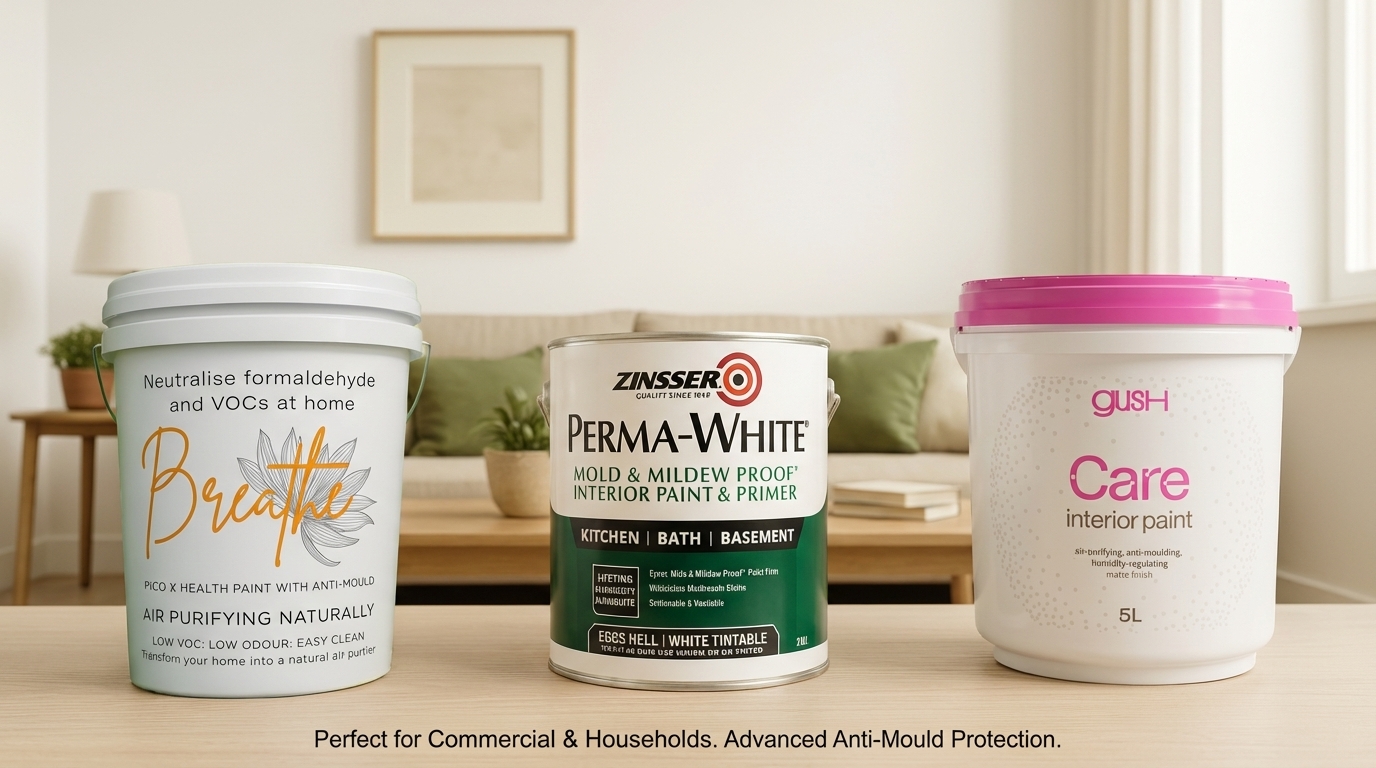
WhatsApp us a photo of the affected wall or ceiling plus the room context. Free triage, transparent quote — during our limited-time promo, the first full ceiling or wall surface (Essential tier) is Limited-time promo$199 (normally $299), including full surface preparation, Gush MouldSeal sealer, Gush Core anti-mould paint, and a 6-month warranty.
Ready to take action?
Get a free WhatsApp photo assessment — honest triage, transparent pricing Limited-time promoat $199.
WhatsApp Photo Quote Call +65 8751 5146