How Mould Worsens Eczema — Two Pathways
The first pathway is immunological. Atopic dermatitis is fundamentally a Th2-skewed inflammatory disease, and mould spores — particularly Malassezia, Aspergillus, Penicillium and Cladosporium — drive Th2 cytokine release (IL-4, IL-5, IL-13) that worsens skin inflammation. IgE-positive patients show measurable flare correlation with indoor spore counts.
The second pathway is barrier disruption. Filaggrin mutations and tight-junction defects are the molecular basis of atopic dermatitis. Mould-derived proteases (particularly from Aspergillus fumigatus and Penicillium chrysogenum) directly degrade epidermal proteins, deepening the barrier defect and making the skin more permeable to other allergens, irritants and infection.
Malassezia, a yeast that lives on normal human skin, is particularly relevant in head-and-neck eczema. In humid Singapore conditions, Malassezia overgrows and triggers IgE reactivity in a substantial subset of atopic patients.
Singapore-Specific Eczema Triggers Linked to Mould
- Bedroom aircon biofilm — spores aerosolised onto exposed skin during 8 hours of sleep
- Bedding and mattress fungal load — spores accumulate in soft furnishings, in direct contact with skin nightly
- Wardrobe-stored clothing — clothes stored in humid wardrobes pick up Aspergillus growth
- Towel re-use — bath towels in humid bathrooms support fungal growth, then in direct contact with damaged skin
- Soft toys and rugs — particularly relevant for paediatric eczema
- Humid bathroom-adjacent bedrooms — increased ambient humidity drives Malassezia overgrowth on the skin
Eczema Flare Pattern Suggesting Mould Trigger
- Flares worse on waking, after 8 hours in the bedroom
- Flares worse during monsoon humidity spikes
- Flares improve measurably during overseas trips to drier climates
- Recurrent flares despite adherent topical steroid use
- Concurrent rhinitis or asthma flares
- Head and neck involvement (suggests Malassezia)
- Recurrent skin infection on top of eczema (barrier breakdown)
- Itch out of proportion to visible skin signs
Long-Term Consequences if Exposure Continues
- Progressive skin barrier damage — repeated flares thicken the epidermis (lichenification) and deepen the barrier defect
- Atopic march progression — eczema → food allergy → allergic rhinitis → asthma; mould exposure accelerates each transition
- Recurrent skin infection — Staphylococcus aureus colonises the damaged barrier; some patients require recurrent oral antibiotics
- Steroid escalation and side effects — without addressing the trigger, topical steroids escalate in potency, with skin atrophy, telangiectasia and rebound risk
- Sleep deprivation — chronic itch destroys sleep architecture, with downstream effects on cognition, mood and immune function
- Quality of life cost — eczema in Singapore adults is associated with anxiety, depression and reduced productivity
Pre-Treatment Audit for Eczema Households
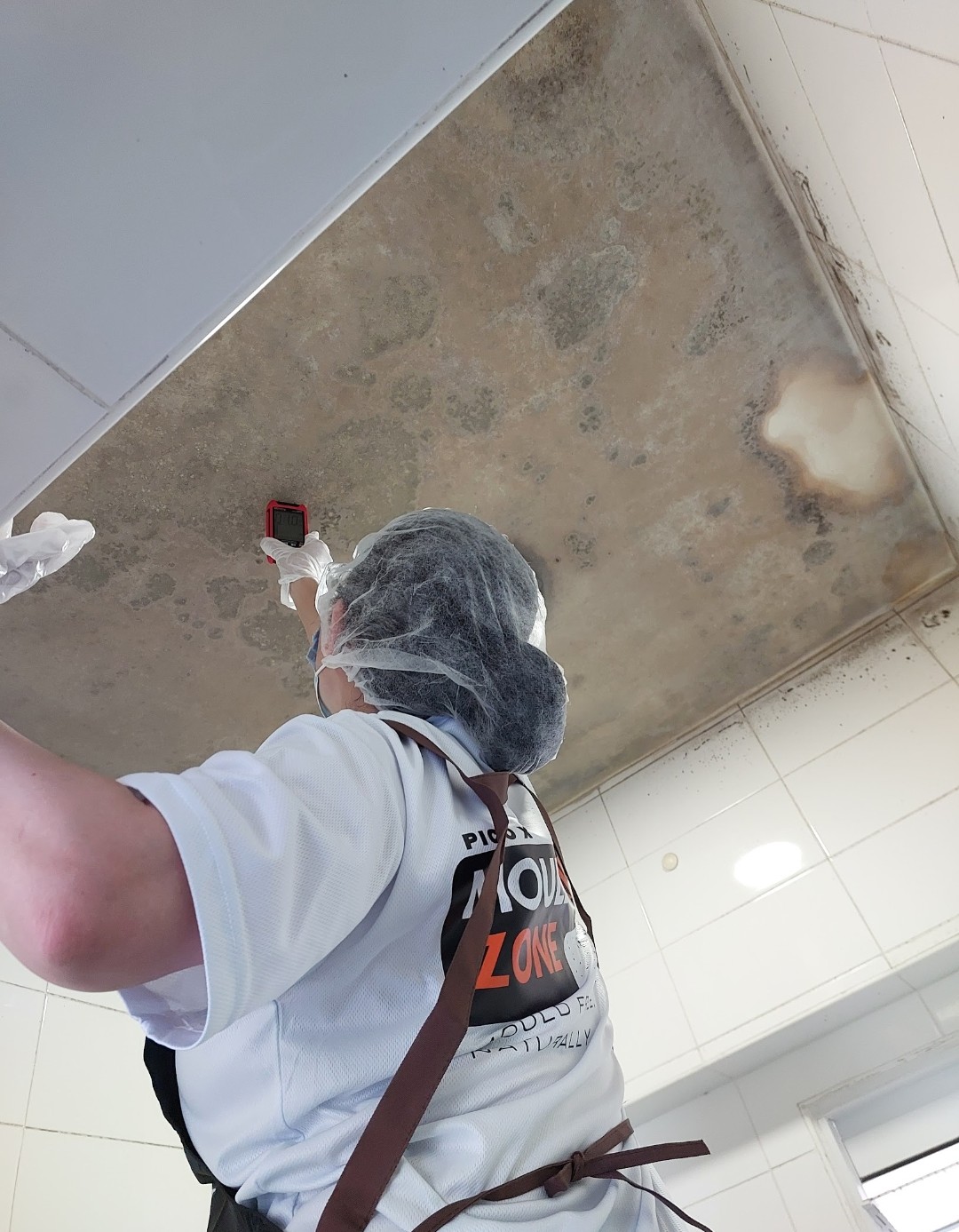
- Aircon evaporator coil — almost always implicated; black film on the fins is diagnostic
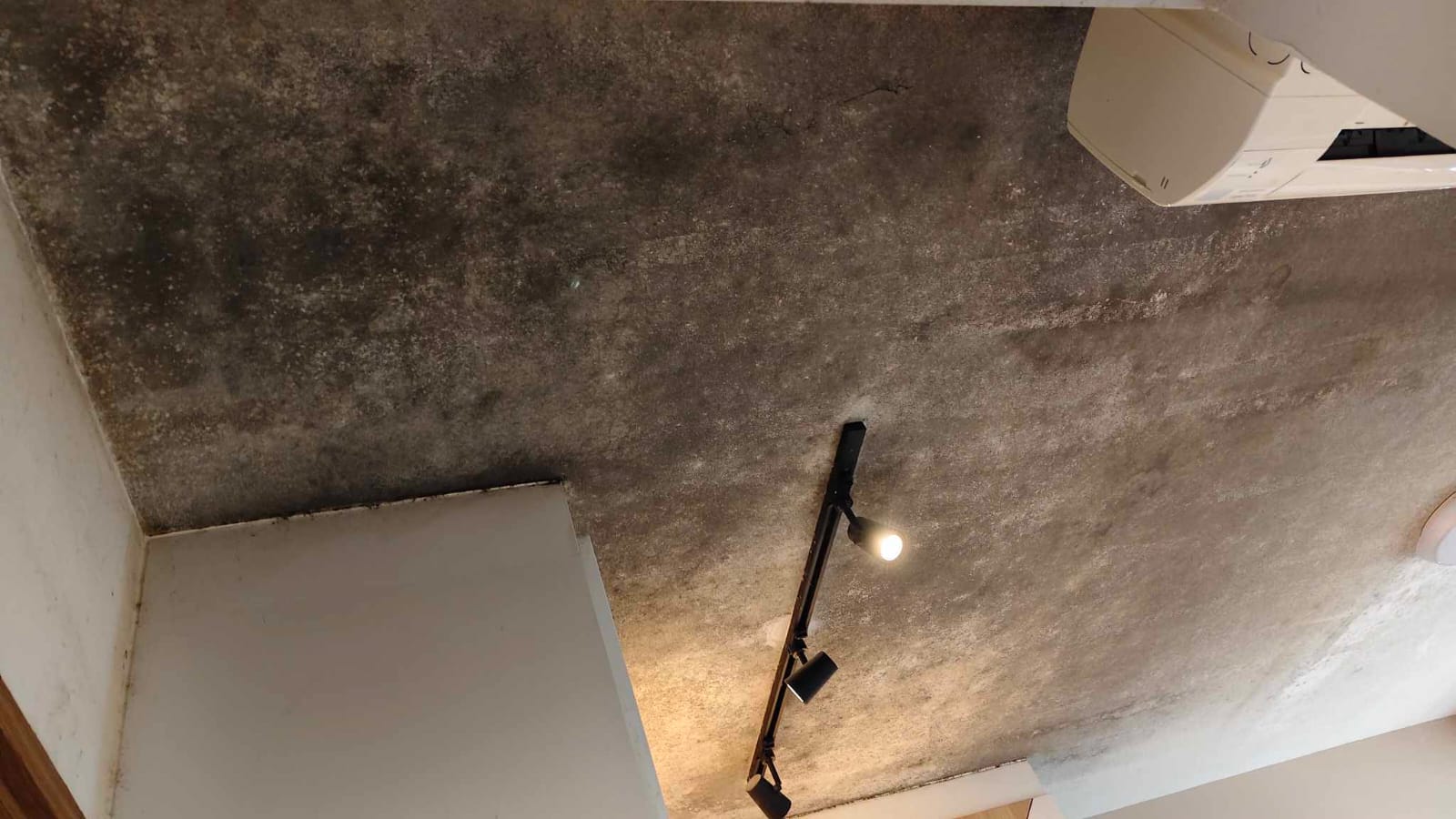
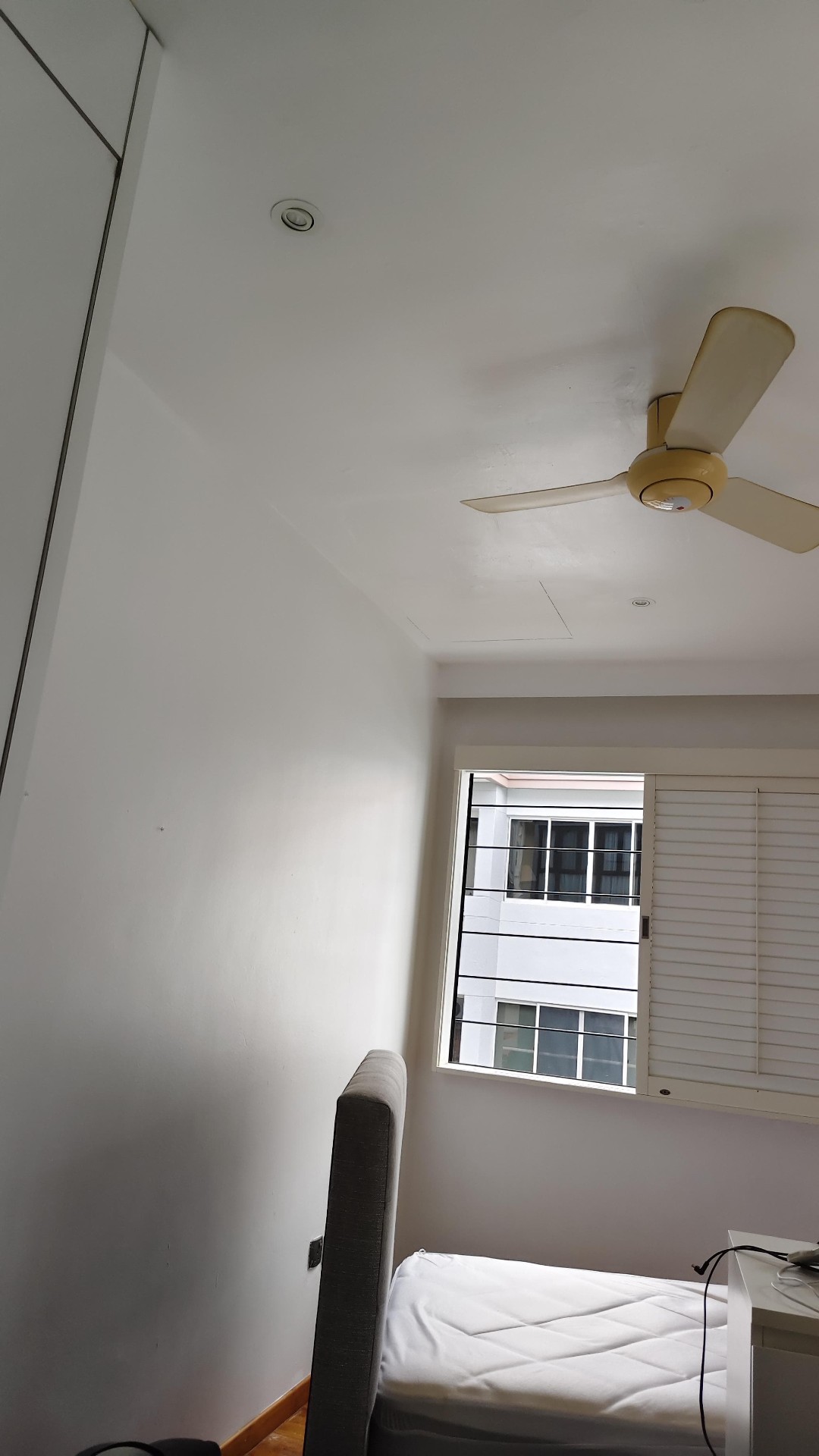
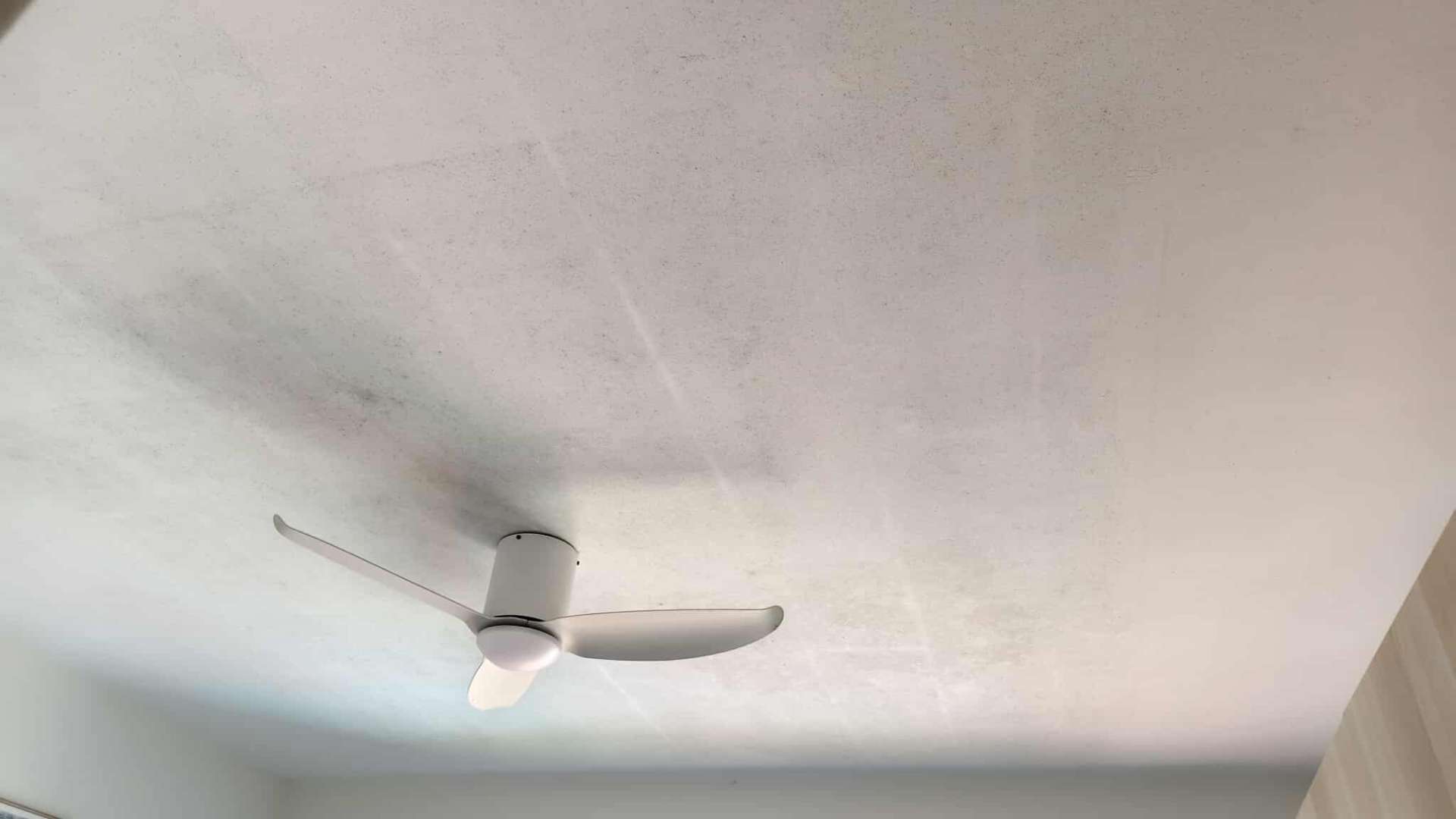
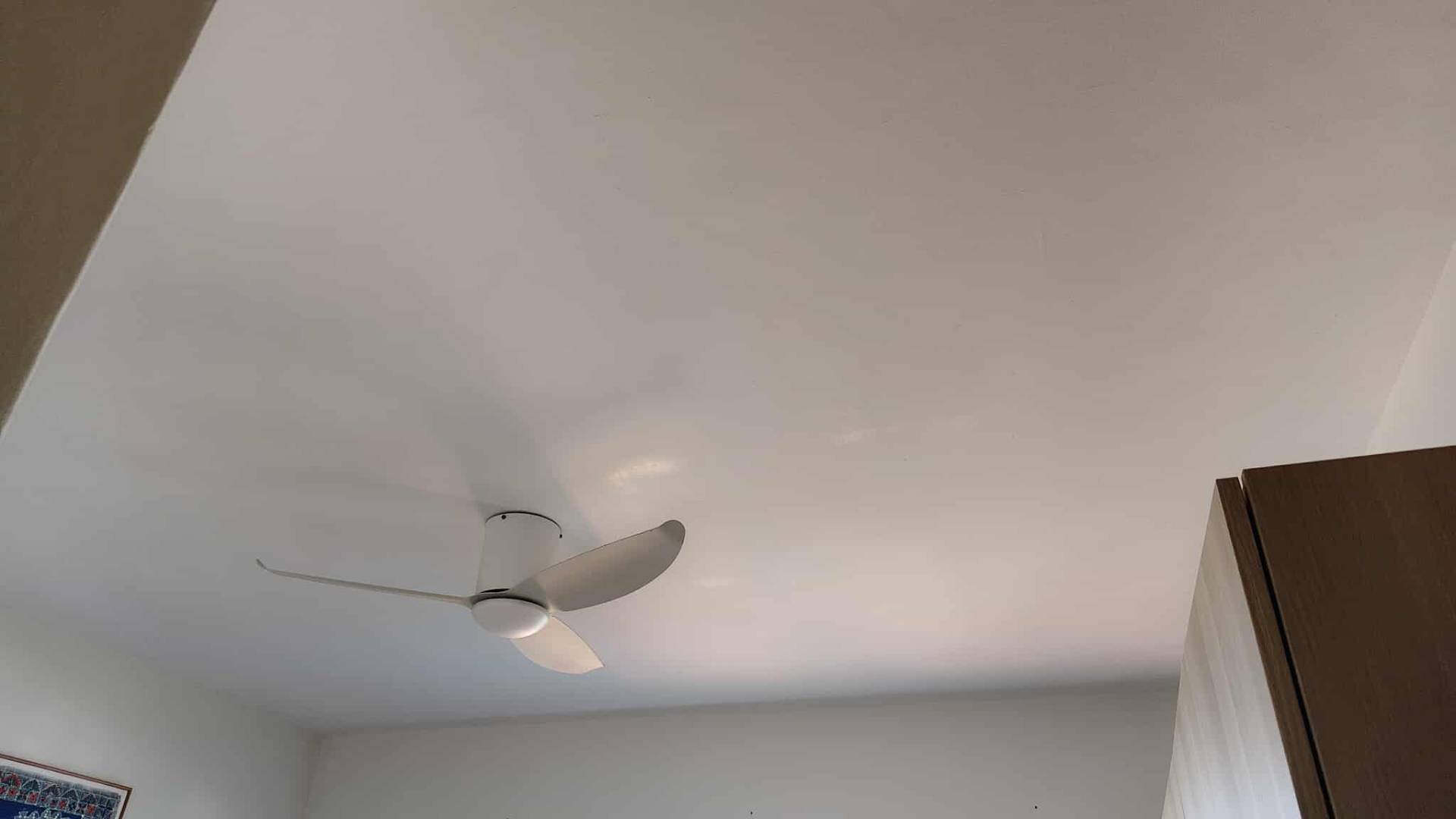
- Bedroom ceiling and wall behind the bedhead
- Mattress and pillow — visible mould or musty smell mandates replacement
- Wardrobe back wall and the clothes inside
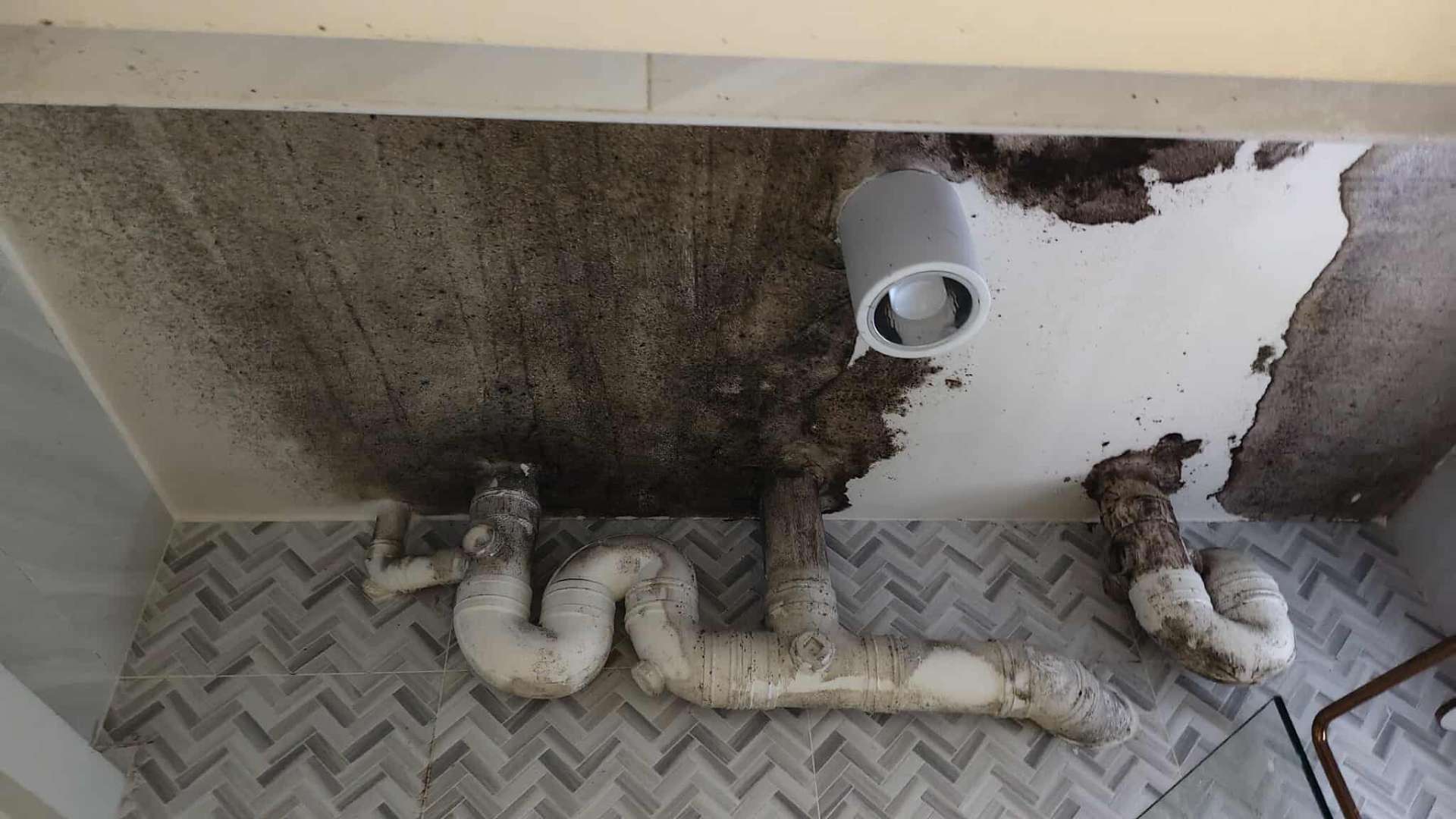
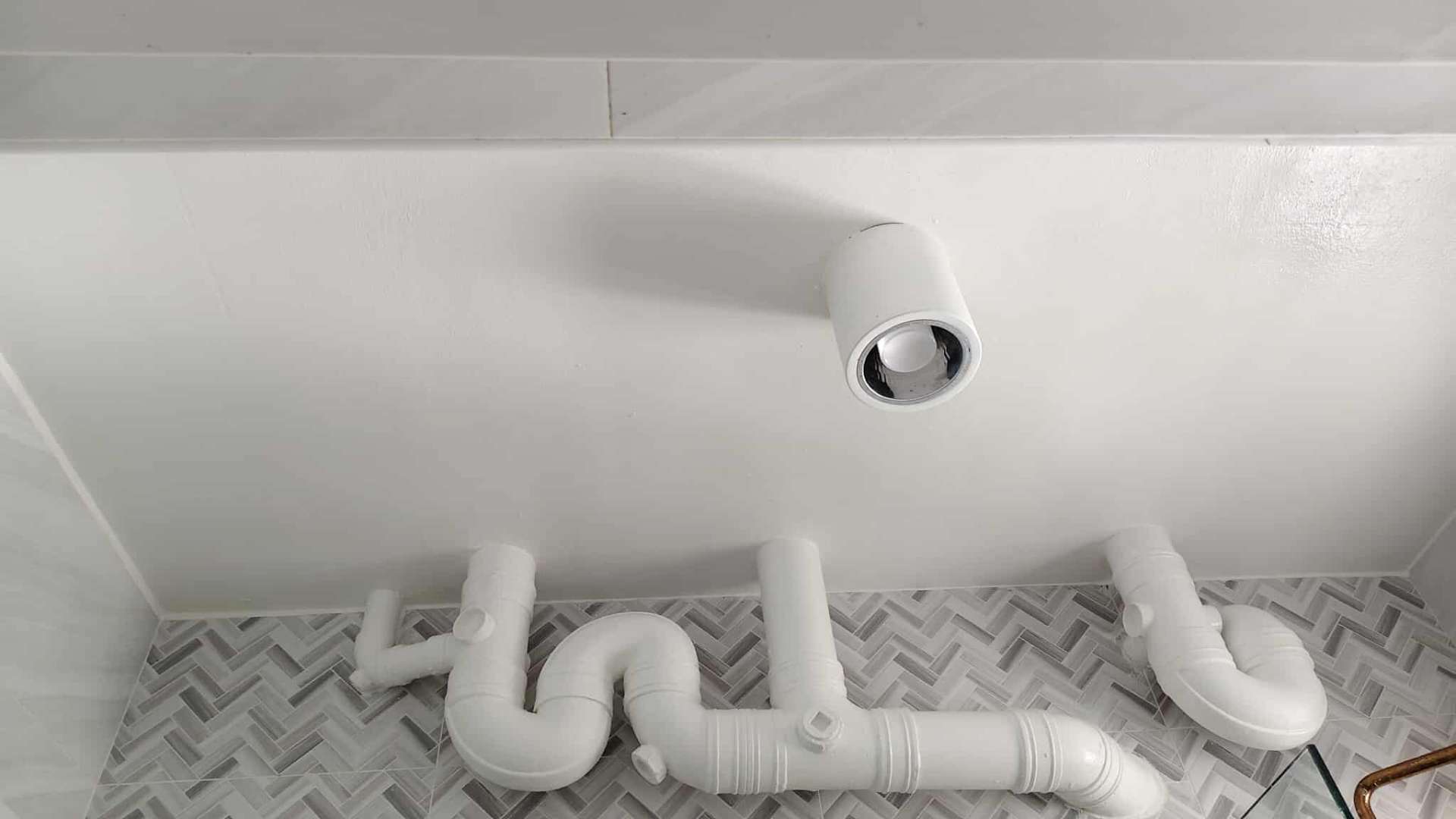
- Bathroom ceiling and the bedroom wall shared with the bathroom
- Bath towels — replace and switch to daily-fresh
- Bomb shelter or store room used for clothing storage
- Soft toys and bedroom rugs
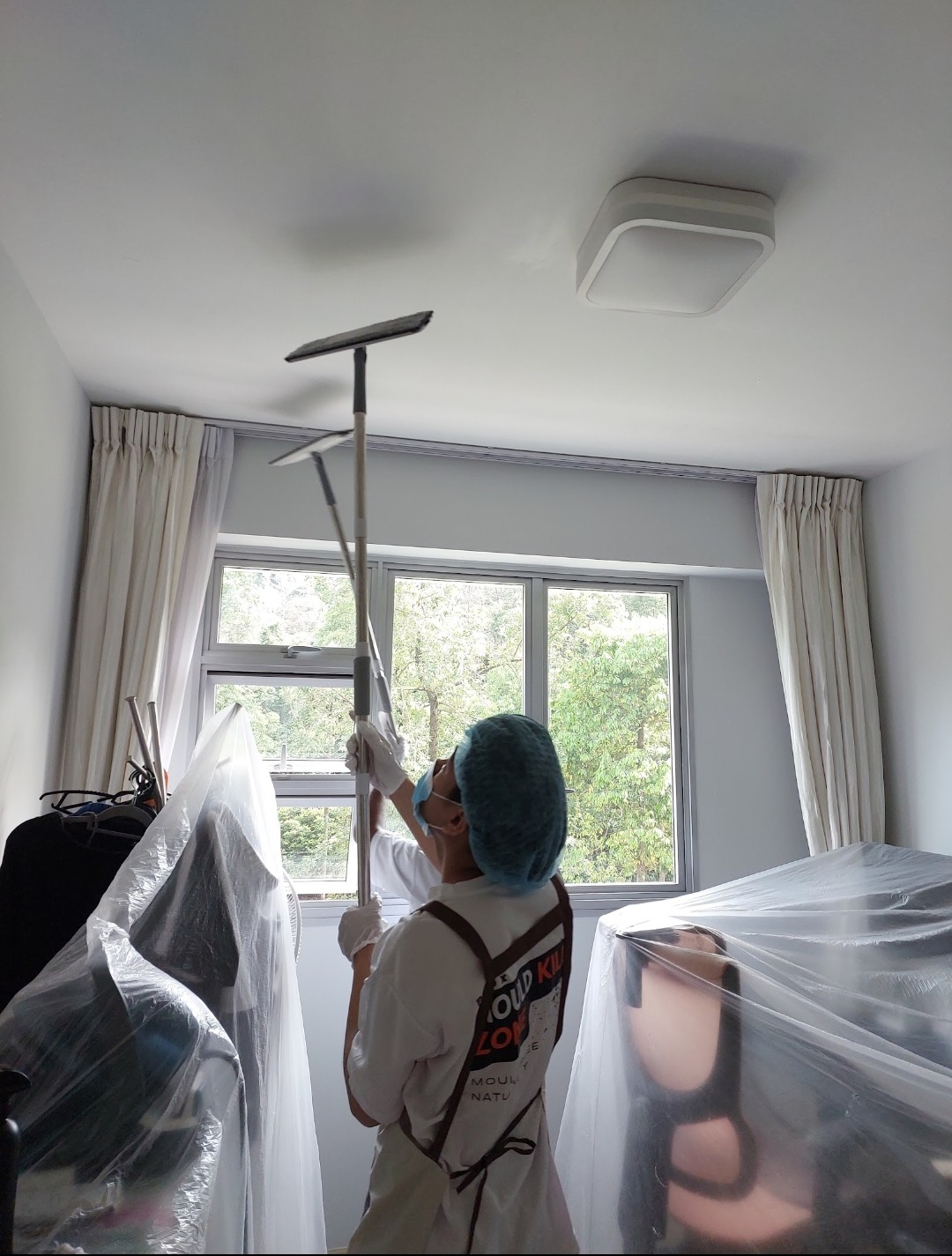
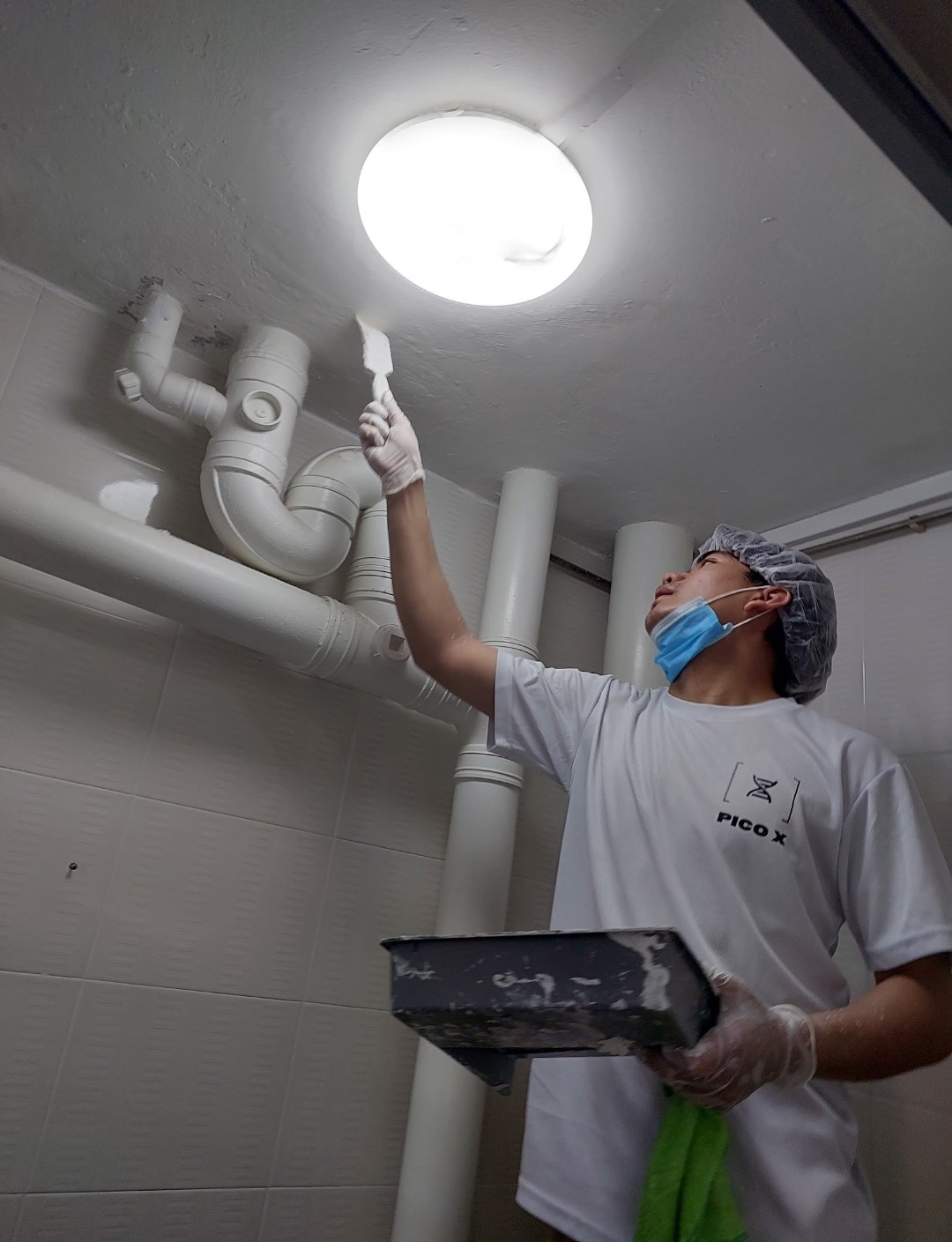
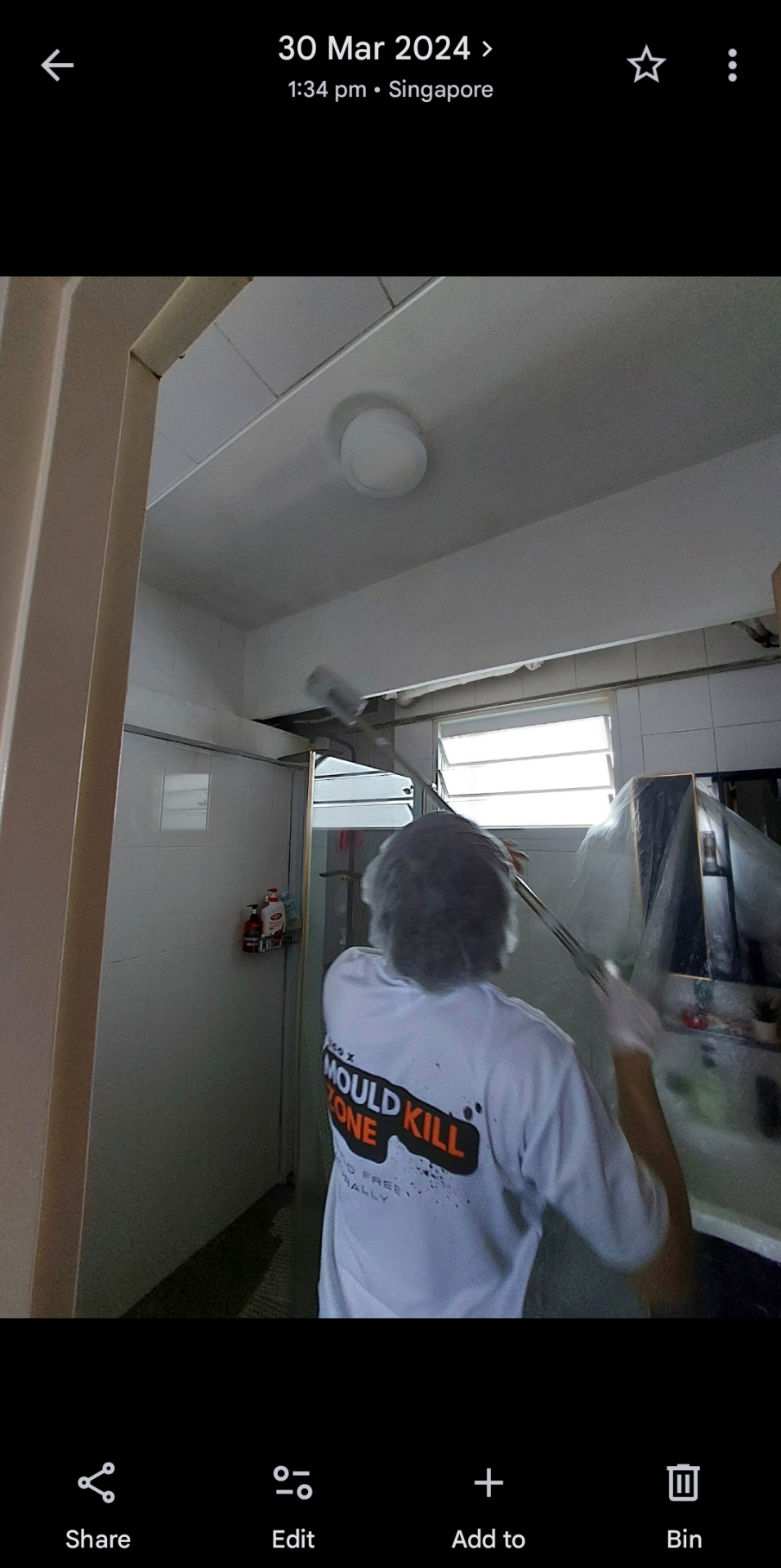
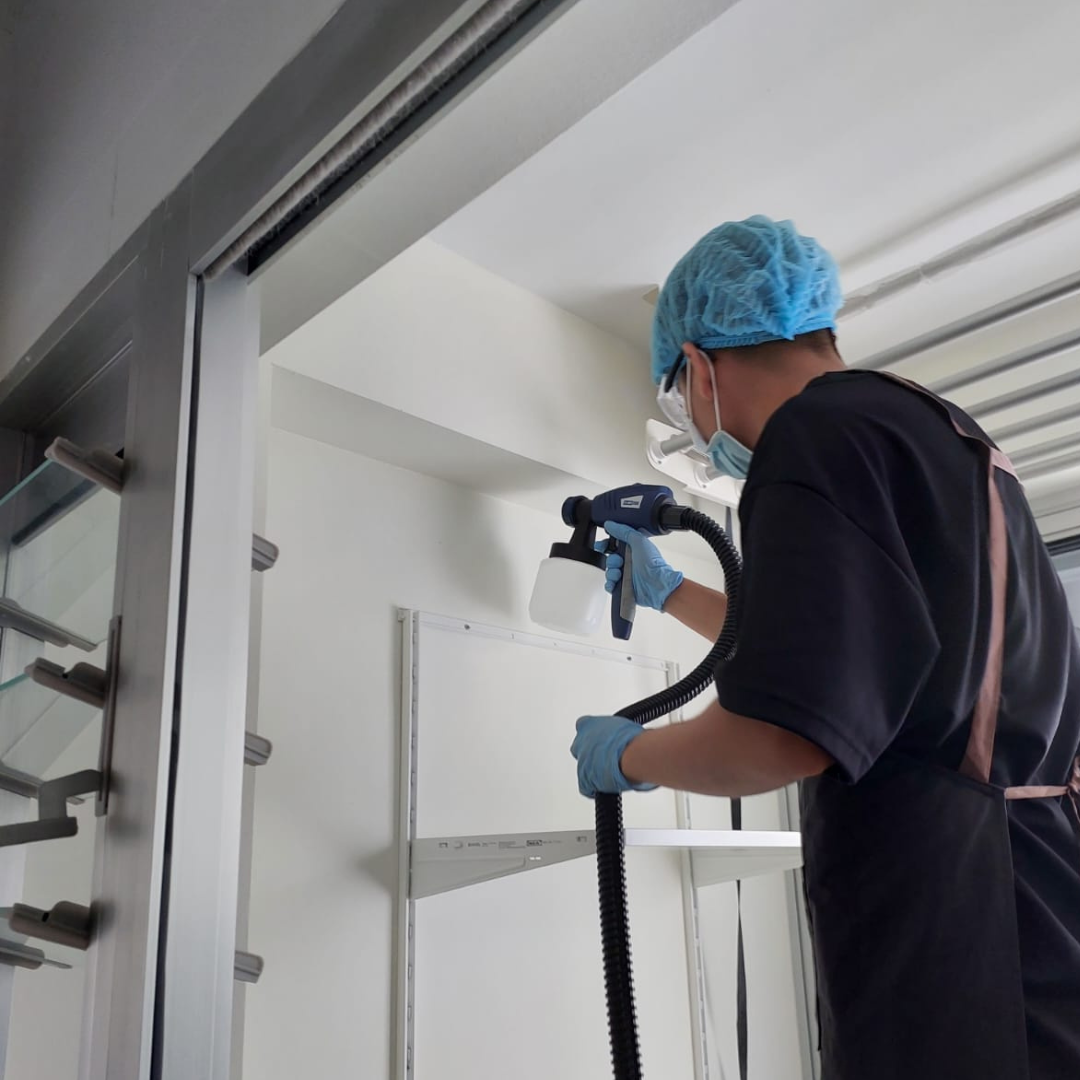
Eczema-Safe Remediation Protocol
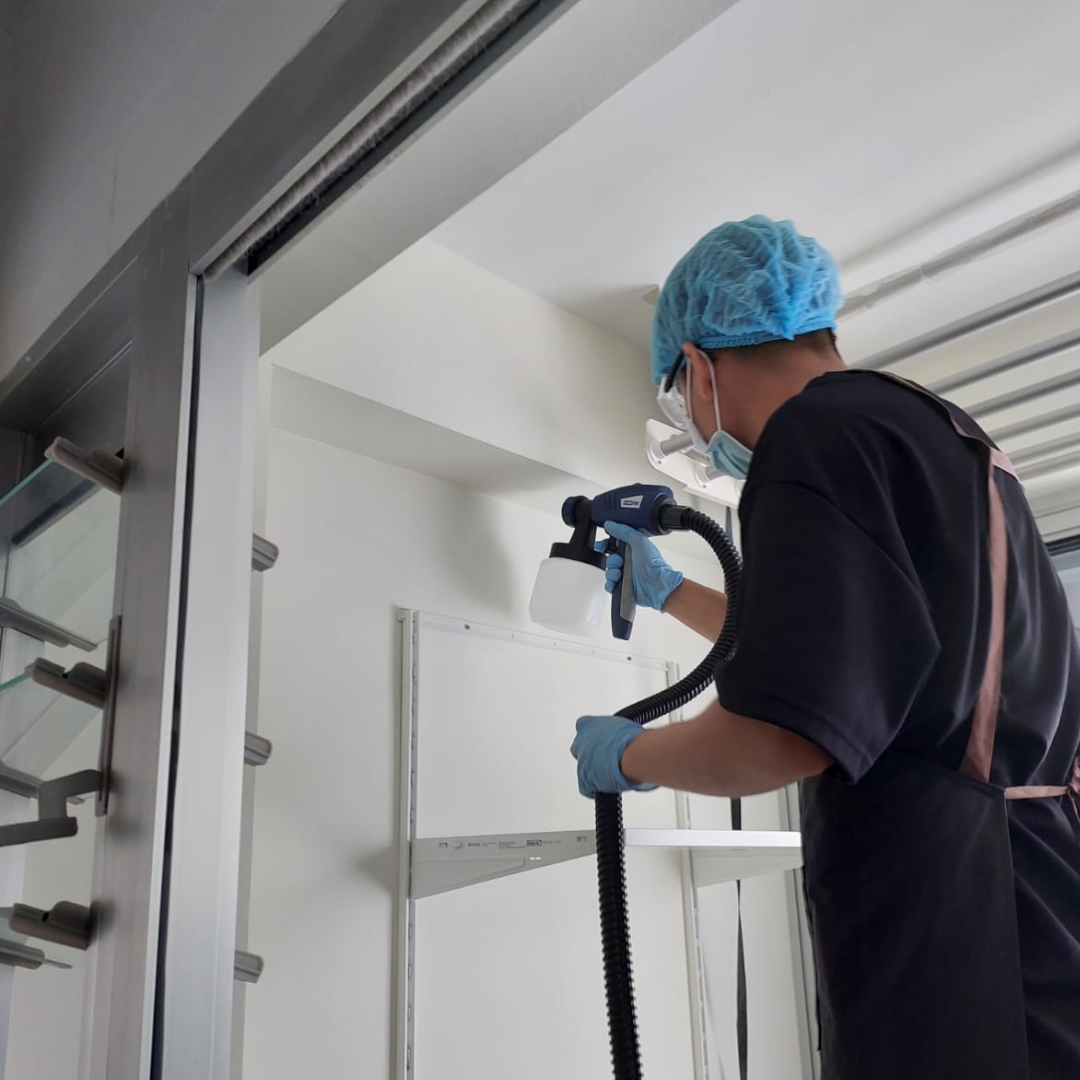
- Eczema sufferer relocated for the treatment day — typically 4–6 hours
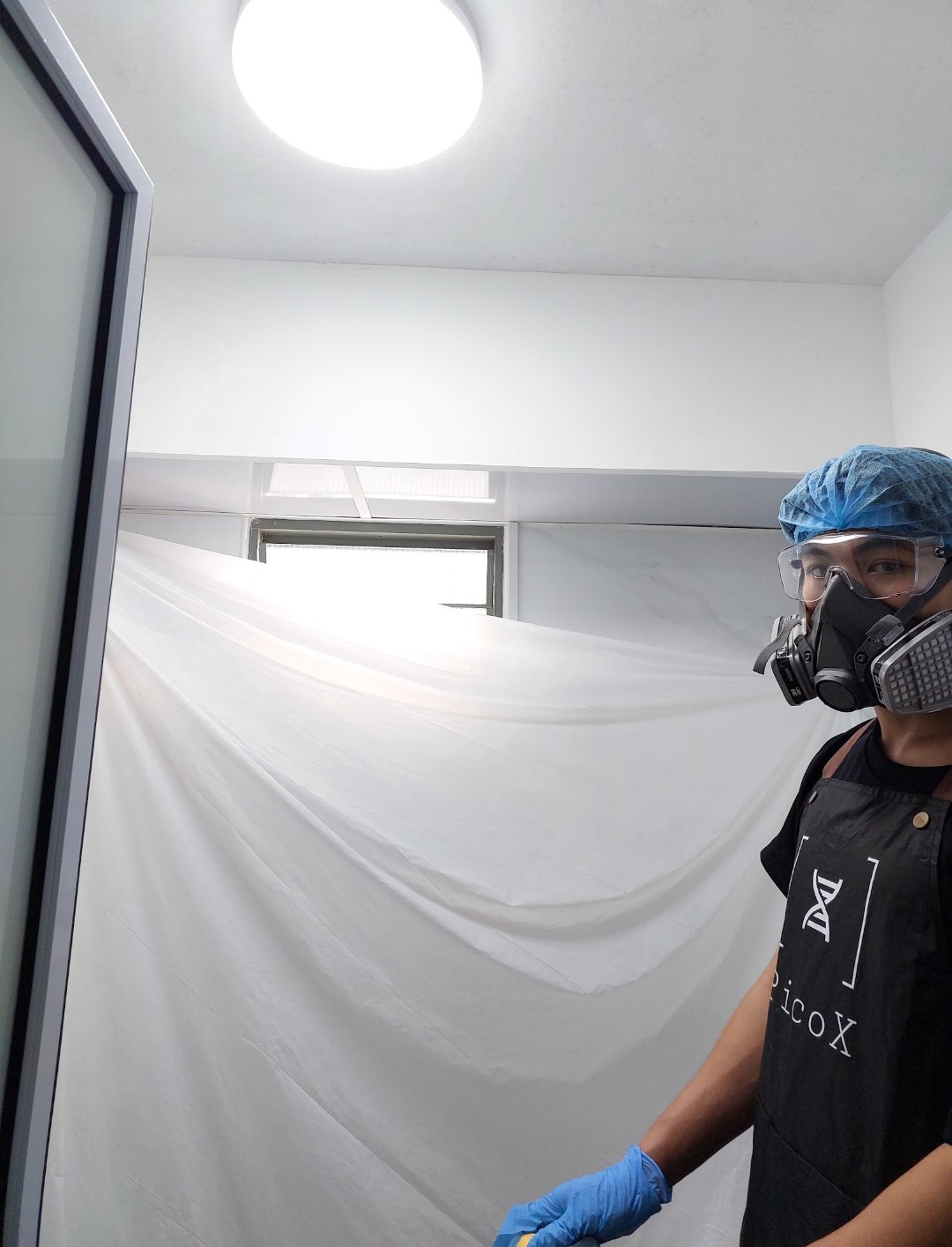
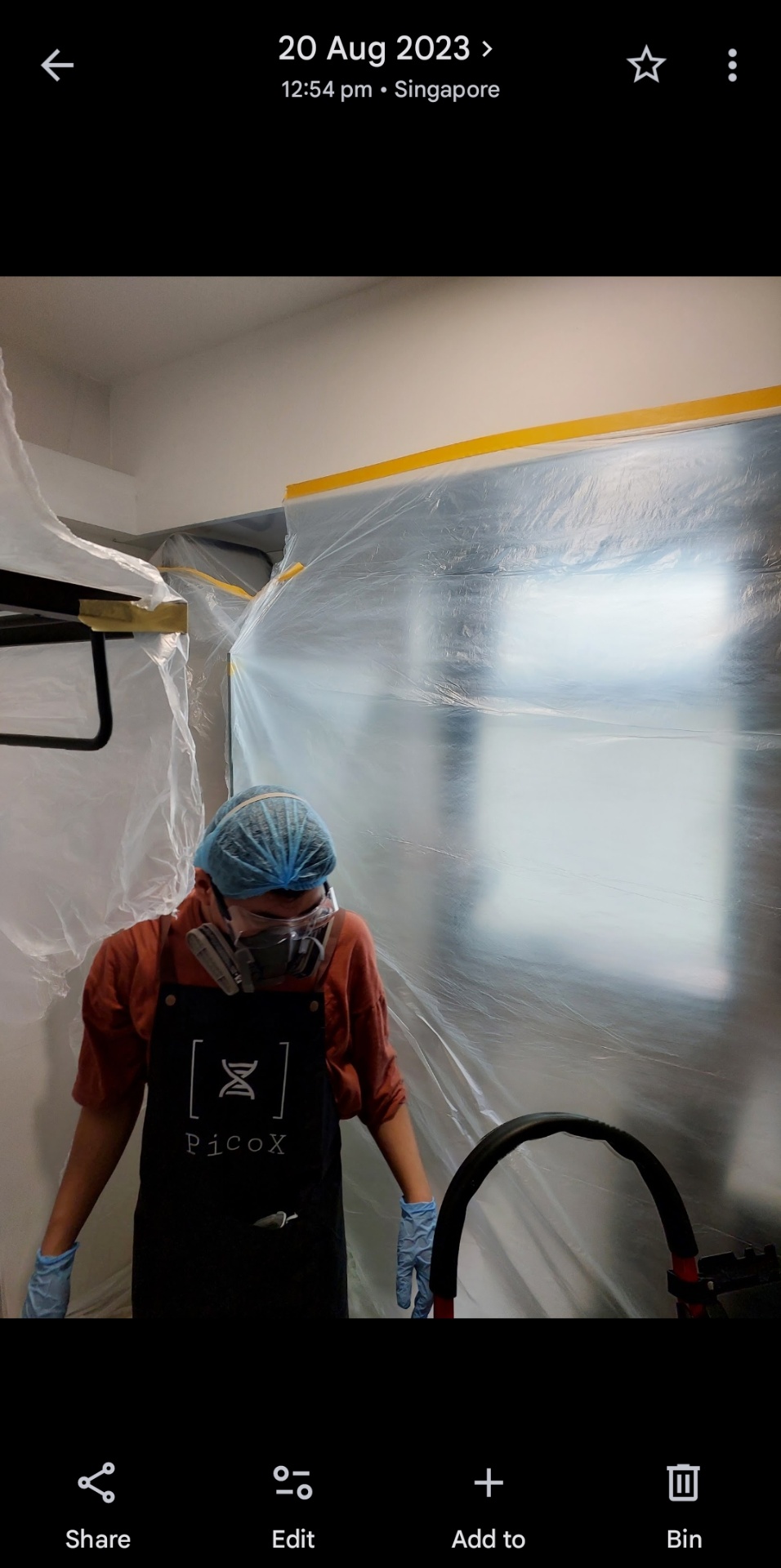
- Negative-pressure containment
- Botanical sporicidal antimicrobials only — bleach and quaternary ammonium are themselves potent skin irritants and trigger contact dermatitis on damaged skin
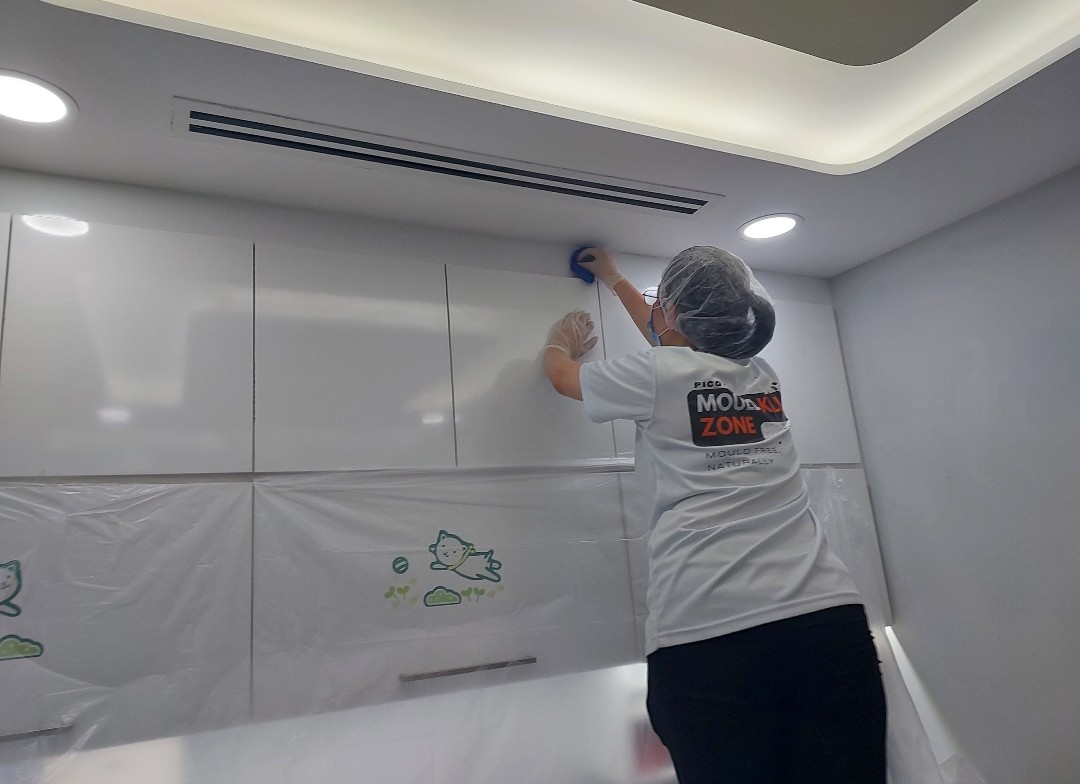
- Vacuum + wet-wipe on every surface in the work zone
- HVAC isolation and coil clean almost always indicated
- Mattress and pillow replacement recommended if visibly affected or musty
- Post-treatment air sampling for the dermatology clinic record
Coordination with Your Dermatologist
Bring three things to your next dermatology visit: photographs of any visible household mould, a 4-week flare diary noting time-of-day and location, and our post-treatment clearance report (if remediation has been done). Many eczema patients on chronic moderate-potency topical steroids are able to step down or move to maintenance-only after source remediation.
Related Reading
Frequently Asked Questions
Can mould directly cause eczema?
Mould does not cause eczema in someone without the underlying barrier defect, but it is a major flare trigger and accelerates the atopic march in genetically predisposed individuals. Removing the source frequently allows topical steroid stepdown.
My eczema cream stopped working — could it be mould?
If you have escalated topical steroid potency without sustained benefit, environmental triggers — including mould — are worth investigating before going further up the steroid ladder. A 4-week flare diary plus a home audit usually reveals the pattern.
Are dehumidifiers safe with eczema?
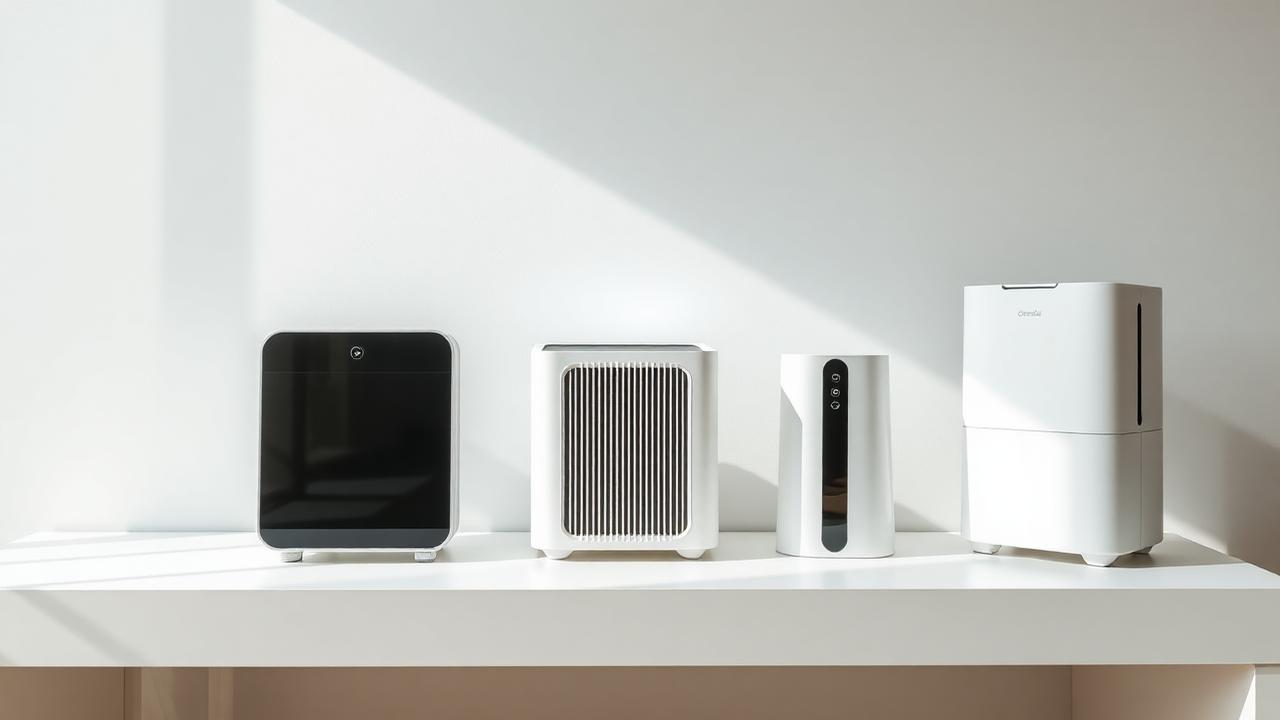
Yes, and often beneficial. Indoor humidity below 60% reduces both mould growth and dust-mite reproduction. Aim for 50–55% in bedrooms, monitored with a cheap hygrometer. Avoid going below 40% which can dry the skin further.
Should I throw out my mouldy mattress?
If the mattress is visibly affected or smells musty, yes — fungal hyphae penetrate the foam beyond surface cleaning. Encasings will not solve an established colony. The cost of replacement is usually less than 6 months of escalated topical steroid plus dermatology visits.
Is there a link between mould and head-and-neck eczema?
Yes — head-and-neck distribution often points to Malassezia involvement, a yeast that overgrows in humid conditions. Anti-fungal shampoo (ketoconazole) and ambient humidity reduction help. Source mould remediation reduces total ambient yeast load.
Will my child outgrow mould-triggered eczema if we move?
Many children with atopic dermatitis improve in adolescence regardless of triggers, but ongoing mould exposure in childhood accelerates the atopic march into food allergy, allergic rhinitis and asthma. Removing the trigger now improves long-term trajectory even if the eczema would have improved anyway.
Ready to take action?
Get a free WhatsApp photo assessment — honest triage, transparent pricing Limited-time promoat $199.
WhatsApp Photo Quote Call +65 8751 5146