How Mould Triggers Asthma — The IgE Pathway
Asthma is fundamentally an inflammatory disease of the airways, and mould drives that inflammation through three distinct mechanisms. The first is IgE-mediated allergy: spores of Alternaria, Cladosporium, Aspergillus and Penicillium bind to mast-cell IgE, triggering histamine, leukotriene and prostaglandin release within minutes — the classic immediate bronchoconstriction.
The second is direct airway irritation. Microbial volatile organic compounds (MVOCs) — the musty smell — and beta-glucans from fungal cell walls activate epithelial Toll-like receptors, producing a non-IgE inflammatory response that does not show up on standard allergy tests but still drives wheeze, cough and reliever use.
The third, particularly in patients with poorly controlled or steroid-dependent asthma, is allergic bronchopulmonary aspergillosis (ABPA): the airways become colonised by Aspergillus, producing very high IgE levels, fixed airflow obstruction and central bronchiectasis. ABPA is under-diagnosed in Singapore and worth screening for in any difficult asthmatic with a mouldy home.
Singapore-Specific Asthma Triggers in the Home
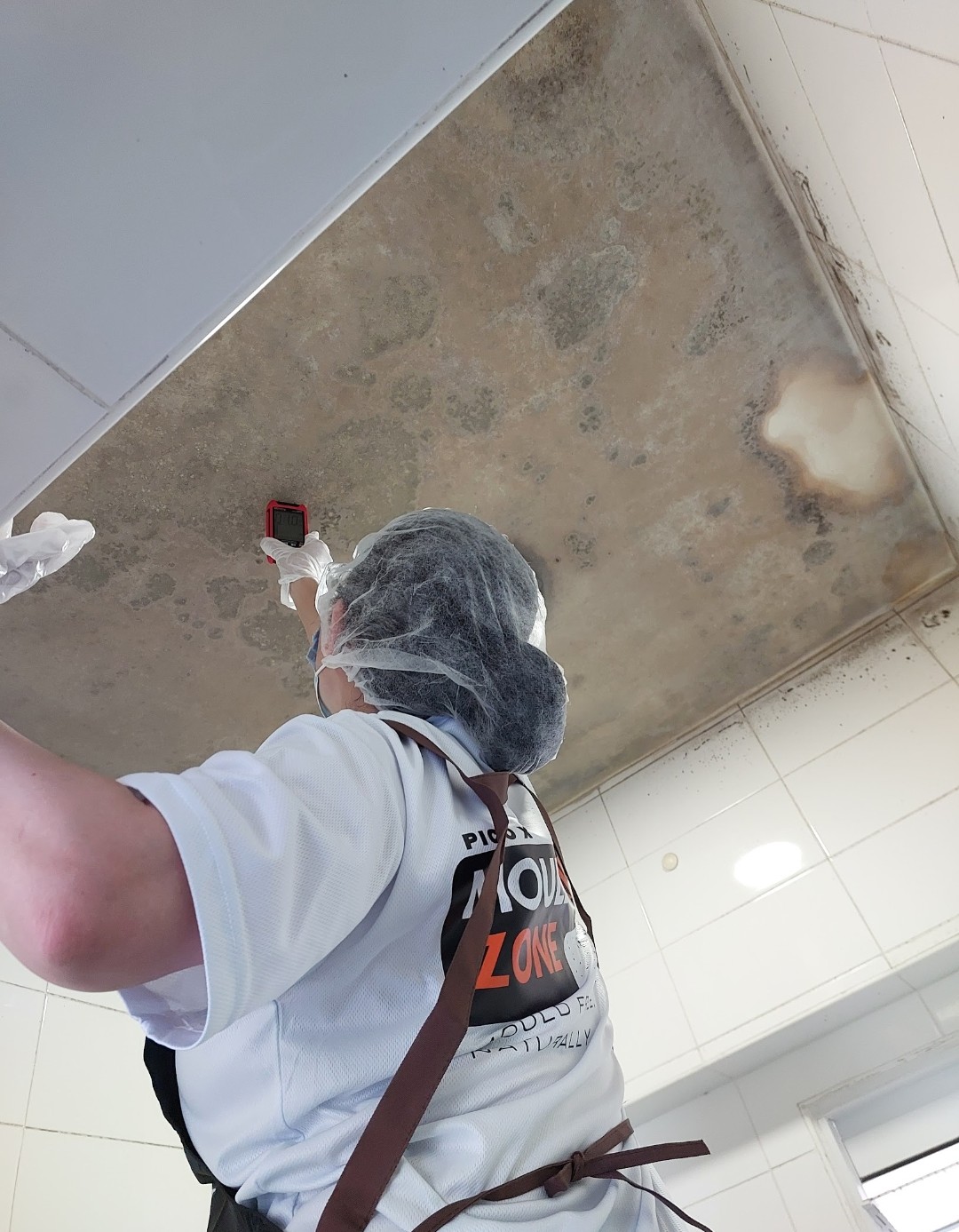
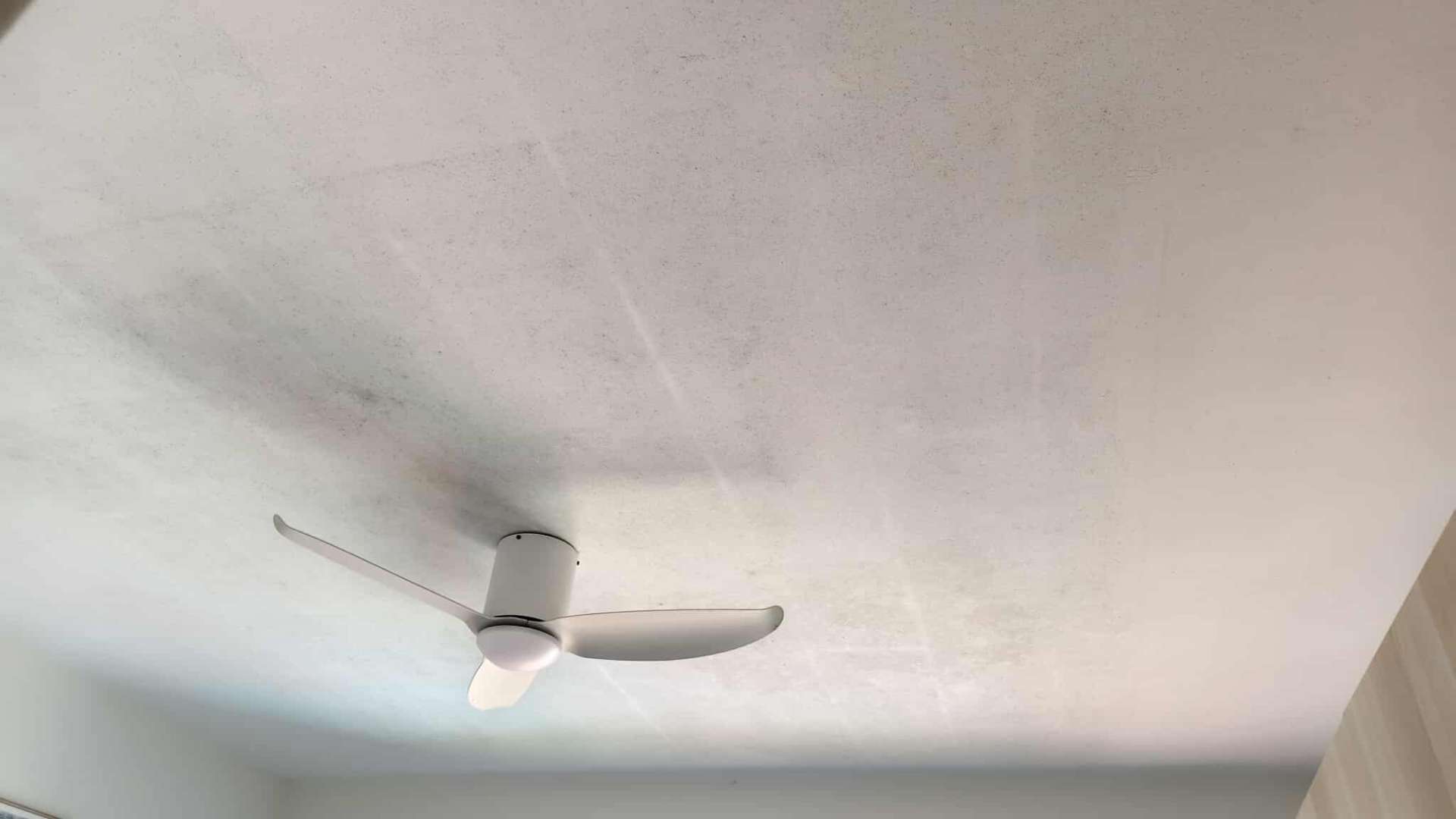
- Aircon biofilm — the single largest avoidable spore source in most Singapore homes; Cladosporium and Penicillium aerosolised with every compressor cycle
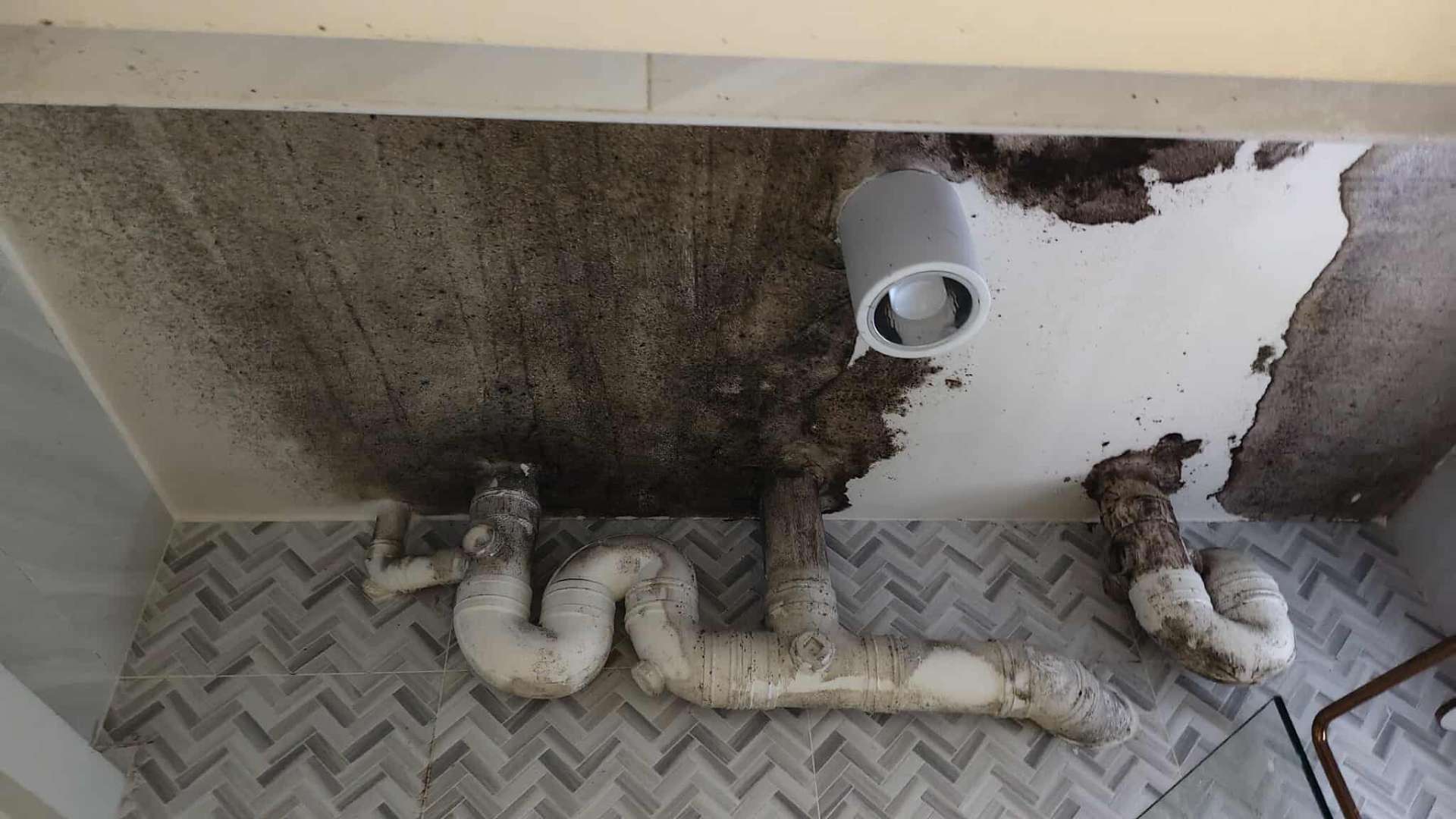
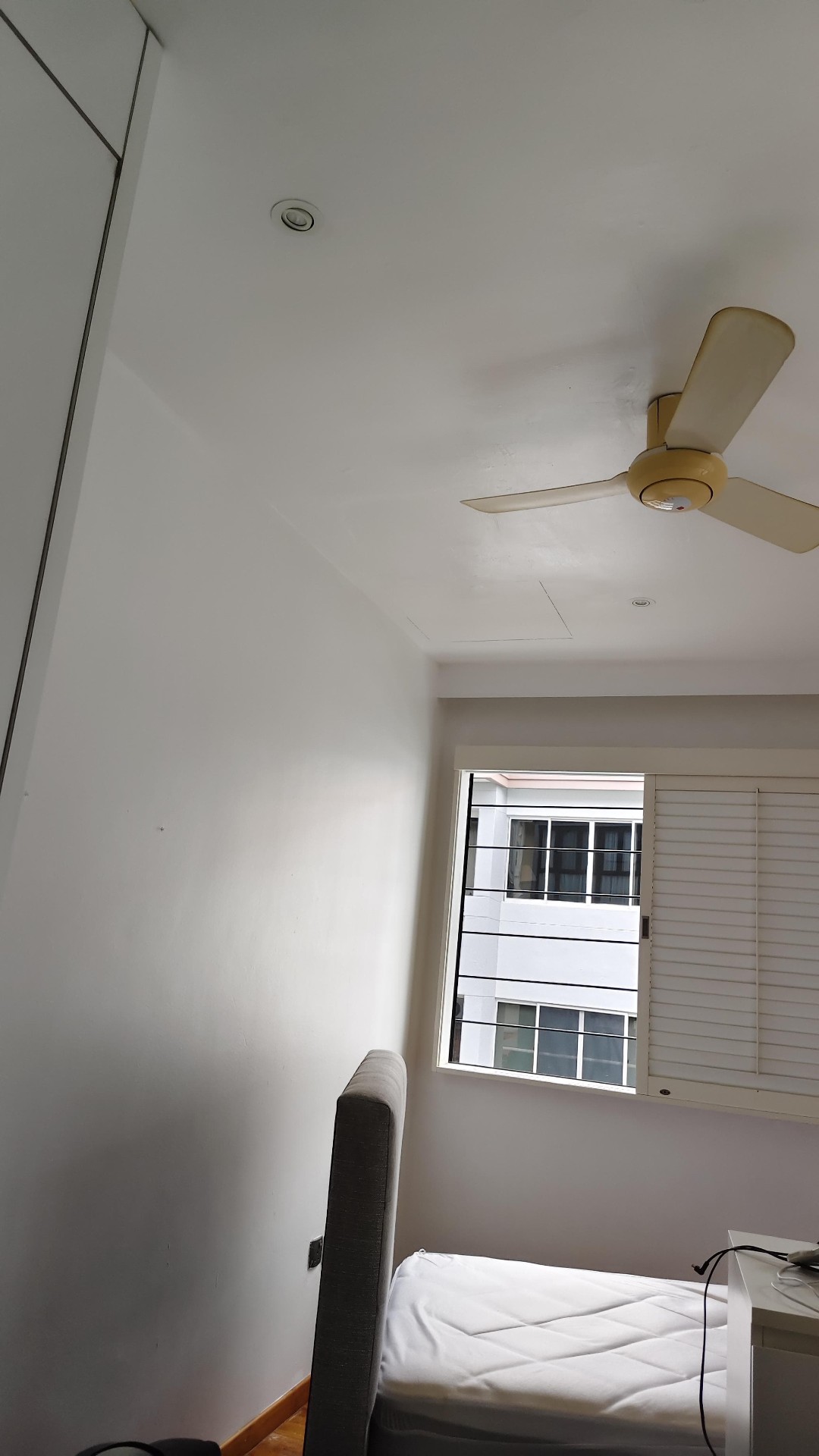
- Bathroom-adjacent bedrooms — moisture migration produces colonies on the bedroom side of the shared wall
- Wardrobes against external walls — closed humid air, north-facing wall, Aspergillus growth on the back of clothes
- Bomb-shelter storage — concrete walls without vapour barriers harbour Stachybotrys
- Monsoon humidity spikes — November–January and June–July transitions double indoor spore counts within 48 hours; reliever use predictably rises
- Soft furnishings — sofas, mattresses, plush rugs absorb spores and re-release them with every use
Asthma Symptoms Specifically Linked to Mould
- Wheeze that is worse at night or in the early morning, when bedroom aircon has been running for hours
- Reliever inhaler use that spikes after rainy weeks or after coming home from holiday
- Cough triggered within minutes of entering a specific room
- Worsening peak-flow readings during monsoon transitions
- New or escalating need for oral steroid bursts
- Symptoms improve away from home (workplace, holiday, grandparents') and recur within hours of returning
- Eczema or rhinitis flares running parallel with asthma flares
Long-Term Consequences of Continued Exposure
- Loss of asthma control — stepwise escalation of controller medication without addressing the trigger
- Allergic bronchopulmonary aspergillosis (ABPA) — fixed airflow obstruction and central bronchiectasis that does not fully reverse
- Airway remodelling — chronic inflammation produces sub-epithelial fibrosis and smooth-muscle hypertrophy that reduces baseline FEV1 permanently
- Steroid-related side effects — escalating inhaled and oral steroids carry their own long-term cost: osteoporosis, cataracts, adrenal suppression, weight gain
- Hypersensitivity pneumonitis — granulomatous lung disease with fibrotic potential
- Increased emergency presentations — observational data from Singapore A&E departments shows asthma admissions track monsoon humidity spikes
Pre-Cycle Audit Checklist for Asthmatic Households
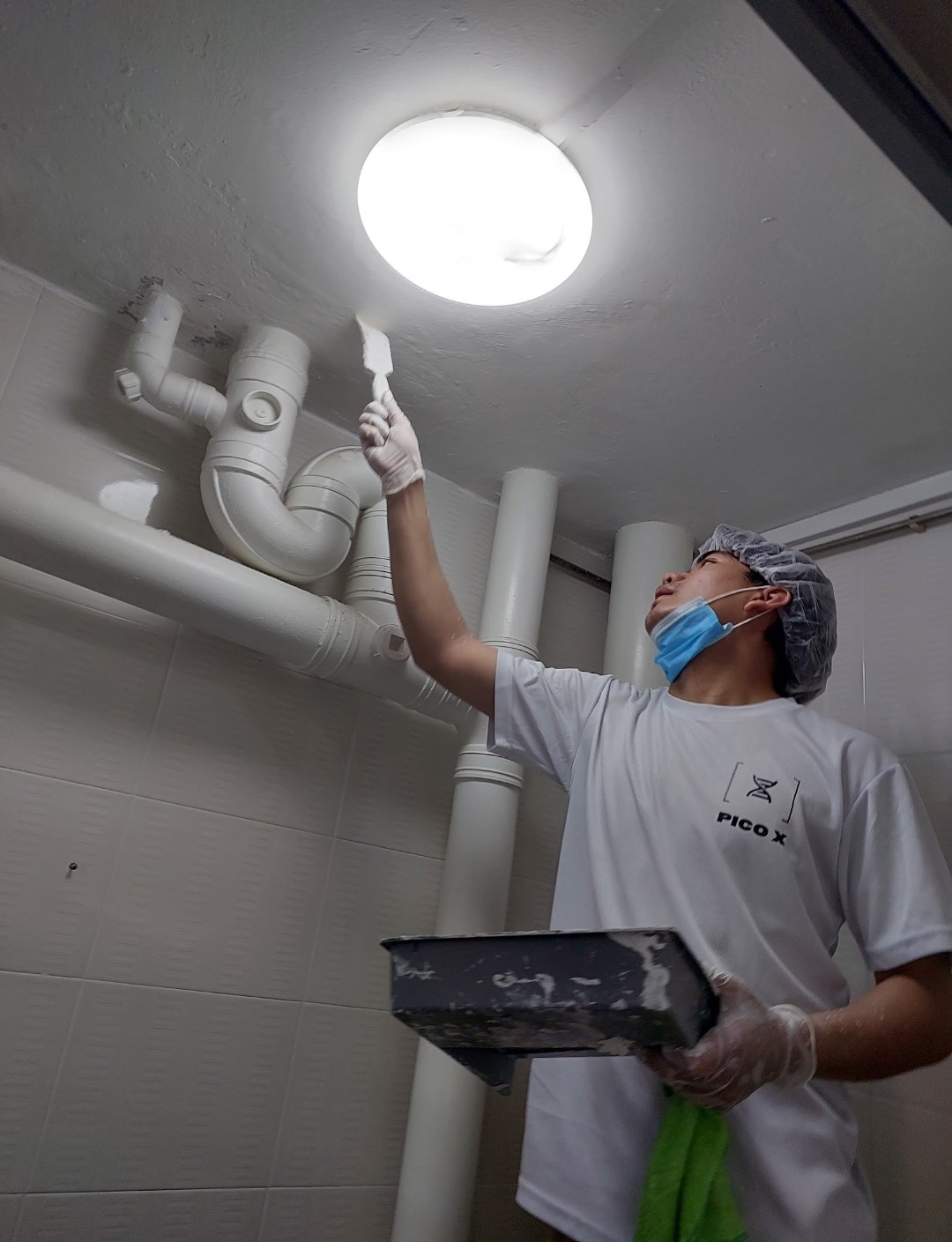
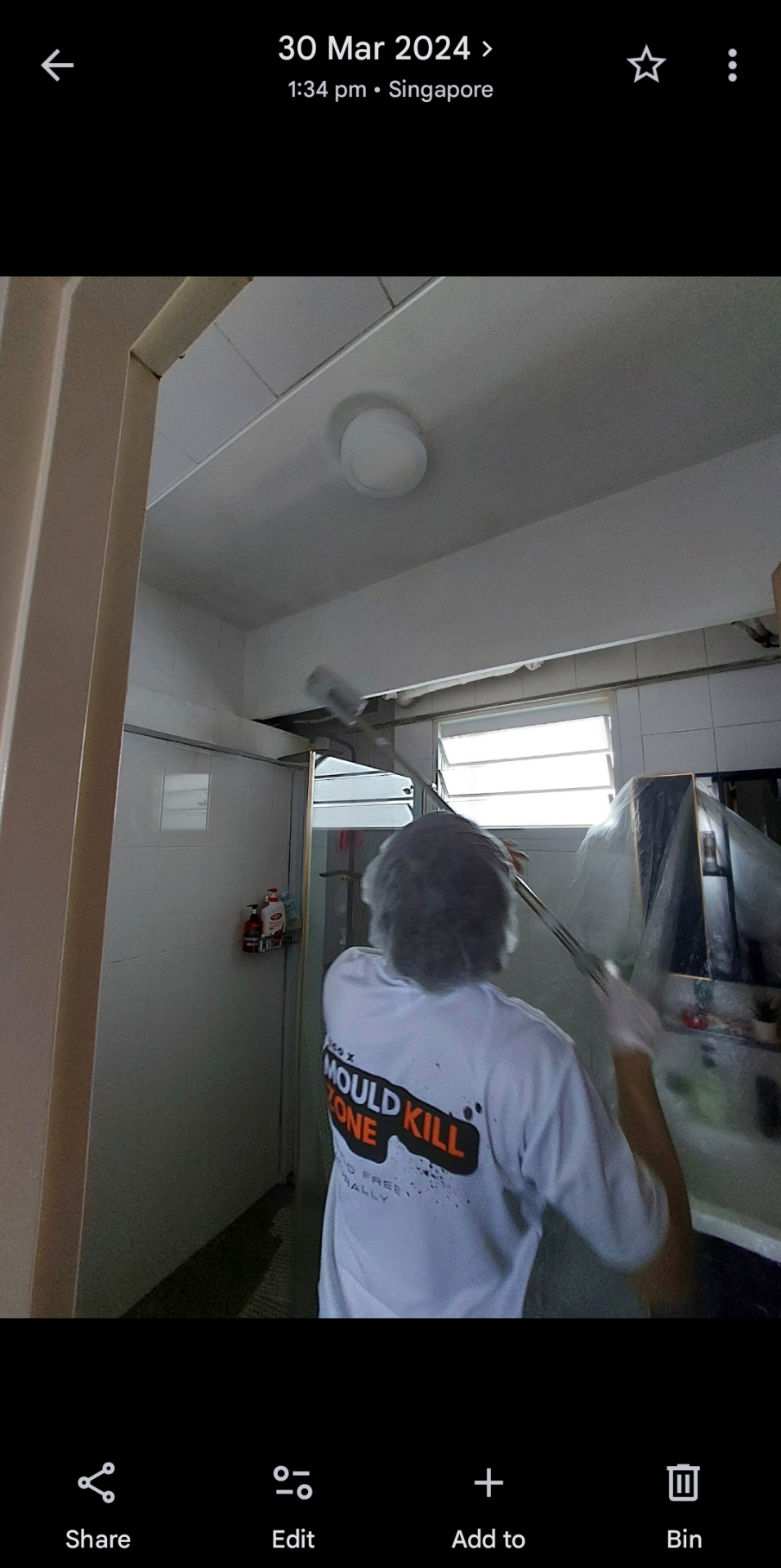
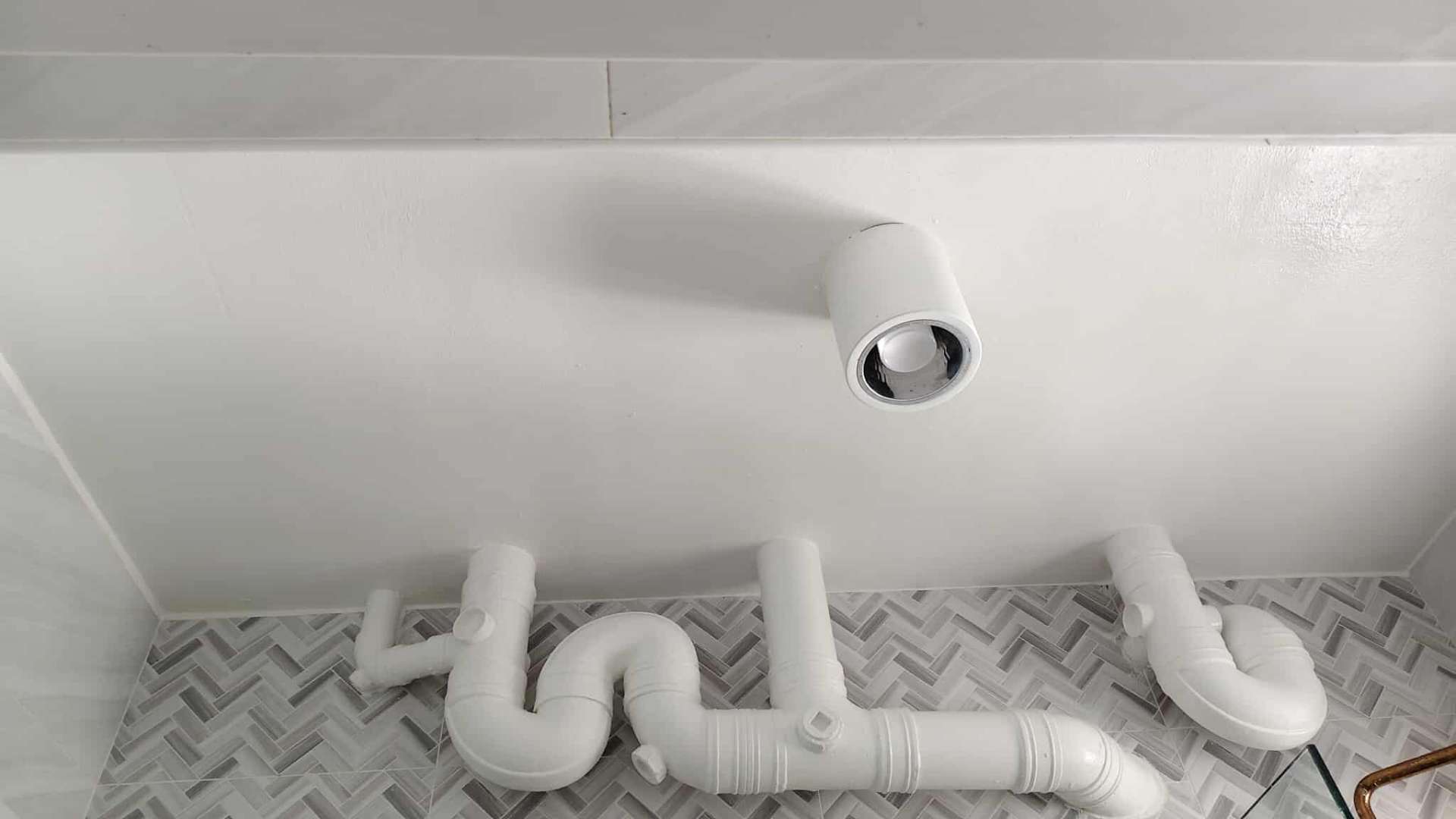
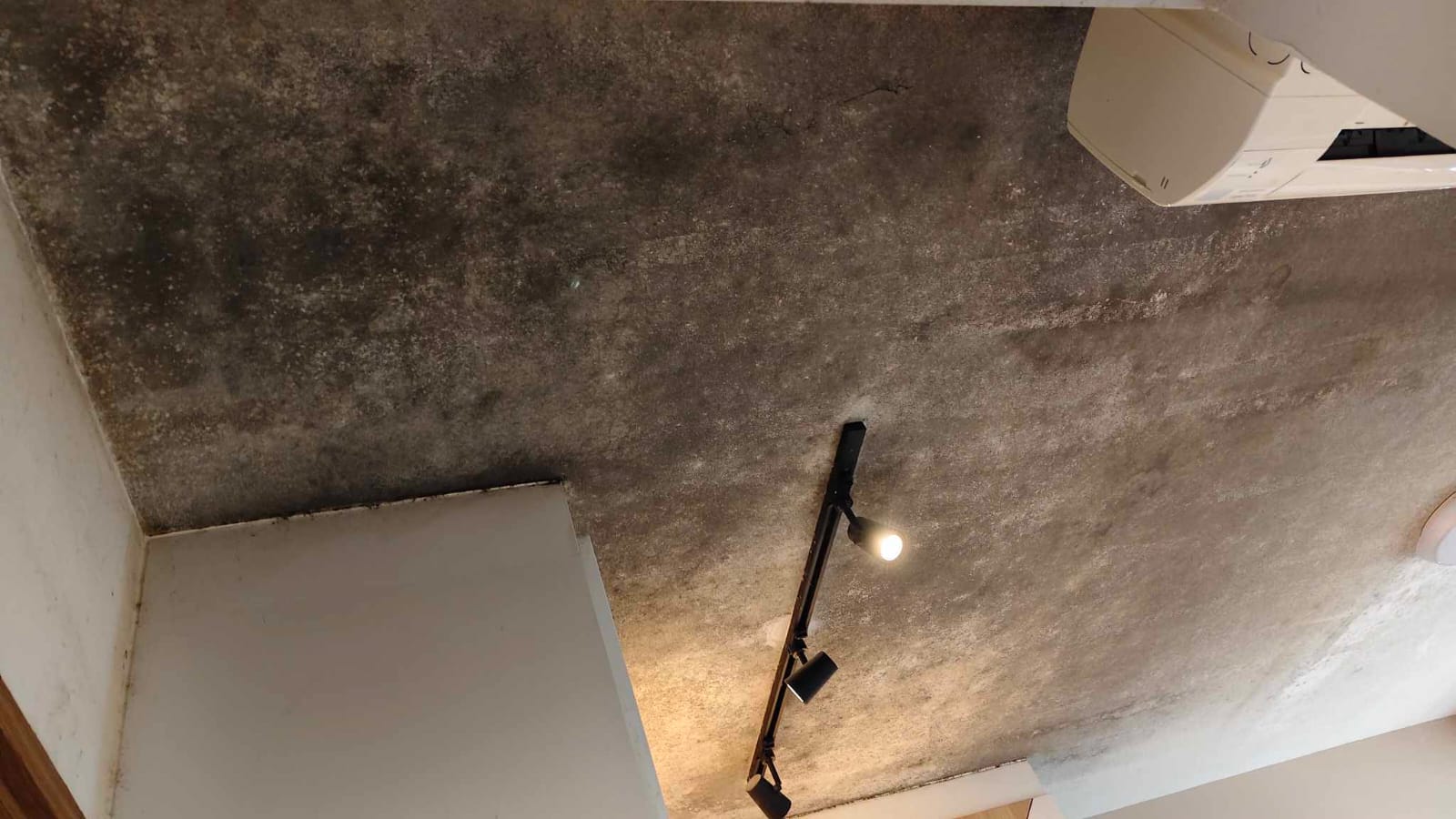
- All bathroom ceilings and the bedroom wall shared with the bathroom
- Aircon evaporator coil — open the front cover; black film mandates a coil clean
- Wardrobe back wall and inside any built-in carpentry
- Bomb shelter and store-room walls
- Window frames and the wall directly below window aircons
- Behind any wallpaper, especially over previously damp walls
- Soft furnishings that smell musty — replace or deep-clean
- Bedroom carpet and rugs — high-pile carpet is incompatible with mould-triggered asthma
Asthma-Safe Remediation Protocol
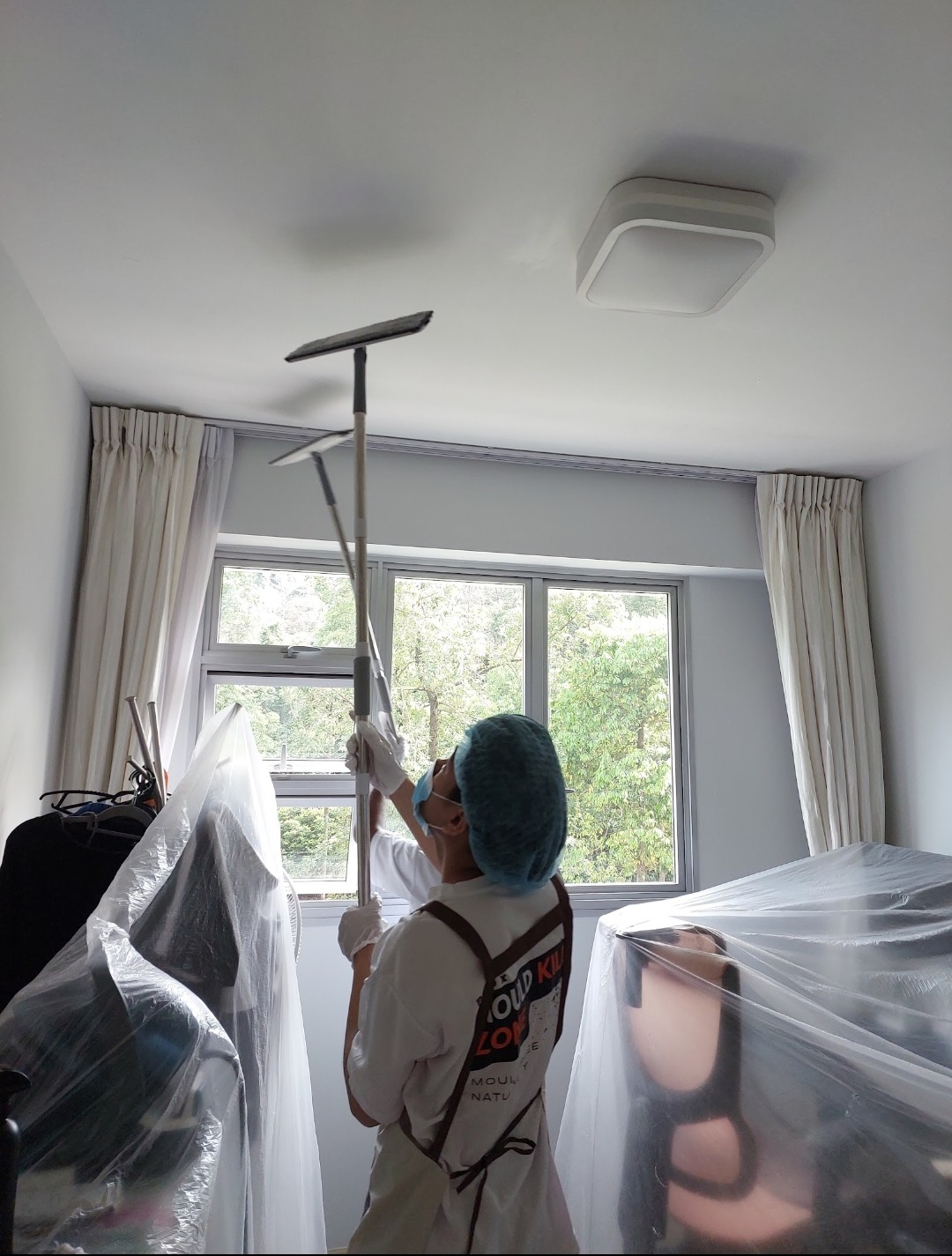
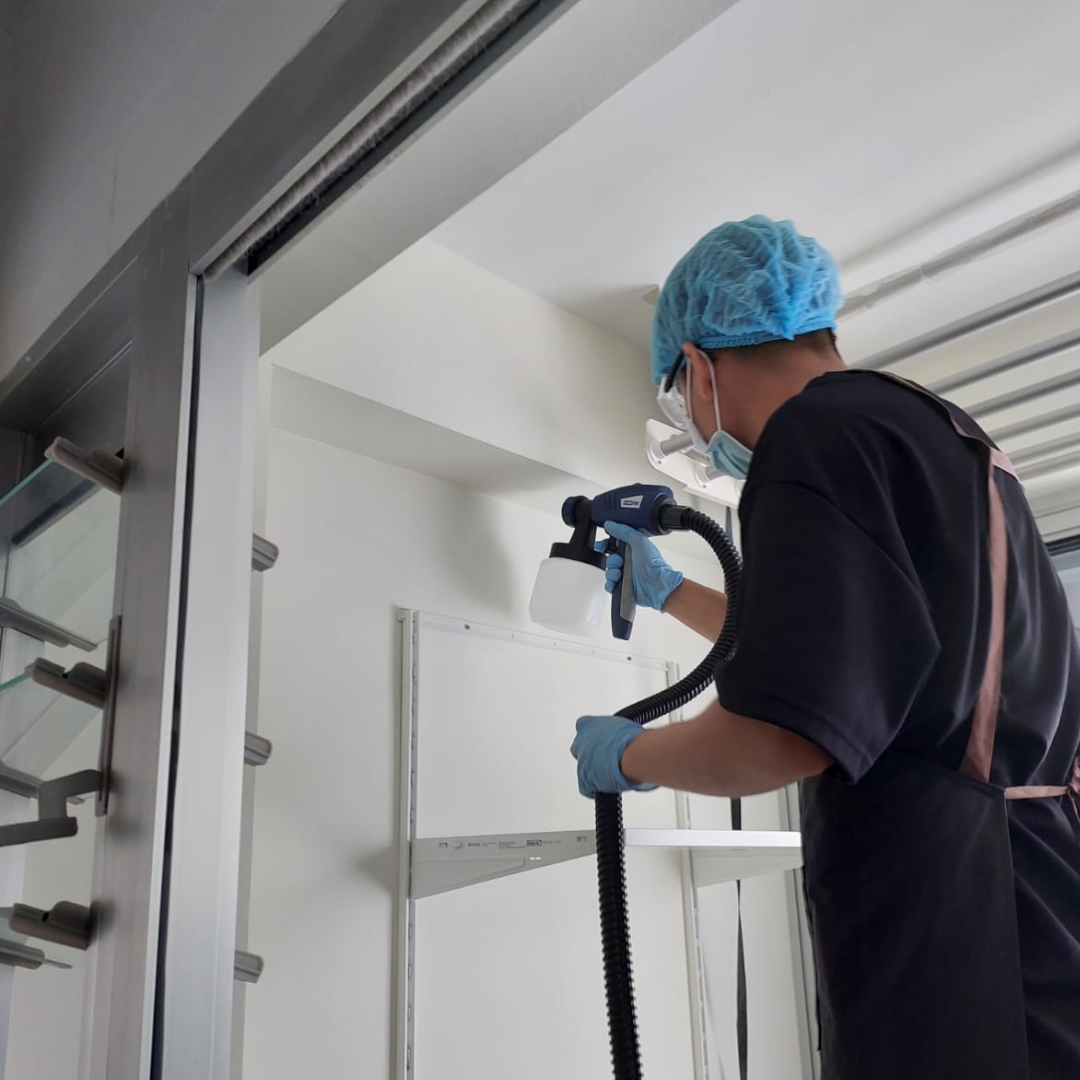
- Asthmatic occupant relocated for the entire treatment day — typically 4–6 hours, ideally to a non-asthmatic-triggering environment
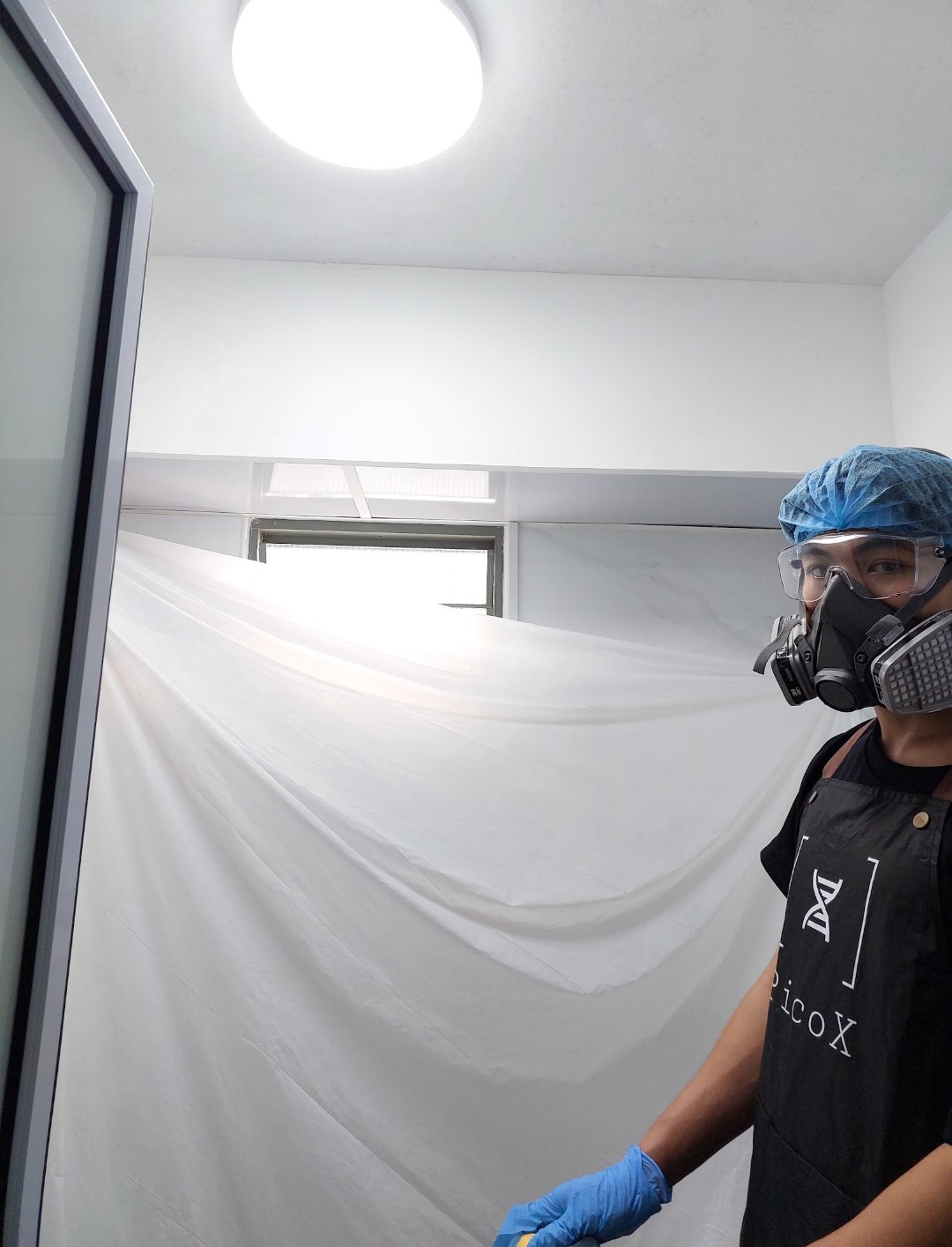
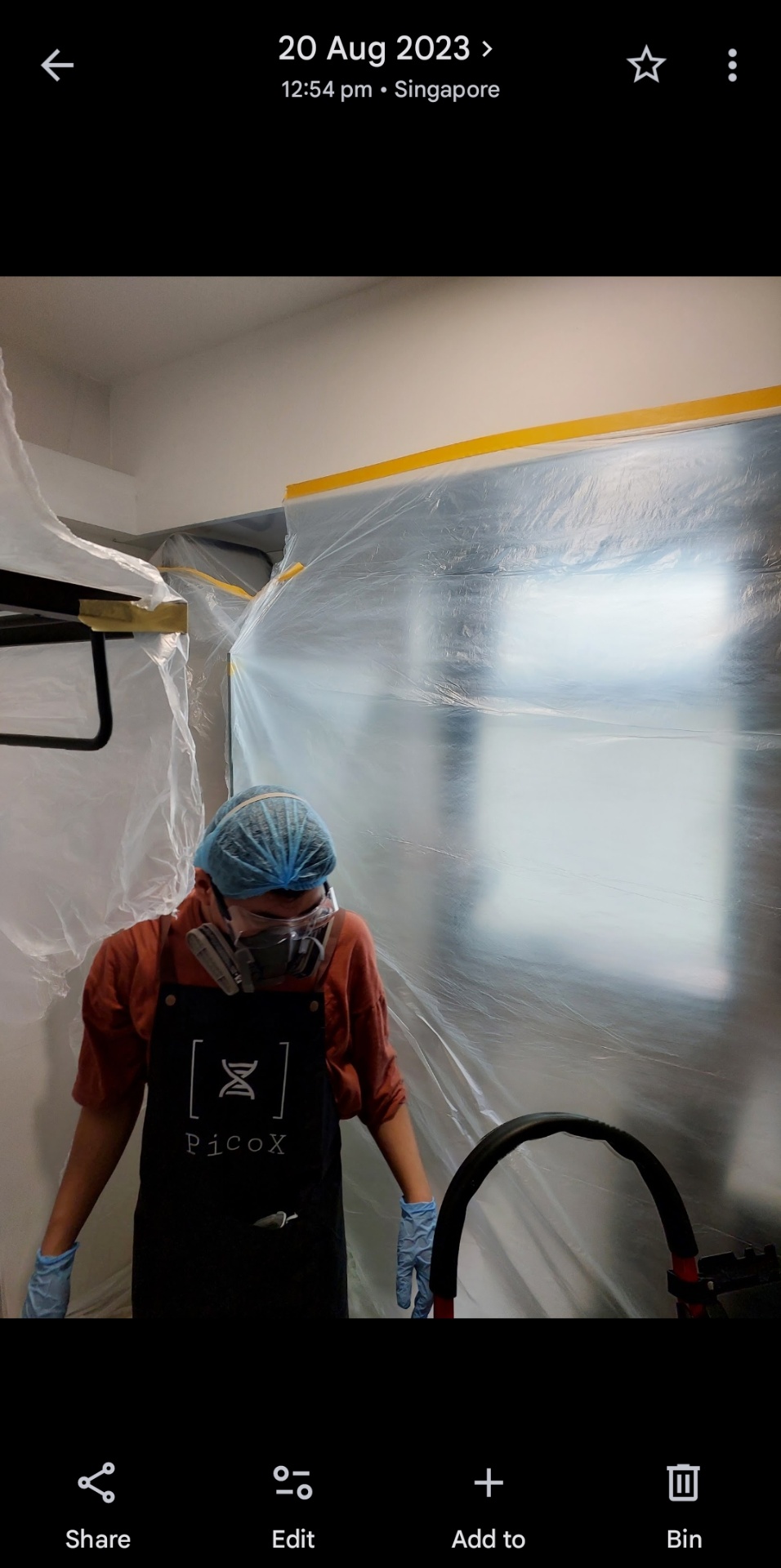
- Negative-pressure containment sealing the work zone from the rest of the home
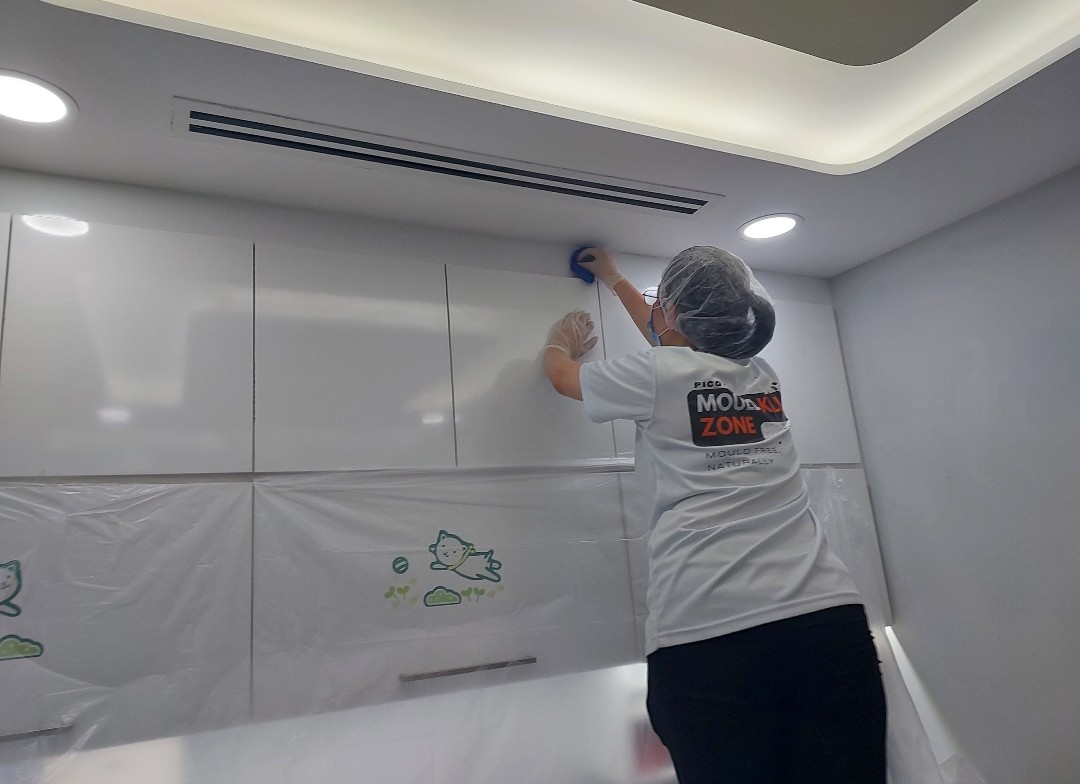
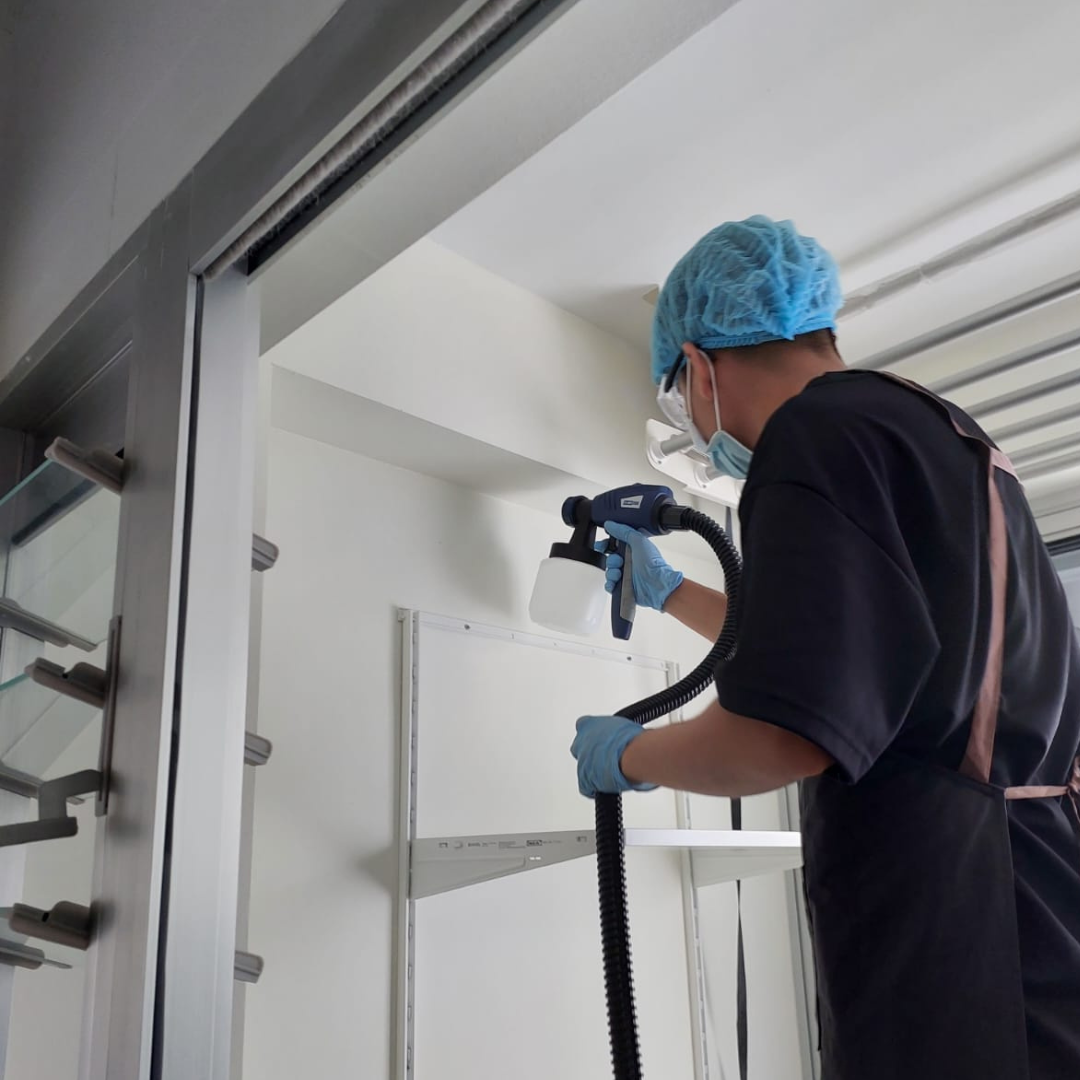
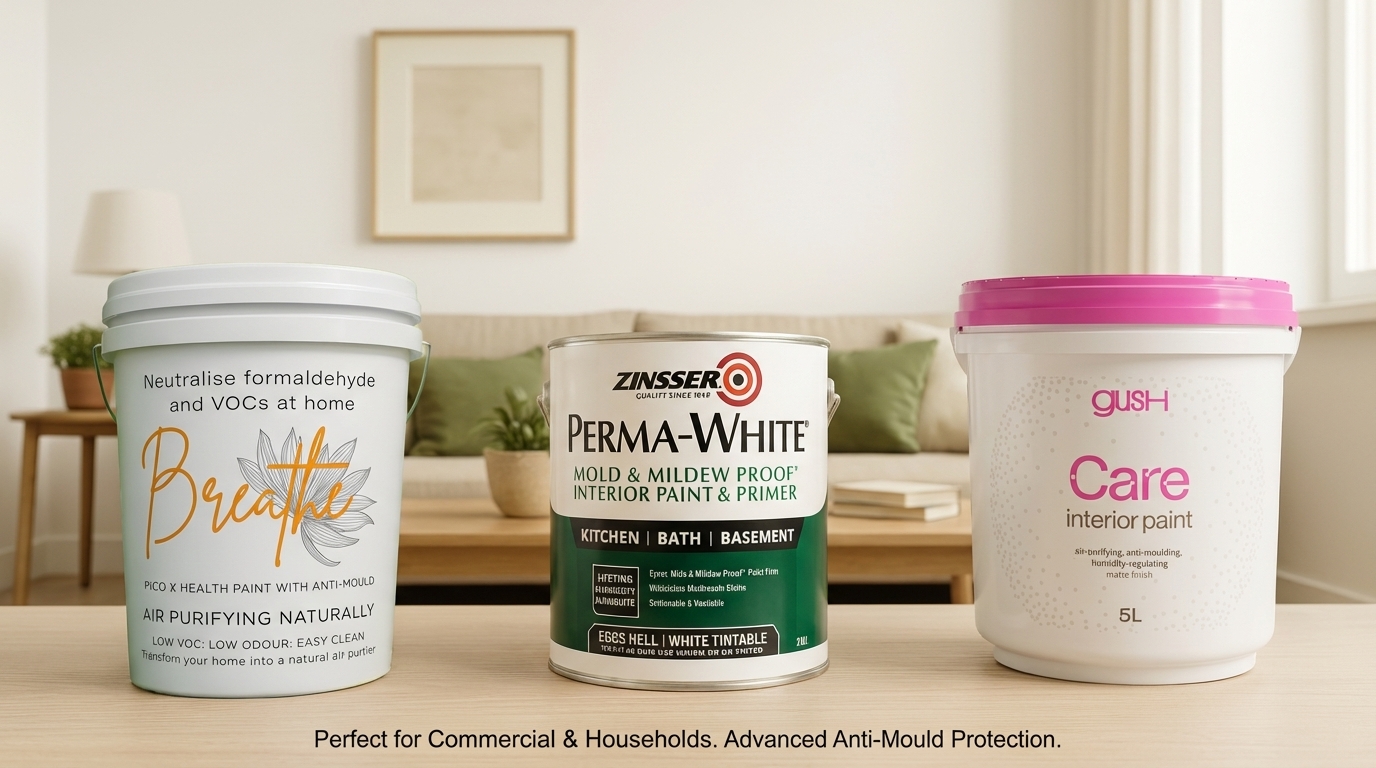
- Botanical sporicidal antimicrobials only — thymol and citric-acid based; no bleach, no quaternary ammonium, no chlorine dioxide (these are themselves potent asthma triggers)
- Substrate decision — porous materials with deep colonisation removed and replaced
- HVAC isolation and coil clean — almost always indicated for asthmatic households
- Post-treatment air sampling with written report for the asthma specialist
What to Tell Your Asthma Specialist
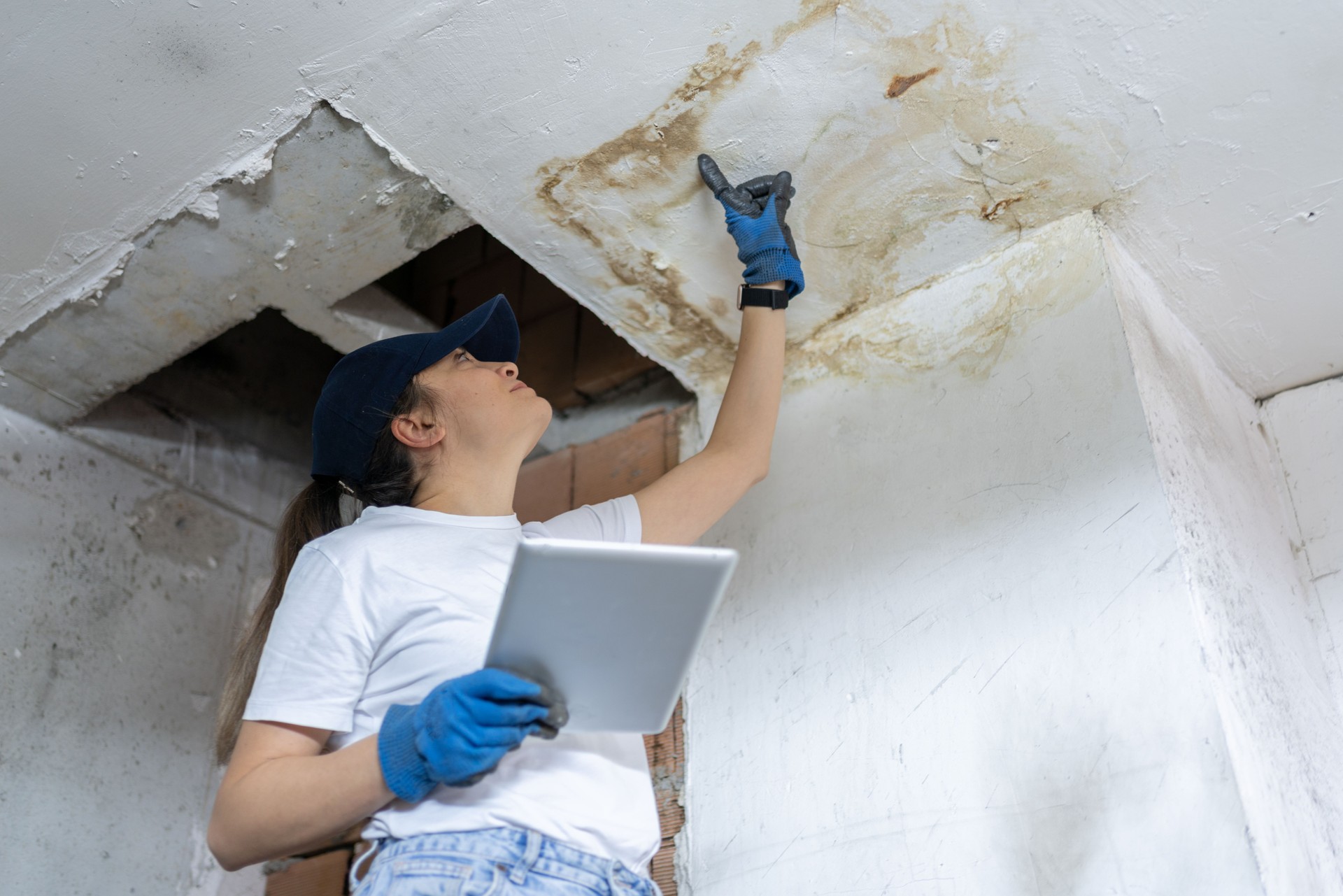
Bring three things to your next respiratory clinic visit: photographs of any visible household mould, a 4-week peak-flow diary noting time-of-day and location, and our post-treatment clearance report (if remediation has been done). This package often shifts the management plan from 'step up controller' to 'address environment first', which is both safer and cheaper long-term.
Related Reading
Frequently Asked Questions
Can removing mould cure my asthma?
Removing the trigger does not cure underlying asthma but frequently allows the controller medication to be stepped down and reliever use to drop substantially. For ABPA specifically, environmental remediation plus oral antifungals is part of the standard treatment.
I use my inhaler more on rainy weeks — is that mould?
Almost certainly. Indoor humidity rises during rainy spells, spore counts double within 48 hours, and reliever use predictably tracks. If a 4-week peak-flow diary shows a clear rain-correlation, environmental mould is the leading suspect.
Is mould remediation covered by insurance for asthmatics?
Some Integrated Shield Plans cover environmental remediation when documented by a specialist as medically necessary. A letter from the respiratory physician, plus our itemised invoice and clearance report, is usually sufficient documentation.
Should I get tested for ABPA?
If you have difficult-to-control asthma, recurrent oral steroid bursts and a known mouldy home, ask your respiratory specialist about screening for ABPA — typically total IgE level, specific Aspergillus IgE, eosinophil count and chest CT. ABPA changes management substantially.
Will a HEPA air purifier alone fix this?
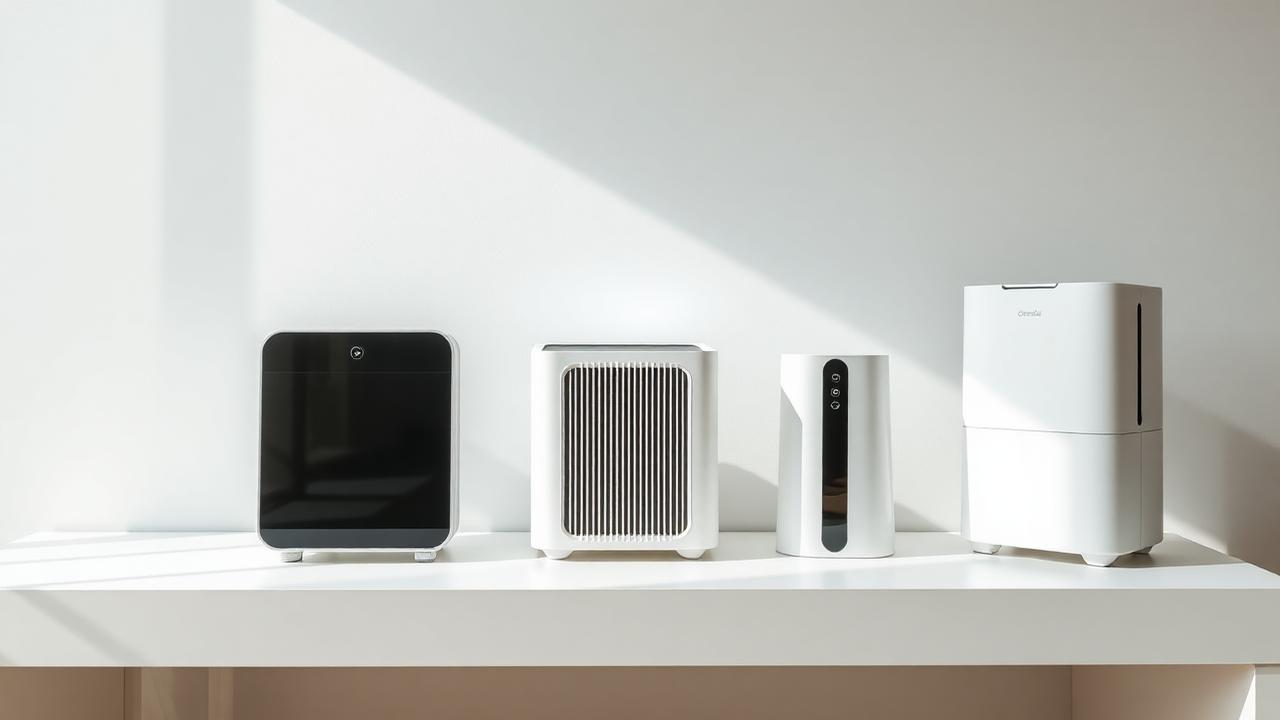
HEPA reduces airborne spore load temporarily but does not eliminate the source. As long as the colony is alive on a damp substrate it will keep producing spores faster than a portable purifier can clear them. is a useful supplement, not a substitute for source removal.
How quickly will my asthma improve after remediation?
Most asthmatic clients report measurable improvement within 2–4 weeks of source removal, with peak-flow stabilisation by 8–12 weeks. Full immunological down-regulation can take 6–12 months. The trajectory is much faster if HVAC coils are cleaned simultaneously.
Ready to take action?
Get a free WhatsApp photo assessment — honest triage, transparent pricing Limited-time promoat $199.
WhatsApp Photo Quote Call +65 8751 5146