How Mould Allergy Develops
Allergic sensitisation to mould begins when fungal proteins are processed by airway dendritic cells and presented to naive T-cells. In genetically predisposed individuals — particularly those with a personal or family history of atopy — this drives Th2 differentiation and IgE class-switching. Once IgE is established on mast cells and basophils, every subsequent spore exposure produces immediate histamine, leukotriene and prostaglandin release.
In Singapore the sensitisation window is wide open year-round, unlike temperate climates where winter dry-out provides reprieve. The dominant indoor genera — Aspergillus, Penicillium, Cladosporium — are present in measurable counts in essentially every air-conditioned residential space.
Cross-reactivity matters too: someone IgE-positive to Alternaria will often react to other dematiaceous fungi, and someone allergic to Aspergillus fumigatus may cross-react with A. niger and A. flavus. Skin-prick or specific-IgE panels in Singapore allergy clinics typically include the four dominant genera plus Stachybotrys.
Mould Allergy vs Toxic Mould Exposure — Different Mechanisms
Mould allergy is an IgE-mediated immune response that produces classic allergy symptoms — rhinitis, conjunctivitis, eczema, asthma. It is reversible if exposure is removed and is unrelated to mycotoxin levels.
Mycotoxin exposure (sometimes called 'toxic mould' or 'mould illness') is a separate phenomenon: trichothecenes from Stachybotrys, ochratoxin A from Aspergillus ochraceus, and gliotoxin from Aspergillus fumigatus are biologically active compounds that can cause fatigue, cognitive symptoms, immune dysfunction and other systemic effects independent of allergy. A patient can have one, the other, or both.
Symptoms — The Singapore Allergy Pattern
- Year-round rhinitis without seasonal pattern (different from temperate-climate mould allergy)
- Worse on rainy days and during monsoon transitions
- Worse in air-conditioned bedrooms, particularly at night
- Improves measurably during overseas trips to drier climates
- Recurs within hours of returning home
- Itchy palate and ear canal — characteristic of fungal allergy
- Eczema flares parallel with respiratory symptoms
- Conjunctivitis on waking — eyes glued shut, itchy, watery
Testing — What Your Doctor Can Order
- Skin-prick test — fast, inexpensive, panel typically includes Aspergillus, Penicillium, Cladosporium, Alternaria, Stachybotrys
- Specific IgE blood test (ImmunoCAP) — useful when skin tests cannot be done (severe eczema, anti-histamine use), quantifies sensitisation by species
- Total IgE — high baseline level (>1000 IU/ml) raises suspicion of ABPA particularly in difficult asthmatics
- Eosinophil count — elevated in atopic disease and ABPA
- Spore-trap air sampling — environmental rather than clinical test, identifies which species are loaded in your home
Long-Term Consequences if Exposure Continues
- Progressive sensitisation — initially IgE-positive to one species, then two, then a polysensitised pattern that is harder to manage
- Fixed allergic rhinitis — chronic mucosal hypertrophy that persists even after exposure reduction
- Chronic rhinosinusitis with nasal polyps — severe and surgically demanding when established
- Asthma onset — adult-onset allergic asthma often begins after years of unaddressed mould allergy
- ABPA — in those genetically predisposed, sustained Aspergillus exposure can colonise airways
- Atopic dermatitis worsening — chronic IgE-driven skin inflammation
What Reduces Allergy Symptoms — Ranked
- Source removal — by far the most effective intervention; nothing else replaces it
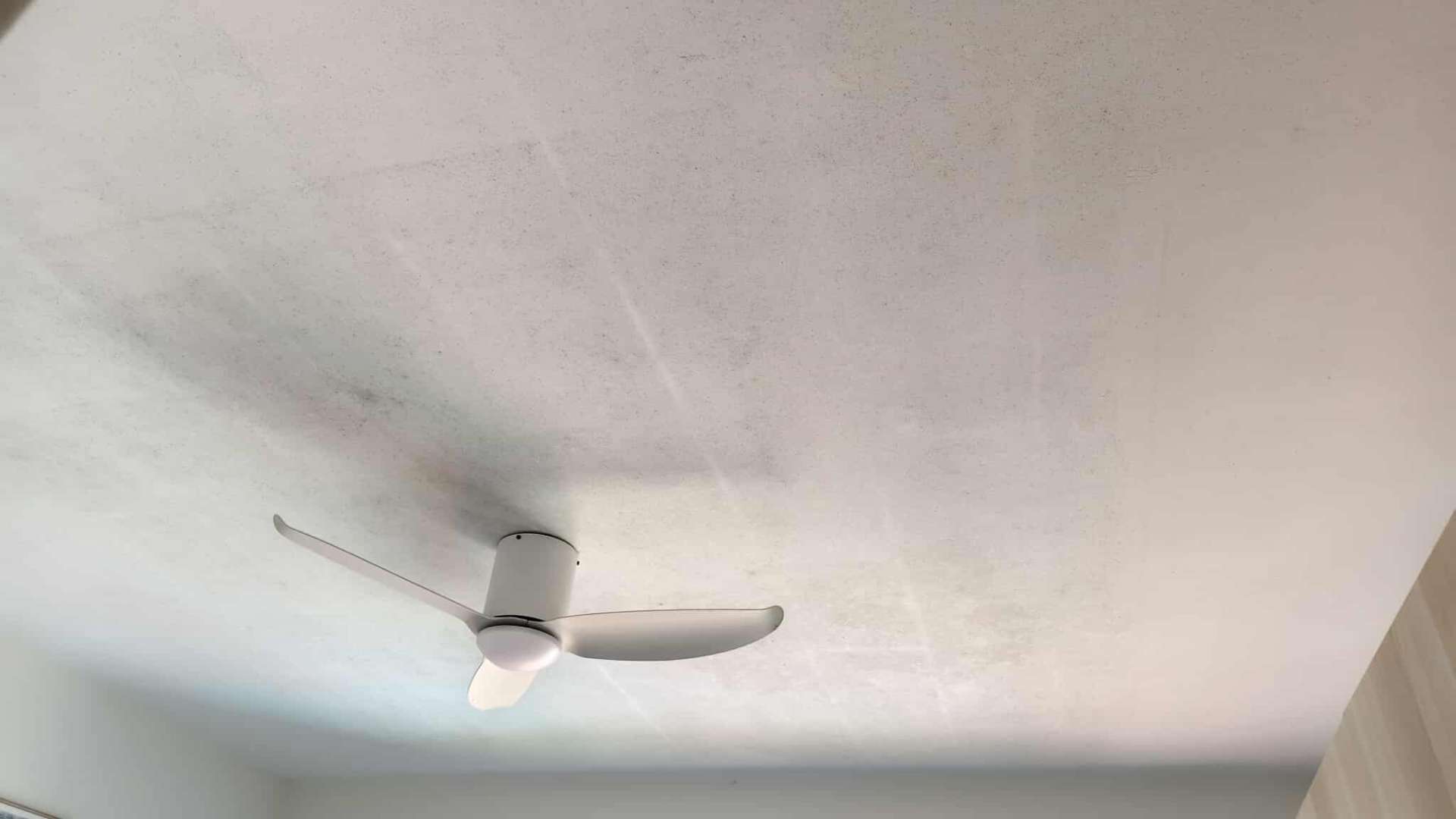
- HVAC coil cleaning — almost always indicated; the aircon is usually the largest spore source
- Indoor humidity control — dehumidifier targeting <60% relative humidity in bedrooms
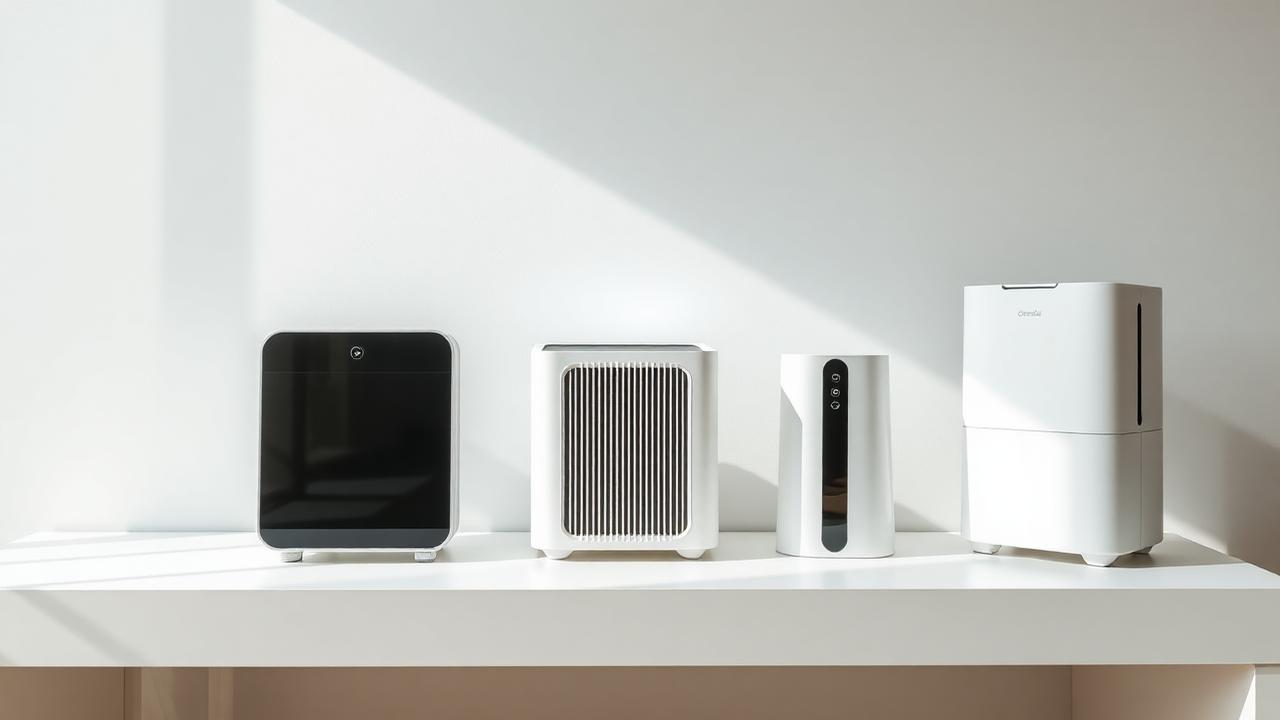
- HEPA air purifier — useful supplement, not a substitute for source removal
- Mattress and pillow encasings — mould spores accumulate in soft furnishings
- Hot wash (≥60°C) of bedding monthly
- Antihistamines and intranasal steroids — symptomatic relief; manage symptoms while source is being addressed
- Allergen immunotherapy — available for some species; long-term option for highly sensitised patients
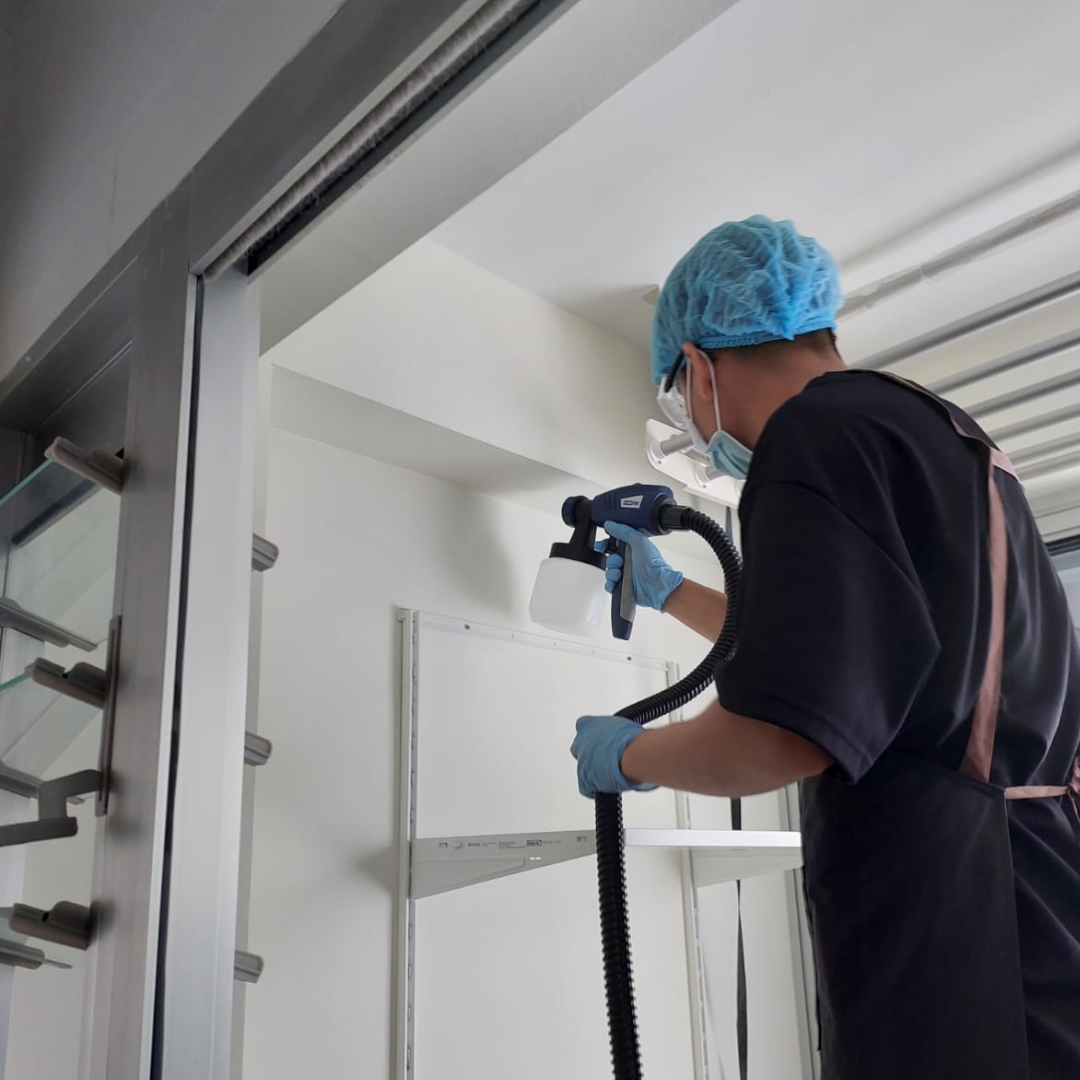
Allergy-Safe Remediation Protocol
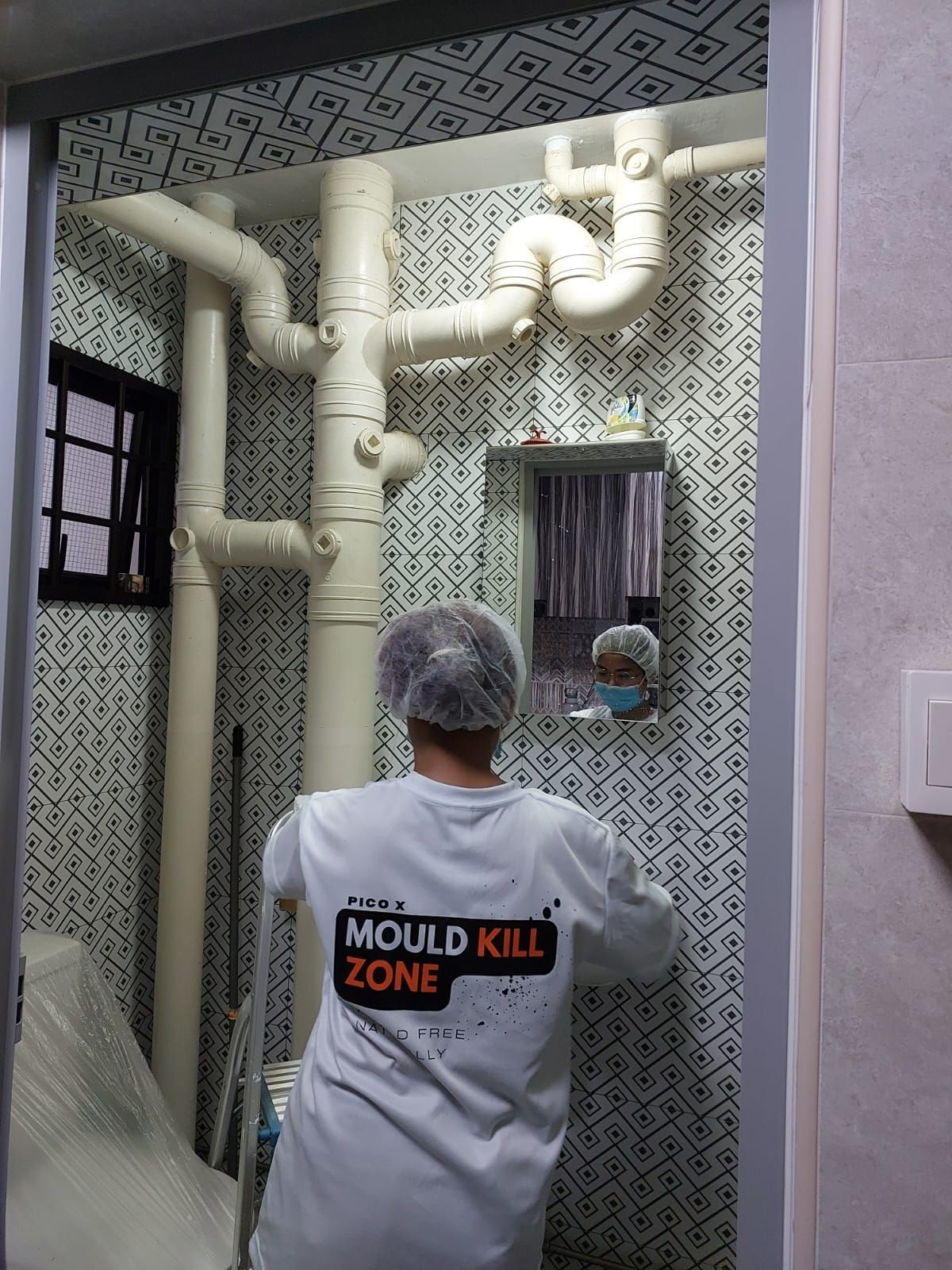
- Allergic occupant relocated for the treatment day — typically 4–6 hours
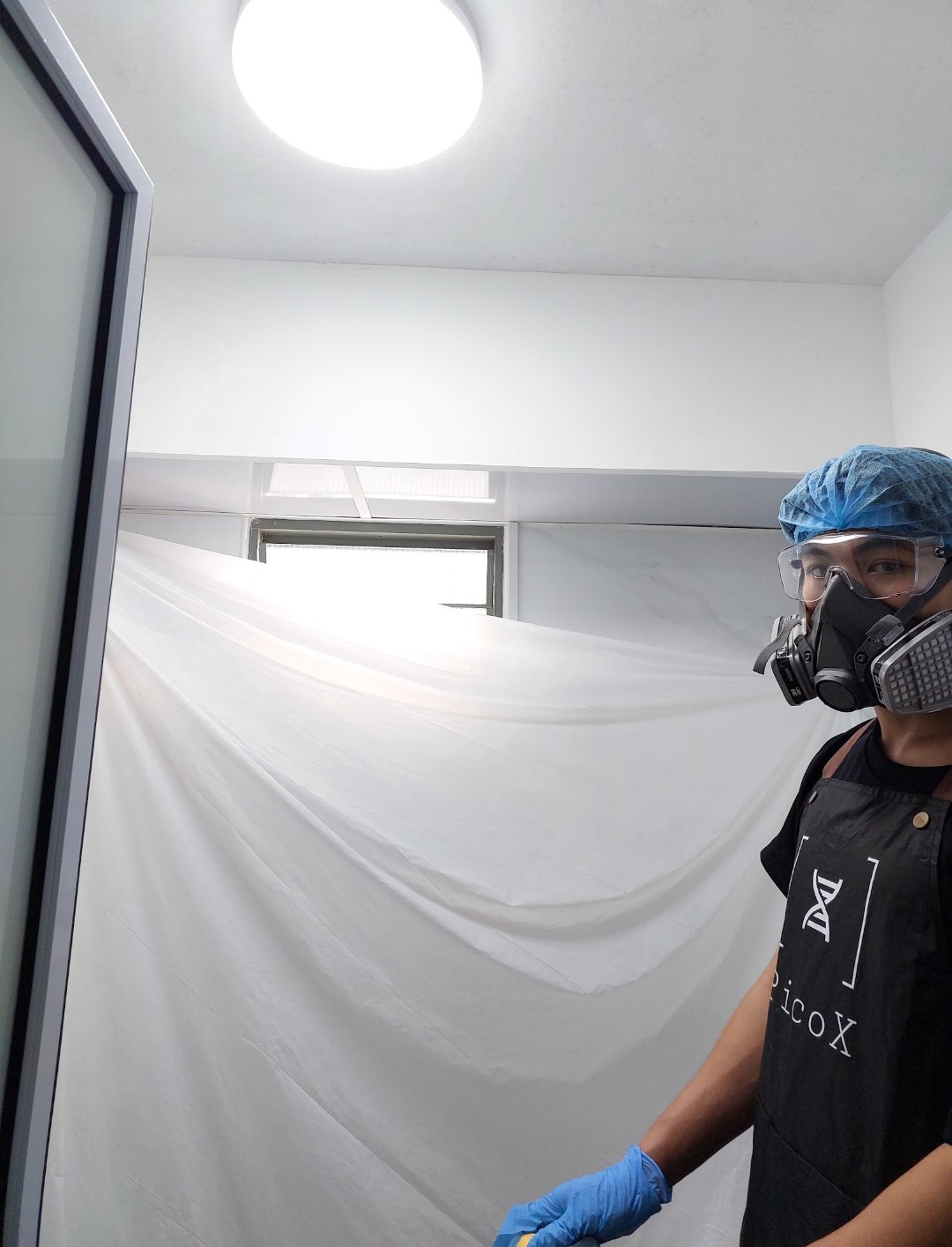
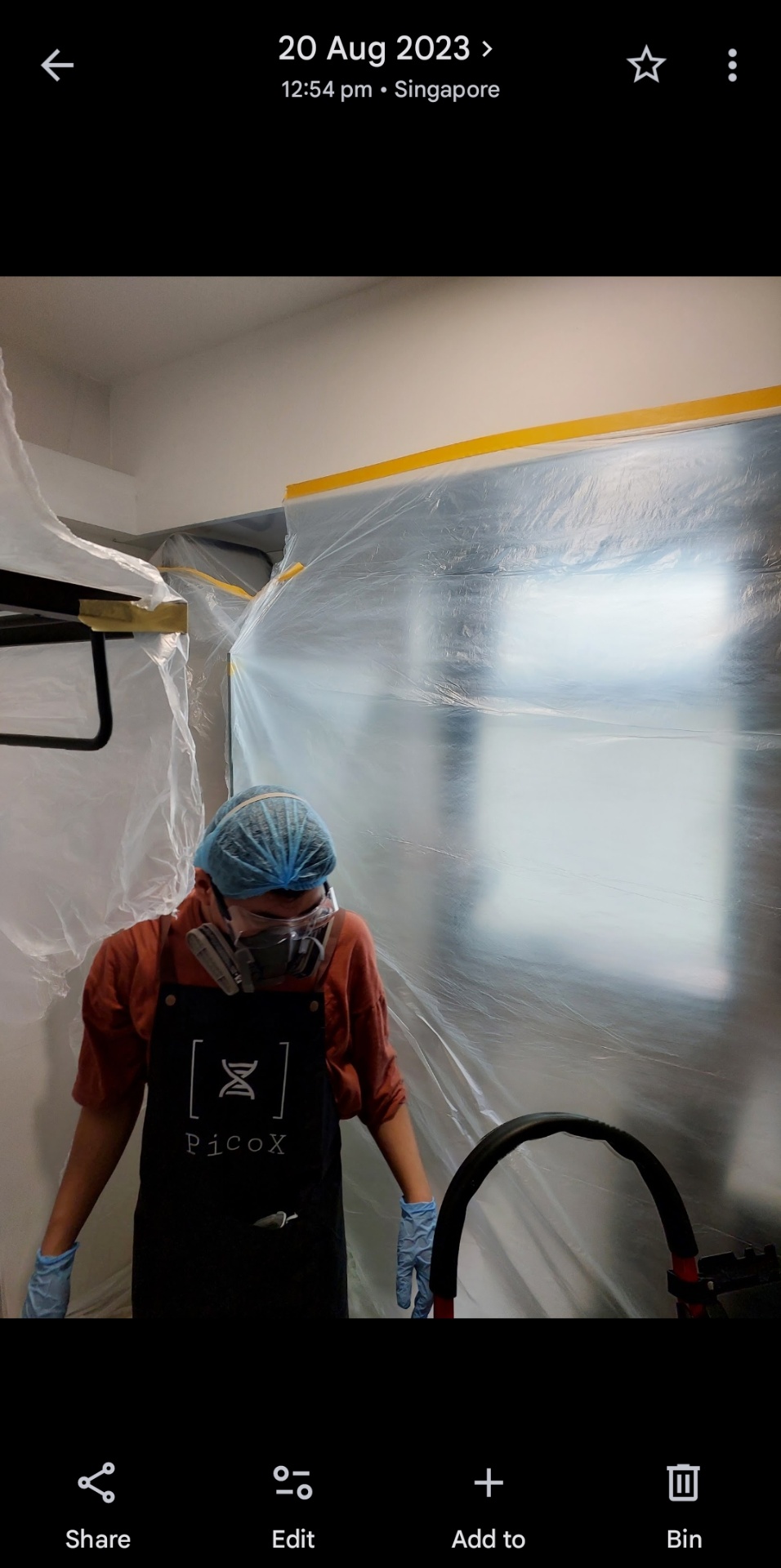
- Negative-pressure containment
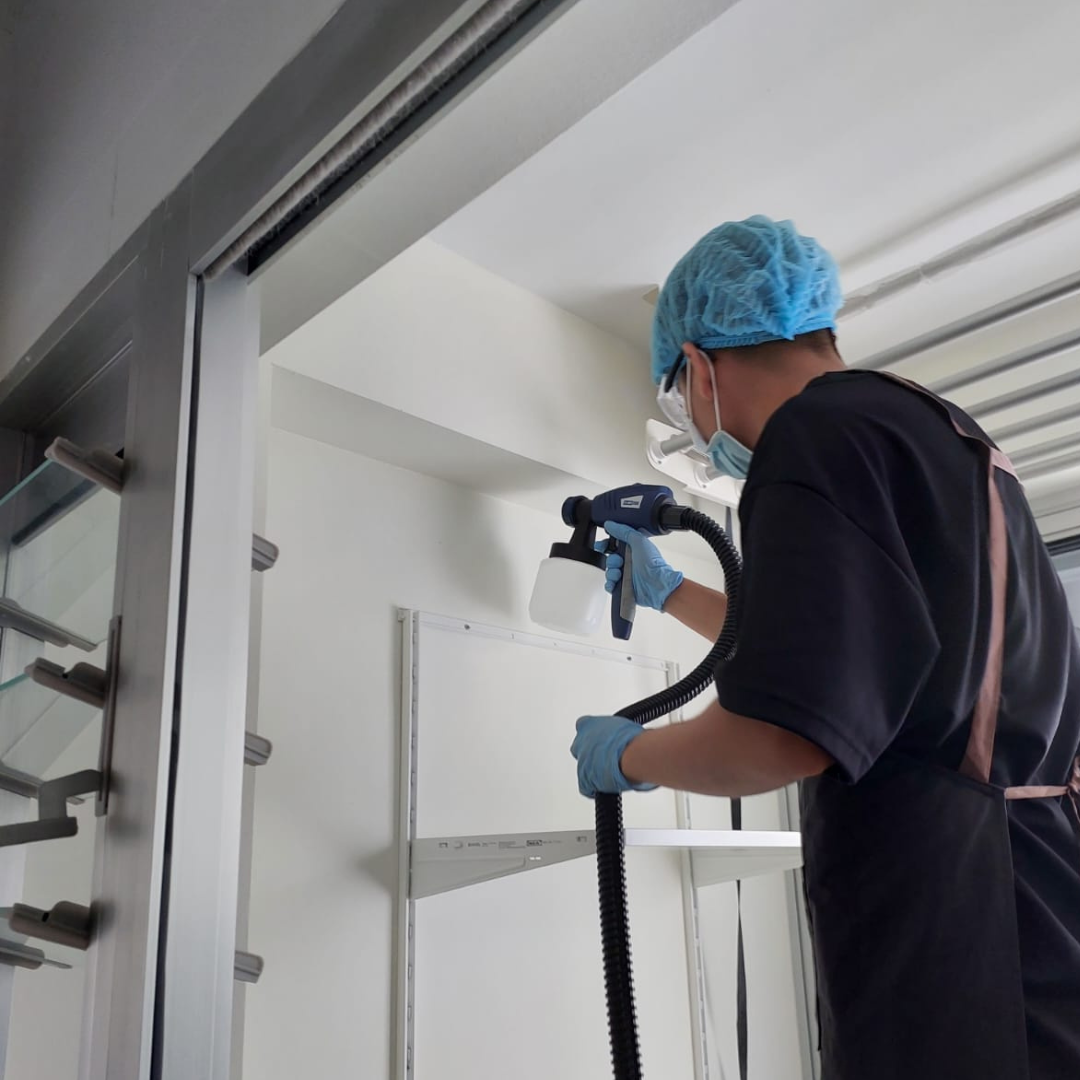
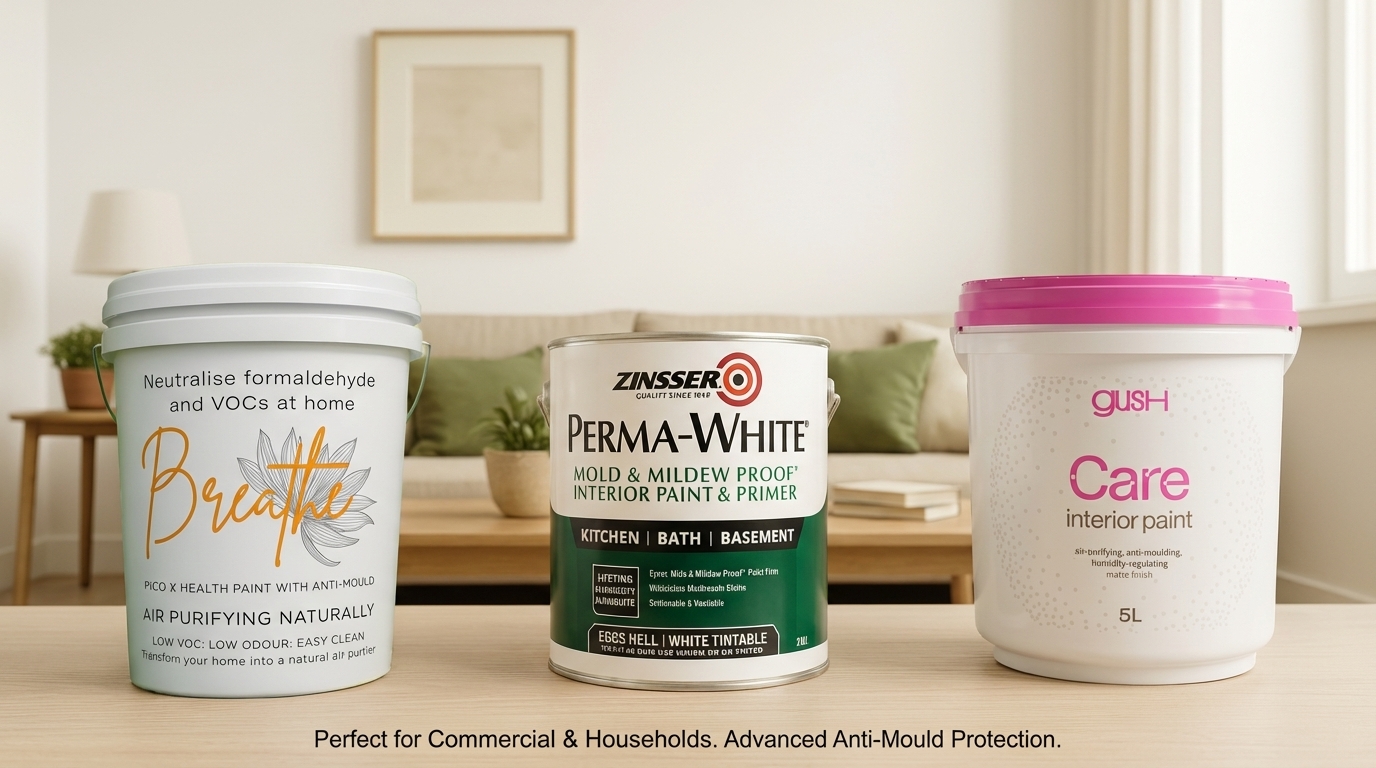
- Botanical sporicidal antimicrobials only — bleach and quaternary ammonium are themselves potent allergy and asthma triggers
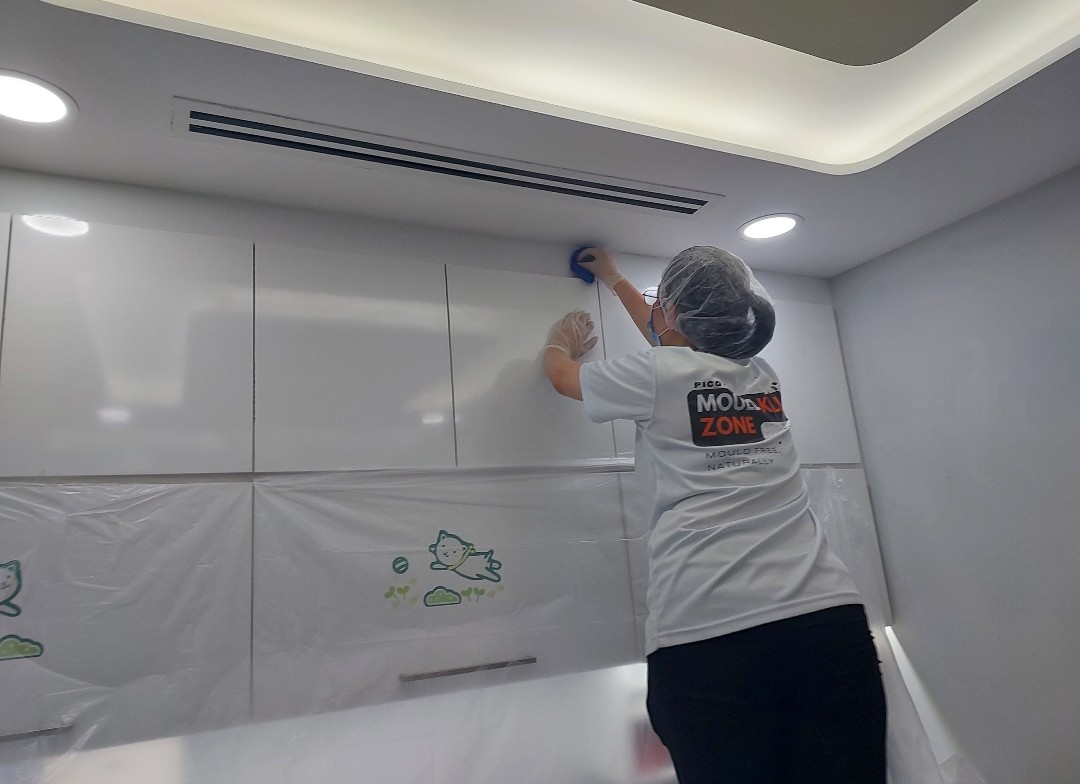
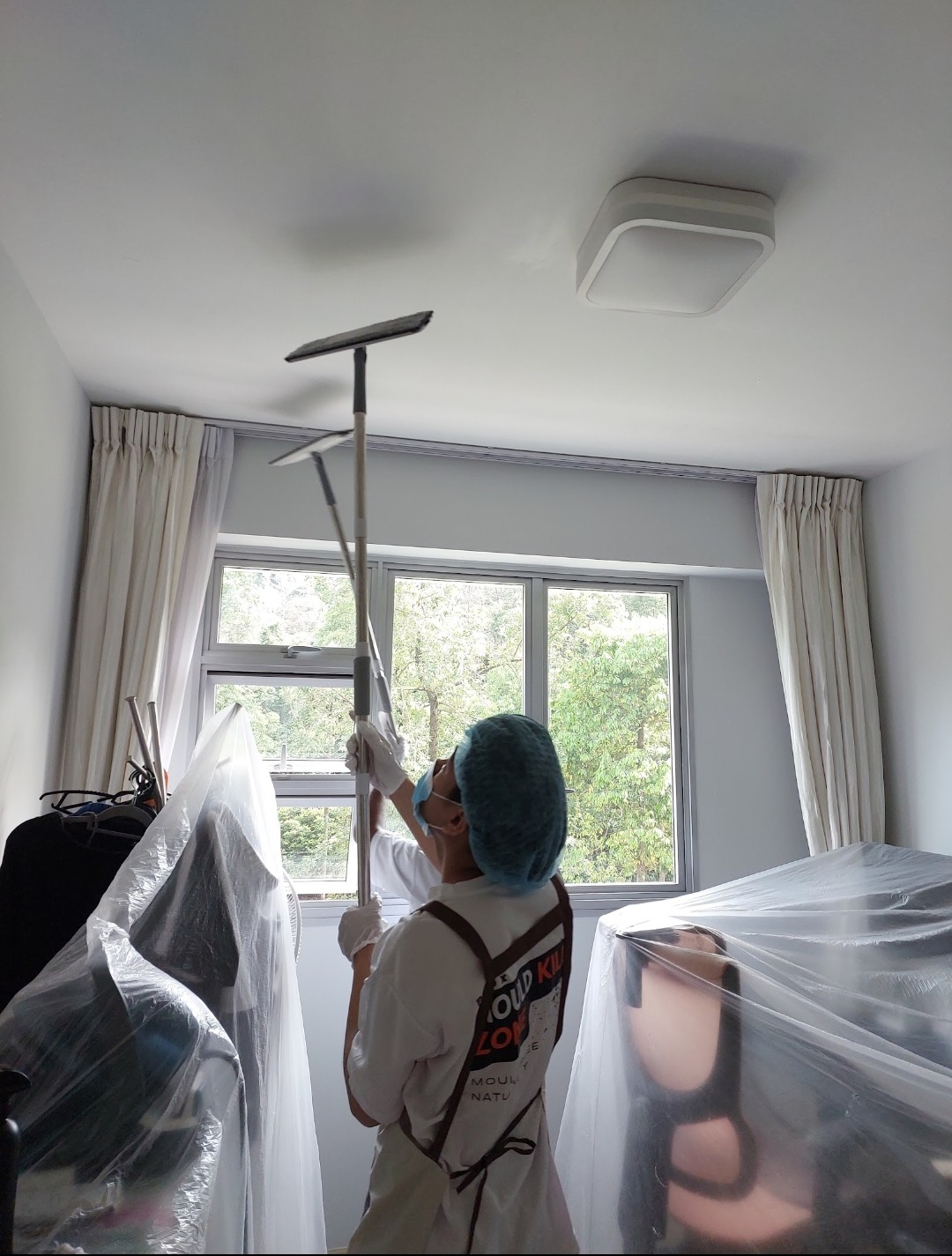
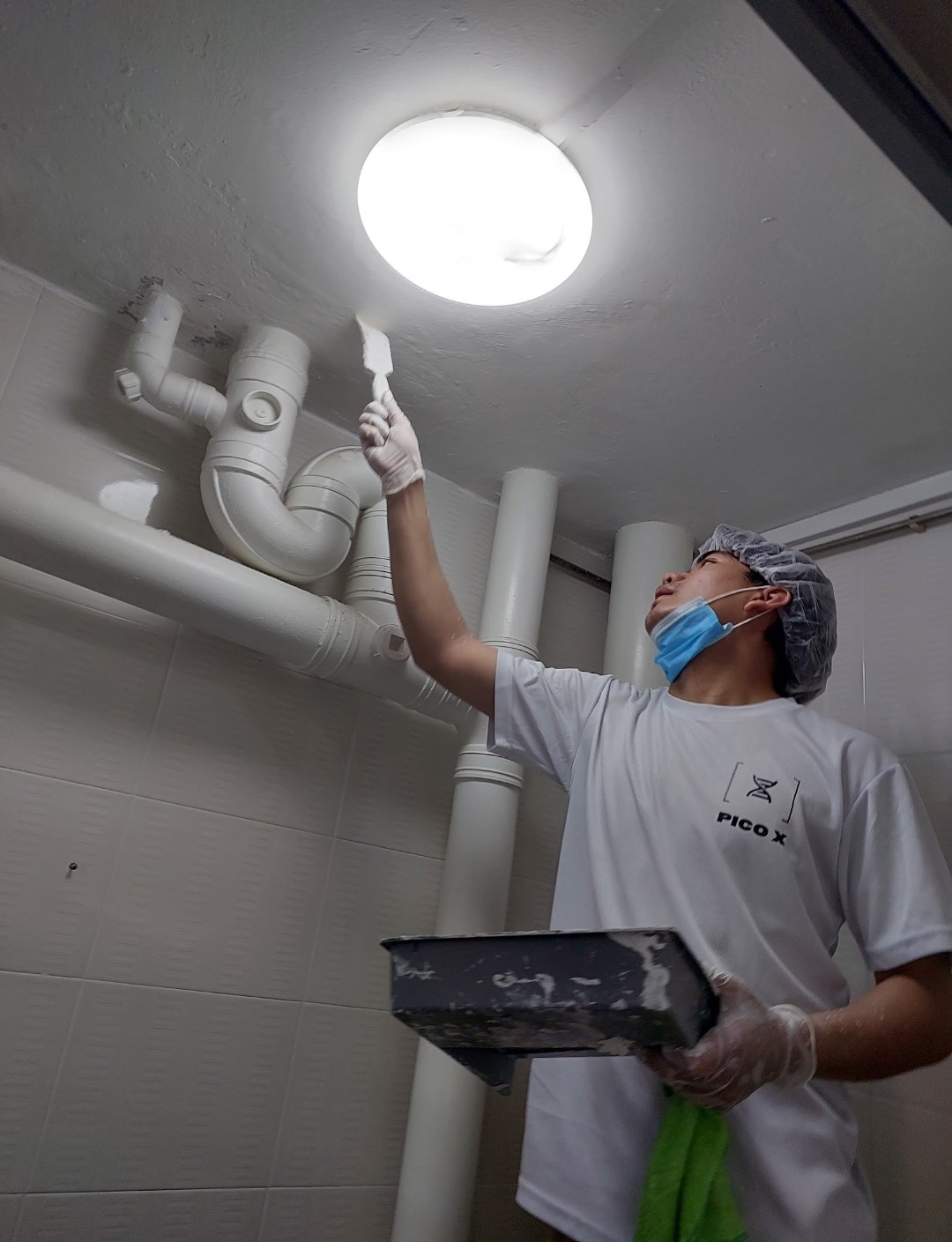
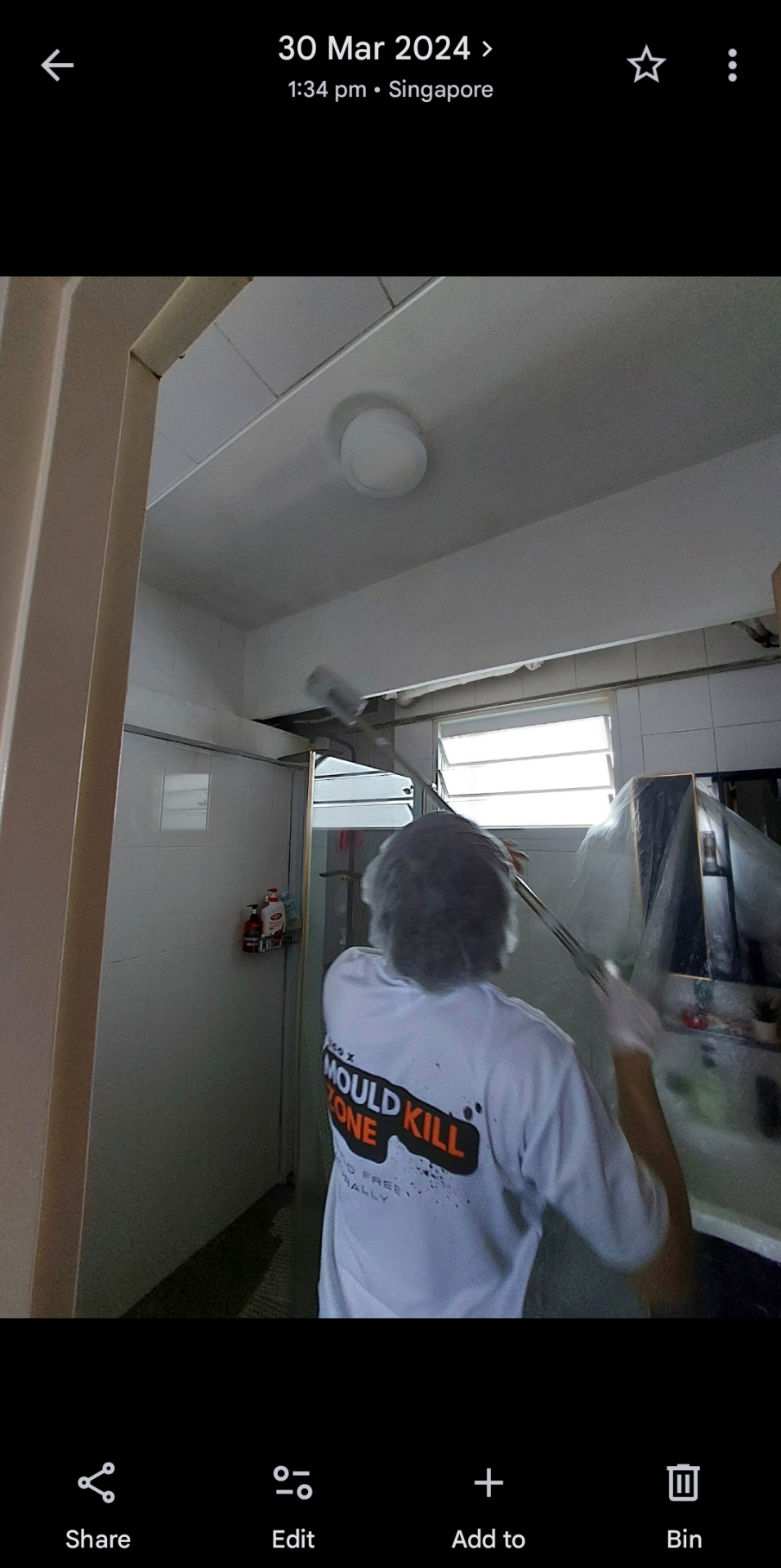
- Vacuum + wet-wipe on every surface in the work zone, then 1.5 m beyond
- HVAC isolation and coil clean almost always indicated
- Post-treatment air sampling for the allergy clinic record
Related Reading
Frequently Asked Questions
What's the difference between mould allergy and toxic mould exposure?
Allergy is an IgE-mediated immune response producing rhinitis, eczema and asthma symptoms. Toxic mould exposure is a separate phenomenon driven by mycotoxins — fatigue, cognitive symptoms, immune dysfunction. A patient can have one, the other, or both. Different testing and different management.
Can air purifiers alone fix my mould allergy?
No. HEPA reduces airborne spore load temporarily but does not eliminate the source. As long as the colony is alive on a damp substrate it produces spores faster than a portable purifier can clear them. Source removal first; is a useful supplement.
I tested positive for mould allergy — now what?
Three steps: (1) identify the source in your home — usually aircon coil, bathroom-adjacent wall, wardrobe, or bomb shelter; (2) remediate the source with a botanical-antimicrobial protocol; (3) symptomatic management with antihistamines and intranasal steroids while symptoms settle. Allergen immunotherapy is an option for highly sensitised polysensitised patients.
Why are my symptoms worse in the bedroom than the living room?
Three reasons: bedroom aircon runs all night so the spore source runs all night; the bedroom is enclosed so spore concentration accumulates; you spend 8 hours breathing that air with reduced clearance during sleep. Bedroom remediation typically delivers the largest symptom drop.
Will I outgrow mould allergy?
Adult-onset mould allergy rarely resolves spontaneously. Symptoms can be controlled with environmental management plus medication, and immunotherapy can desensitise to specific species over 3–5 years. The single highest-yield intervention is reducing the home spore load.
Is allergen immunotherapy available for mould in Singapore?
Yes — sublingual and subcutaneous immunotherapy is available for selected species (commonly Alternaria, less commonly Aspergillus and Cladosporium) through several allergy clinics. It is a 3–5 year commitment and works best alongside source removal.
Ready to take action?
Get a free WhatsApp photo assessment — honest triage, transparent pricing Limited-time promoat $199.
WhatsApp Photo Quote Call +65 8751 5146