Why Pets Are Disproportionately Exposed
Dogs and cats spend most of their time at floor level, where heavier spores like Stachybotrys conidia settle. They walk through dust, lick their paws, and inhale at a rate two to four times faster per kilo than humans. Cumulative exposure dose for a pet in a mouldy home is measurably higher than for the human owner.
Bird respiratory anatomy is fundamentally different. Birds have unidirectional airflow through air-sacs distributed throughout the body cavity, so inhaled spores reach a far larger gas-exchange surface than in mammals. Aspergillus fumigatus infection (avian aspergillosis) is the leading respiratory disease in captive birds globally, and is essentially always traceable to environmental spore load.
Cats develop a particular form called nasal cryptococcosis (often Cryptococcus neoformans) and pulmonary aspergillosis. Brachycephalic dogs — pugs, bulldogs, French bulldogs — have anatomically compromised airways that handle spore burden poorly. Reptiles and small mammals are also susceptible but symptoms are subtle and easily missed.
Species-Specific Symptoms
Bring your pet to the vet promptly if these appear:
- Dogs — chronic cough, nasal discharge (often unilateral), reduced exercise tolerance, recurrent ear infections, paw licking and skin irritation, lethargy, appetite change
- Cats — sneezing, nasal discharge, facial swelling around the bridge of the nose, mouth breathing, weight loss, weight loss in older cats
- Birds — open-beak breathing, tail bobbing with each breath, voice change, weight loss, fluffed posture; aspergillosis is often fatal once clinical signs appear
- Rabbits and small mammals — reduced appetite, watery eyes, nasal discharge, weight loss
- Reptiles — respiratory bubbles, mouth breathing, reduced activity
Singapore-Specific Pet Exposure Hotspots
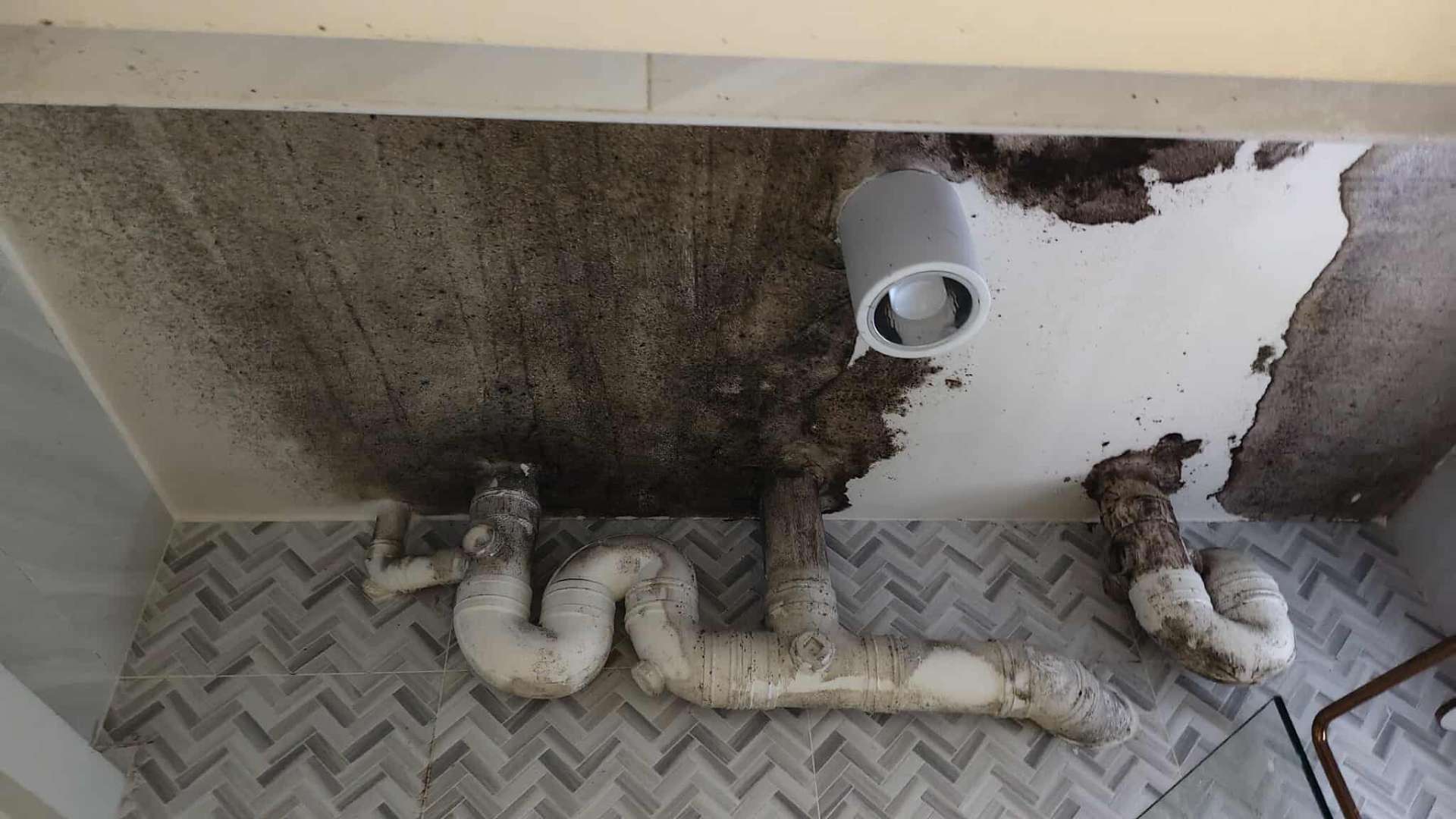
- Floor-level air around external walls — heaviest spore settlement, where dogs and cats lie
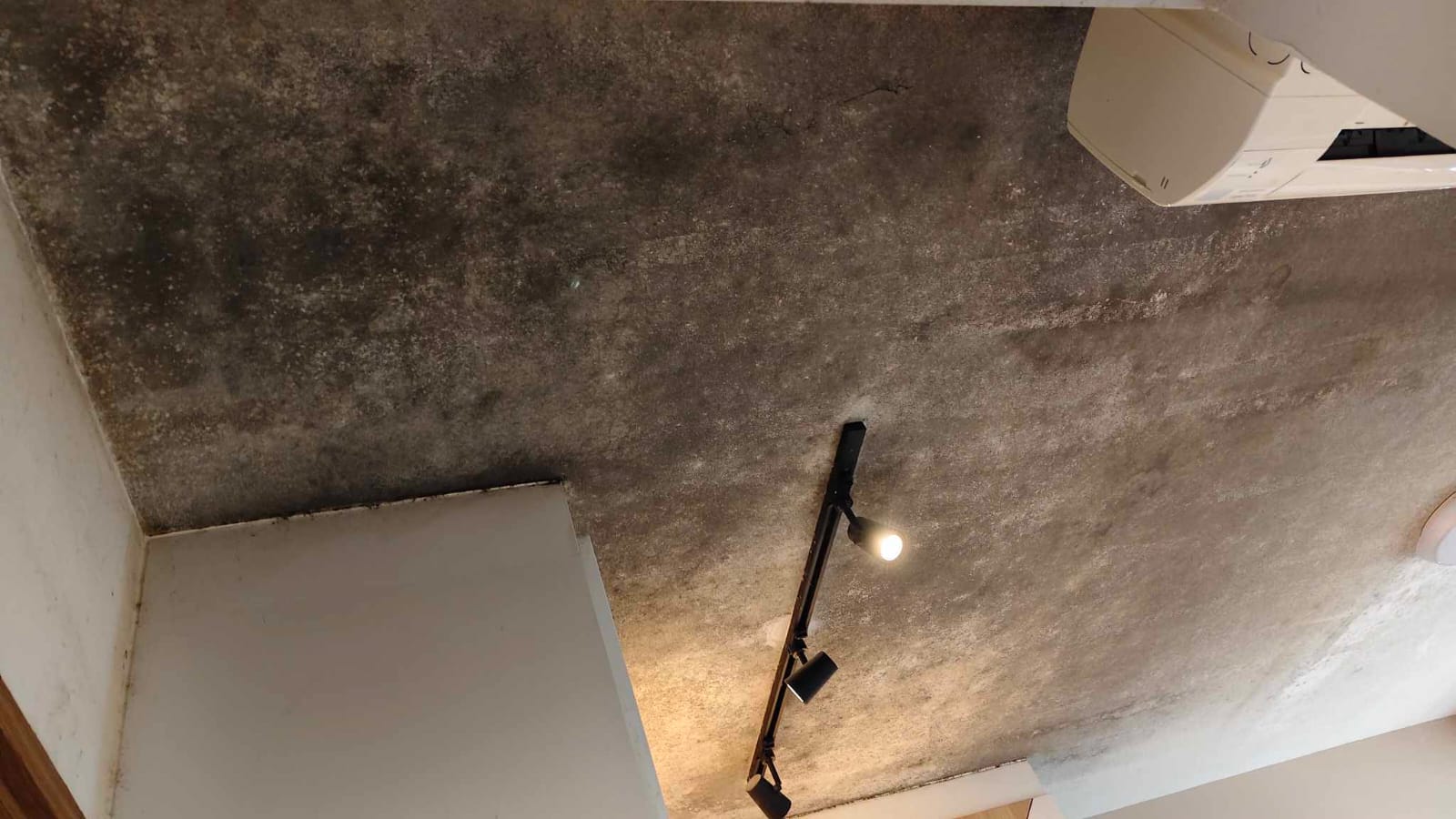
- Aircon biofilm — affects pets sleeping under the unit
- Bomb shelter or store room — common cat hiding spot, harbours Stachybotrys
- Bird cage location — humid corners, near aircon units, near plants are all high-risk
- Pet food storage — dry food in humid bomb shelter develops Aspergillus growth and aflatoxin contamination
- Litter box area — moisture plus organic material; clean and dry weekly
- Carpet and rugs — high-pile carpet incompatible with mould-sensitive pets
Long-Term Consequences for Pets
- Chronic rhinitis and sinusitis — particularly in cats, may require lifelong management
- Pulmonary fibrosis — sustained inflammation reduces lung capacity permanently
- Avian aspergillosis — in birds, often fatal; treatment is long, expensive and uncertain
- Skin disease — atopic dermatitis in dogs and cats can be driven or worsened by mould
- Reduced lifespan — chronic respiratory disease is a leading cause of premature euthanasia in companion animals
What NOT to Use Around Pets
- Bleach — toxic if licked off paws or fur, fume-irritating to all pets, particularly toxic to birds
- Quaternary ammonium — highly toxic to cats; can cause oral ulceration even at low residue levels
- Chlorine dioxide foggers — extremely toxic to birds and reptiles
- Phenol-based cleaners — cats lack the liver enzyme to metabolise phenols safely
- Essential oil diffusers — many essential oils (tea tree, eucalyptus, peppermint, cinnamon) are toxic to cats and birds
- Pine oil cleaners — toxic to cats
Pet-Safe Remediation Protocol
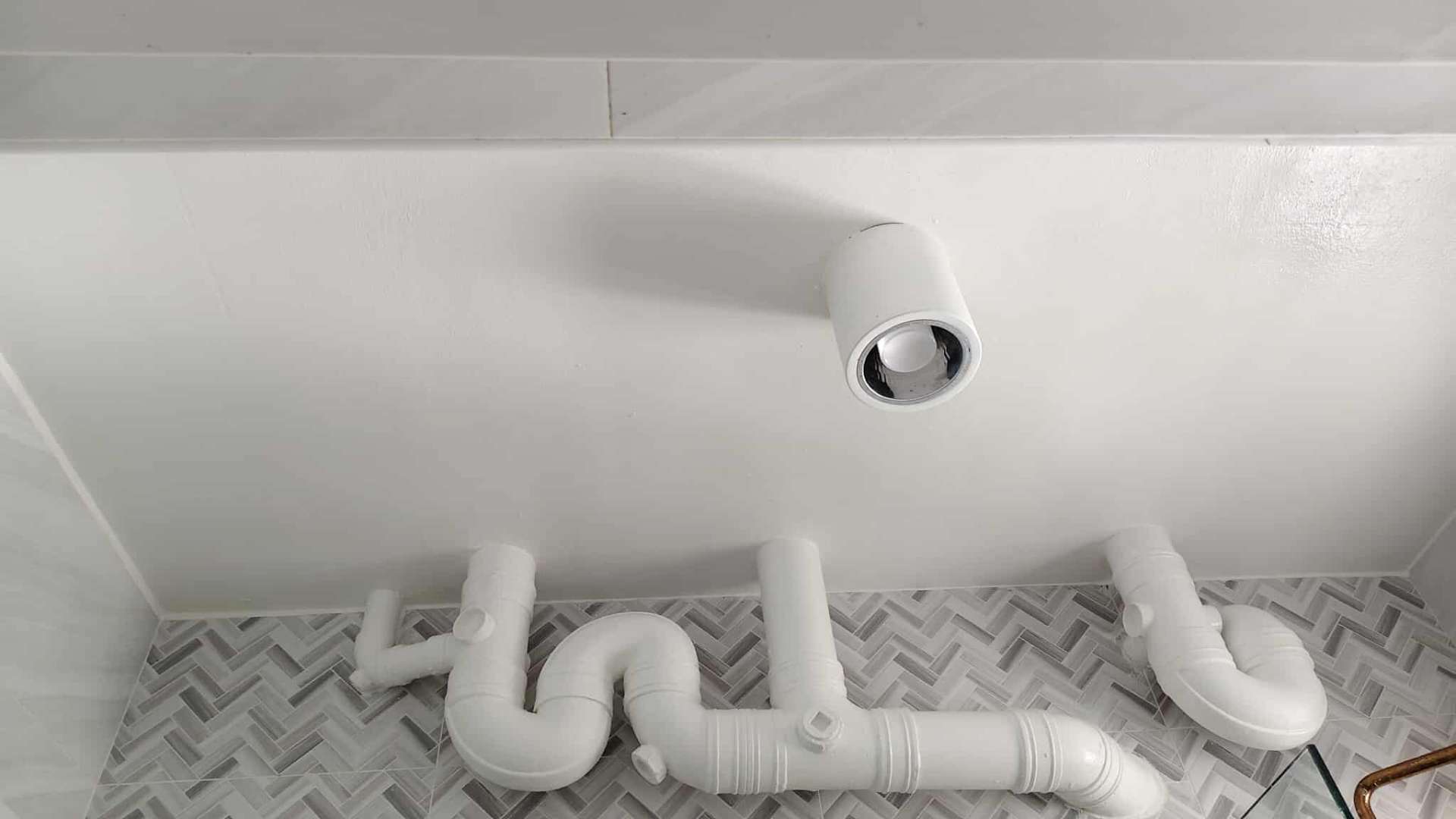
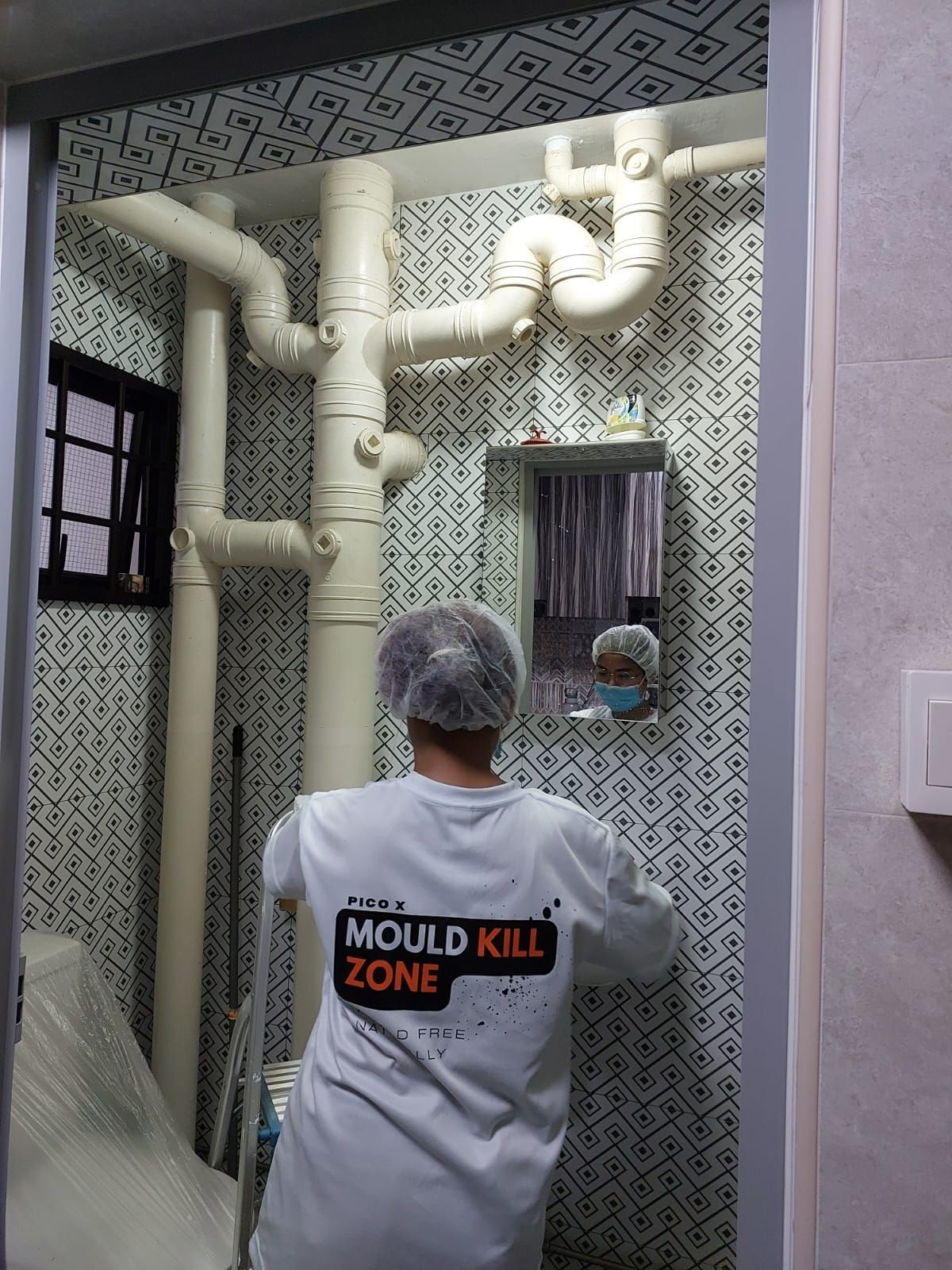
- Pets relocated for the treatment day — typically 4–6 hours; birds and reptiles for 24 hours
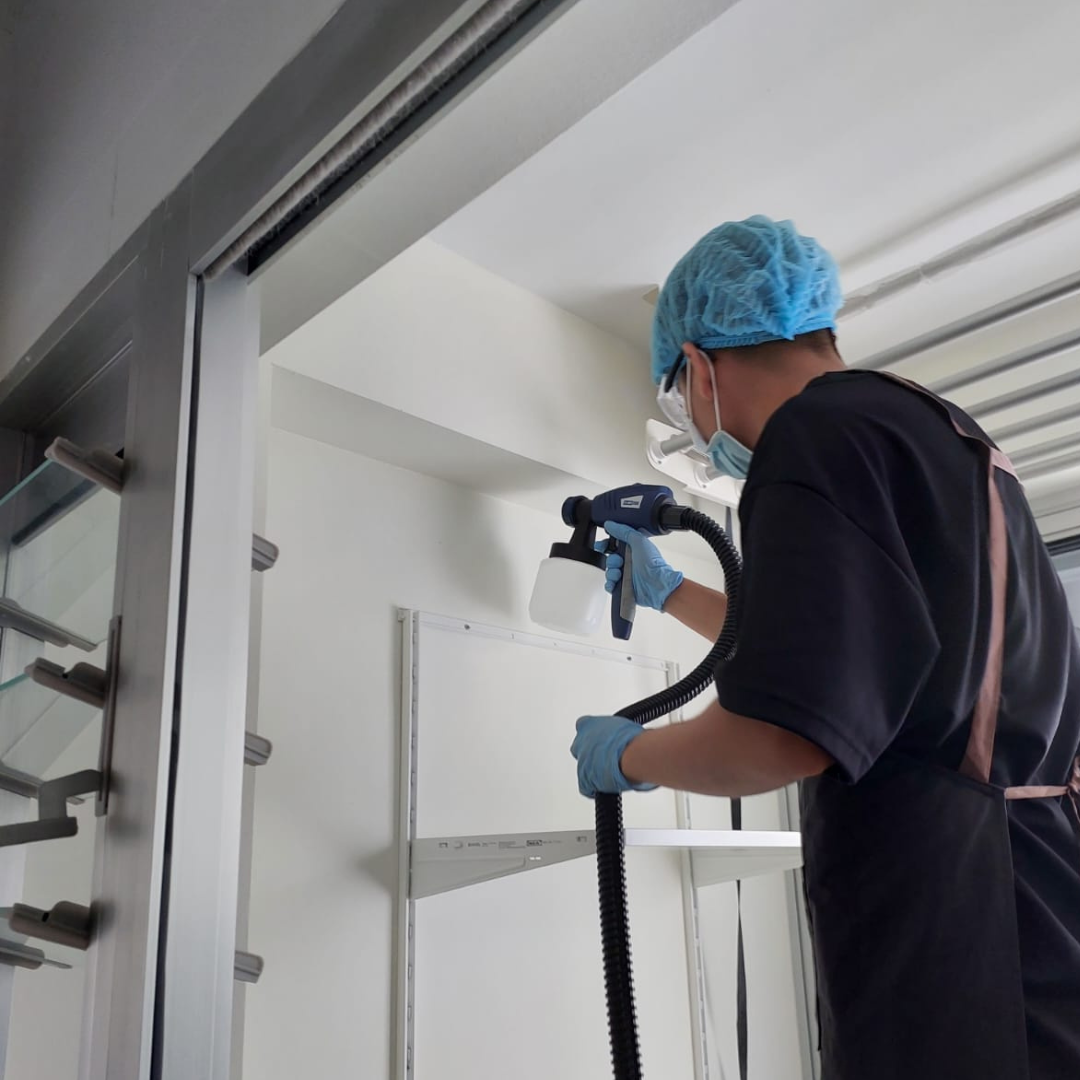
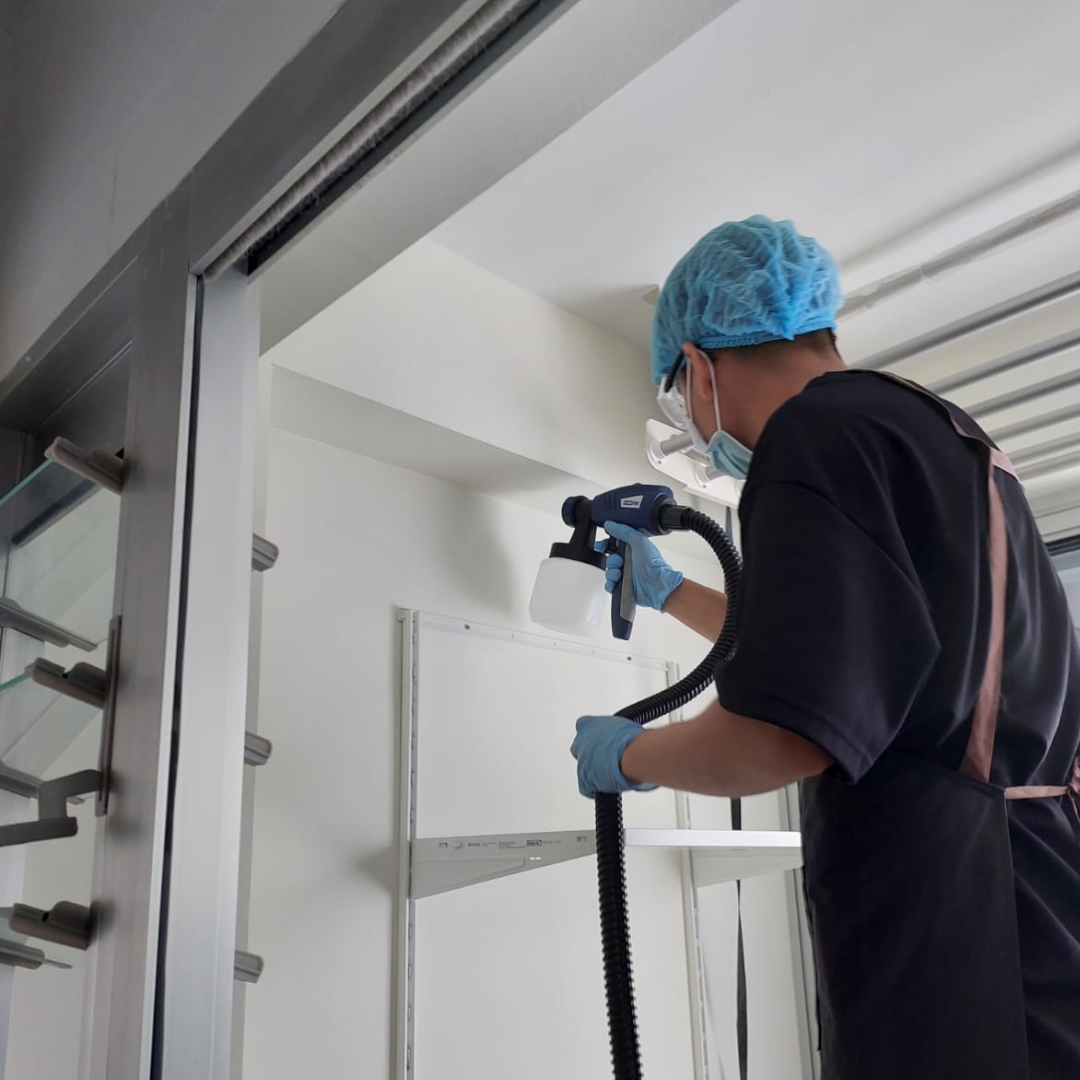
- Botanical sporicidal antimicrobials only — thymol (cat-safe at the dilutions used) and citric-acid based blends; no bleach, no quaternary ammonium, no phenols
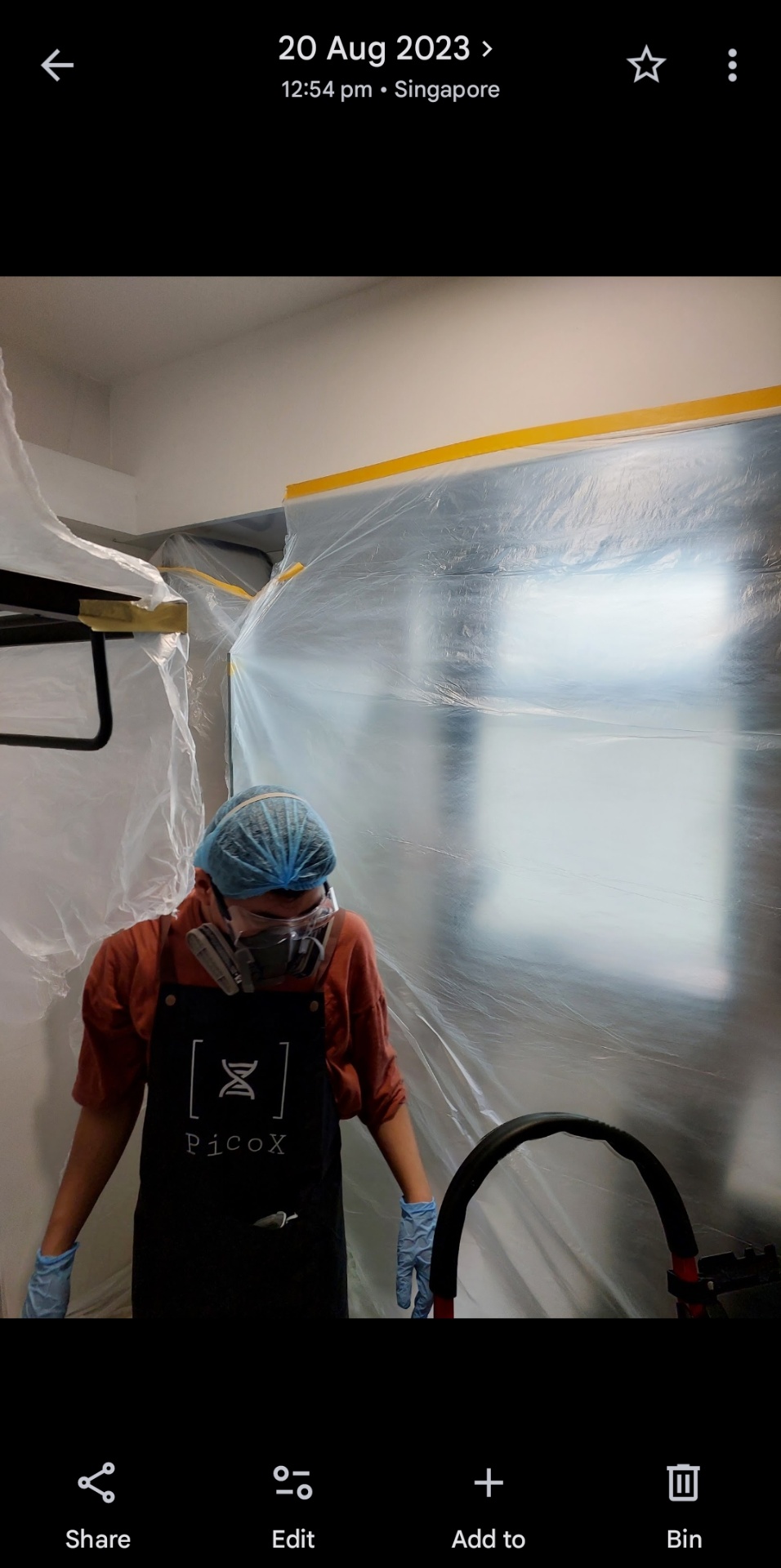
- Negative-pressure containment
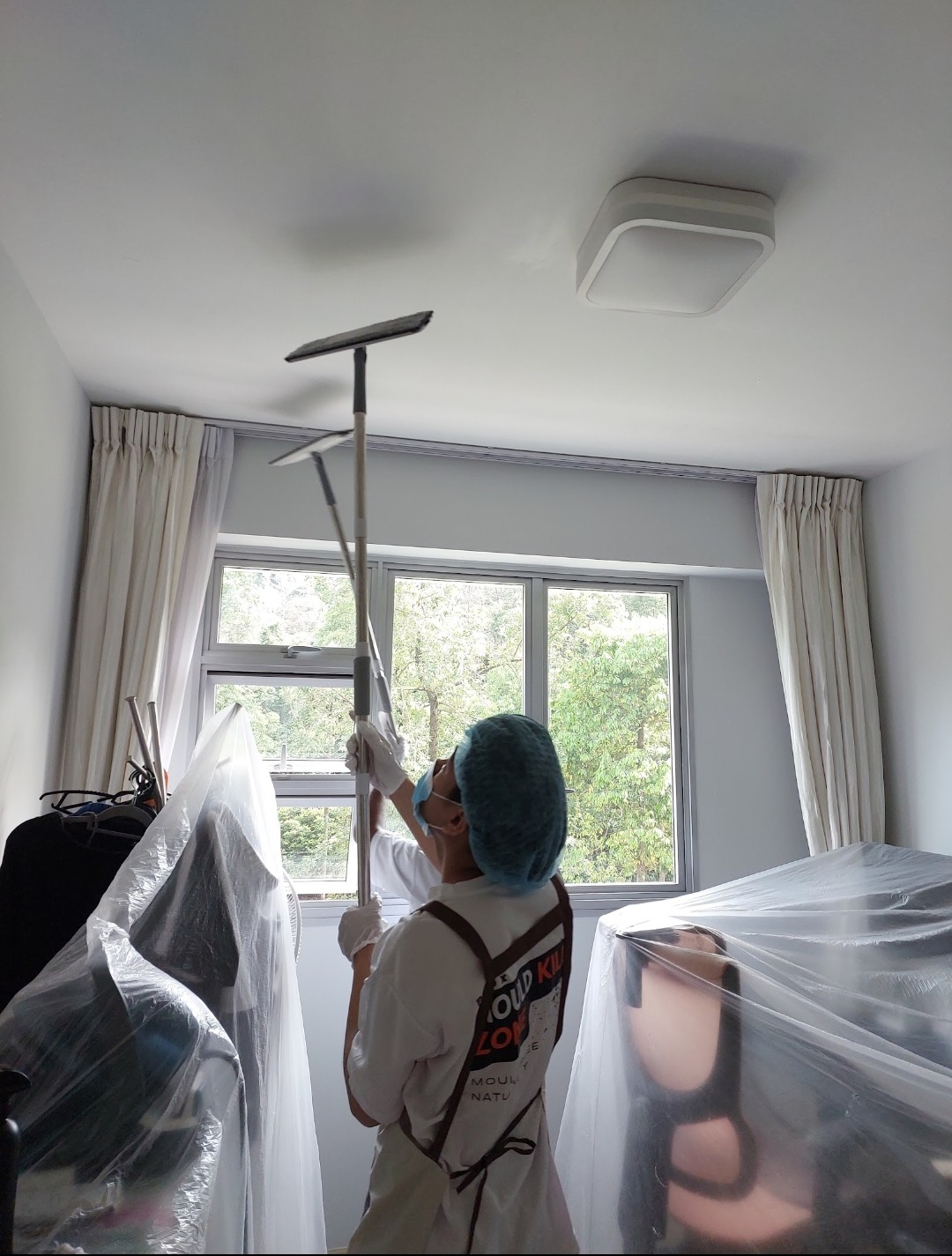
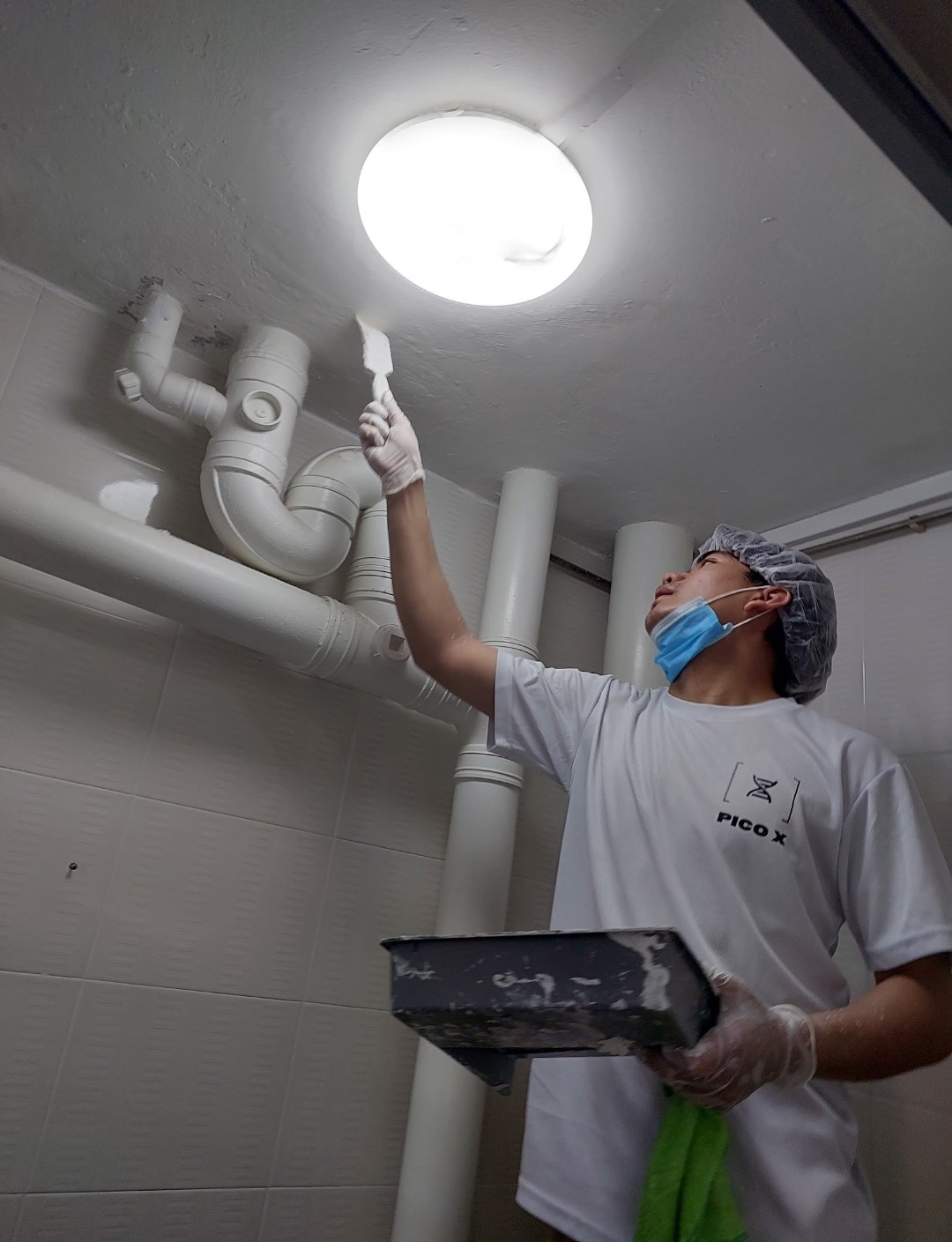
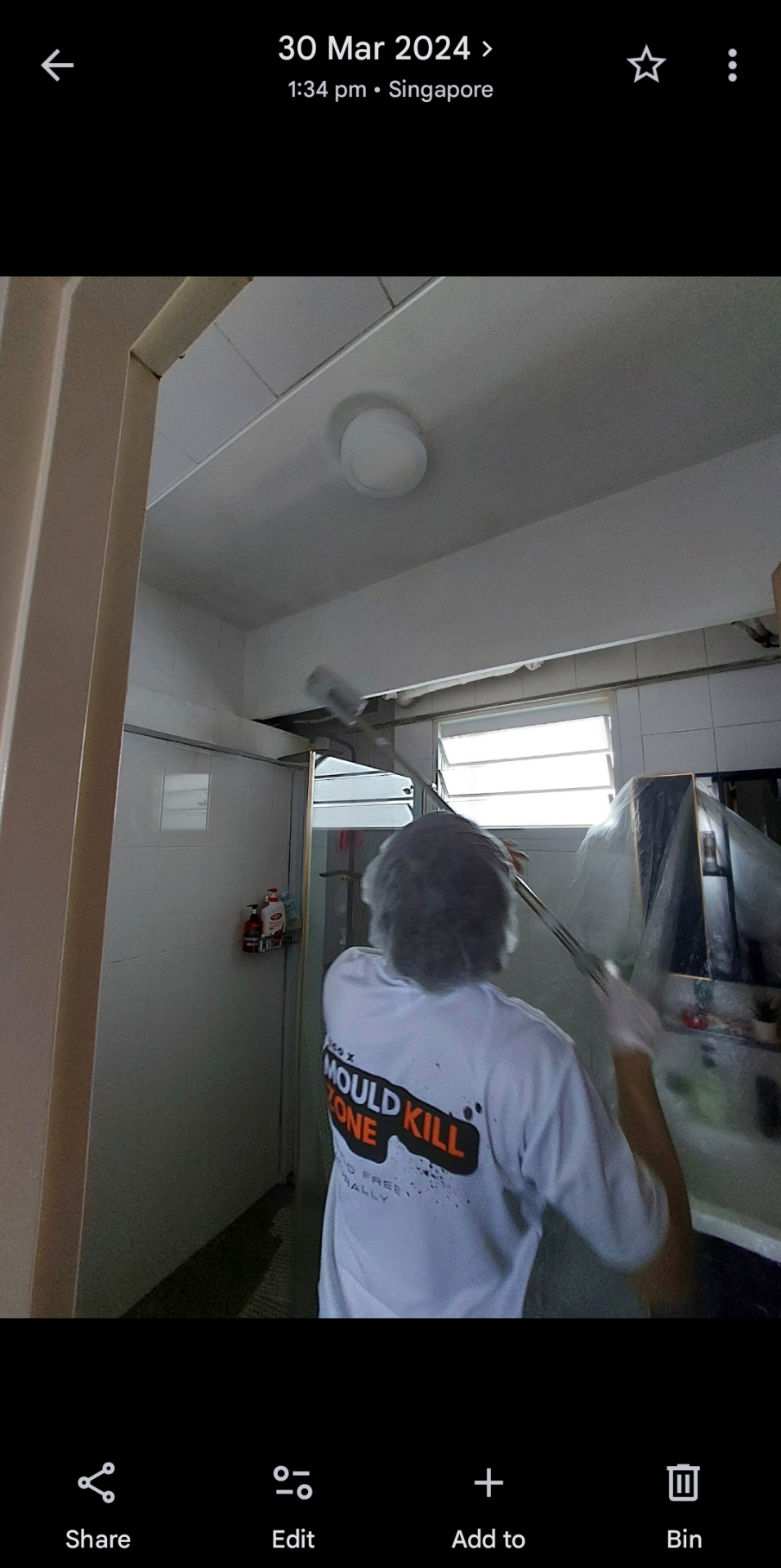
- Vacuum + wet-wipe on every surface in the work zone
- HVAC isolation and coil clean if implicated
- Litter box, food bowls and bedding washed and replaced
- Cage interior for birds — fully cleaned, perches replaced if porous
- Post-treatment air sampling available for the vet record
What to Tell Your Vet
Bring photos of any visible household mould and a 4-week symptom diary. Avian and exotic vets in Singapore in particular take environmental history seriously. We can provide our antimicrobial product MSDS and post-treatment clearance report on request, formatted for the veterinary record.
Related Reading
Frequently Asked Questions
Can mould kill a dog or cat?
Acute lethal poisoning is rare but possible with massive mycotoxin exposure (typically from contaminated food rather than airborne spores). Chronic respiratory disease leading to reduced lifespan is the more common outcome. In birds, aspergillosis is often fatal once clinical signs appear.
Is bleach safe to clean mould around pets?
No. Bleach is toxic if licked off paws or fur, the fumes are irritating to all pets, and it is particularly toxic to birds. Use botanical alternatives, or have professional remediation done while the pets are out.
My vet ran allergy tests — what should I ask about?
Ask whether the panel includes Aspergillus, Penicillium, Cladosporium and Alternaria — the four dominant Singapore indoor mould genera. If positive, source remediation usually delivers more benefit than ongoing antihistamine or steroid therapy.
How dangerous is mould for birds specifically?
Very. Avian respiratory anatomy is uniquely efficient and uniquely intolerant of fungal aerosols. Aspergillosis is the leading respiratory disease in captive birds and is essentially always traceable to environmental spore load. Birds in mouldy homes should be relocated for 24 hours during remediation, and the cage interior fully cleaned.
Are essential oil diffusers a safer alternative?
No — many essential oils (tea tree, eucalyptus, peppermint, cinnamon, pine) are toxic to cats and birds. They also mask odour without addressing the source. Botanical antimicrobial treatment by a professional uses different chemistry at controlled concentrations, applied while pets are out.
What about my pet's food storage?
Dry food stored in humid bomb shelters or kitchen cupboards develops Aspergillus growth and aflatoxin contamination. Store food in airtight containers, ideally in air-conditioned rooms, and discard any food that smells musty or shows visible spotting.
Ready to take action?
Get a free WhatsApp photo assessment — honest triage, transparent pricing Limited-time promoat $199.
WhatsApp Photo Quote Call +65 8751 5146