How Mould Disrupts Sleep — Three Mechanisms
First, mucosal swelling. Inhaled spores trigger histamine and leukotriene release in the nasal mucosa, producing congestion that obstructs nasal airflow. The brain compensates by reducing slow-wave sleep depth and producing micro-arousals — events under 15 seconds long that destroy sleep architecture without registering as conscious wake-ups. Total sleep time looks normal on a tracker; restorative depth is gone.
Second, airway inflammation. Bronchoconstriction and increased mucus production drive nocturnal cough cycles, often subconscious. Bed partners frequently report this before the affected person notices.
Third, mycotoxin neuroinflammation. Ochratoxin A, gliotoxin and trichothecenes have been associated in clinical literature with disrupted circadian rhythm, reduced REM sleep and morning brain fog. The mechanism appears to involve neuroinflammation rather than direct neurotoxicity.
Singapore-Specific Bedroom Exposure Profile
- Bedroom aircon running all night — biofilm in the evaporator coil aerosolises spores onto the sleeping face for 8 hours per cycle
- Mattress fungal load — sweat plus spores plus warmth produces Aspergillus and Cladosporium growth deep in the foam
- Pillows — synthetic and feather pillows accumulate fungal load measurably within 18 months
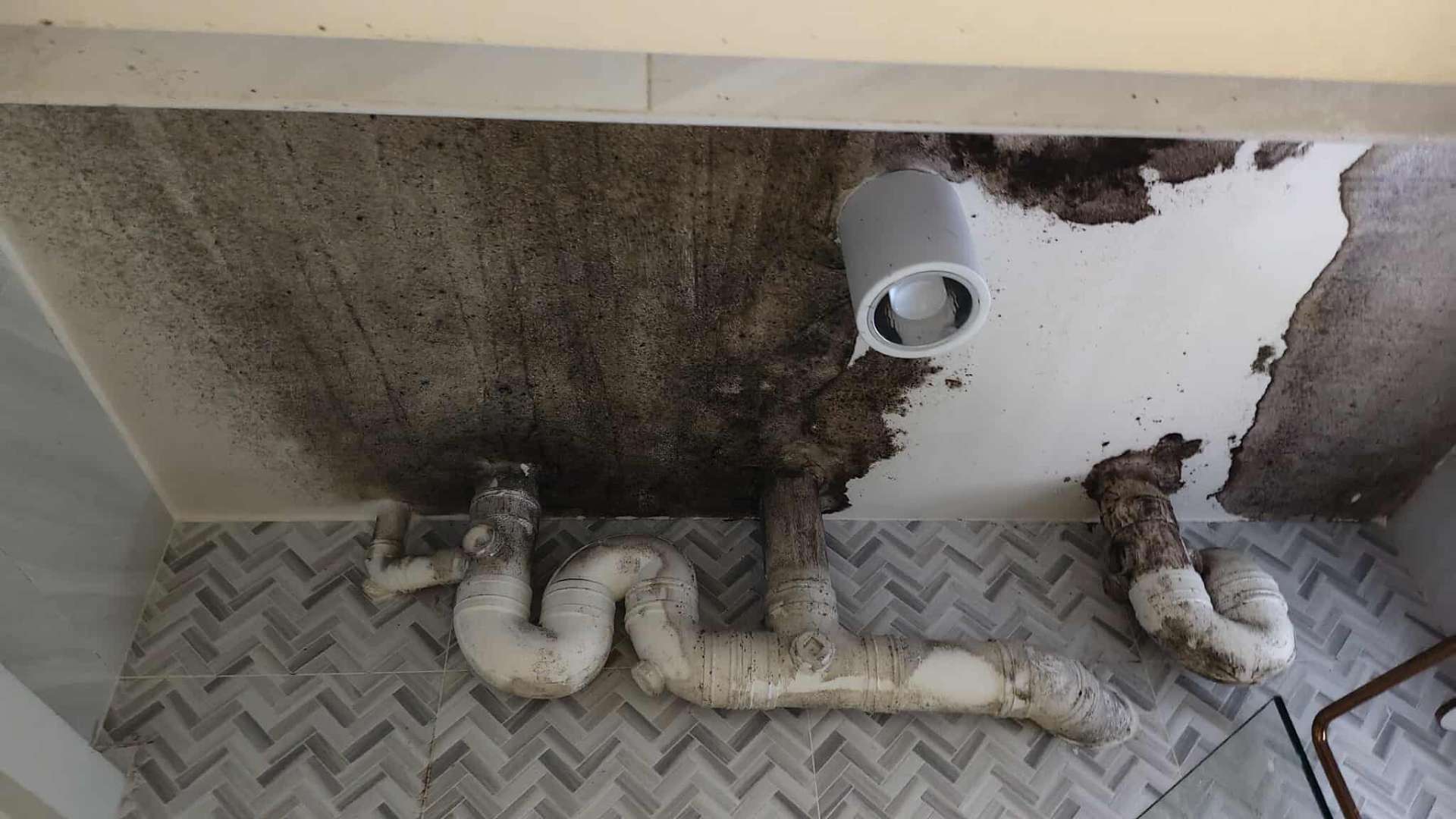
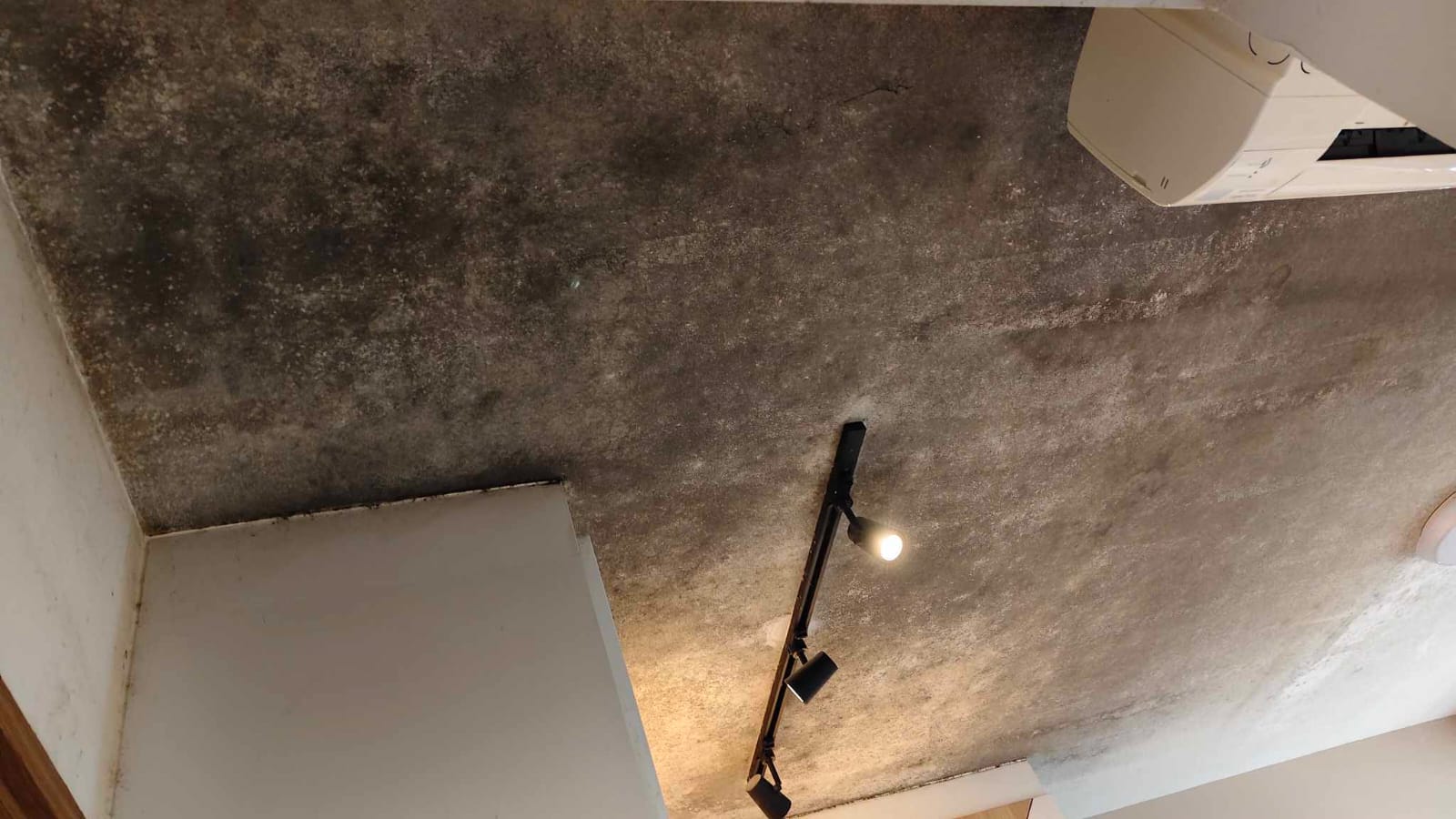
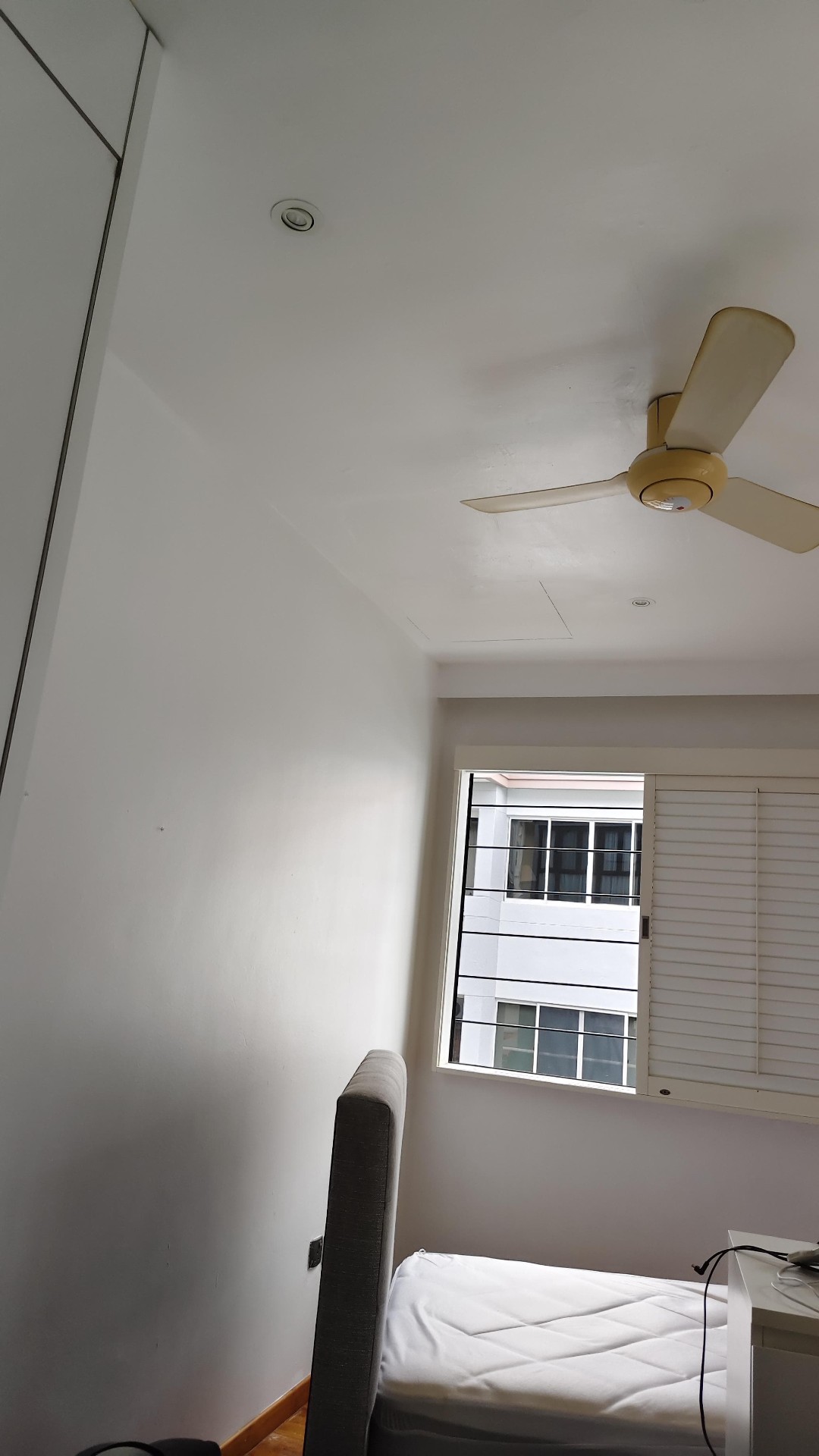
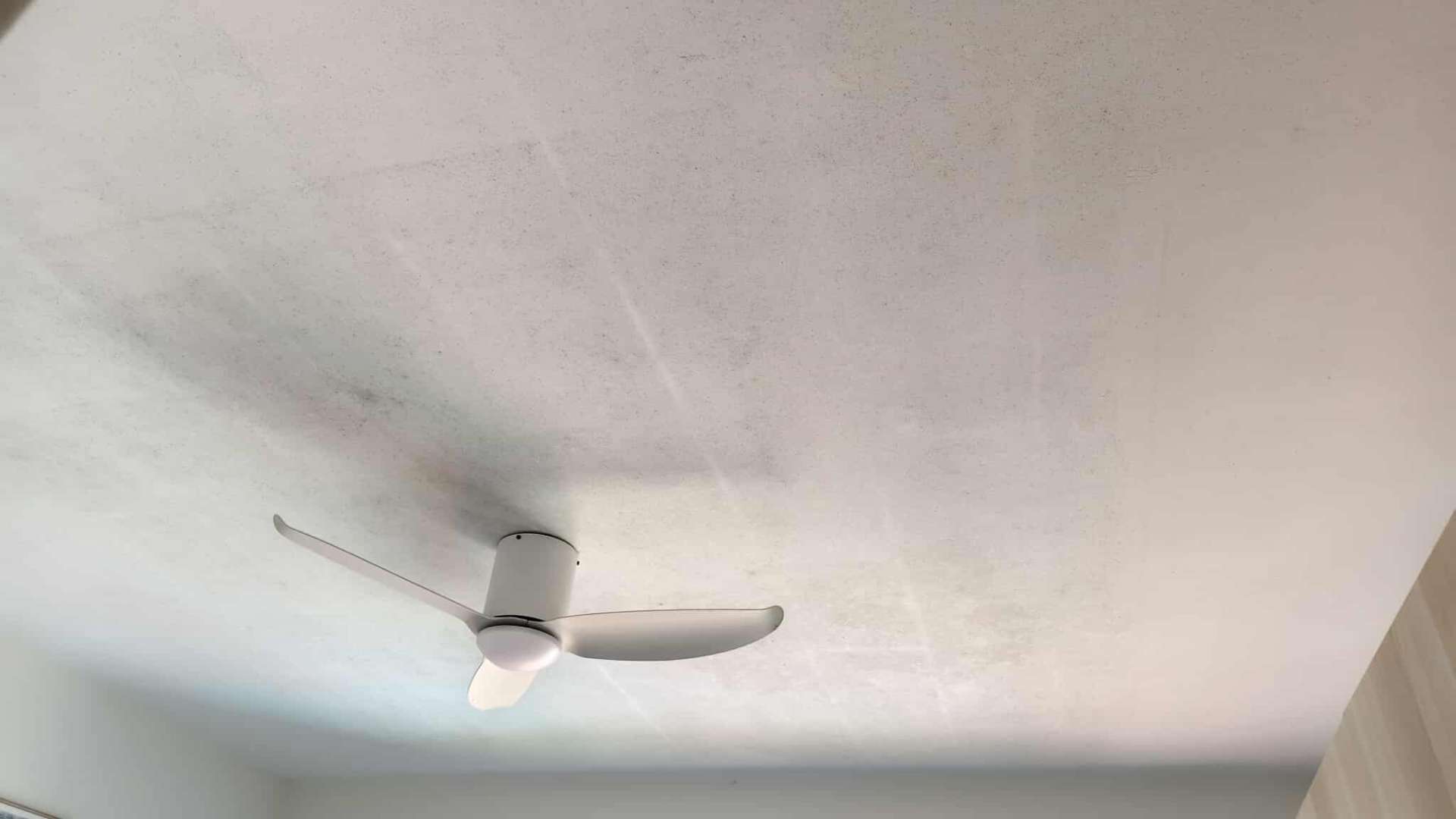
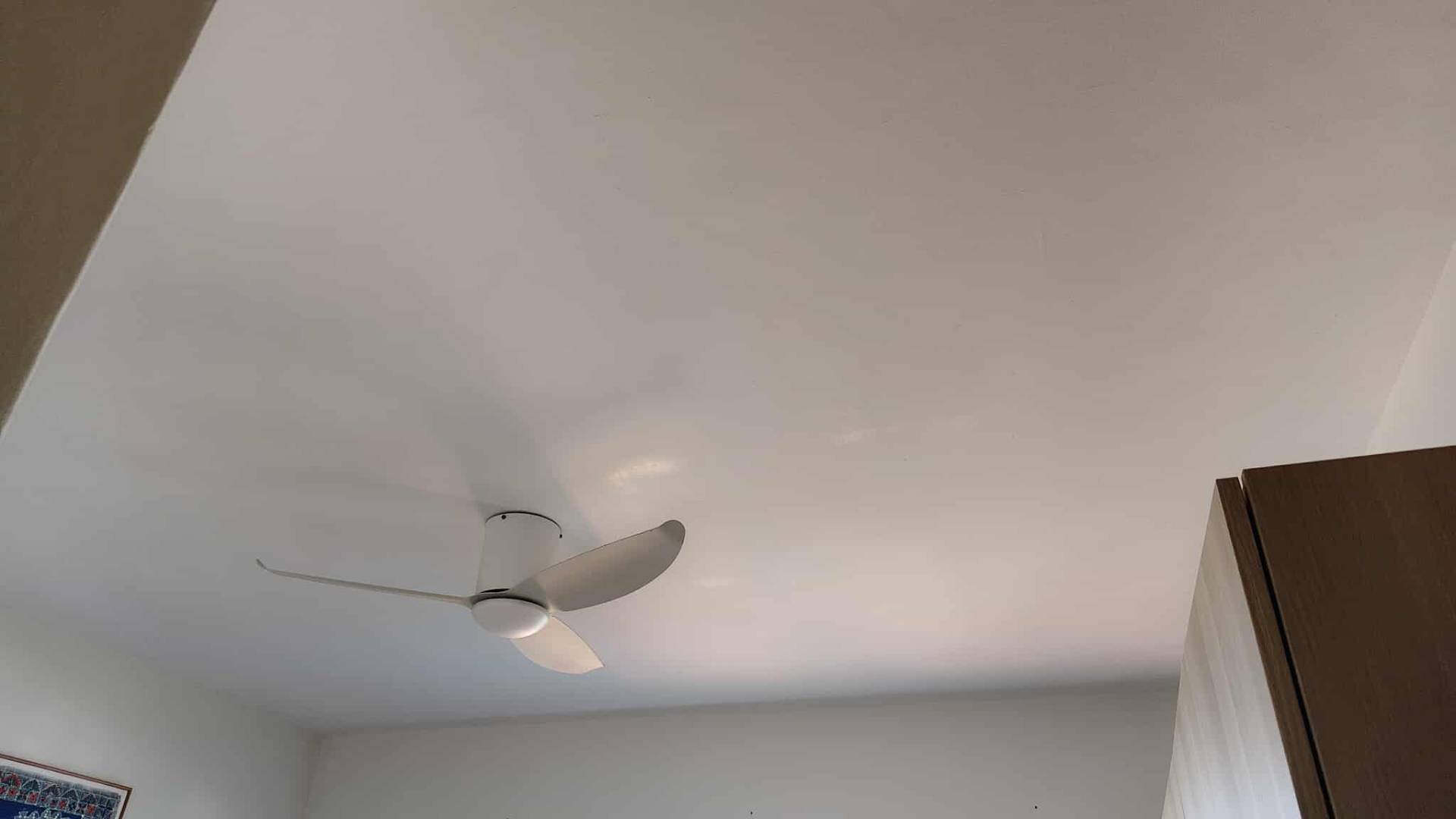
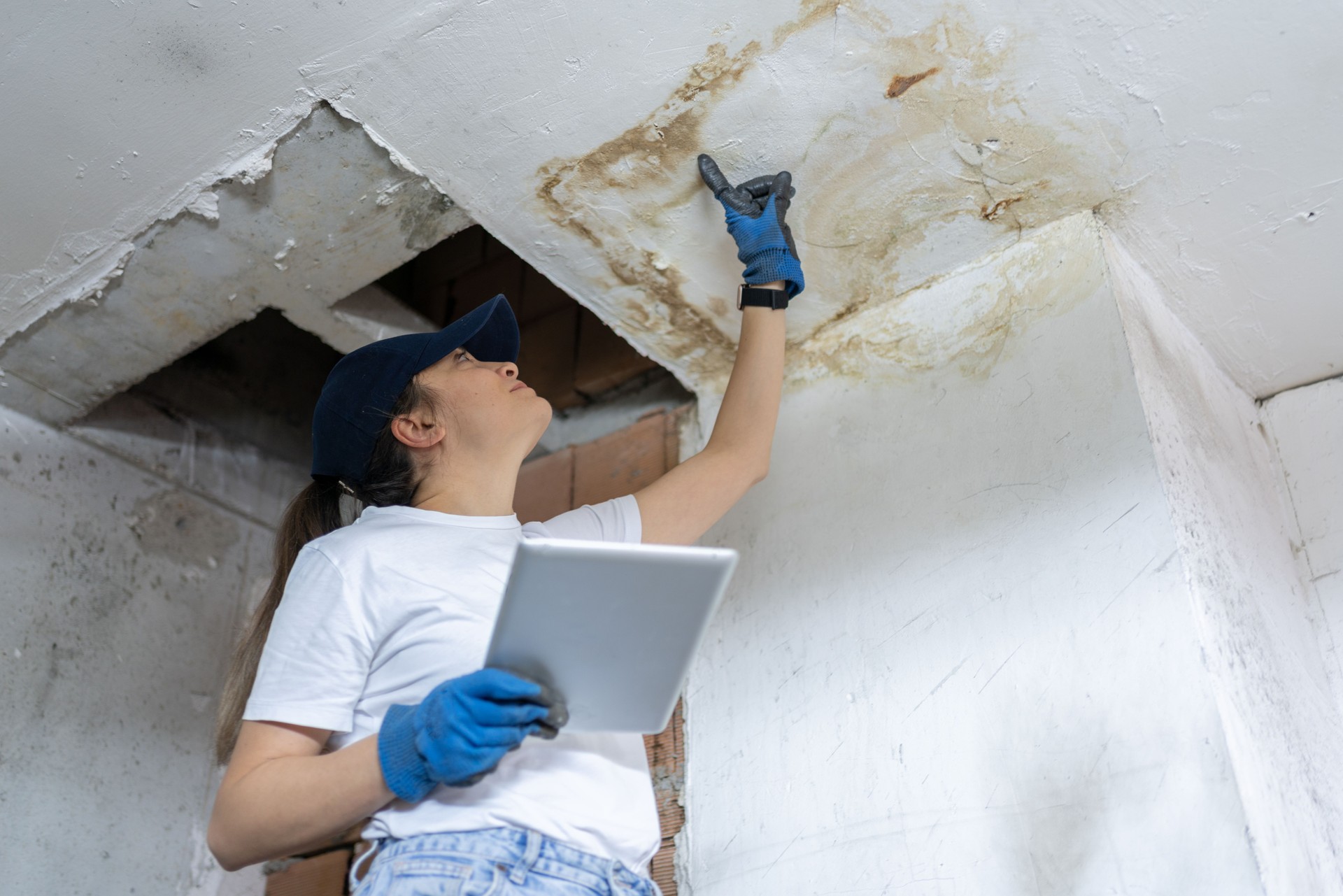
- Bedroom ceiling above the bed — inter-flat condensation often produces hidden colonies on the bedside surface
- Wardrobe back wall — closed humid air against external wall, often the largest unseen colony in the bedroom
- Bathroom-adjacent walls — moisture migration produces colonies behind the bedhead
Sleep Symptoms Suggesting Bedroom Mould
- Wake congested or with sinus pressure that clears within 1–2 hours of being out of bed
- Wake with headache, particularly frontal or temporal
- Wake unrefreshed despite 7–8 hours in bed
- Sleep is measurably better on holiday in drier climates
- Bed partner reports nocturnal cough, snoring or choking that you do not recall
- Daytime brain fog, attention difficulty, or unexplained fatigue
- Recurrent morning eczema or rhinitis
- Children waking multiple times with cough or congestion
Long-Term Consequences if Exposure Continues
- Chronic sleep deprivation — reduced slow-wave and REM sleep over years has well-documented effects on cognition, mood, immune function and metabolic health
- Worsening cardiovascular risk — fragmented sleep is independently associated with hypertension and cardiovascular events
- Mood disorders — chronic poor sleep is causally linked with depression and anxiety
- Cognitive decline — both sleep deprivation and direct mycotoxin exposure independently raise dementia risk in observational cohorts
- Allergic asthma onset — sustained nocturnal spore exposure can trigger adult-onset allergic asthma
- Reduced productivity and quality of life — measurable in workplace performance metrics
Bedroom Audit Checklist
- Aircon evaporator coil — open the front cover and inspect; black film mandates a coil clean
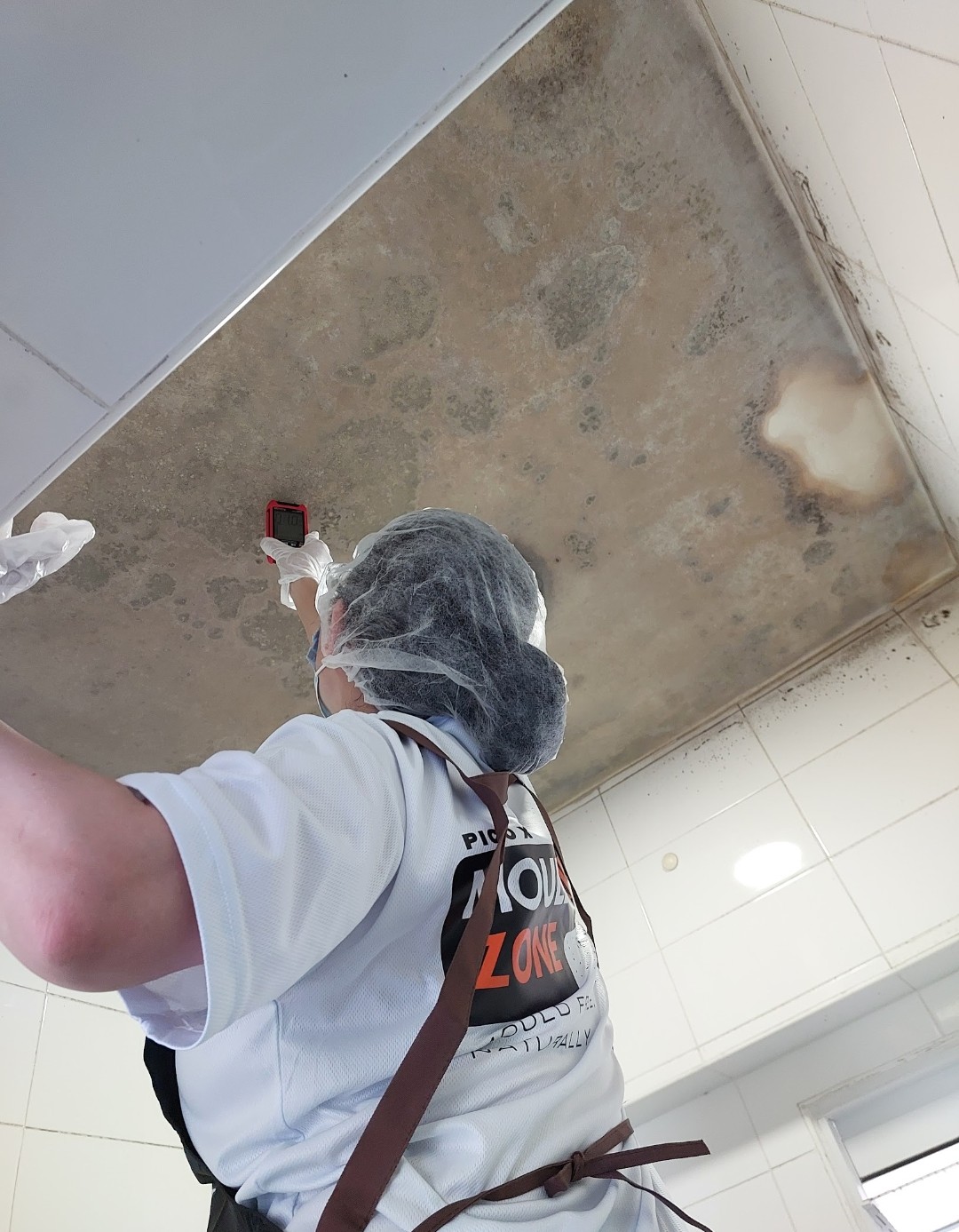
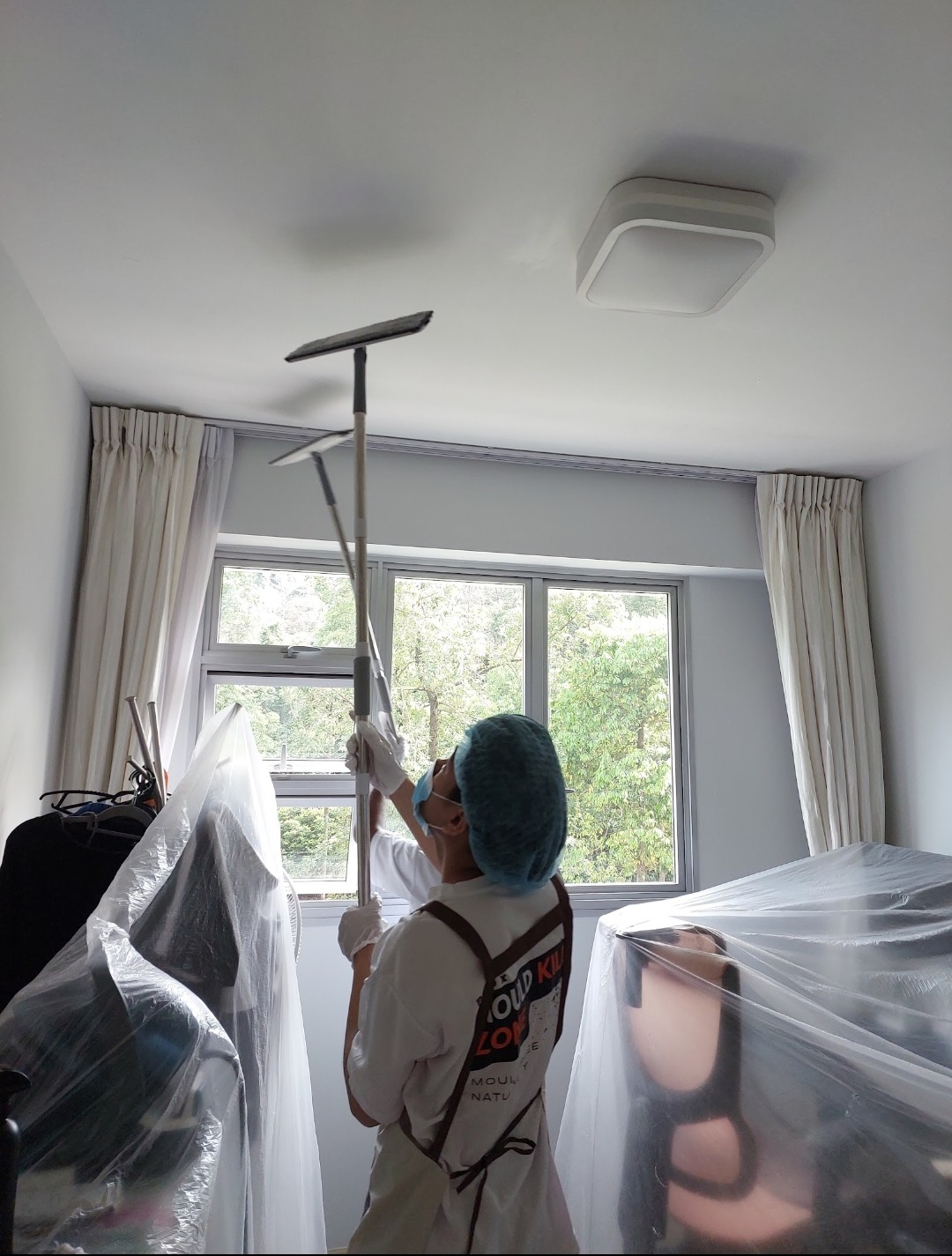
- Ceiling above the bed and behind the headboard
- Walls shared with the bathroom
- Wardrobe back wall — pull the wardrobe 30 cm out and look + smell
- Mattress — flip it and inspect the underside; musty smell mandates replacement
- Pillows — replace if older than 18 months
- Window frames and the wall directly below window aircons
- Curtains and curtain rails — fabric absorbs spores and condensation
- Bedside humidifier — clean tank daily or remove
Sleep-Restoring Remediation Protocol
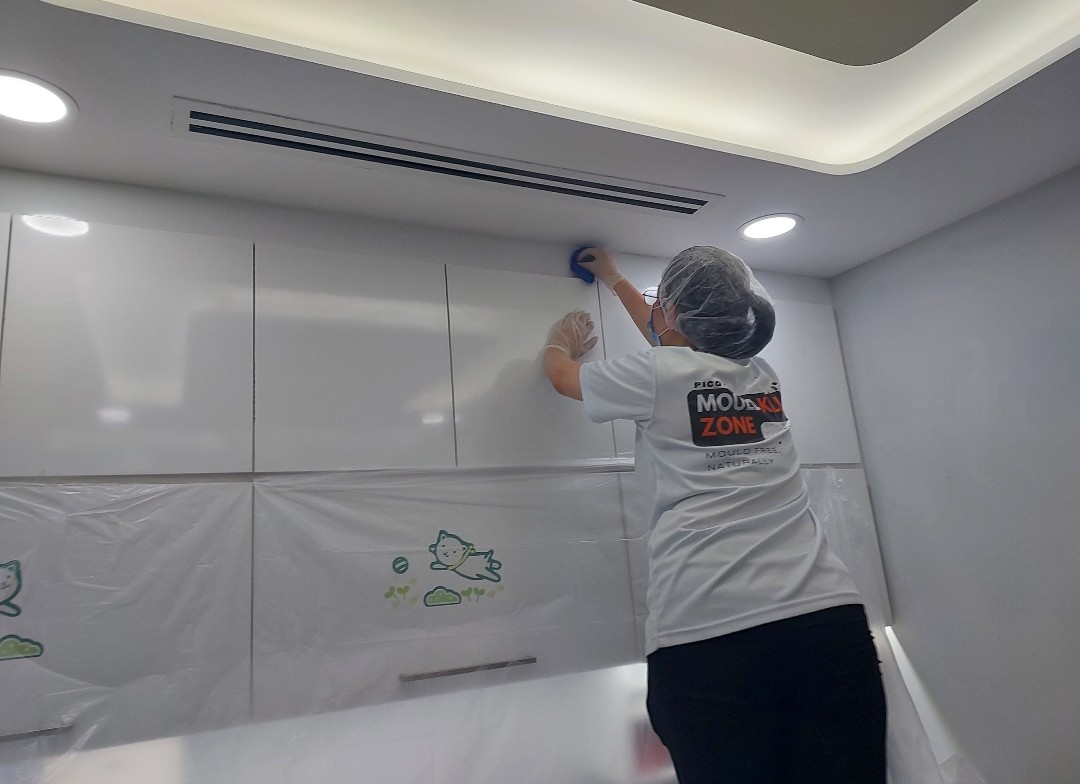
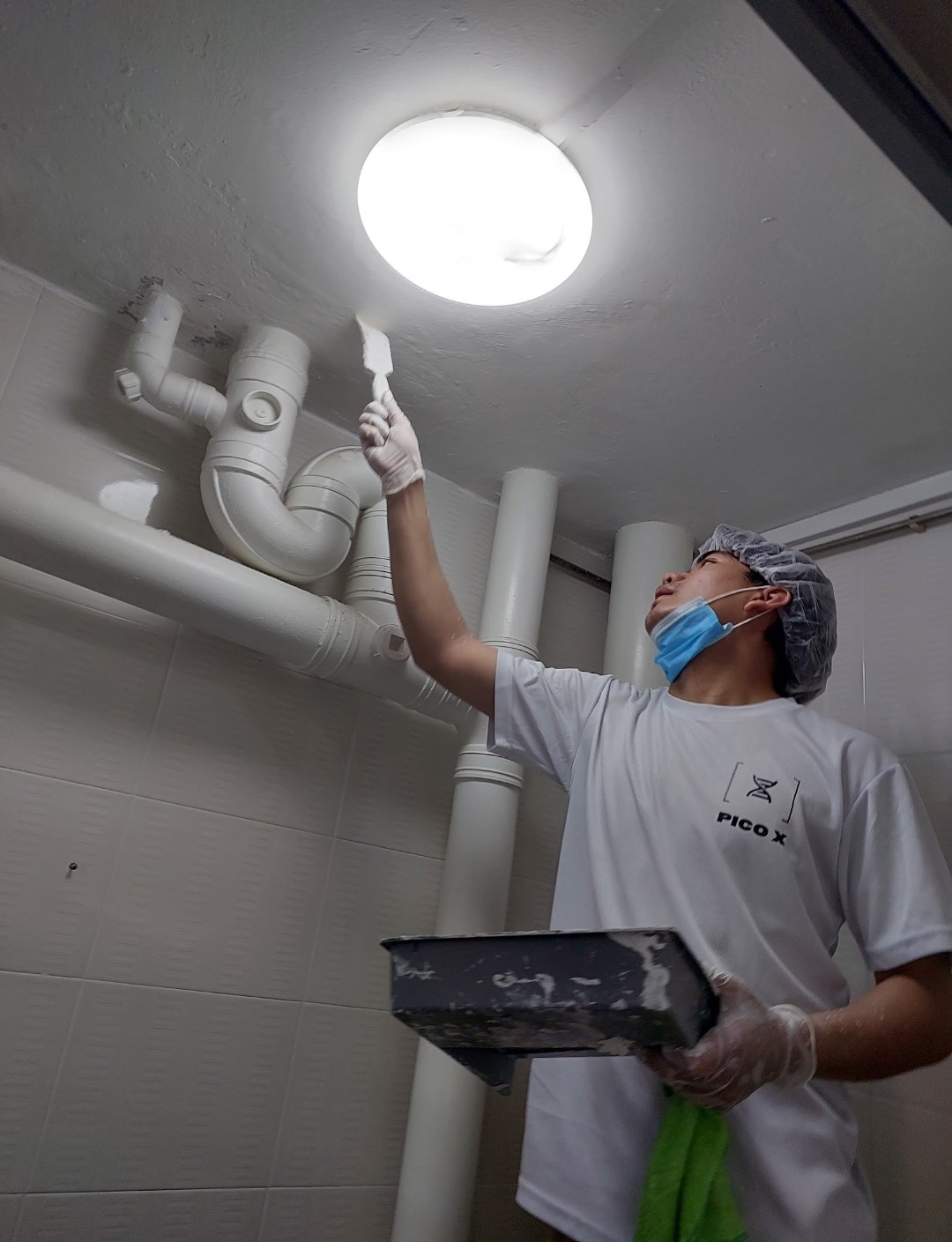
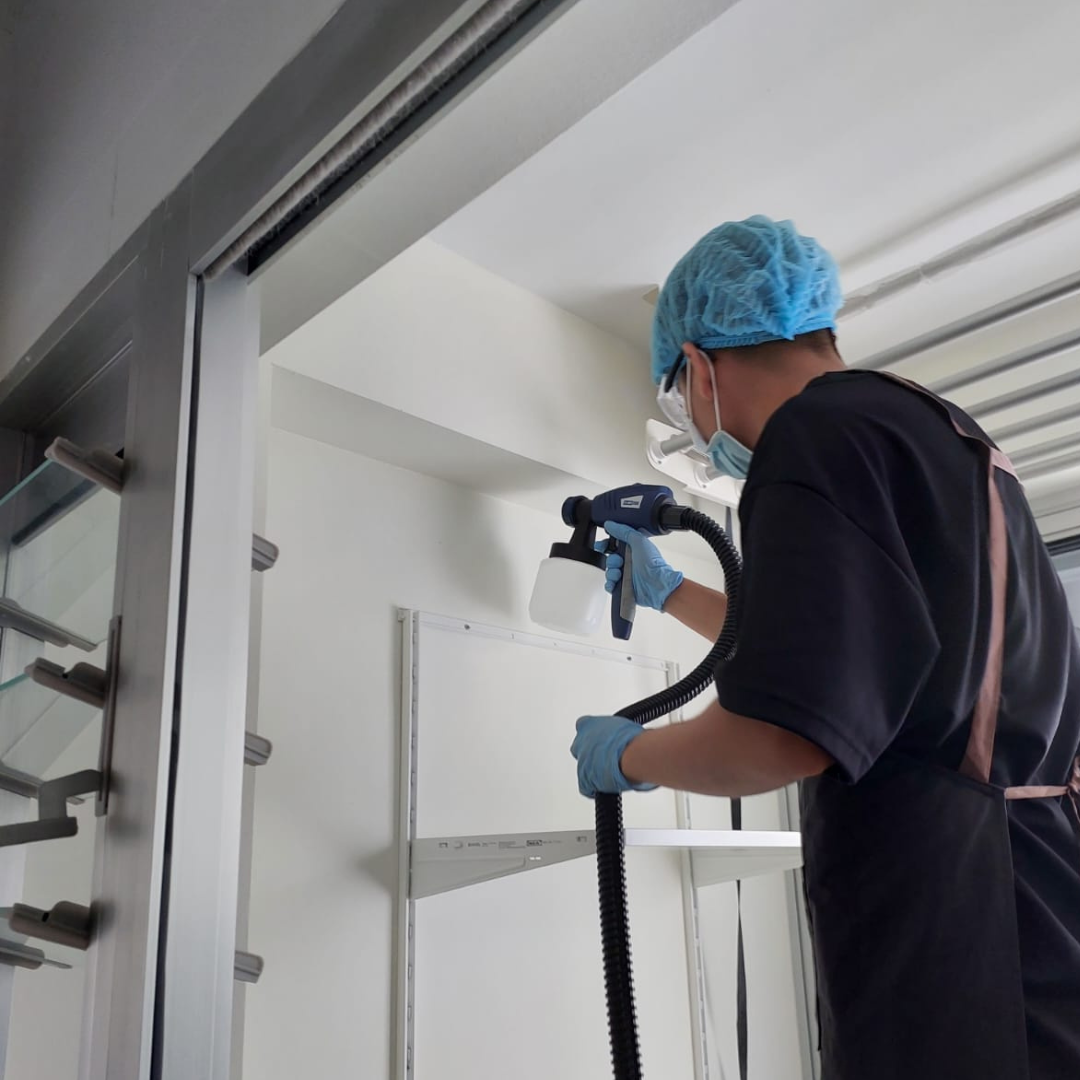
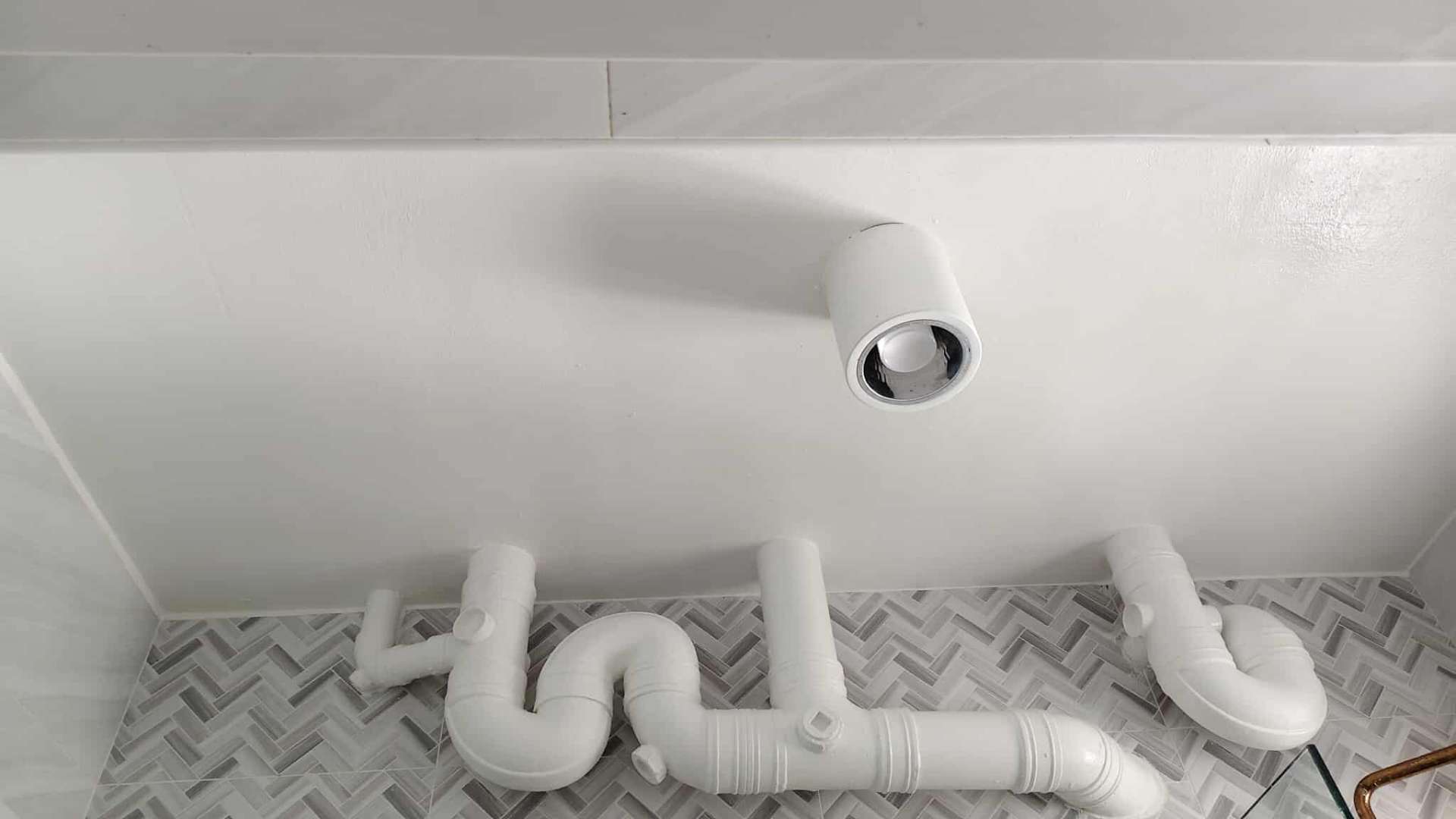
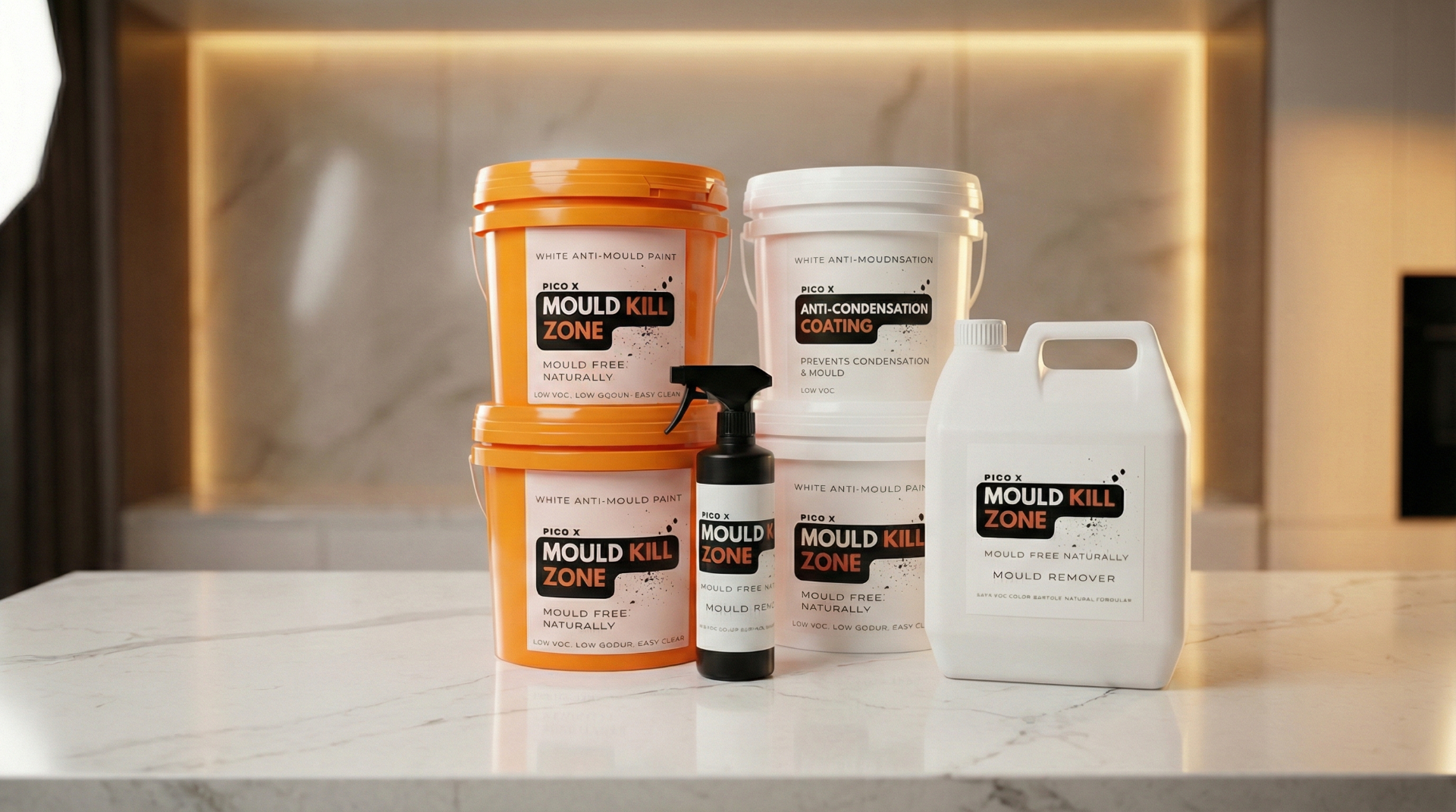
- Botanical sporicidal antimicrobials only — no bleach, no quaternary ammonium, no chlorine dioxide (these are themselves sleep-disrupting respiratory irritants)
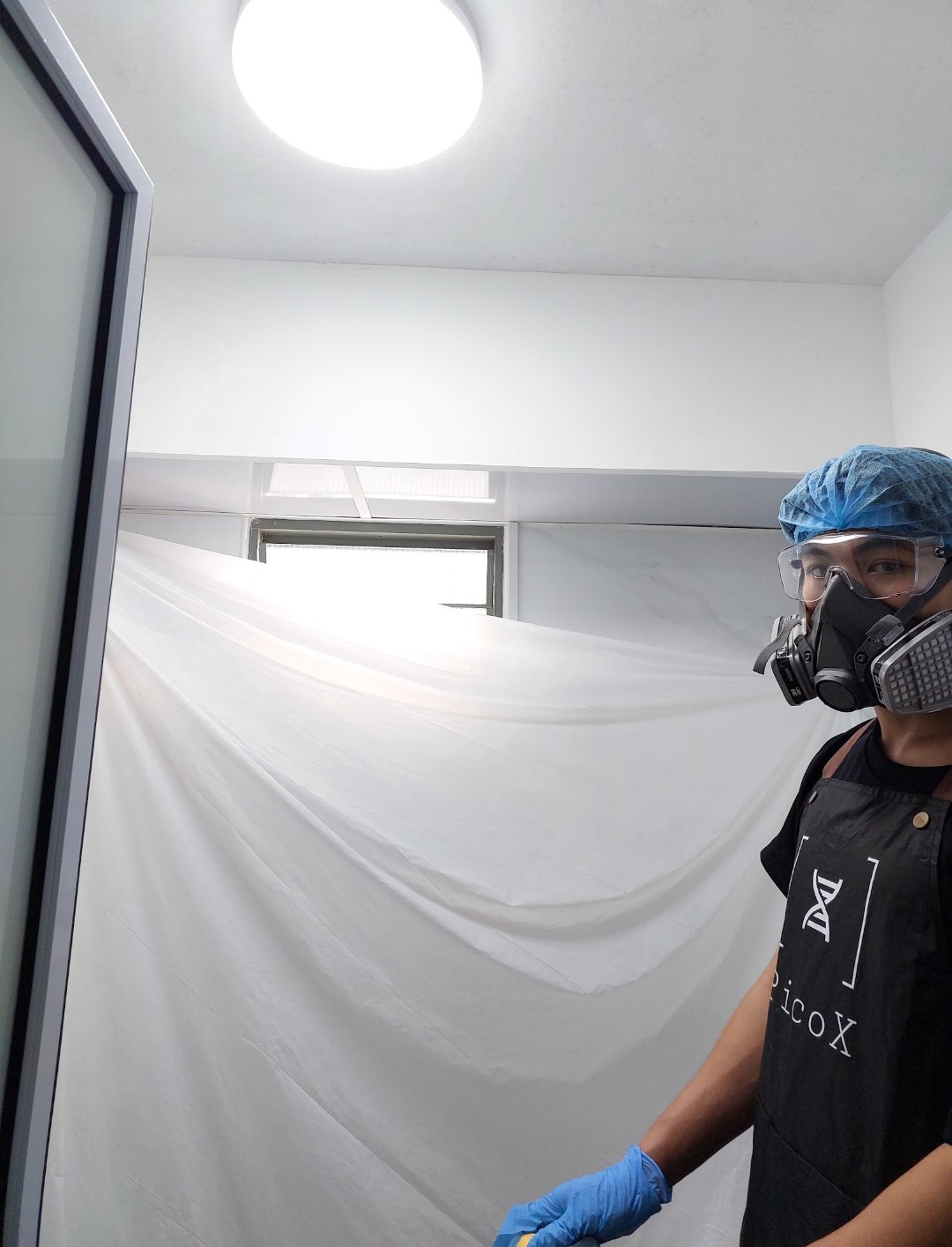
- Negative-pressure containment during the work
- HVAC isolation and coil clean — almost always the highest-yield intervention for bedroom symptoms
- Mattress and pillow assessment — replacement recommended if visibly affected or musty
- Post-treatment air sampling with written report
- Re-entry within 2–4 hours; sleep that night usually noticeably better
Related Reading
Frequently Asked Questions
Can mould cause insomnia?
Mould rarely causes pure insomnia (difficulty falling asleep) but very often causes sleep-maintenance fragmentation — micro-arousals from congestion, cough cycles and nocturnal histamine release. Total sleep time looks normal but restorative depth is lost.
I sleep fine elsewhere but feel awful at home — why?
Classic bedroom mould pattern. Holiday accommodation usually has a different aircon system and a recently cleaned room; you escape the spore source for the first time in months. Symptom resolution within 24–48 hours of departure and recurrence within hours of return is highly suggestive.
Should I throw out my mouldy mattress?
If the mattress smells musty or shows visible spotting on the underside, yes. Fungal hyphae penetrate foam beyond surface cleaning, and you spend 8 hours a night with your face inches from it. The cost of replacement is usually less than the cost of ongoing symptoms.
Will an air purifier alone fix my sleep?
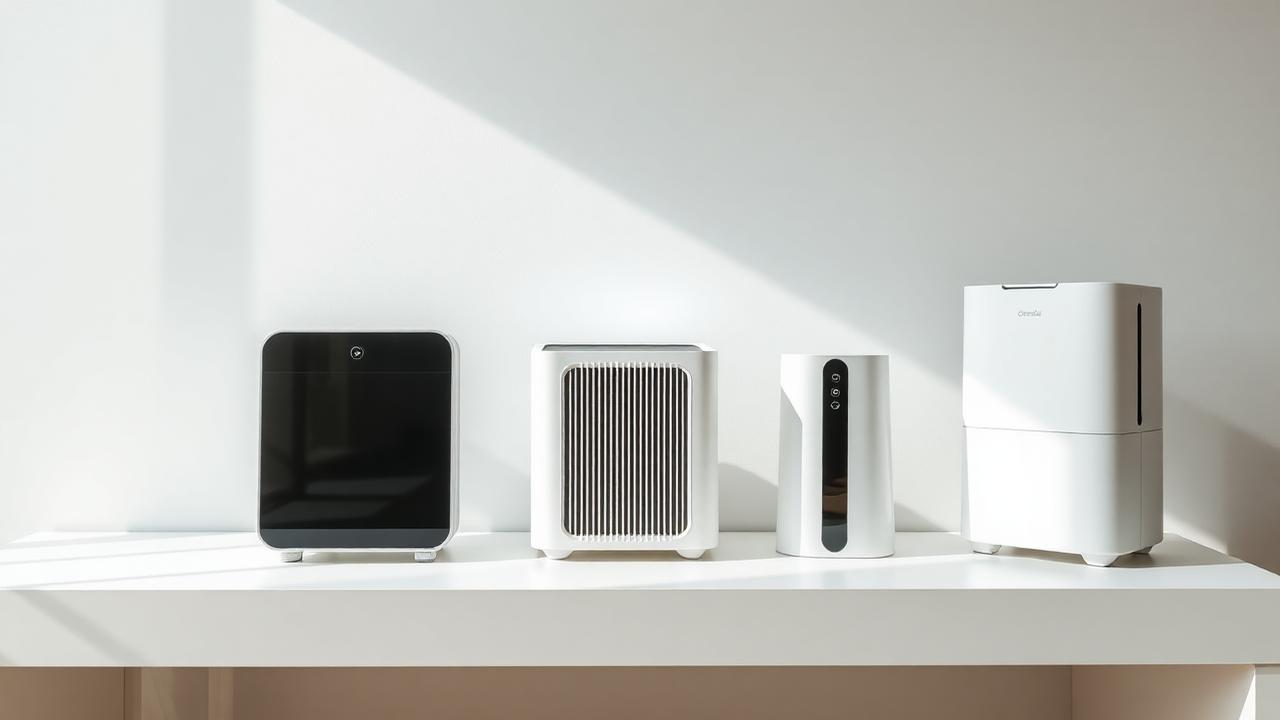
It helps but does not replace source removal. HEPA reduces airborne spore load while running, but the source — usually the aircon coil and the mattress — keeps producing spores. Source removal first; afterwards if helpful.
What humidity should my bedroom be?
50–55% relative humidity is the sweet spot — high enough not to dry the airways, low enough to suppress mould and dust-mite reproduction. A cheap hygrometer plus a moderate dehumidifier achieves this in most Singapore bedrooms. Avoid going below 40%.
How quickly will my sleep improve after remediation?
Most clients report measurable improvement within 1–2 weeks; full normalisation by 6–8 weeks. The biggest single-day jump is usually the night after the aircon coil clean.
Ready to take action?
Get a free WhatsApp photo assessment — honest triage, transparent pricing Limited-time promoat $199.
WhatsApp Photo Quote Call +65 8751 5146