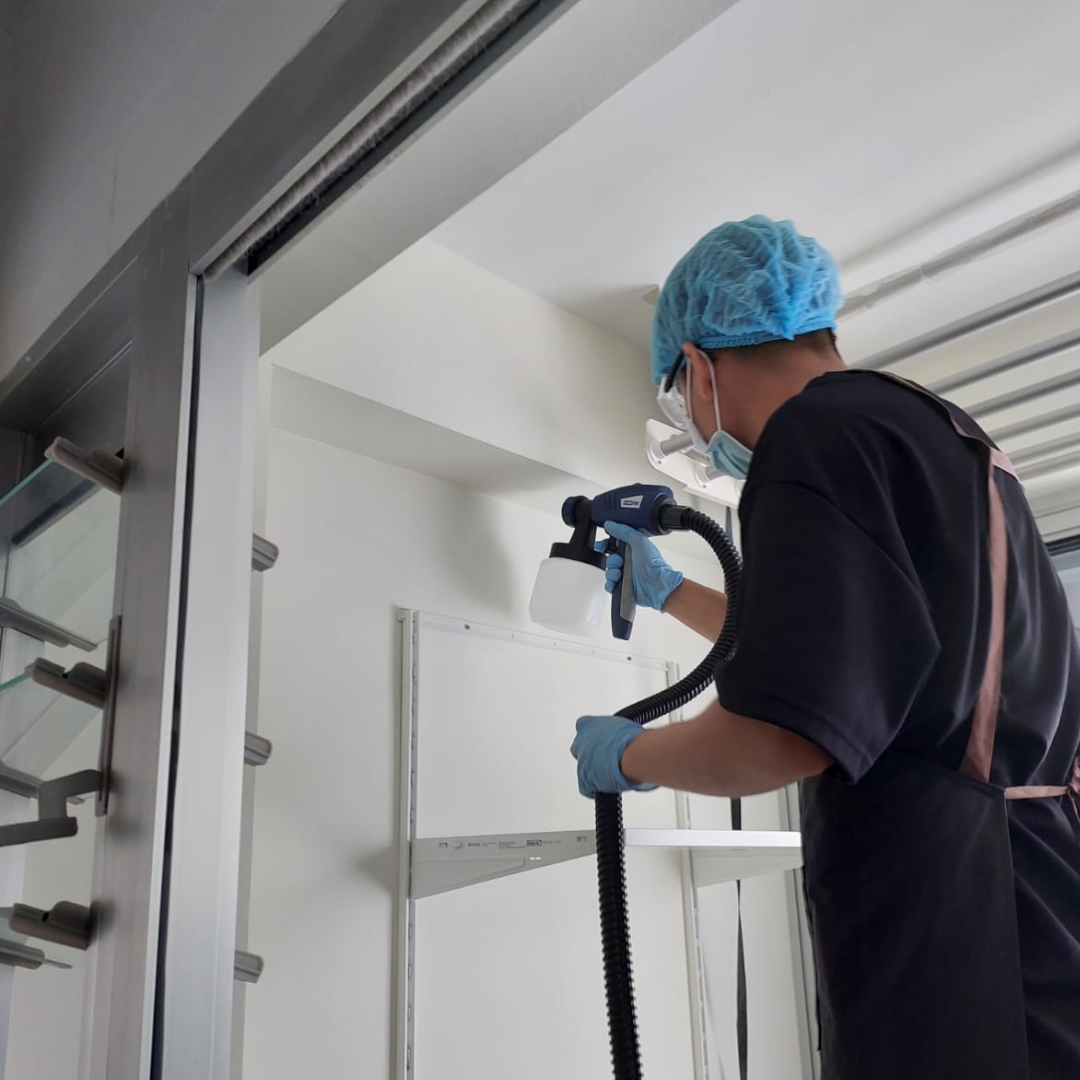
Why Schools Are a High-Risk Setting
Singapore preschools and primary classrooms typically house 15–30 children in air-conditioned rooms for 4–8 hours per day. Aircon coils are often serviced quarterly at best — far less frequently than the 6–8 week cycle that prevents biofilm formation in our humidity. The result is that one shared aircon unit becomes a spore-distribution system for the entire class.
Children are biologically more vulnerable than adults (higher breathing rate per kilo, developing lungs, immature immune system) and are exposed in groups, so a single contaminated classroom produces correlated symptoms across many children — a pattern often misattributed to seasonal cold and flu transmission.
Older school blocks add structural risk: leaking roofs, poor wall insulation, inter-floor condensation, and bomb-shelter storage rooms used for stationery and craft supplies are all common starting points.
Symptoms Suggesting a School Trigger
- Cough, congestion or wheeze that appears during school hours and fades at home
- Symptoms worse on Mondays after weekend recovery
- Symptom-free during school holidays and recur within days of return
- Multiple children in the same class with similar symptoms
- Eczema or rhinitis flares correlated with school days
- Increased reliever inhaler use on school days for asthmatic children
- Teacher reports persistent musty smell in the classroom
How to Escalate — A Stepwise Approach
Most Singapore schools and ECDA-licensed centres respond constructively when approached with documentation rather than complaint. The recommended sequence:
- Document at home first — symptom diary noting school vs holiday vs weekend pattern
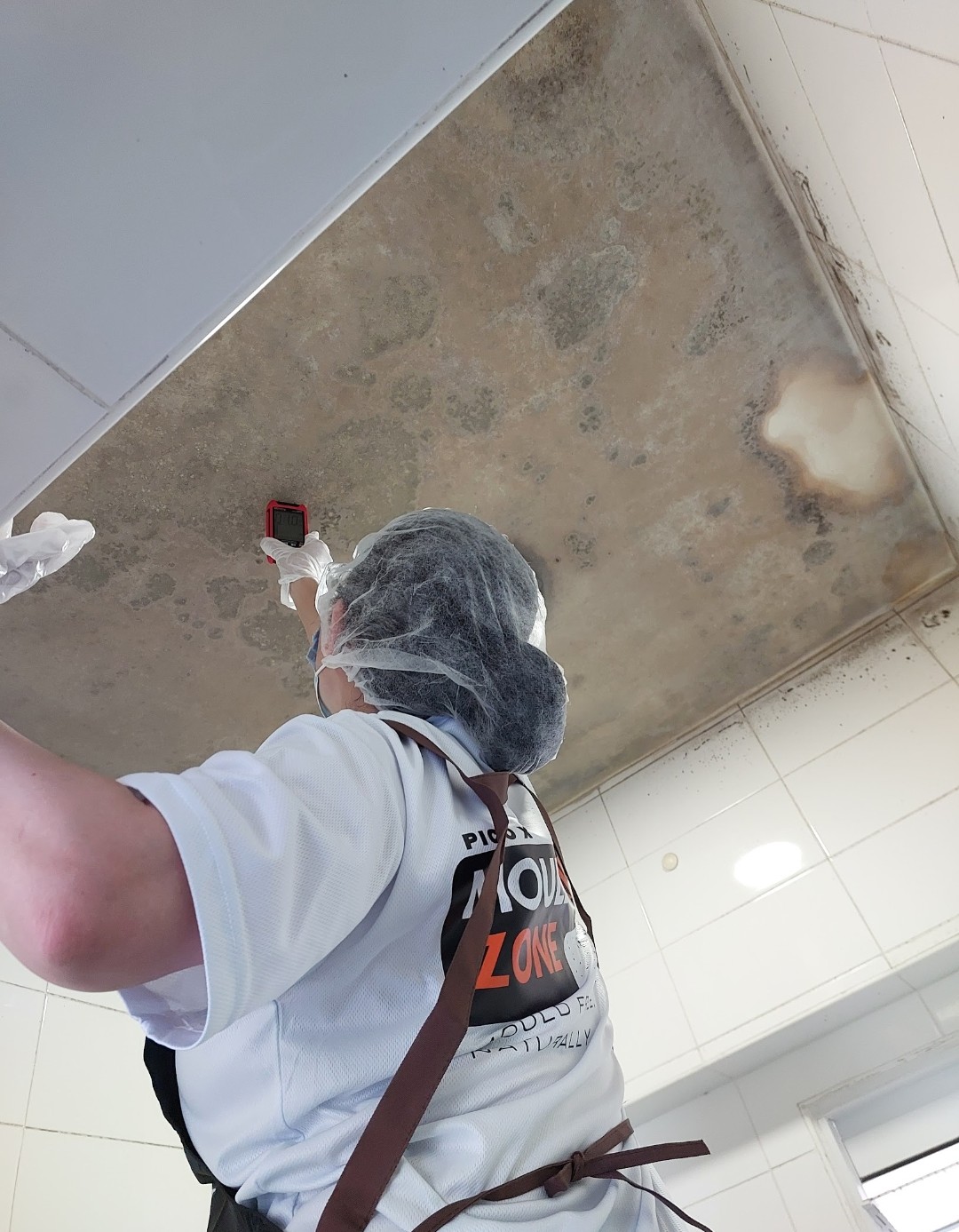
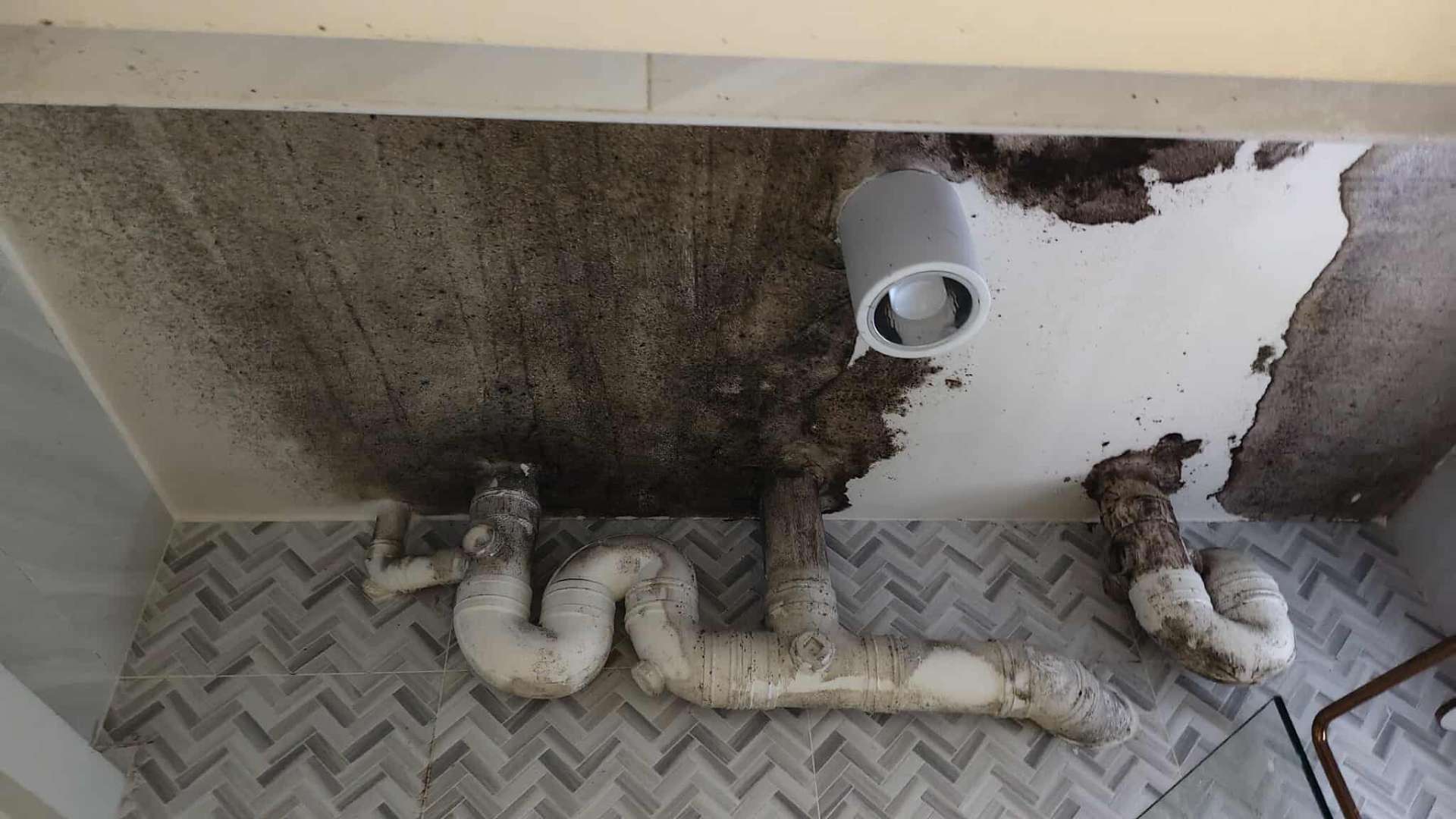
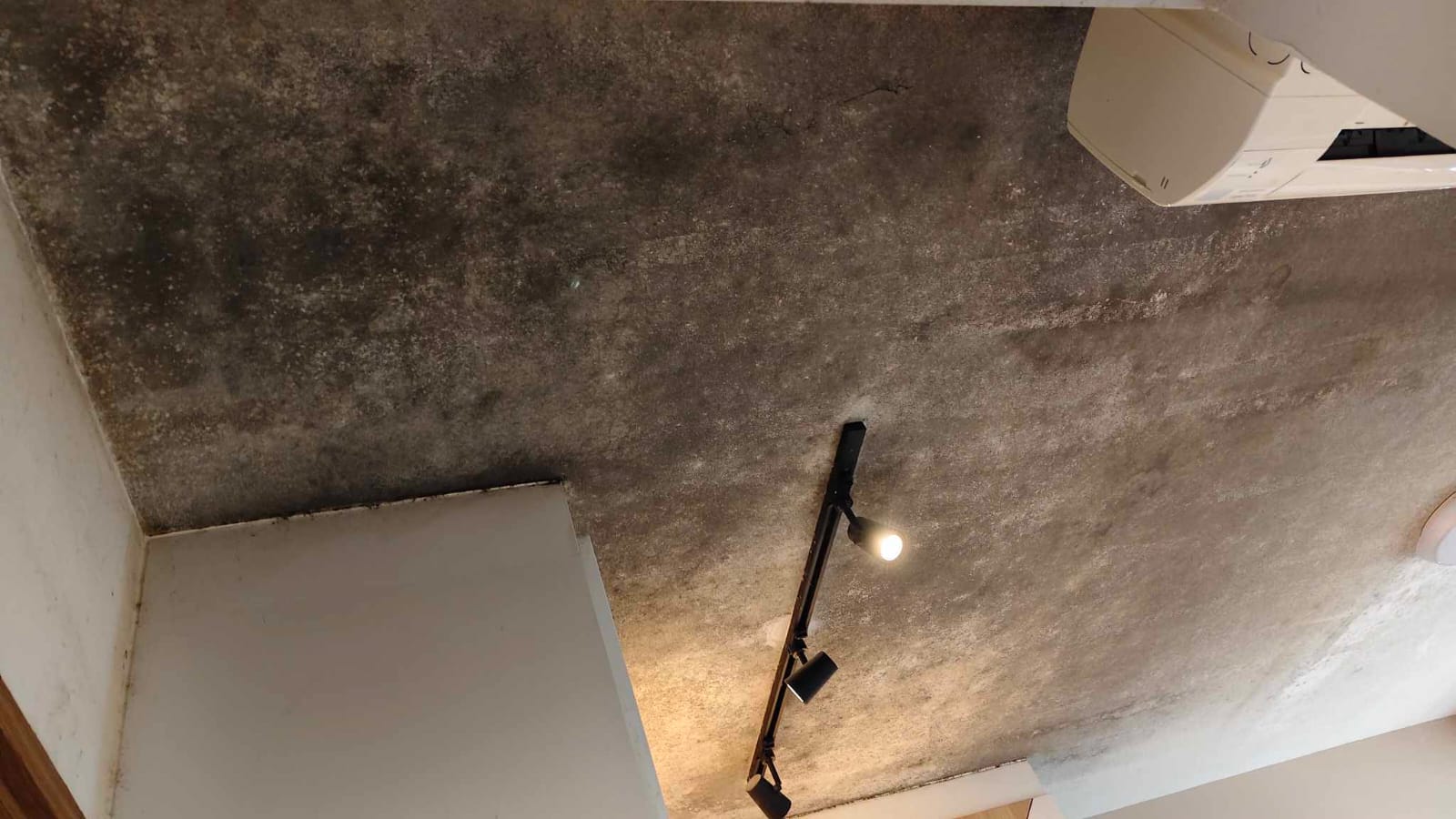
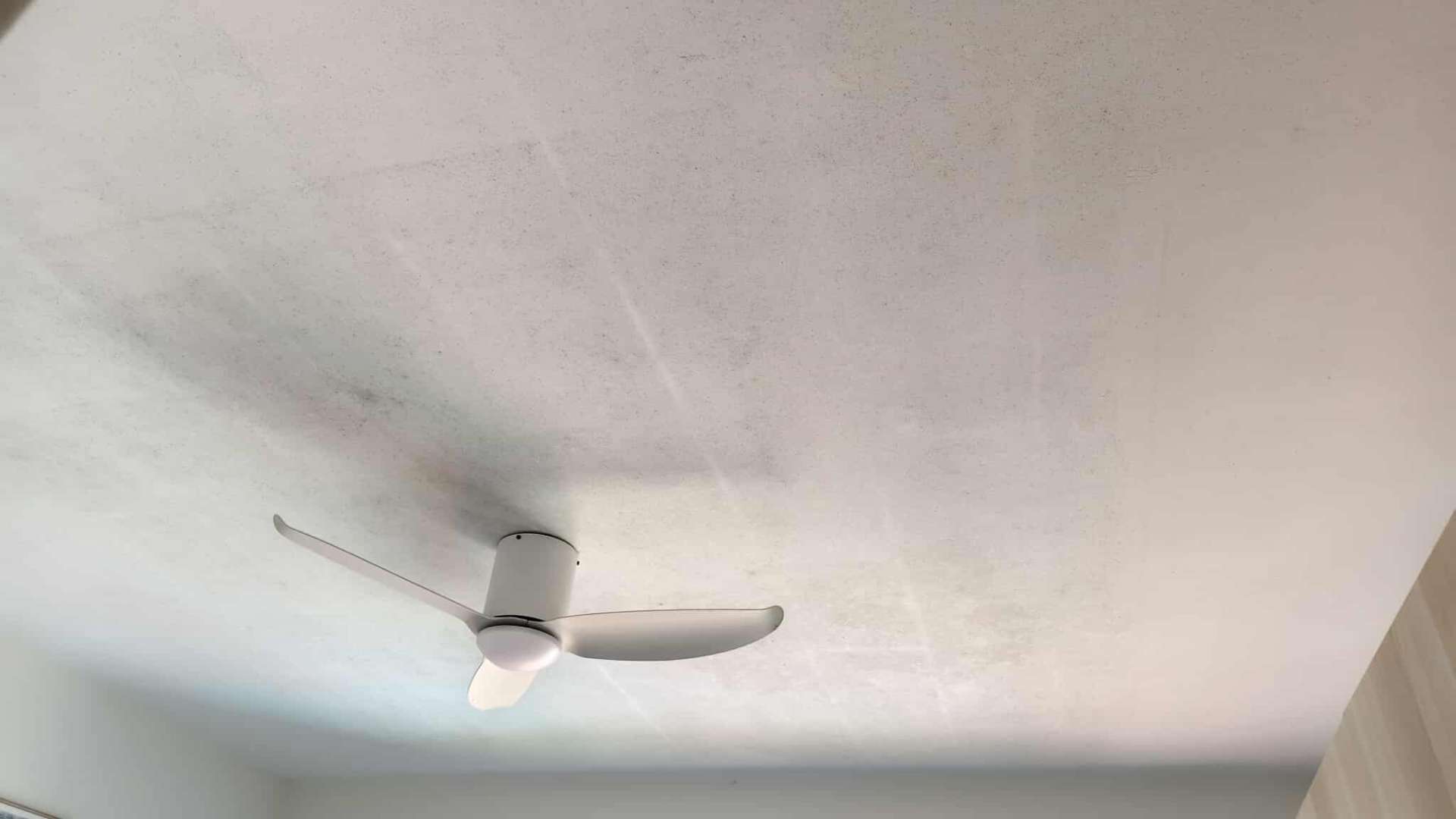
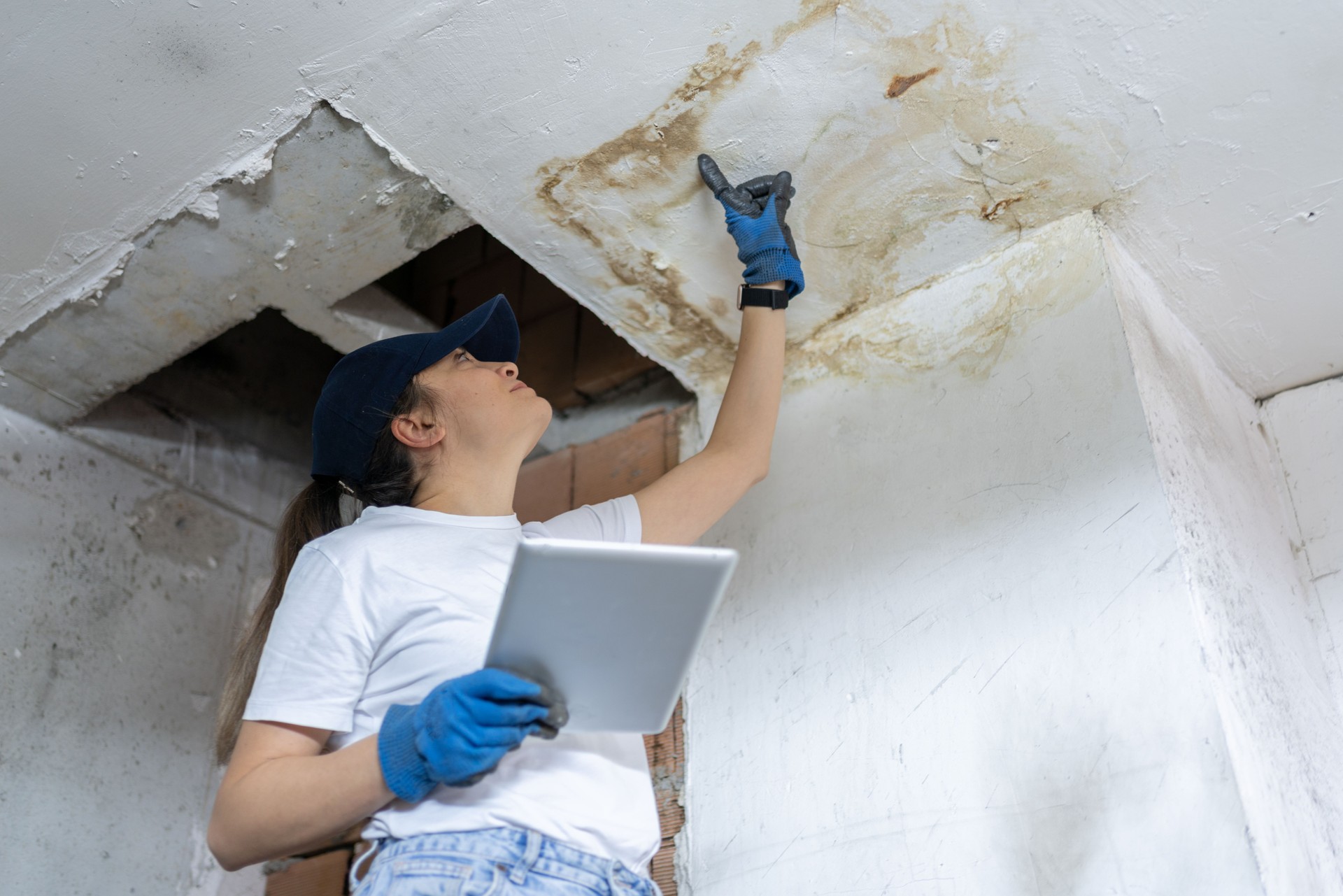
- Photograph any visible mould on classroom walls, ceilings, aircon vents, store rooms — discreetly, with permission where possible
- Speak to the form teacher first; many teachers have noticed the same issue and welcome support
- Escalate to the principal or centre manager in writing, attaching the diary and photographs
- Request the most recent aircon servicing record and ask when the next coil clean is scheduled
- For ECDA-licensed centres, escalate to the Early Childhood Development Agency if the centre does not respond within 2 weeks
- For MOE schools, escalate via the parent support group or directly to MOE if needed
- Offer to share our parent action template — many parents find it easier to escalate with a structured letter
What the School Should Do
- Inspect the affected classroom with the parent present if requested
- Service the aircon coil (not just the filter) within 2 weeks
- Inspect store rooms, bomb shelters and shared walls
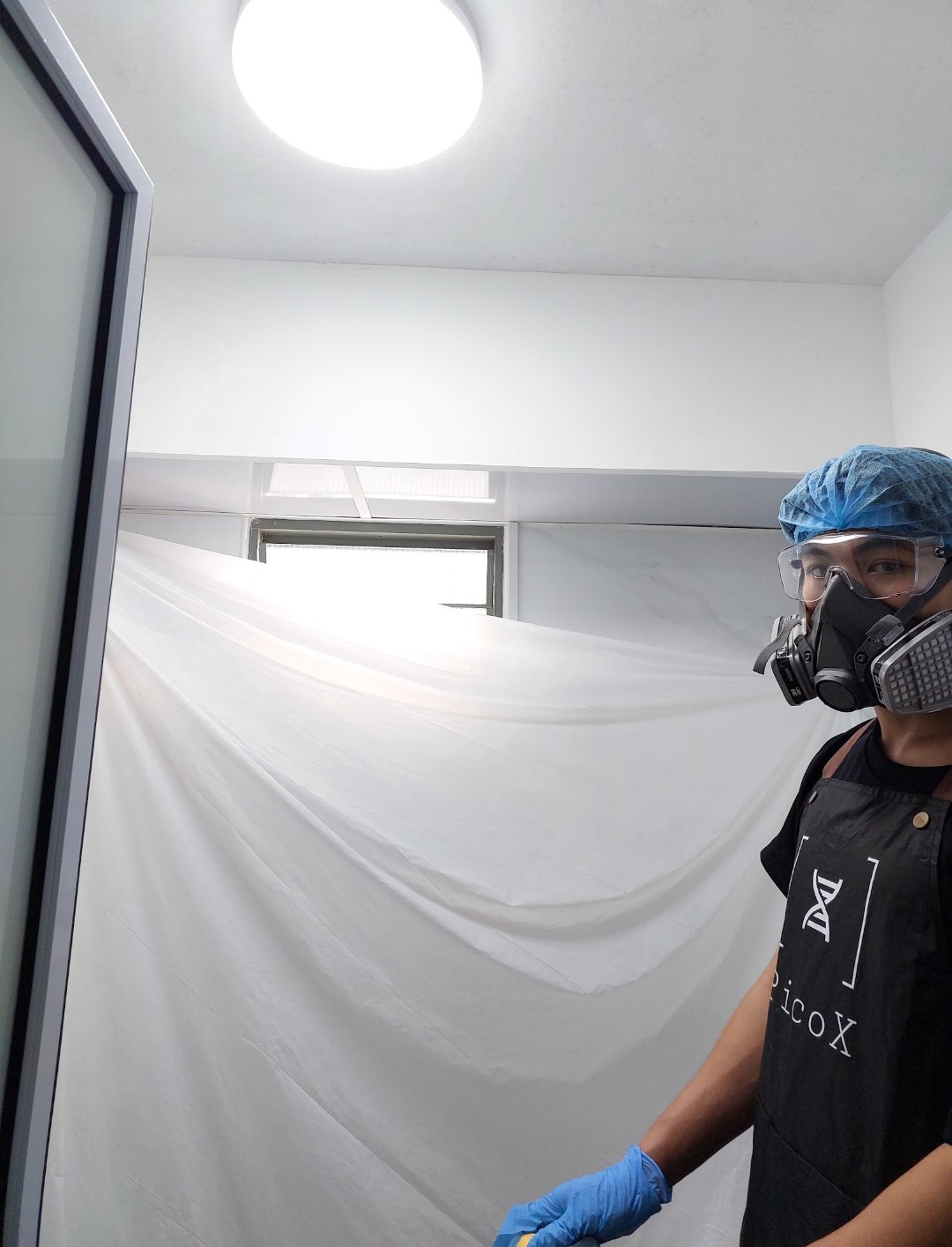
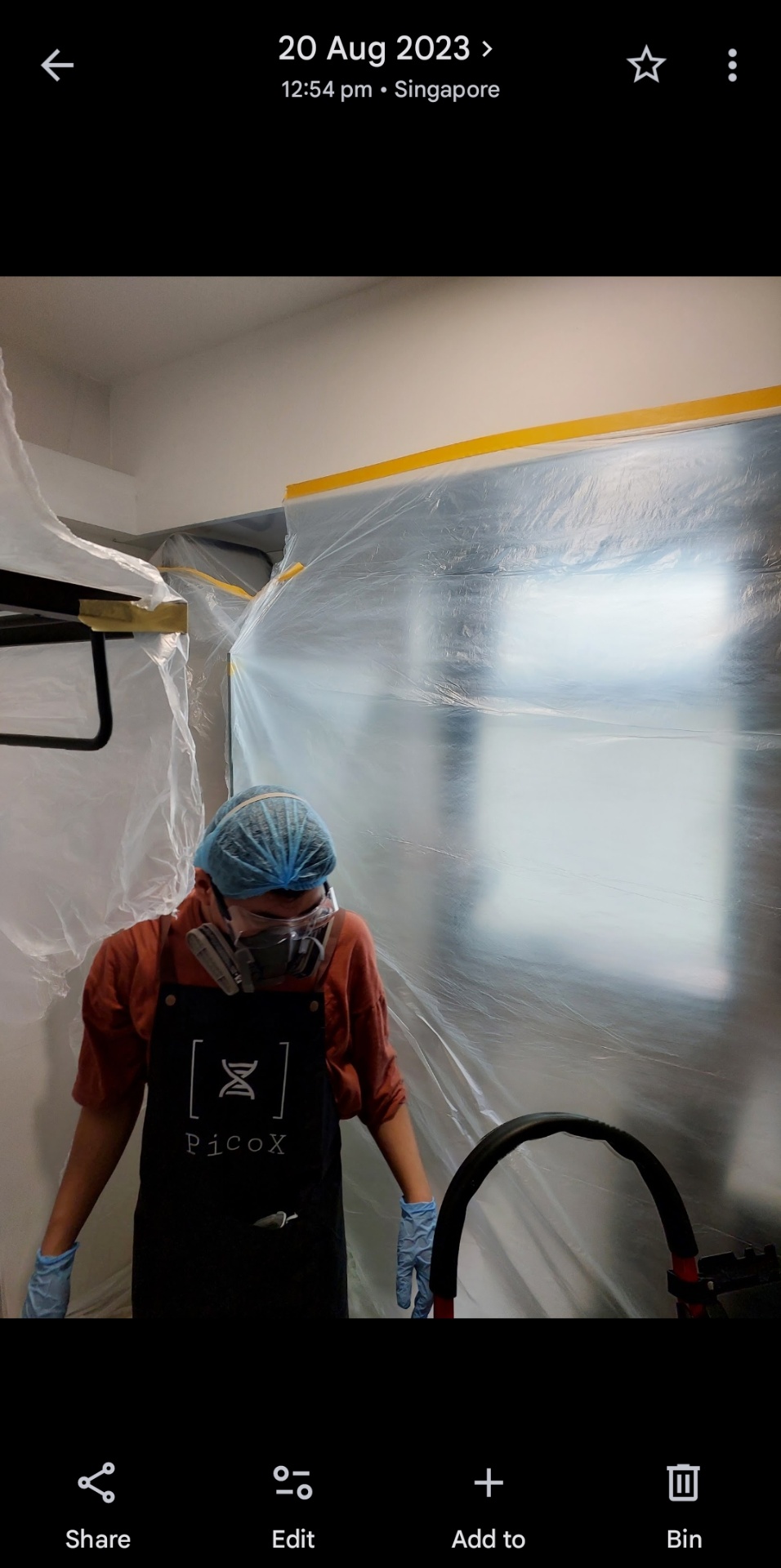
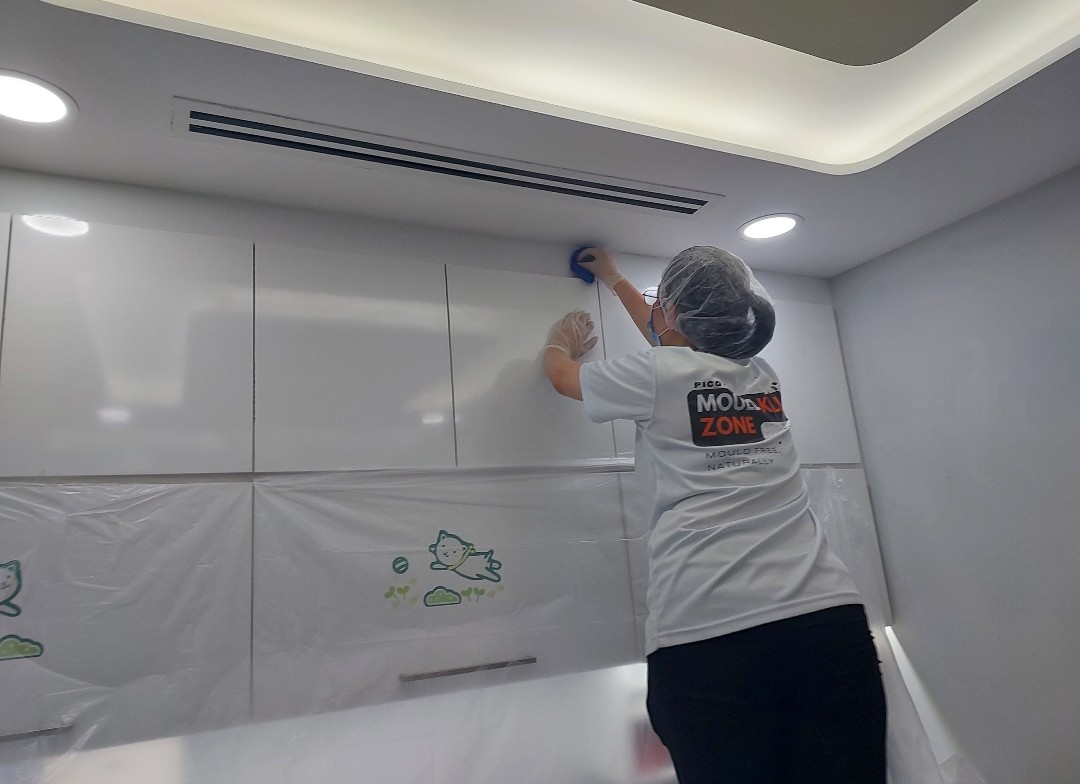
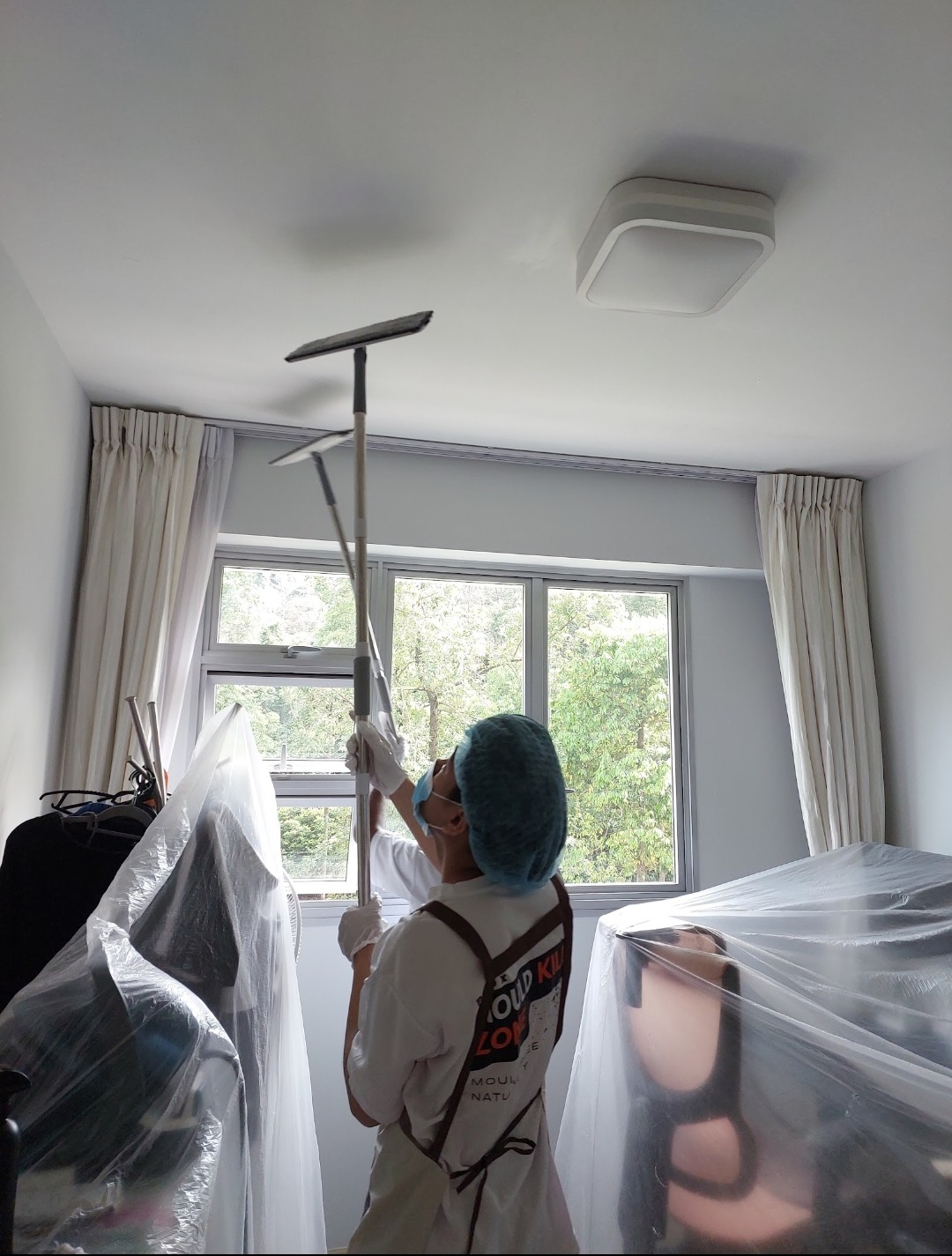
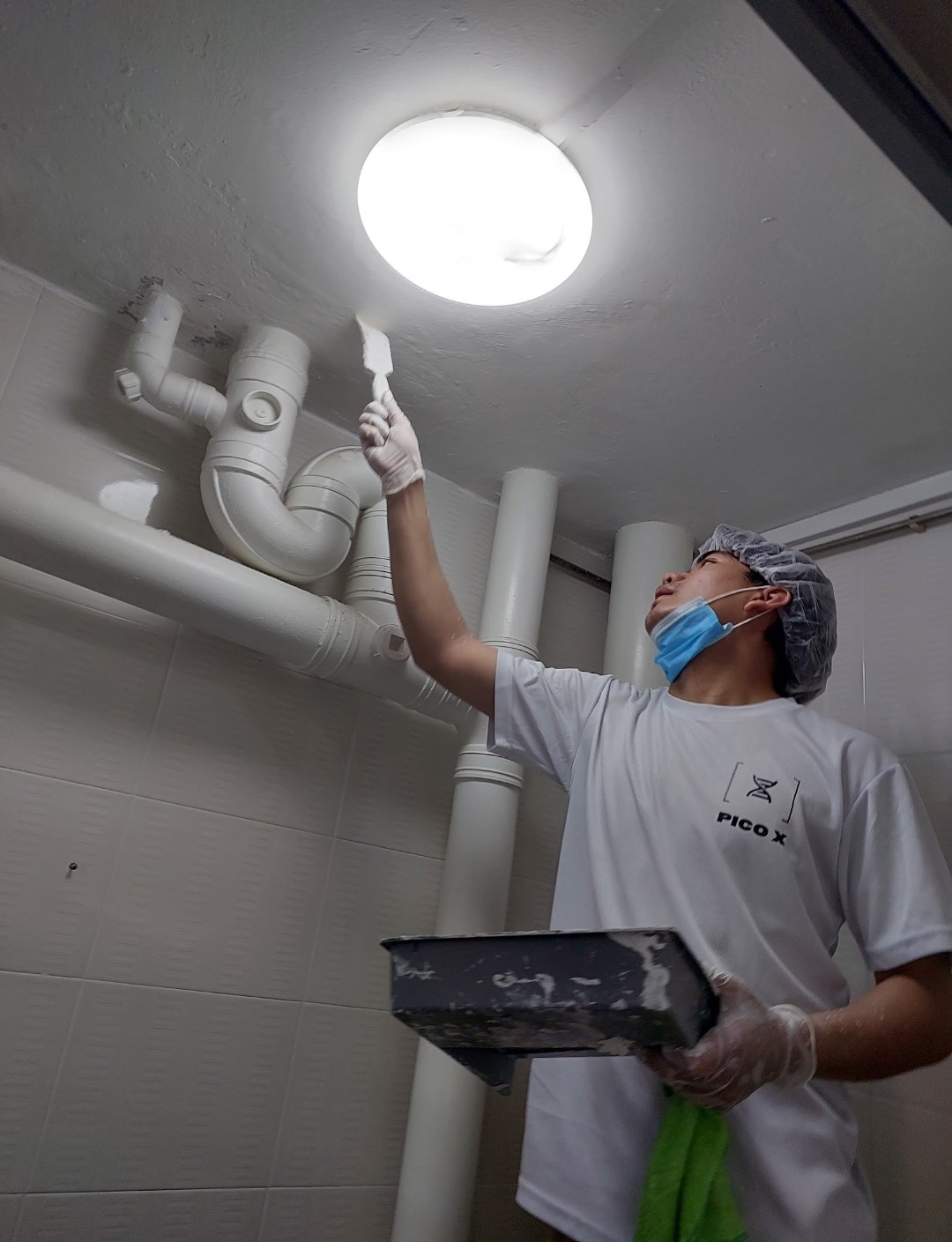
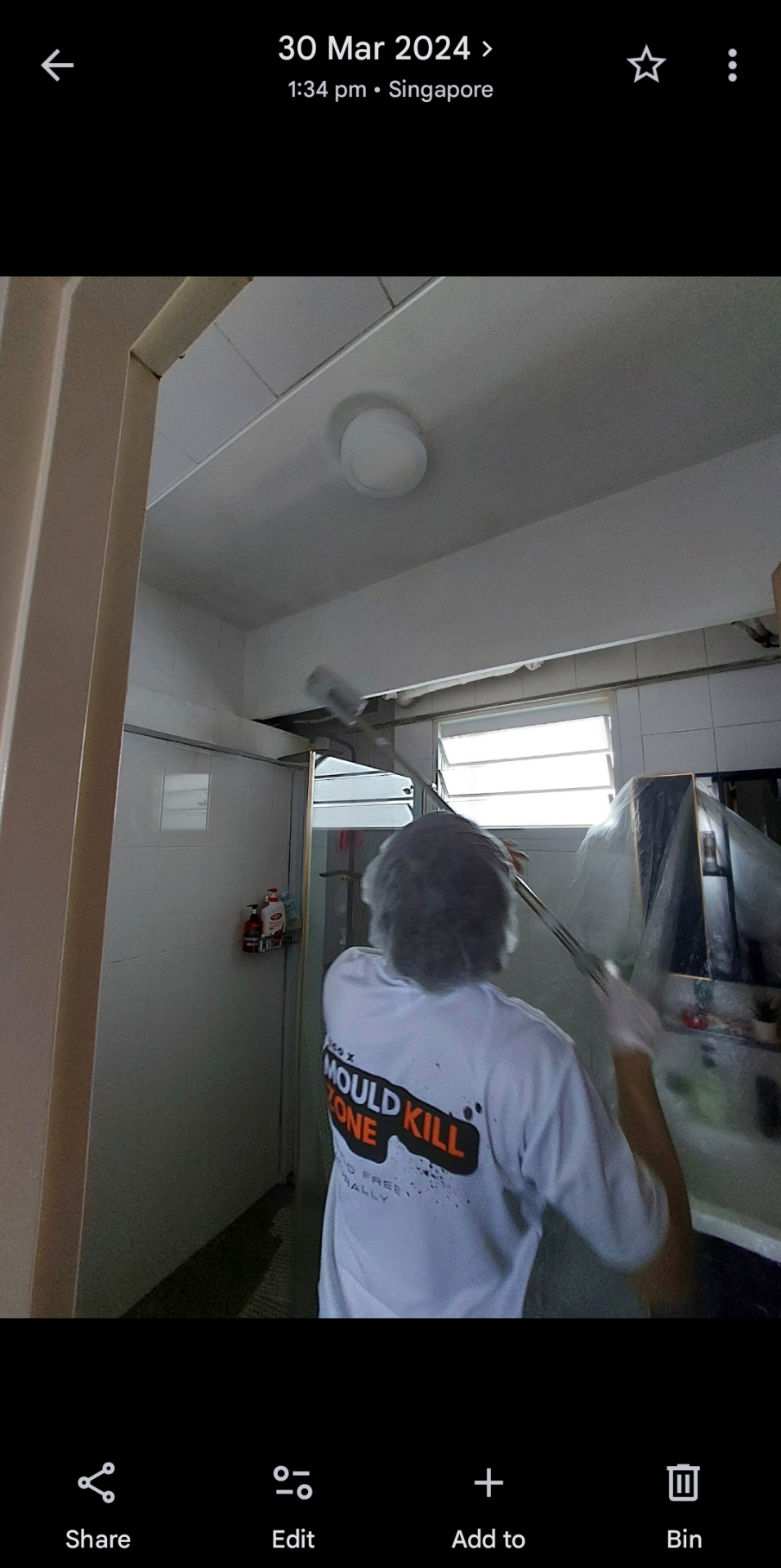
- Engage a remediation specialist if visible mould is found, with the work scheduled outside school hours
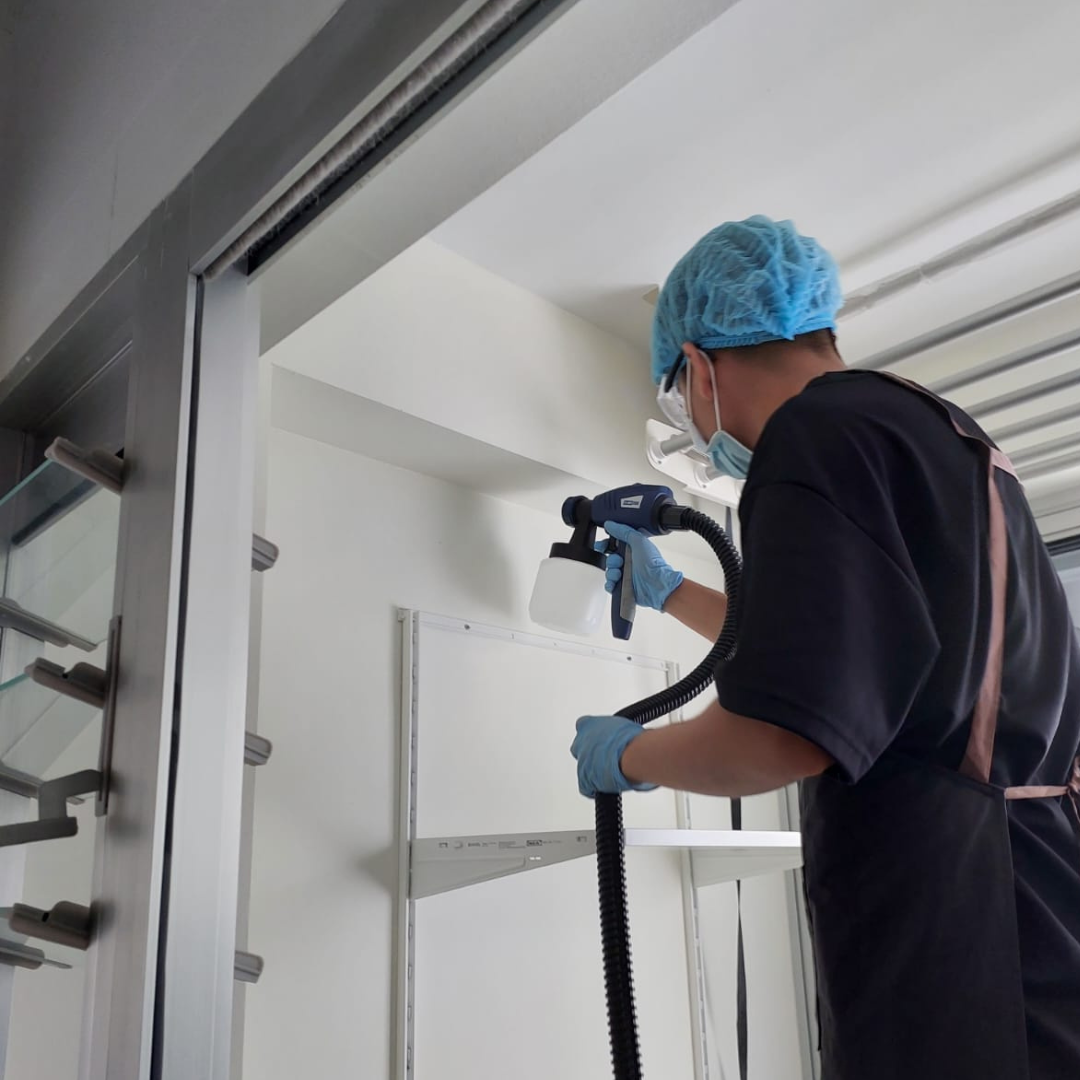
- Use child-safe antimicrobials — botanical, residue-free, no bleach
- Ventilate and -filter the classroom for at least 24 hours after treatment before children return
- Provide a written report to parents confirming completion
Long-Term Consequences for Children if the School Does Not Act
- Childhood-onset asthma — group exposure produces correlated incidence within a class cohort
- Reduced peak lung function — measurable in adolescent spirometry
- Atopic march progression — eczema, food allergy, allergic rhinitis, asthma sequence accelerated
- School absenteeism — affected children miss measurably more school days
- Chronic rhinosinusitis — sustained Aspergillus exposure can colonise paranasal sinuses
- Cognitive and behavioural effects — mycotoxin exposure has been associated with attention and sleep difficulties
What We Can Do for Parents and Schools
- Free parent triage via WhatsApp — review your photographs and symptom diary
- Parent action template — structured letter for escalation
- Independent classroom inspection with written report
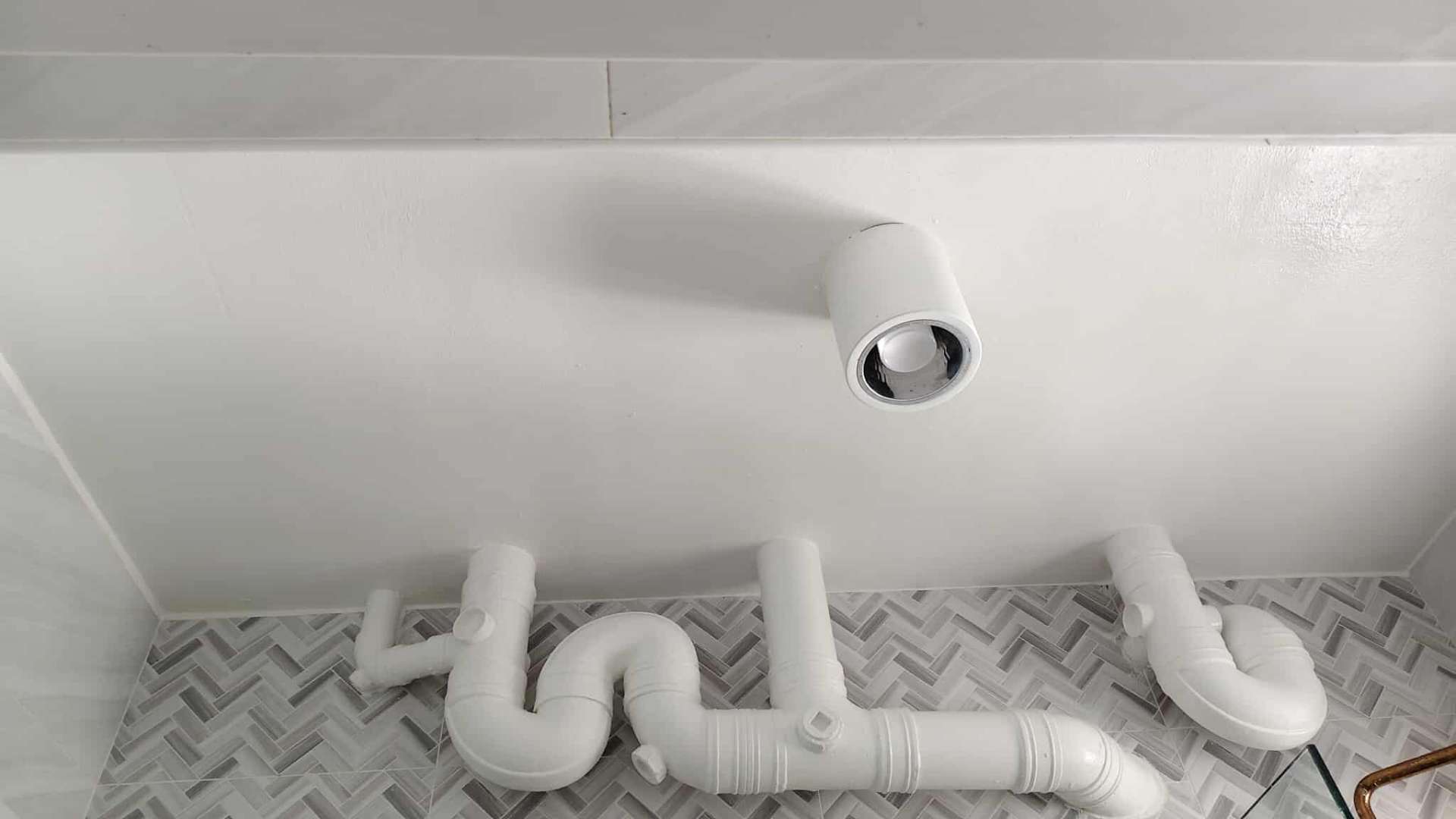
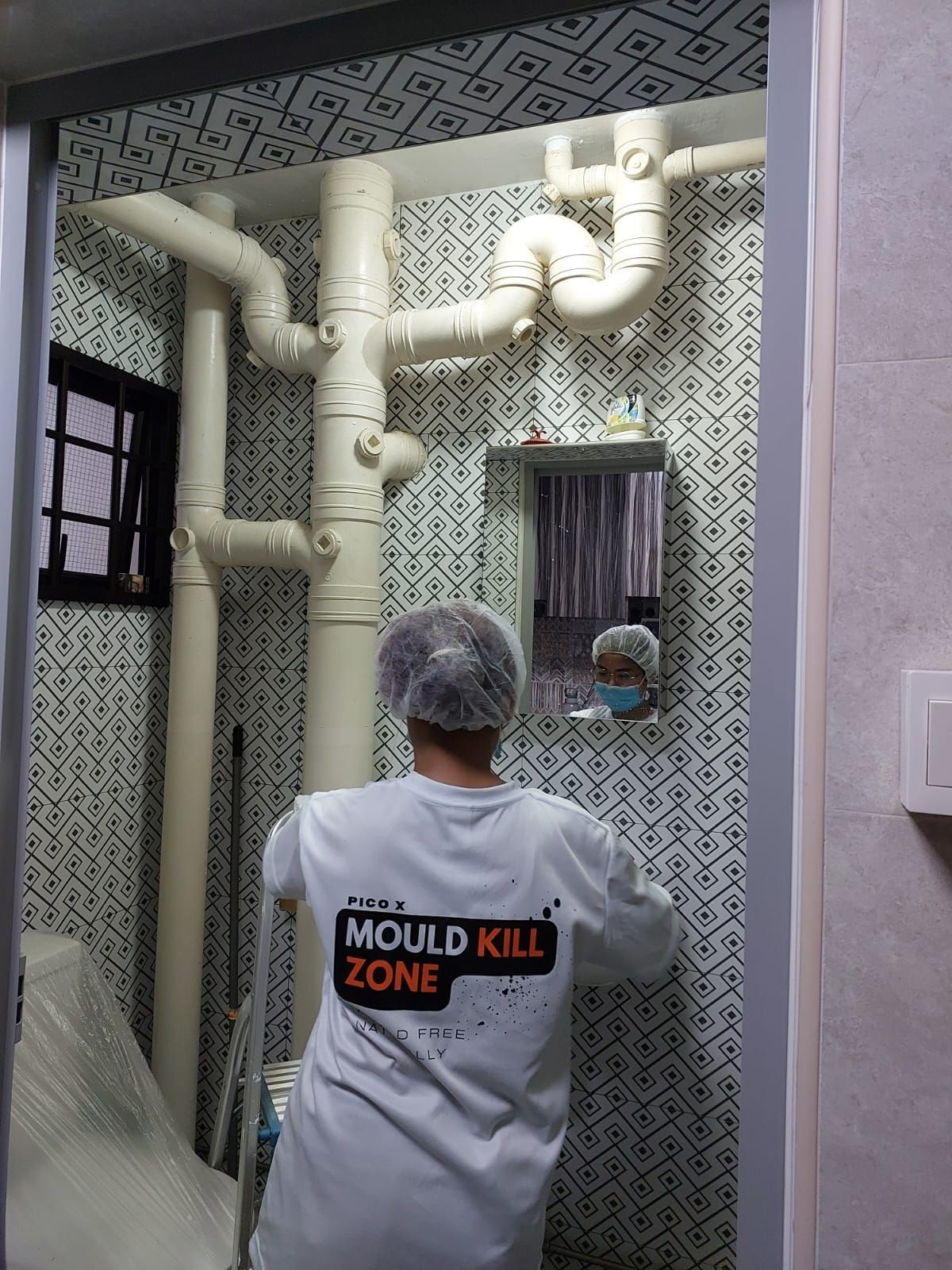
- Remediation using child-safe botanical antimicrobials, scheduled outside school hours
- Post-treatment air sampling with comparison to outdoor baseline
- Coordination with the school management on documentation and re-entry timing
- Group rates for parent associations commissioning multiple classrooms
Related Reading
Frequently Asked Questions
Can I demand the school remediate mould?
You can request it with documentation (photos, symptom diary). MOE schools and ECDA-licensed centres are expected to maintain a safe indoor environment. A polite, evidence-based written request usually gets traction faster than a confrontational one.
What if the school refuses?
For ECDA-licensed preschools, escalate to the Early Childhood Development Agency. For MOE schools, escalate via the parent support group, then directly to MOE if needed. Bring documentation and, if available, an independent inspection report.
How quickly can a school be remediated?
A single classroom can be assessed and remediated over a single weekend or school holiday if the colony is contained. Larger jobs involving multiple classrooms or shared HVAC may take 1–2 weeks of phased work scheduled outside school hours.
Should I move my child to a different class or school?
Discuss with the school first — most issues are resolvable. Consider a temporary move only if the school is unresponsive and your child has documented symptoms. A change of school for environmental reasons is rarely necessary if escalation is handled well.
Can I bring an outside inspector to the school?
Some schools welcome it; others do not. Always request permission in writing first. We can attend with the school's consent and produce an objective written report whose findings the school can act on.
Will MOH or NEA intervene?
Government agencies generally do not intervene in single-school remediation matters; the responsibility sits with the school management and ECDA/MOE as the regulator. Direct engagement with the school plus regulatory escalation if needed is the right path.
Ready to take action?
Get a free WhatsApp photo assessment — honest triage, transparent pricing Limited-time promoat $199.
WhatsApp Photo Quote Call +65 8751 5146