Why Newborn Lungs Are Uniquely Vulnerable
A newborn is born with roughly 50 million alveoli — only one-sixth of the adult complement. Most alveolar multiplication happens in the first two years. Mould-driven inflammation during this window can permanently reduce the final alveolar count, which translates to lower peak lung function in adulthood and elevated lifetime COPD risk.
Newborn airway calibre is also very small, so any mucosal swelling produces disproportionate airflow obstruction. A spore burden a healthy adult would clear silently can manifest as audible wheeze, retractions or feeding difficulty in a newborn.
The neonatal immune system is also being calibrated. The hygiene-hypothesis literature is now more nuanced: dirt and microbial diversity protect against allergy, but specific high-load fungal exposures — particularly Aspergillus and Stachybotrys — promote allergic sensitisation rather than tolerance. The nursery should be biologically clean, not sterile.
The Pre-Birth Nursery Audit (Trimester 3)
Ideally performed 4–8 weeks before estimated delivery date, allowing time for any remediation work plus a 2–4 week off-gassing window before baby arrives.
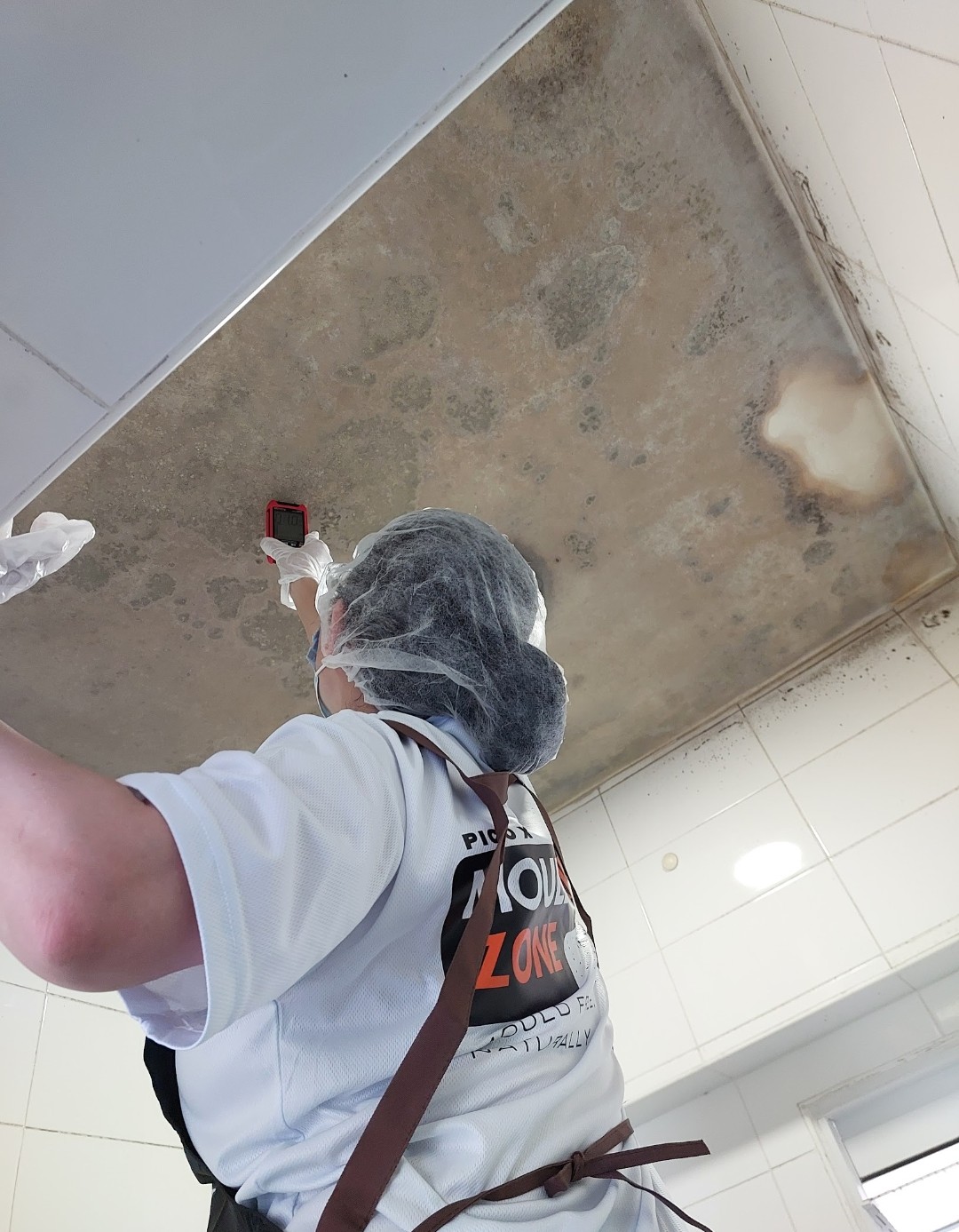
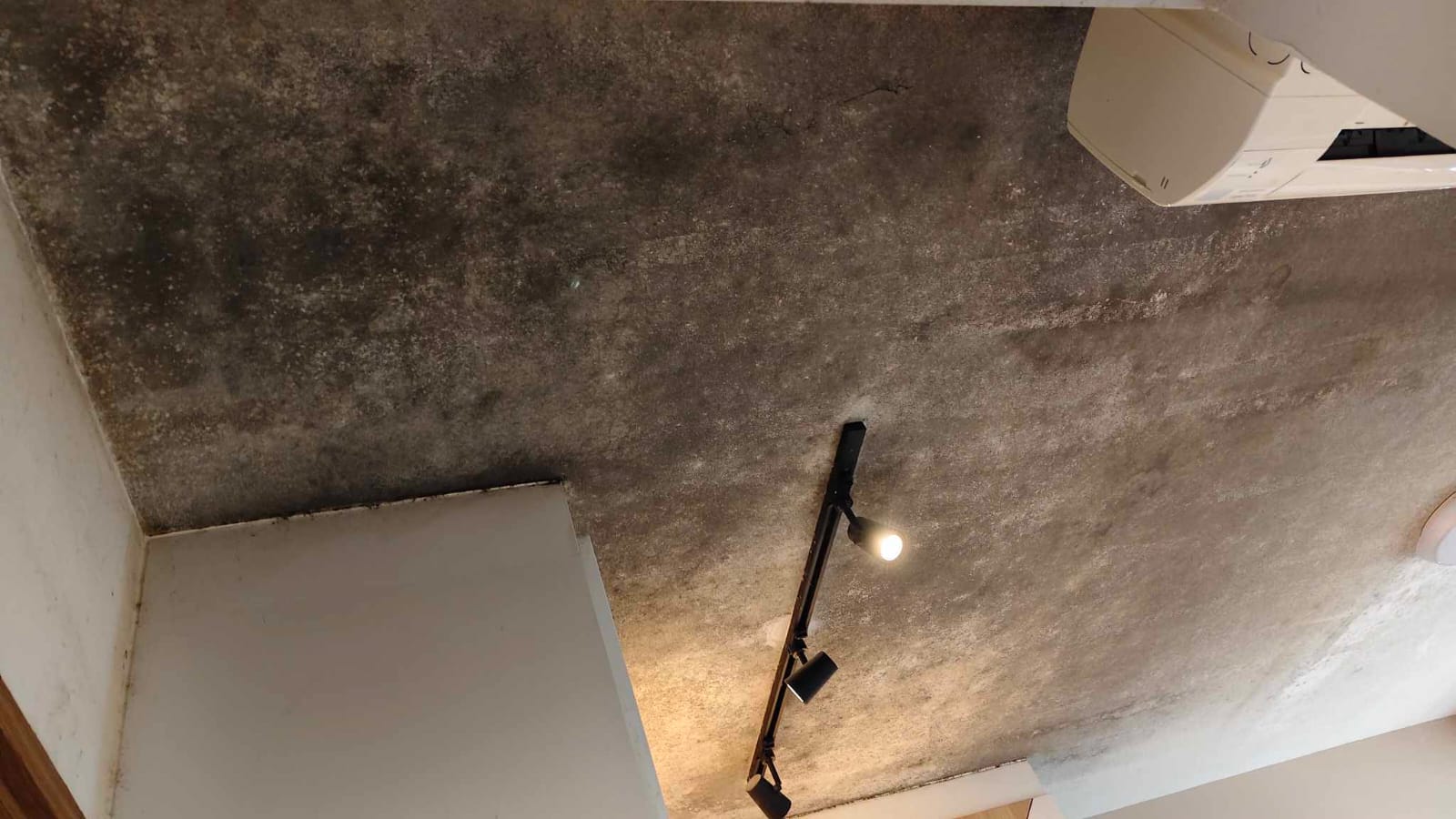
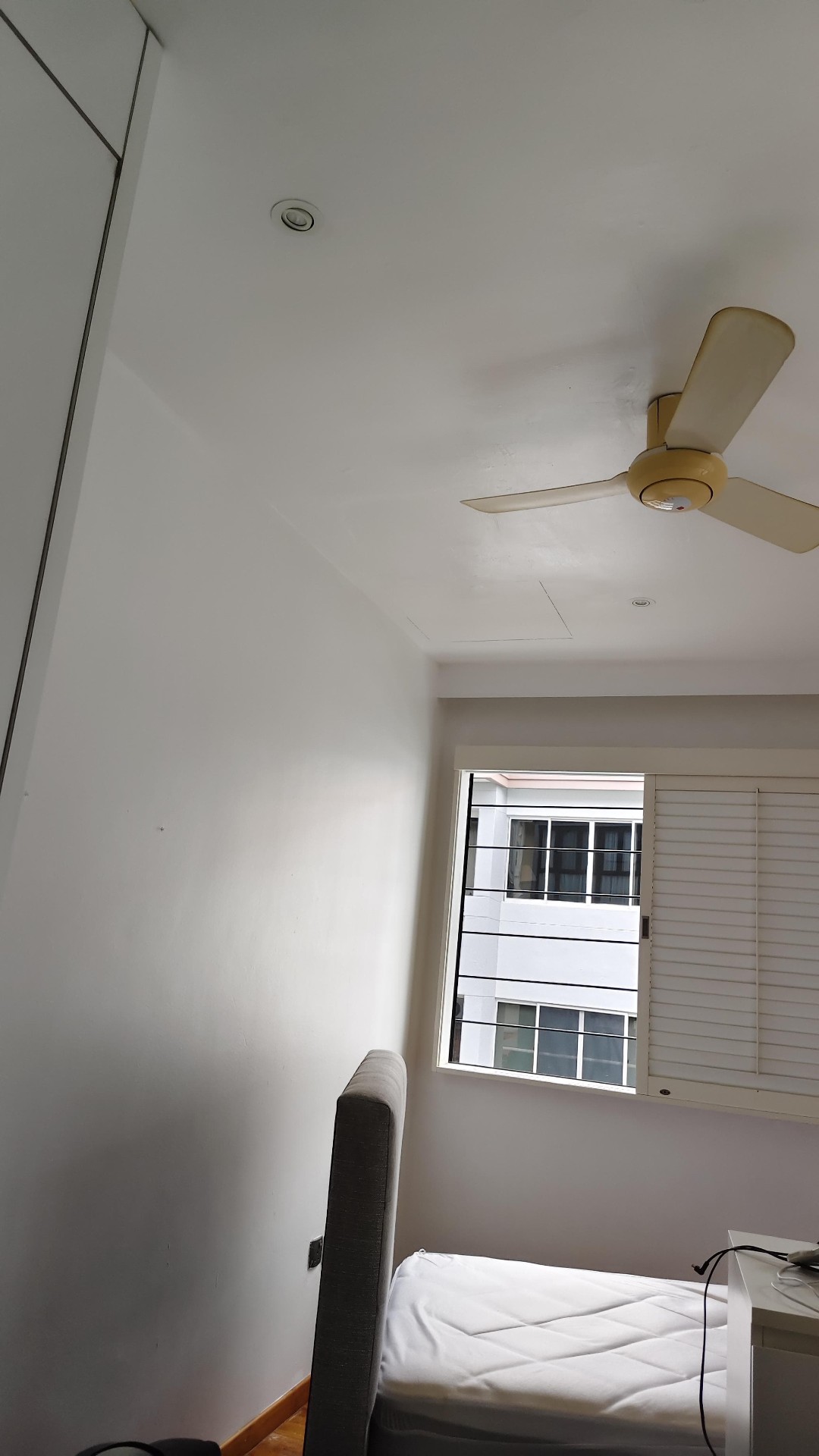
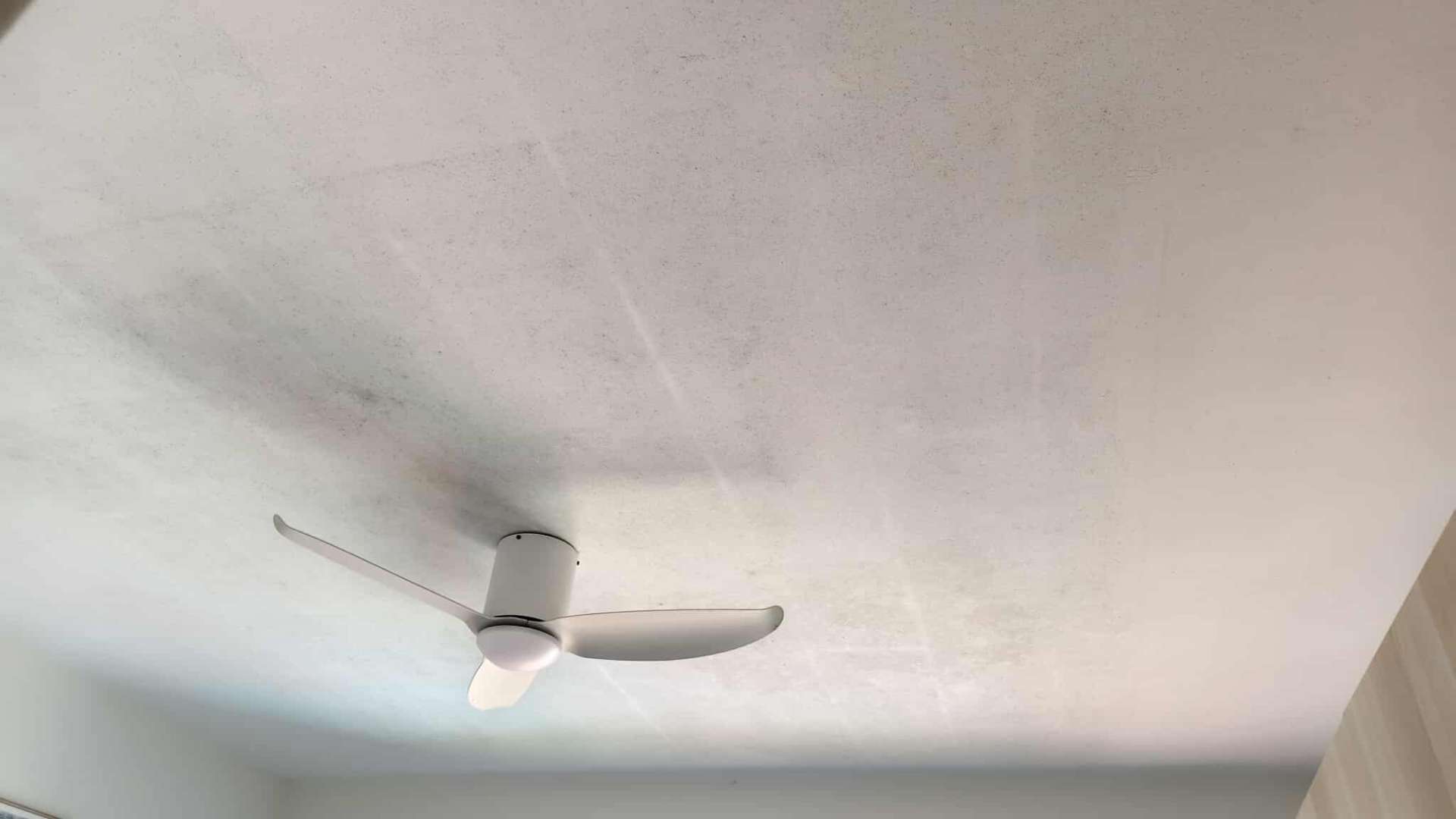
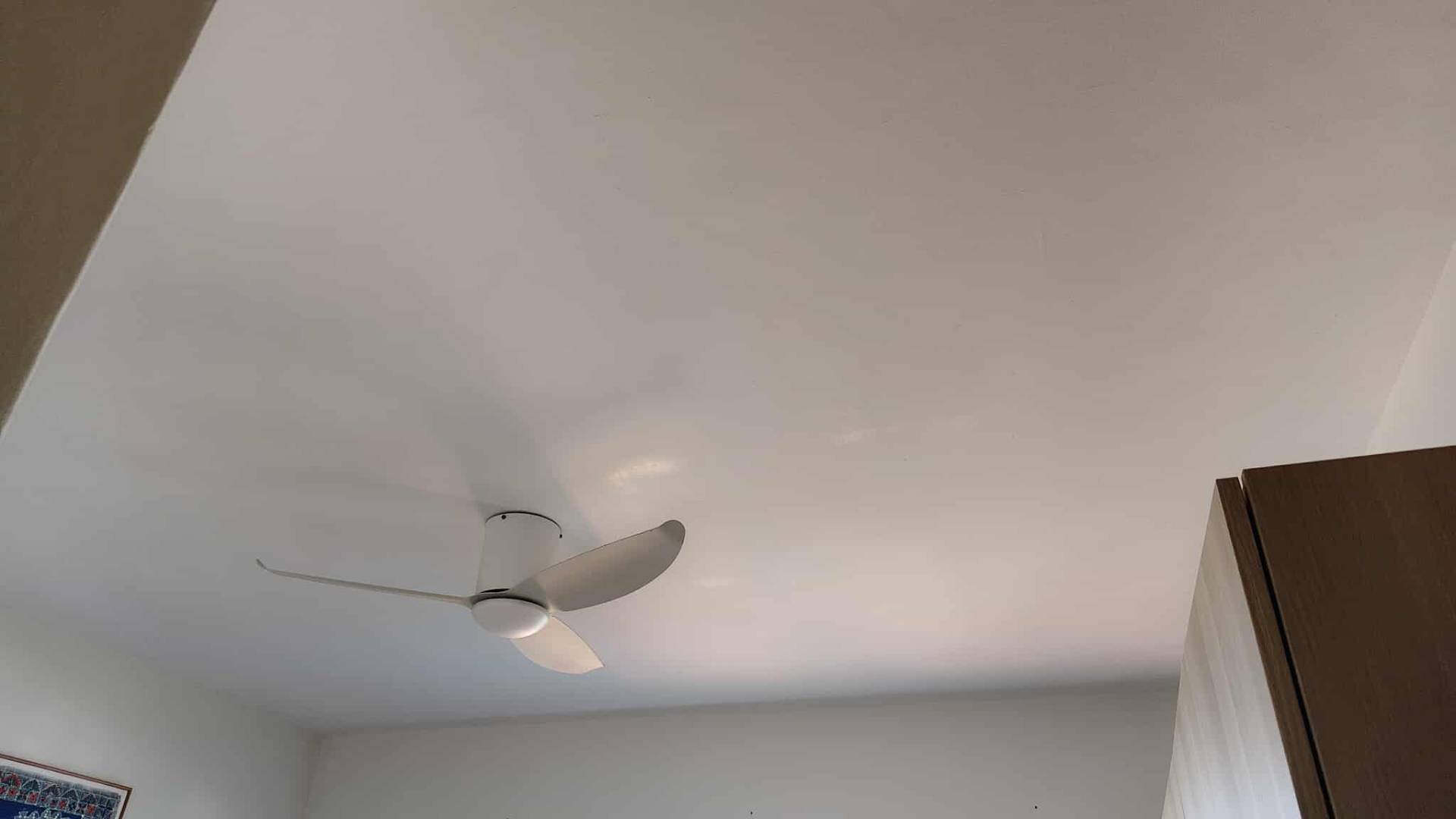
- Cot-side ceiling — the corner directly above where the head will rest
- All four nursery walls — particularly any wall shared with bathroom, kitchen or external facade
- Aircon evaporator coil — open the front cover and inspect; black film = biofilm and mandates a full coil clean
- Inside the wardrobe — back wall, top shelf, behind hanging clothes
- Bomb shelter or store room (often used for nursery storage)
- Window frames and the wall directly below window-mounted aircons
- Under the cot mattress and around the changing table
- Behind any wallpaper, especially feature walls applied over old paint
Singapore-Specific Hotspots in HDB and Condo Nurseries
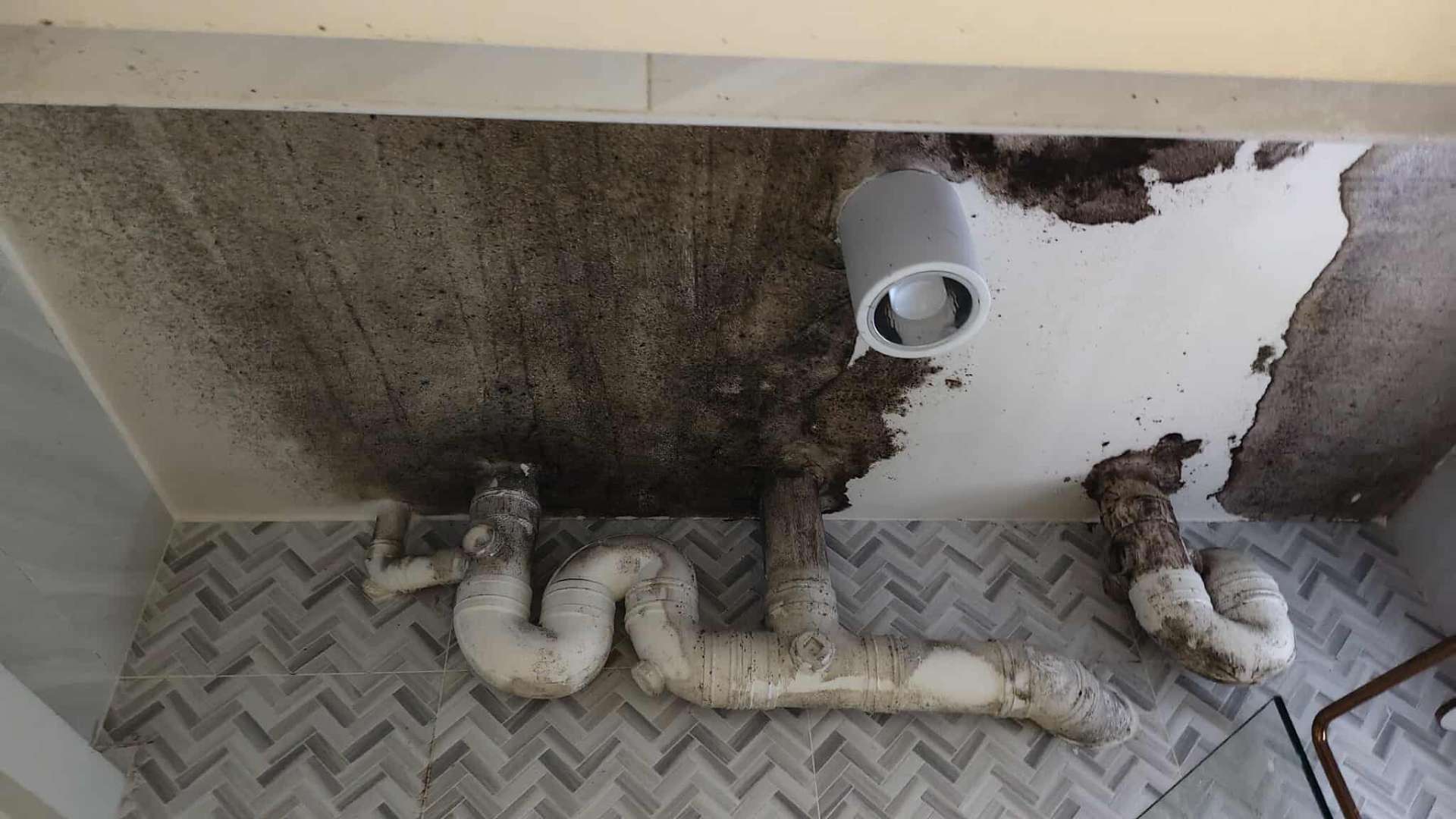
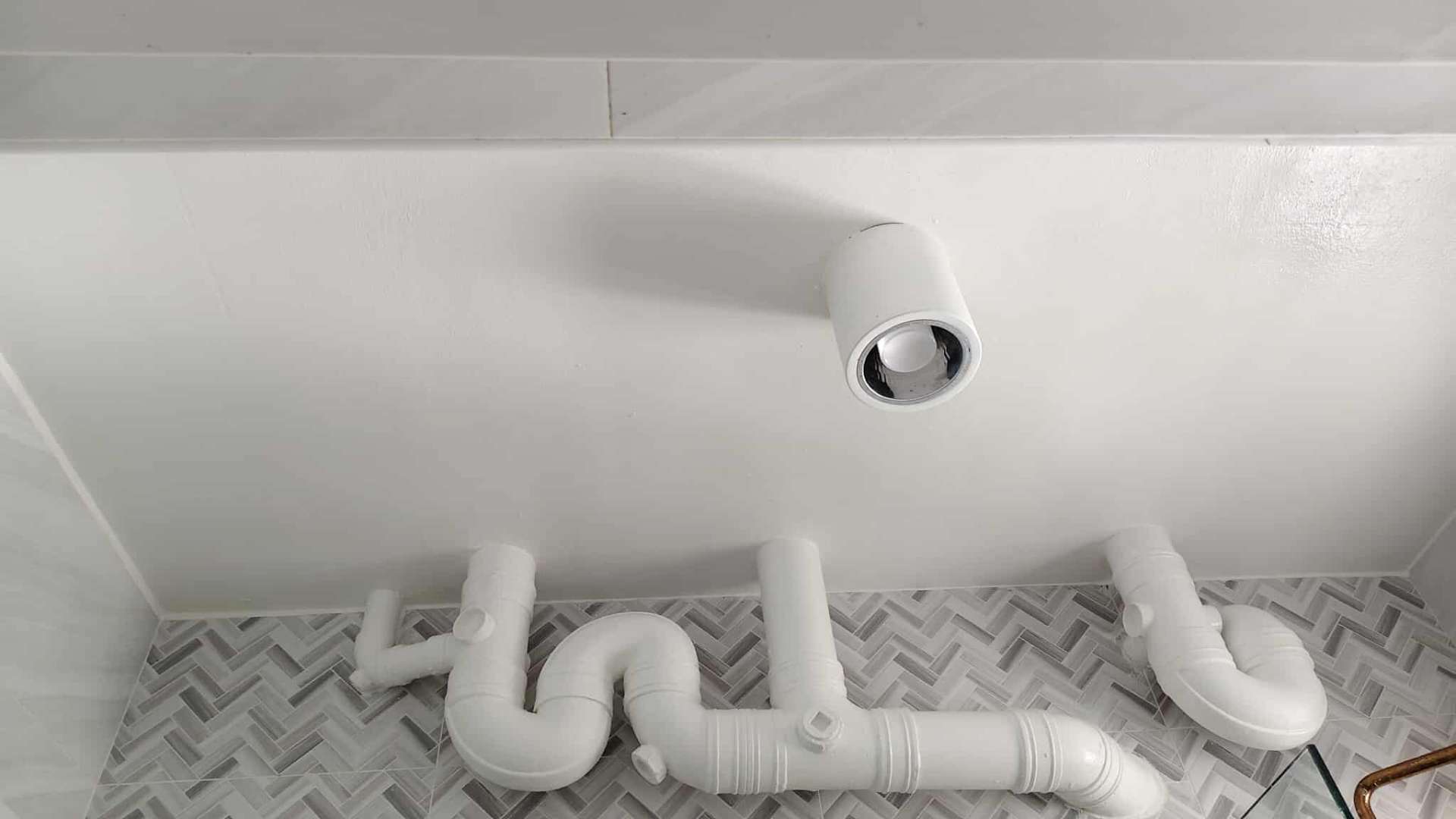
- Inter-flat condensation — bedroom ceilings shared with the upstairs neighbour's bathroom develop hidden colonies on the cot-side surface
- North-facing external walls — least sunlight, slowest dry-out, highest condensation risk from aircon-cooled interiors
- Renovation-sealed cavities — built-in carpentry over previously damp walls traps moisture indefinitely
- HDB bomb shelter — concrete walls without vapour barriers, common nursery storage location
- Bathroom-adjacent walls — moisture migration through unsealed grout creates colonies on the bedroom side
Acute Symptoms & Red Flags in Newborns
Newborns cannot describe symptoms. Watch for these signs and seek same-day paediatric review if any appear:
- Audible wheeze, grunting or stridor, particularly during sleep
- Visible chest retractions during breathing
- Feeding difficulty or reduced feeding volume
- Persistent nasal congestion without fever
- Recurrent eye discharge or conjunctivitis
- New or worsening eczema, particularly on the cheeks and scalp
- Reduced wet-nappy count or unexplained irritability
- Slow weight gain crossing growth-chart percentiles downward
Long-Term Consequences of Nursery Mould Exposure
- Permanent reduction in peak lung function — measurable in school-age spirometry
- Childhood asthma — first-year mould exposure raises lifetime risk 2–3×
- Atopic march — eczema → food allergy → allergic rhinitis → asthma sequence accelerated
- Recurrent otitis media — chronic rhinitis predisposes to ear infections requiring grommets
- Neurodevelopmental concerns — clinical literature has linked early mycotoxin exposure with sleep disturbance, irritability and attention difficulties; mechanism is neuroinflammation rather than direct toxicity
- Sensitisation that persists into adulthood — IgE class-switching established in infancy is rarely reversed
Baby-Safe Remediation Materials & Methods
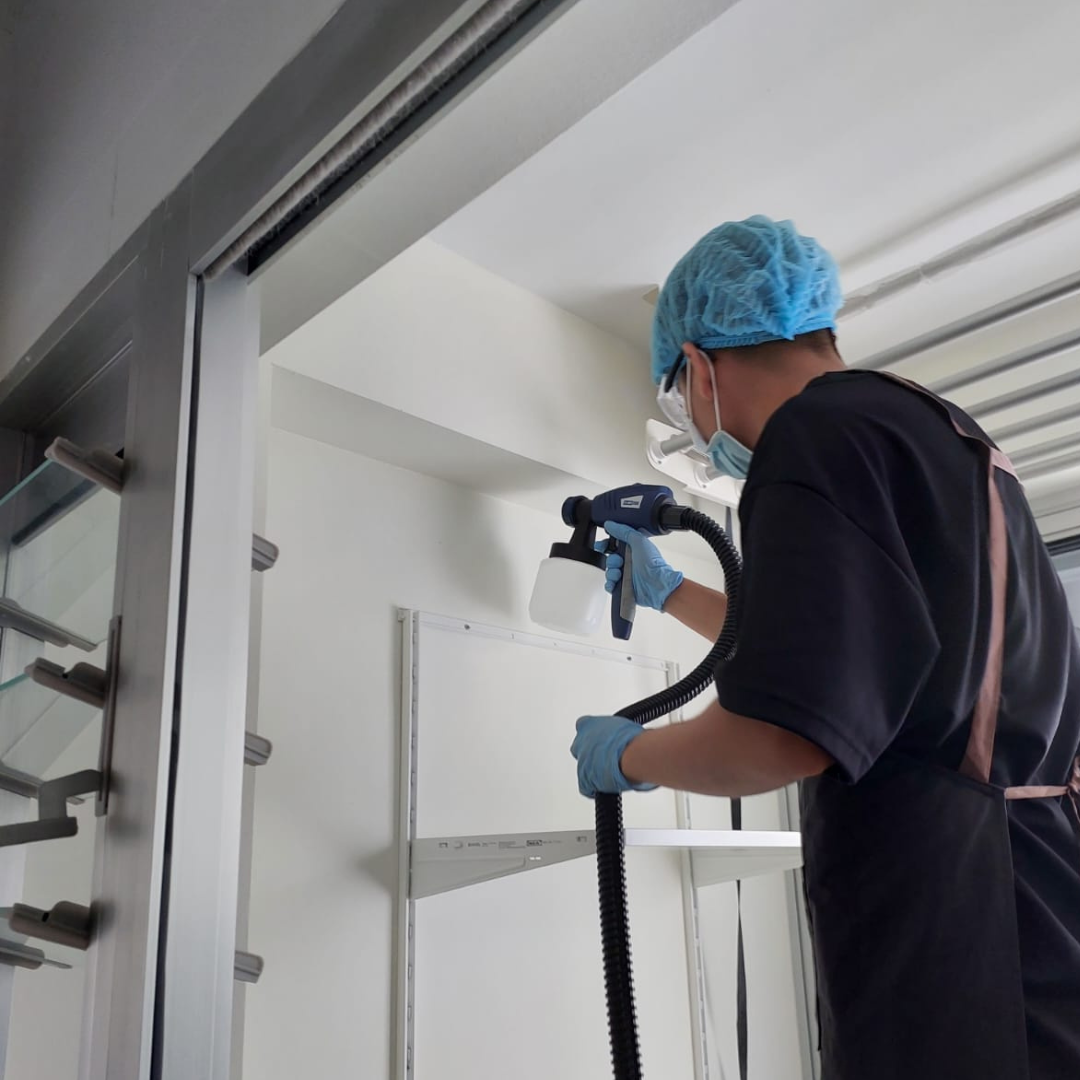
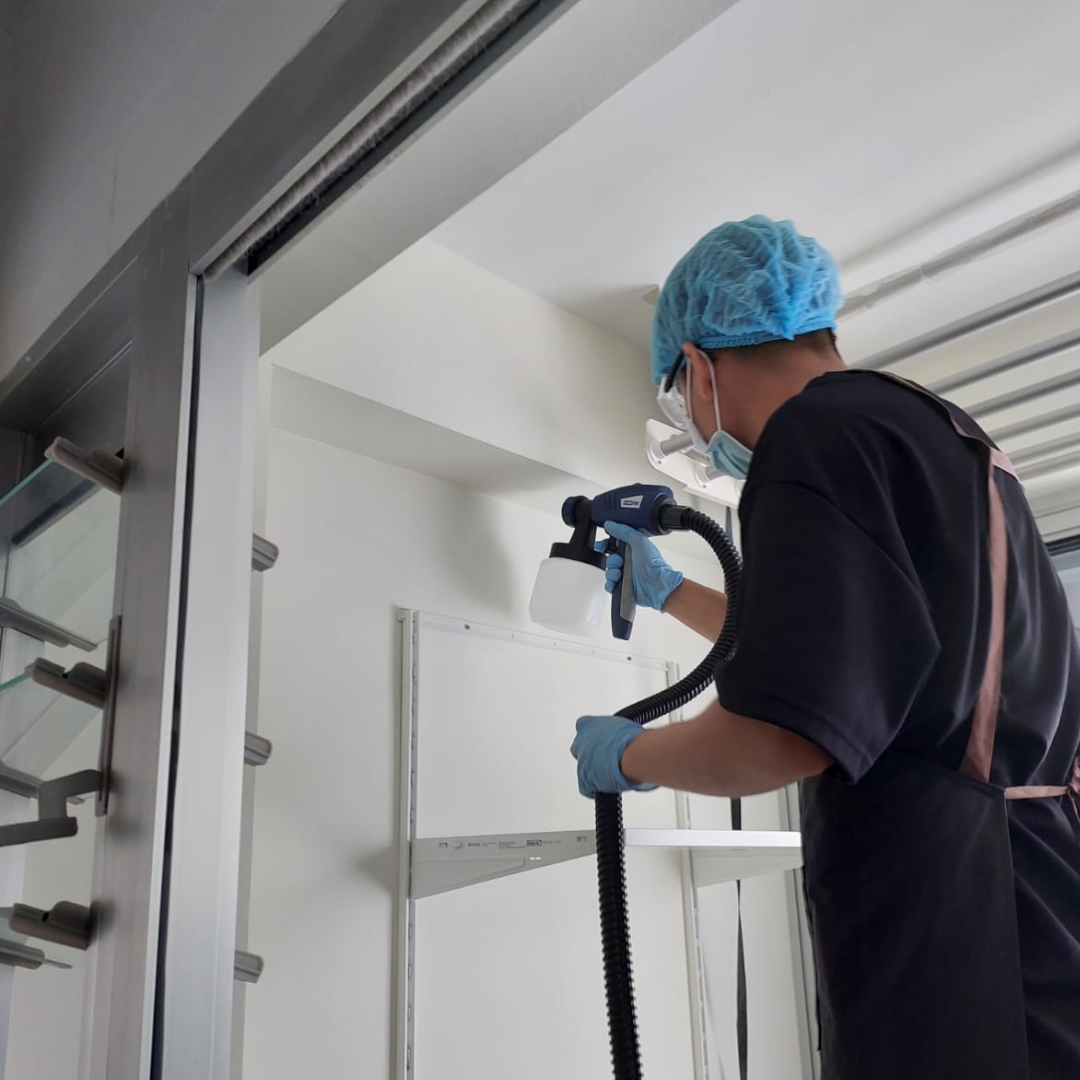
- Botanical sporicidal antimicrobials — thymol and citric-acid based; breakdown products are water and CO2
- No bleach, no quaternary ammonium, no chlorine dioxide — these leave residues that irritate newborn airways
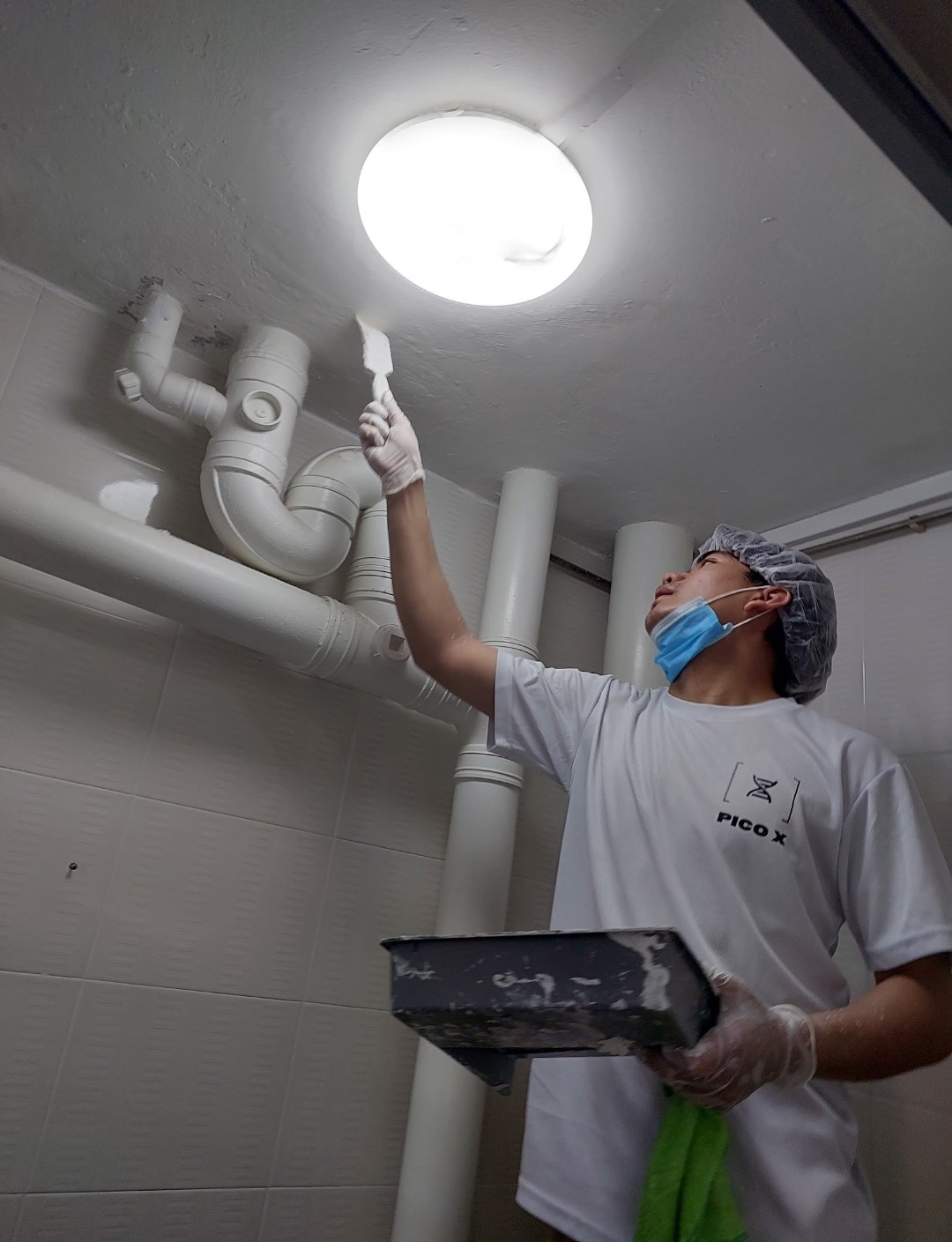
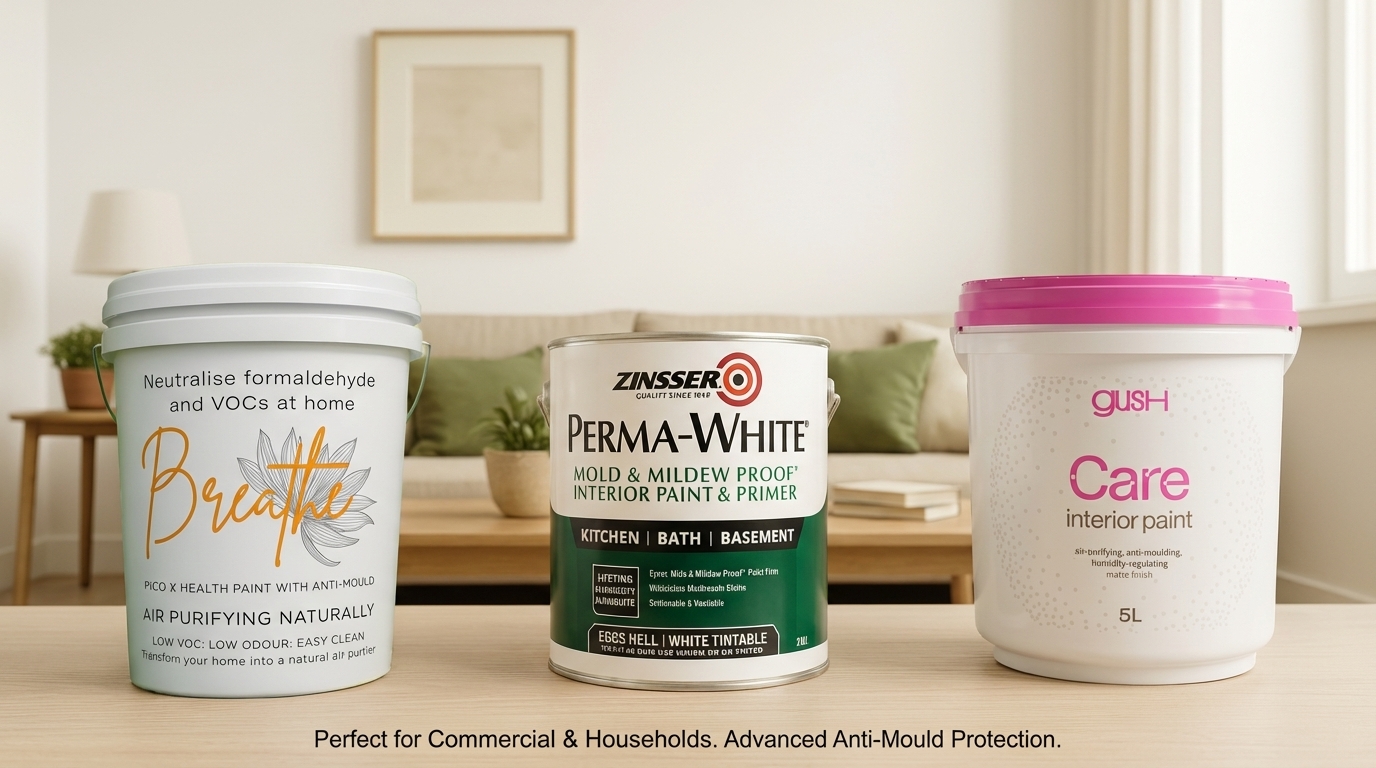
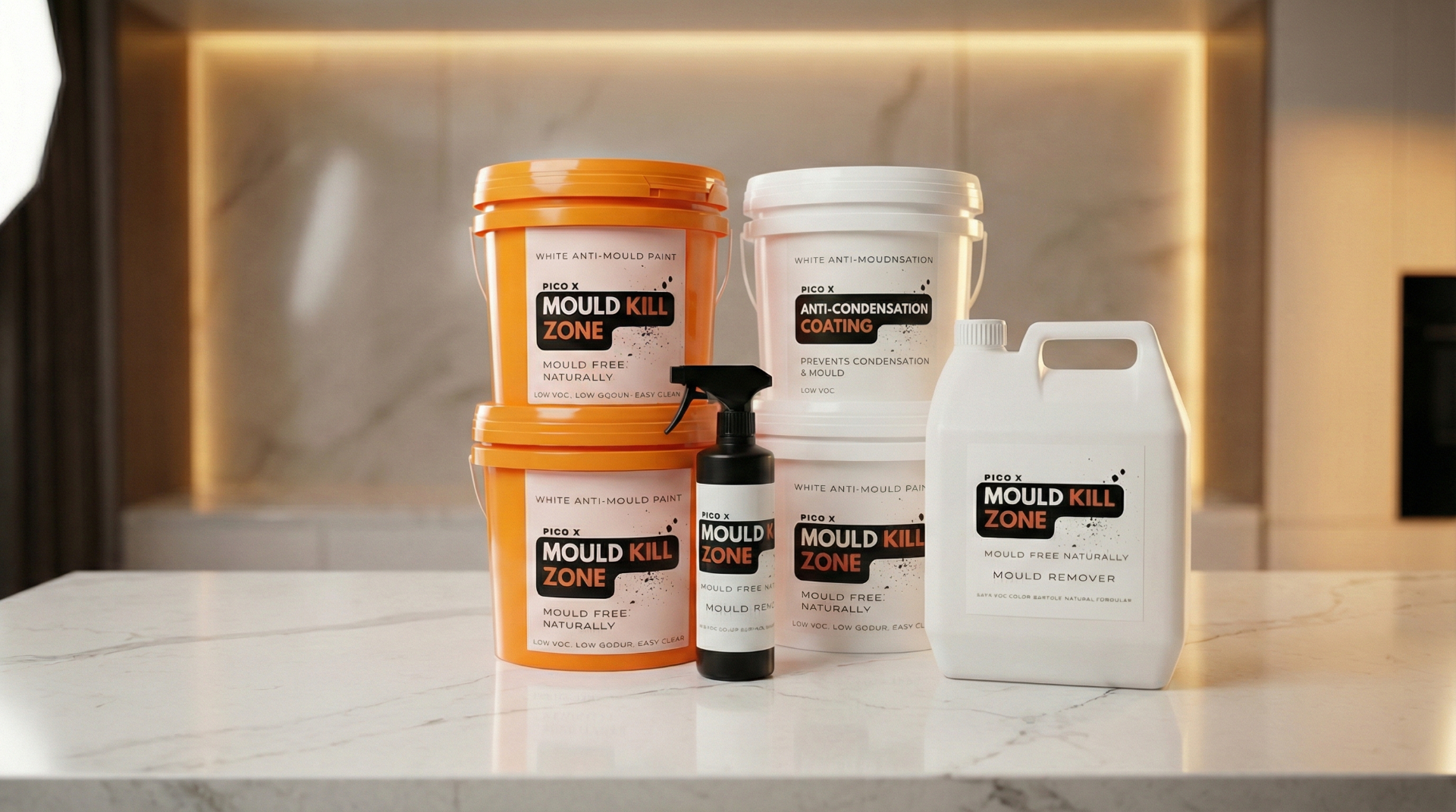
- Low-VOC anti-mould paint with mineral pigments where re-painting is needed
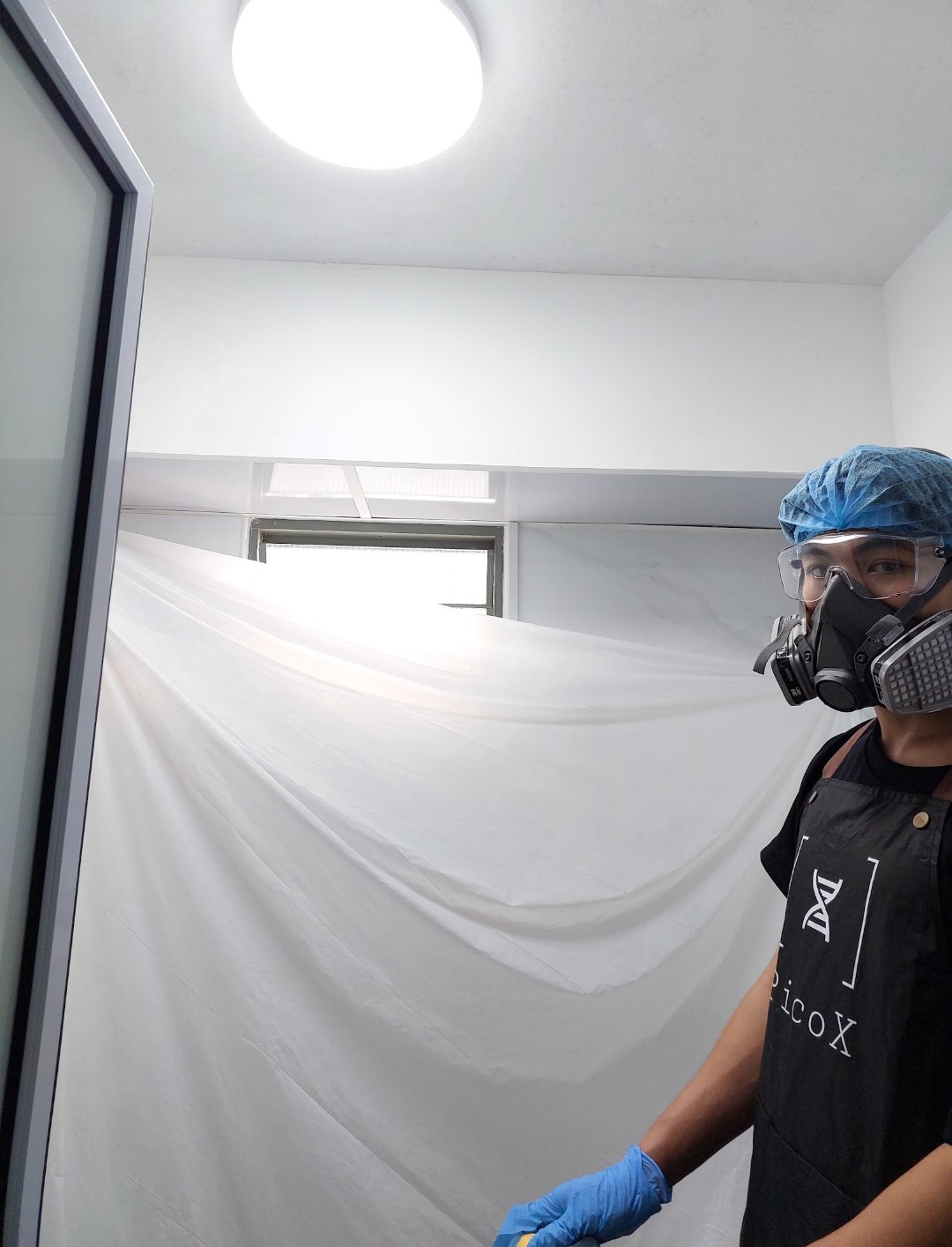
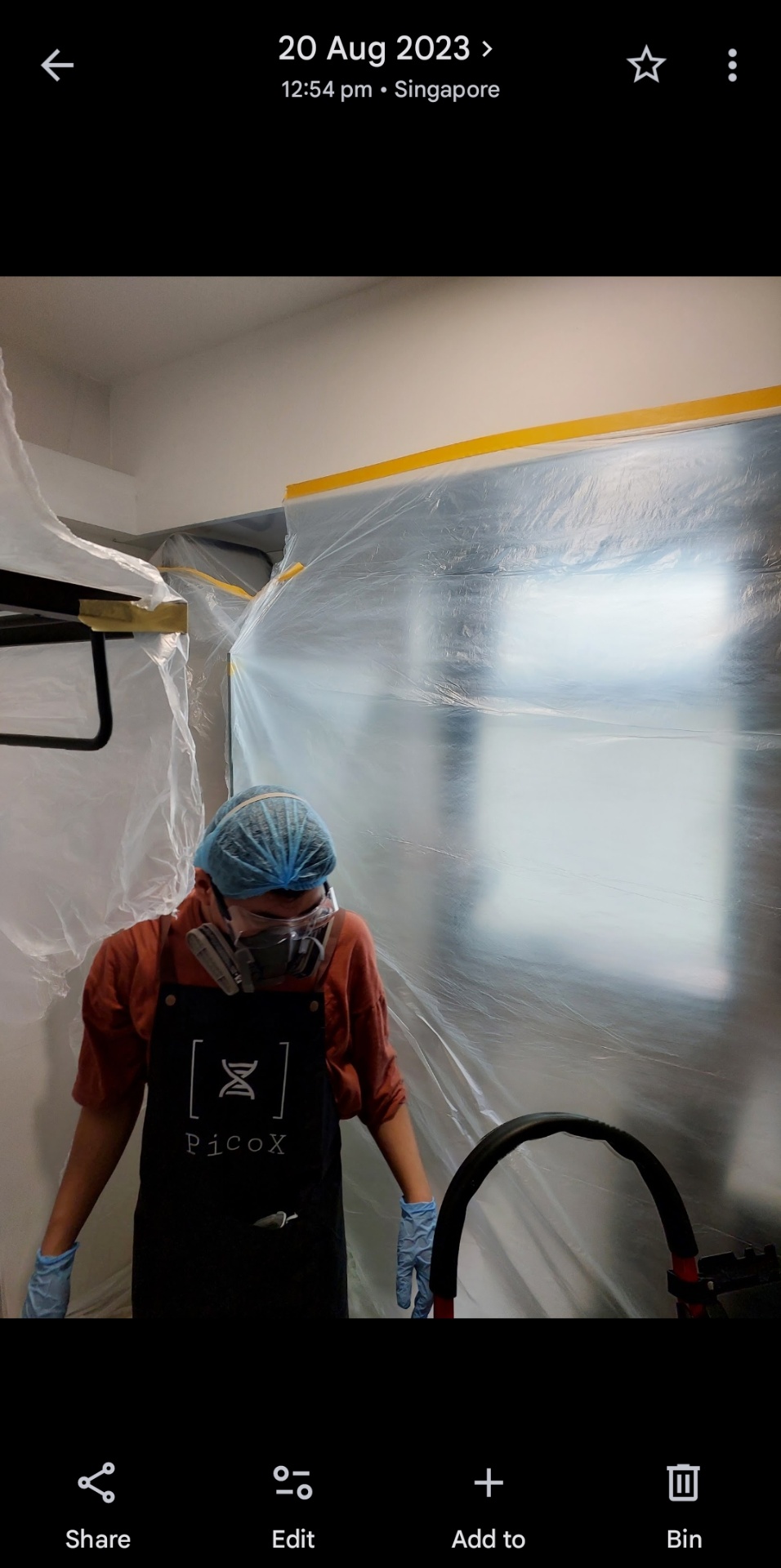
- Negative-pressure containment during the work
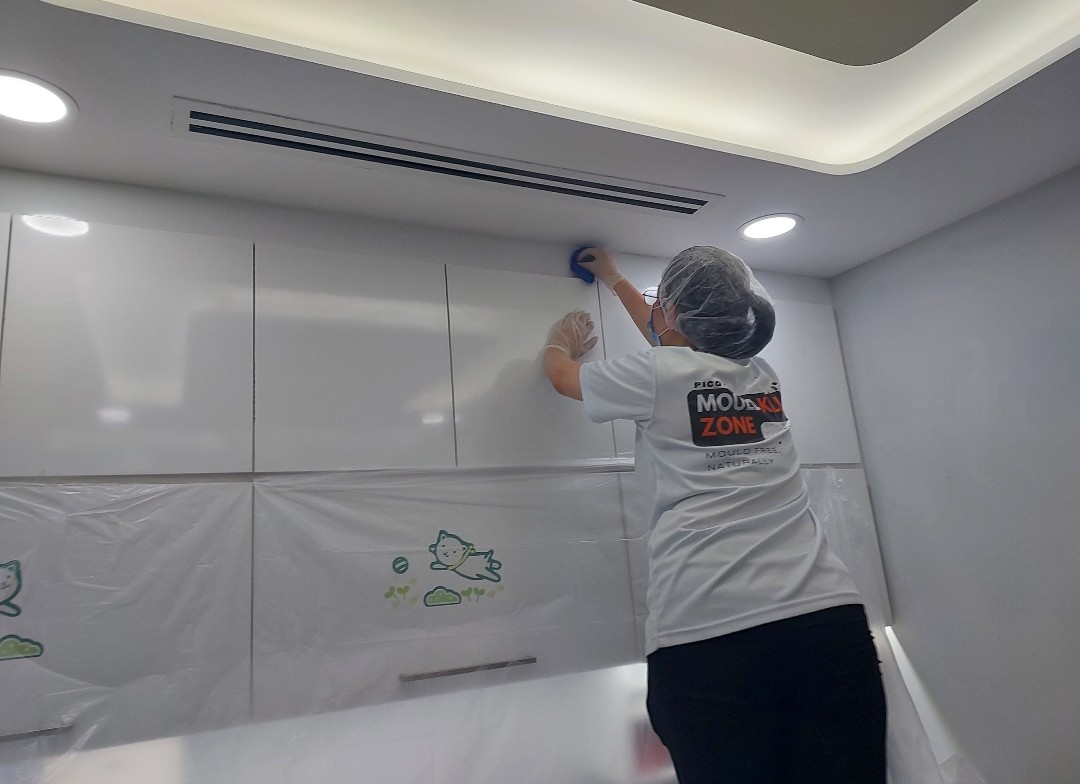
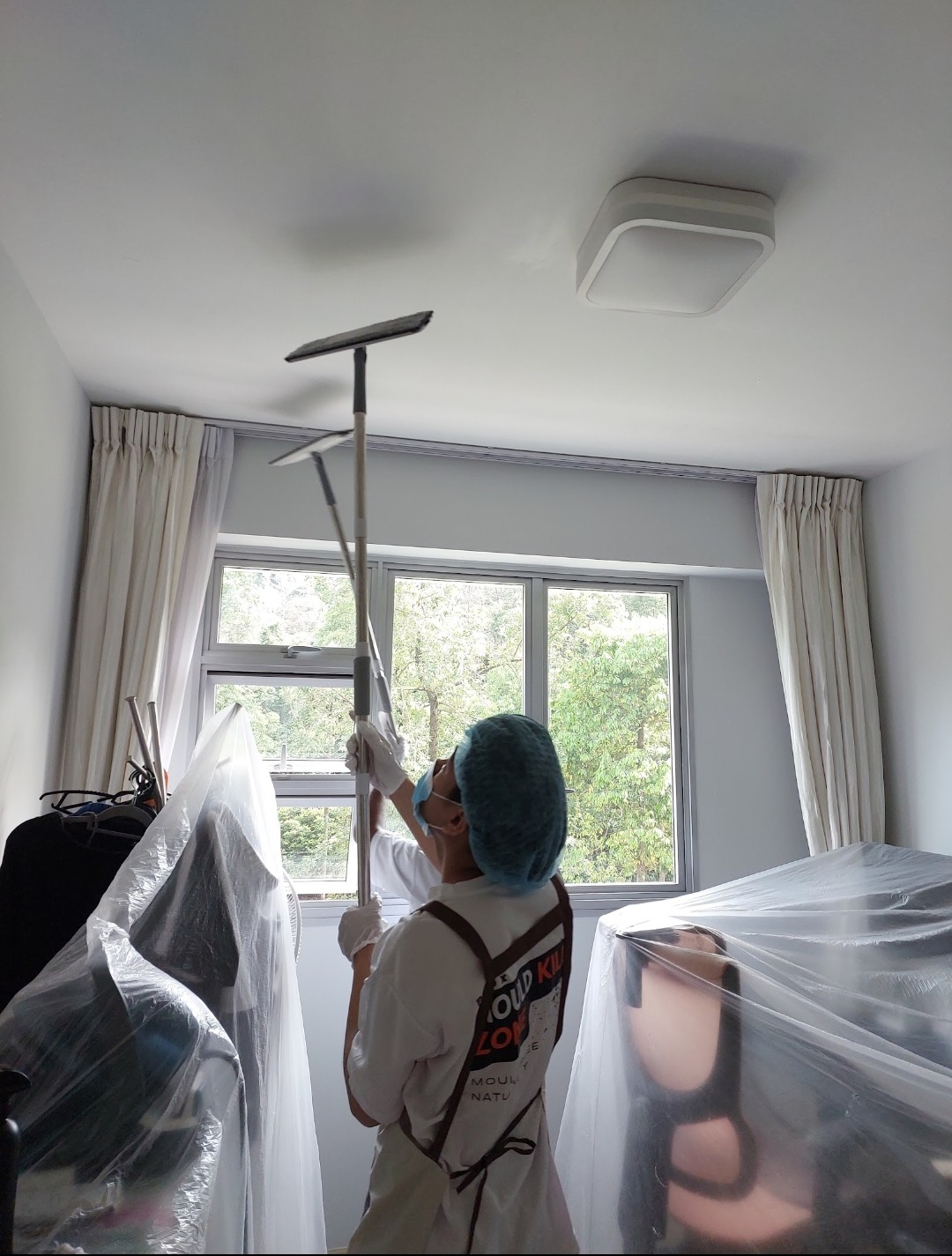
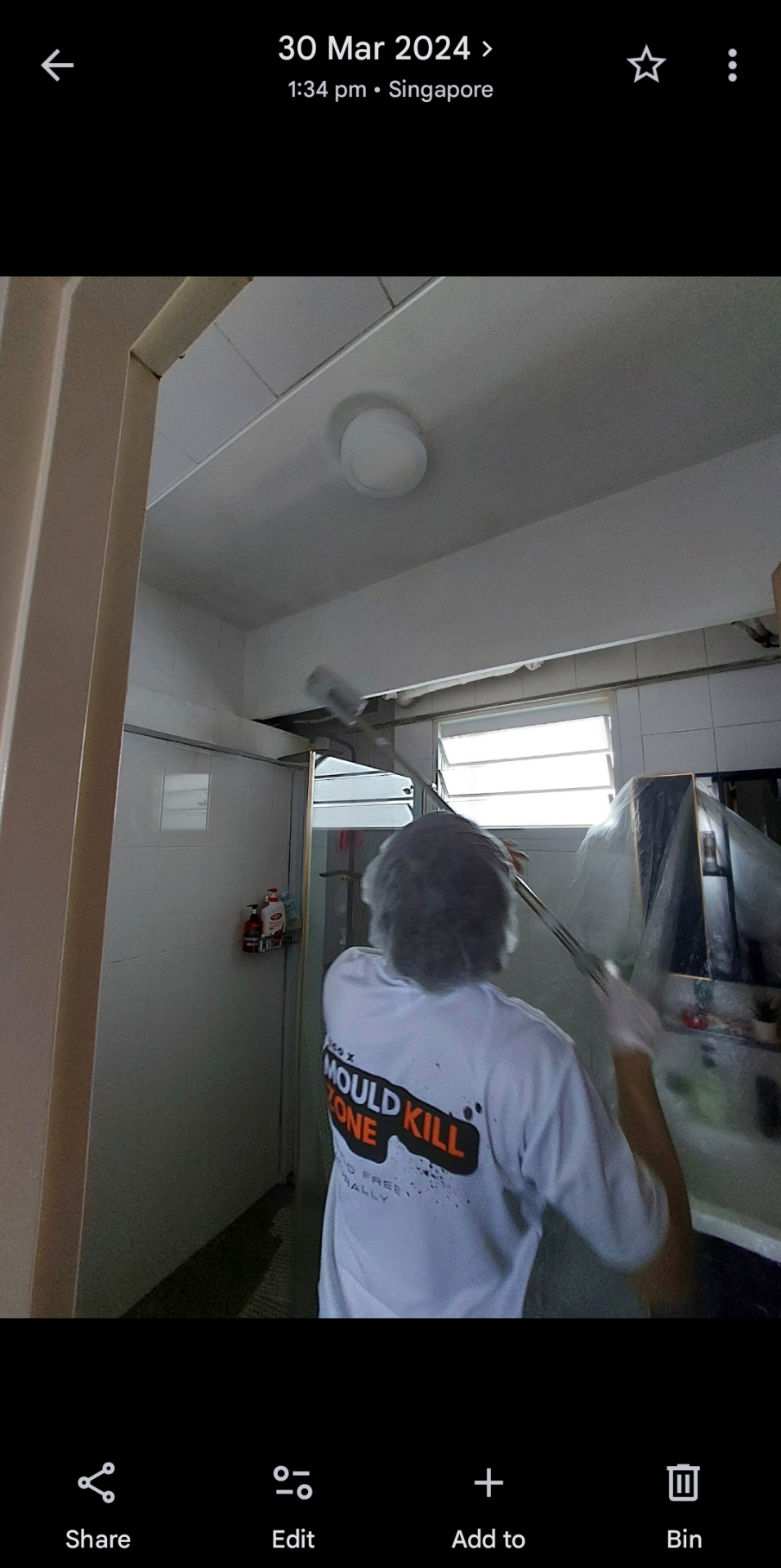
- Vacuum + wet-wipe on every surface in the work zone, then 1.5 m beyond the containment
- 4-week off-gassing window recommended between completion and baby's arrival
Pre-Arrival Optional Add-Ons
- Spore-trap air sampling in the nursery, with written report
- Borescope inspection of any wall cavity affected by previous water damage
- Aircon coil chemical clean, separate from the wall remediation
- 6-month follow-up re-inspection at the start of weaning when humidity in the home tends to rise
- Letter for the paediatric clinic confirming baby-safe completion
Related Reading
Frequently Asked Questions
How long should the nursery 'air out' after mould treatment?
Botanical antimicrobials are residue-free and the room is technically safe within 2 hours. For newborns we recommend a 4-week buffer between completion and baby's arrival, primarily to allow any anti-mould paint to fully cure and to confirm no recolonisation.
Is anti-mould paint safe for baby?
Modern water-based anti-mould paints are low-VOC and considered safe once cured. Avoid solvent-based products. Apply at least 4 weeks before baby arrives, with windows open during application and for 7 days after.
Should I do an air quality test before baby arrives?
For nurseries that have been remediated, yes — it gives an objective baseline. For never-affected rooms, it is reassuring rather than essential. Spore-trap testing is the most informative method and we can include it as part of the audit.
What if mould is discovered after baby arrives?
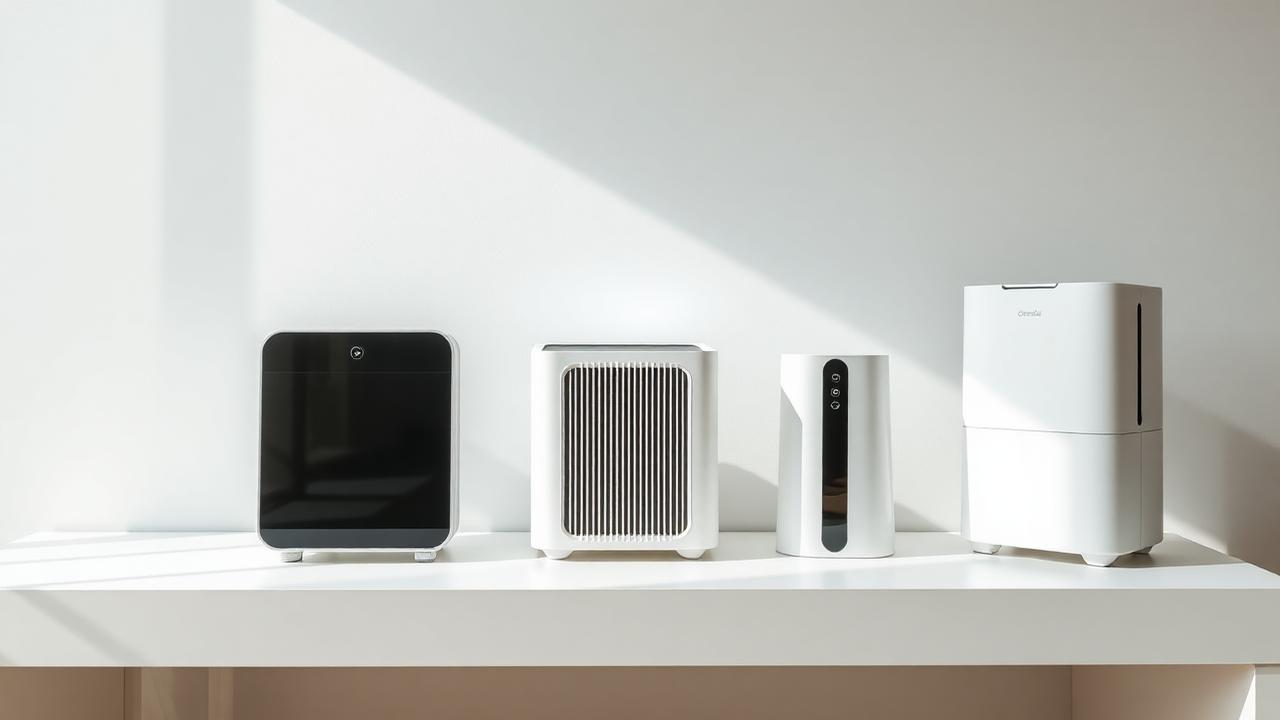
Relocate baby to another room immediately and book remediation. Same-day appointments are usually possible. Until remediation, run a HEPA air purifier in baby's temporary room and keep the affected door closed.
Can I just paint over visible mould before baby arrives?
No. Painting over a live colony seals it temporarily but does not kill it. Within weeks the colony pushes through the new paint and the situation is worse. Source remediation must precede any cosmetic work.
Does breastfeeding protect baby from indoor mould?
Breastfeeding provides immunological benefits but does not neutralise inhaled spores. The protective effect is partial. Source remediation remains the priority intervention.
Ready to take action?
Get a free WhatsApp photo assessment — honest triage, transparent pricing Limited-time promoat $199.
WhatsApp Photo Quote Call +65 8751 5146