Why Pregnancy Changes Your Mould Risk
From the second trimester onwards, plasma volume rises 40–50% and tidal volume rises about 30%, meaning a pregnant woman inhales roughly a third more air — and a third more spores — than her pre-pregnancy baseline. At the same time, progesterone-driven nasal mucosal swelling reduces upper-airway filtration, so a higher fraction of inhaled spores reaches the lower airways.
Maternal cell-mediated immunity is intentionally suppressed to tolerate the foetus. This is adaptive for pregnancy but maladaptive for fungal defence: hypersensitivity pneumonitis, allergic bronchopulmonary aspergillosis (ABPA) and chronic rhinosinusitis all occur more readily in pregnancy than in matched non-pregnant controls.
The placenta is a partial but imperfect barrier. Some mycotoxins — notably ochratoxin A and aflatoxin B1 — have been detected in cord blood and placental tissue in studies of mothers with documented environmental mould exposure. These compounds are immunotoxic, nephrotoxic and, in animal models, teratogenic at high doses.
Singapore-Specific Exposure Profile in Pregnancy
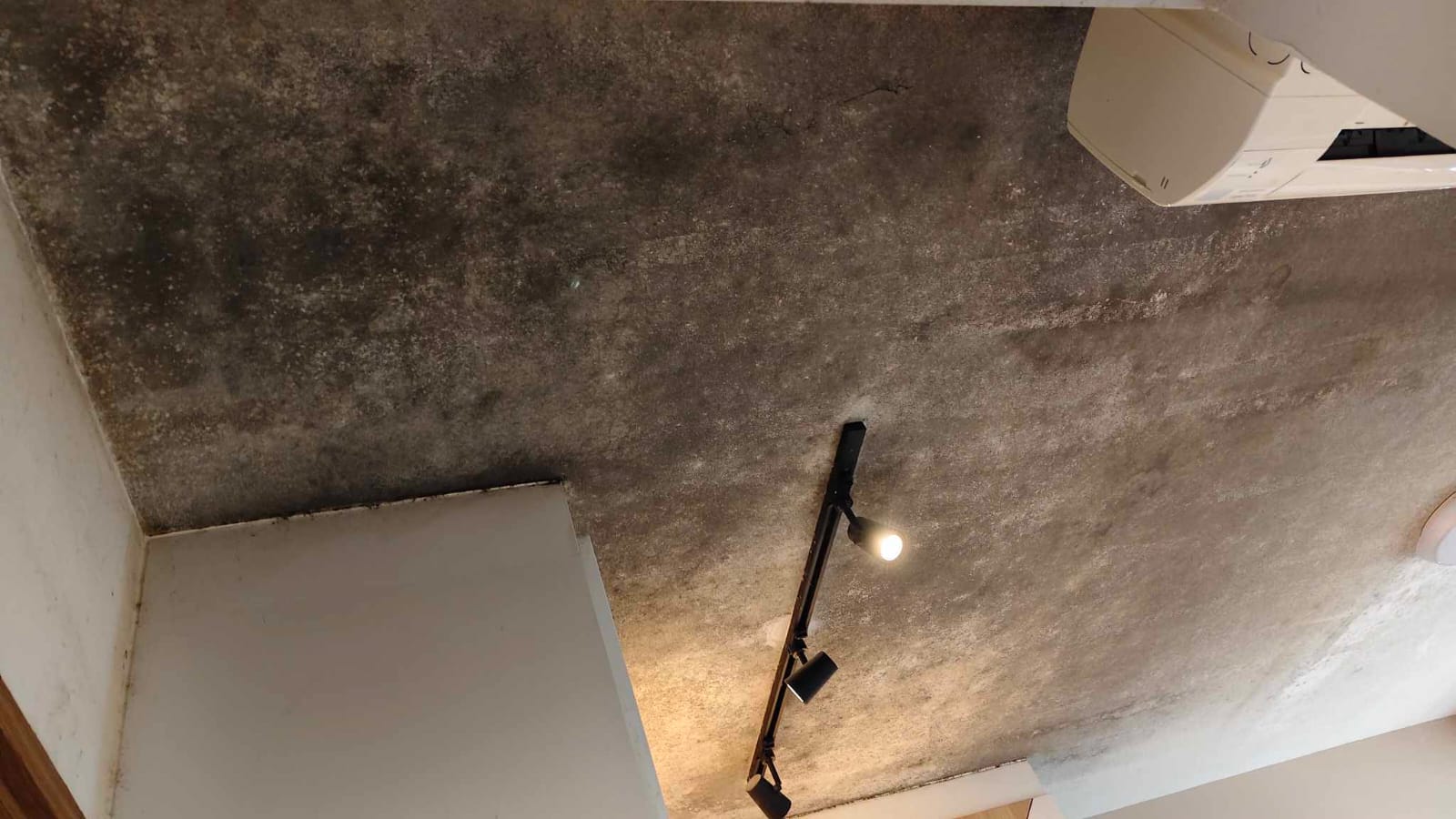
- Nesting renovation — repainting the nursery, ripping up old wallpaper, or scrubbing visible mould off walls aerosolises spores into the breathing zone exactly when maternal lungs are most receptive.
- Aircon-cooled bedrooms — most Singapore couples sleep with aircon on; a poorly serviced split unit is the single highest spore-load source in the home, and pregnant women average 8–10 hours nightly in that air.
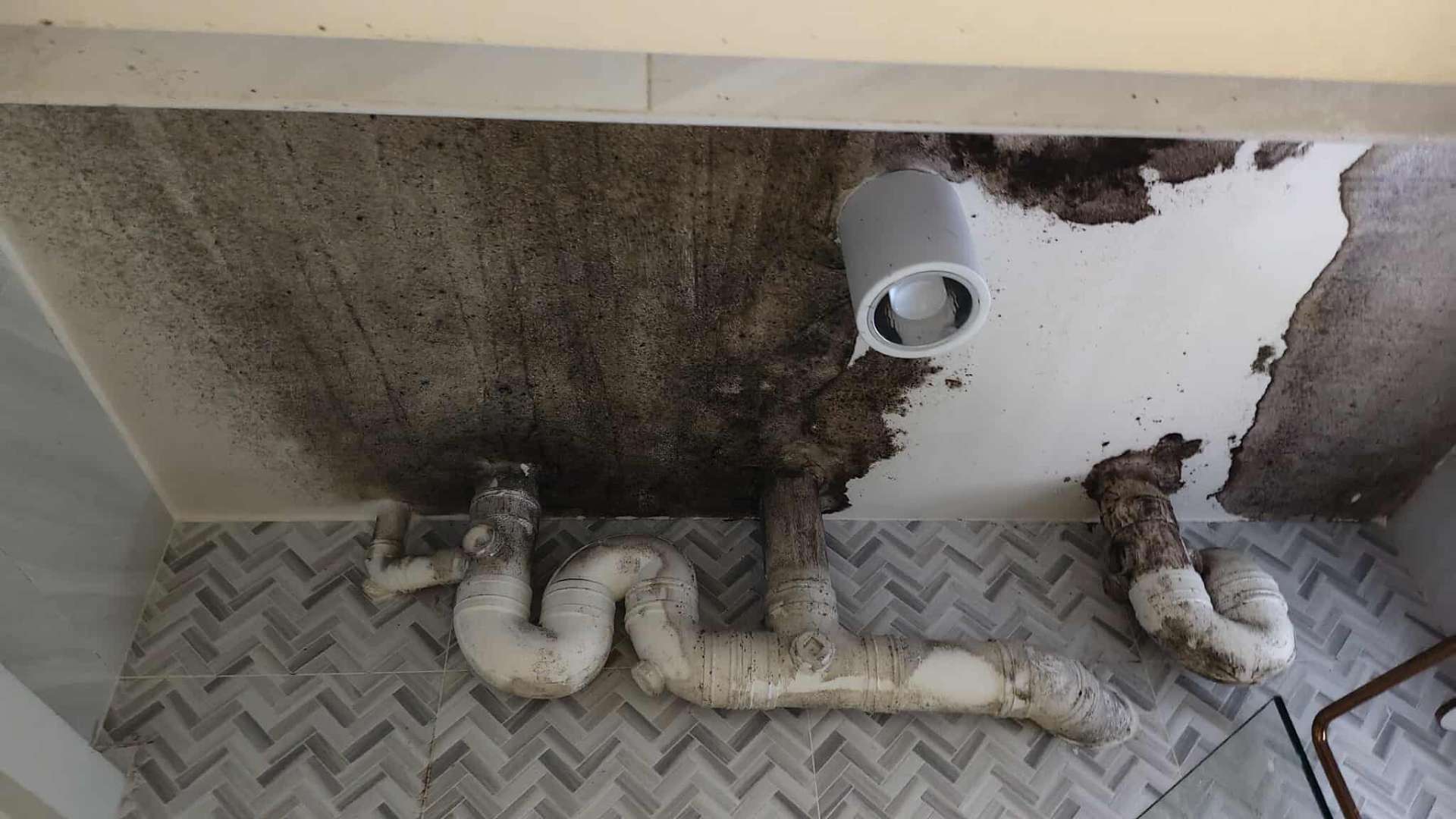
- Bathroom-adjacent master bedrooms — moisture migration through unsealed grout produces colonies on the bedroom-side wall directly behind the bedhead.
- Bomb-shelter storage — common dumping ground for old furniture, linens and books harbouring Stachybotrys and Penicillium.
- Monsoon humidity spikes — November–January and June–July transitions double indoor spore counts within 48 hours; planned remediation before these windows is sensible.
Acute Symptoms & Red Flags in Pregnancy
Symptom thresholds should be lower than non-pregnant baseline. Speak to your OB-GYN promptly if any of these appear and persist:
- New cough or wheeze, particularly at night or after coming home
- Worsening rhinitis or sinus pressure unresponsive to saline rinses
- New eczema or skin rashes
- Persistent fatigue beyond first-trimester baseline
- Headaches that resolve when away from home
- Recurrent yeast infections (mould-driven dysbiosis is plausible)
- Reduced foetal movement after a known mould exposure event
Long-Term Consequences for Mother and Baby
- Pre-term birth — large cohort studies have associated maternal residence in damp/mouldy housing with modestly elevated risk of pre-term delivery (relative risk ~1.2–1.5).
- Low birth weight — similar magnitude effect, particularly with chronic versus acute exposure.
- Childhood asthma in the offspring — in-utero and first-year mould exposure are independent predictors of asthma by age 7.
- Maternal chronic rhinosinusitis — sinus colonisation that begins in pregnancy can persist for years post-partum.
- Post-partum allergic sensitisation — pregnancy can be the inflection point at which a previously tolerant mother becomes IgE-positive to Aspergillus or Cladosporium.
- Mycotoxin transfer in breastfeeding — ochratoxin A has been measured in human milk in mothers with high environmental exposure.
What Pregnant Women Should Not Do
- Do not scrub visible mould yourself — disturbance aerosolises millions of spores and mycotoxins. Bleach is also categorised C in pregnancy and the chlorine fumes are a separate concern.
- Do not use bleach, quaternary ammonium or chlorine-dioxide products in pregnancy. The fume exposure is the issue more than direct toxicity.
- Do not start nursery painting or wallpaper stripping in a known mould-affected room until remediation is complete.
- Do not rely on essential-oil diffusers as a substitute for source removal — they mask odour without killing the colony.
- Do not delay remediation to 'after baby arrives' — exposure during the third trimester is when foetal lung development is most sensitive.
Pregnancy-Safe Remediation Protocol
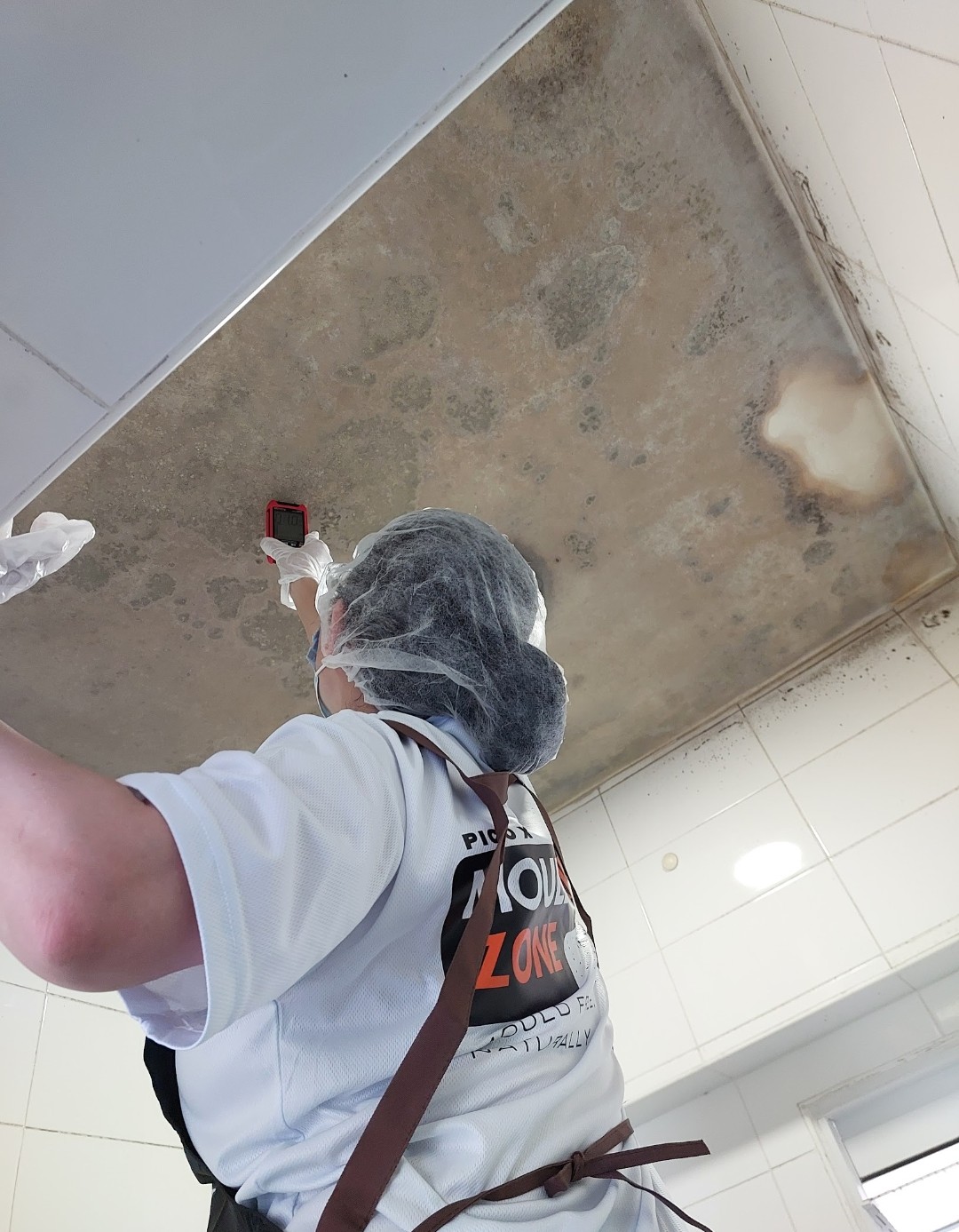
- Mum relocated for the entire treatment day — typically 6–8 hours, ideally to a relative's home or a hotel for one night
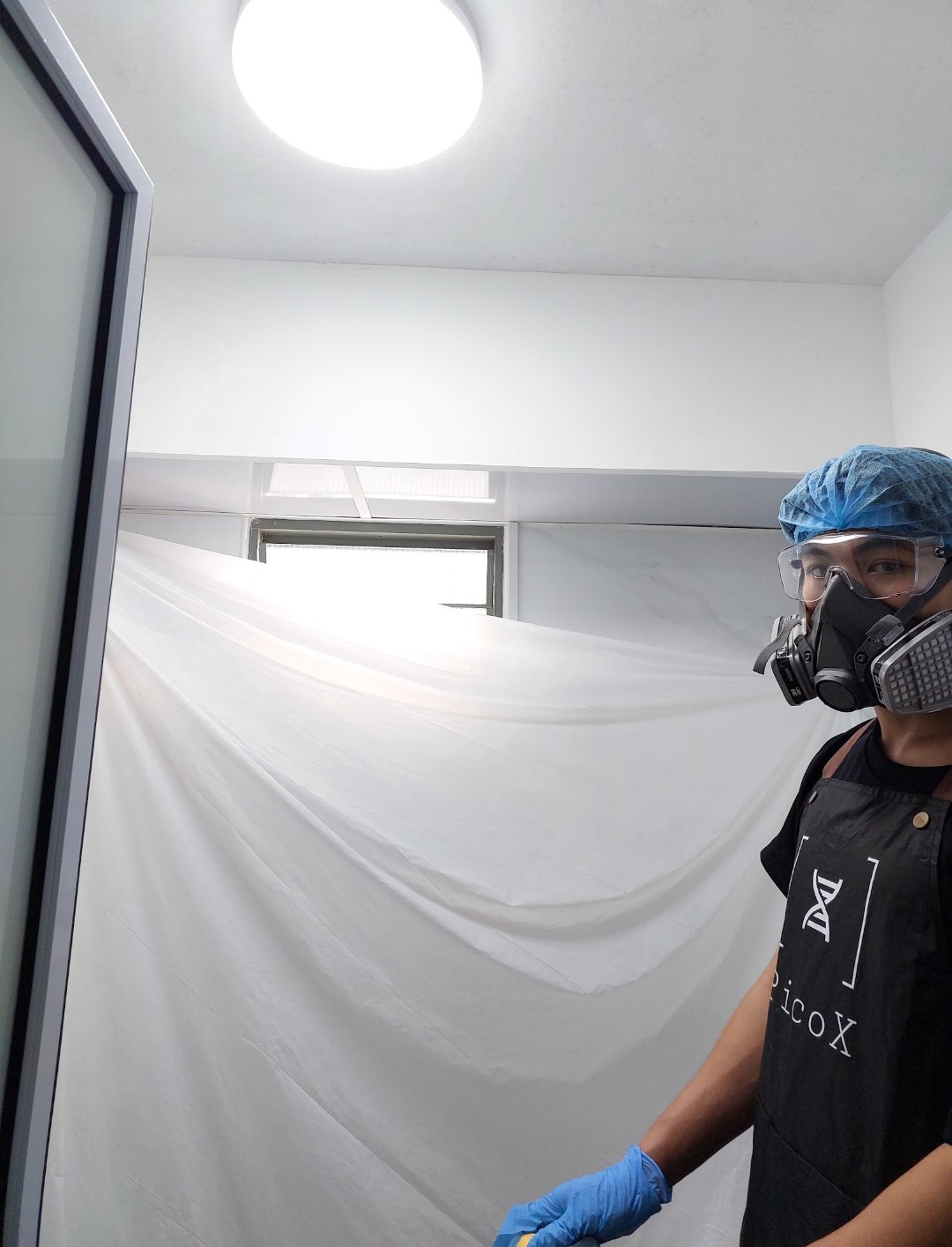
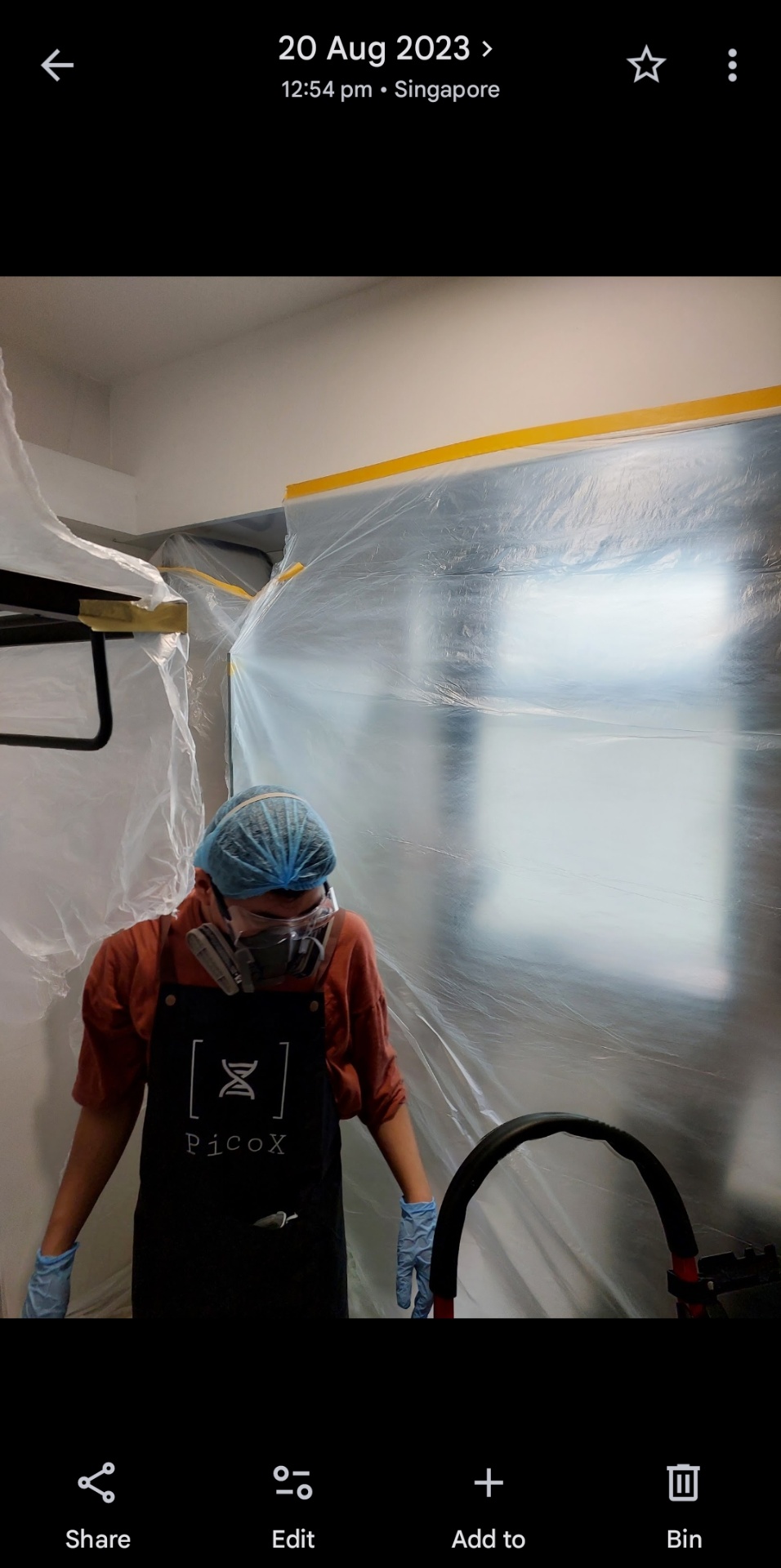
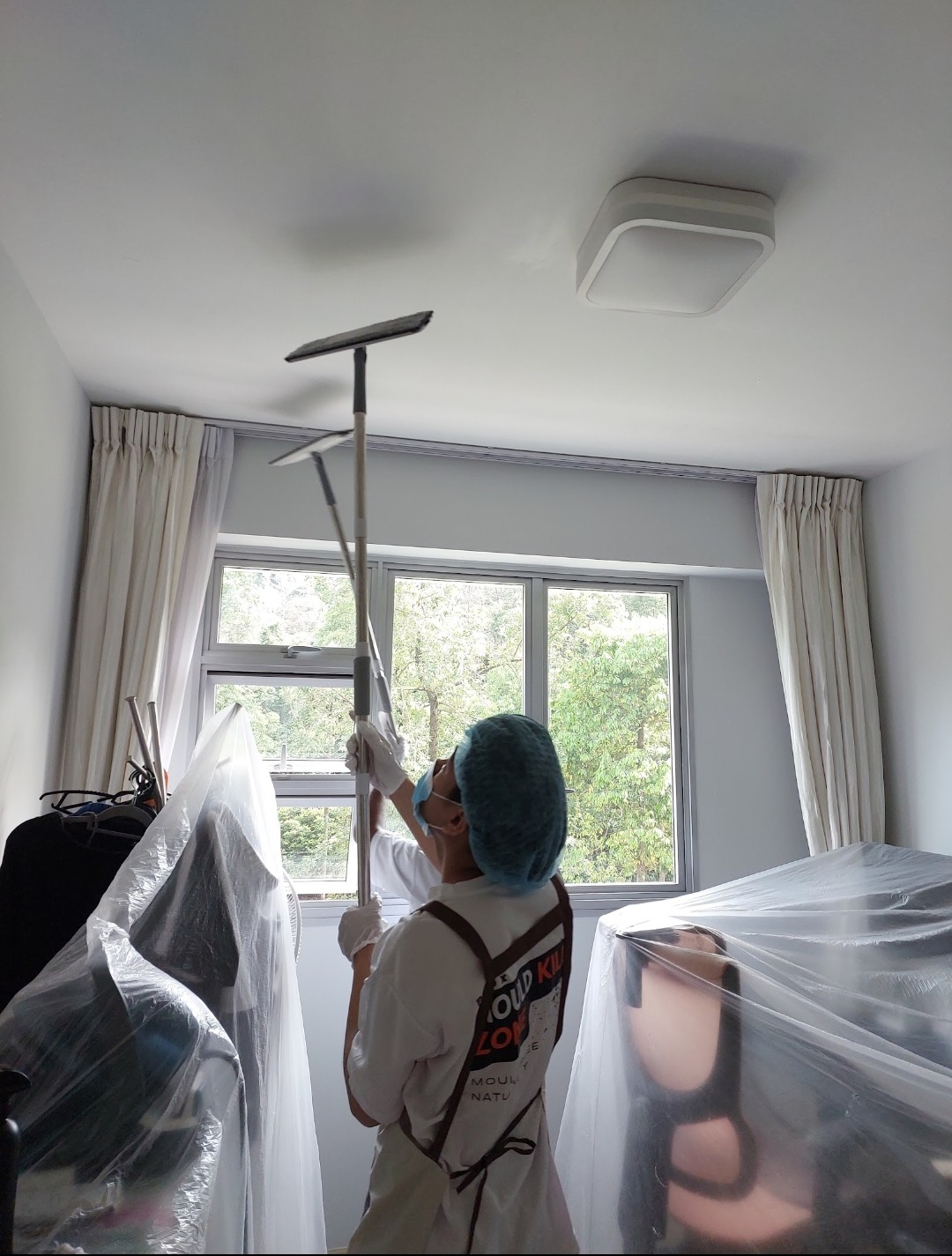
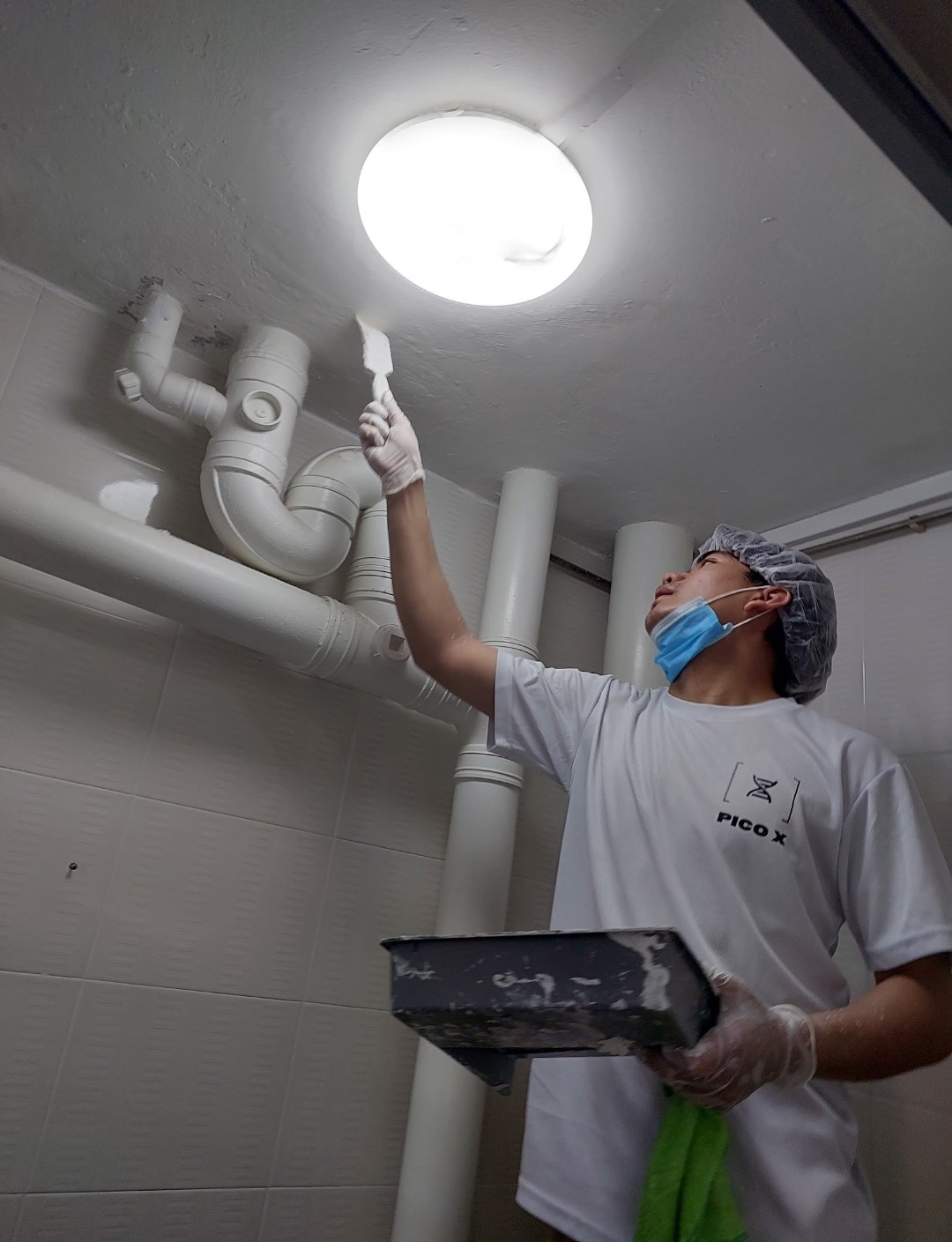
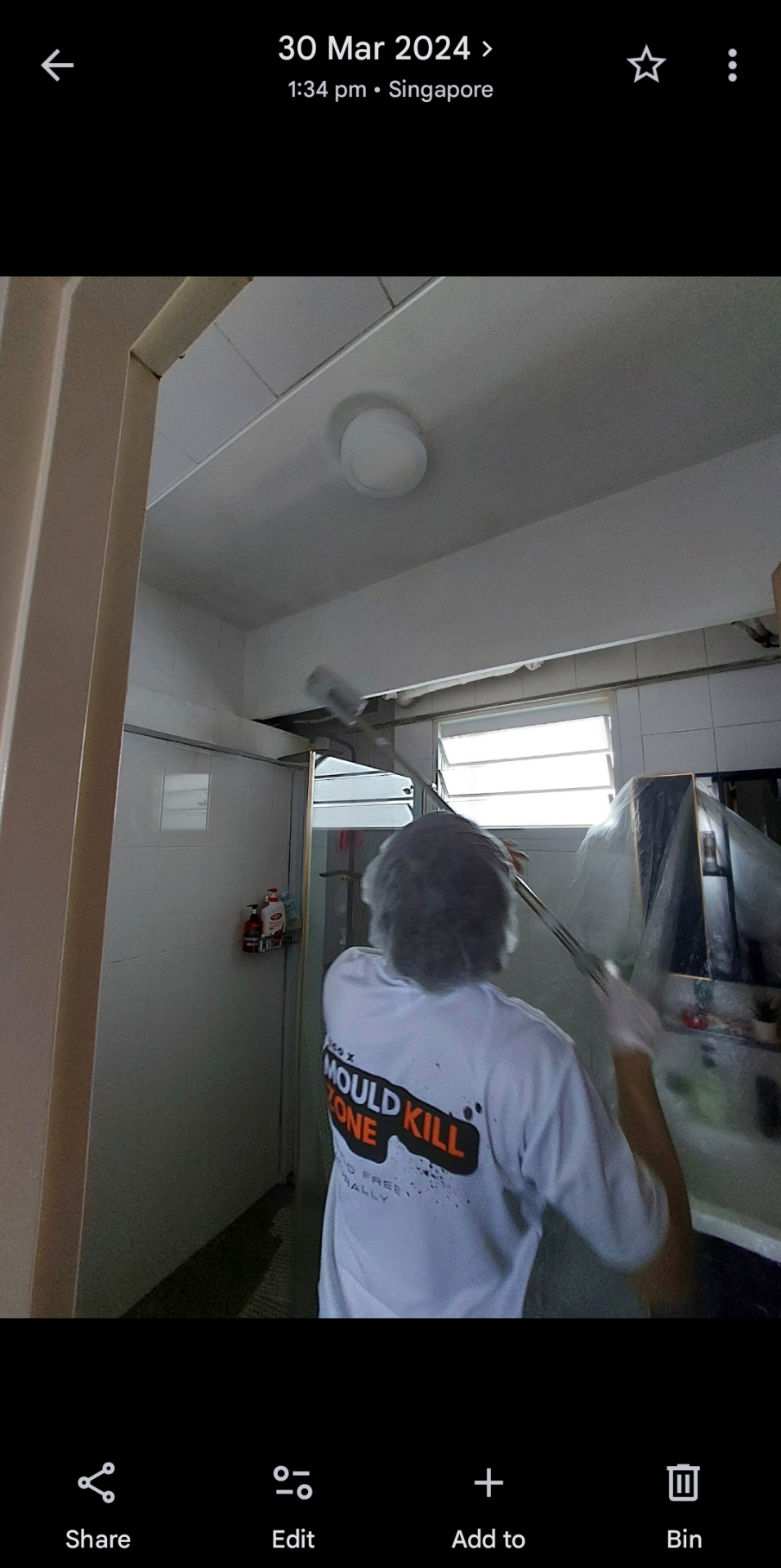
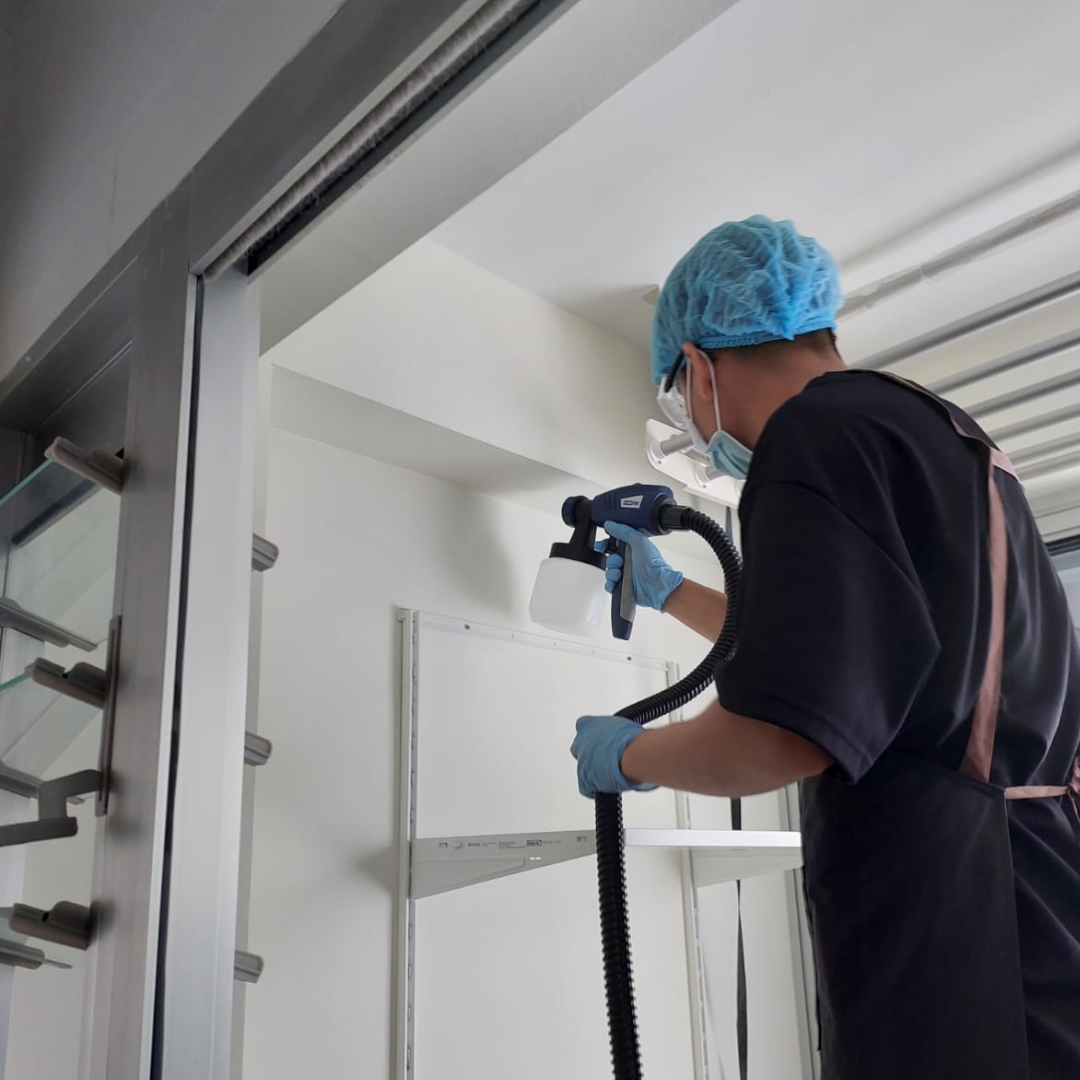
- Negative-pressure containment sealing the work zone from the rest of the home
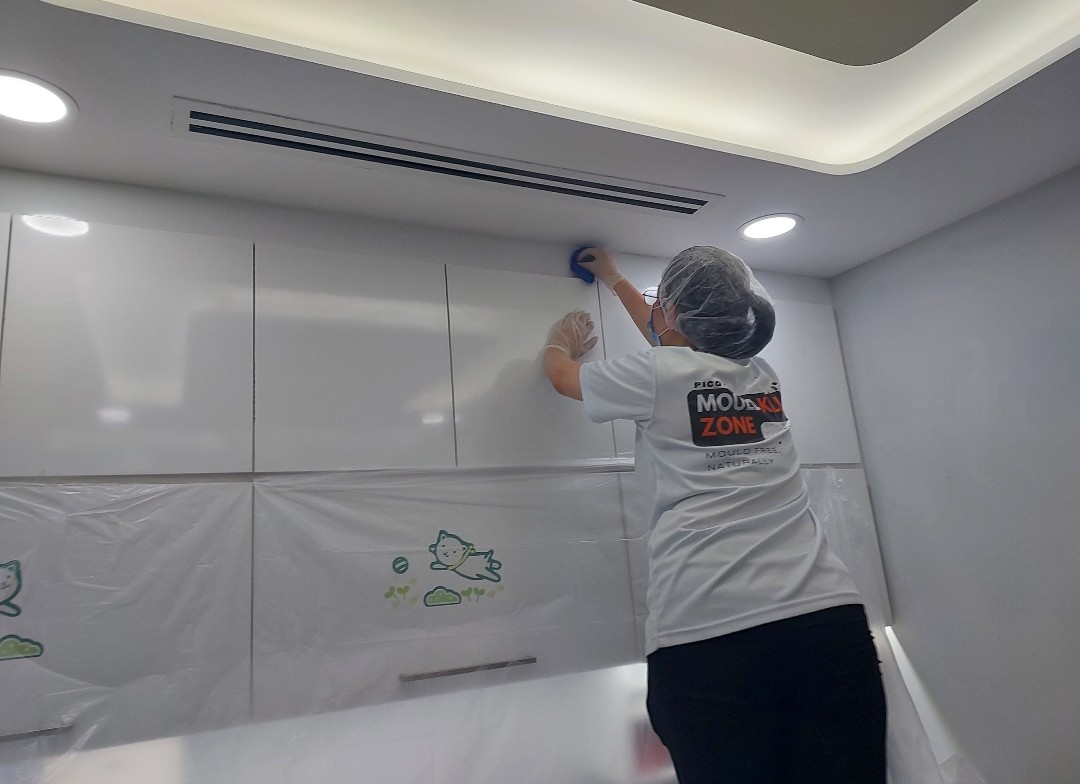
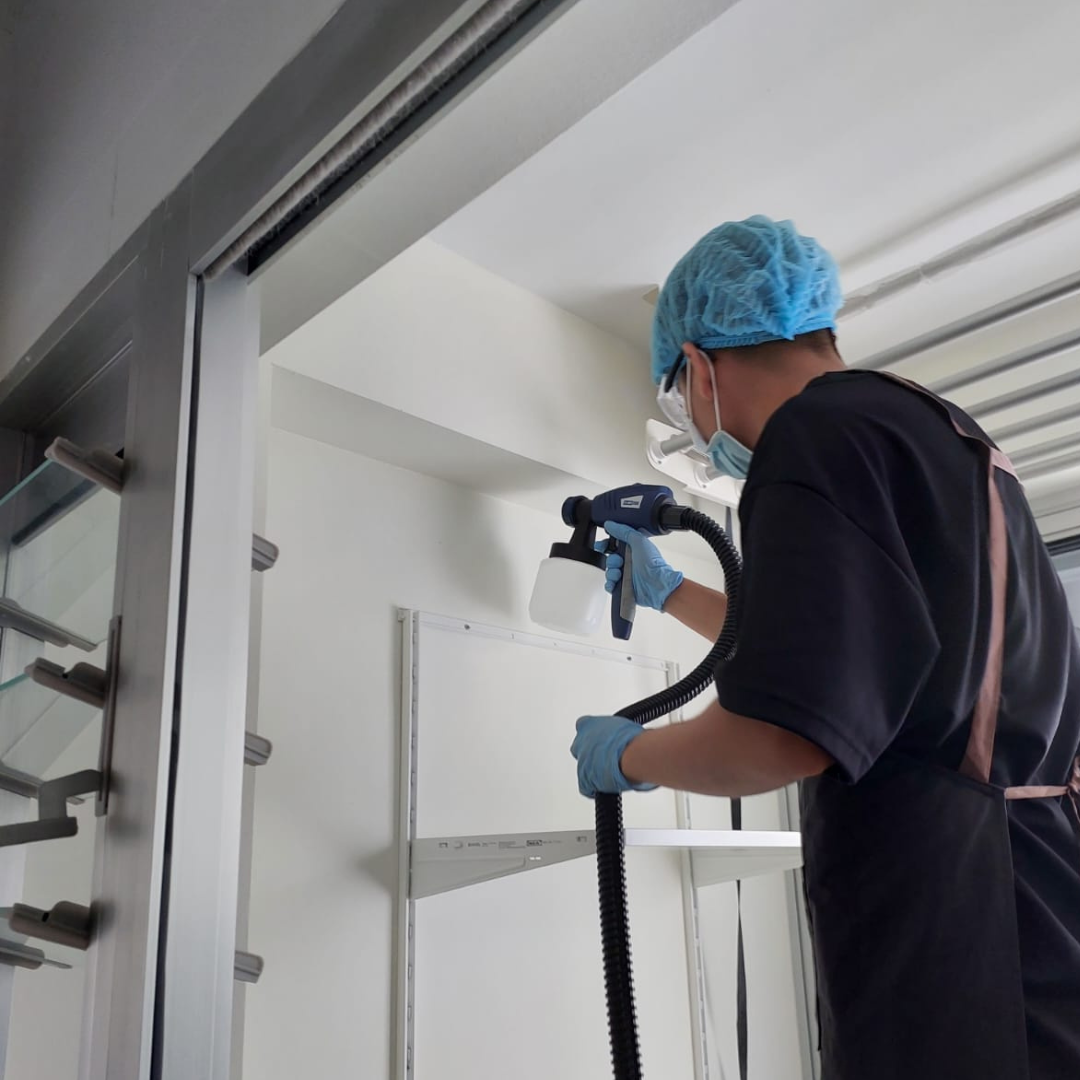
- Botanical sporicidal antimicrobials only — thymol and citric-acid based, breakdown products are water and CO2
- No bleach, no quaternary ammonium, no chlorine dioxide — these are explicitly excluded from our pregnancy protocol
- Post-treatment air sampling with written clearance report before re-entry
- HVAC isolation and coil cleaning if the bedroom aircon is implicated
Coordination with Your OB-GYN
We routinely provide a pre-treatment letter, the antimicrobial product MSDS and a post-treatment clearance report formatted for inclusion in your antenatal record. If your obstetrician would like to speak with our project lead before scheduling, we are happy to arrange a 15-minute call at no charge.
Related Reading
Frequently Asked Questions
Can mould cause miscarriage?
Direct causation has not been established in human studies, but heavy mycotoxin exposure has been associated with adverse pregnancy outcomes in animal models and observational cohorts. The conservative position — and the one most Singapore obstetricians take — is to minimise exposure throughout pregnancy.
Is the smell of mould harmful to my baby?
The musty smell itself is microbial volatile organic compounds (MVOCs). Smell intensity correlates loosely with spore load. If you can smell mould in a room you sleep in, the room needs source remediation, not air freshener.
Can I be in the house during mould removal while pregnant?
We ask pregnant clients to relocate for the full treatment day plus a clearance window — typically 6–8 hours total. Botanical antimicrobials are residue-free, but we use the higher-precaution protocol because pregnancy-specific data on inhaled exposure is limited.
I already cleaned visible mould before I knew I was pregnant — should I worry?
One acute scrubbing event is unlikely to cause harm but is worth mentioning to your OB-GYN at the next visit. They may want to monitor for respiratory or skin symptoms. Source remediation now prevents repeat exposure for the rest of pregnancy.
What about painting the nursery — is anti-mould paint safe in pregnancy?
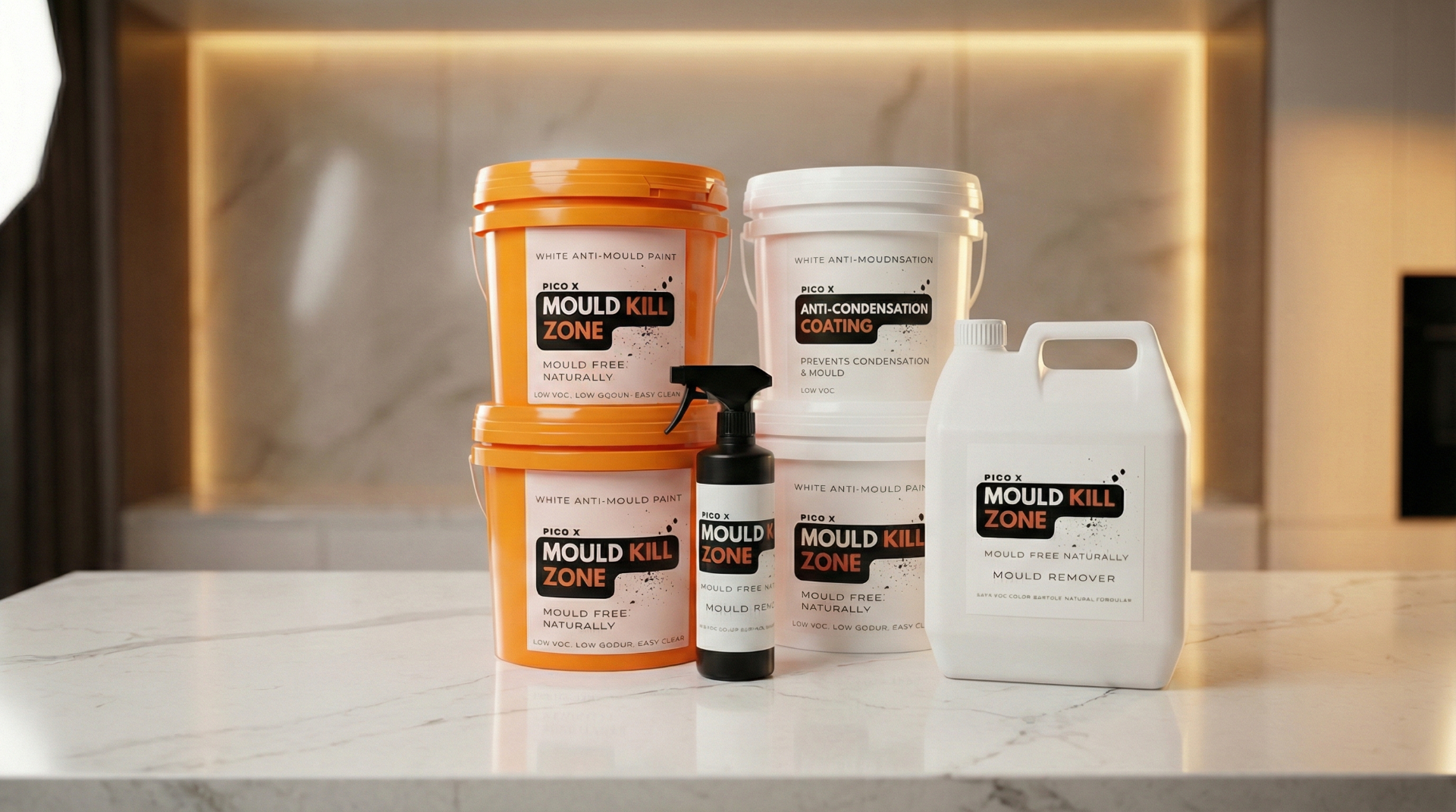
Most modern water-based anti-mould paints are low-VOC and considered acceptable in pregnancy when applied with windows open and the pregnant occupant out of the room for 24 hours. We use only certified low-VOC products on pregnancy and nursery jobs.
Will my health insurance cover mould remediation in pregnancy?
Some Integrated Shield Plans and home insurance policies cover environmental remediation when medically indicated. A letter from your OB-GYN stating medical necessity, plus our itemised invoice and clearance report, is usually sufficient documentation.
Ready to take action?
Get a free WhatsApp photo assessment — honest triage, transparent pricing Limited-time promoat $199.
WhatsApp Photo Quote Call +65 8751 5146