Why Older Adults Are Biologically More Vulnerable
Immunosenescence — the age-related decline of both innate and adaptive immunity — begins around age 60 and accelerates after 75. Alveolar macrophage clearance of inhaled Aspergillus spores drops measurably, neutrophil function blunts, and T-cell repertoire narrows. The result is that a spore burden a 30-year-old clears silently can germinate in an 80-year-old's lung.
Concurrent comorbidity multiplies the risk. By age 75, more than 60% of Singaporeans have at least one chronic condition — diabetes, COPD, cardiac failure or chronic kidney disease — each of which independently impairs antifungal defence. Inhaled or oral corticosteroids prescribed for COPD and asthma further suppress the macrophage response to spores.
Mucociliary clearance also slows with age. Cilia beat frequency drops, mucus becomes more viscous, and the cough reflex weakens. Spores that would normally be expelled within hours can persist long enough to germinate.
Singapore-Specific Exposure Profile for Seniors
- Older HDB units — many seniors live in 30–40 year old flats with thinner wall insulation, older window-aircon units, and inter-flat condensation patterns the original design did not anticipate
- Single-room aircon use — many seniors cool only the bedroom, creating a steep humidity gradient that drives condensation onto the cool side of the bedroom wall
- Reduced cleaning capacity — physical limitations make it harder to spot and remove visible mould before it spreads
- Bedside humidifiers and nebulisers — well-intentioned use without daily cleaning becomes a spore-amplification source
- Long sedentary hours indoors — total daily exposure dose is far higher than for working-age adults
Acute Symptoms & Red Flags in Seniors
Symptoms in older adults are easily attributed to ageing or to existing comorbidities. Maintain a low threshold and seek medical review for:
- New or worsening shortness of breath
- Increased frequency of COPD or asthma exacerbations
- Persistent dry cough beyond 2 weeks, especially if worse at home
- Unexplained fatigue, weight loss or appetite reduction
- New confusion, disorientation or memory complaint (mould-related cognitive symptoms can mimic early dementia)
- Recurrent sinusitis or facial pressure
- Falls of unclear cause — mould-related dizziness and fatigue are under-recognised contributors
- Recurrent skin infections or eczema flares
Long-Term Consequences if Exposure Continues
- Chronic pulmonary aspergillosis (CPA) — cavitating lung lesions that mimic tuberculosis, requiring 6–12 months of antifungal therapy and causing permanent fibrotic loss of lung volume
- Hypersensitivity pneumonitis — granulomatous interstitial lung disease that can become irreversible after months of exposure
- Accelerated COPD progression — repeated exacerbations driven by spore exposure cause stepwise loss of FEV1
- Mycotoxin-driven cognitive symptoms — ochratoxin A and gliotoxin exposure has been associated in clinical literature with persistent fatigue, brain fog, peripheral neuropathy and accelerated cognitive decline
- Fall risk — fatigue, dizziness and visual disturbance from chronic exposure increase fall and fracture risk
- Increased hospital admission rate — observational cohorts show seniors in damp/mouldy housing have measurably more respiratory admissions per year
Senior Home Audit — What Caregivers Should Check
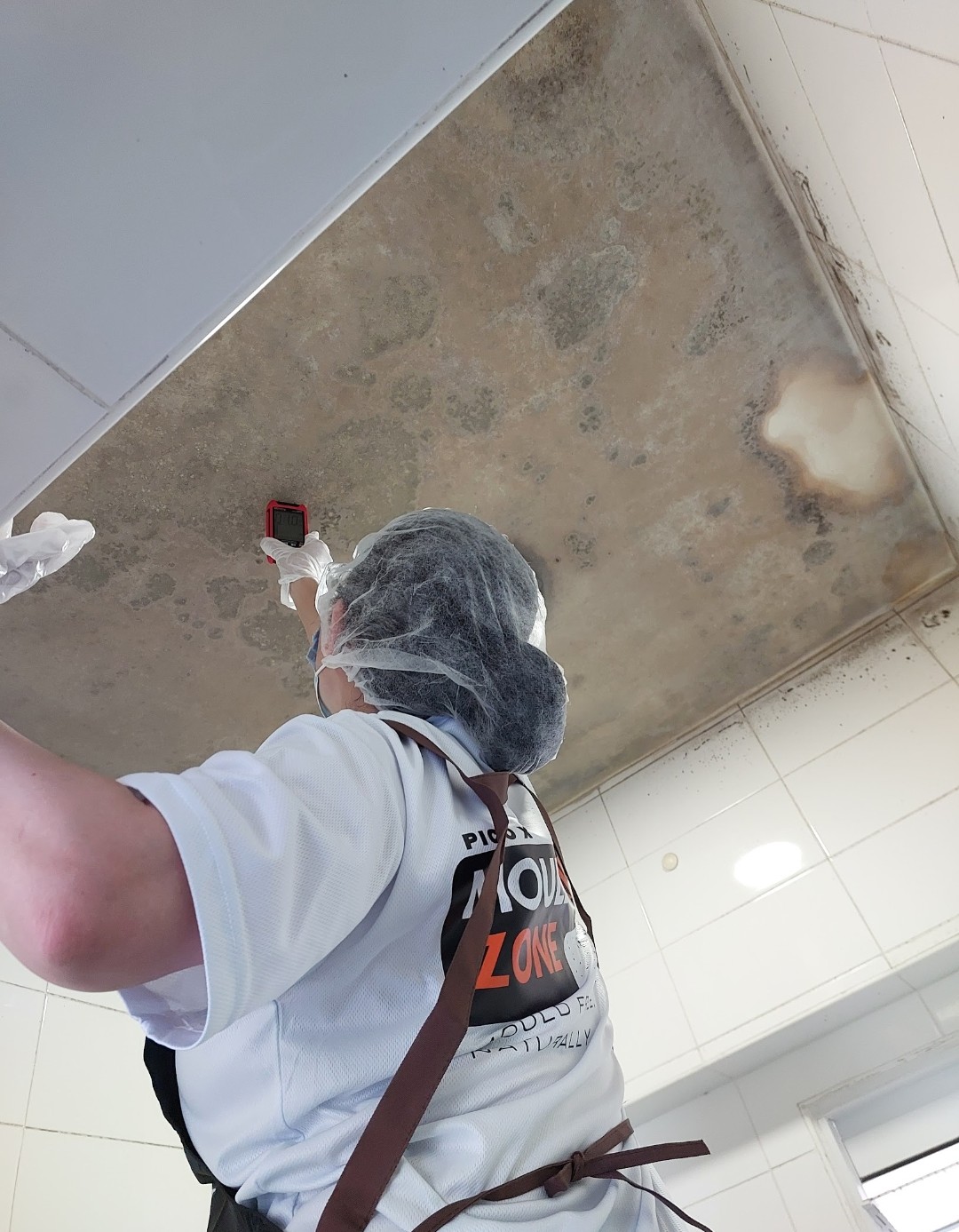
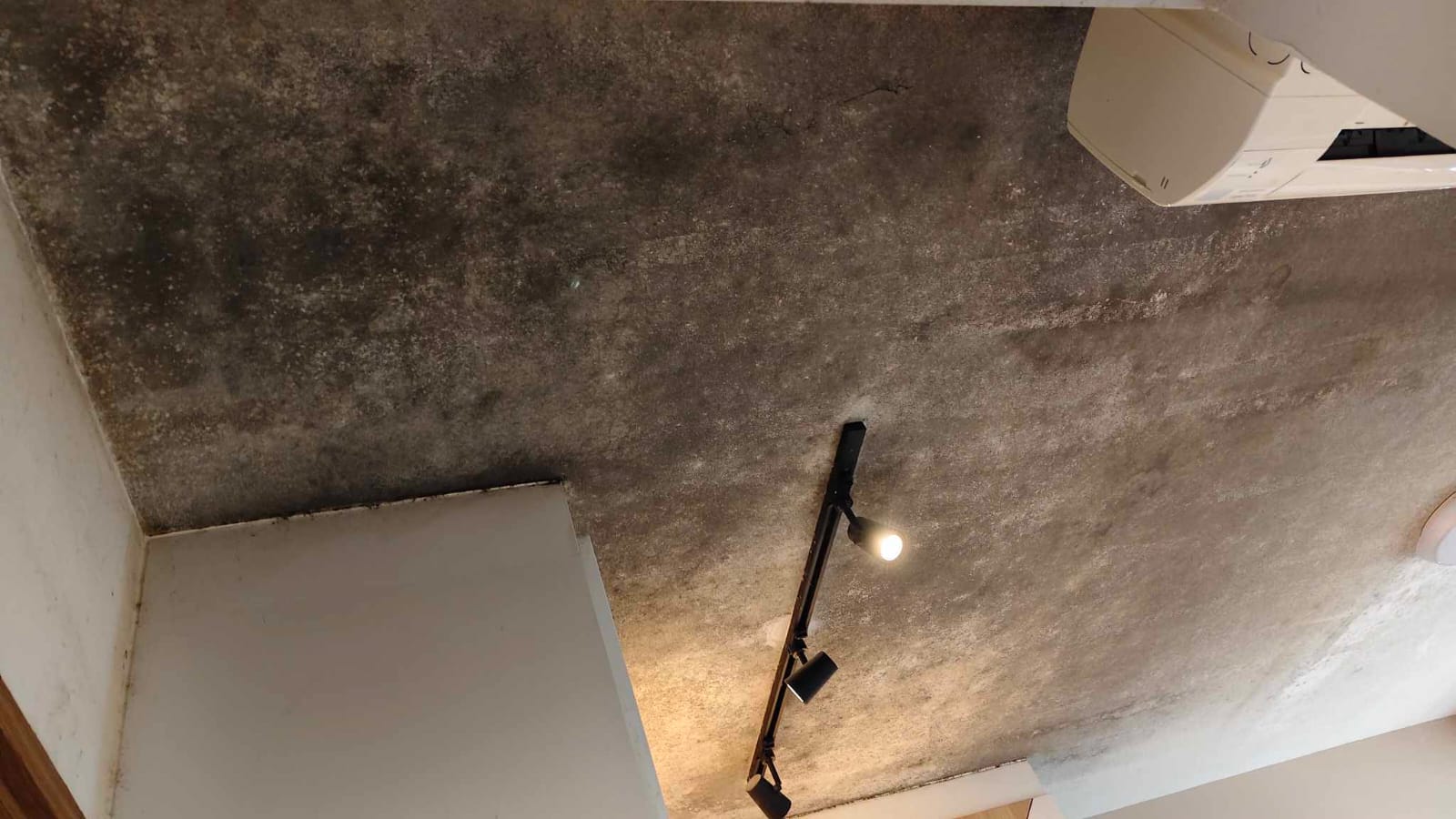
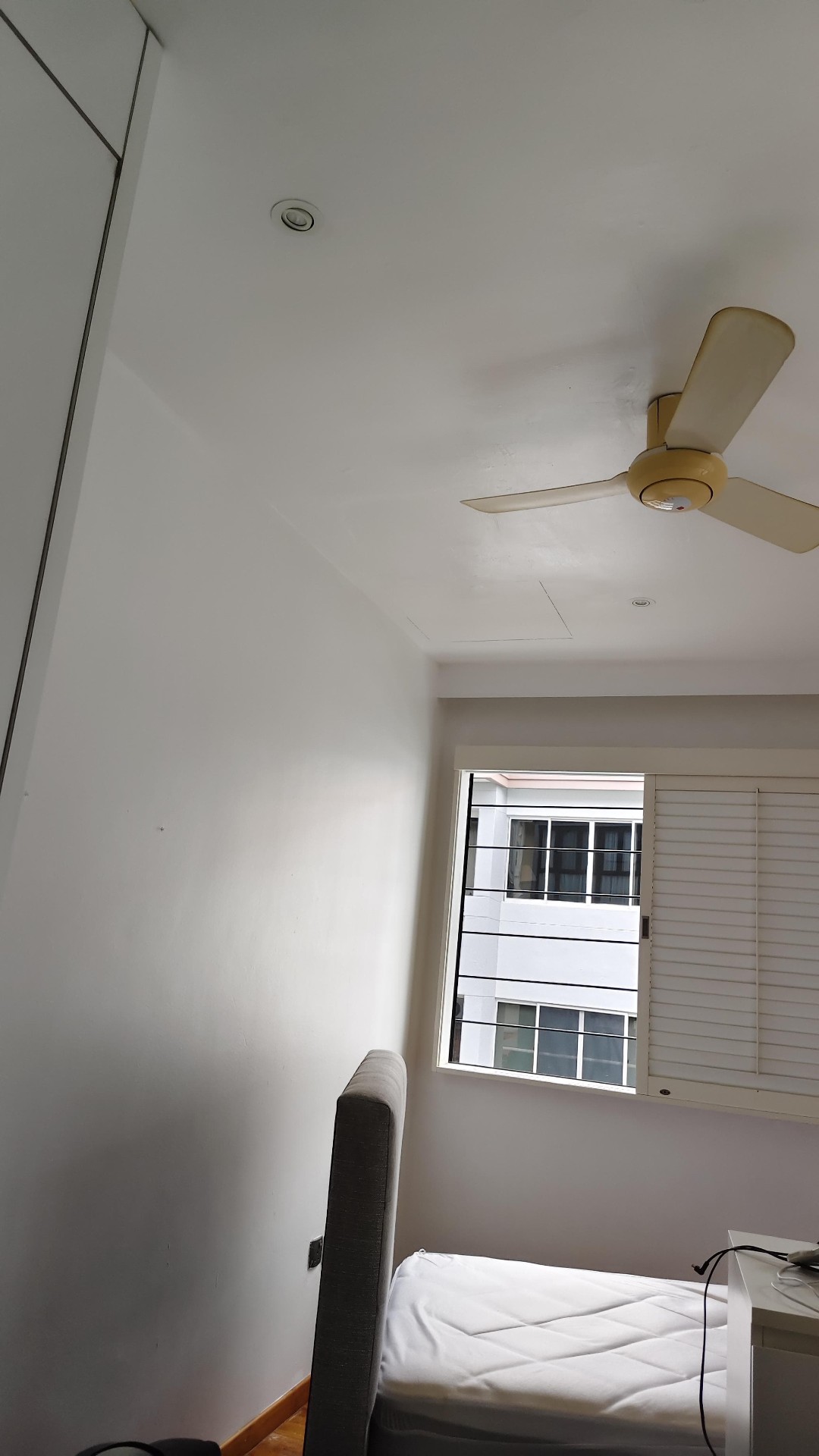
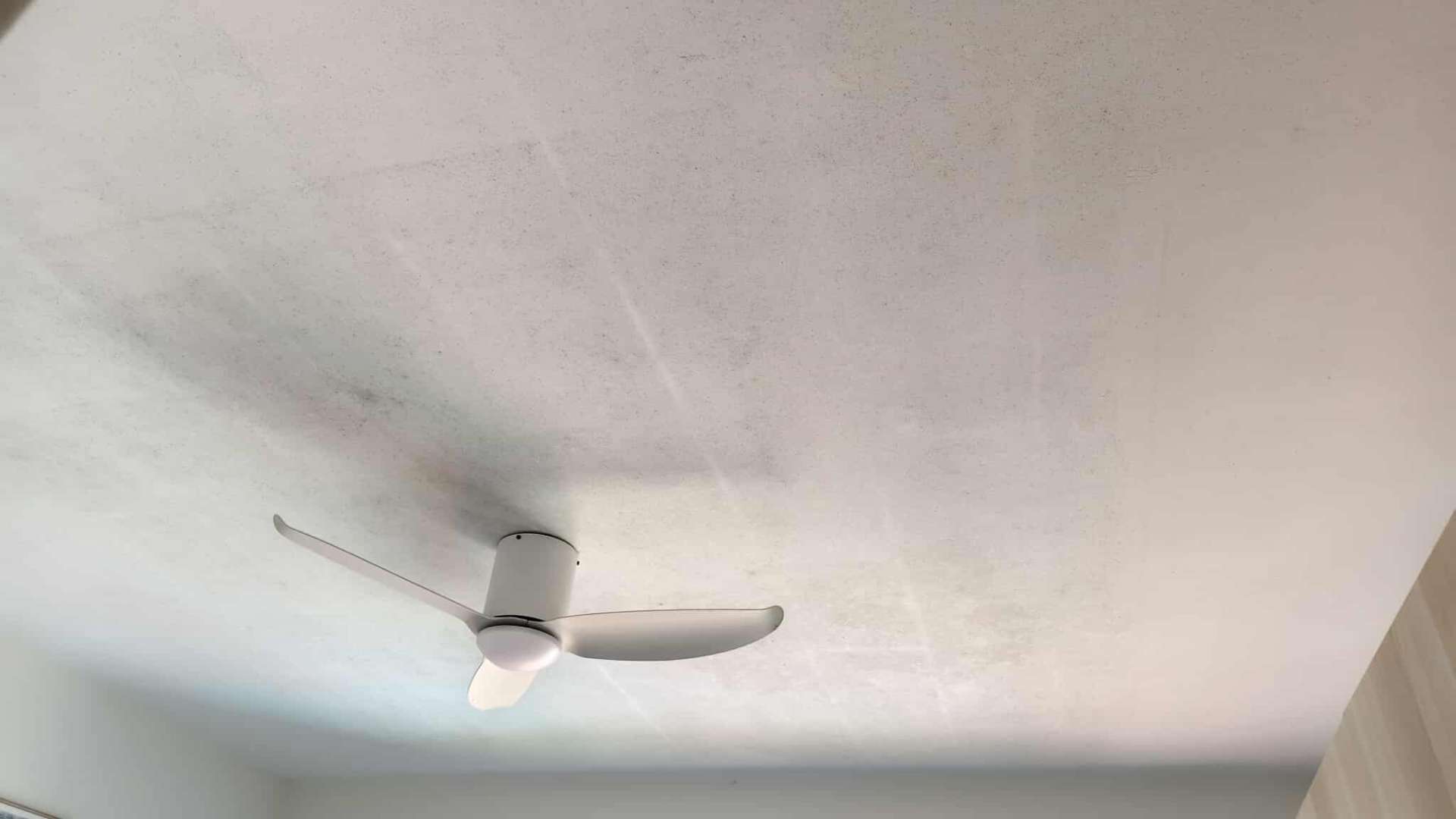
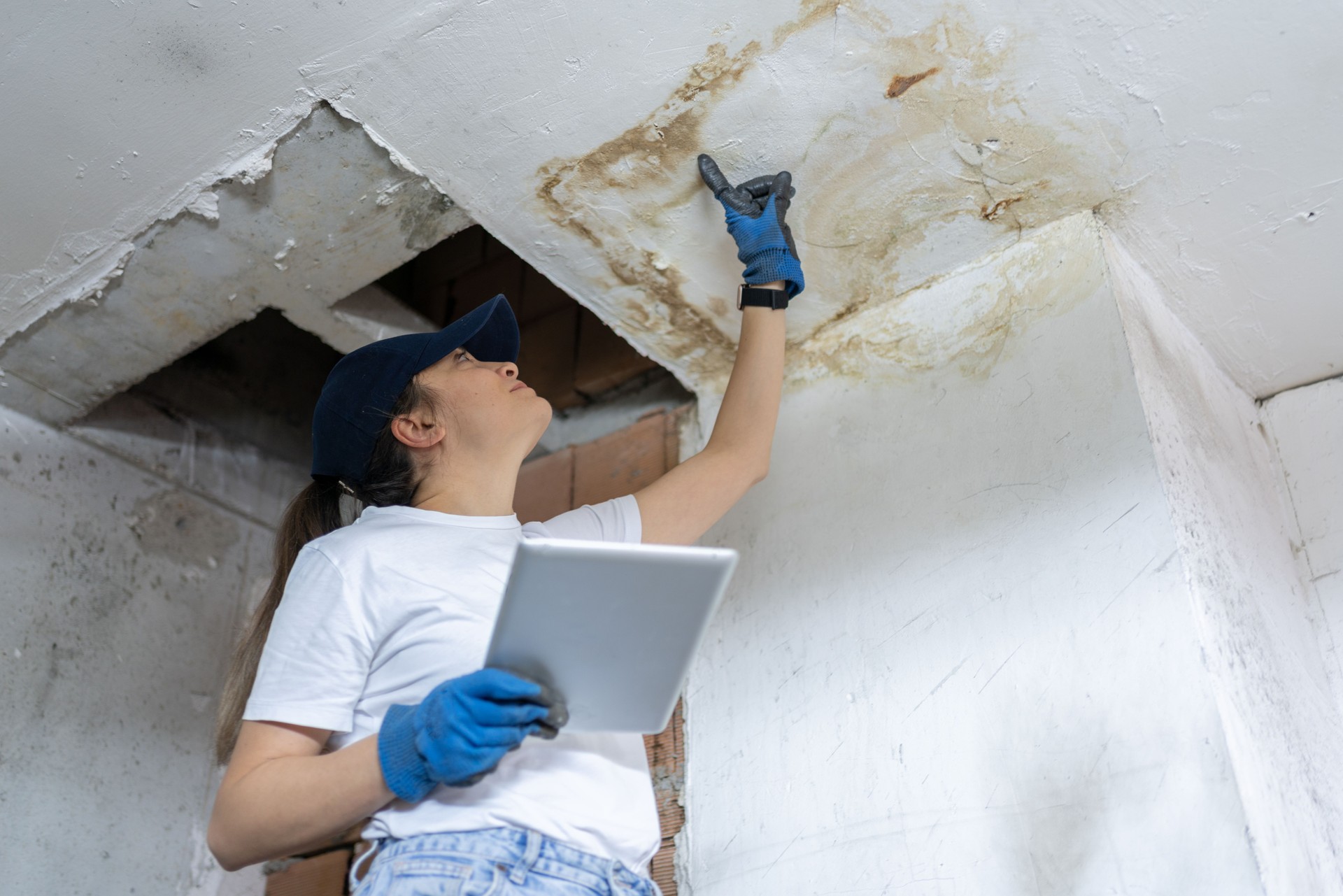
- Bedroom ceiling above the bed and behind the headboard
- Aircon evaporator coil — black film on the fins indicates biofilm
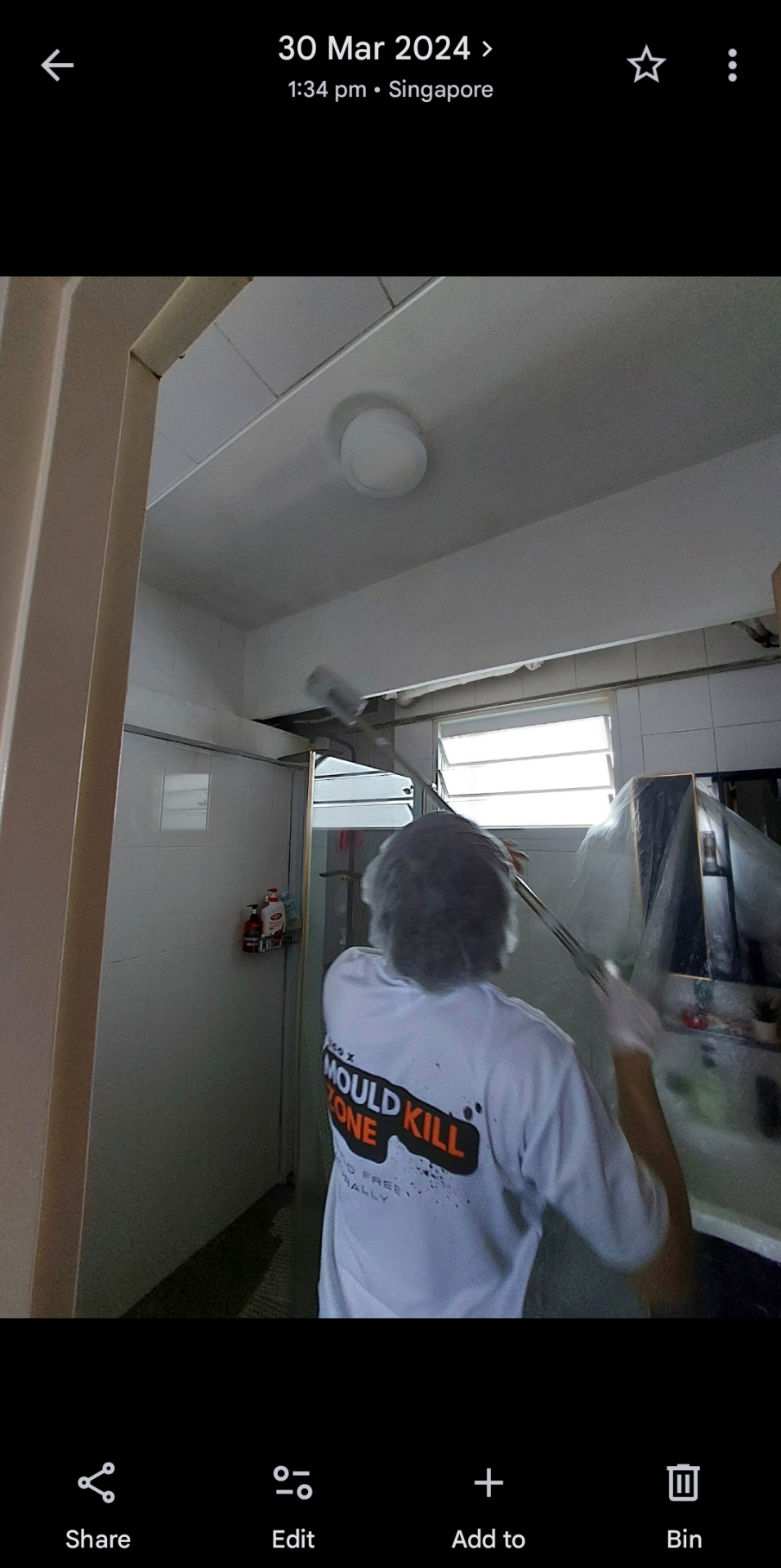
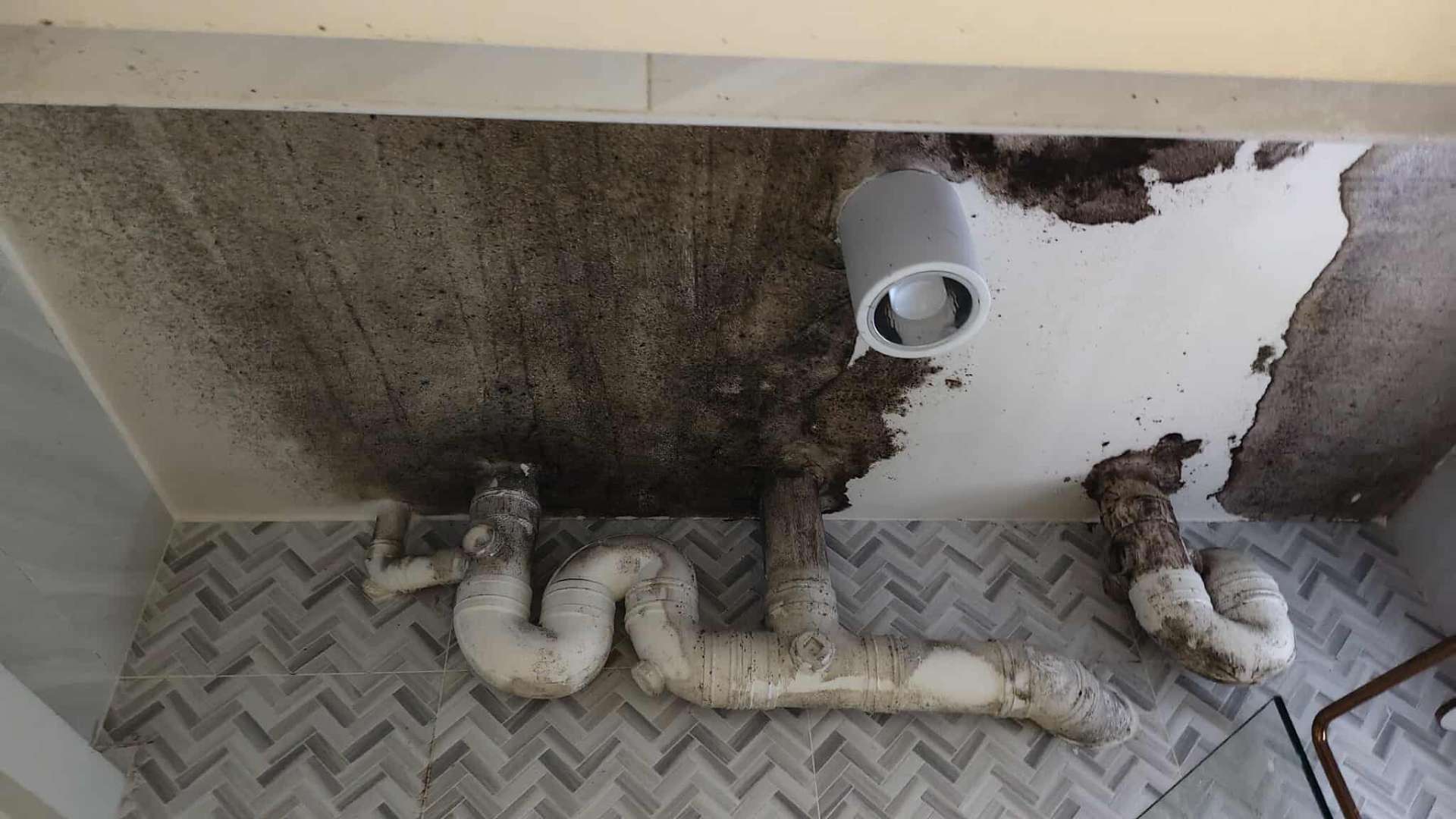
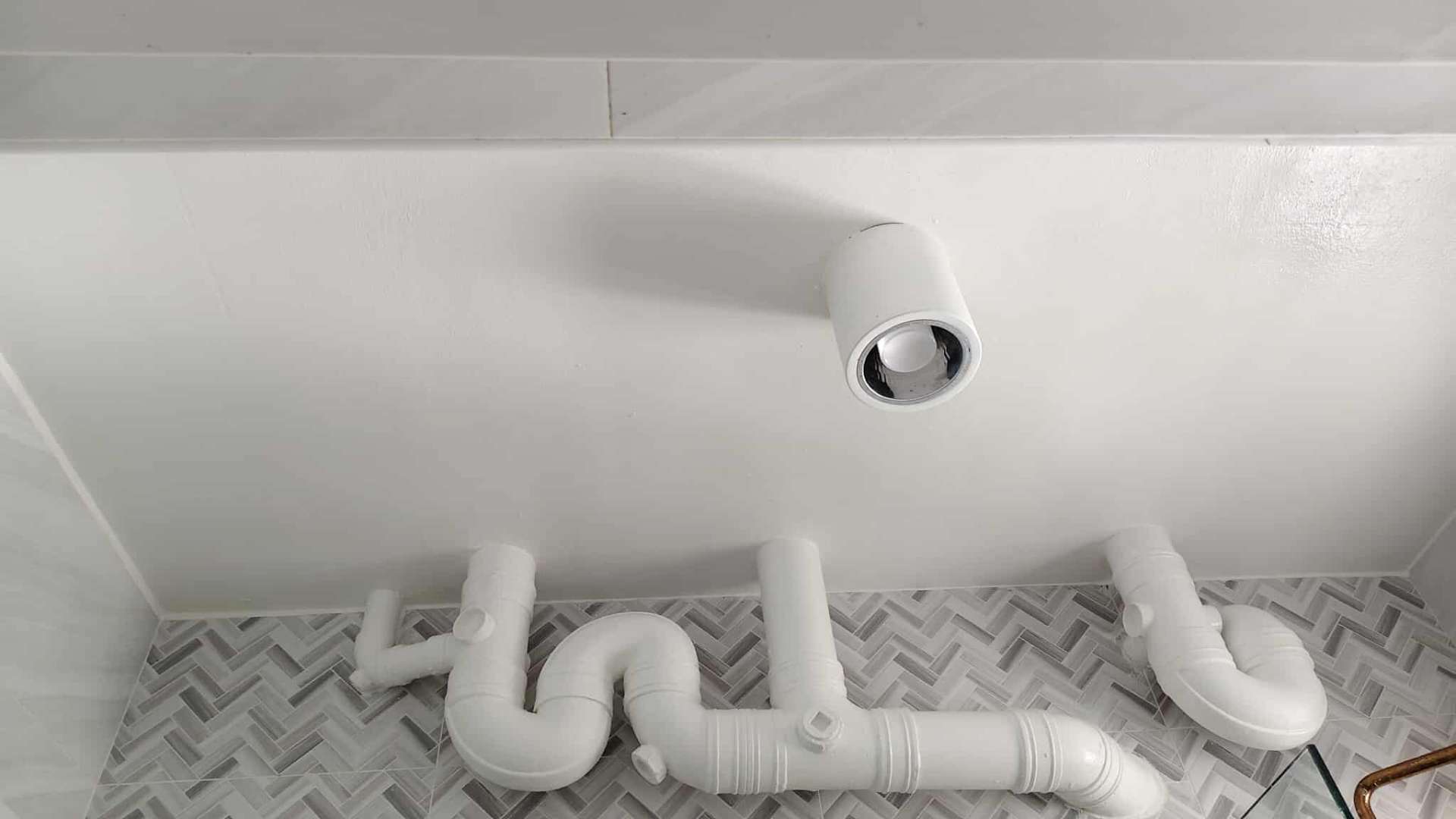
- Bathroom ceiling and the bedroom wall shared with the bathroom
- Wardrobe back wall and inside any wall-mounted carpentry
- Behind sofas and beds against external walls
- Bomb shelter or store room used for storage
- Humidifier and nebuliser water tanks (clean daily)
- Under-sink cabinets in kitchen and bathroom
- Any room that smells musty even briefly on entering
Senior-Safe Remediation Protocol
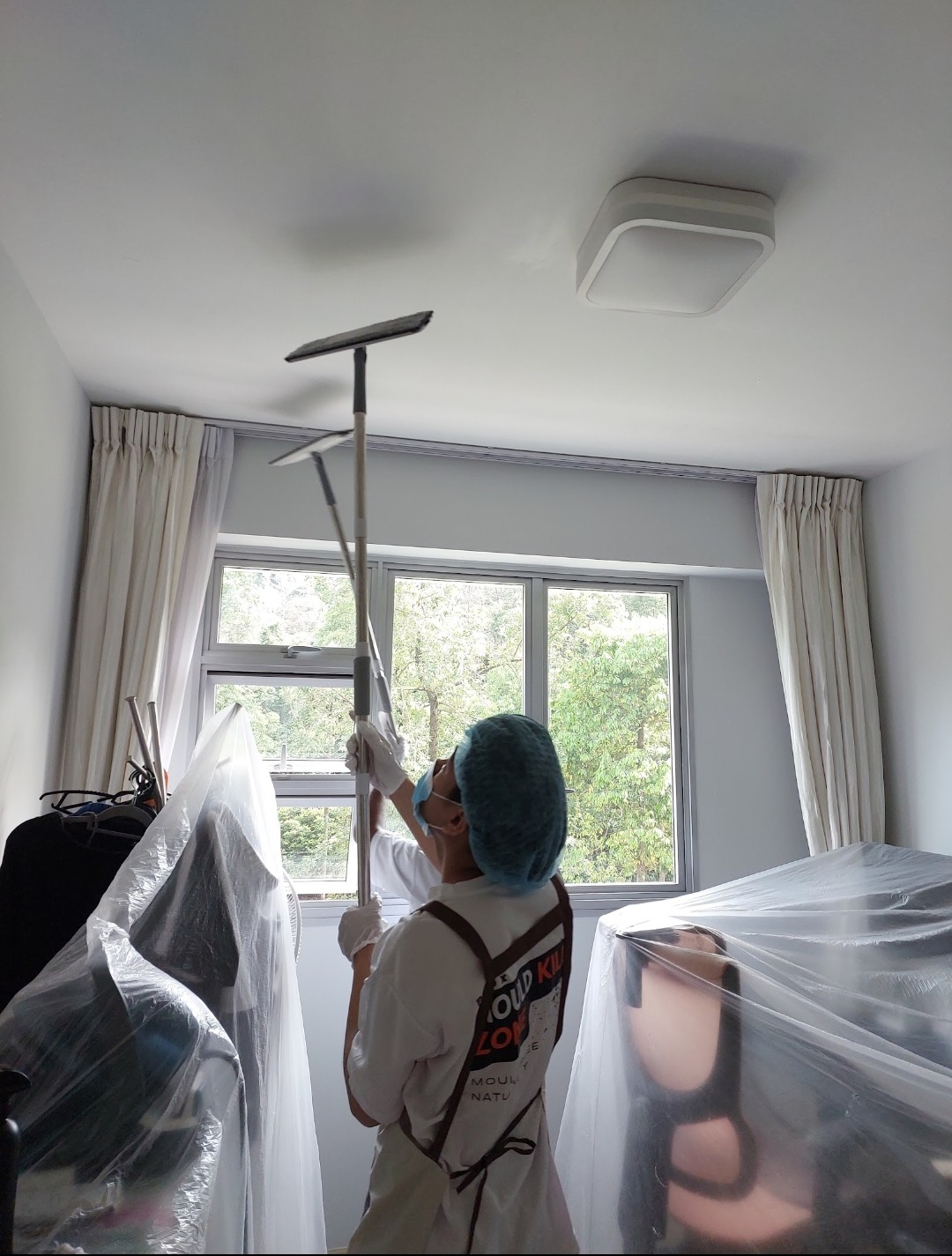
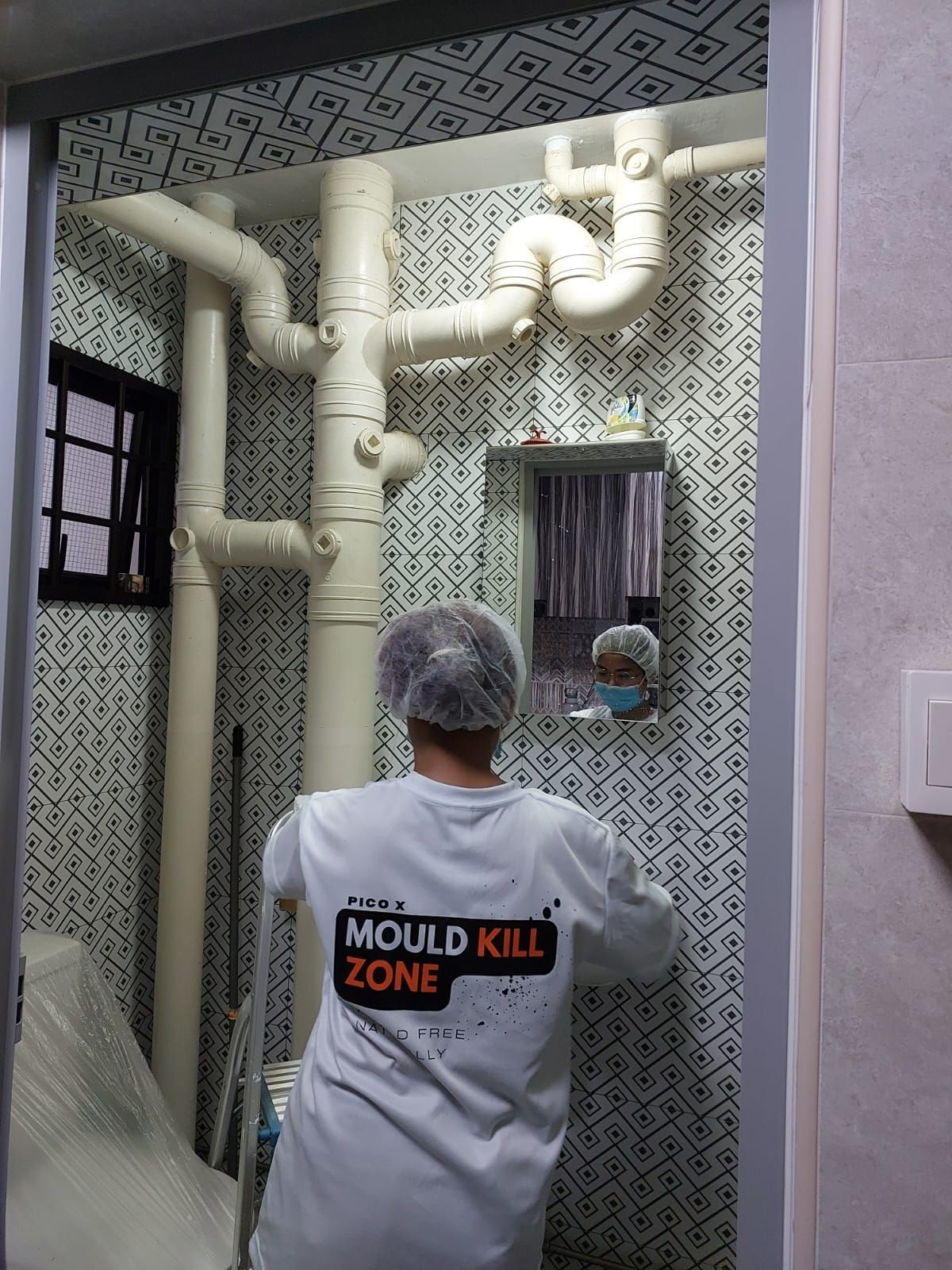
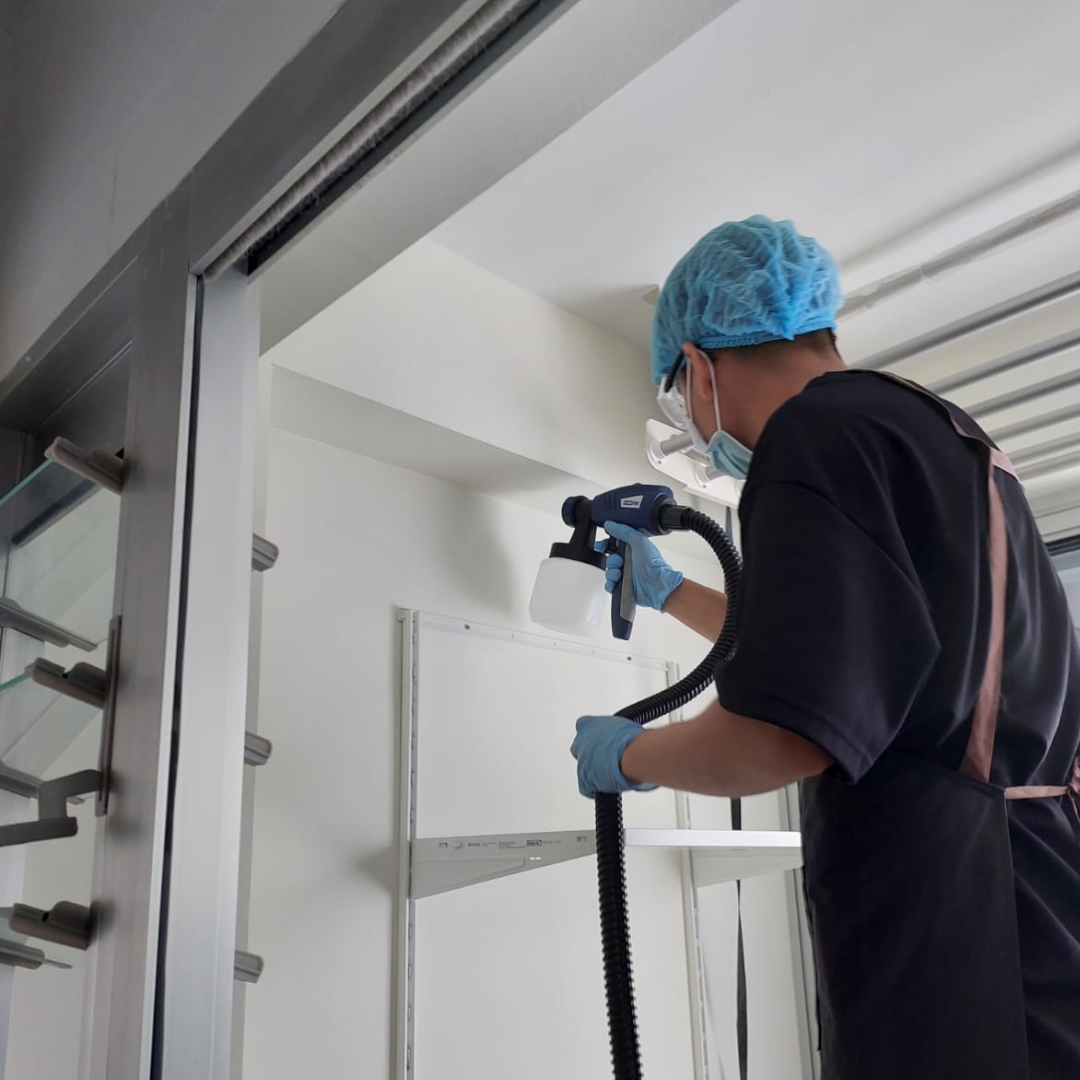
- Senior relocated for the treatment day — typically 4–6 hours, with caregiver support arranged
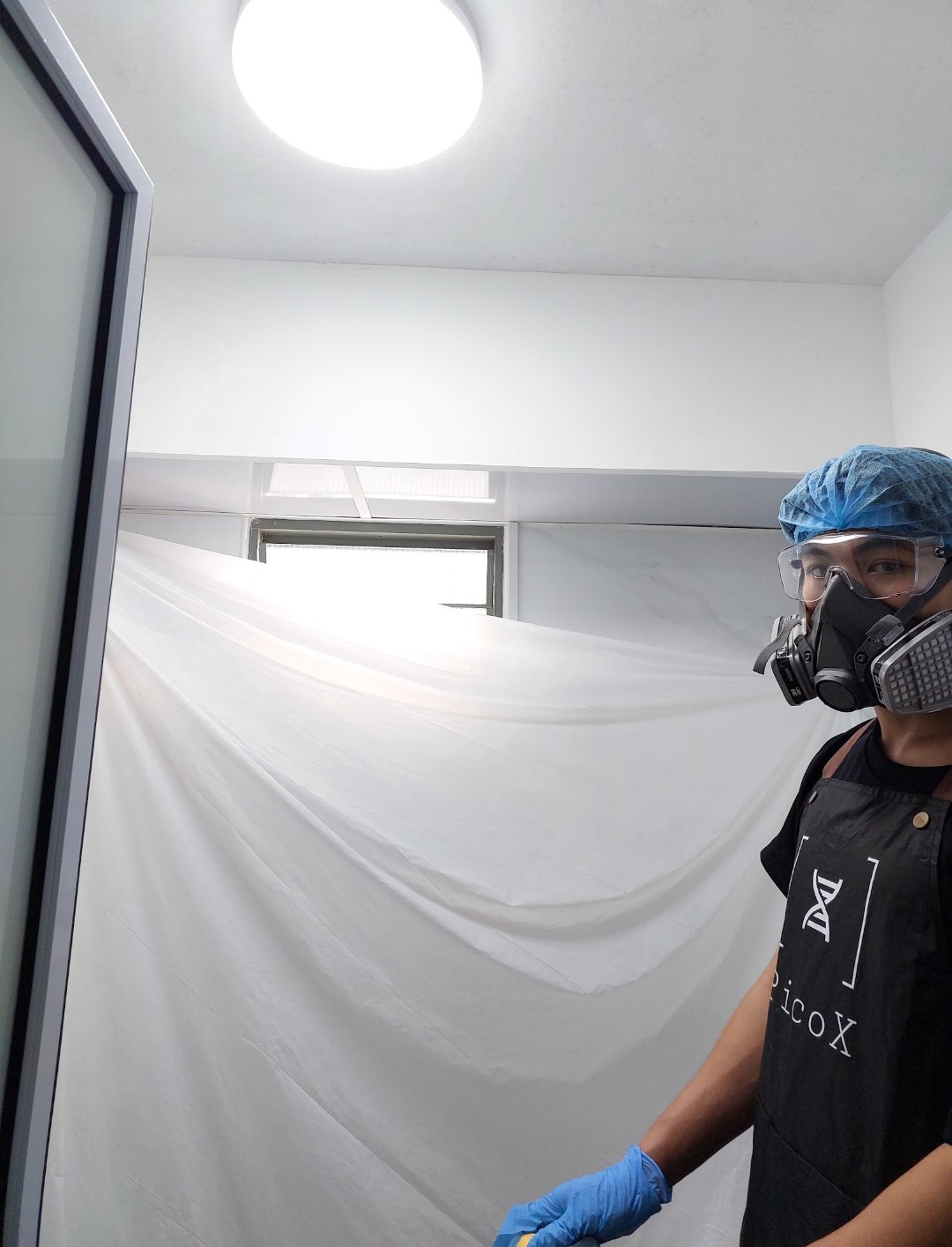
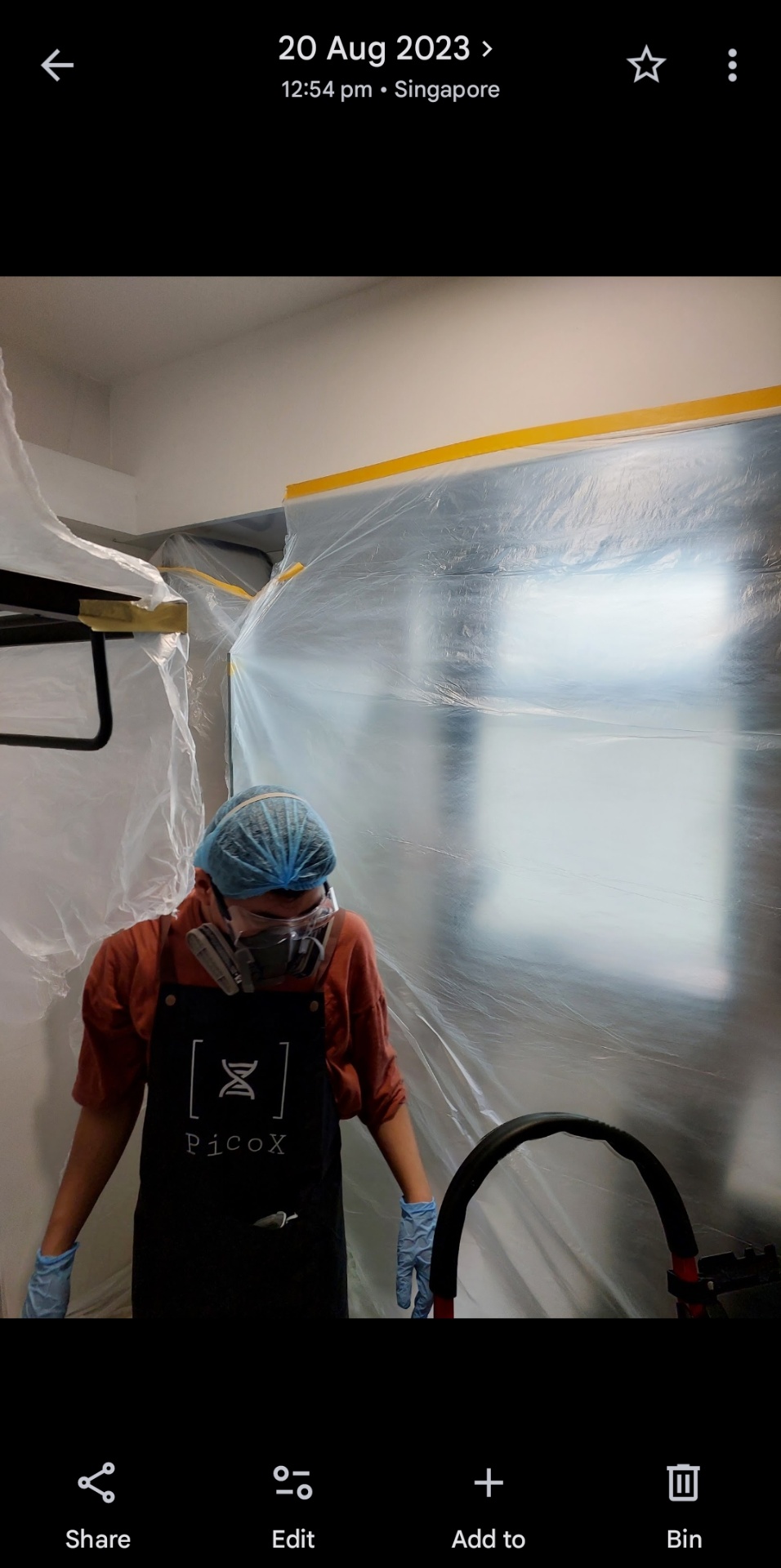
- Negative-pressure containment sealing the work zone from the rest of the home
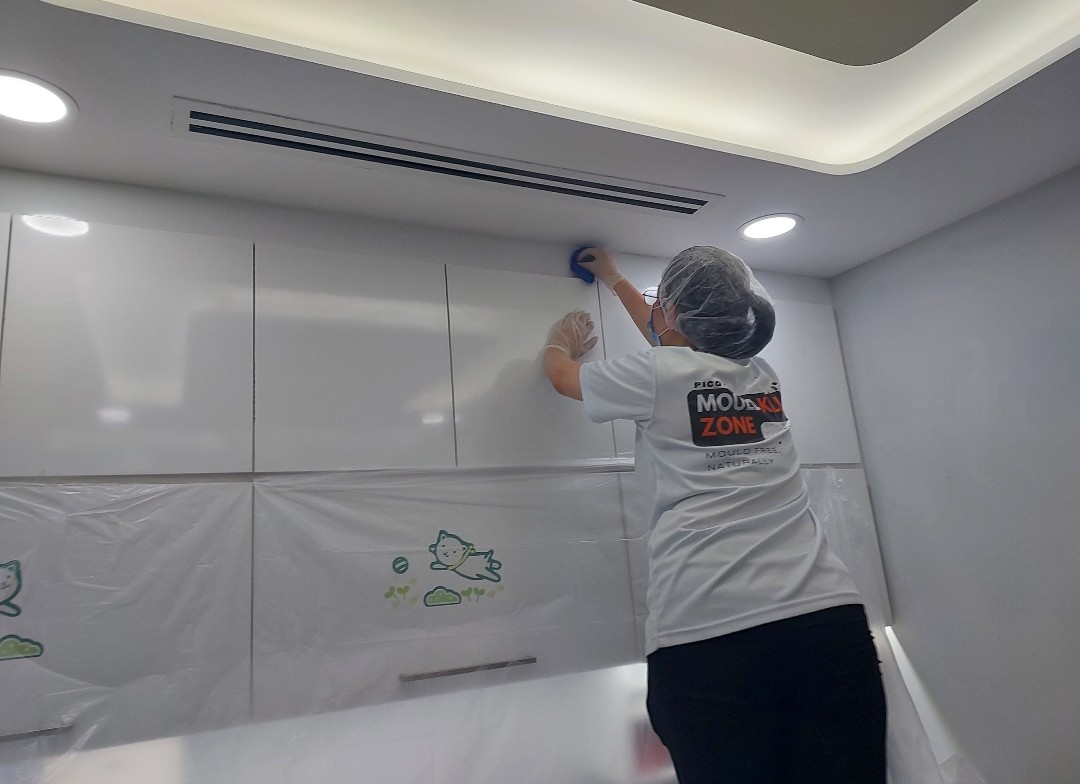
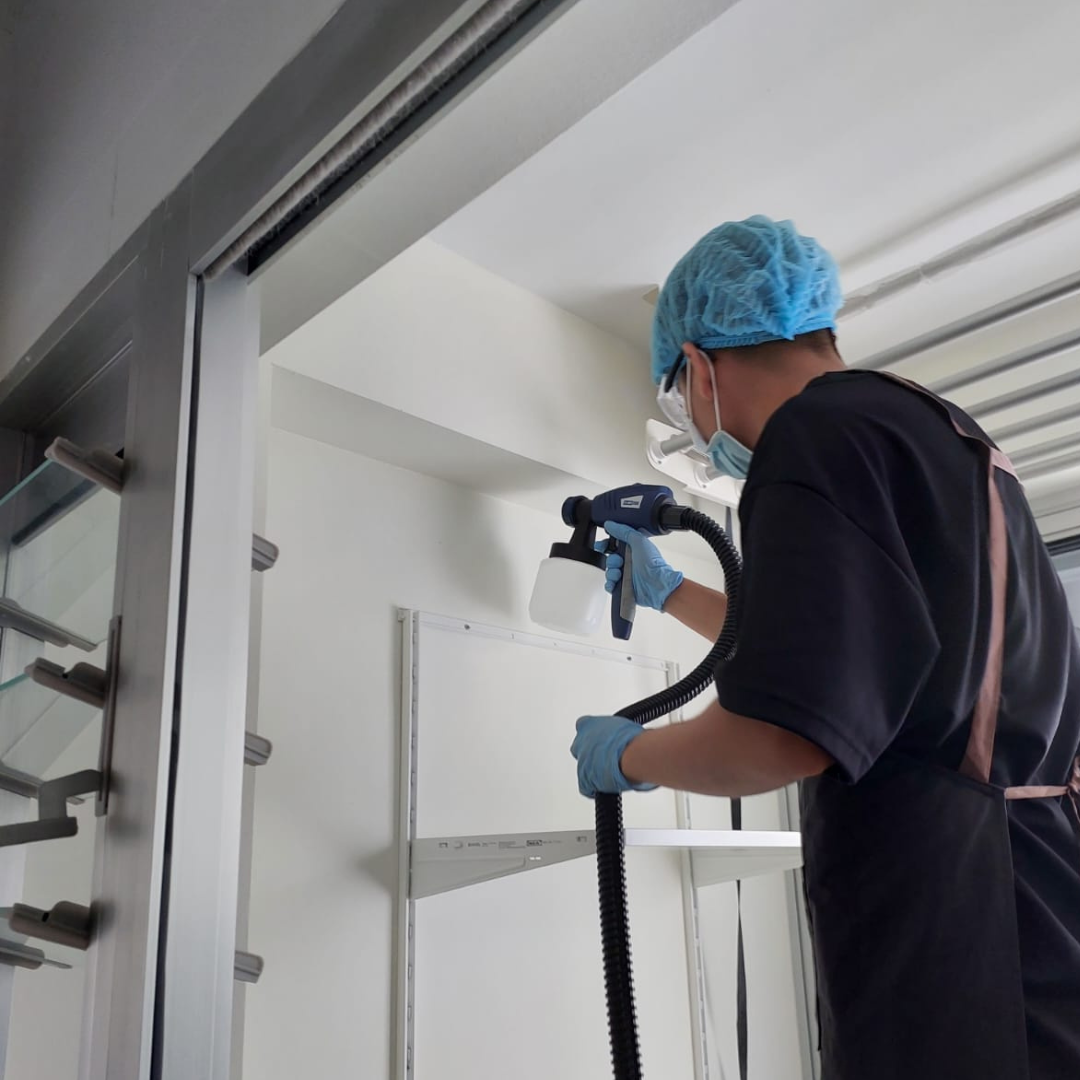
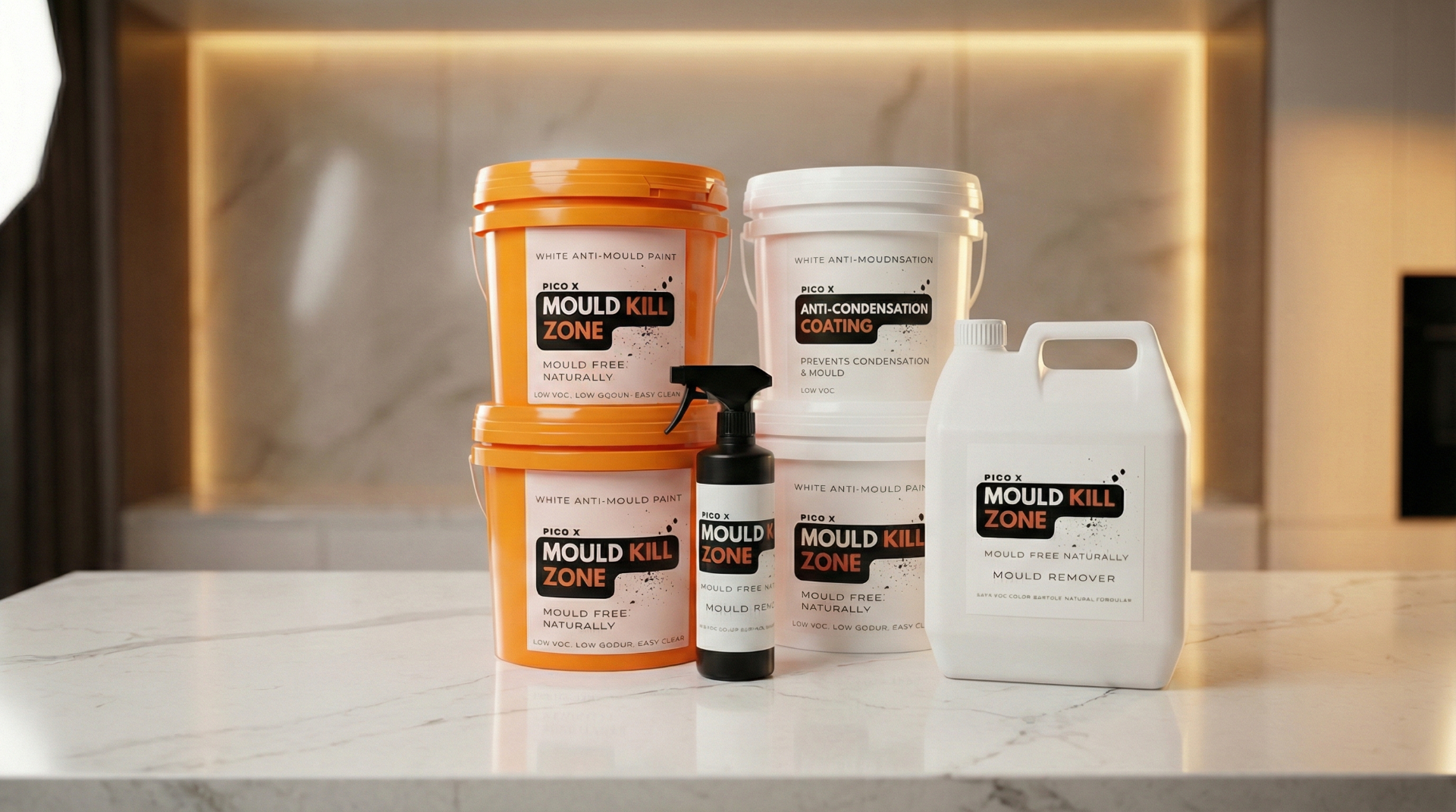
- Botanical sporicidal antimicrobials only — thymol and citric-acid based, no reactive residue that could trigger reactive airway disease
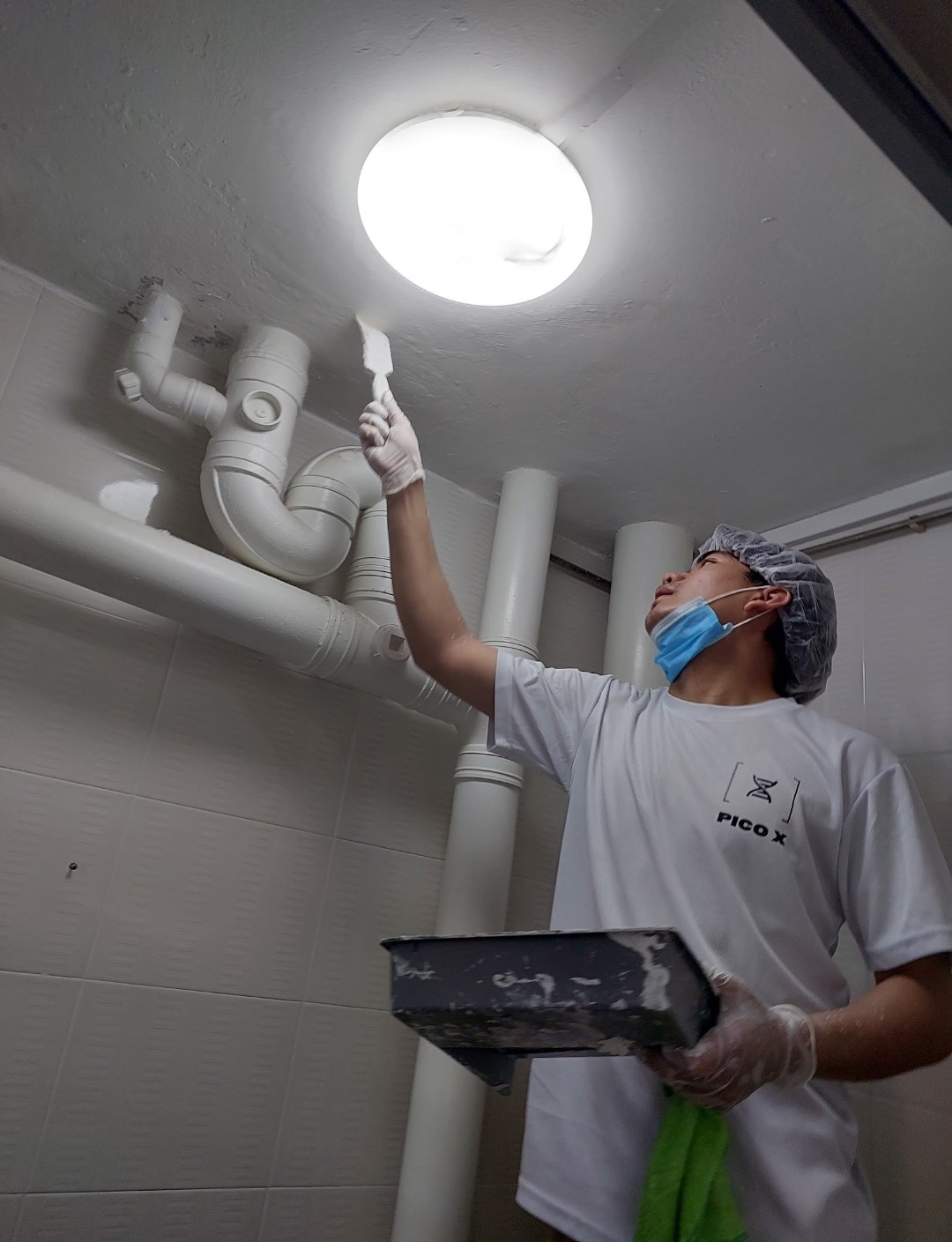
- Substrate decision — porous materials with deep colonisation are removed and replaced
- HVAC isolation — bedroom aircon shut down throughout the work and coil cleaned separately if implicated
- Post-treatment air sampling with written report suitable for the geriatrician or respiratory physician
Coordination with the Care Team
Most Singapore polyclinic and hospital geriatric teams will accept written environmental reports as part of the medical record. We routinely provide pre-treatment hazard letters, antimicrobial product datasheets, and post-clearance air sampling reports for inclusion in the senior's file. If the family caregiver wants the report sent directly to the geriatrician, we can arrange that on request.
Related Reading
Frequently Asked Questions
Can mould cause dementia-like symptoms in elderly?
Mould-related cognitive symptoms — brain fog, memory complaint, attention difficulty — are well documented in clinical literature and can mimic early dementia. The mechanism appears to involve neuroinflammation from mycotoxin exposure rather than direct fungal infection of the brain. These symptoms often partially reverse after exposure ceases, which is diagnostically useful.
My mother has COPD and lives alone — what should I check?
Inspect the bedroom ceiling, the aircon coil, the bathroom-adjacent wall, the wardrobe back, and any room that smells musty. Bring photos of anything suspicious to her next polyclinic visit. COPD plus mould exposure is a particularly bad combination because steroids further suppress fungal defence.
Is professional removal safe if she has a pacemaker or other devices?
Yes — our equipment (air scrubbers, negative-pressure fans, vacuums) is electrical only and produces no electromagnetic interference. Botanical antimicrobials are residue-free. We have completed remediation in homes of patients with pacemakers, ICDs, oxygen concentrators and home dialysis equipment.
How urgent is remediation if she's already on inhaled steroids?
More urgent than for a person not on steroids. Inhaled corticosteroids — particularly higher-dose fluticasone or budesonide — measurably suppress local lung antifungal defence. Source removal is the right intervention; the steroids are needed for the underlying disease.
Can mould exposure cause falls?
Indirectly, yes. Mycotoxin-related fatigue, dizziness and visual disturbance are documented. In an older adult who has fallen without obvious cause, environmental mould is worth ruling out before adjusting medication or attributing the fall to age.
Will MediShield or Integrated Shield Plans cover this?
Some Integrated Shield Plans cover environmental remediation when there is medical necessity documented by a specialist. A letter from the geriatrician or respiratory physician, plus our itemised invoice and clearance report, is usually sufficient. Standard MediShield does not cover home remediation.
Ready to take action?
Get a free WhatsApp photo assessment — honest triage, transparent pricing Limited-time promoat $199.
WhatsApp Photo Quote Call +65 8751 5146