Anti-Condensation Cluster
Neighbour's Aircon Making Your Wall or Ceiling Wet? Here's the Fix (and Who Pays)
In 2025 a Segar Road resident slipped on a floor wet from condensation caused by their neighbour's aircon. HardwareZone threads document dozens of similar cases — wet walls, dripping ceilings, mould on the bedhead wall. If you're on the wet side of a shared wall or slab, Shield22 Pro fixes it on your side, one visit, no dispute.
How the one-side fix works
- 1. Document the source We photograph and moisture-map the wet patch, confirming it's inter-flat condensation — not a leak — so you have an independent record.
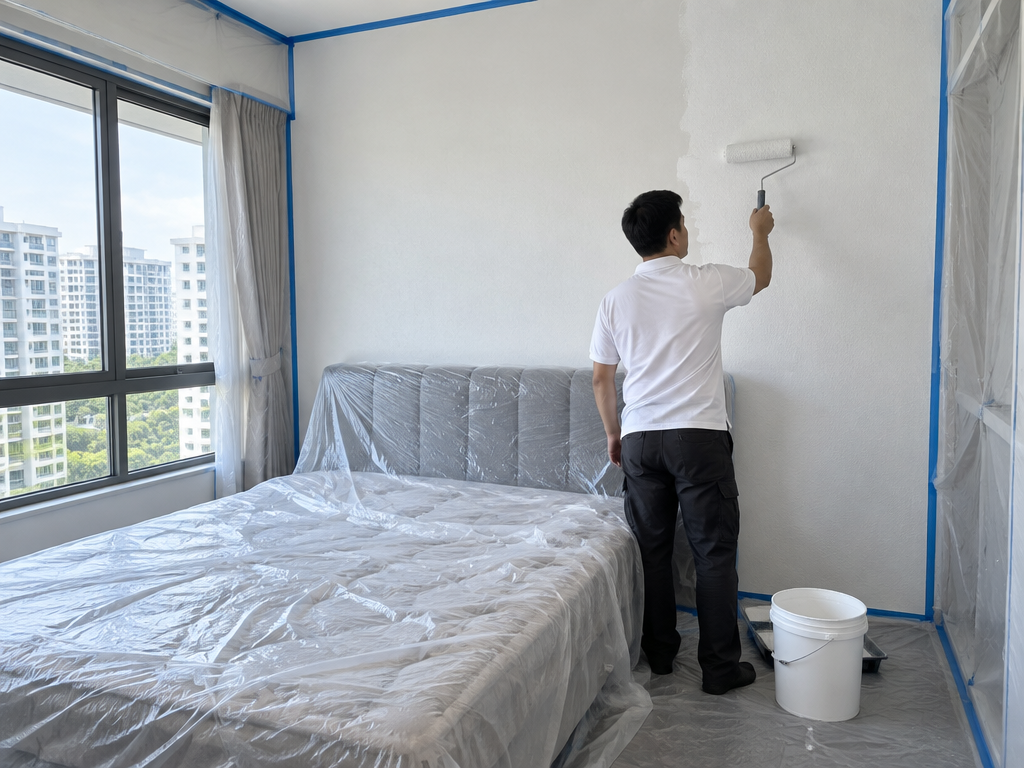
- 2. Prep and prime Furniture masked, surface cleaned and sanded, thermal-bond primer applied to your side of the shared wall or ceiling.
- 3. Two coats of Shield22 Pro Micro-ceramic thermal coating applied at 500 microns. It raises your surface temperature above dew point, so condensation stops forming.
- 4. Warranty handover Room back to normal the same day. Treated surfaces carry a 5-year condensation-free warranty.
Why your neighbour's aircon becomes your wet wall
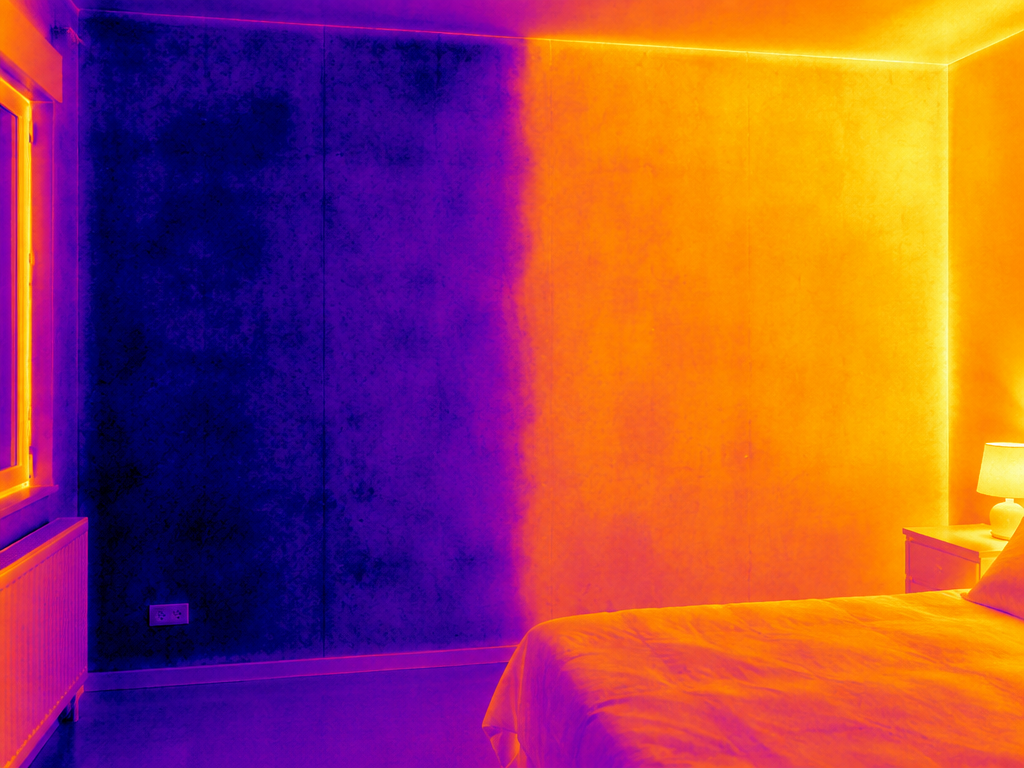
Two HDB flats or condo units share concrete party walls and floor slabs. Concrete is a thermal conductor. When your neighbour runs their aircon hard (typically 22°C, 8+ hours daily), the shared structure cools down. On your side, the wall surface temperature drops below your air's dew point and water vapour condenses.
The dew-point physics, in numbers
A bedroom at 25°C and 75% relative humidity has a dew point of about 20.4°C. When the neighbour's aircon chills the shared slab, your wall surface can drop to 17–19°C — below dew point — and moisture condenses for hours every night. Shield22 Pro's micro-ceramic layer is a thermal break: it keeps your surface 2–4°C warmer than the concrete behind it, lifting it above dew point so the wall stays dry even though the slab inside stays just as cold.
Who is legally responsible?
HDB: no obligation on your neighbour to reduce cooling — inter-flat condensation is treated as an occupant lifestyle issue. Condo/MCST: most by-laws treat inter-unit condensation as owner responsibility on each side. Landlord/tenant: usually shared responsibility. Bottom line: you'll wait years for the neighbour to change behaviour; fixing it on your side is faster and cheaper.
The one-side fix (no neighbour cooperation needed)
Shield22 Pro applied to YOUR side of the wet wall or ceiling raises the surface temperature above dew point — even if the concrete behind stays cold. Works whether or not the neighbour ever changes their aircon habits. No permits, no MCST approval, no HDB notification. From S$450. 5-year warranty.
Combined with mould treatment
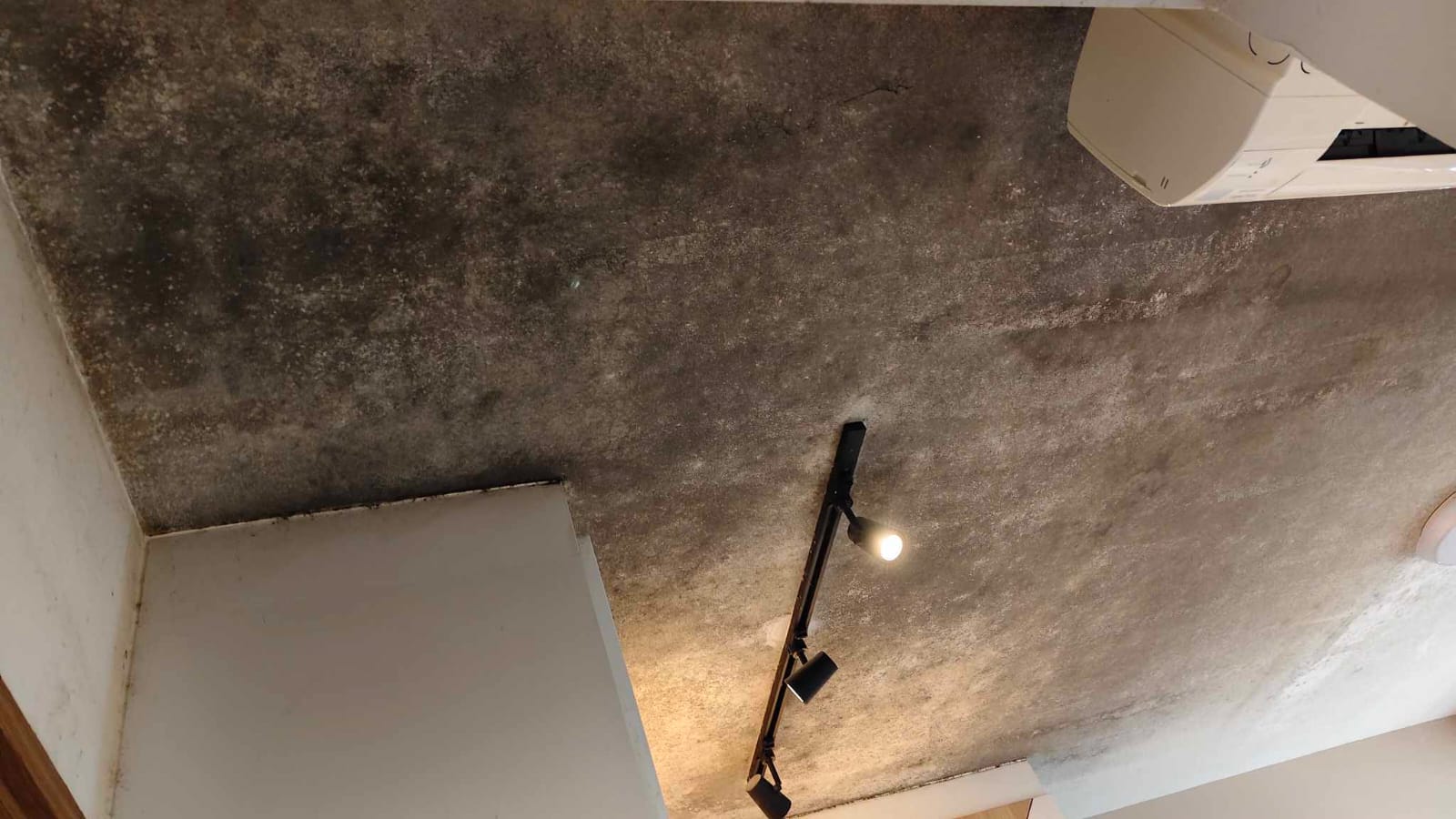
Long-standing condensation almost always grows black mould behind furniture. If mould is already present, we treat it first with our standard antimicrobial then apply Shield22 Pro to prevent recurrence. See wall mould removal and the inter-flat condensation research framework for the science.
See the Shield22 Pro work
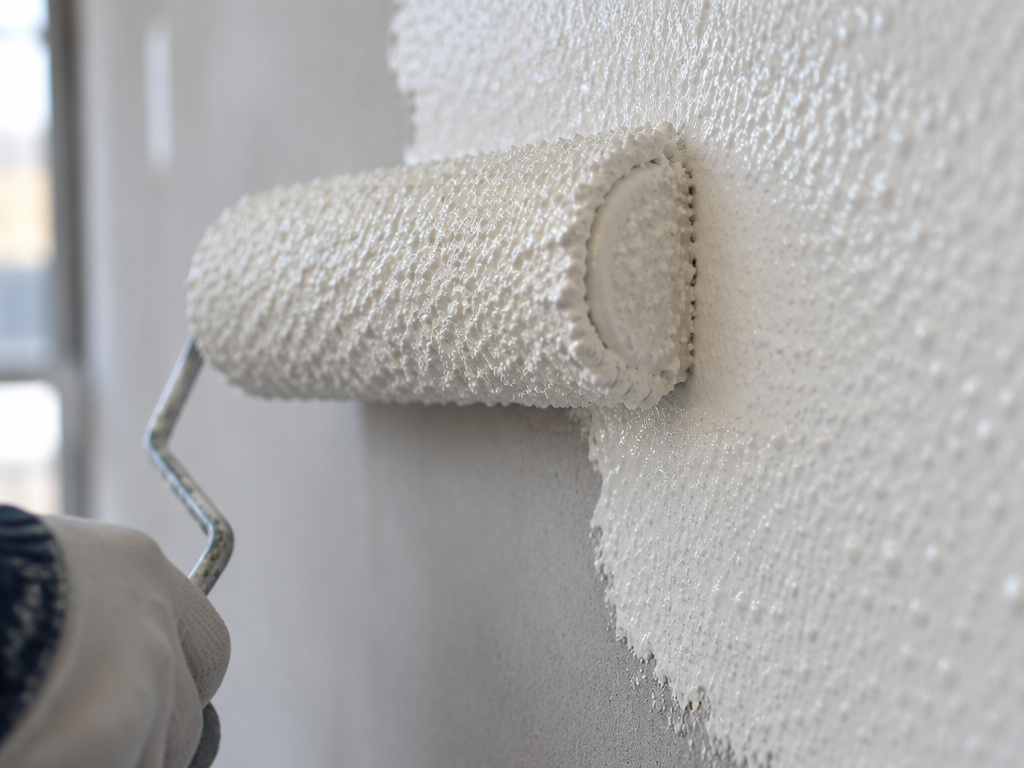
Shield22 Pro — the coating that stops condensation at source
Thermal micro-ceramic coating that raises the surface temperature above dew point so airborne moisture stops condensing. From S$18/m². 5-year condensation-free warranty. Non-toxic, low-VOC, safe for occupied rooms.
Related in the Anti-Condensation cluster
Frequently Asked Questions
- Should I confront my neighbour first?
- Optional and rarely useful. Most neighbours aren't running aircon maliciously; they're just cool-sleepers. Even if they agree to raise setpoint 2°C, condensation usually still forms. Shield22 Pro on your side is the reliable fix.
- Can I claim from the neighbour or MCST?
- In practice, no. HDB and most condo by-laws don't require neighbours to reduce aircon for their neighbour's comfort. Small-claims actions on this basis have not succeeded in Singapore.
- What if the wet patch keeps growing?
- It usually will, until you either fix the surface (coating) or the source (their aircon habits). Left untreated, causes paint blistering, plaster degradation, and eventually structural issues in old blocks.
- Is this the same as the Segar Road case?
- Same physics. In that reported 2025 case, condensation from an upstairs aircon caused floor wetness that led to a resident slipping. Act early — the fix is straightforward before it damages more of the room.
Our Team in Action
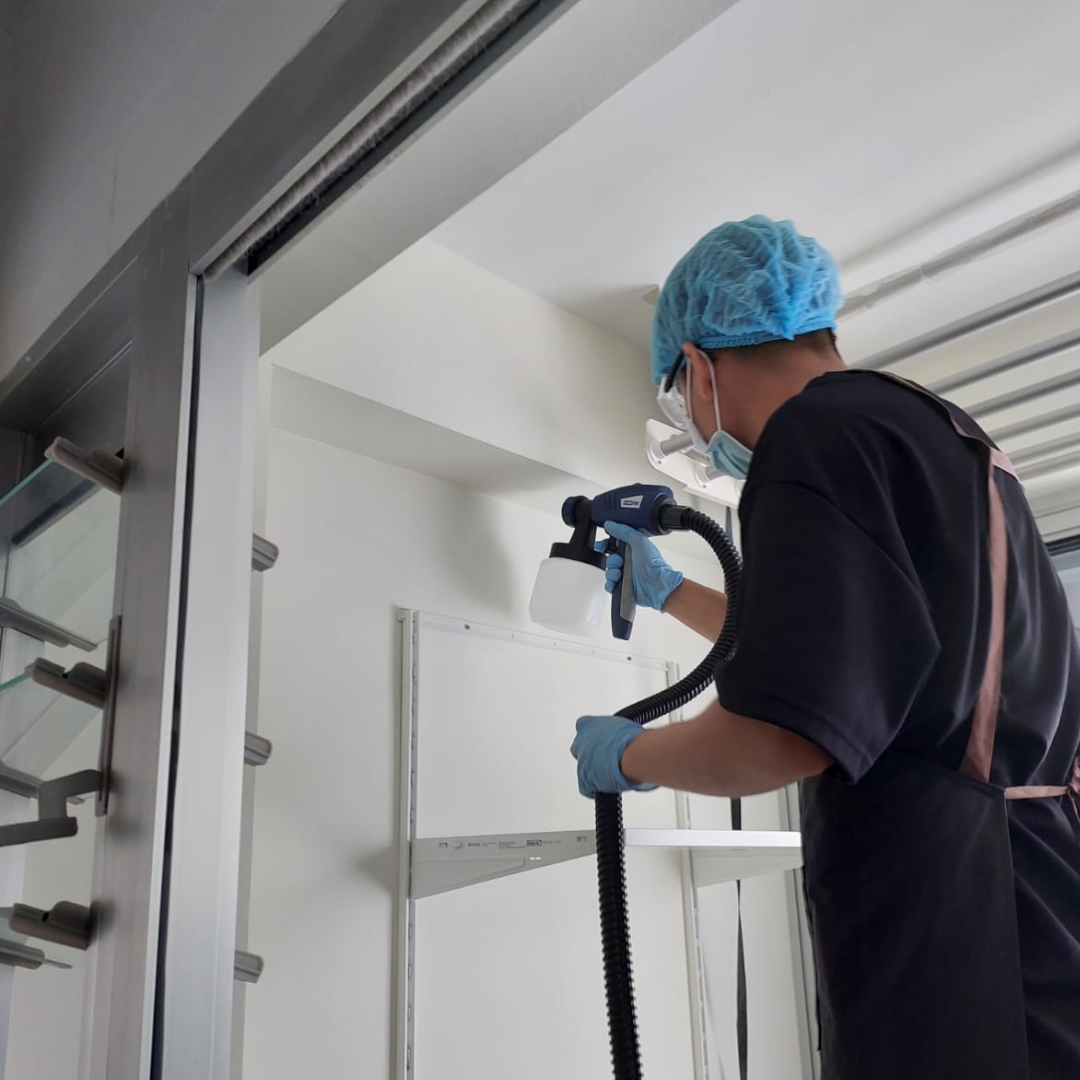
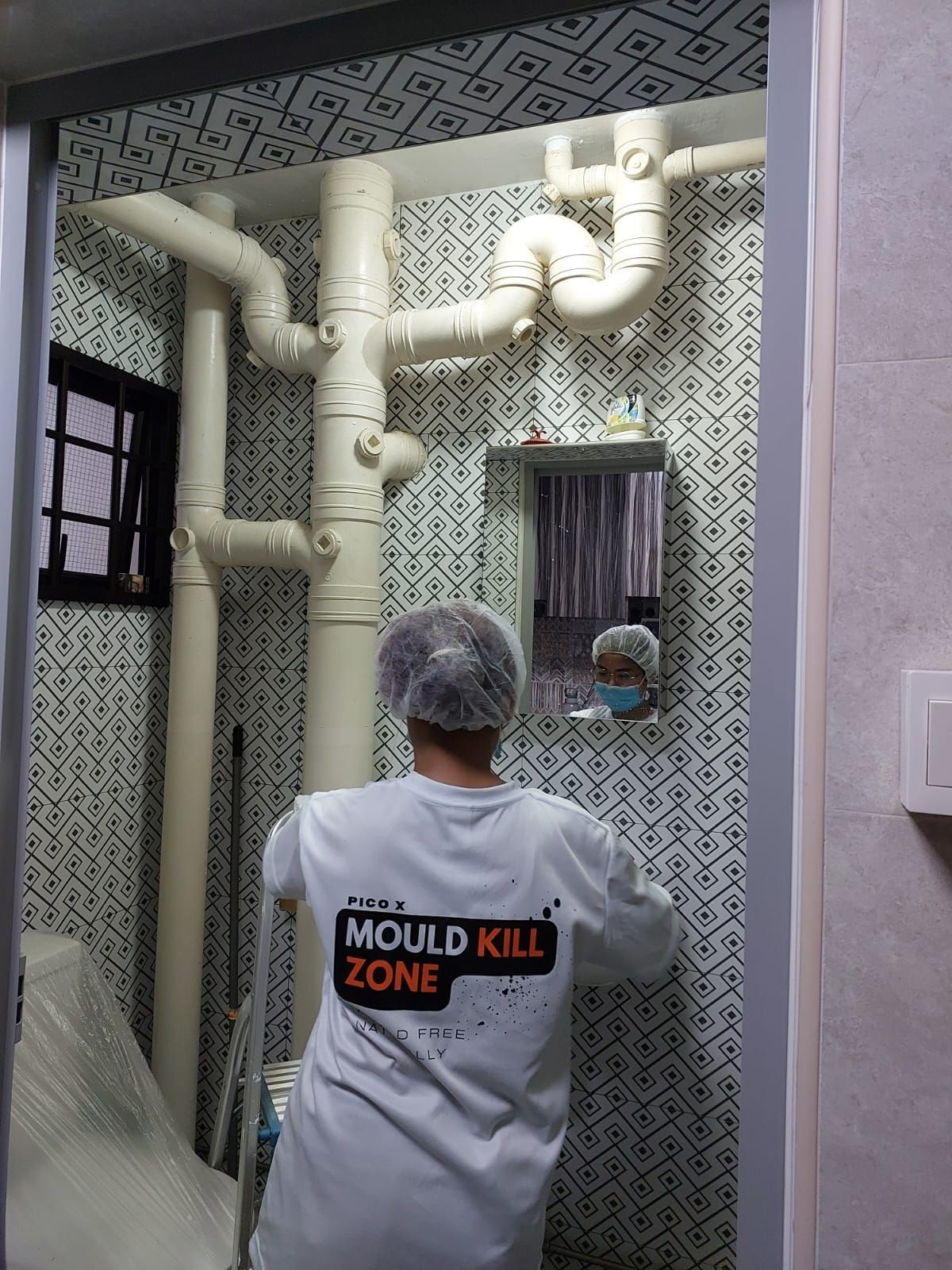
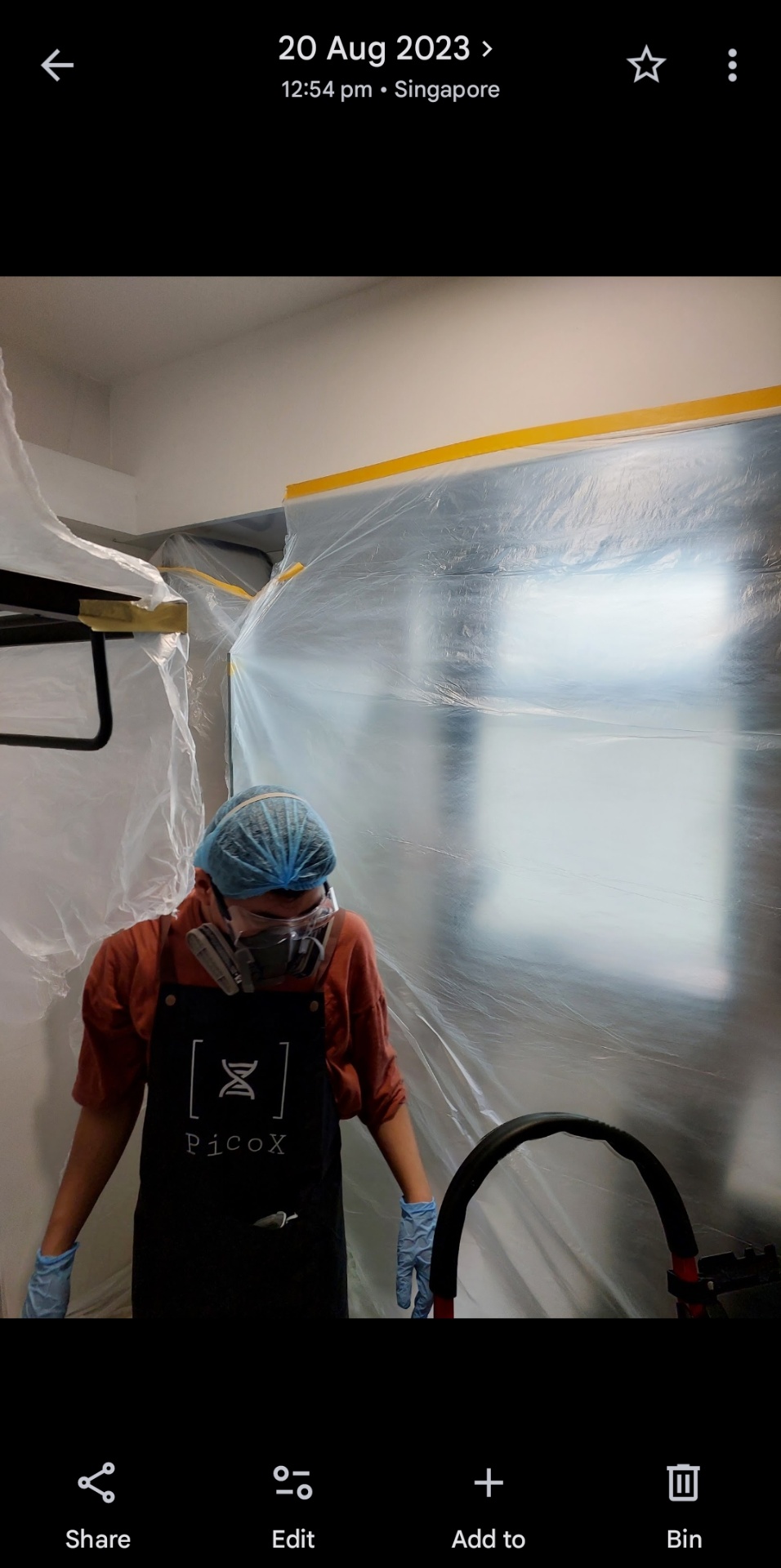
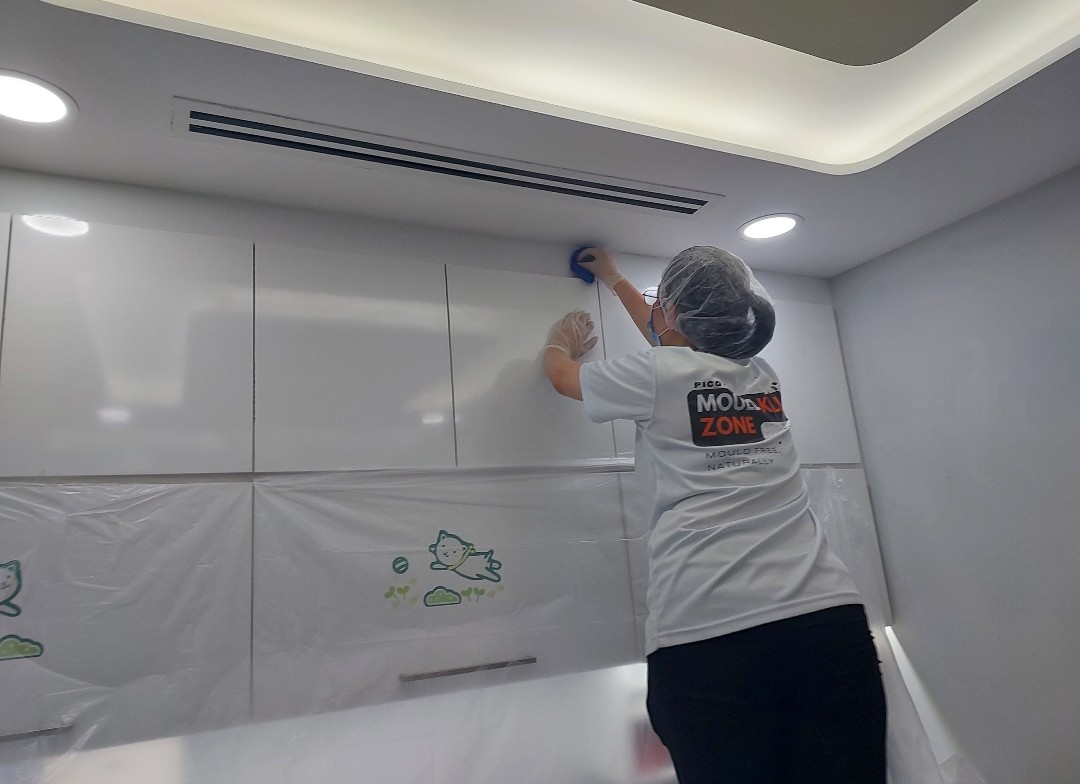
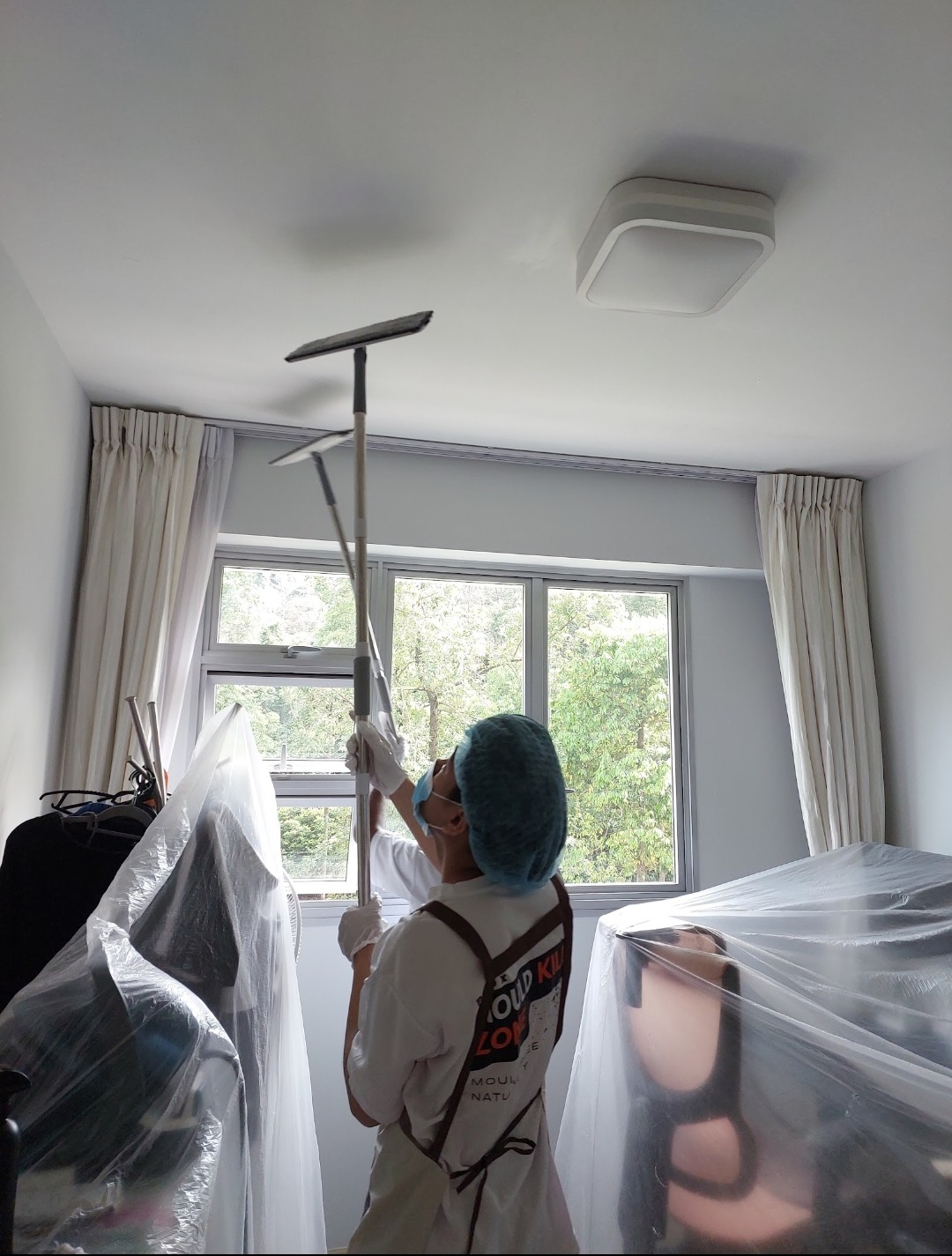
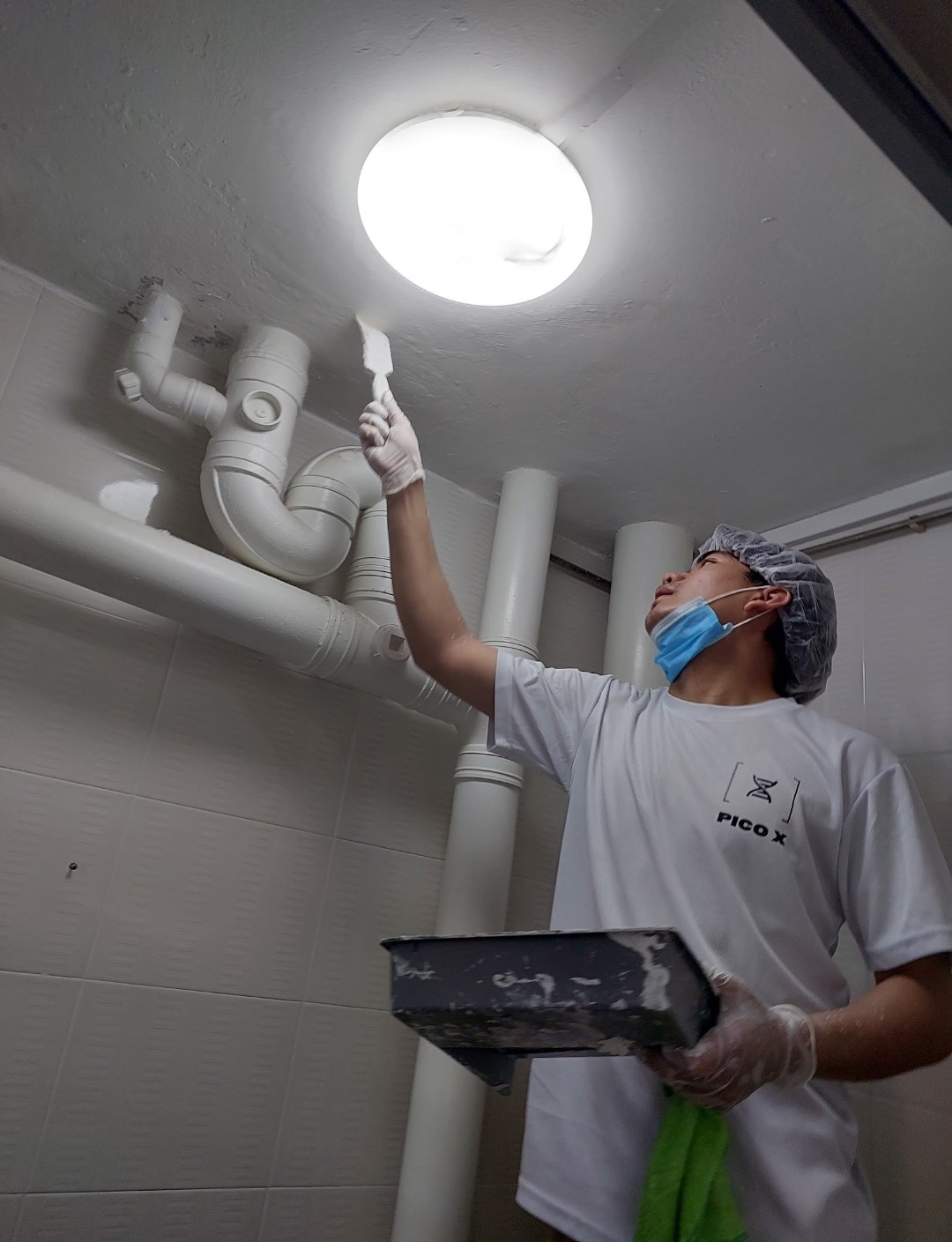
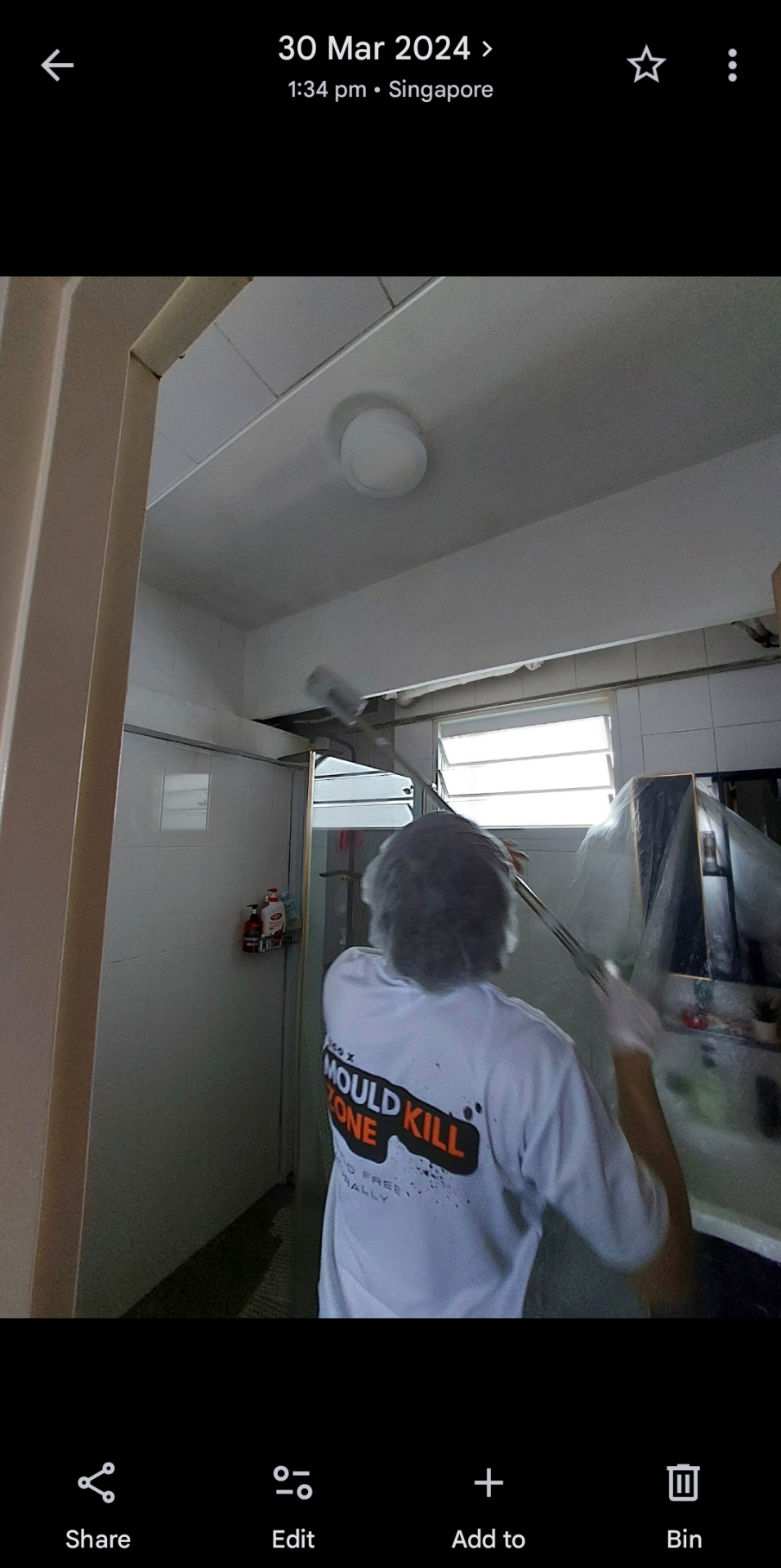
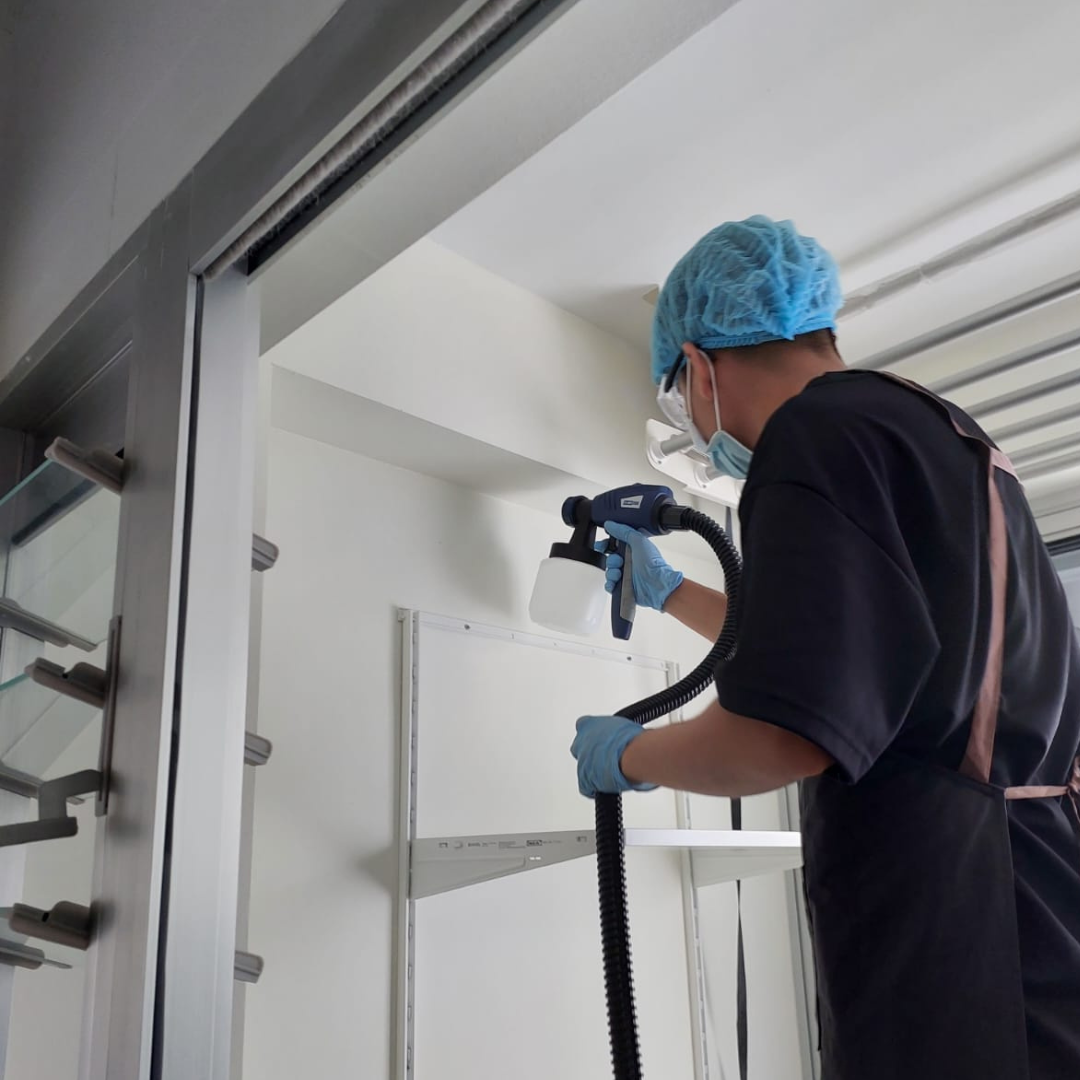
Trained Pico X Health technicians follow strict containment, PPE, and protocols on every job in Singapore.
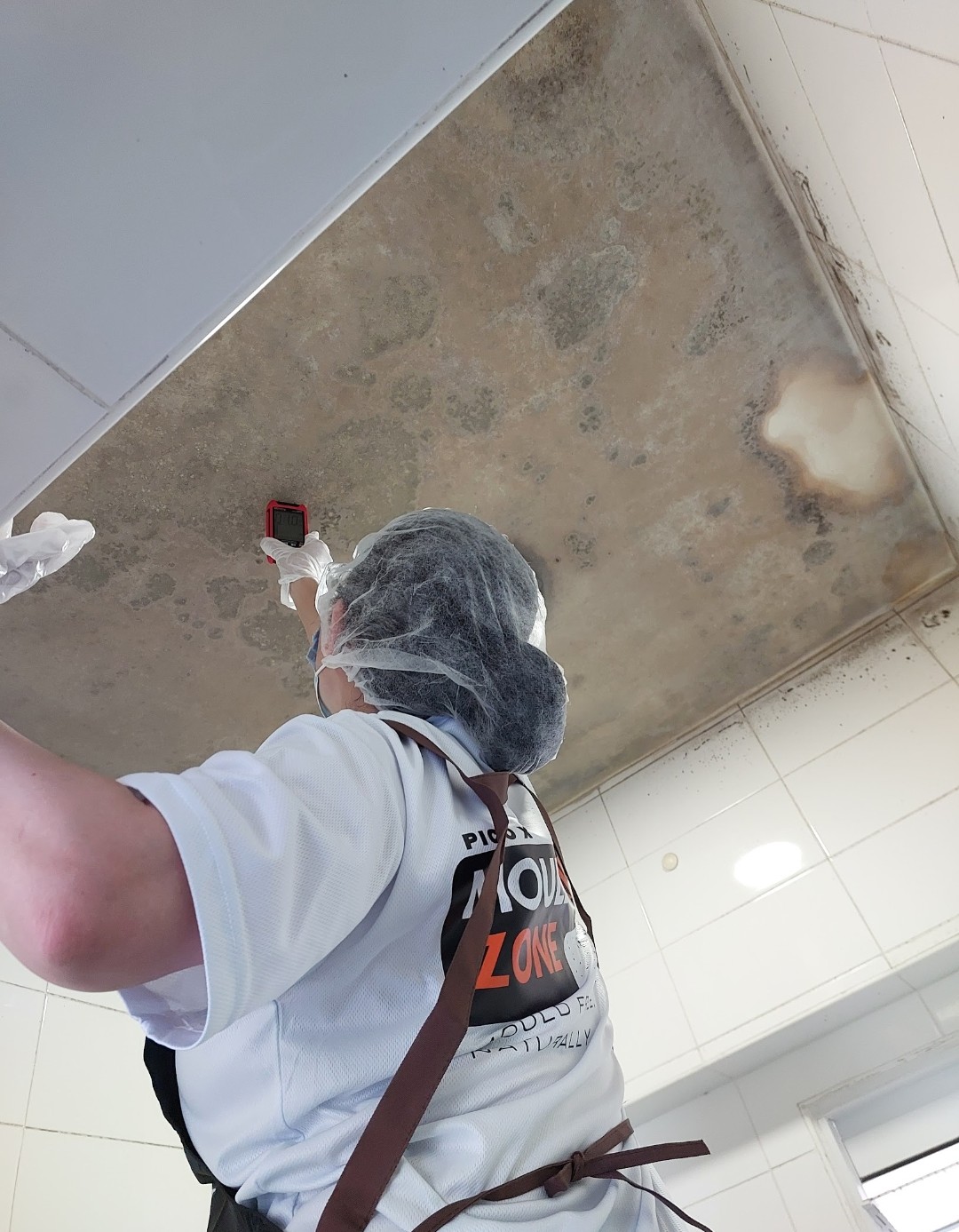
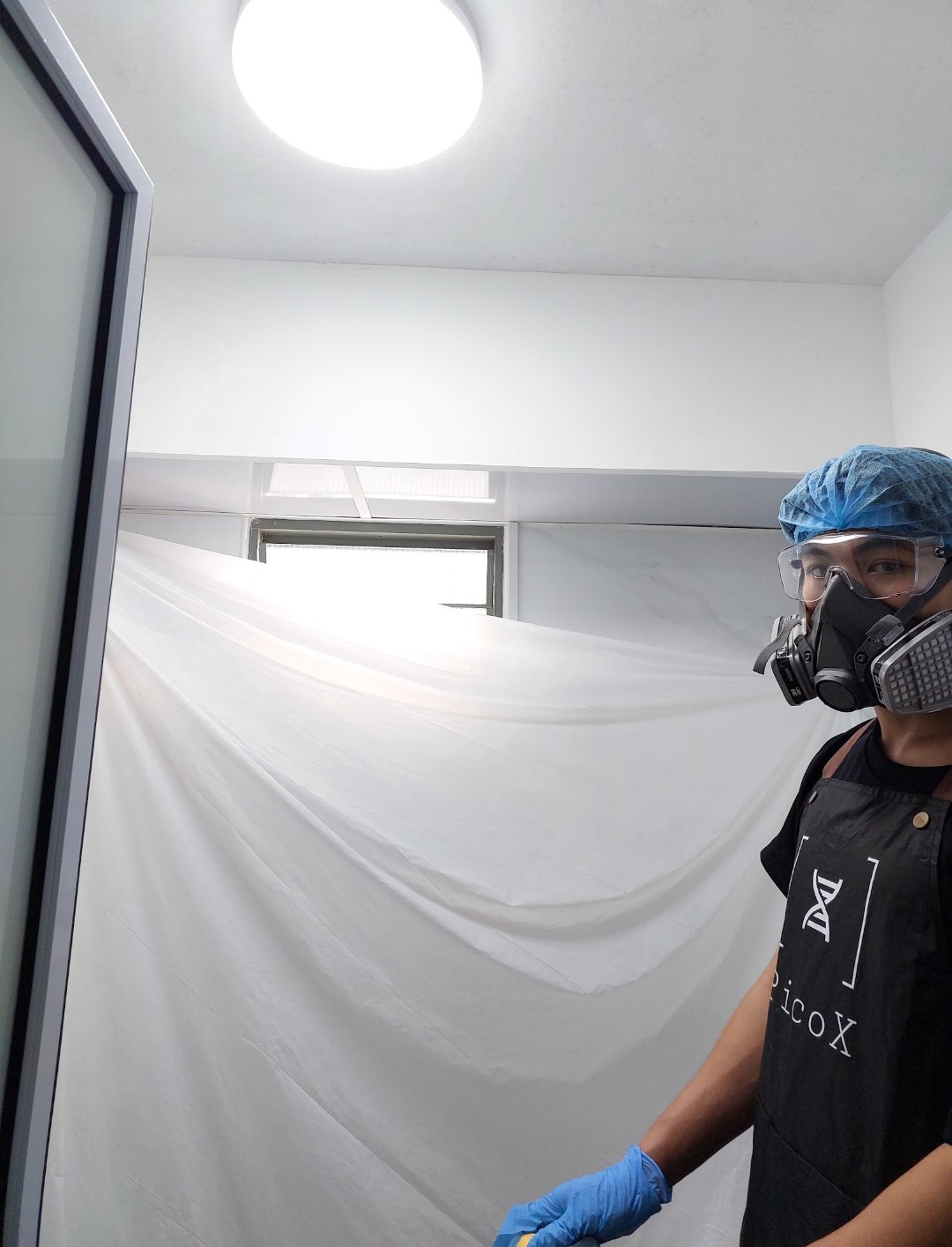
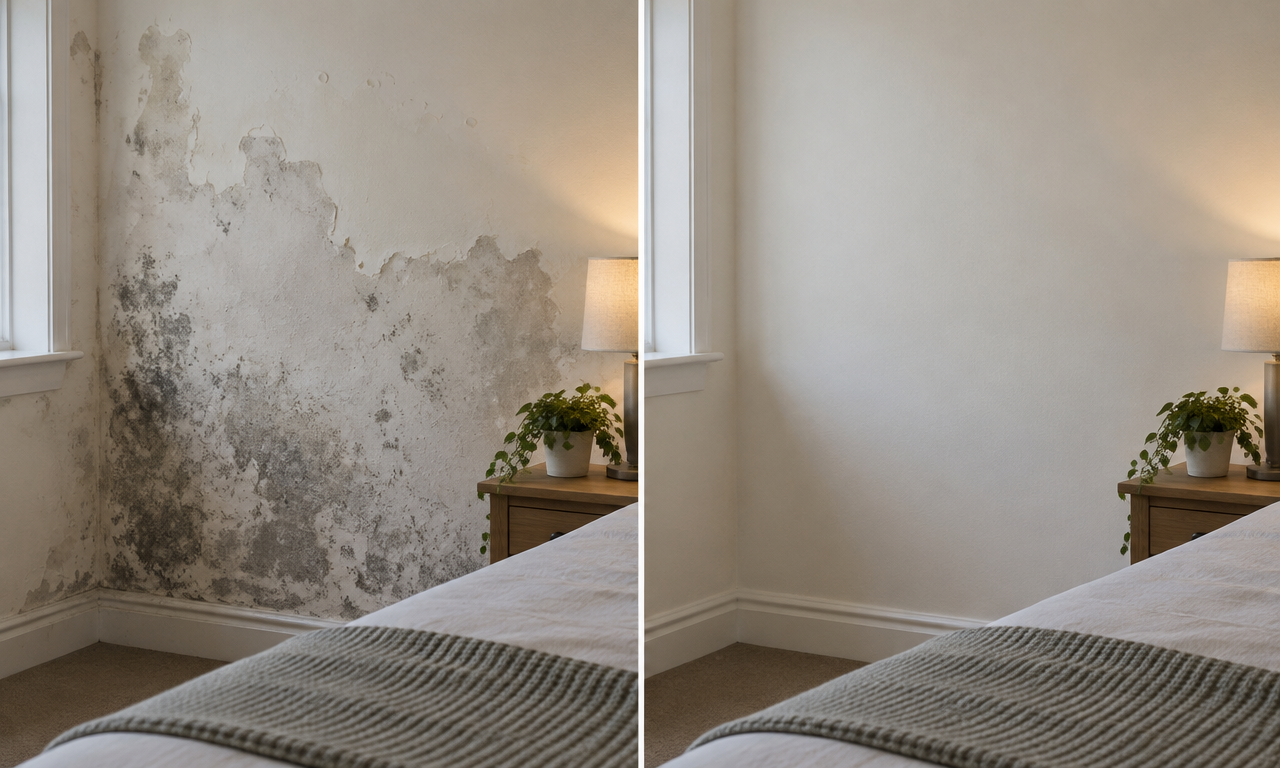
Before & After: Real Singapore Jobs
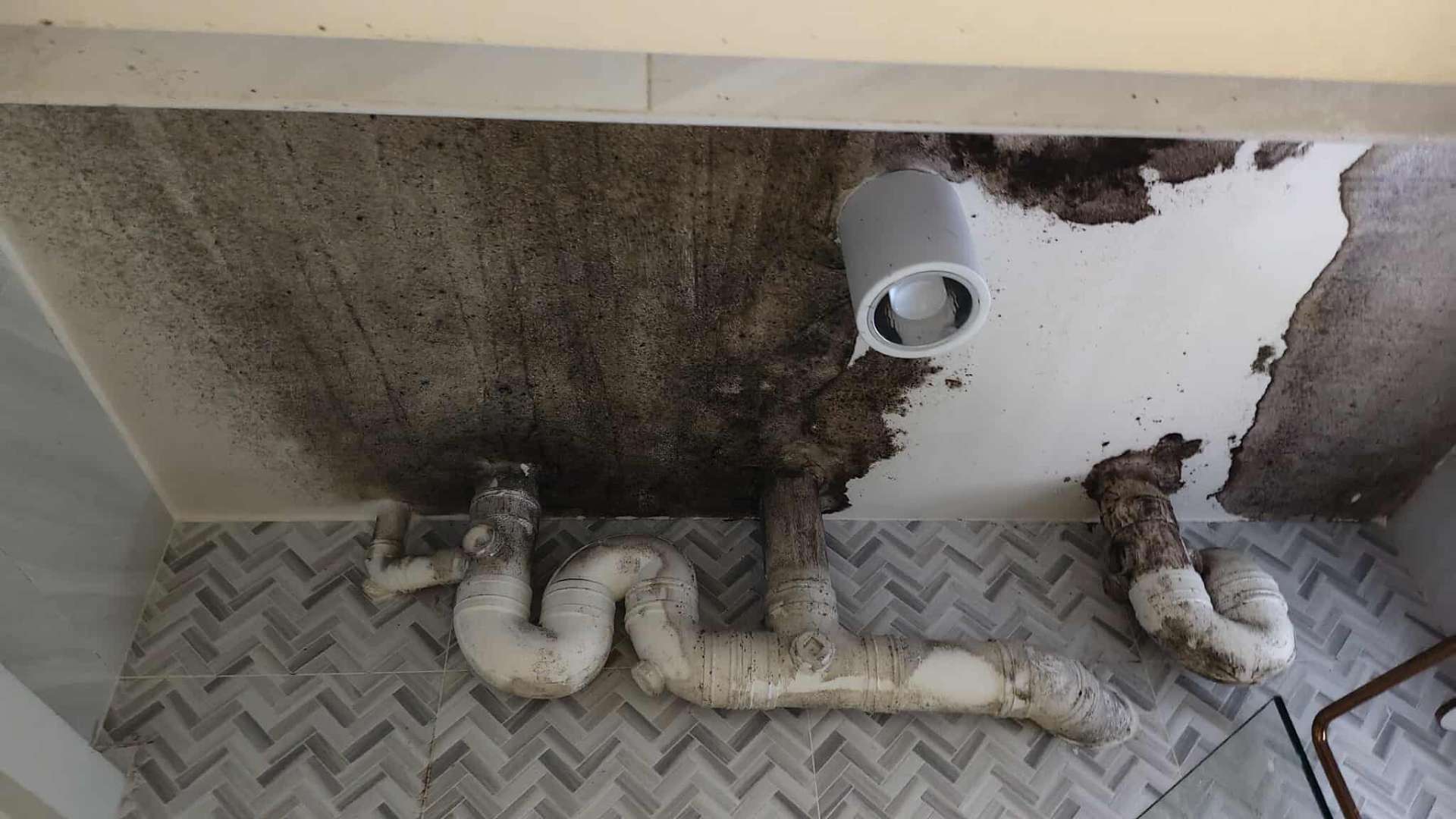
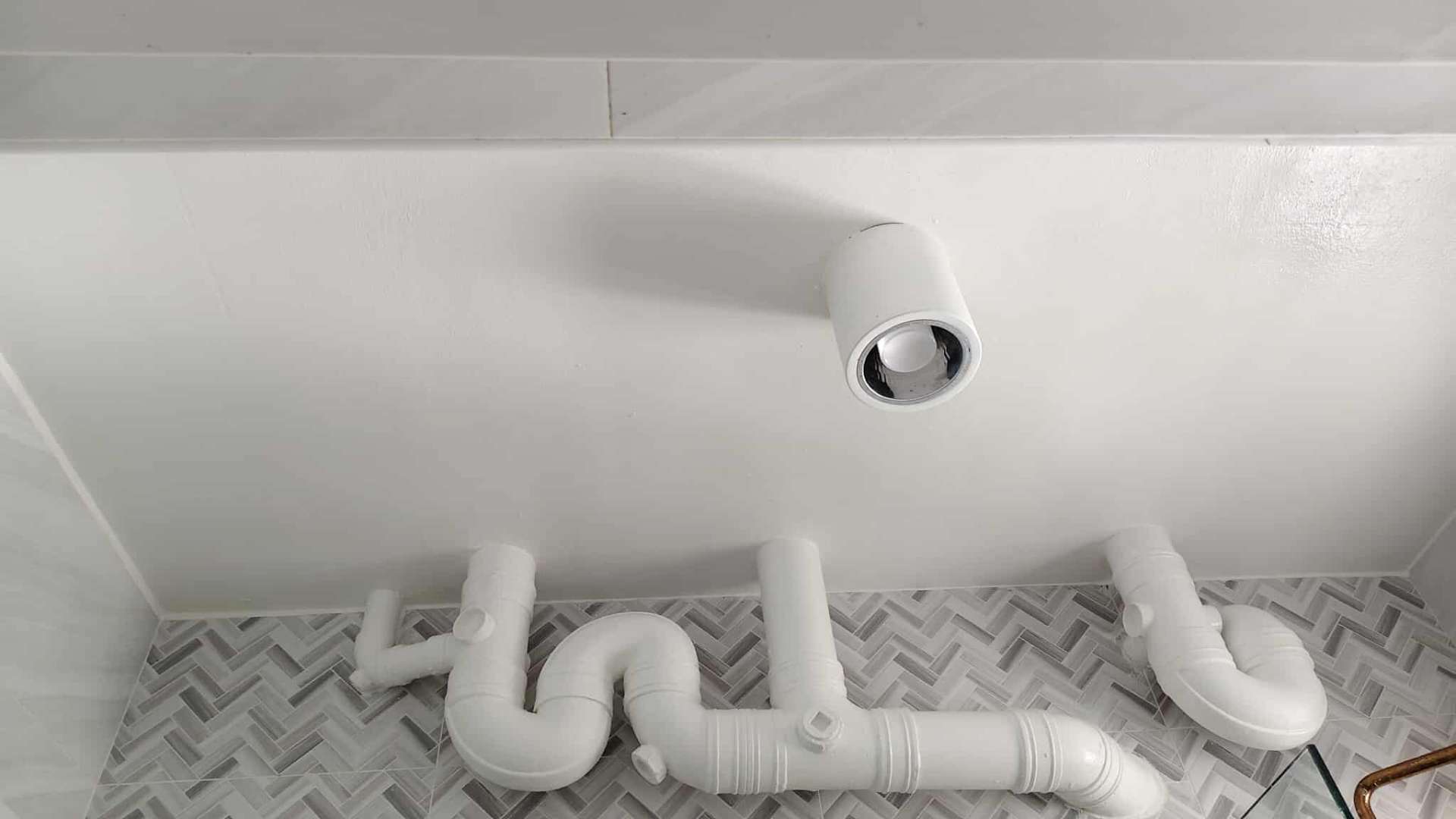
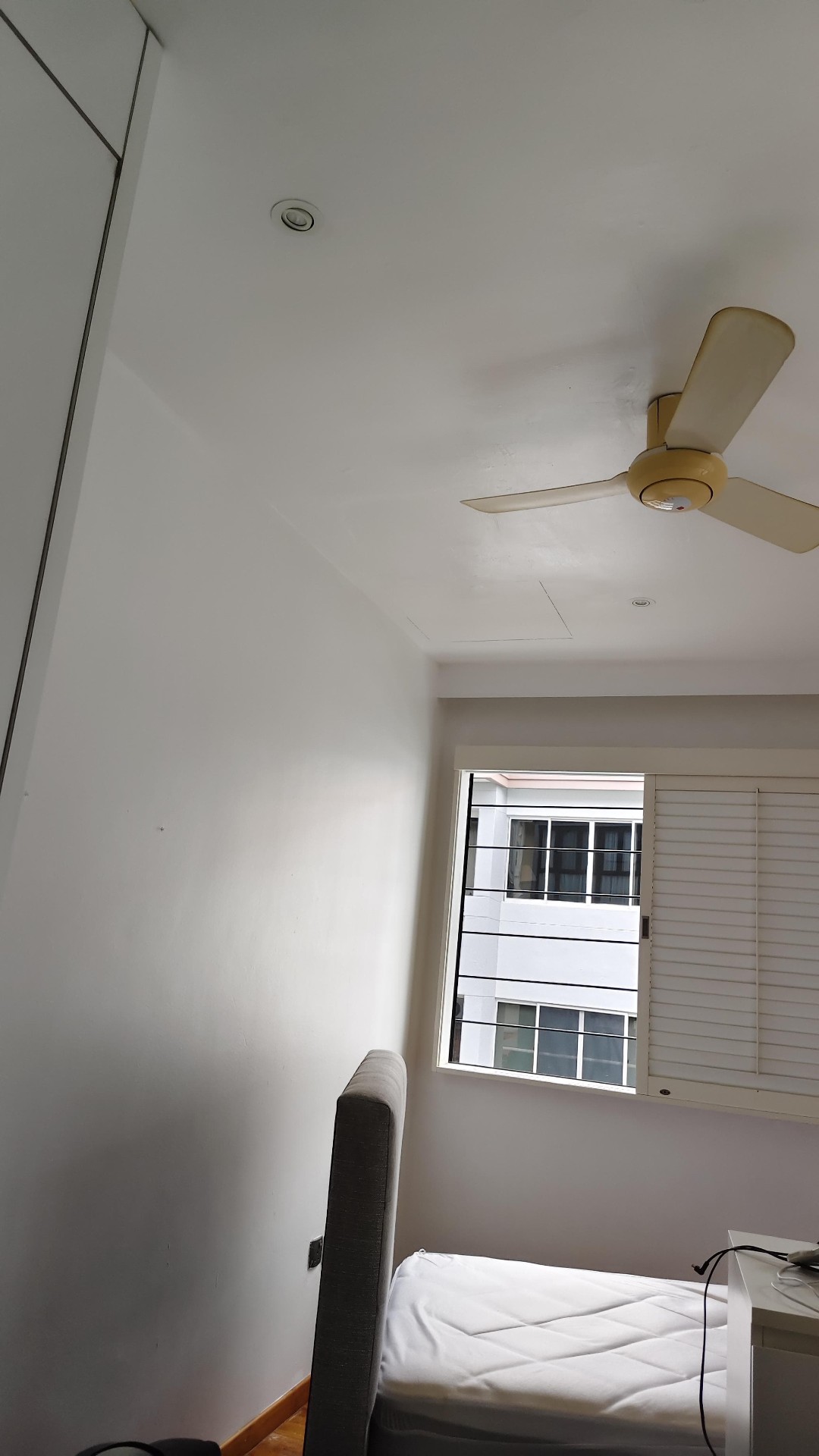
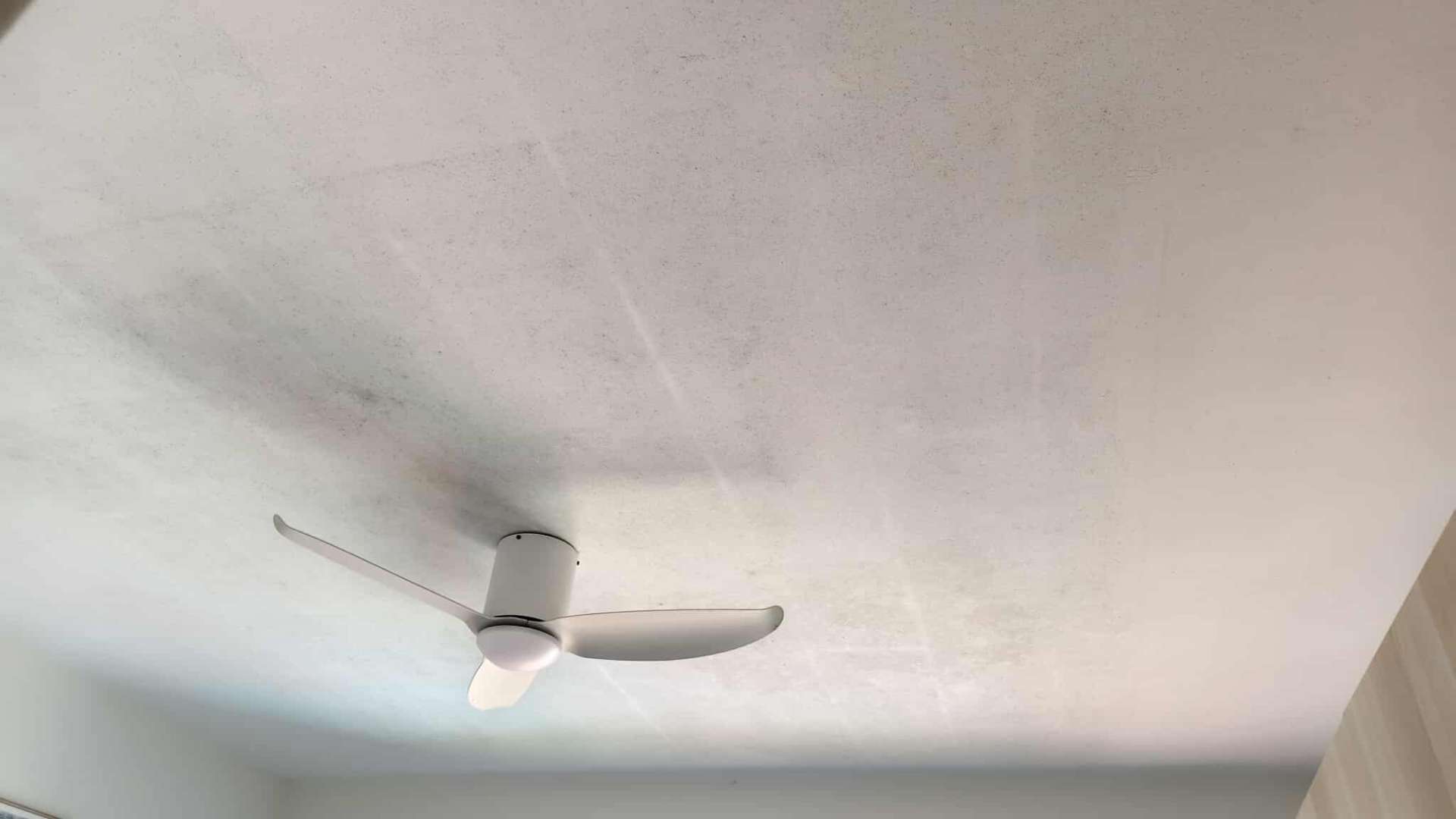
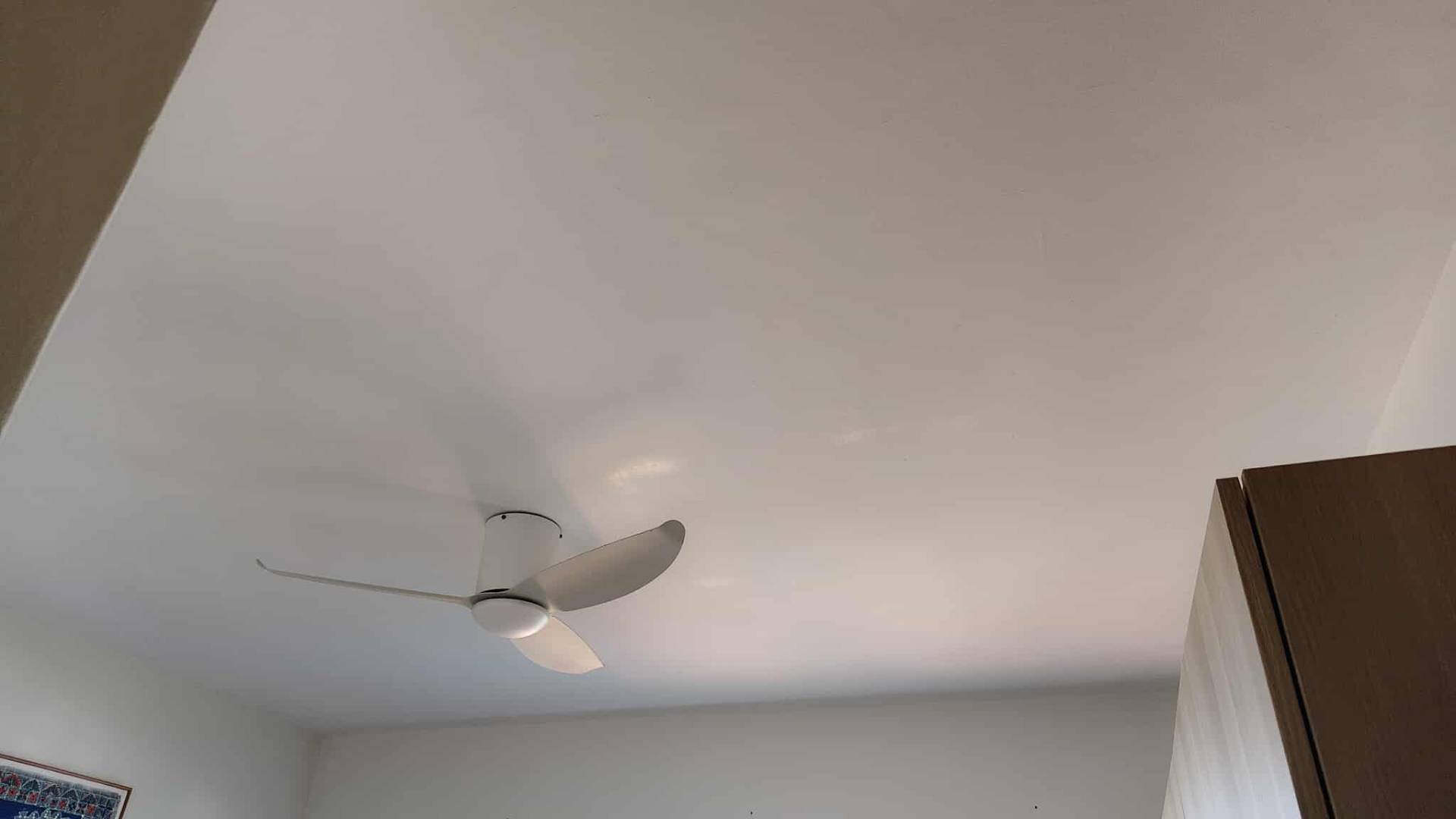
Documented mould remediation across HDB, condo, landed and commercial spaces.
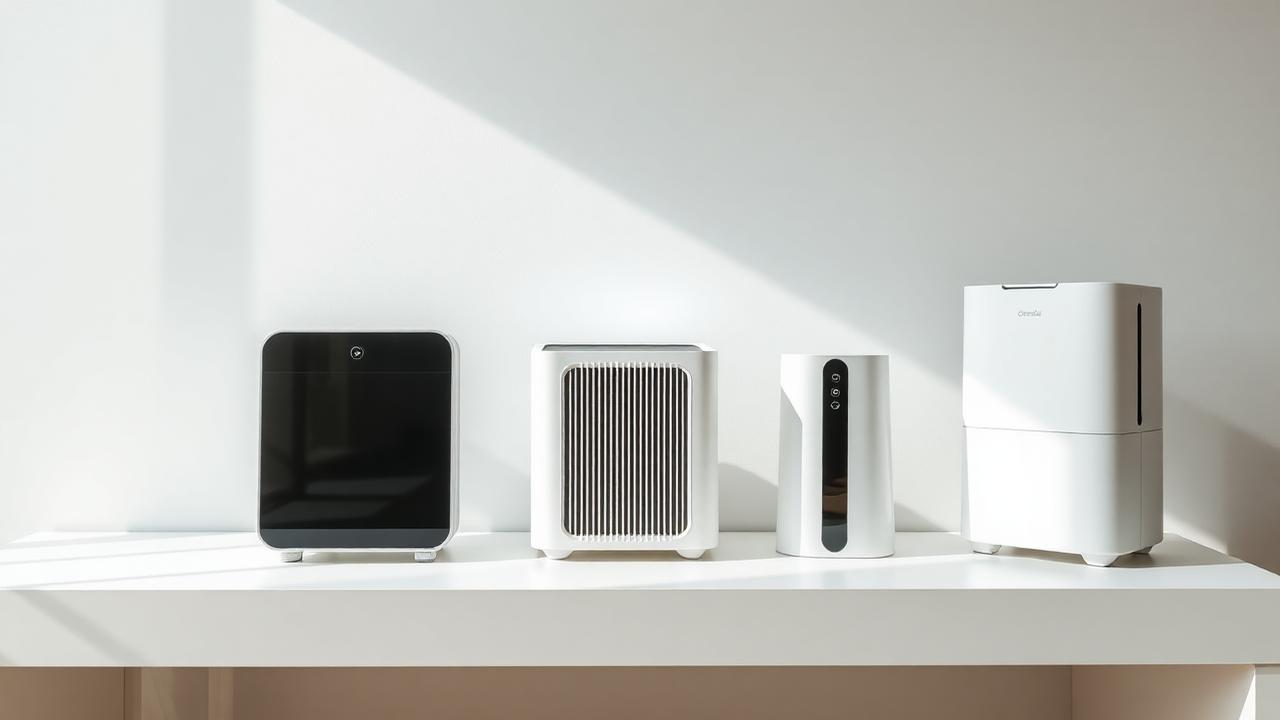
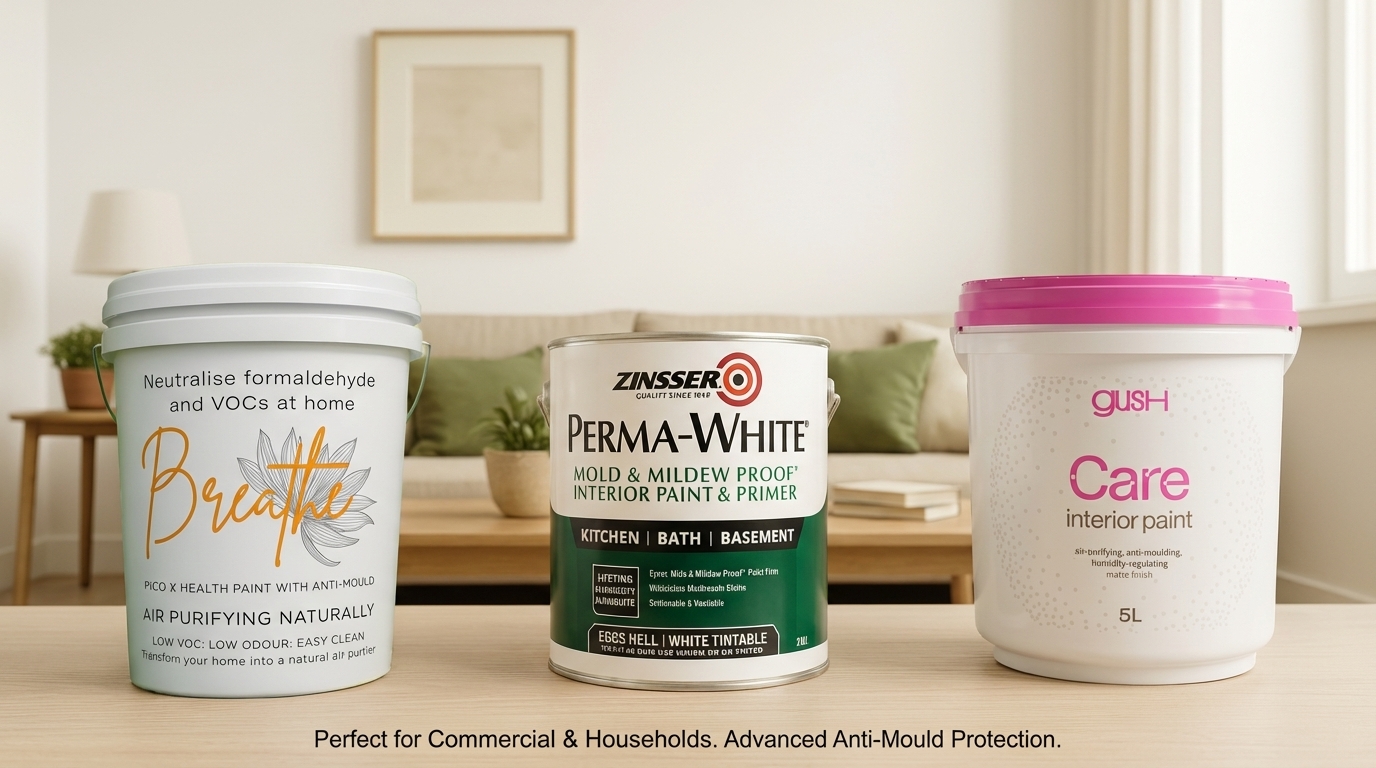
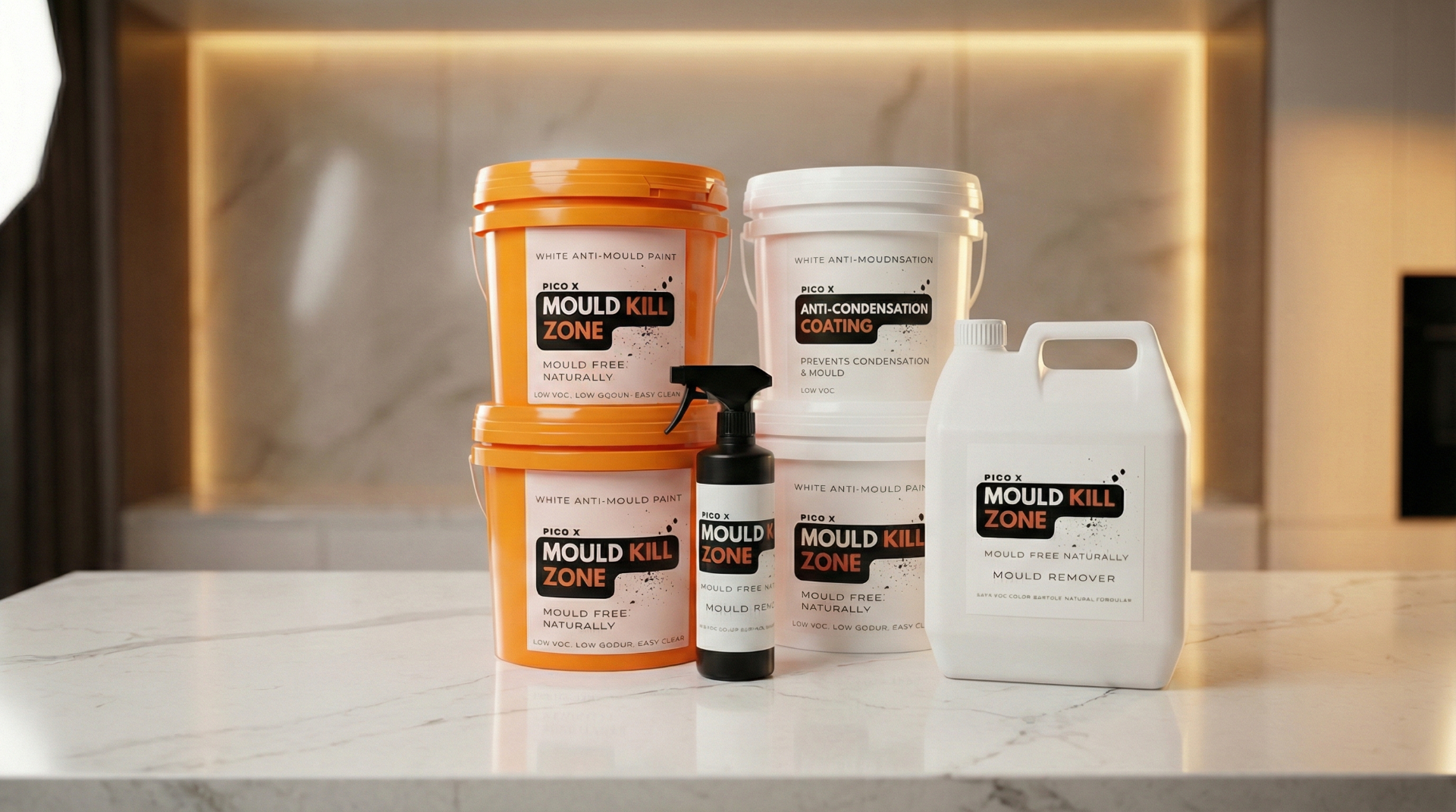
Products We Use & Recommend
Professional-grade equipment and coatings selected for Singapore's humid climate.
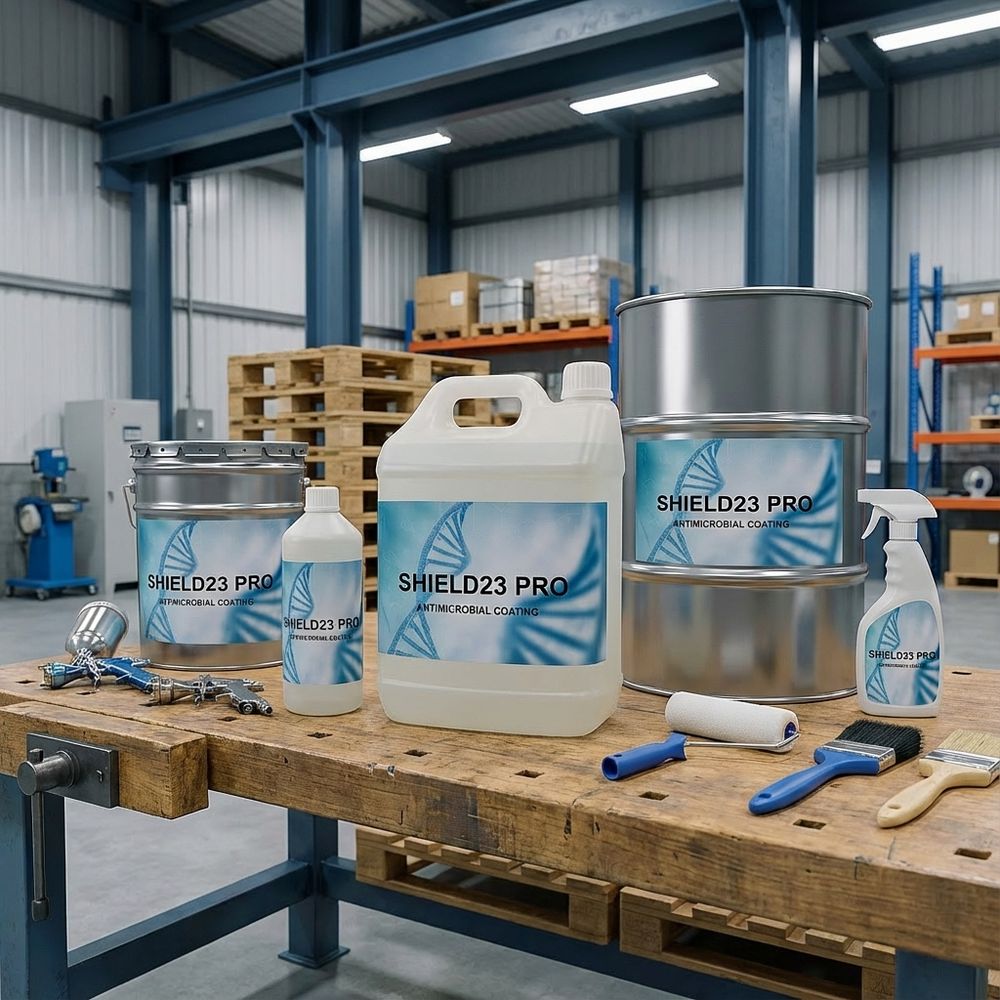
Shield23 Pro — Antimicrobial Coating
Long-life inorganic-ion defense applied by trained Pico X Health technicians across hospitals, F&B, schools, and homes.
Recommended Services
Pico X Health services most relevant to this topic.