Anti-Mould Paint in Singapore — Zinsser, Gush & Breathe Compared
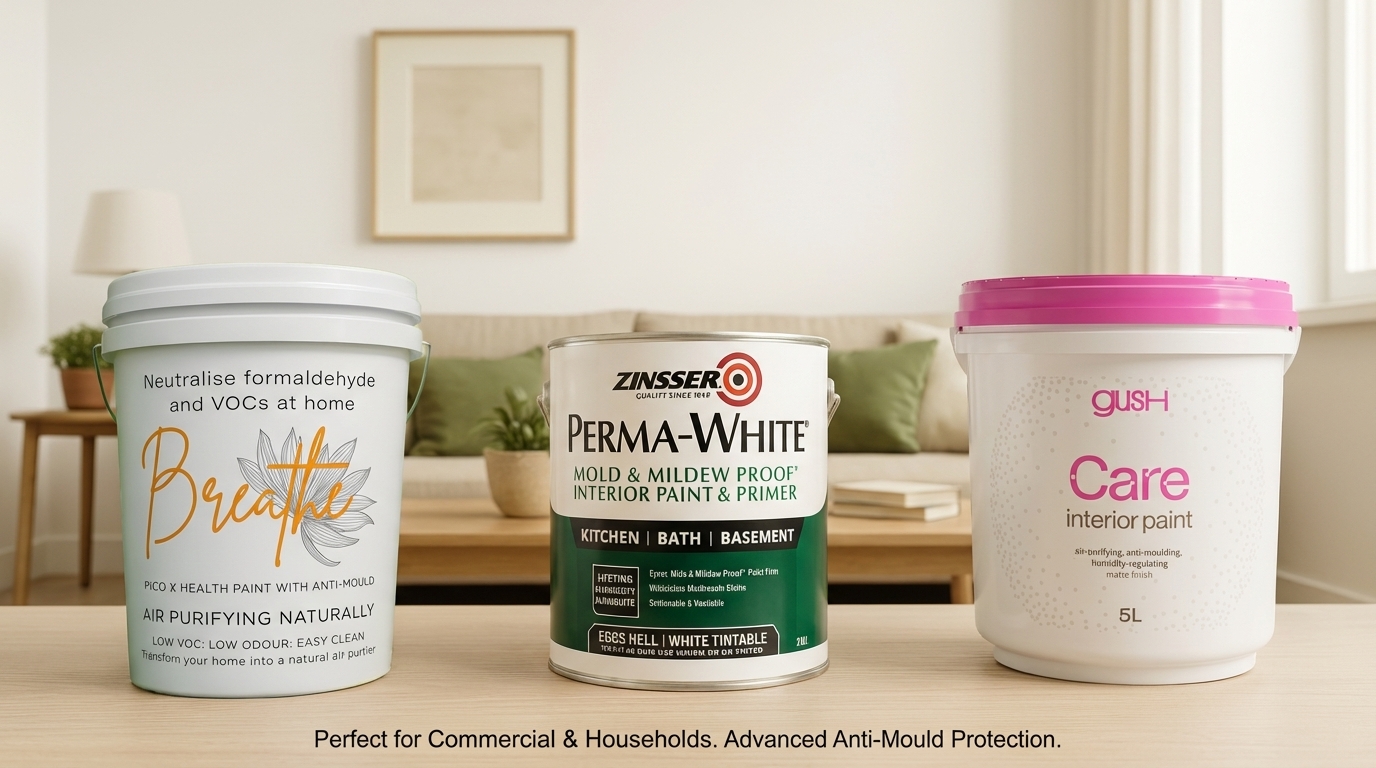
There are only three anti-mould paints we actually trust on Singapore bathroom ceilings and humid spaces: Zinsser Perma-White, Gush Care and Breathe. We use all three across hundreds of remediation jobs every year. This is the honest comparison — strengths, weaknesses, where each one wins, and what to avoid.
- Independent ranking by full-time Pico X Health remediators
- Same paints we apply on our Signature Care — not paid endorsements
- Information-first comparison for choosing the right anti-mould paint system
Quick Answer
For Singapore bathrooms and humid rooms, the strongest anti-mould paint systems start with fixing moisture, killing the colony and sealing the surface before paint. Zinsser Perma-White, Gush Care and Breathe each suit different substrates, sensitivities and warranty expectations.
Based on: Field Data Verification Water vs Oil-Based Sealer Study Building Materials Mould Resistance Study
Frequently Asked Questions
Which anti-mould paint is best for Singapore bathrooms?
For most HDB and condo bathrooms we recommend Zinsser Perma-White — proven mildew resistance, easy to apply, widely available, strong warranty record. For exposed cement substrate or after severe mould, Gush Care provides a thicker biocidal layer. For occupants sensitive to VOCs (newborn rooms, asthma sufferers) Breathe is the mineral-based option.
Does anti-mould paint actually work?
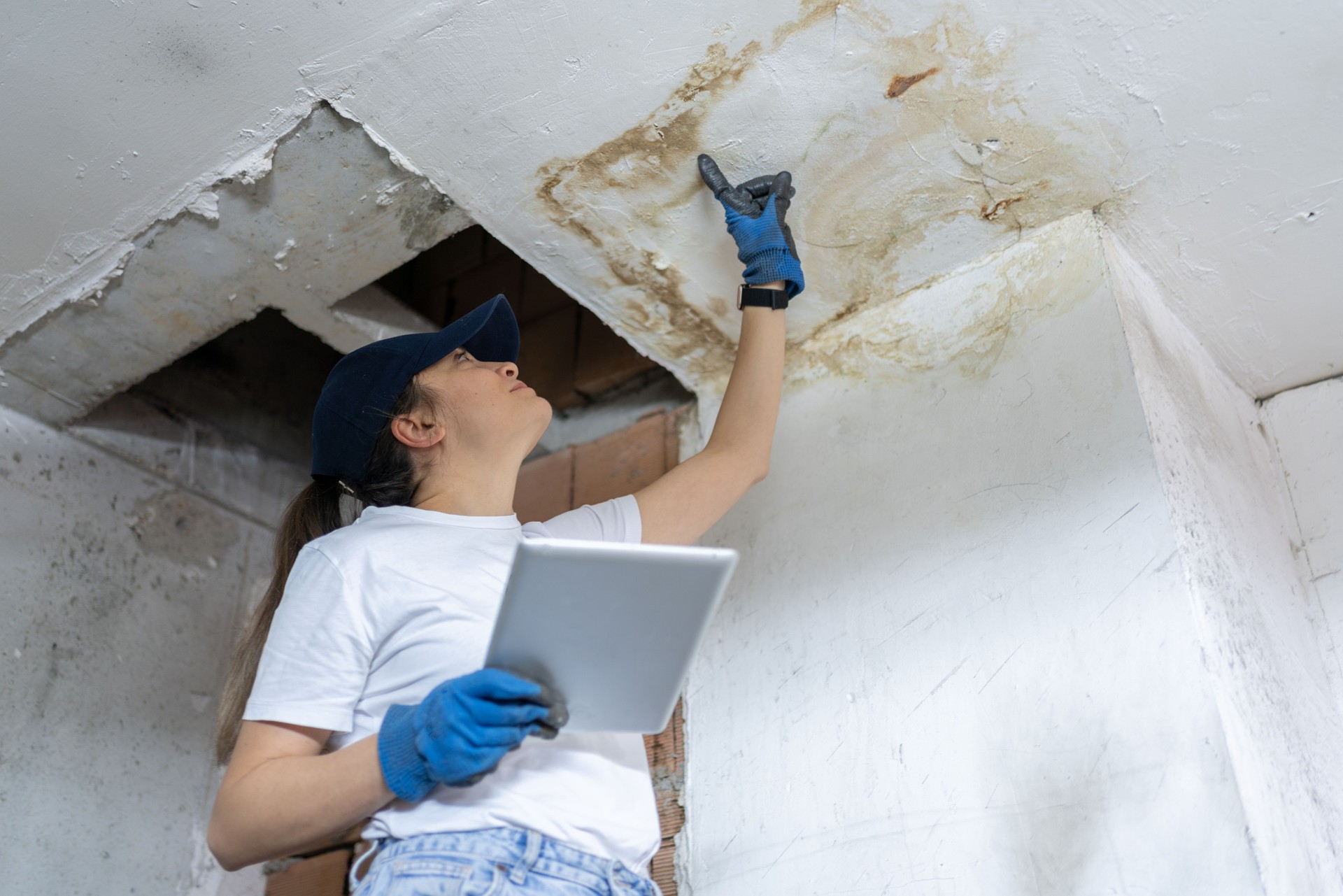
Yes — but only if the surface is treated first and the moisture source is fixed. Painting directly over active mould without cleaning and antimicrobial pre-treatment simply traps spores under the film. Done correctly, all three paints we recommend keep treated bathroom ceilings mould-free for 2–5 years in Singapore conditions.
How is anti-mould paint different from regular paint?
Anti-mould paints contain in-can biocides (typically isothiazolinones or zinc pyrithione) that prevent fungal growth on the dry film. Standard interior paints don't — and Singapore humidity (often 80%+ RH) means standard paint develops visible mildew within 6–18 months in wet rooms.
Can I apply anti-mould paint myself?
Yes, supply-only is available. The challenge is surface prep — you need to remove all visible mould, kill the colony with an antimicrobial wash, ensure the substrate reads dry on a moisture meter, prime correctly, and apply to full, even coverage. Skipping any of these is the most common reason DIY applications fail within months.
How long does anti-mould paint last in Singapore?
Zinsser Perma-White: 3–5 years on bathroom ceilings when applied over treated, dry substrate. Gush Care: 5–7 years, with the thickest biocidal layer of the three. Breathe: 3–5 years, with the trade-off of lower VOCs and breathability. All three need re-coating sooner if there's an unresolved leak above.
Do you recommend Nippon anti-mould paint?
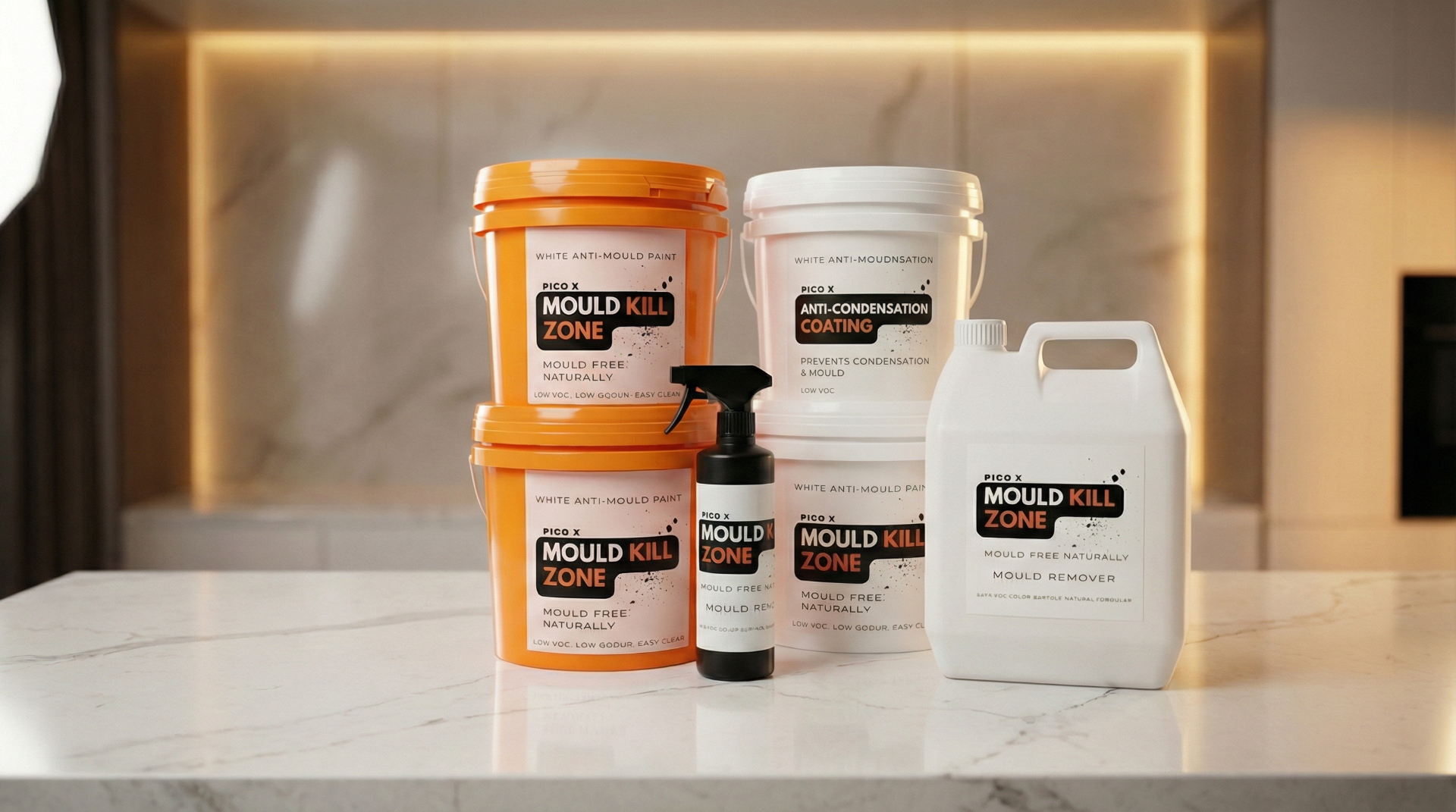
Nippon Vinilex and Nippon Spotless Plus are budget-friendly retail options that prevent mould on dry substrates, but they don't perform as well as Zinsser or Gush in Singapore's wet-room conditions over multi-year warranties. Our tiers use Gush Core (Essential) and Zinsser Perma-White or Gush Care (Signature Care) over a Gush MouldSeal sealer.
Related Reading
Get a Same-Day Quote
WhatsApp a clear photo of the affected area and we will suggest the right paint system or service path.
Our Team in Action
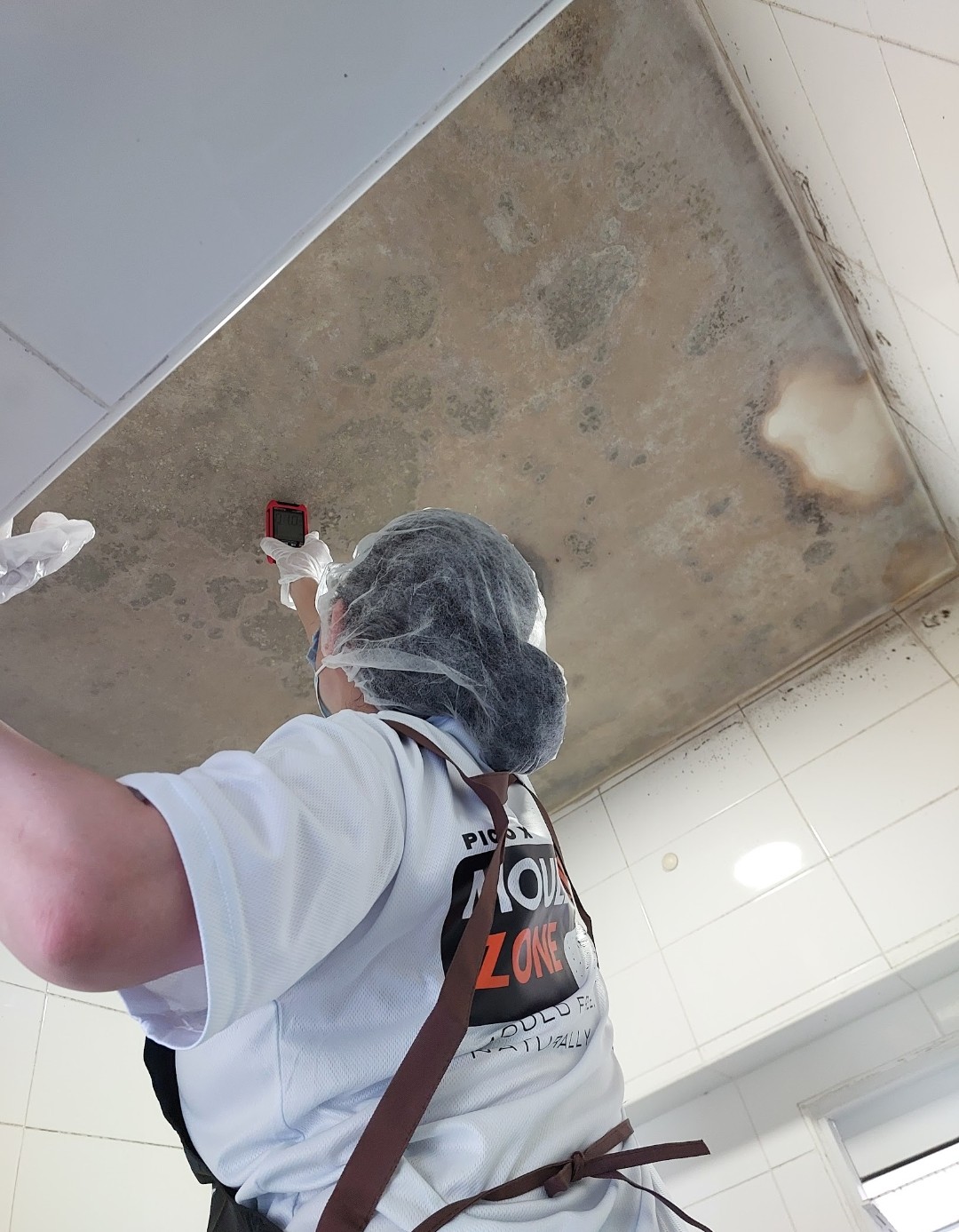
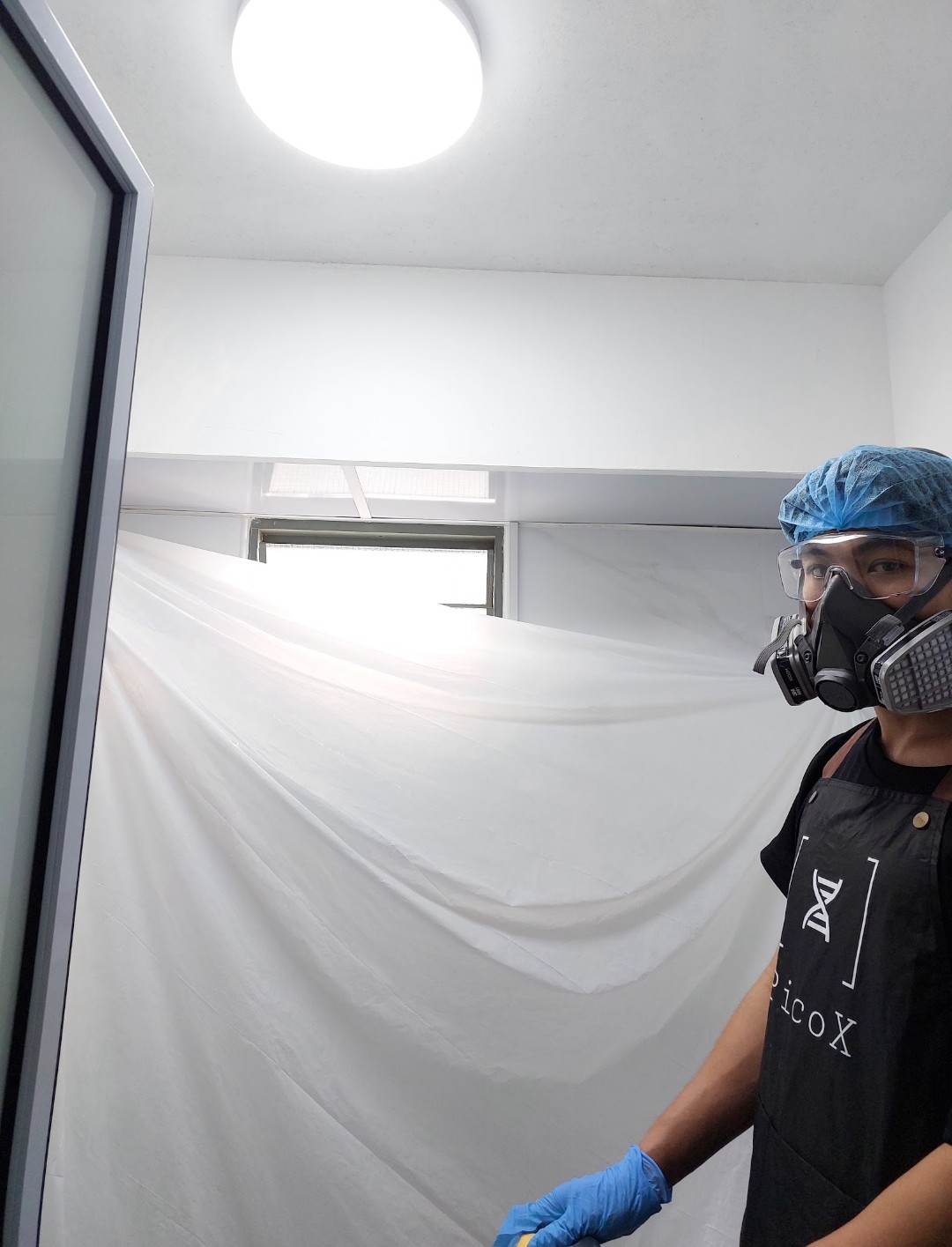
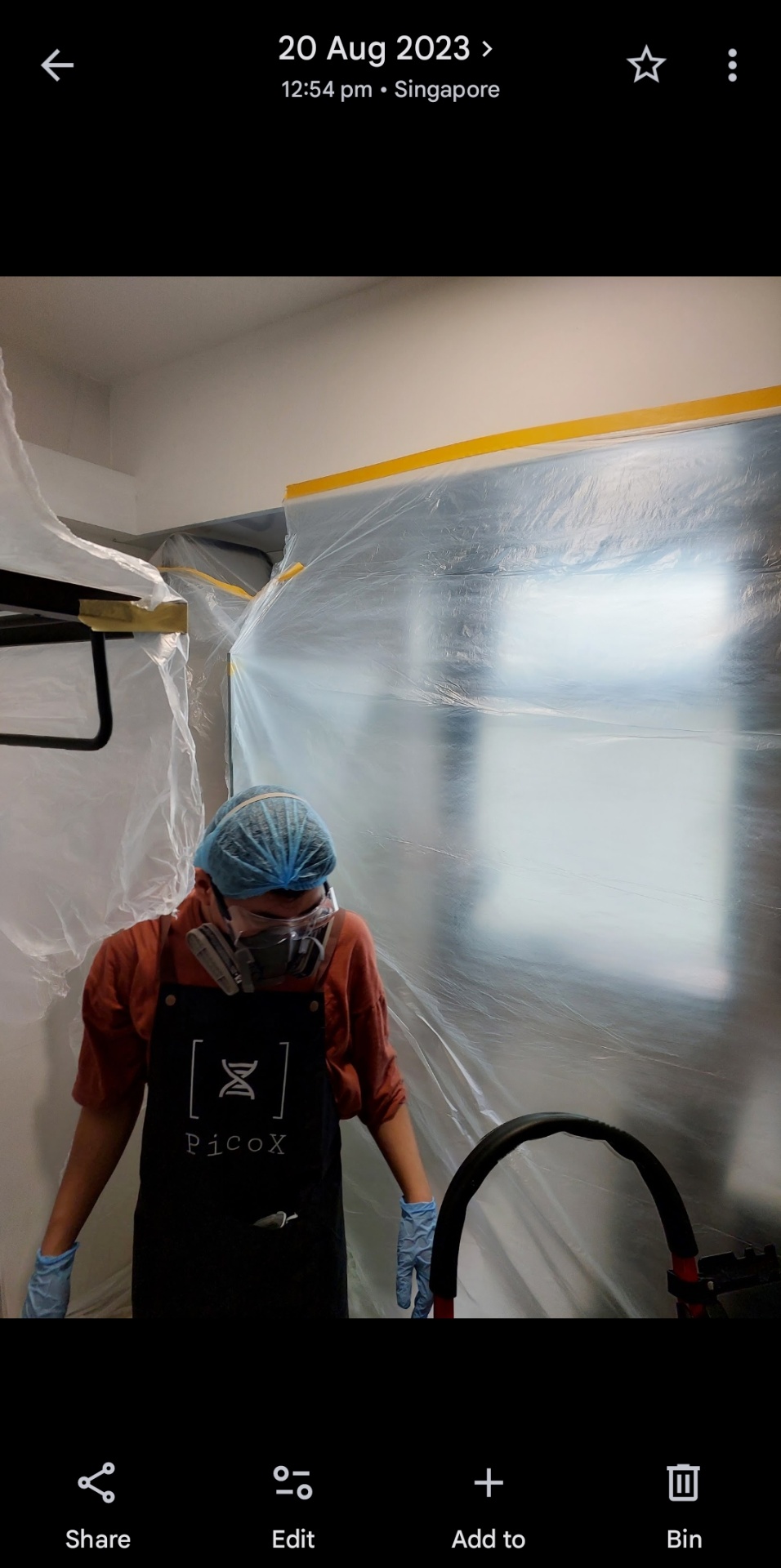
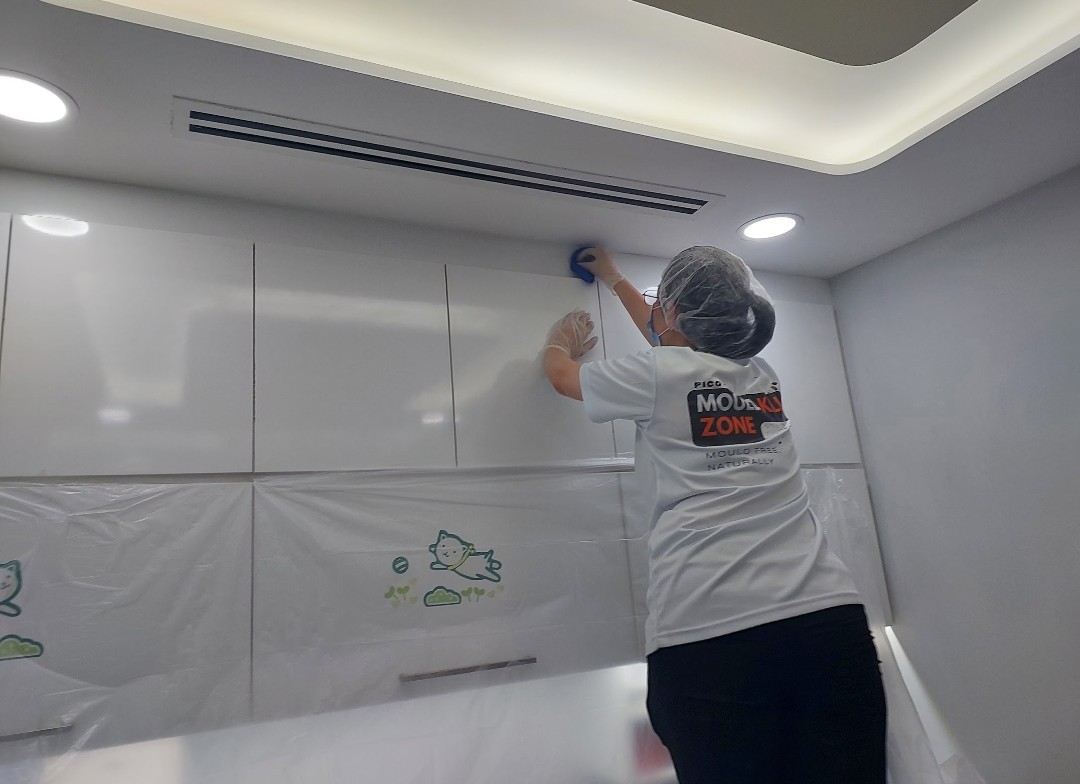
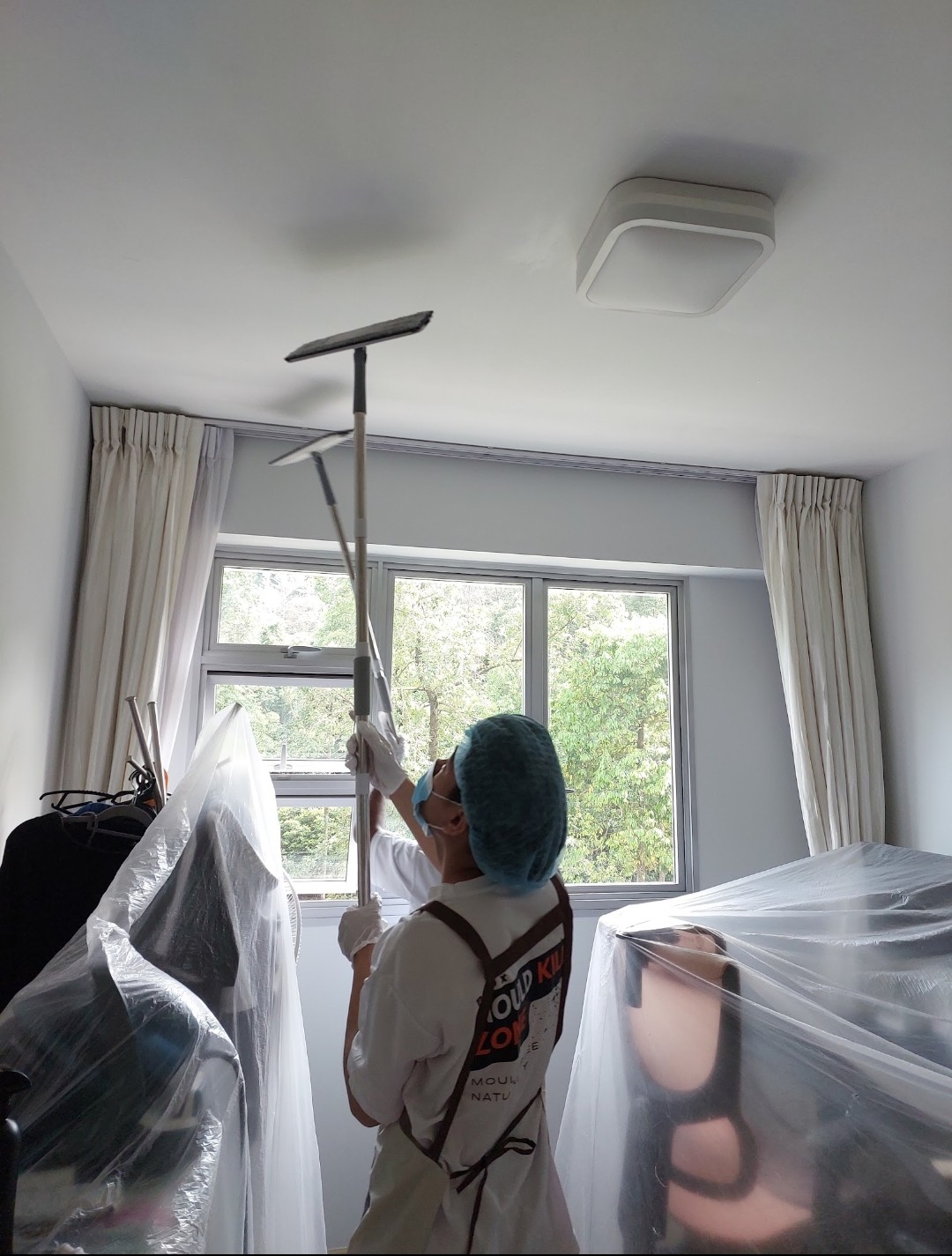
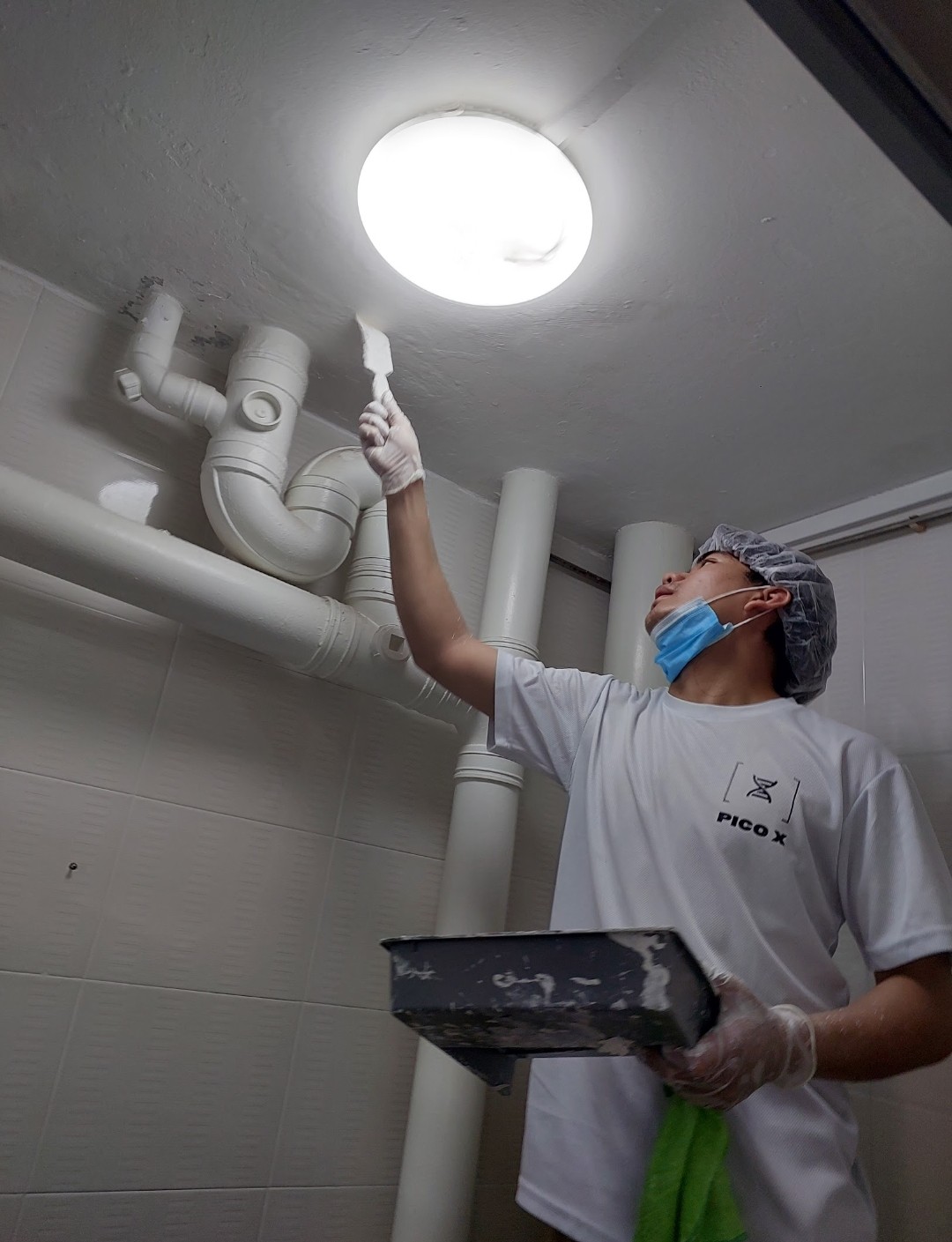
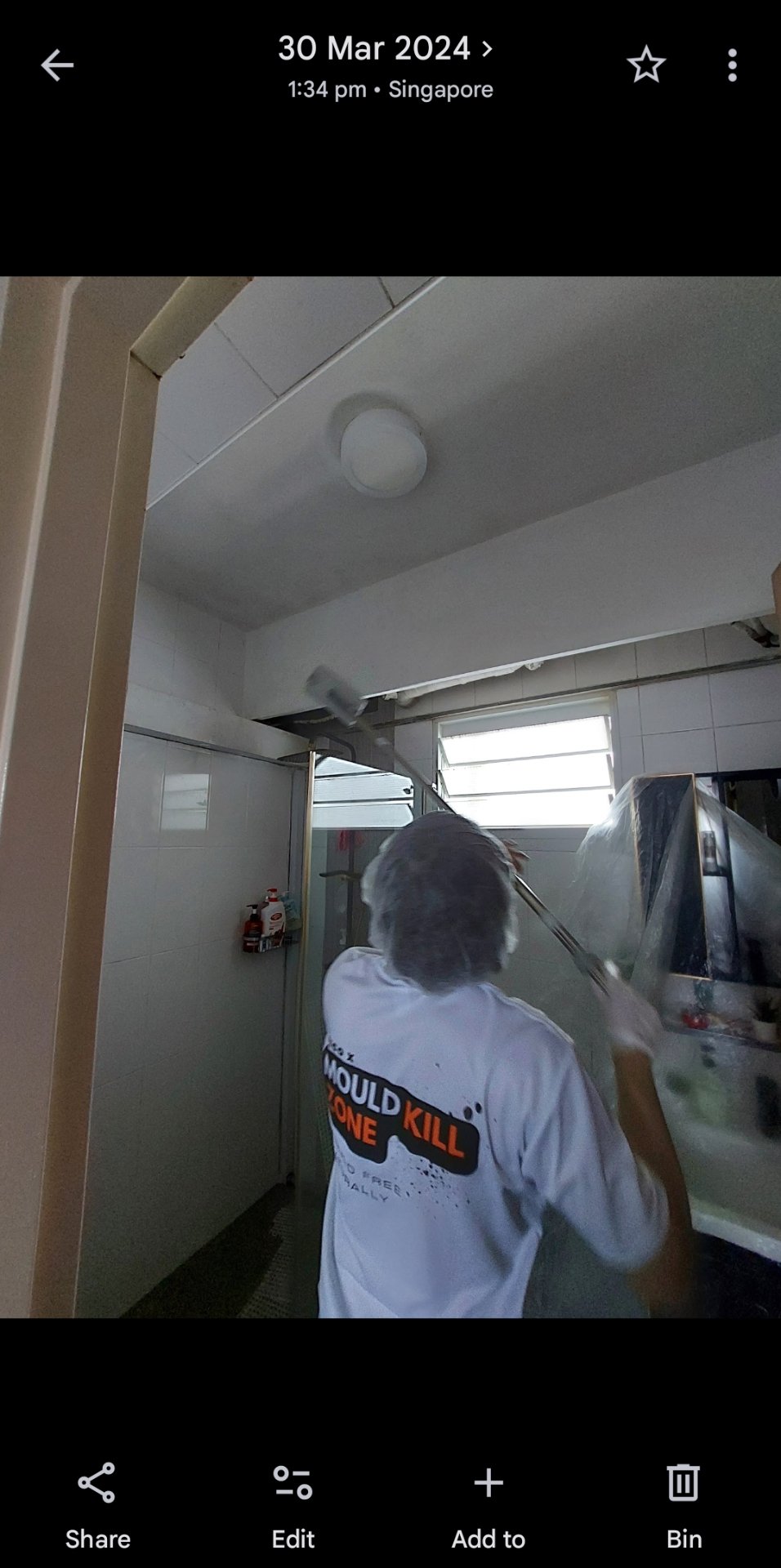
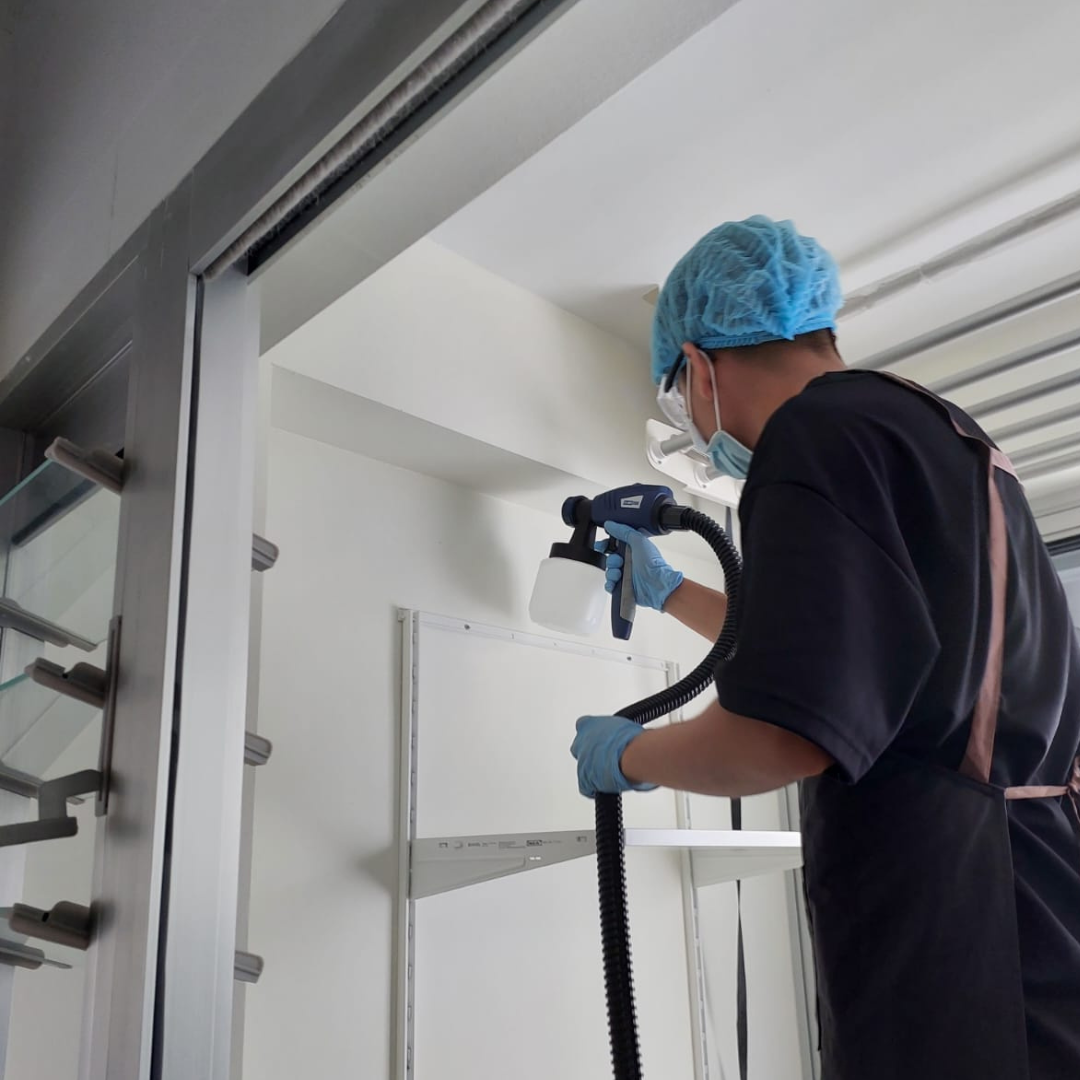
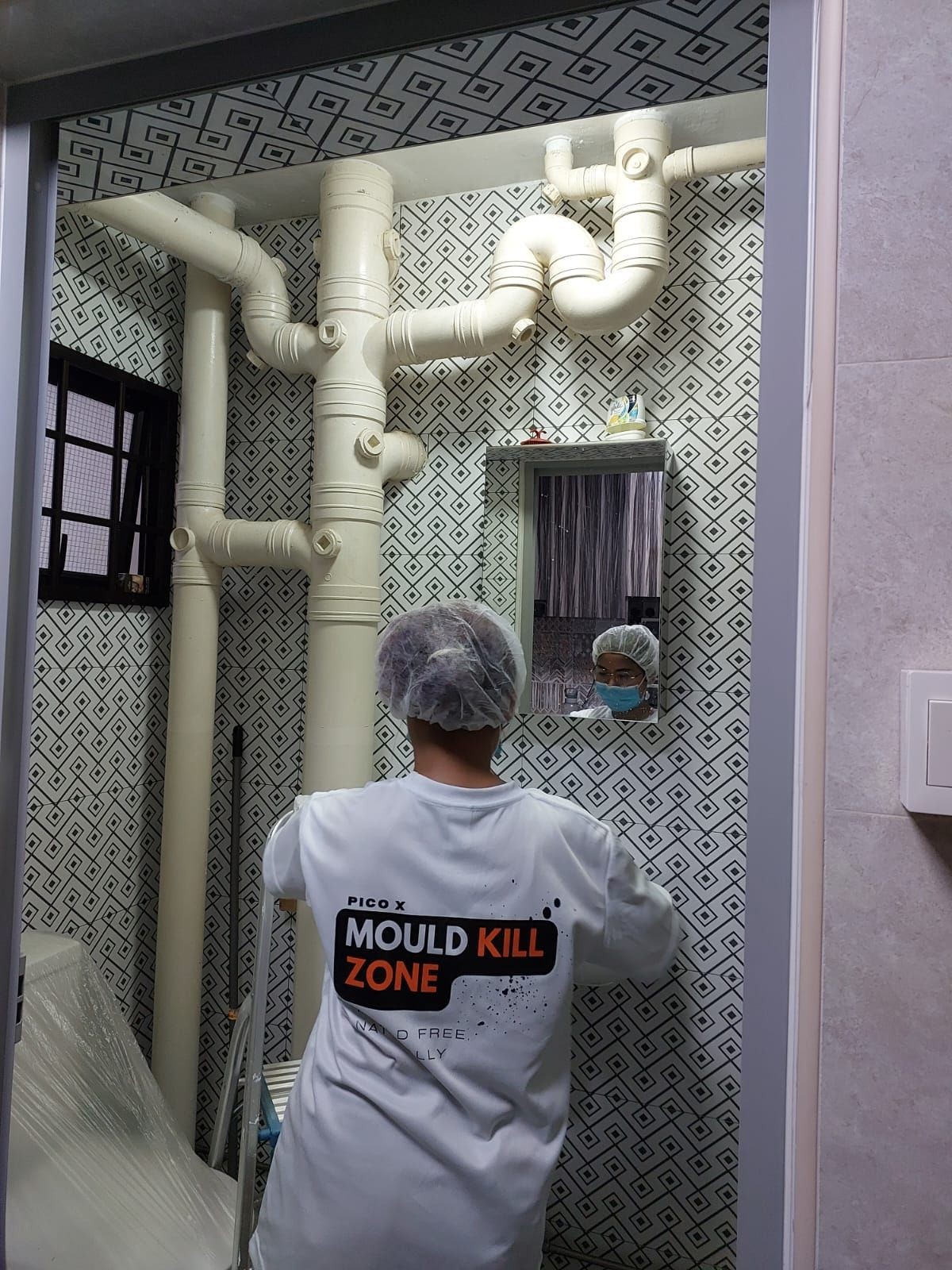
Trained Pico X Health technicians follow strict containment, PPE, and protocols on every job in Singapore.
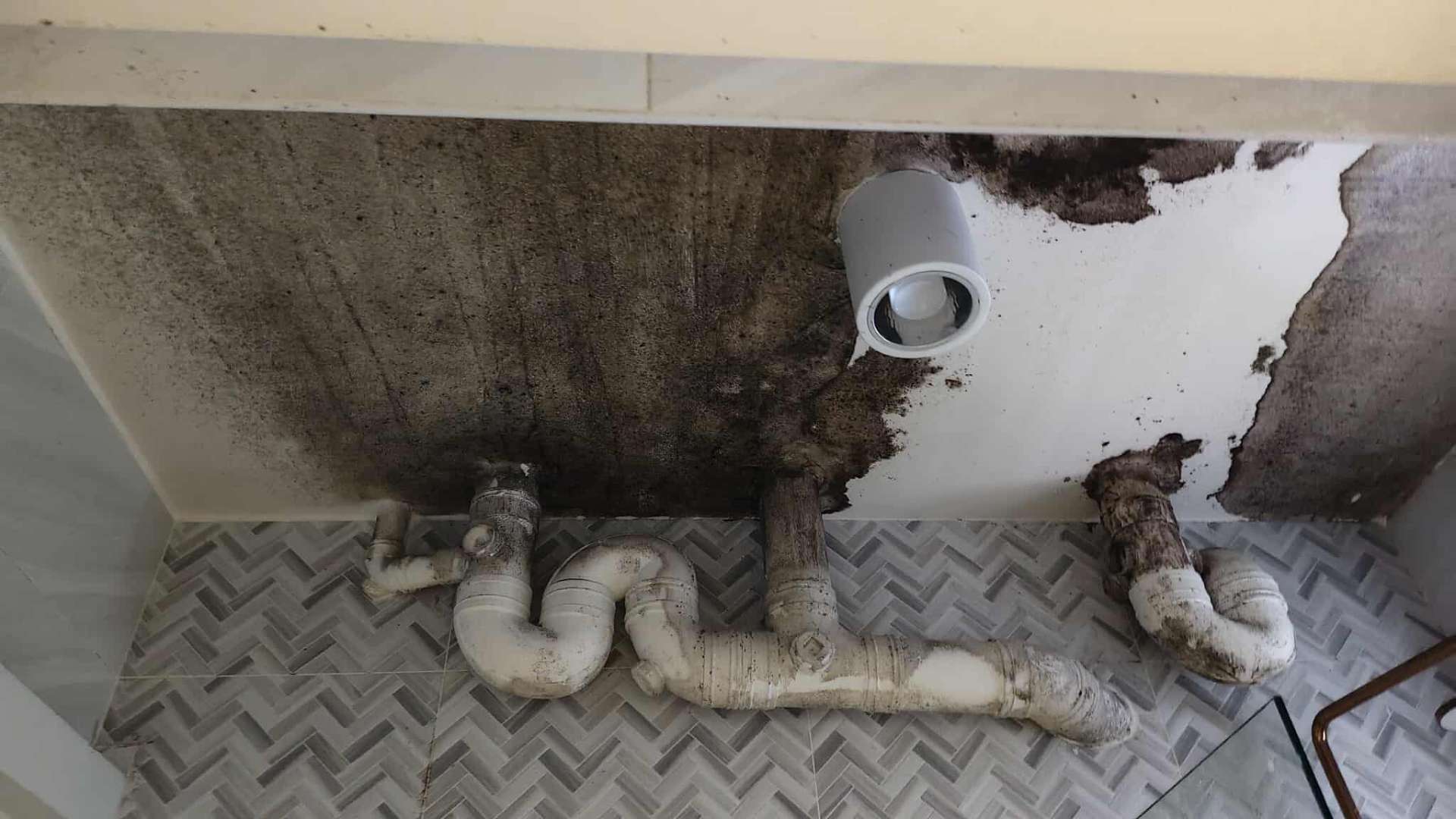
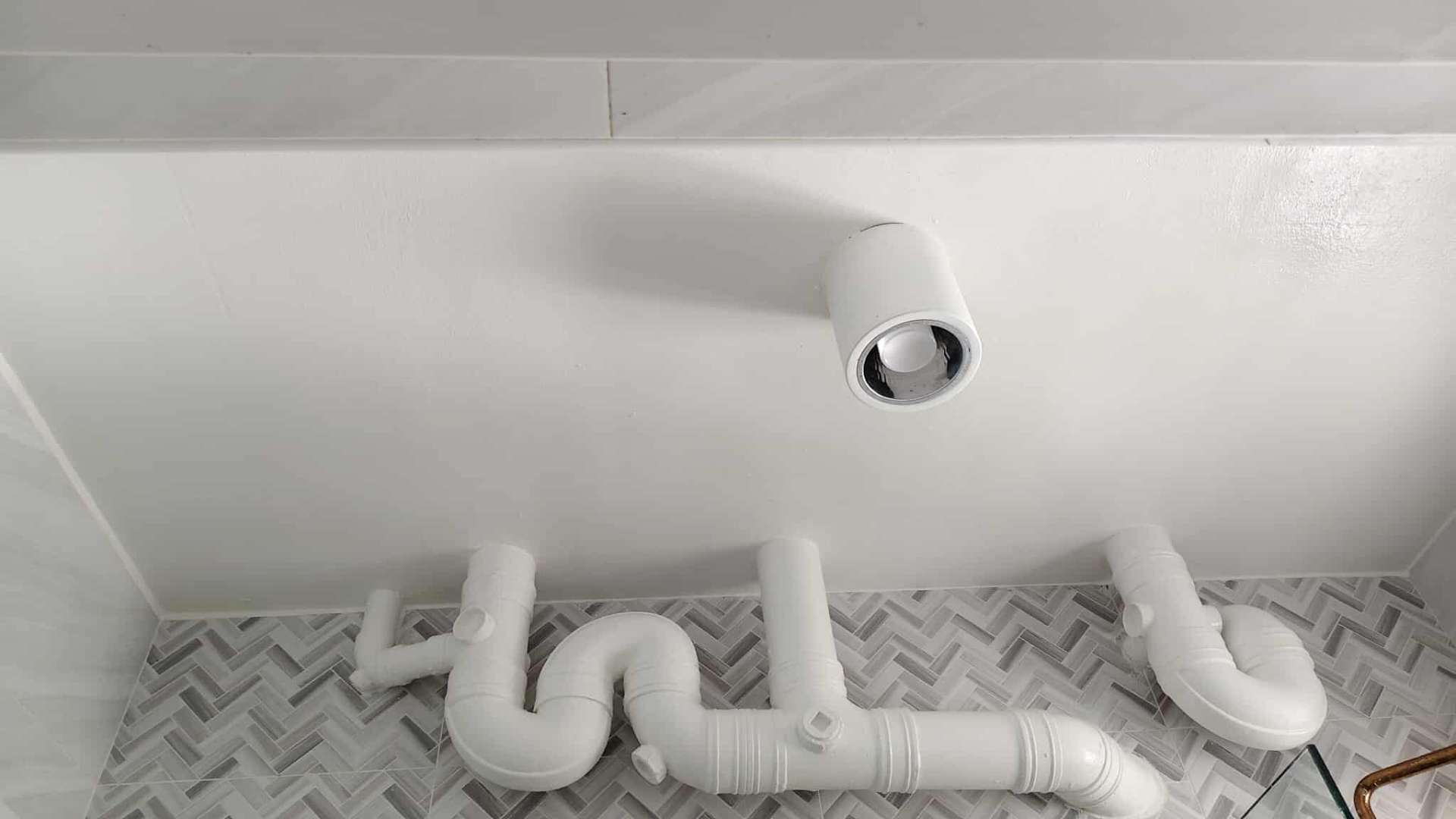
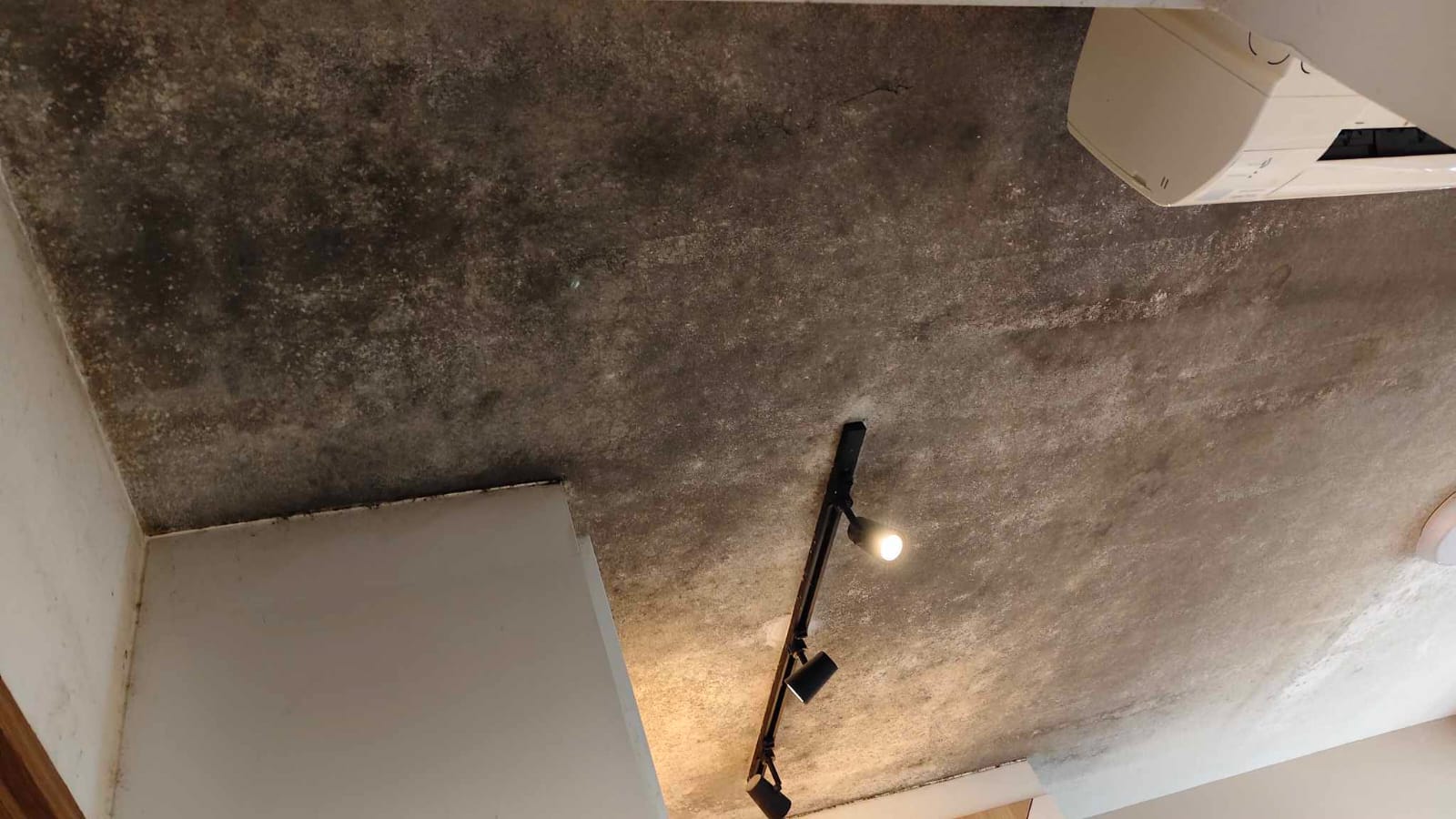
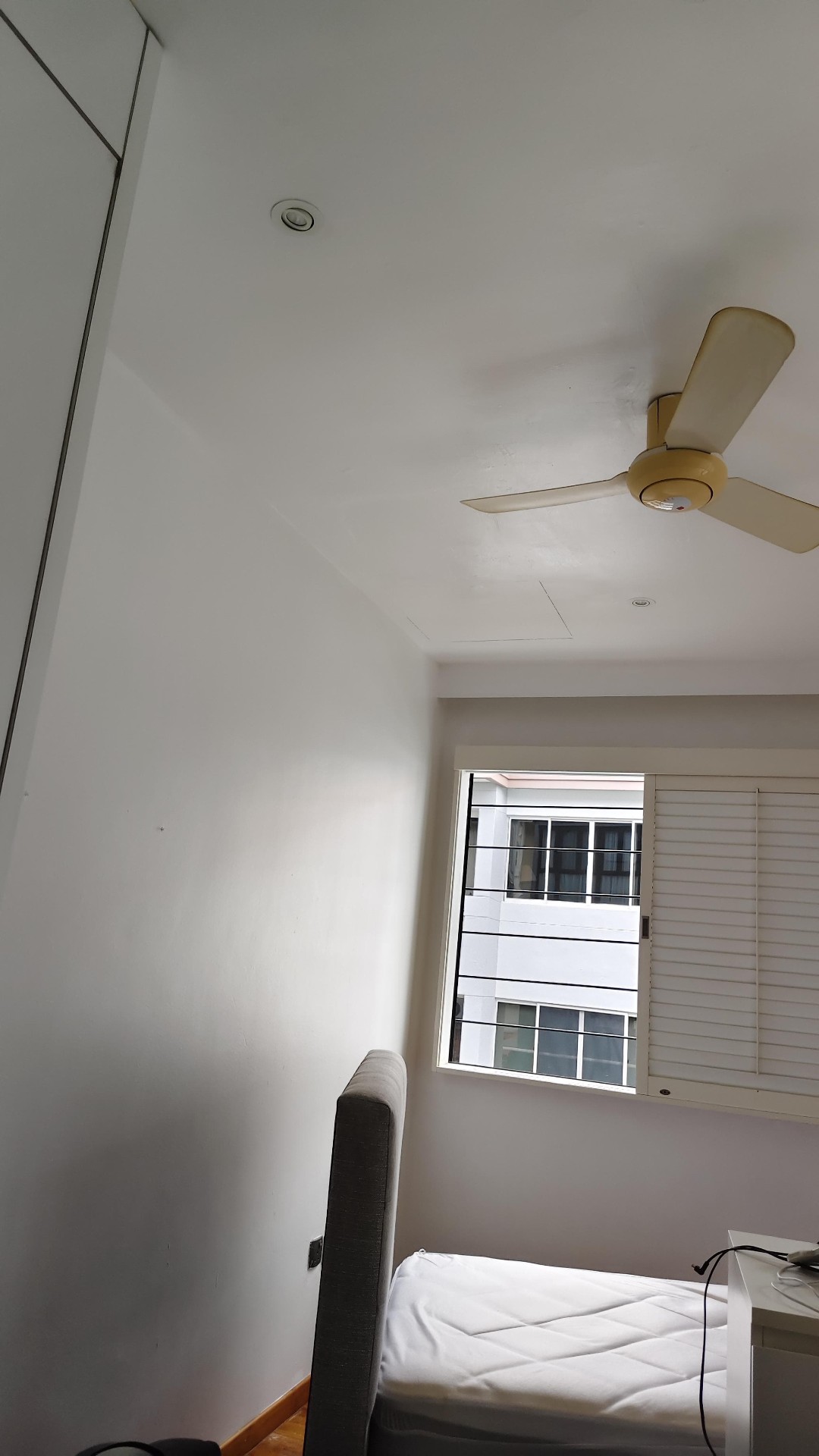
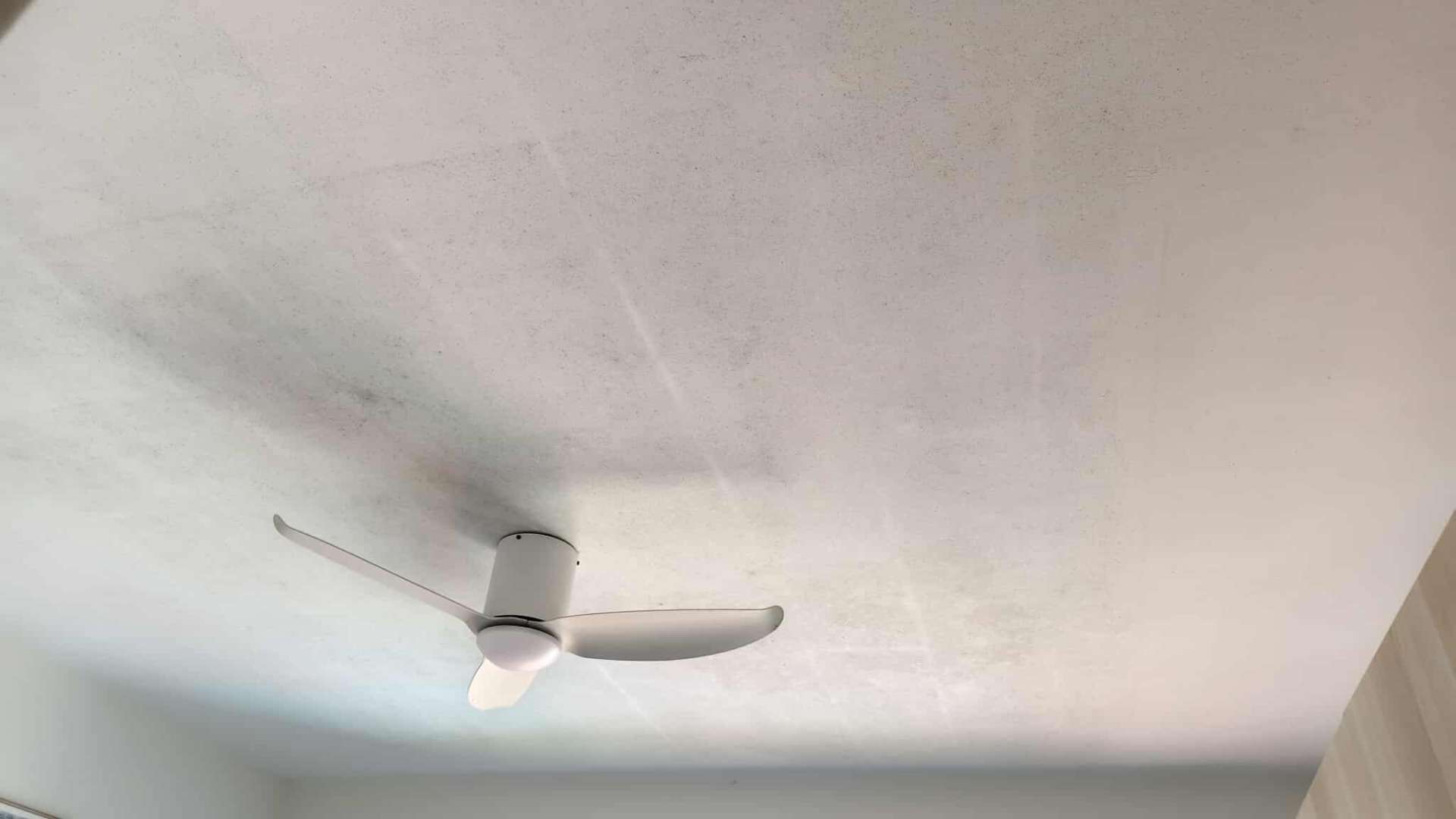
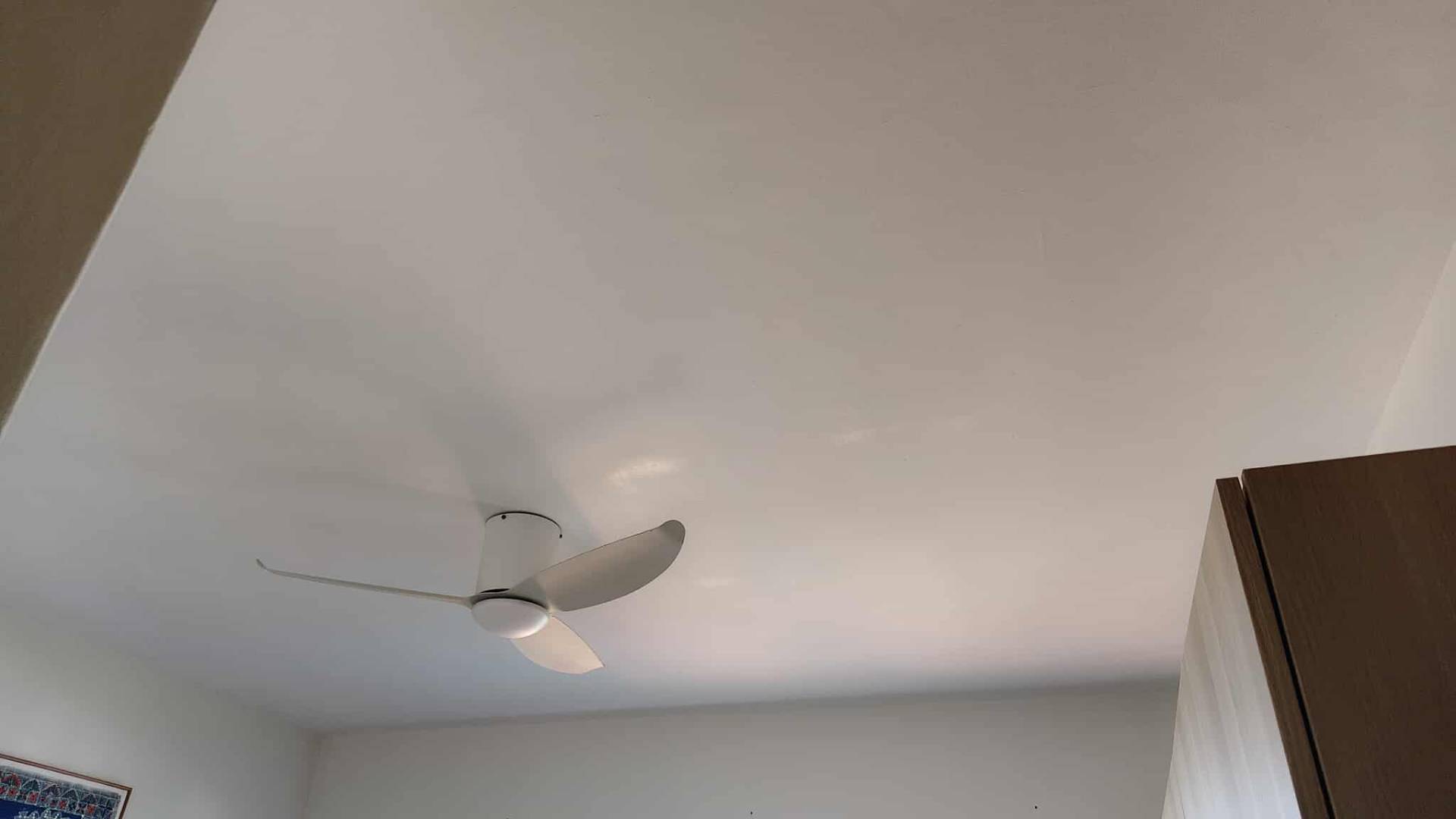
Before & After: Real Singapore Jobs
Documented mould remediation across HDB, condo, landed and commercial spaces.
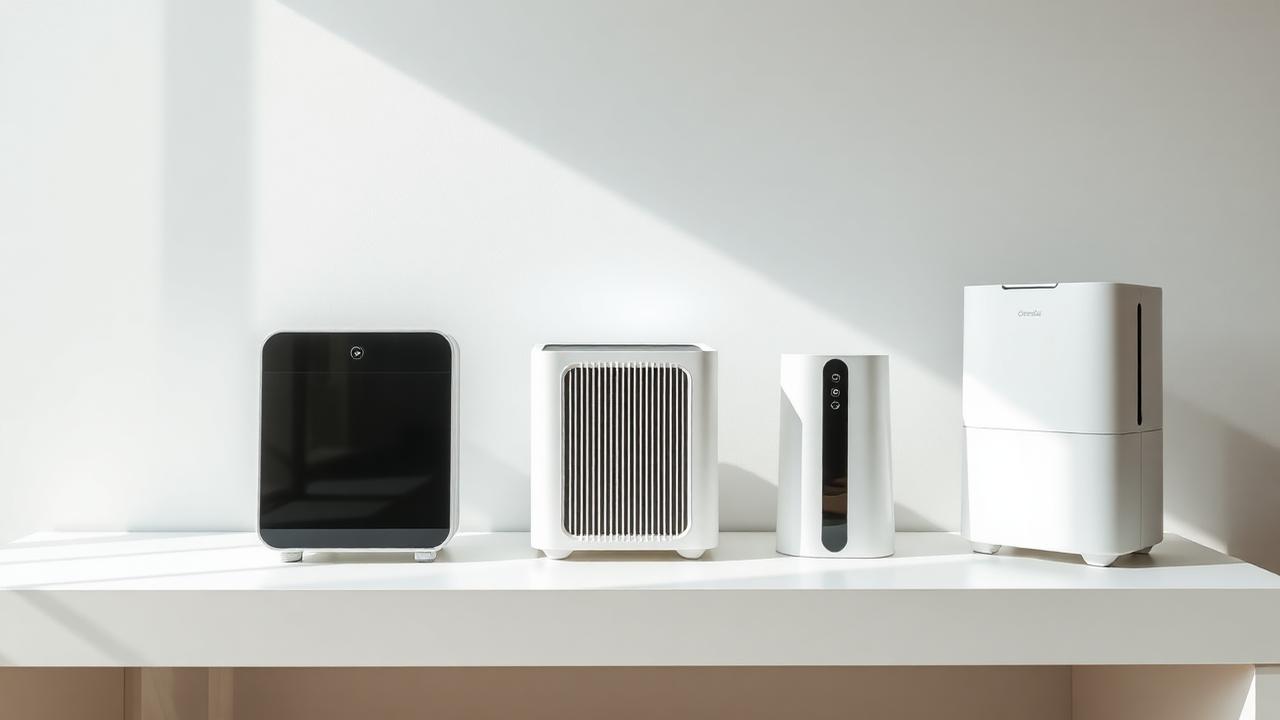
Products We Use & Recommend
Professional-grade equipment and coatings selected for Singapore's humid climate.
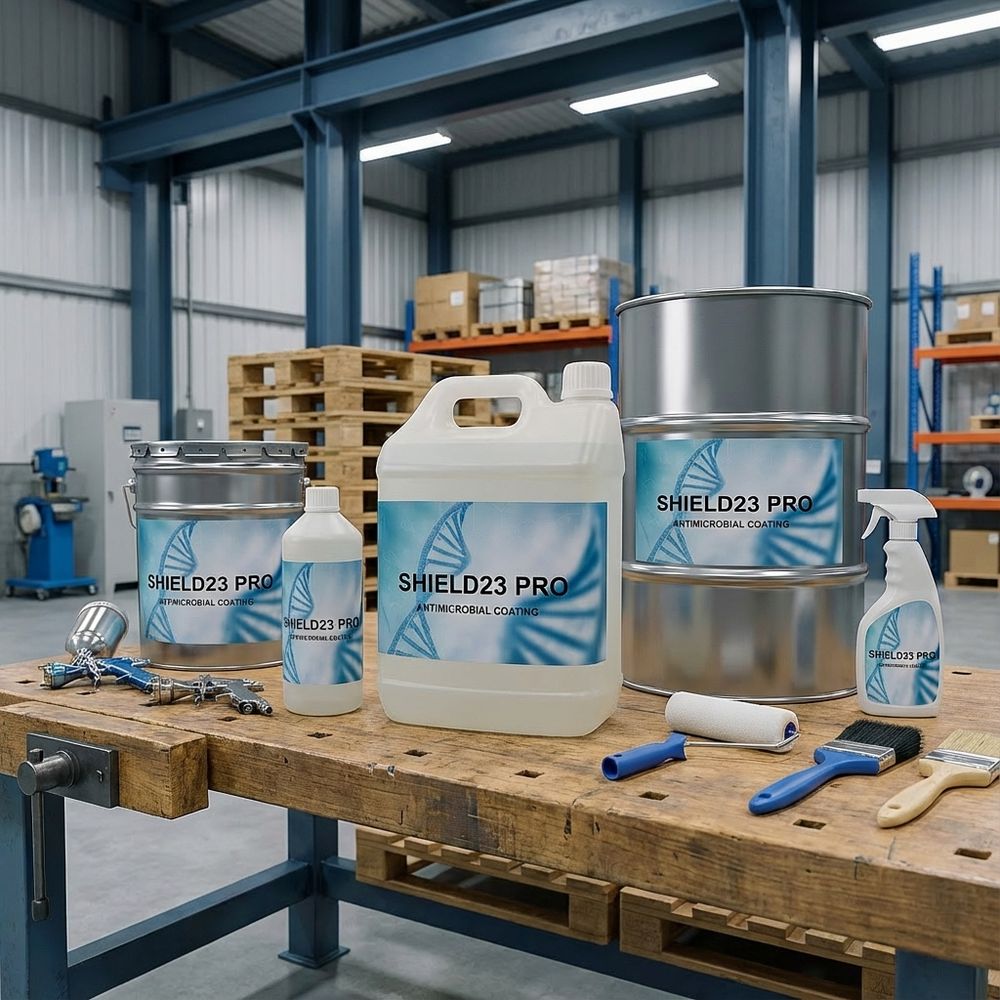
Shield23 Pro — Antimicrobial Coating
Long-life inorganic-ion defense applied by trained Pico X Health technicians across hospitals, F&B, schools, and homes.
Recommended Services
Pico X Health services most relevant to this topic.
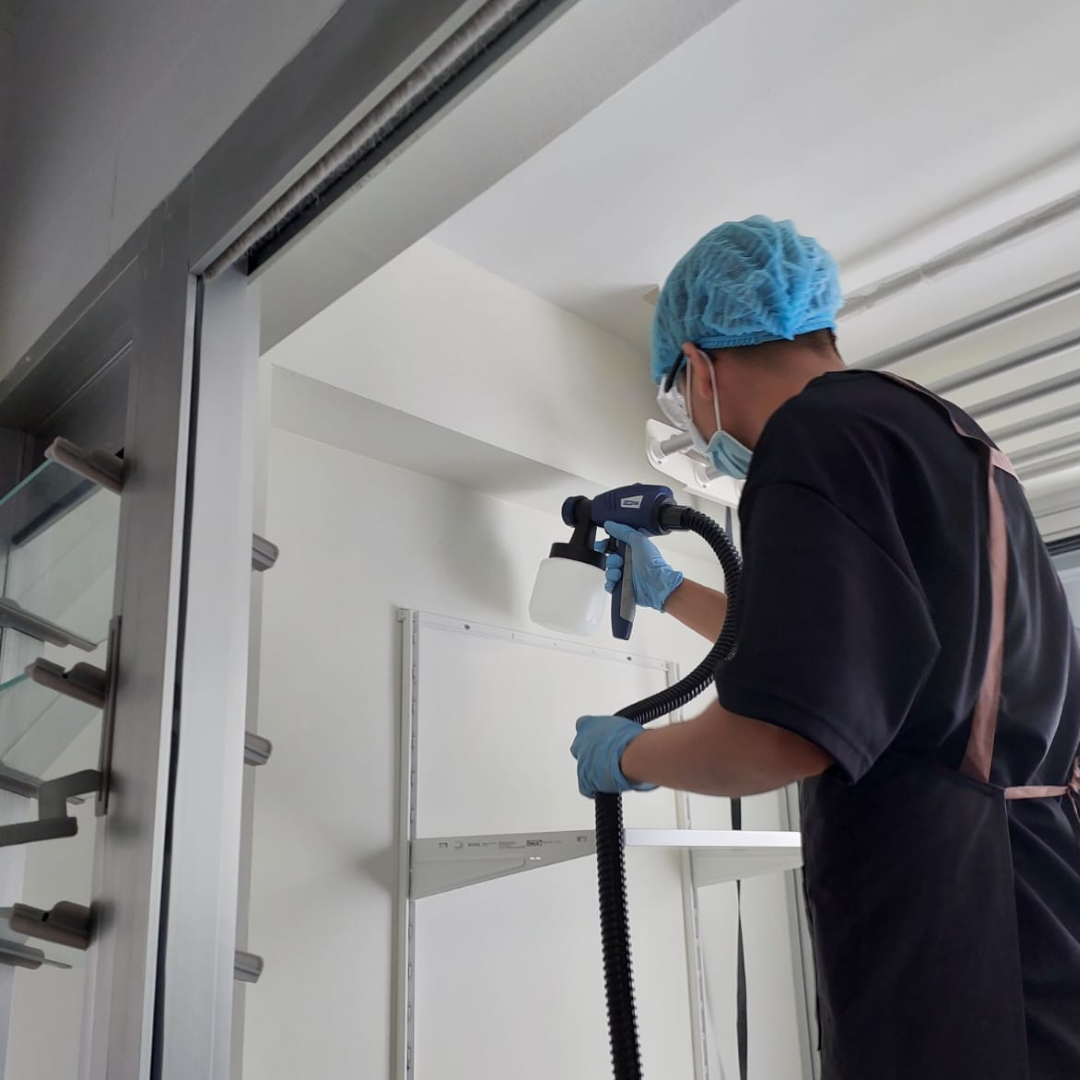
Coverage, not coat count
What does "coverage" mean when you paint over mould?
Coverage means the paint film is unbroken, even in colour and at the thickness the manufacturer specifies, so no old colour, stain or bare patch shows through and the anti-mould protection reaches every part of the surface. We judge a finished wall by its coverage, not by how many coats went on.
When does a wall need more than two coats?
Usually two coats reach full coverage. A wall may need a third where the surface demands it: a big colour change (dark to light or the reverse), stains or tide marks bleeding through, porous or newly skim-coated plaster that soaks up the first coat, or rough textures. We tell you before the job starts if your surface needs it.
Is more paint better protection against mould?
No. Every paint is designed to work at a specific dry film thickness. Too thin leaves pinholes and thin spots where moisture and spores reach the wall. Too thick dries slowly, traps moisture and can crack, sag or peel, giving mould a place to start again. The goal is the correct thickness, unbroken across the whole surface, with each coat fully dry before the next one goes on.