Quick Answer
Ozone fogging is not safe to run in an occupied home. At treatment concentrations ozone is a respiratory irritant, so people, pets and plants must leave and the space must be aired out before anyone returns. It also cannot penetrate paint film, plaster or grout, so the colony inside the substrate survives and the musty smell returns with it.
Based on: Field Data Verification · Pico X Health Case Studies · Pico X Health Research
What ozone actually does to mould
Ozone reacts with anything it can oxidise — airborne spores, surface films, and the volatile compounds that make a room smell musty. That is why a room smells dramatically better straight after a shock treatment.
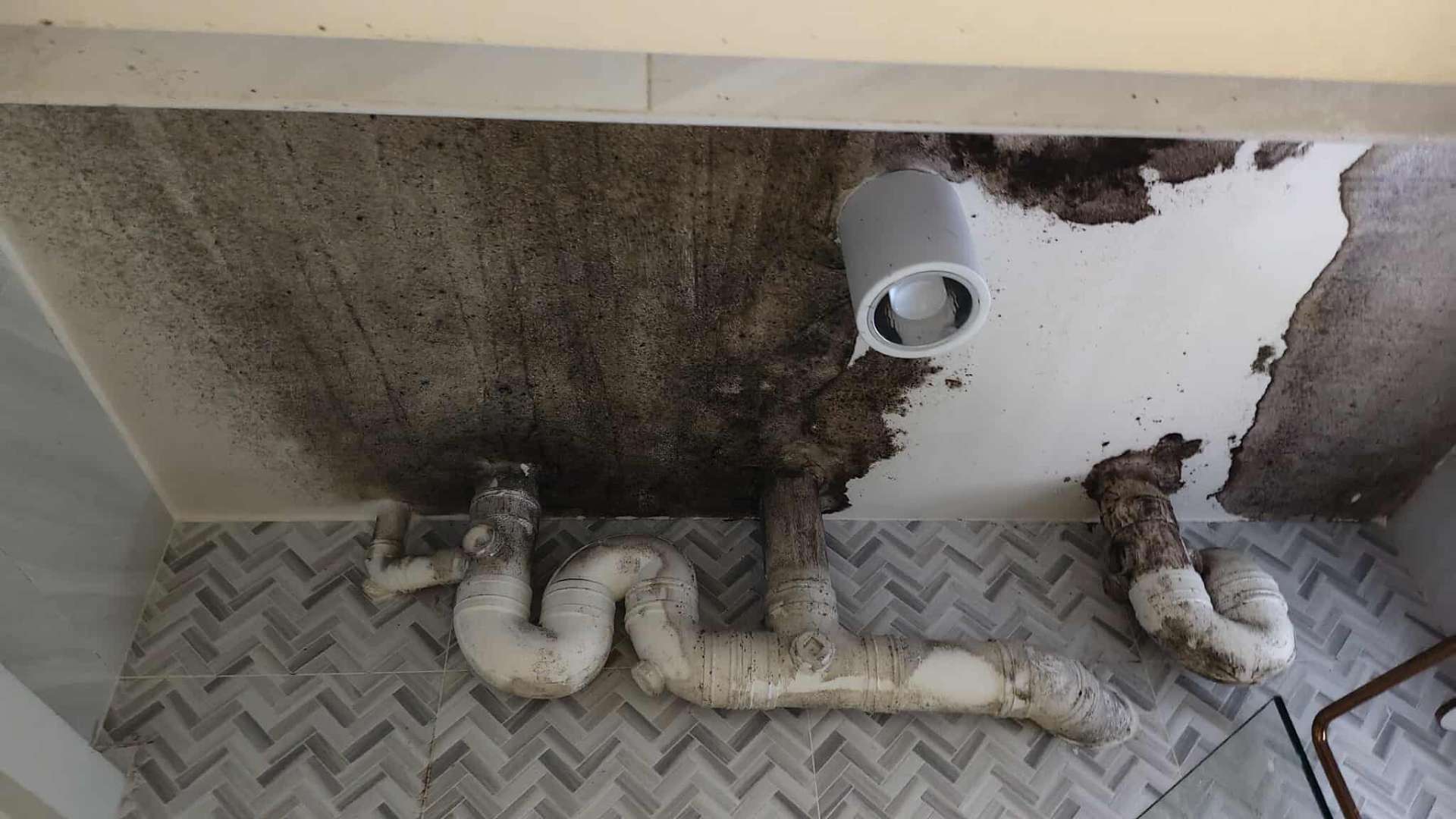
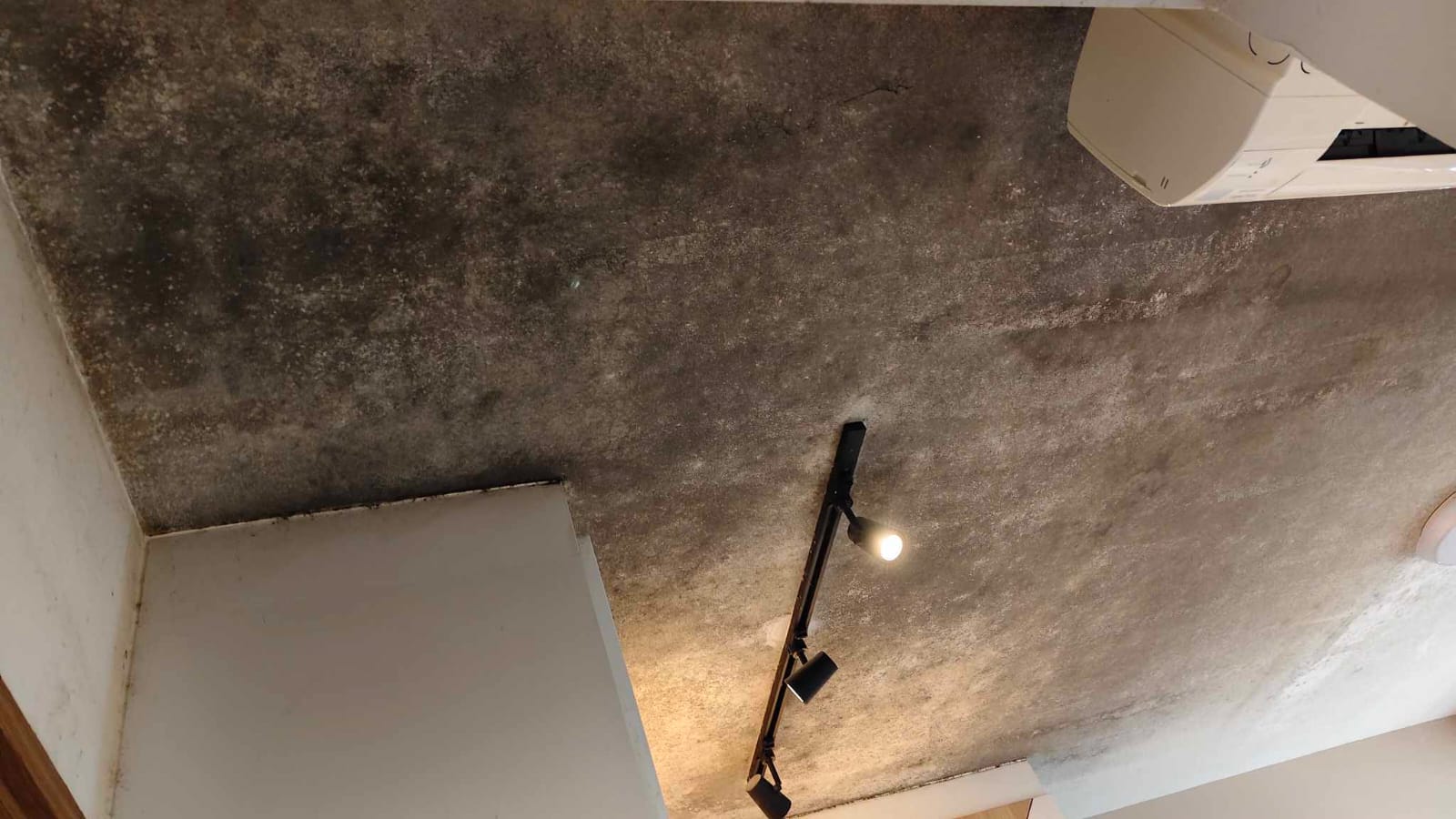
What it does not do is travel into a substrate. Paint film, plaster, grout and timber all stop it. The mycelium living inside the wall is untouched, which is why the odour tends to return within weeks on a job where the colony was never treated at the surface it grows on.
Why it scores worst for families
In our scorecard ozone lands at 3.9 out of 10 overall, and its lowest marks are the two that matter most in a home:
- Safety with children, elderly and pets — 2/10. Everyone leaves, including the cat and the plants.
- Health impact and residues — 3/10. Ozone irritates airways; asthmatic and elderly household members are the most sensitive.
- Spore kill effectiveness — 5/10. Strong in air, weak in the substrate where the colony actually lives.
Children, elderly members and pets
Children breathe more air per kilogram of body weight than adults, and elderly household members are more likely to have existing respiratory or cardiac conditions. Neither group should be anywhere near a room during or immediately after an ozone pass.
Pets are the group most often overlooked. Birds are extremely sensitive to airborne irritants, and cats and small mammals cannot leave a room on their own. If a household cannot practically relocate everyone, ozone is off the table.
When ozone is defensible
There is a narrow case for it: a vacated unit with a long-standing musty smell, after the colony itself has been treated and coated, with a proper airing-out period before handover. Even then it is an odour step, not a remediation step.
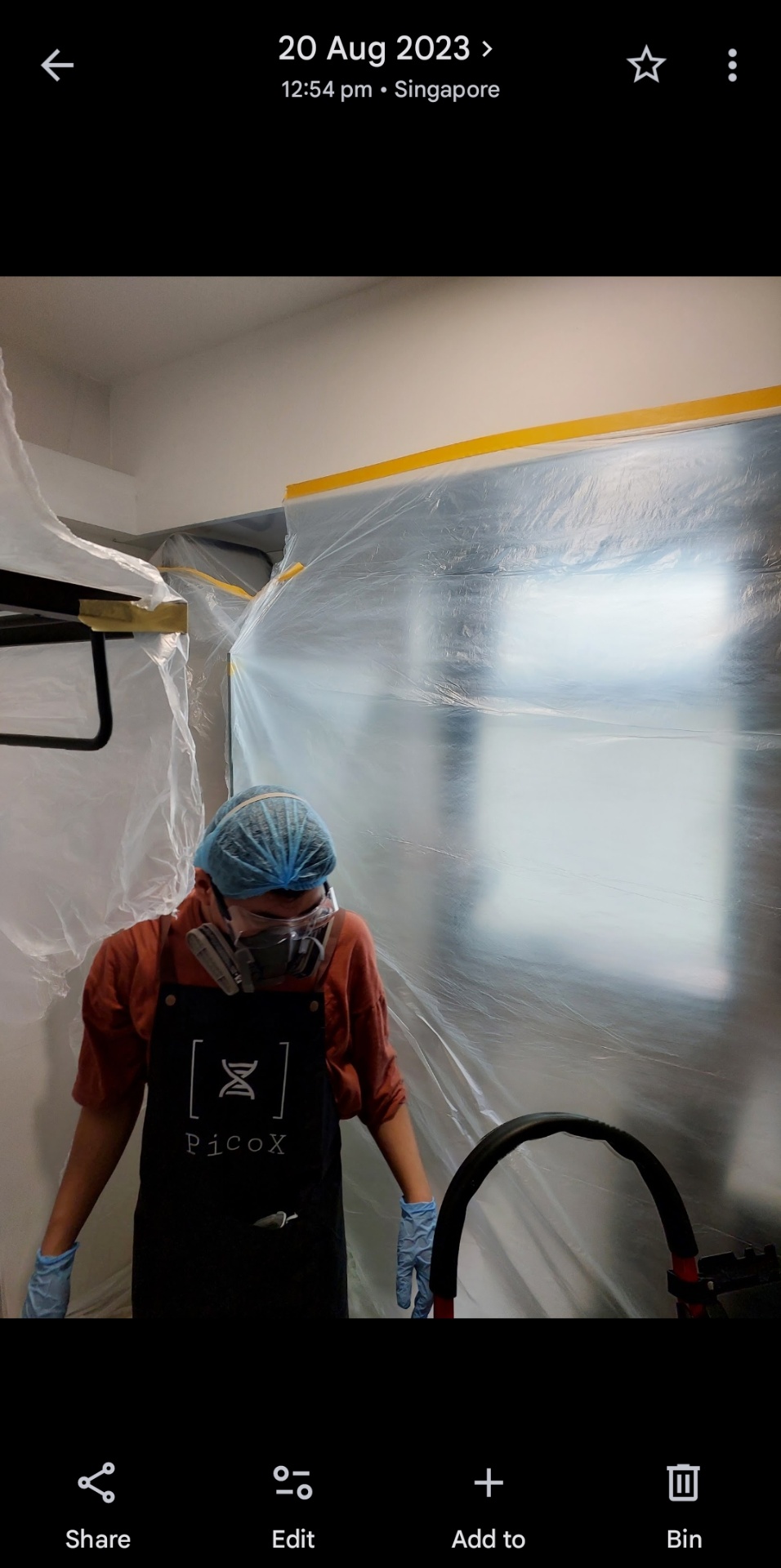
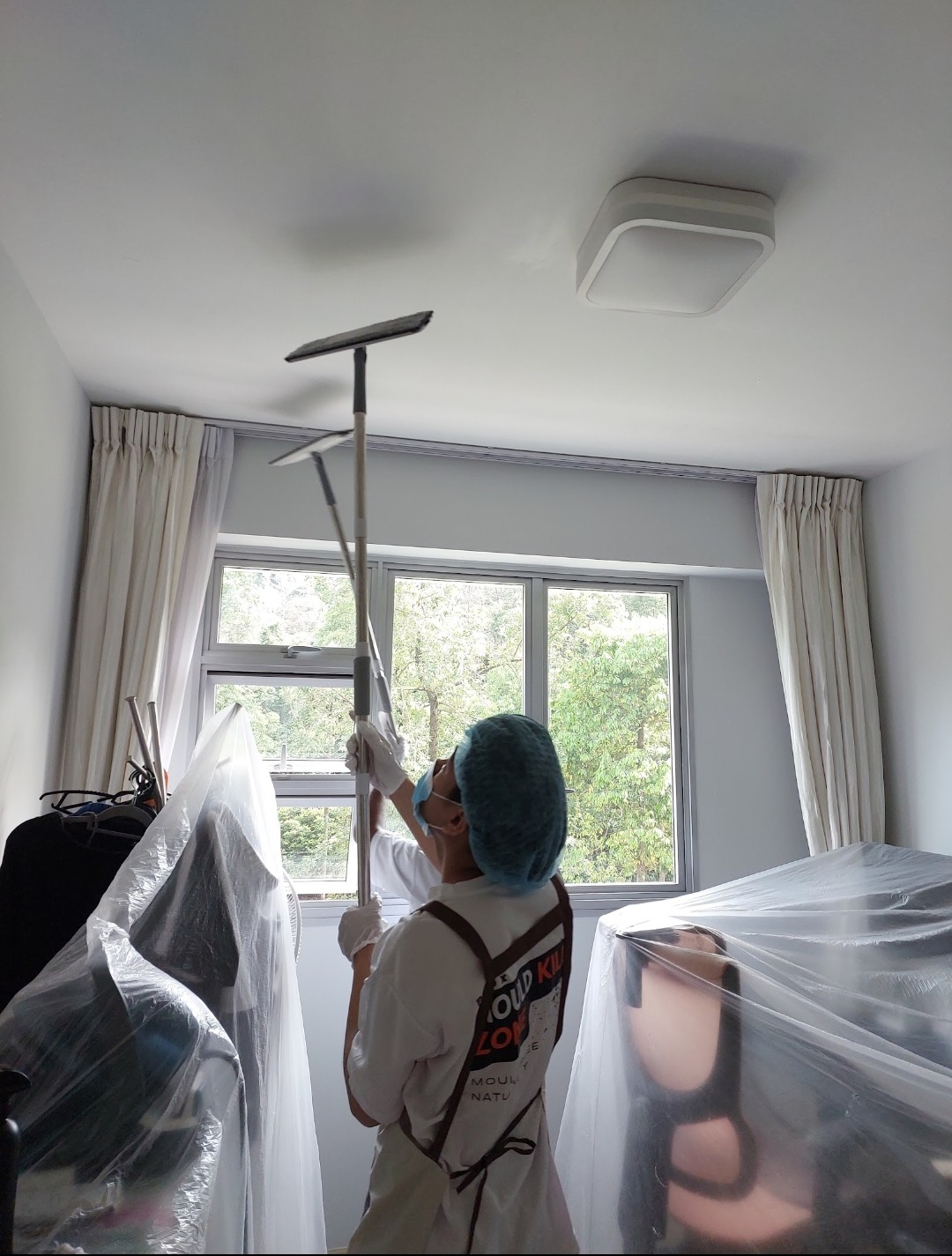
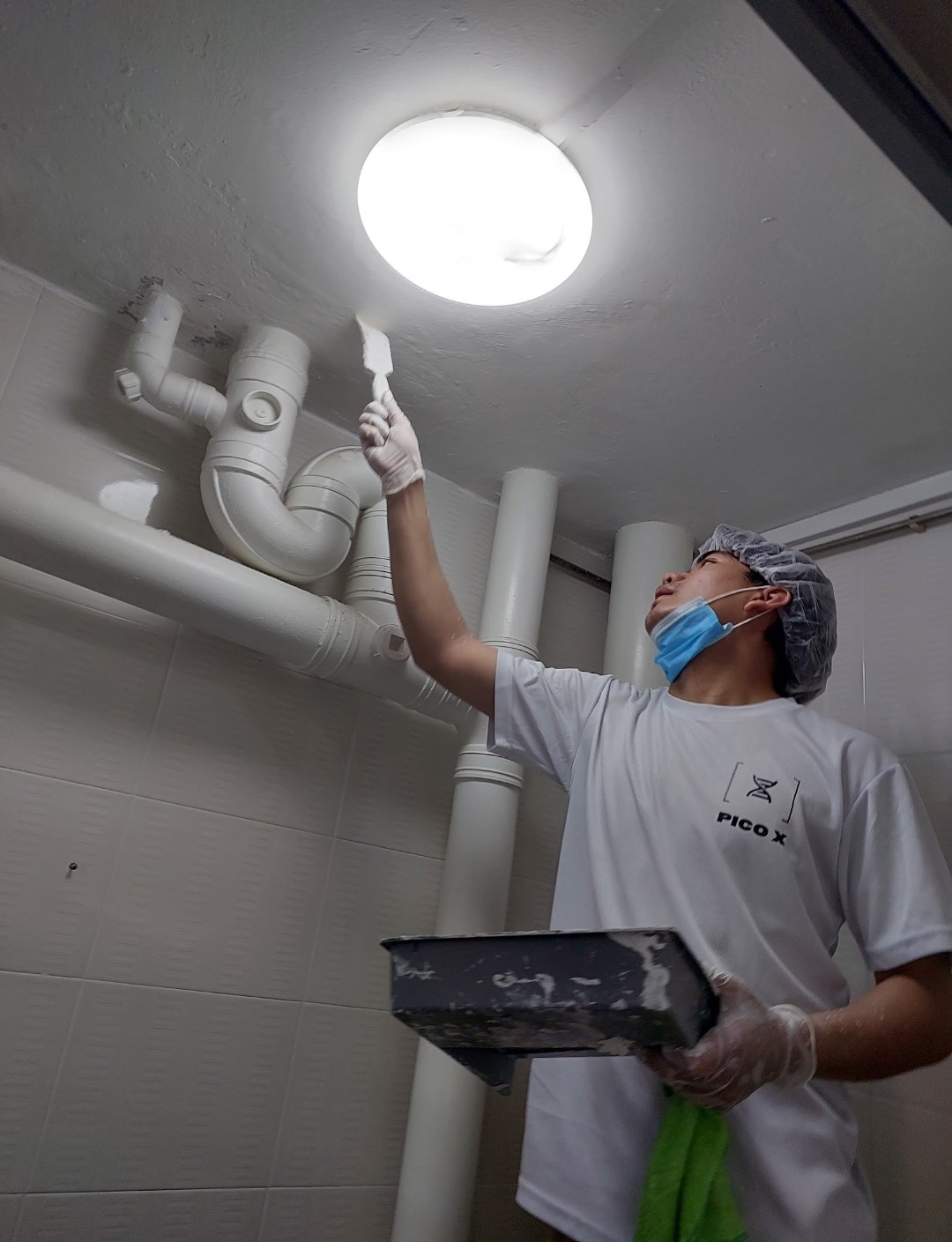
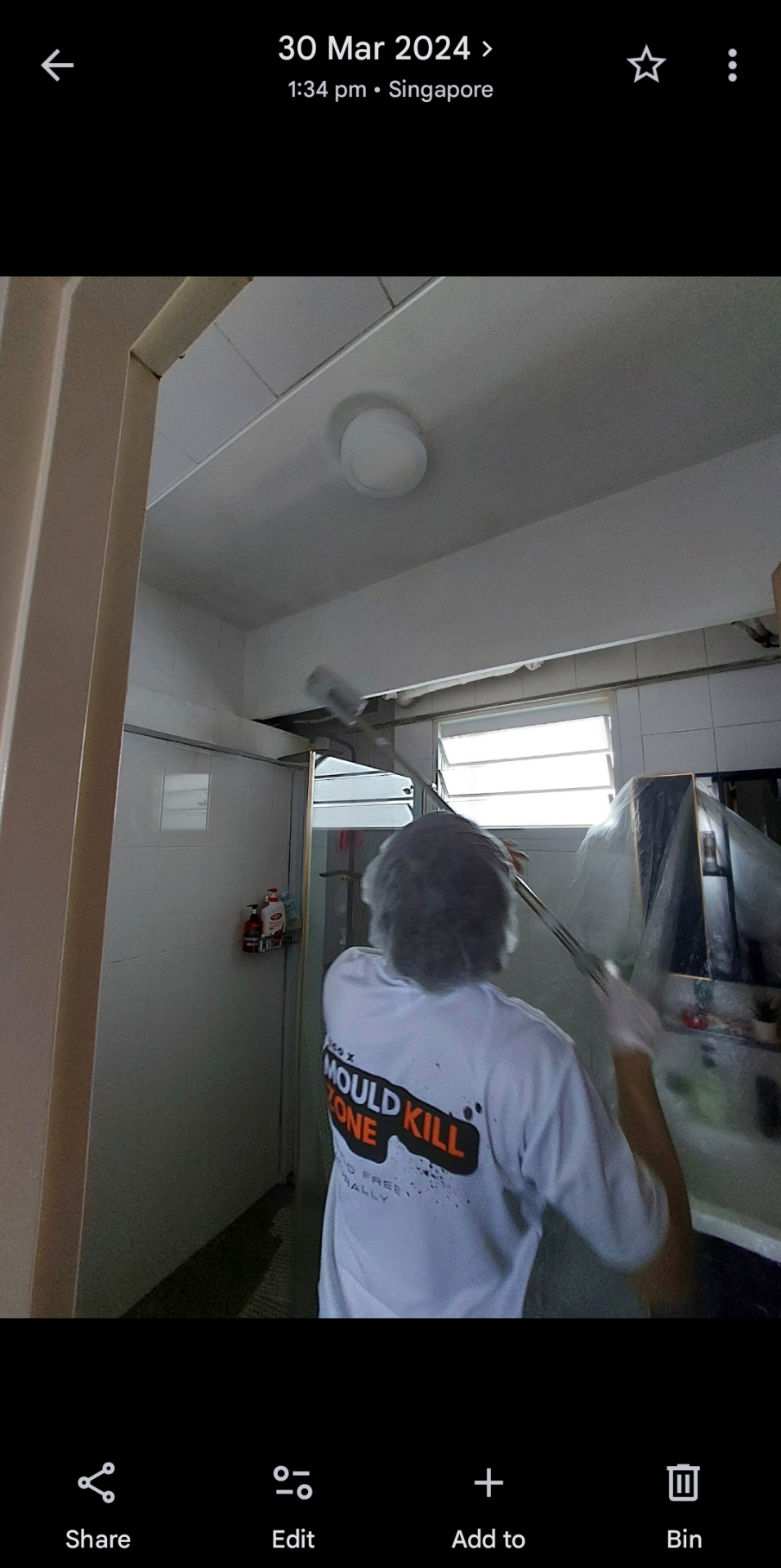
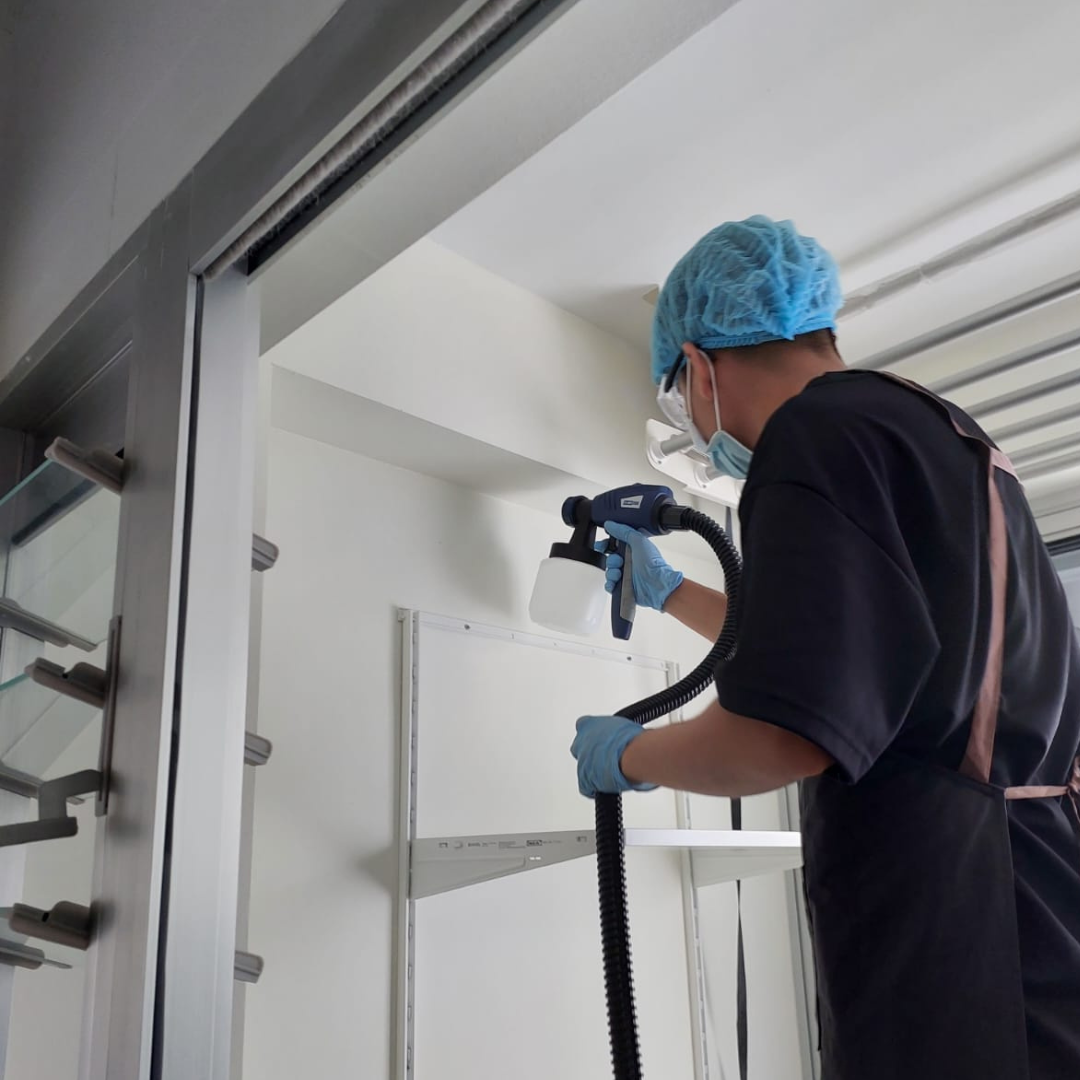
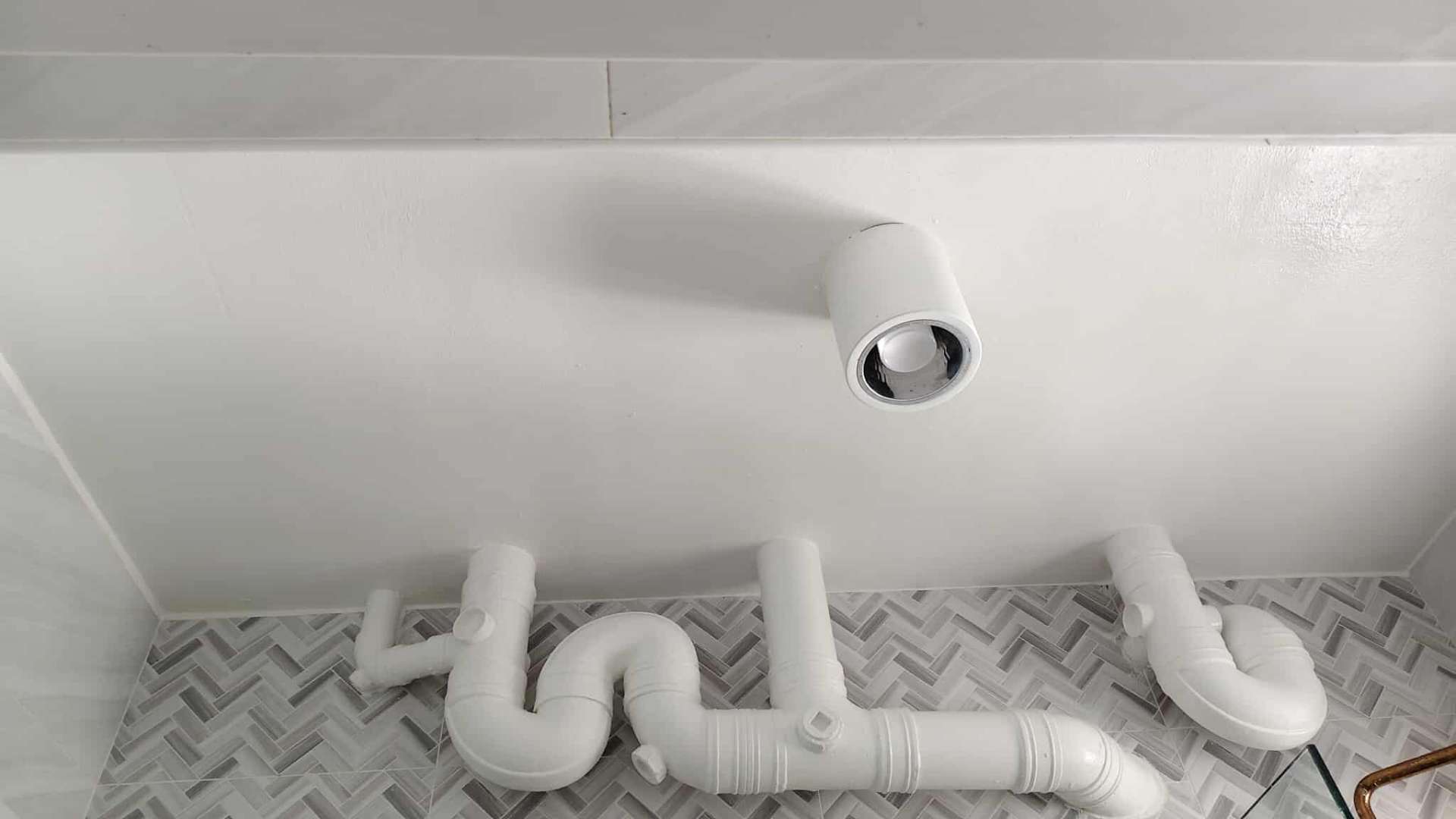
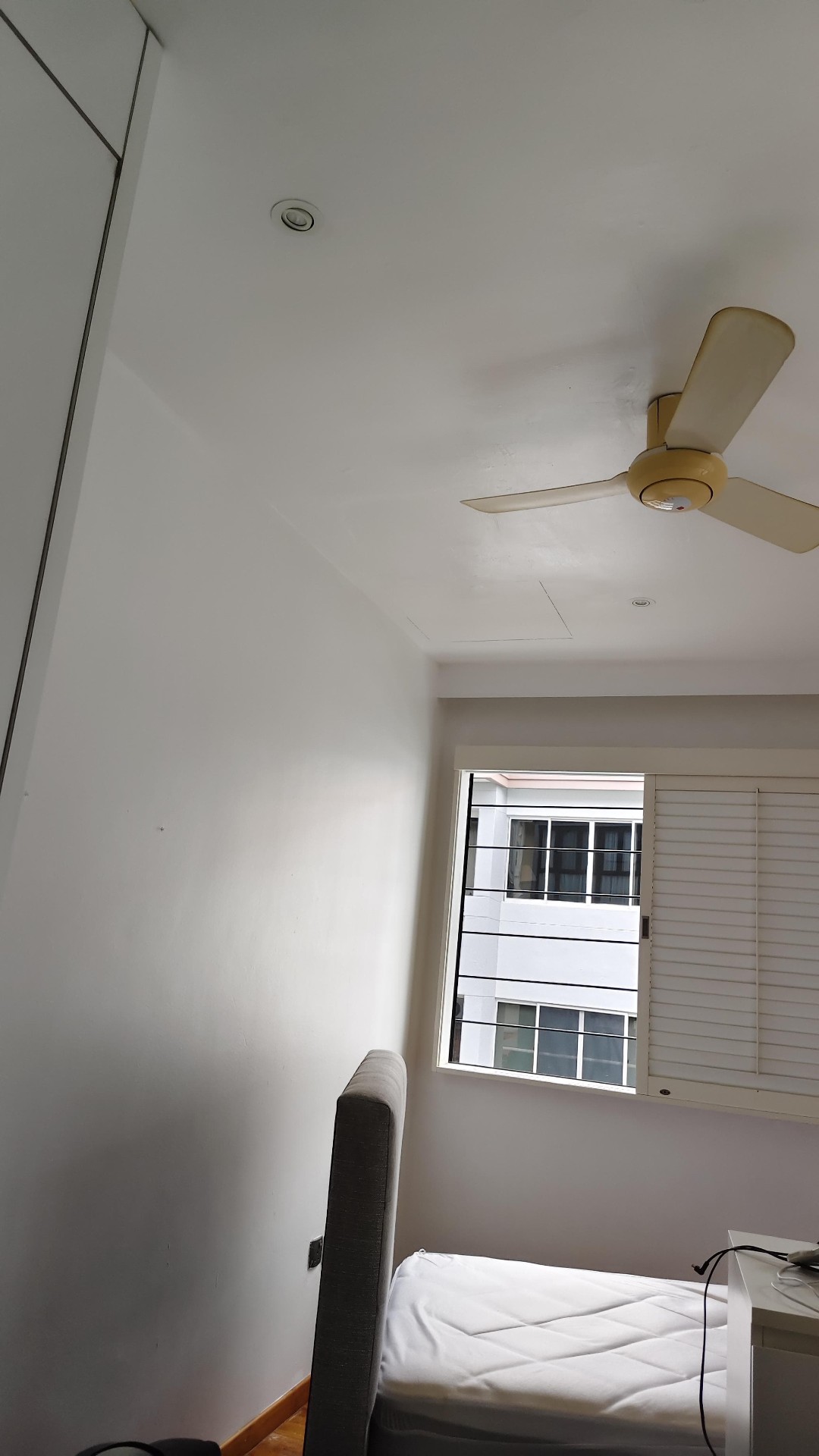
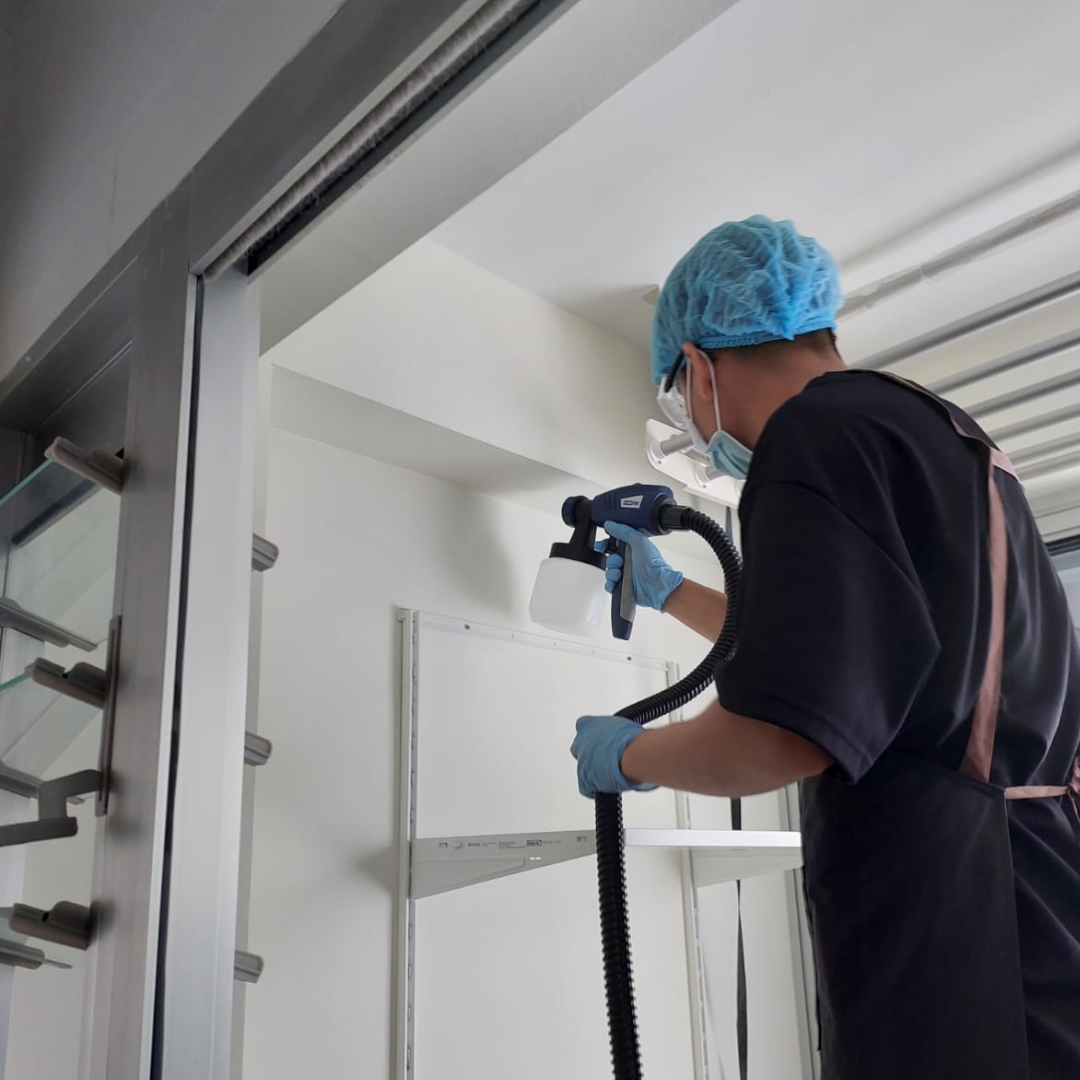
For an occupied Singapore flat, direct mouldicide under sealed containment followed by sealer and an anti-mould top coat does the job without moving anyone out.
Related Reading
Frequently Asked Questions
Can I stay in the house during ozone fogging?
No. At treatment concentrations ozone is a respiratory irritant, so people, pets and plants must be out of the treated space, and the room needs an airing-out period before anyone returns.
Does ozone kill mould inside the wall?
No. Ozone is a gas that reacts at surfaces it can reach. It does not penetrate paint film, plaster, grout or timber, so mycelium inside the substrate survives and regrowth follows.
Is ozone safe for pets?
No. Pets cannot leave a room on their own and birds in particular are very sensitive to airborne irritants. Every animal must be out of the unit for the treatment and the airing-out period.
What should I use instead in an occupied flat?
Direct mouldicide worked into the substrate under sealed containment, dead biomass removed, then Gush MouldSeal and an anti-mould top coat. Low-odour products mean the household normally stays home.
Not sure which method your place needs?
Send a photo on WhatsApp — honest triage and transparent pricing.
WhatsApp Photo Quote Call +65 8751 5146