Quick Answer
Steam kills mould at the surface through heat and lifts biomass off hard non-porous finishes like tile and grout, but heat drops off quickly below the surface and steam adds moisture to a substrate that already has too much. Direct mouldicide reaches hyphae inside porous plaster and, once sealed and coated, is what stops regrowth.
Based on: Field Data Verification · Building Materials Mould Resistance Study · Pico X Health Case Studies
Two different kill mechanisms
Steam works thermally: sustained heat denatures the proteins in mould at the point of contact. It is fast, chemical-free, and the mechanical action of the lance lifts dead biomass away rather than leaving it in place.
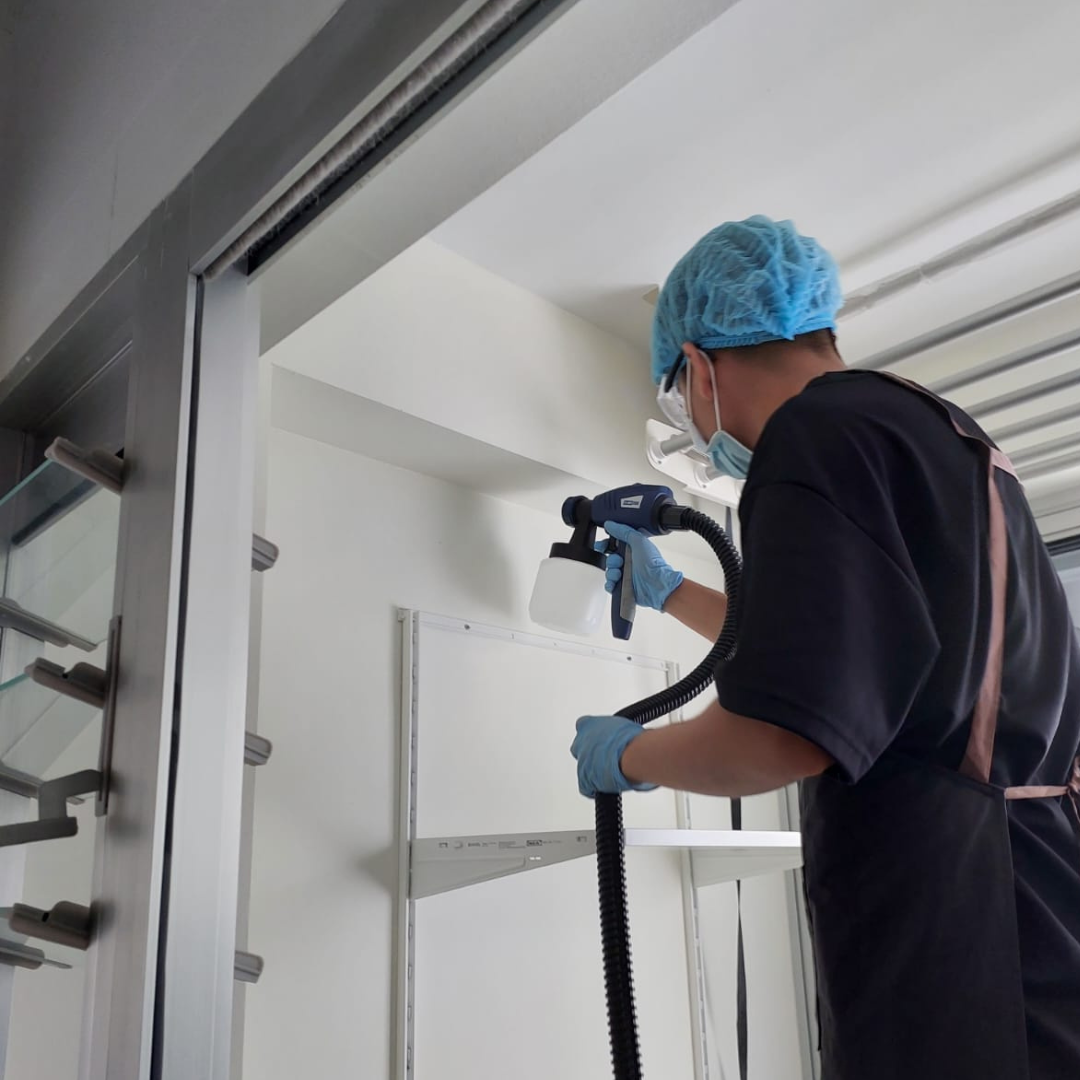
A mouldicide works chemically: the active is worked into the substrate so it stays in contact with hyphae that are below the visible surface. That contact time is the whole point, and it is the thing steam cannot deliver at depth.
The moisture problem
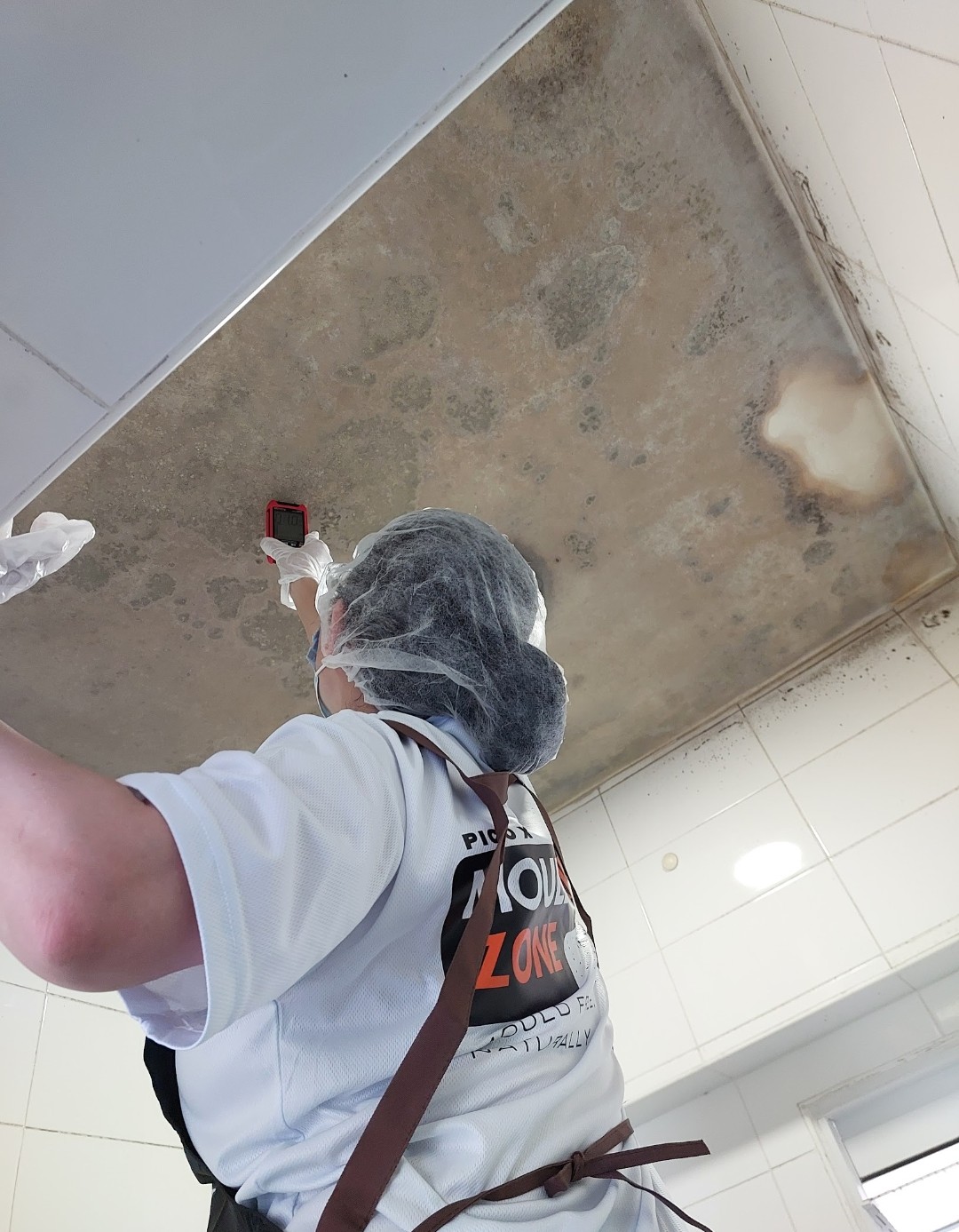
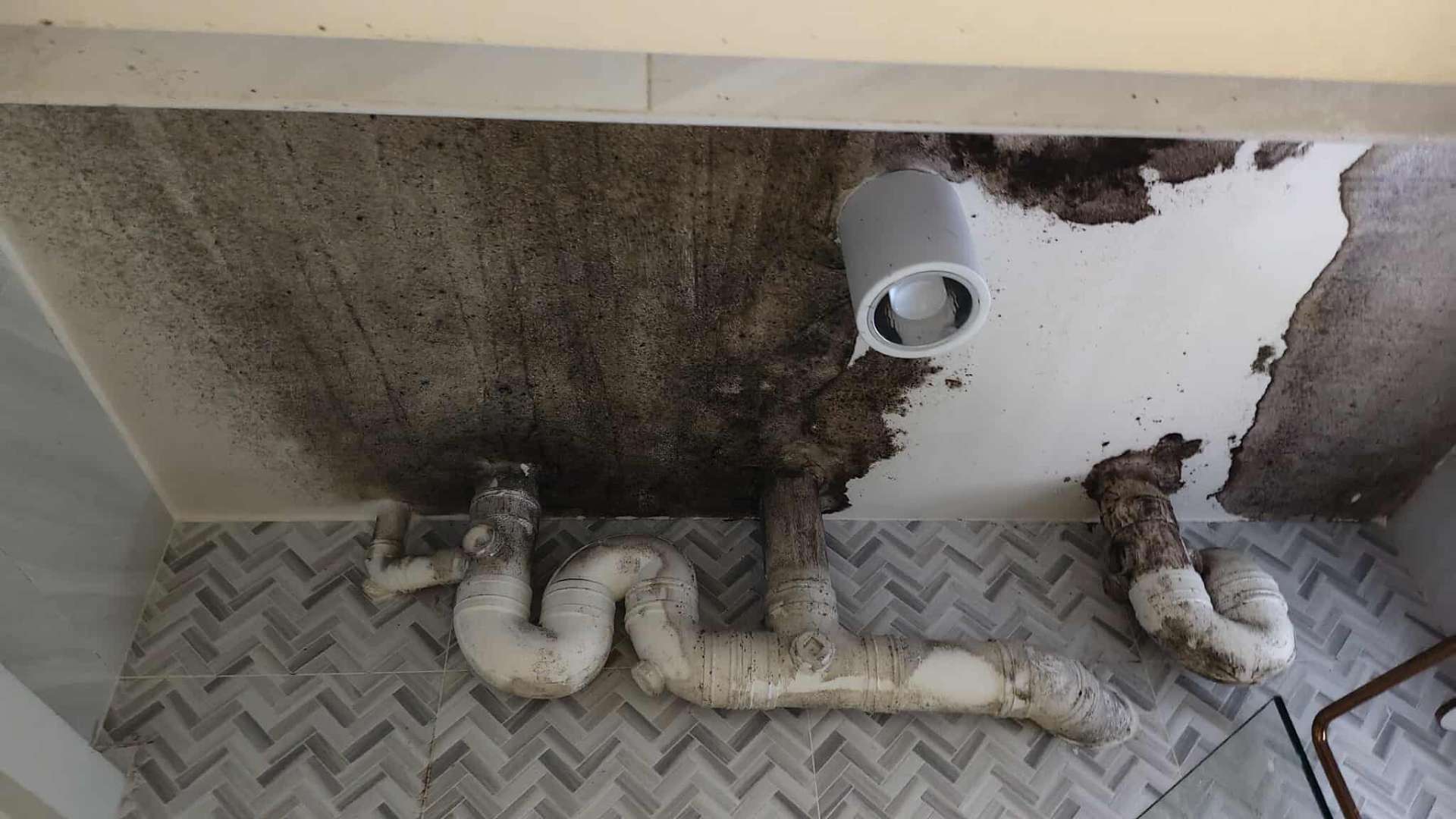
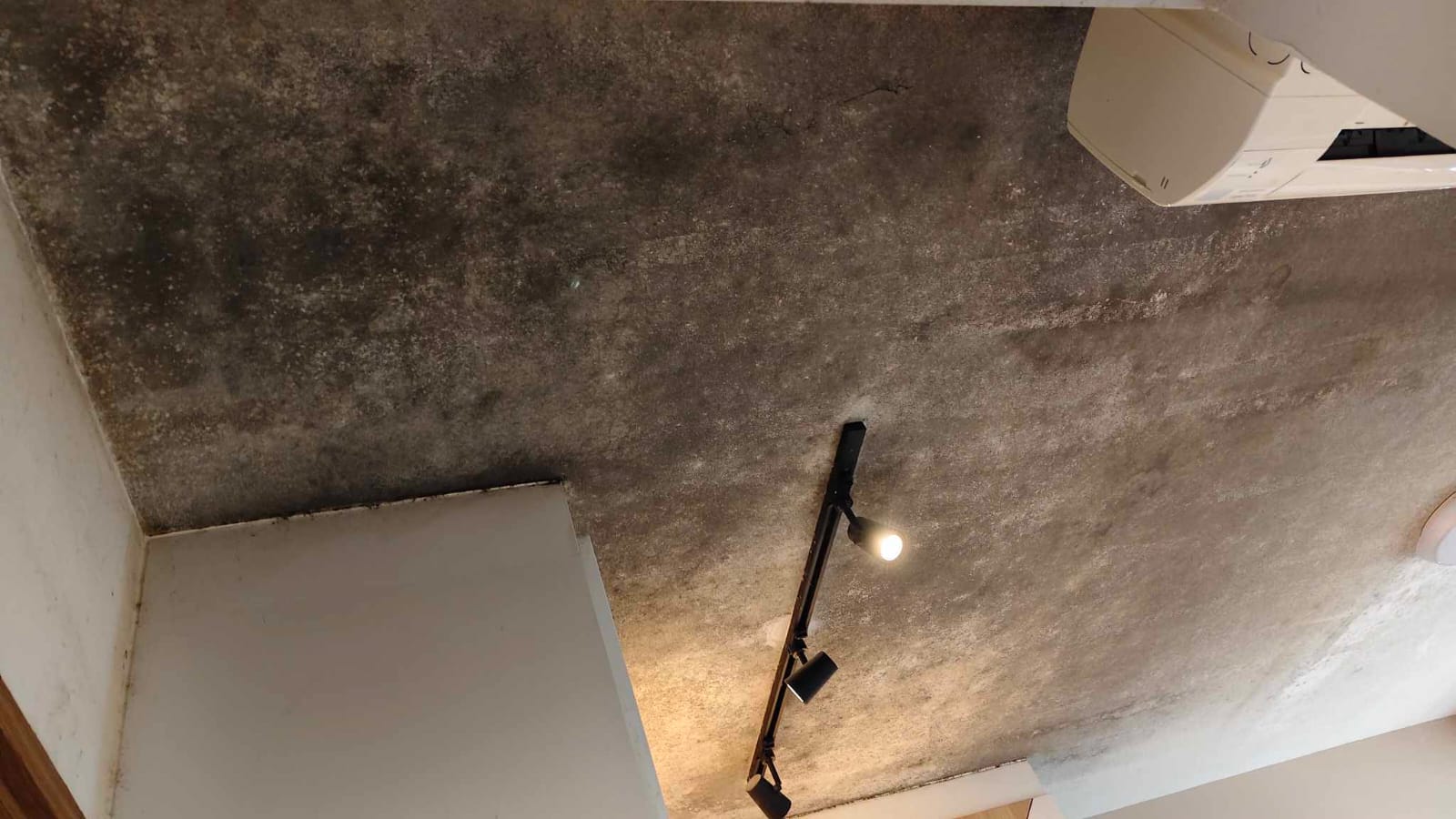
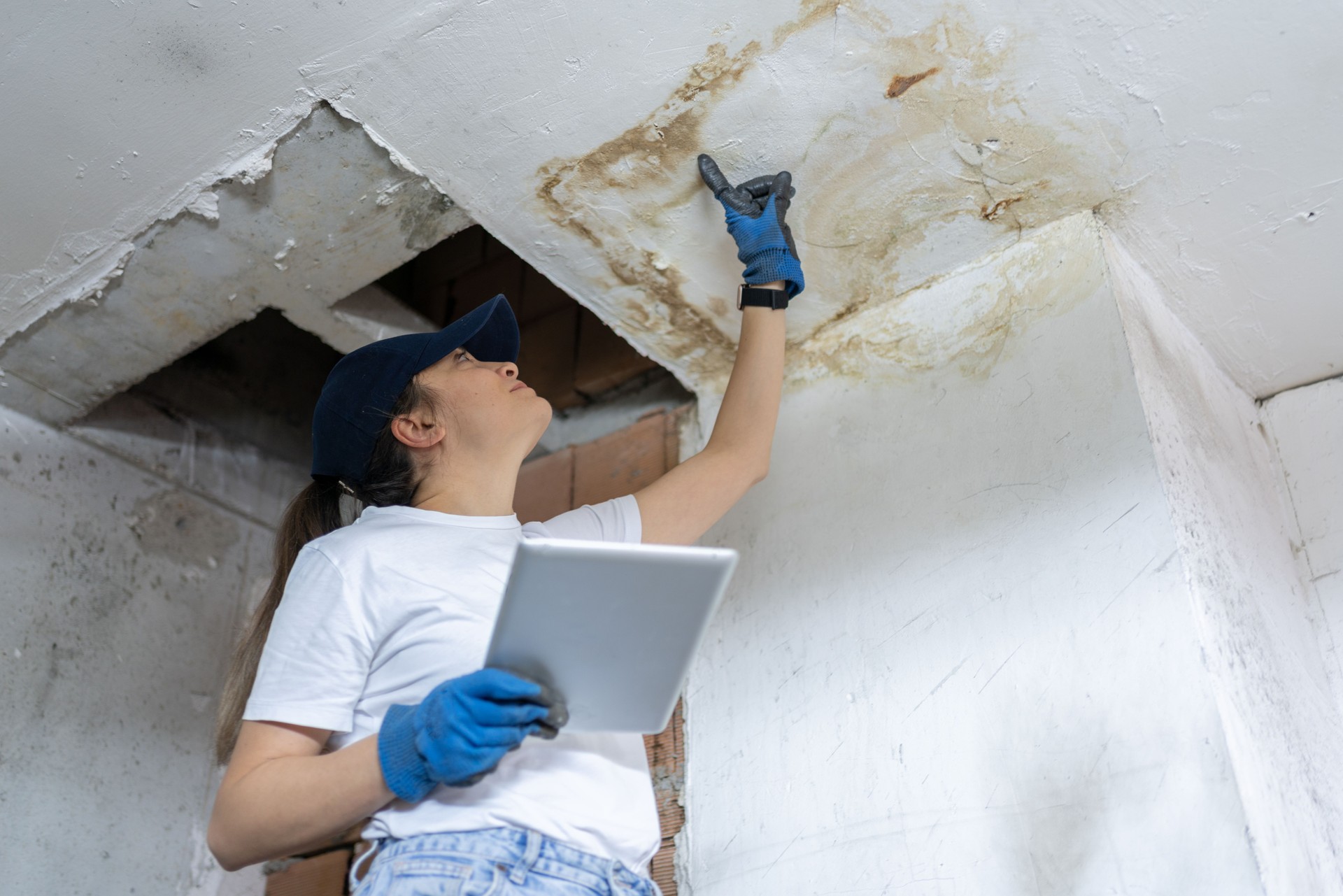
Almost every mould job in Singapore exists because a surface is too wet, too often. Steam adds water to that surface. On sealed tile it flashes off; on plaster and skim coat it soaks in and takes days to leave.
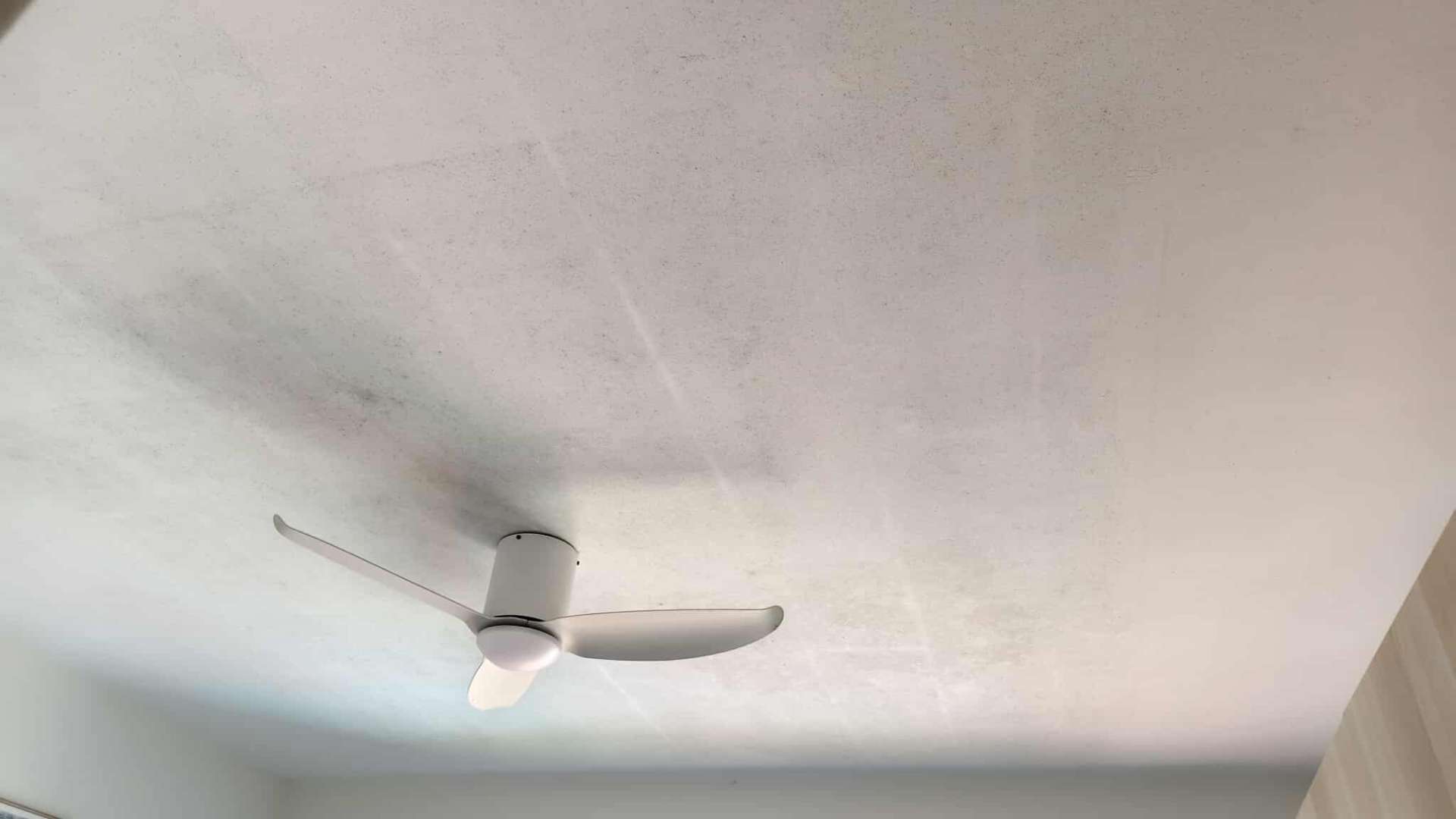
That is why a steam pass on a bedroom ceiling often looks perfect for a week and then blooms again in the same outline.
Where each one wins
Our field scoring puts steam at 6.8 out of 10 and direct mouldicide with sealer and anti-mould paint at 8.6:
- Steam wins on tile, grout, glass and hard non-porous finishes, and as a pre-clean before treatment
- Steam wins on chemistry avoidance, which matters to some households with infants
- Mouldicide wins on porous substrates — plaster, skim coat, timber, ceiling boards
- Mouldicide plus sealer and top coat is the only combination here that leaves residual protection behind
What we actually do on a job
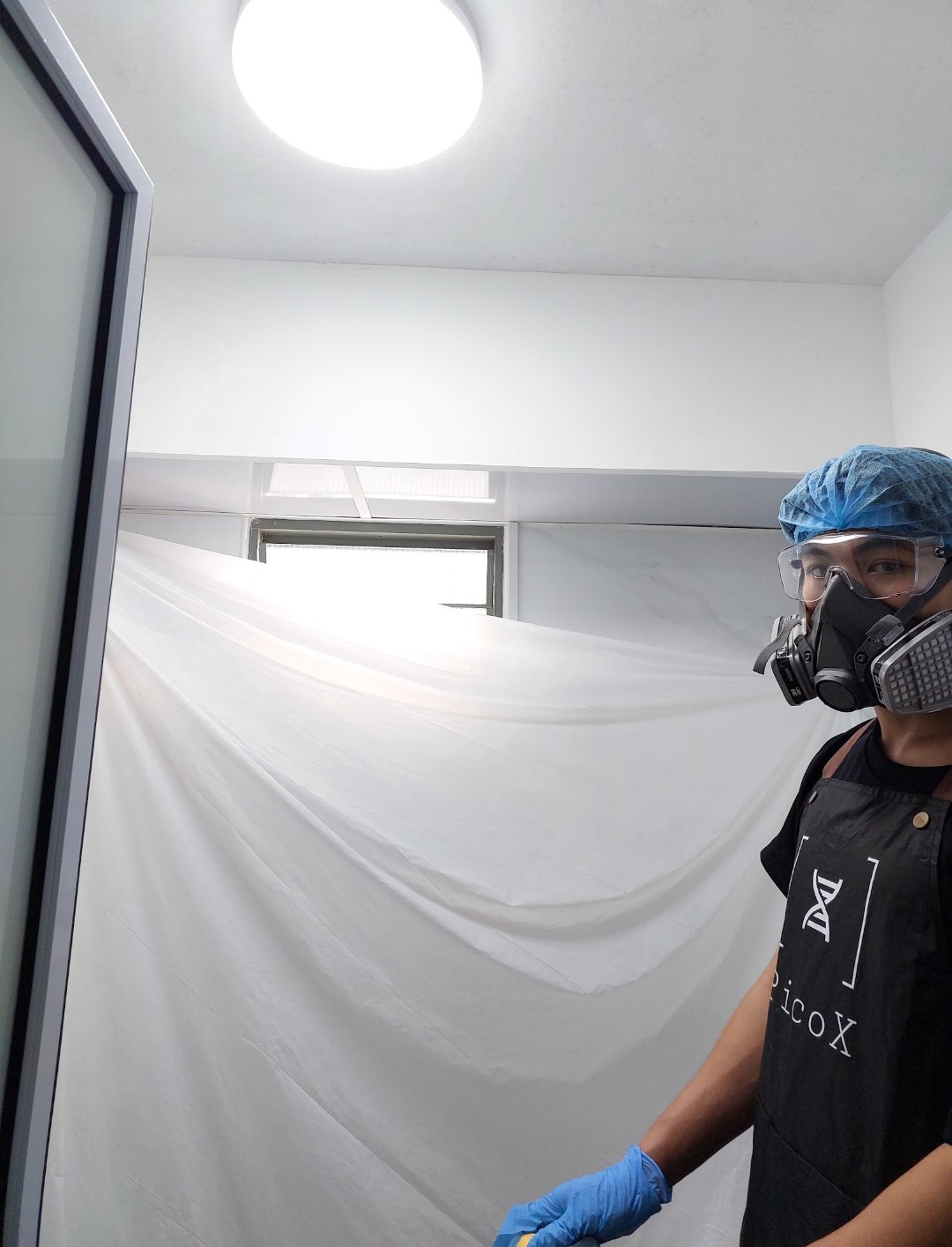
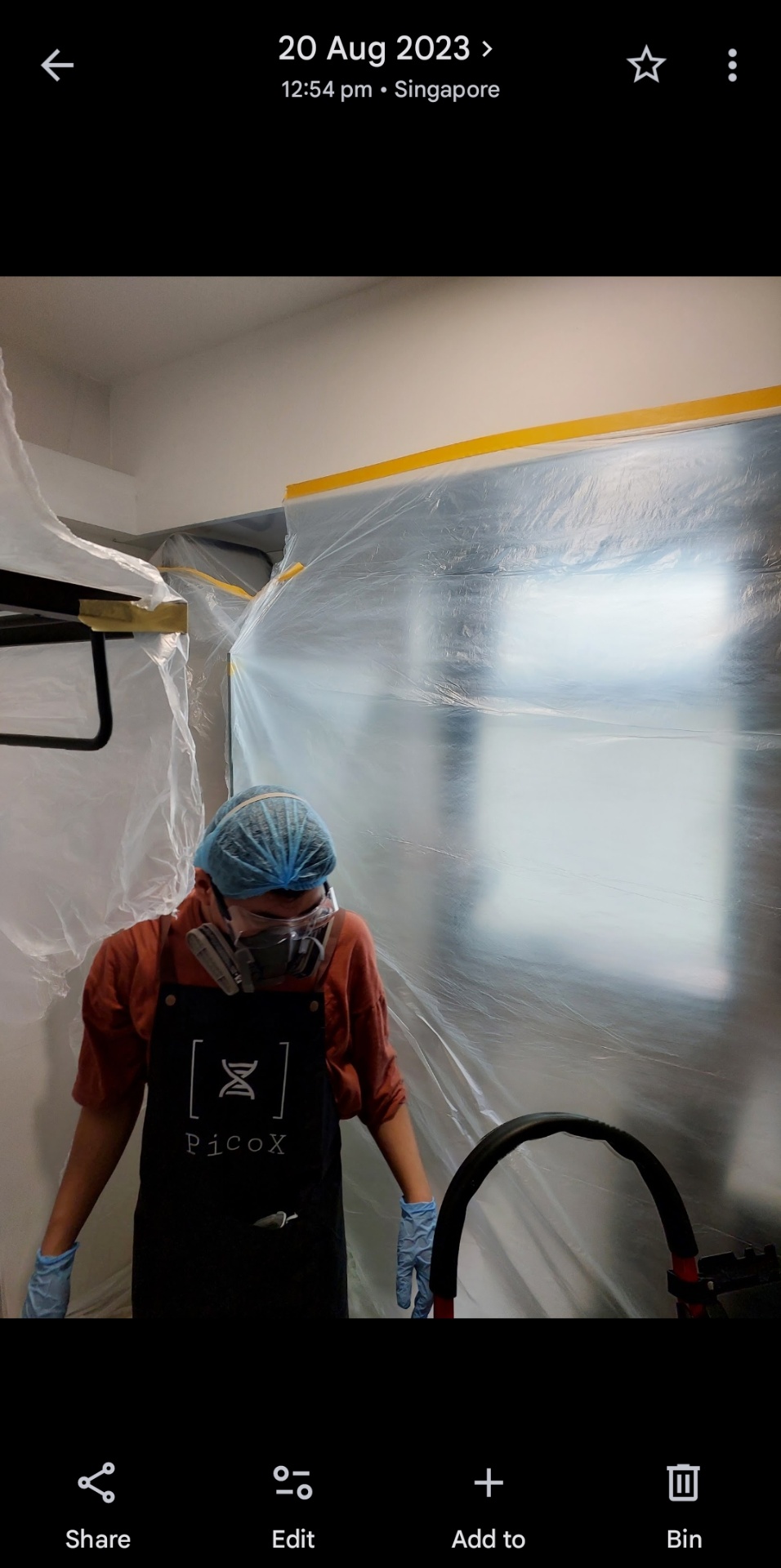
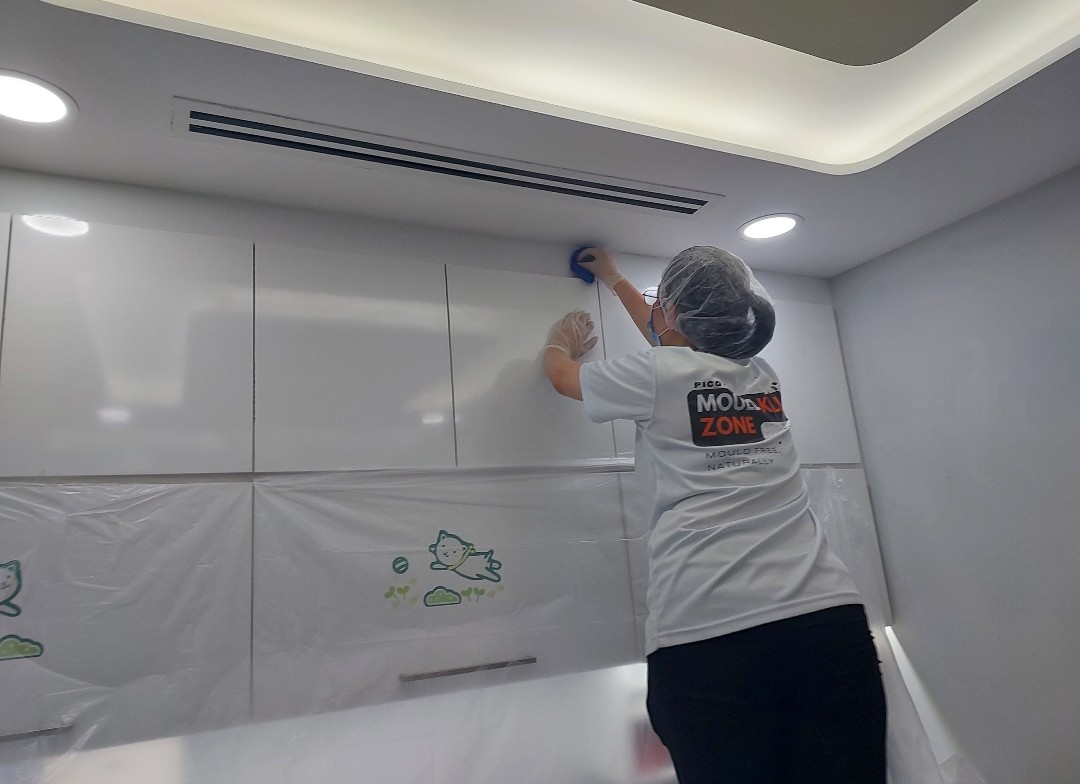
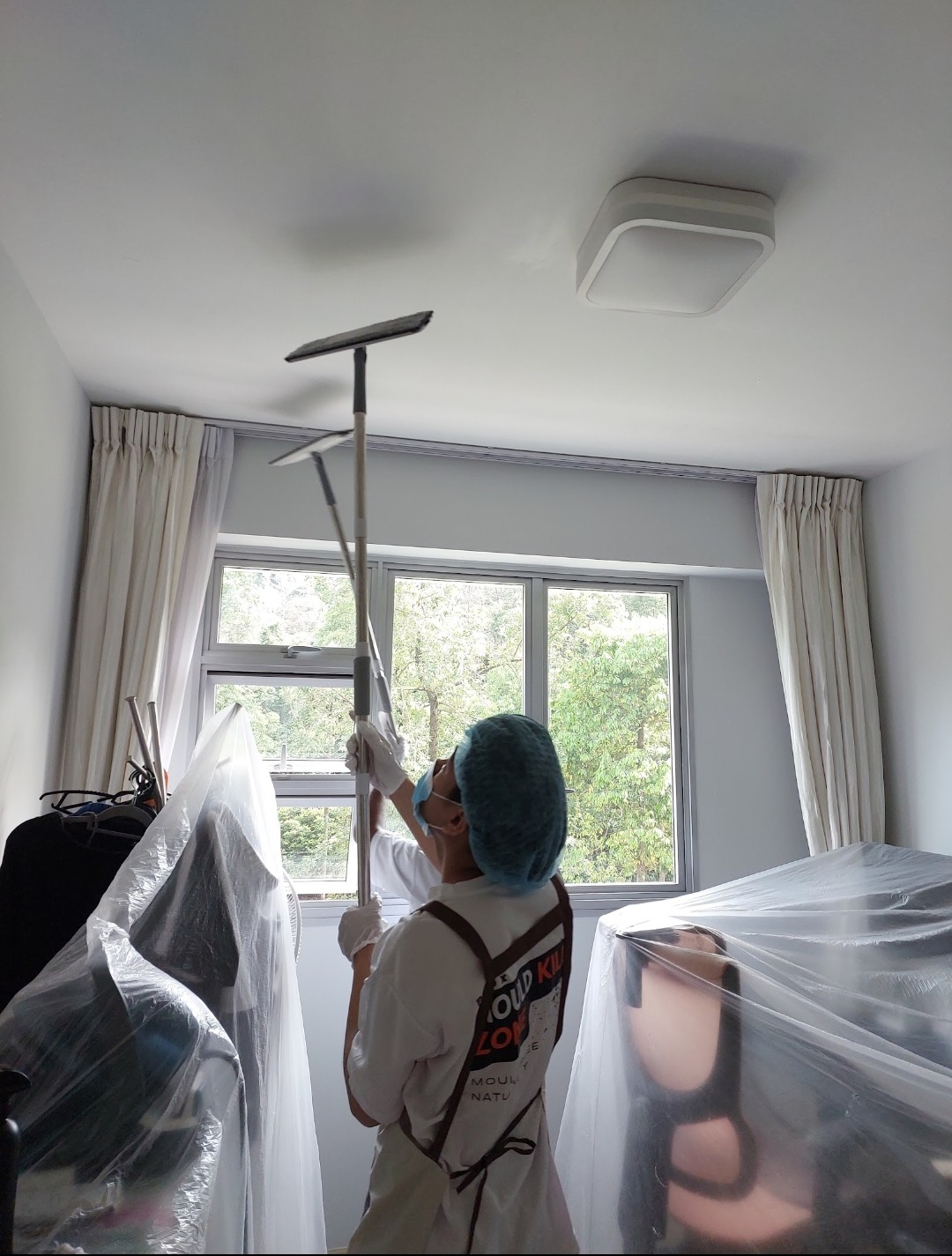
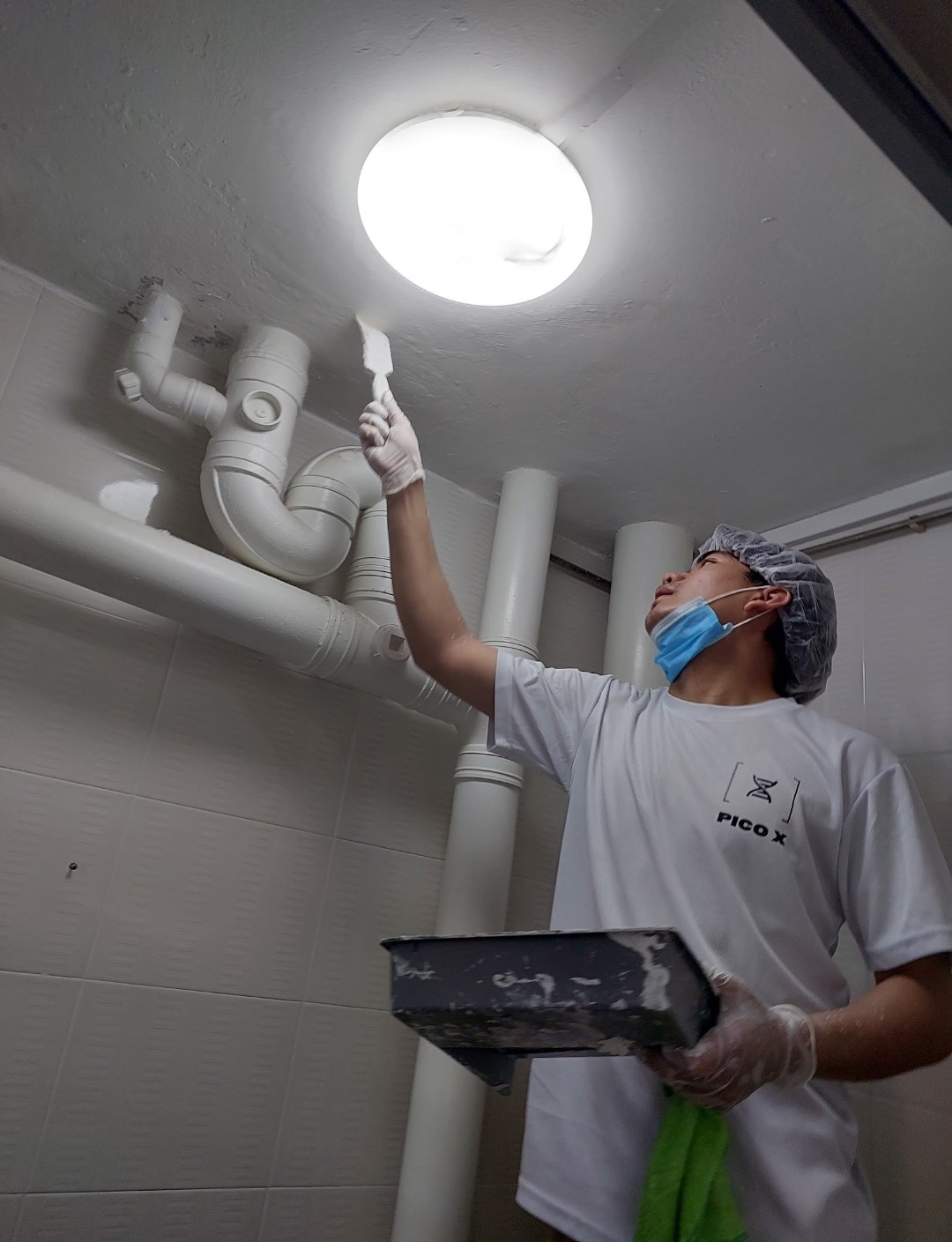
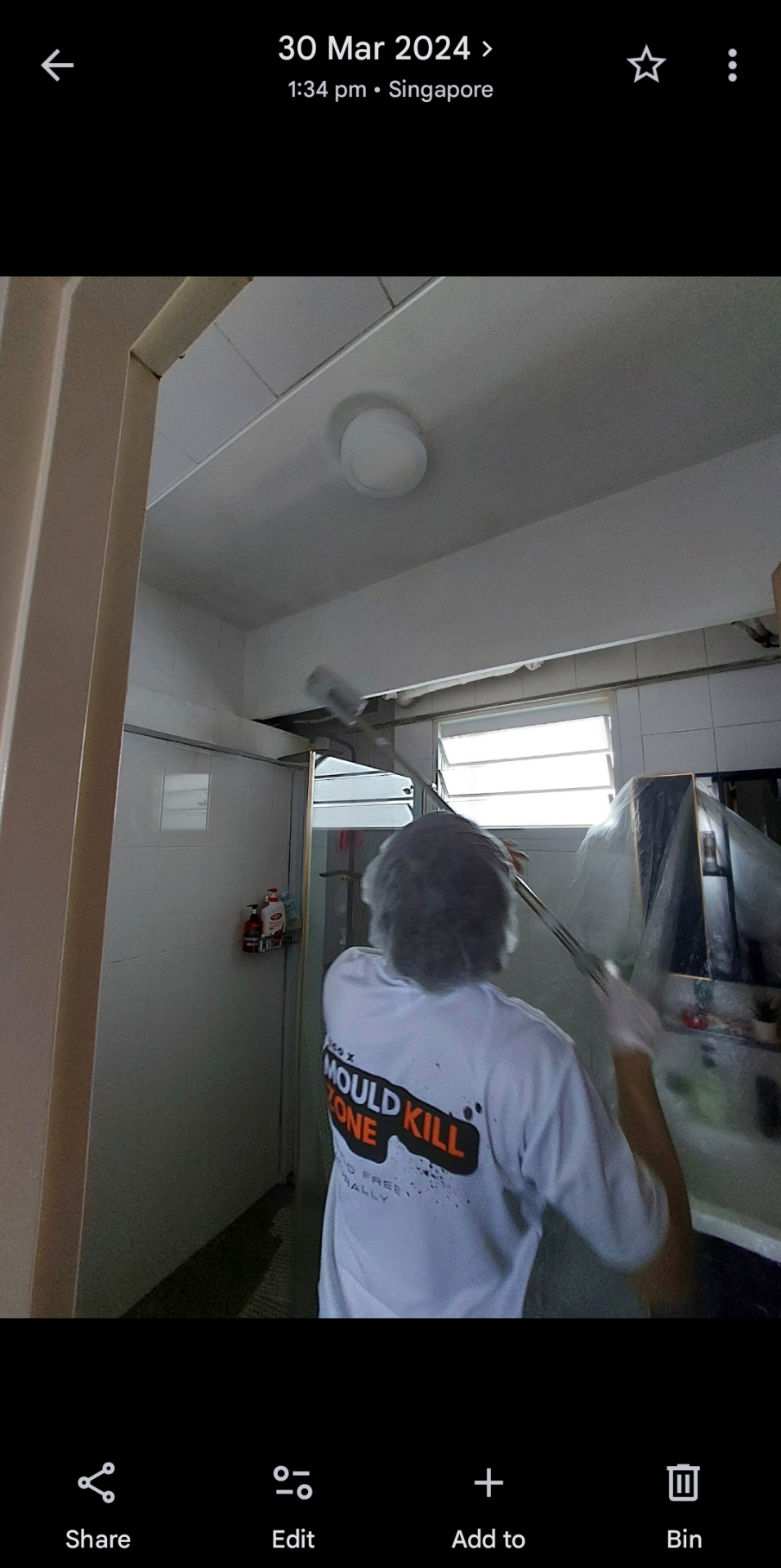
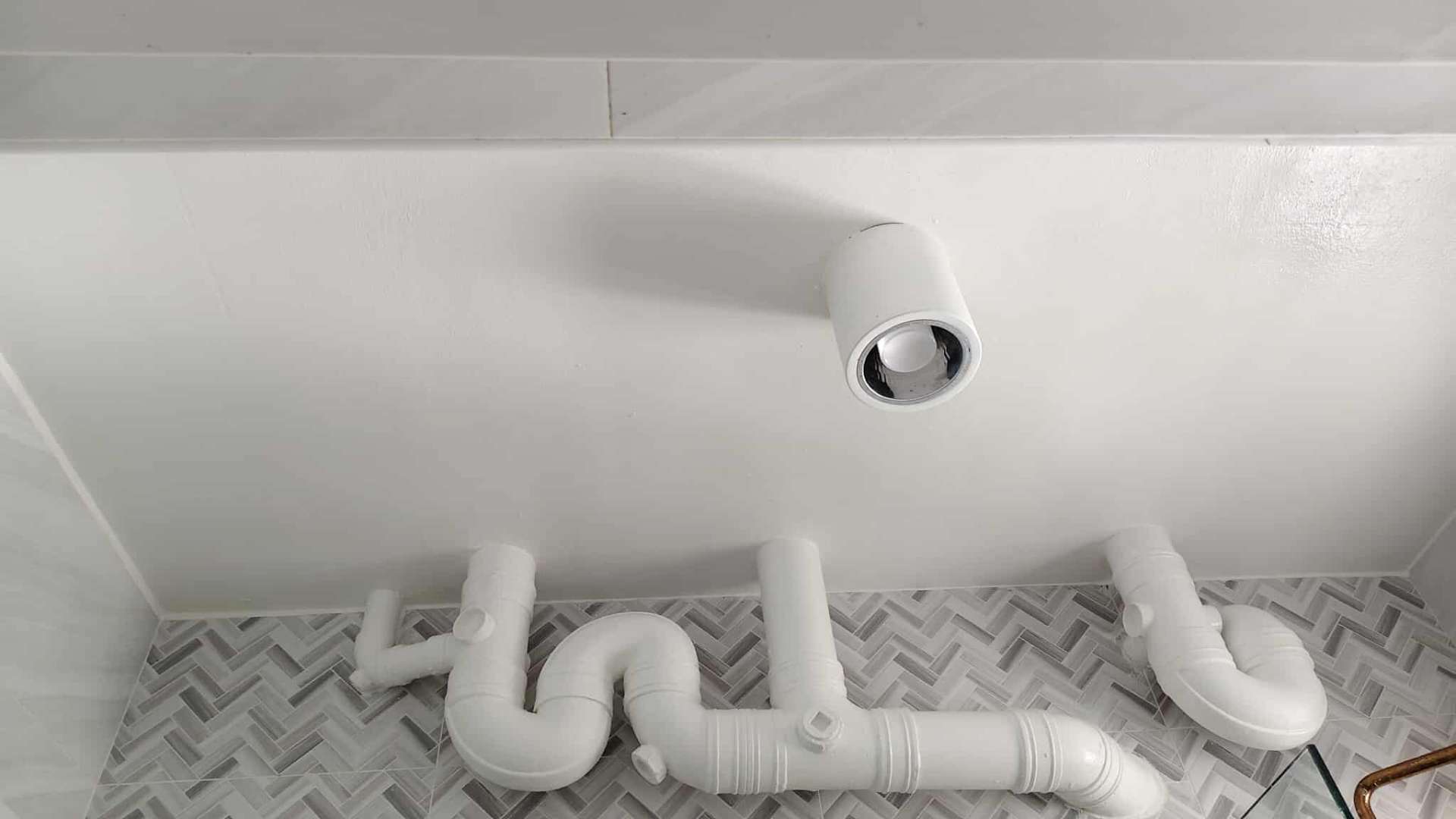
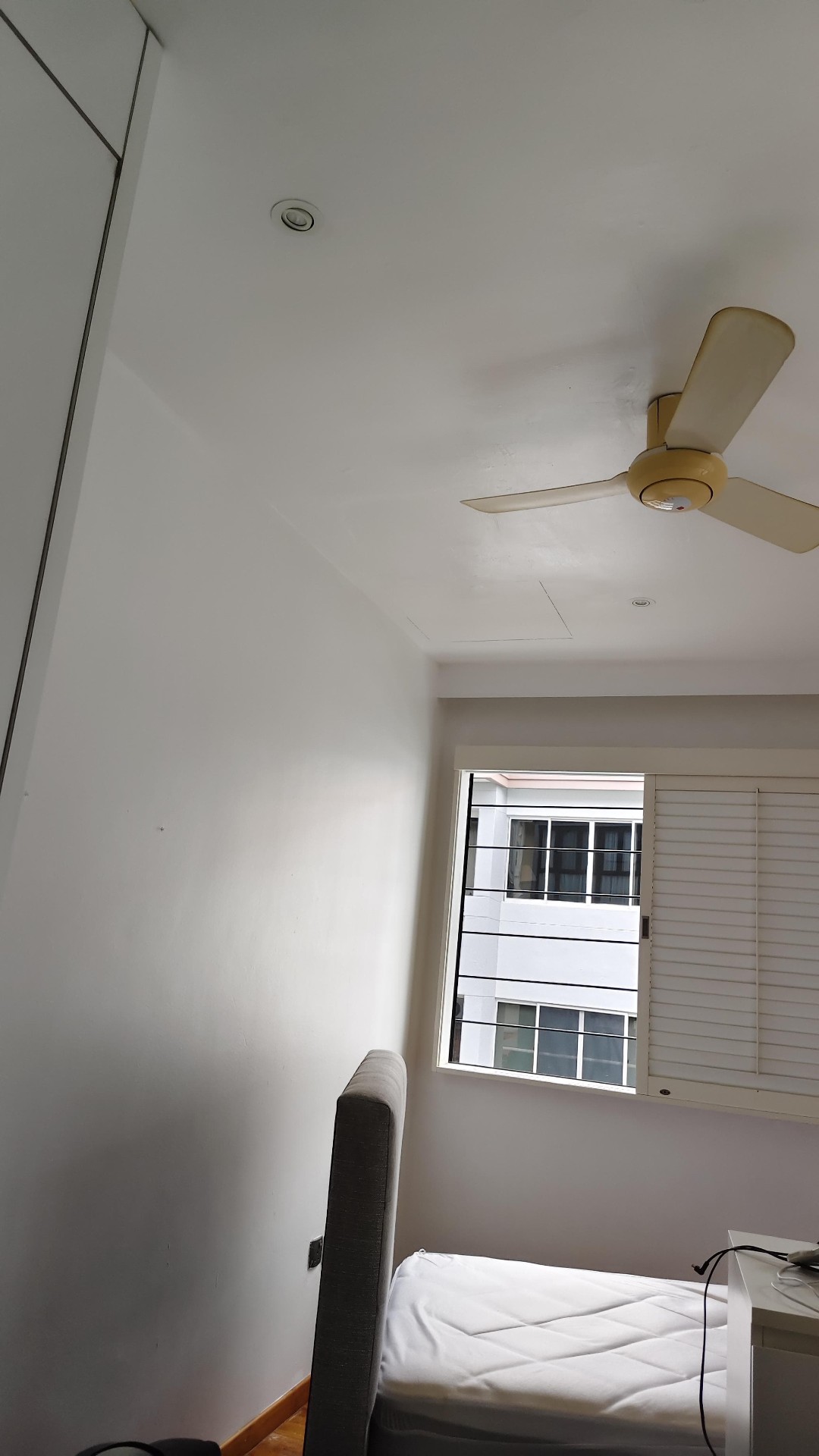
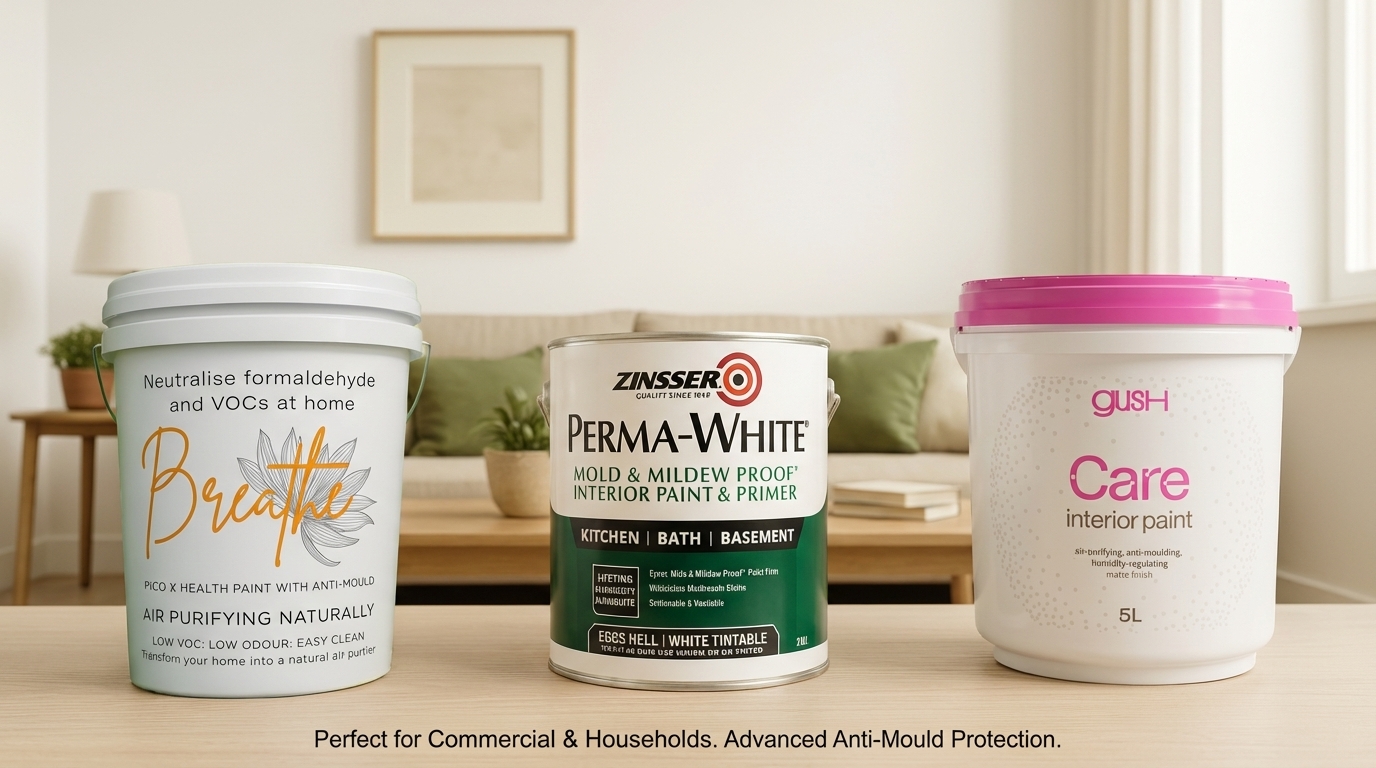
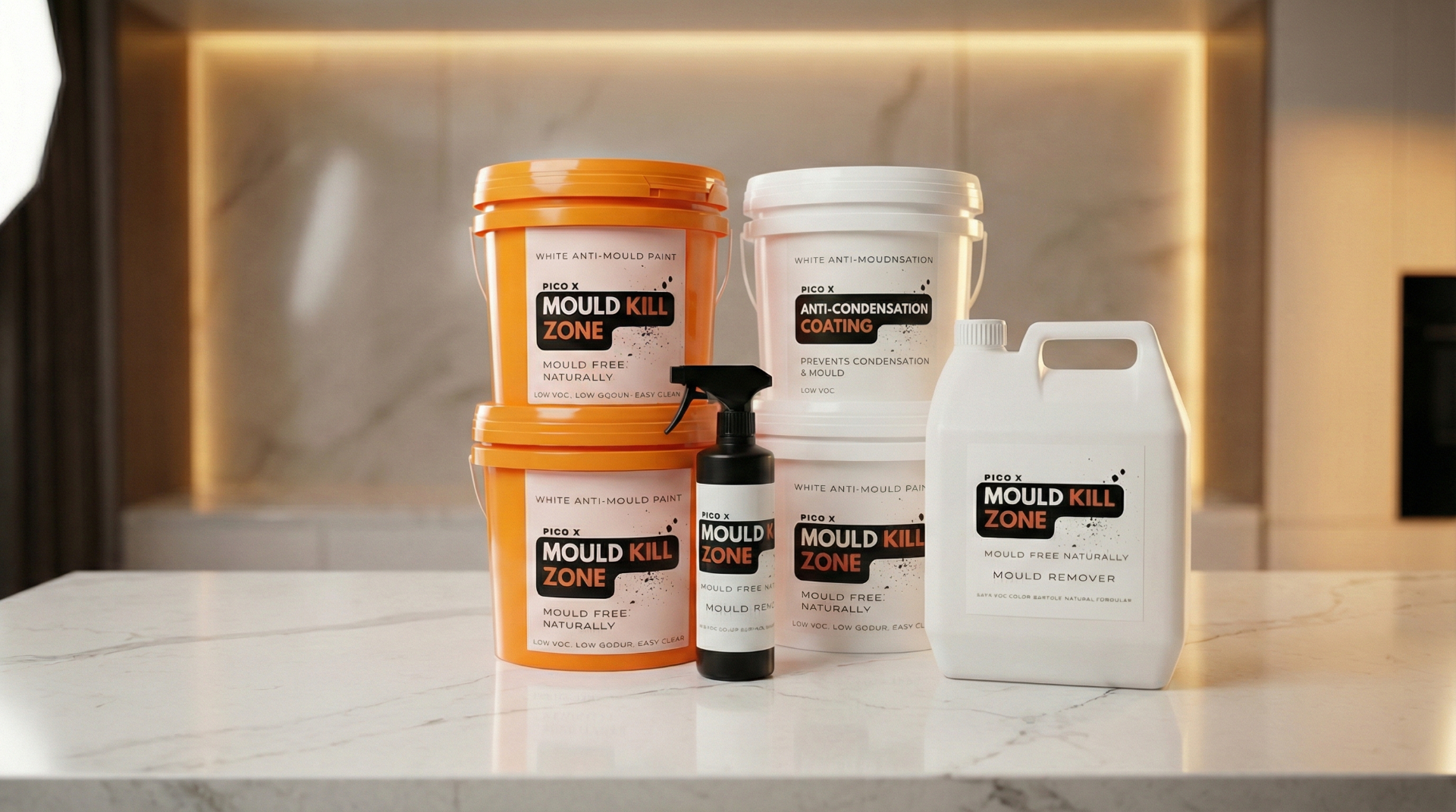
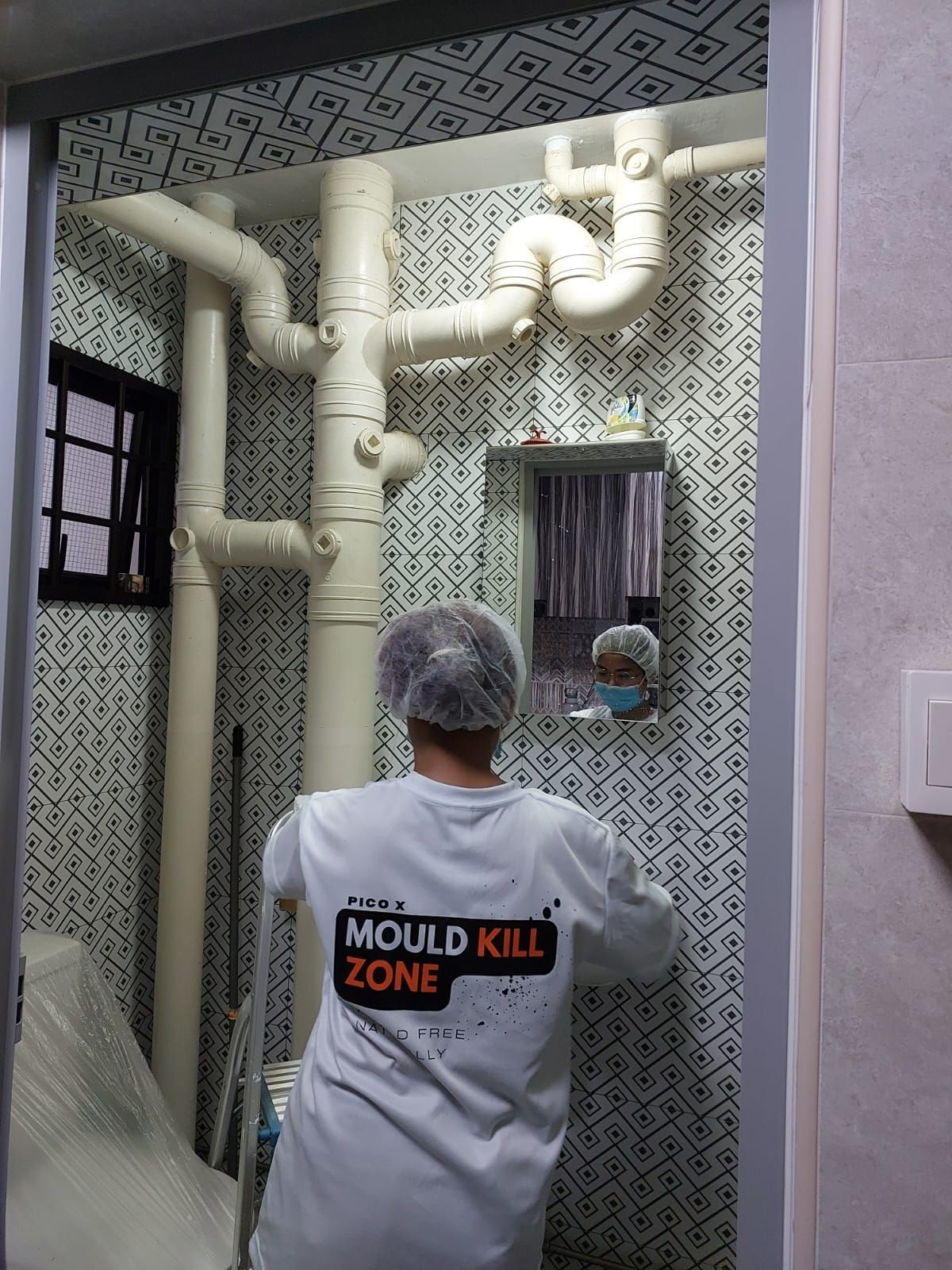
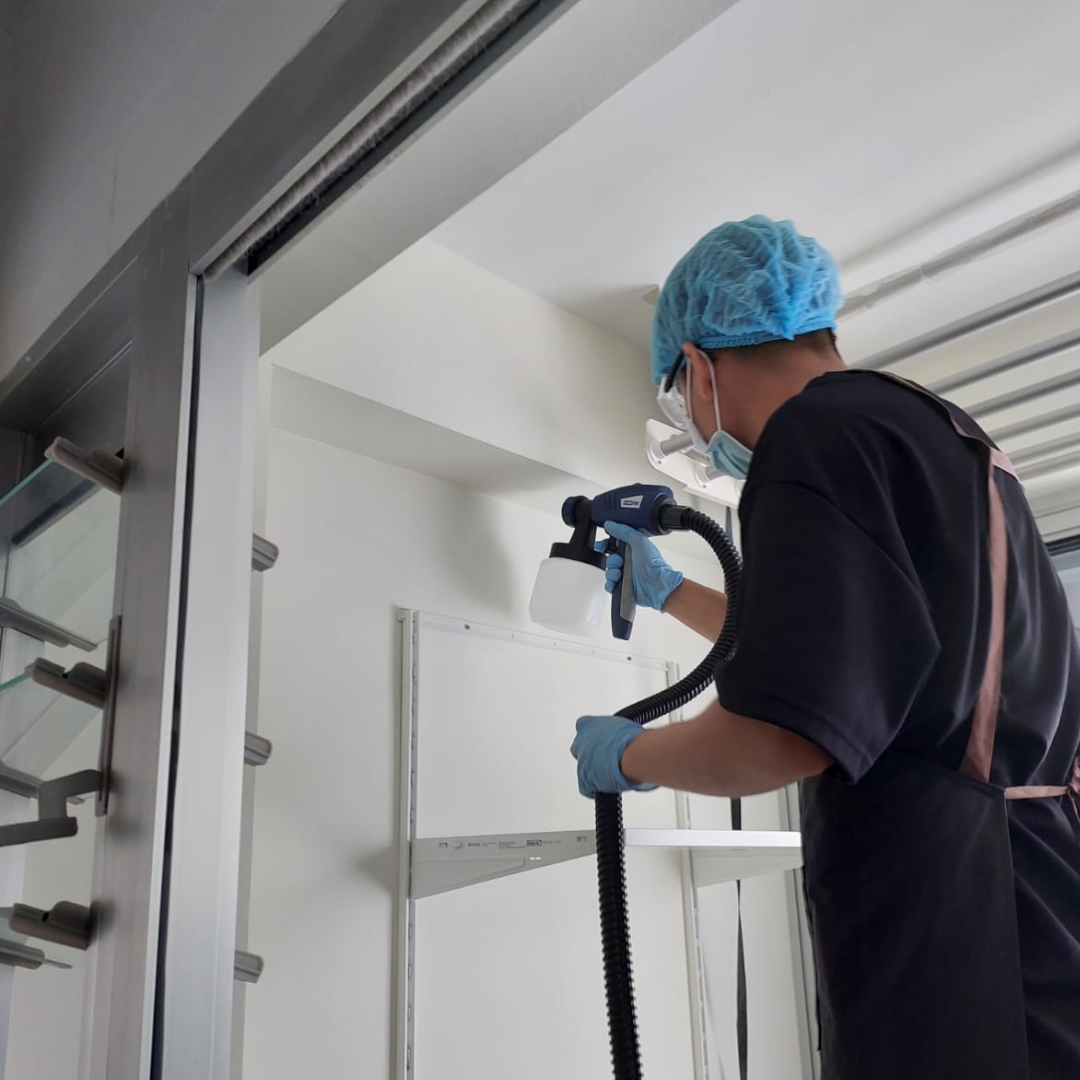
They are not mutually exclusive. Hard surfaces get physically cleaned, the substrate gets the mouldicide under sealed containment, dead biomass is removed, and then the prevention stage decides whether it comes back: Gush MouldSeal followed by an anti-mould top coat.
Essential Care is S$299 per full wall or ceiling — first surface Limited-time promoS$199 during the current promo — with a 6-month warranty. Signature Care is S$400 per full wall or ceiling with a 12-month warranty. Bathrooms are quoted as Toilet Refresh S$199 or Toilet Protection Pro S$400 instead.
Related Reading
Frequently Asked Questions
Does steam cleaning kill mould?
It kills mould at the point of contact through heat and lifts the biomass away, which works well on tile, grout and glass. Heat falls off quickly below the surface, so hyphae inside porous plaster generally survive.
Is steam better than chemicals for a home with a baby?
Steam avoids biocide chemistry, which some parents prefer, but the hot lance and wet run-off mean the room still has to be cleared during the pass. Our low-odour mouldicide protocol runs under sealed containment and normally lets the household stay home.
Can steam make mould worse?
On porous surfaces it can. Steam adds moisture to a substrate that is already too damp, and moisture is the reason the colony is there in the first place.
Do I still need paint after a mouldicide treatment?
Yes. Treatment handles what is growing today. The sealer and anti-mould top coat are what carry residual protection, and they are the reason the warranty exists.
Not sure which method your place needs?
Send a photo on WhatsApp — honest triage and transparent pricing.
WhatsApp Photo Quote Call +65 8751 5146