Quick Answer
UV-C light kills mould on surfaces that receive direct, sustained exposure at close range, which makes it useful inside aircon coils and ducting. It only works in line of sight, has no effect on shadowed or porous surfaces, and leaves no residual protection once the lamp is switched off.
Based on: HVAC Mould Prevention Study · Field Data Verification · Pico X Health Research
Dose, distance and dwell time
UV-C inactivation depends on dose: intensity multiplied by exposure time. Intensity falls away sharply with distance, so a lamp waved across a wall for a few seconds delivers a fraction of what the same lamp delivers held close for minutes.
Mould spores are also considerably more UV-resistant than bacteria, and pigmented species more resistant again. That combination is why handheld passes over a ceiling produce very little.
Line of sight is the hard limit
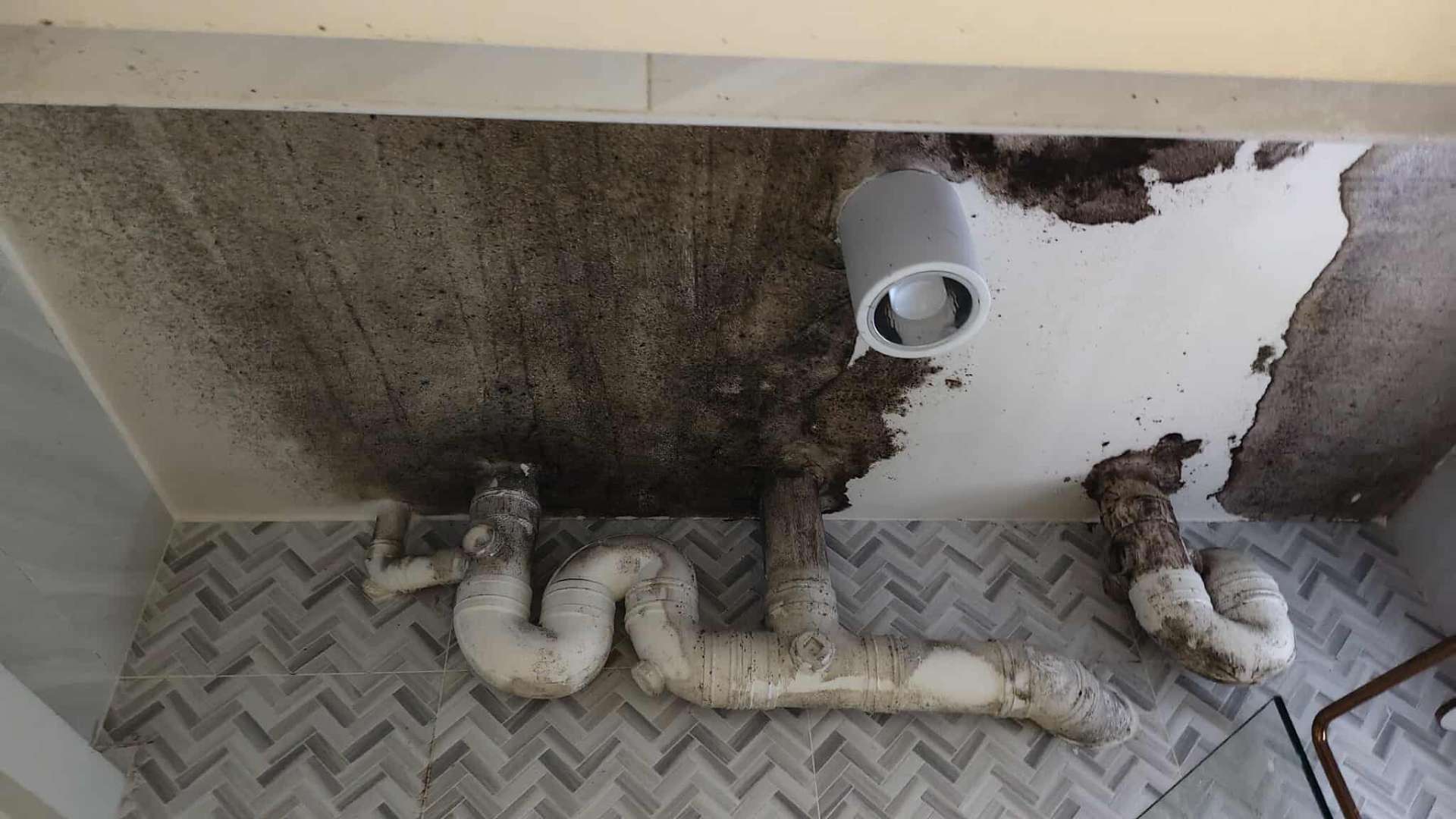
UV-C only affects what it illuminates directly. In a real room that rules out:
- Hyphae growing inside porous plaster, skim coat and grout
- Anything behind skirting, cornice, furniture or a bulkhead
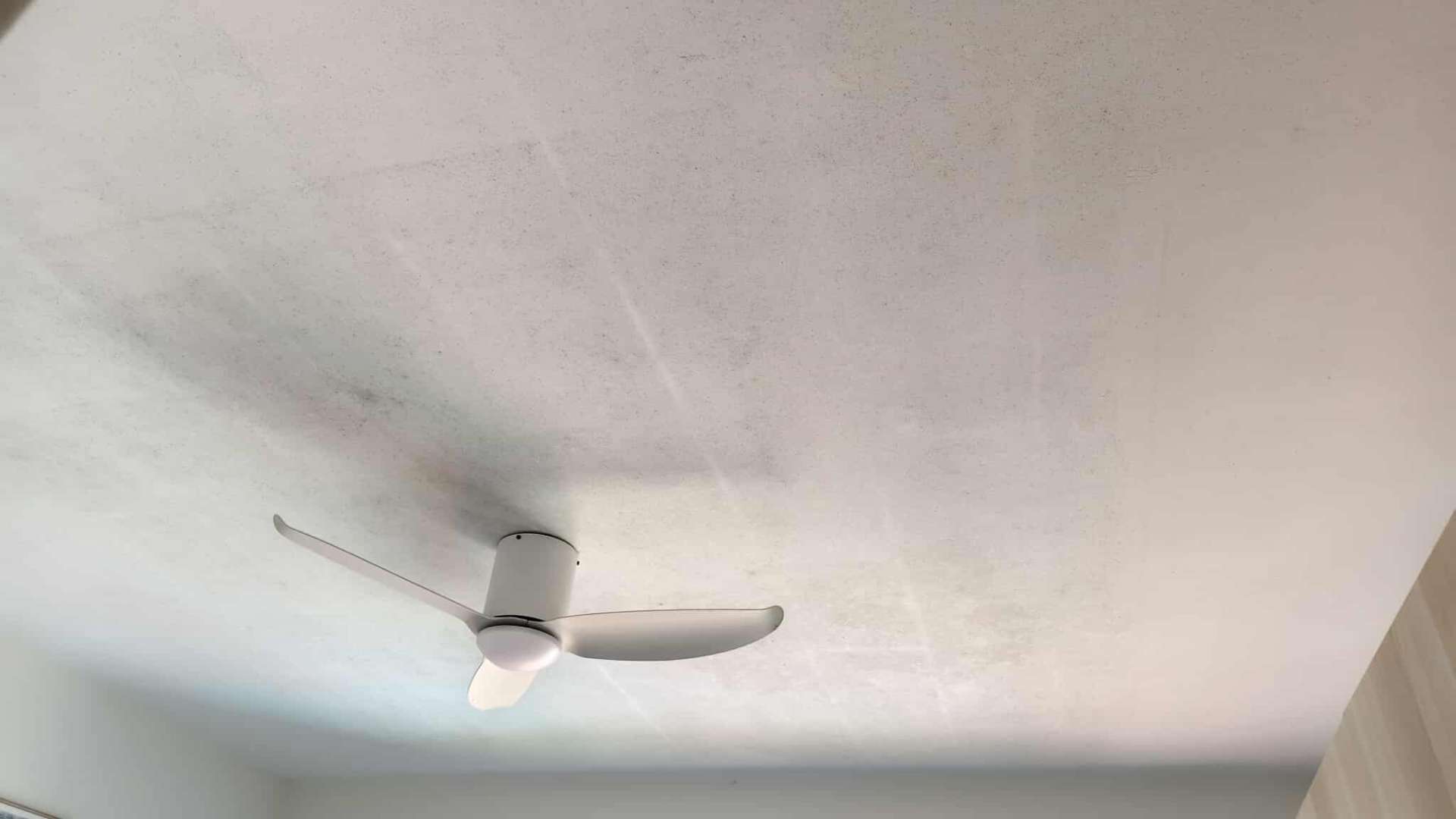
- Textured surfaces where the peaks shade the troughs
- Dust-covered surfaces — the dust absorbs the dose before it reaches the spore
Where UV-C does earn its place
Inside an air handler the geometry finally works: fixed lamp, short distance, continuous exposure, non-porous coil surfaces. That is why UV-C fittings are a reasonable addition to a mechanical aircon clean.
Treat it as an air-handling accessory, not a wall or ceiling remediation method. On our scorecard it totals 5.4 out of 10 — the effectiveness score of 4 is what holds it back.
Safety around the household
UV-C burns skin and eyes on direct exposure, so the room is cleared while a lamp runs. Once it is off there is nothing left behind, which is why it still scores better on health than ozone.
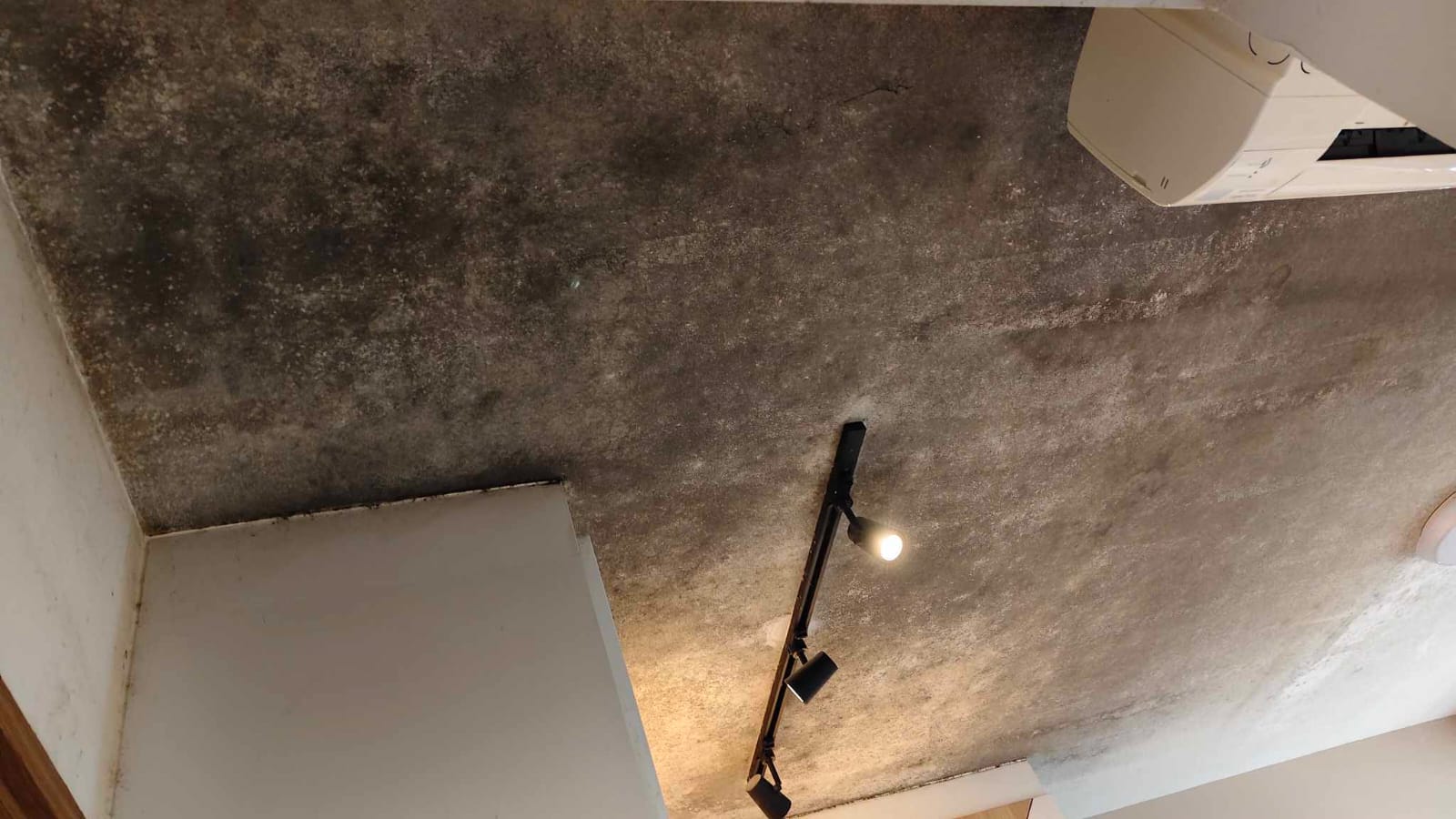
For an occupied family home the practical downside is not toxicity but futility: a lamp pass over a mouldy ceiling leaves the colony alive and the surface unprotected.
Related Reading
Frequently Asked Questions
Does a UV lamp remove mould stains?
No. UV-C can deactivate spores it directly illuminates, but it does not remove the dead biomass or the pigment, so the stain stays visible.
Are UV air purifiers useful against mould?
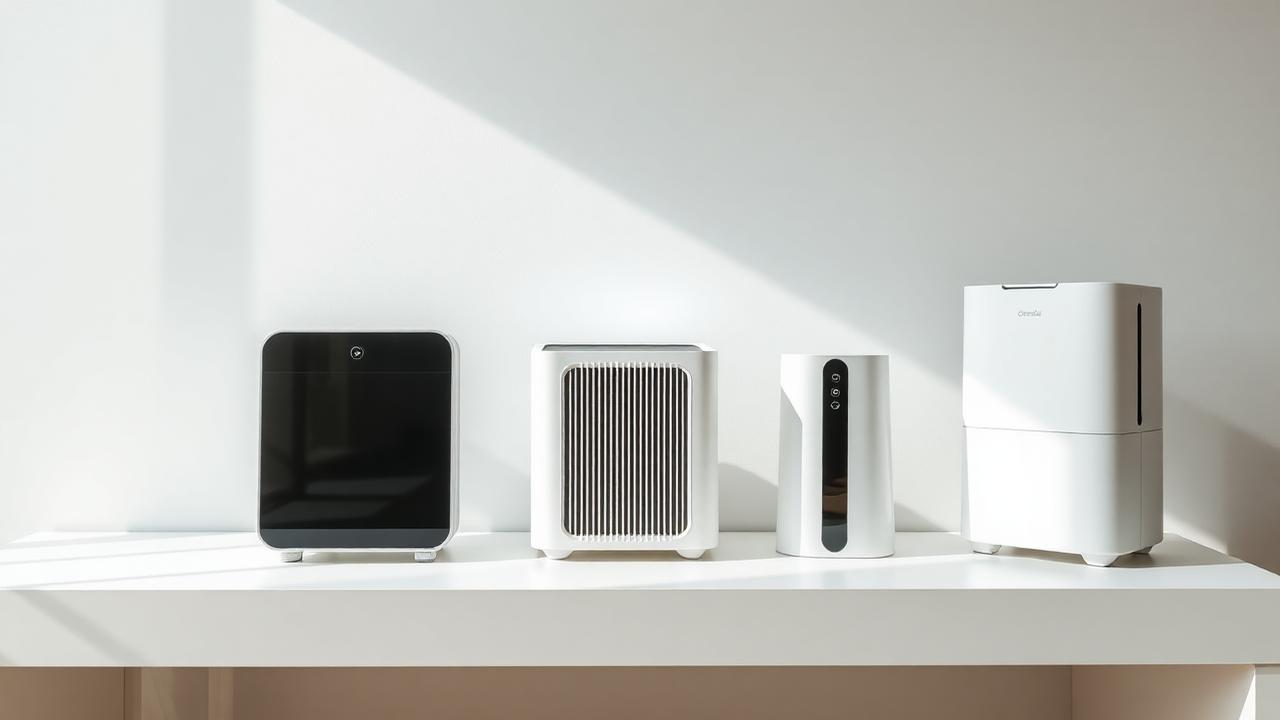
They can reduce viable spores in circulating air, which helps comfort. They do nothing about the colony on the wall, which is the source that keeps refilling the air.
Is UV-C safe with children and pets in the home?
Direct UV-C exposure burns skin and eyes, so the treated room must be empty while the lamp runs. There is no residue afterwards.
Should I add UV to my aircon?
It is a reasonable addition inside coils and ducting, alongside a proper mechanical aircon mould clean. It is not a substitute for treating mould on walls and ceilings.
Not sure which method your place needs?
Send a photo on WhatsApp — honest triage and transparent pricing.
WhatsApp Photo Quote Call +65 8751 5146