
Mould Removal Methods That Actually Work in Singapore — Kill, Paint, Prevent
Fogging, ozone, UV lamps, dry ice — every contractor sells a machine. Here is what each method genuinely does, what it quietly leaves undone, and why three simple factors decide whether the mould is back in three months.
WhatsApp a Photo for AdviceQuick Answer
Every effective mould removal method does three things: kills the colony at the surface, seals that surface so it cannot host mould again, and removes the moisture feeding it. Ozone, fogging and UV can deactivate spores but leave no residual protection and fix no moisture source, so the mould returns. Pico X Health treats, coats and prevents Limited-time promoat $199.
Based on: Field Data Verification Pico X Health Research Pico X Health Case Studies
What are the different mould removal methods?
We have used or inherited the aftermath of all of these on Singapore jobs. This is the honest version — including where the machines genuinely earn their keep.
- Chemical fogging / misting. Disperses a biocide as an aerosol, deactivating airborne and lightly settled spores. It does not scrub the colony out of a porous substrate, does not remove dead biomass (still allergenic), leaves no residual film, and does nothing about the water source.
- Ozone shock treatment. Oxidises airborne spores and neutralises musty odour very effectively in a sealed room. Ozone is a gas — it does not penetrate paint film, plaster or grout where the colony actually lives, so the odour returns with the colony. Occupants, pets and plants must leave, and ozone is a respiratory irritant at treatment concentrations.
- UV-C light. Deactivates spores on surfaces receiving direct, sustained exposure — genuinely useful inside aircon coils and ducting. Line-of-sight only, with no residual effect once the lamp is off.
- Dry ice blasting. Physically strips mould and biomass off timber and structural surfaces without water. Leaves no protective coating and fixes no moisture source; justified on structural timber and post-flood work, hard to justify on an HDB bathroom ceiling.
- Generic anti-mould wash / bleach. Removes the visible black stain quickly and cheaply, but bleach whitens the pigment rather than killing hyphae inside porous substrates, and adds water to a wall that already has a moisture problem. The stain is usually back within weeks.
- Kill · Paint · Prevent (our protocol). Contained antimicrobial treatment at the substrate, an engineered anti-mould coating over it, then the moisture source resolved. Not the right tool for category-3 floodwater or heavy structural saturation on its own.
How to remove mould from walls
For a small patch on a dry wall, this is the sequence that holds up in Singapore humidity.
- Confirm it is surface mould, not a wet wall. If the plaster is soft, cool or staining outward from one point, you have an active leak or seepage and cleaning it will achieve nothing.
- Contain before you disturb it. Close the door, open a window to outside, wear an N95 and gloves. Disturbing a colony without containment is what spreads it to the next room.
- Treat, don't bleach. Use a proper antimicrobial cleaner. Bleach lightens the pigment while leaving hyphae alive inside porous plaster, and adds water to the wall.
- Let it dry completely, then coat. Untreated, uncoated plaster re-colonises in weeks. An anti-mould primer plus a mould-resistant topcoat is what makes the repair last.
- Fix the humidity or it comes back. Ventilation, a dehumidifier, or condensation control on the cold surface. Every step above is temporary without this one.
Recurring, larger than half a square metre, or on plaster? See our wall mould service.
How to remove mould from ceilings
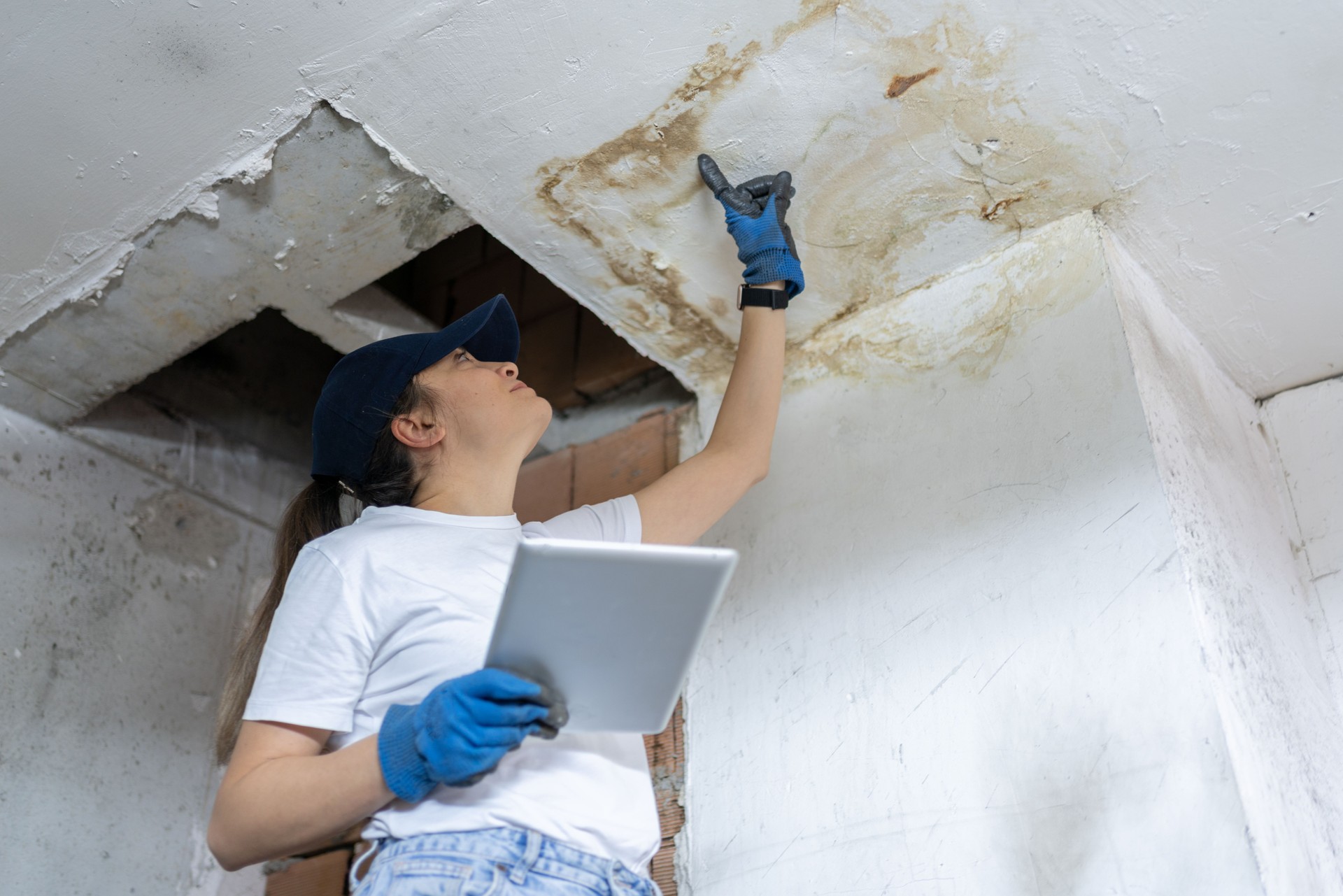
Ceiling mould is almost never a cleaning problem. Mould grows on a ceiling because water is arriving there — an upstairs leak, a failed waterproofing membrane, or condensation forming on a cold surface near an aircon ledge or bulkhead. Treat the ceiling without finding which of the three it is and the patch returns in the same outline.
- Upstairs or neighbour leak: the stain is localised, sharply outlined and often damp to the touch. A documented inspection report settles who is responsible.
- Failed waterproofing: common in toilets below a wet area. Waterproofing and source fix comes before any coating.
- Condensation: diffuse patches near aircon ledges, bulkheads and cold pipe runs. Anti-condensation treatment is the fix, not stronger chemicals.
Kill · Paint · Prevent — the three factors that decide if mould returns
No ozone shock, no fogging machine, no UV lamp. Every method on the market is judged on the same three things, and only these three change the outcome.
- Kill — the colony at the substrate. sealed containment, hospital-grade antimicrobial worked into the surface — not a wipe over the film. Spores are deactivated and the dead biomass is physically removed, not blown around the room.
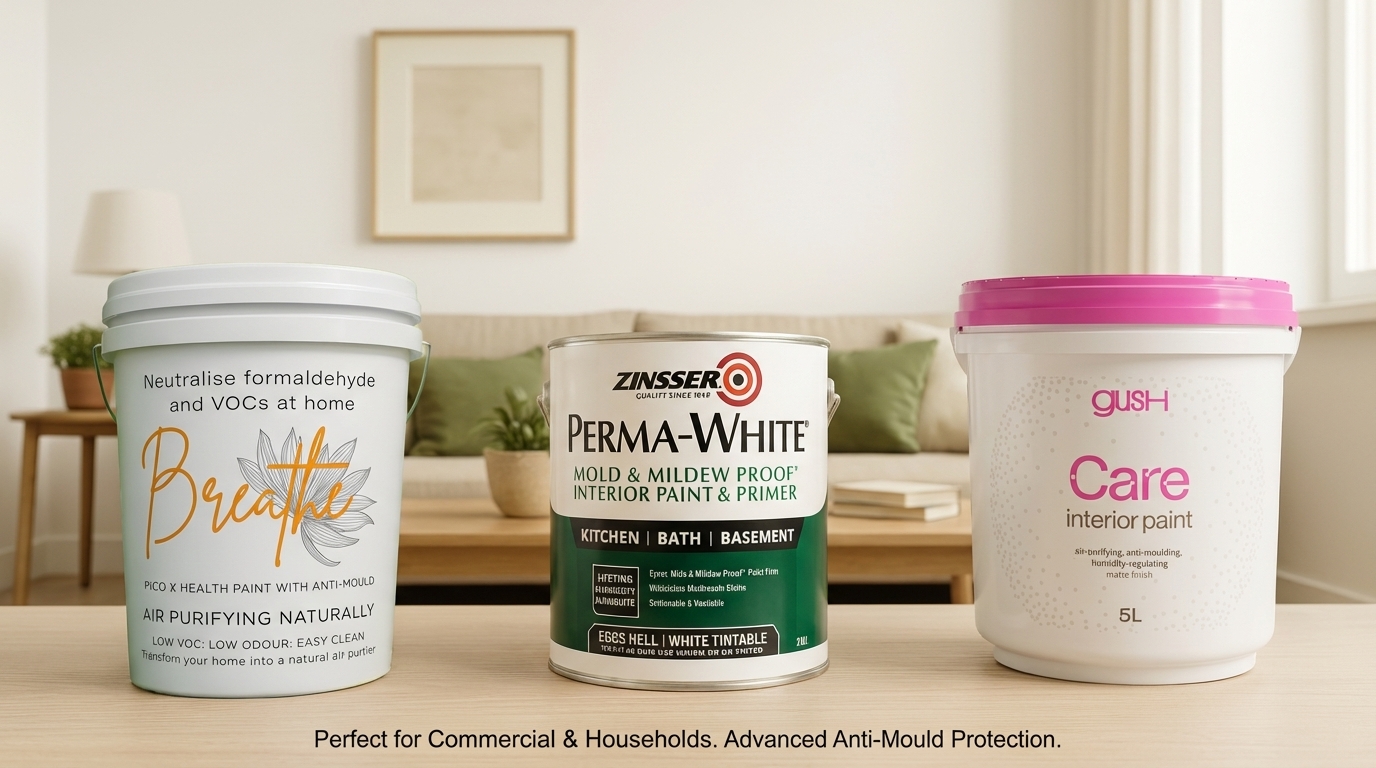
- Paint — seal the surface so it can't host again. An engineered anti-mould coating (Zinsser Perma-White, Gush Care or Breathe) leaves residual protection on the surface. This is the step every machine-based method skips — and the reason those jobs repeat.
- Prevent — remove the water that fed it. Ventilation, condensation control, waterproofing and humidity monitoring. Without the source fix, every removal method on the market fails equally — ours included.
Scored: UV, ozone fogging, steam and direct mouldicide
We run all four approaches, so this is a comparison of our own results rather than a sales pitch for one machine. Each method is scored out of 10 on five criteria, weighted for what matters in an occupied family home with children, elderly members or pets.
| Method | Spore kill effectiveness (30%) | Safety with children, elderly & pets (25%) | Health impact & residues (20%) | Cost efficiency (15%) | Time & disruption (10%) | Weighted total |
|---|---|---|---|---|---|---|
| Direct mouldicide + sealer + anti-mould paint | 9/10 | 9/10 | 8/10 | 8/10 | 8/10 | 8.6/10 |
| Steam treatment | 6/10 | 7/10 | 8/10 | 7/10 | 6/10 | 6.8/10 |
| UV-C light | 4/10 | 6/10 | 7/10 | 5/10 | 5/10 | 5.4/10 |
| Ozone fogging / shock | 5/10 | 2/10 | 3/10 | 6/10 | 4/10 | 3.9/10 |
Direct mouldicide + sealer + anti-mould paint — 8.6/10
The mouldicide is worked directly into the substrate under sealed containment so it reaches hyphae inside the plaster, dead biomass is removed, then Gush MouldSeal locks the surface down and an anti-mould top coat carries residual protection.
Pros:
- Reaches the colony inside porous plaster, not just the visible surface
- The only option here that leaves residual protection behind
- Low-odour products under sealed containment — families normally stay home
- One visit for most residential jobs, and warranty-backed (6 months Essential Care, 12 months Signature Care)
Cons:
- Needs the paint step — a cosmetic-only wipe is not the same treatment
- Requires furniture protection and a proper dry time between coats
- Does not fix the moisture source on its own: ventilation, condensation control or a leak repair still has to happen
Best for: Walls and ceilings in occupied Singapore homes — the overwhelming majority of jobs.
Not for: Category-3 floodwater or heavy structural saturation on its own.
Children, elderly & pets: Designed for occupied homes: low-odour products, sealed containment, and no evacuation for children, elderly members or pets in normal residential work.
Steam treatment — 6.8/10
Heat denatures the proteins in mould at the surface, and the mechanical action lifts biomass off tile, grout and hard non-porous finishes.
Pros:
- No biocide chemistry — attractive around infants and pets
- Excellent on tile, grout, glass and other hard non-porous surfaces
- Physically removes dead biomass rather than just deactivating it
Cons:
- Adds moisture to a substrate that already has a moisture problem — the classic own goal on plaster
- Heat drops off fast below the surface, so hyphae inside porous plaster survive
- Burn risk from the lance and hot run-off while the household is around
- No residual protection, so re-colonisation restarts as soon as humidity returns
Best for: Tiled bathrooms, grout lines and hard surfaces as a cleaning step before treatment.
Not for: Plaster walls and ceilings, and anywhere the moisture source is still live.
Children, elderly & pets: Chemical-free, which parents like, but the hot lance and wet run-off mean children and pets need to be out of the room during the pass.
UV-C light — 5.4/10
UV-C damages the DNA of spores that sit in direct line of sight of the lamp for long enough. No chemistry, no residue.
Pros:
- No chemicals, no residue left on the surface
- Genuinely useful inside aircon coils, drain pans and ducting
- No odour and nothing to wash off afterwards
Cons:
- Line-of-sight only — shadowed, textured and porous areas are untouched
- Needs long dwell times at close range to do anything measurable
- Zero residual protection: the moment the lamp is off, the surface is unprotected
- Direct UV-C exposure burns skin and eyes, so the room must be empty while it runs
Best for: Aircon coils, ducting and air handlers as part of a mechanical clean.
Not for: Wall and ceiling mould, where the colony lives inside the substrate.
Children, elderly & pets: Safe once the lamp is off and nothing is left behind, but the room has to be cleared while it runs — awkward with toddlers and pets in a small flat.
Ozone fogging / shock — 3.9/10
Ozone is a strong oxidiser. It reacts with airborne spores and with the volatile compounds that make a room smell musty.
Pros:
- Very effective on musty odour across a whole sealed room
- Reaches voids and cavities that a brush and cloth cannot
- No wet application on finished surfaces
Cons:
- Gas does not penetrate paint film, plaster or grout, so the colony survives and the smell returns with it
- Ozone is a respiratory irritant at treatment concentrations — occupants, pets and plants must leave
- Airing-out period before anyone can return, and it degrades rubber, and some fabrics and finishes
- Leaves no residual protection whatsoever
Best for: Odour knock-down in a vacated unit after the colony itself has been treated.
Not for: Occupied family homes, and any job where the mould is in the substrate.
Children, elderly & pets: The weakest option for a household with children, elderly members or pets. It requires full evacuation, including pets and plants, and an airing-out window afterwards.
How these scores were produced
Scores are comparative, out of 10, weighted as shown. They come from Pico X Health field observations across our own Singapore residential and commercial jobs — where we have run all four approaches — read alongside published literature on UV-C dose response, ozone exposure limits and thermal inactivation. They are not laboratory kill-rate measurements, and we have not published a percentage kill rate because we have not measured one under controlled conditions.
Limitations:
- Field jobs are not controlled trials: substrate, humidity and the moisture source differ on every site.
- Outcomes are judged by recurrence at follow-up, not by plated spore counts.
- UV-C and ozone results reflect handheld and portable units used in homes, not fixed industrial installations.
- Weighting reflects what matters in an occupied family home; a vacated commercial unit would weight safety lower and speed higher.
Deeper research on each method
Each score above is unpacked in its own analysis — mechanism, limits, and what it means for a household with children, elderly members or pets.
- Is Ozone Fogging Safe at Home? — Ozone fogging for mould at home — the exposure risk for children, elderly and pets, re-entry times, and why it does not reach mould inside plaster.
- Does UV Light Kill Mould? — UV-C does kill mould it can reach — but only in direct line of sight, with enough dwell time, and with no residual protection. Here is where it earns its place.
- Steam vs Mouldicide: Which Actually Kills the Colony? — Steam cleaning is chemical-free and great on tile — but it adds moisture and stops at the surface. Here is how it compares with direct mouldicide on plaster.
- Why Sealer and Anti-Mould Paint Decide Whether Mould Returns — Killing the colony is the easy half. The sealer and anti-mould top coat are what stop it coming back — and why our warranty runs 6 or 12 months.
Mould removal methods compared
| Method | Deactivates spores | Removes dead biomass | Residual protection | Fixes moisture source | You can stay home | Warranty-backed |
|---|---|---|---|---|---|---|
| Chemical fogging | Yes | No | No | No | Partly | No |
| Ozone shock | Yes | No | No | No | No | No |
| UV-C light | Partly | No | No | No | Yes | No |
| Bleach / surface wash | Partly | Partly | No | No | Yes | No |
| Dry ice blasting | Yes | Yes | No | No | No | No |
| Kill · Paint · Prevent | Yes | Yes | Yes | Yes | Yes | Yes |
Assessment based on Pico X Health field experience across Singapore residential and commercial jobs, and the published mechanism of each method.
Why this is the cost-effective route for a Singapore home
Machine-based methods carry equipment and downtime costs, and because they leave no residual protection they tend to be sold as a repeating service. Treat-coat-prevent is one visit, no evacuation, and the surface is protected when we leave.
- One visit for most residential jobs — no return cycle built into the price
- No evacuation, no equipment hire premium, no airing-out day
- Essential Care S$299 per full wall or ceiling — Limited-time promoS$199 first surface
- Signature Care S$400 per surface with a 12-month no-recurrence warranty
Full breakdowns by property type live on the mould removal cost guide, and the paint system itself is explained on the mould removal & painting service page.
Safe for babies, pets and asthma sufferers
Our products are non-toxic and low-odour, and the work is done inside sealed containment, so families normally stay in the home while we work. That is a practical difference from ozone treatment, where occupants, pets and plants must leave and the space has to be aired out afterwards, and from solvent-based foggers with a lingering chemical smell.
If someone in the home has asthma or is immunocompromised, read mould and asthma and is it safe to stay during mould removal.
When a specialist method genuinely is the right call
We are not arguing that the machines are useless — only that they are usually sold for the wrong job. There are cases where they are exactly right:
- Post-flood or sewage water: physical stripping and structural drying come before anything cosmetic.
- Contaminated HVAC systems: UV-C inside coils and ducting is well suited, alongside a proper aircon mould service.
- Structural timber: dry ice blasting removes biomass from framing without soaking it.
- Whole-premises odour after a long vacancy: an ozone pass can help — after the colony itself has been treated.
Mould removal method FAQs
What are the different mould removal methods that actually work?
Practical methods fall into five categories: chemical fogging or misting, ozone shock treatment, UV-C light, physical abrasion such as dry ice blasting, and treat-coat-prevent protocols. All of them can deactivate spores. Only a treat-coat-prevent protocol also removes the dead biomass, leaves residual protection on the surface and resolves the moisture source, which is what determines whether the mould comes back.
Does ozone kill mould?
Ozone oxidises airborne spores and is very effective at removing musty odour in a sealed room. It does not penetrate paint film, plaster or grout, so the colony living inside the substrate survives and the odour returns with it. Ozone also requires occupants, pets and plants to leave, and is a respiratory irritant at treatment concentrations.
Is chemical fogging enough to remove mould?
Fogging deactivates airborne and lightly settled spores, but it does not scrub the colony out of a porous surface, does not remove dead biomass (which is still allergenic), leaves no residual protection and does not address the water source. It is best used as a supporting step, not as the whole job.
Does UV light kill mould?
UV-C deactivates mould on surfaces that receive direct, sustained exposure, which makes it genuinely useful inside aircon coils and ducting. It only works line-of-sight, has no effect on shadowed or porous surfaces, and has no residual effect once the lamp is off. It is an air-handling accessory rather than a wall or ceiling remediation method.
Does bleach remove mould from walls?
Bleach removes the black pigment so the wall looks clean, but it largely whitens rather than kills hyphae inside porous plaster, and it adds water to a wall that already has a moisture problem. The stain typically returns within weeks. Use a proper antimicrobial, then coat the surface.
What is the best way to remove mould in Singapore?
For Singapore's year-round humidity, the reliable sequence is: contain the area, kill the colony at the substrate with a hospital-grade antimicrobial, remove the dead biomass, seal the surface with an engineered anti-mould coating, then fix the moisture source through ventilation, condensation control or waterproofing. Skipping the coating or the moisture fix is why most jobs repeat.
Why do I need paint after mould treatment?
Treatment kills what is there today; it leaves nothing behind to stop re-colonisation tomorrow. An engineered anti-mould coating such as Zinsser Perma-White, Gush Care or Breathe leaves a residual barrier on the surface. This is the step machine-based methods skip entirely, and it is the main reason those jobs come back.
Can I remove mould myself?
Yes, when the patch is small, on a non-porous surface such as tile or glass, has not recurred, and the moisture cause is obvious and already fixed. Call a specialist when the area is larger than about half a square metre, when it is on plaster, timber or a ceiling, when it has returned after cleaning, or when anyone in the home has asthma or is immunocompromised.
Is professional mould removal safe for babies and pets?
Our protocol uses non-toxic, low-odour products and sealed containment, so occupants including babies, children and pets can normally stay in the home. This is a practical difference from ozone treatment, which requires the space to be vacated and aired out afterwards.
How much does effective mould removal cost in Singapore?
Pico X Health Essential Care is S$299 per full wall or ceiling — Limited-time promoS$199 for the first surface — covering Essential (treatment plus Gush MouldSeal sealer and Gush Core anti-mould paint) and S$400 per surface for Signature Care (treatment, engineered anti-mould paint system and a 12-month no-recurrence warranty). Full breakdowns by property type are on our mould removal cost page.
Not sure which method your place needs?
Send us a photo. We will tell you honestly whether it is a DIY wipe, a small job, or a moisture-source problem that no amount of cleaning will fix.
WhatsApp a Photo QuoteWatch: White patches on the wall may not be mould
Before choosing a removal method, confirm what you are actually looking at on the wall.
How to tell efflorescence, salt bloom and paint failure apart from real mould growth — and why treating the wrong problem lets the damp keep coming back. Watch on YouTube · More Pico X Health videos
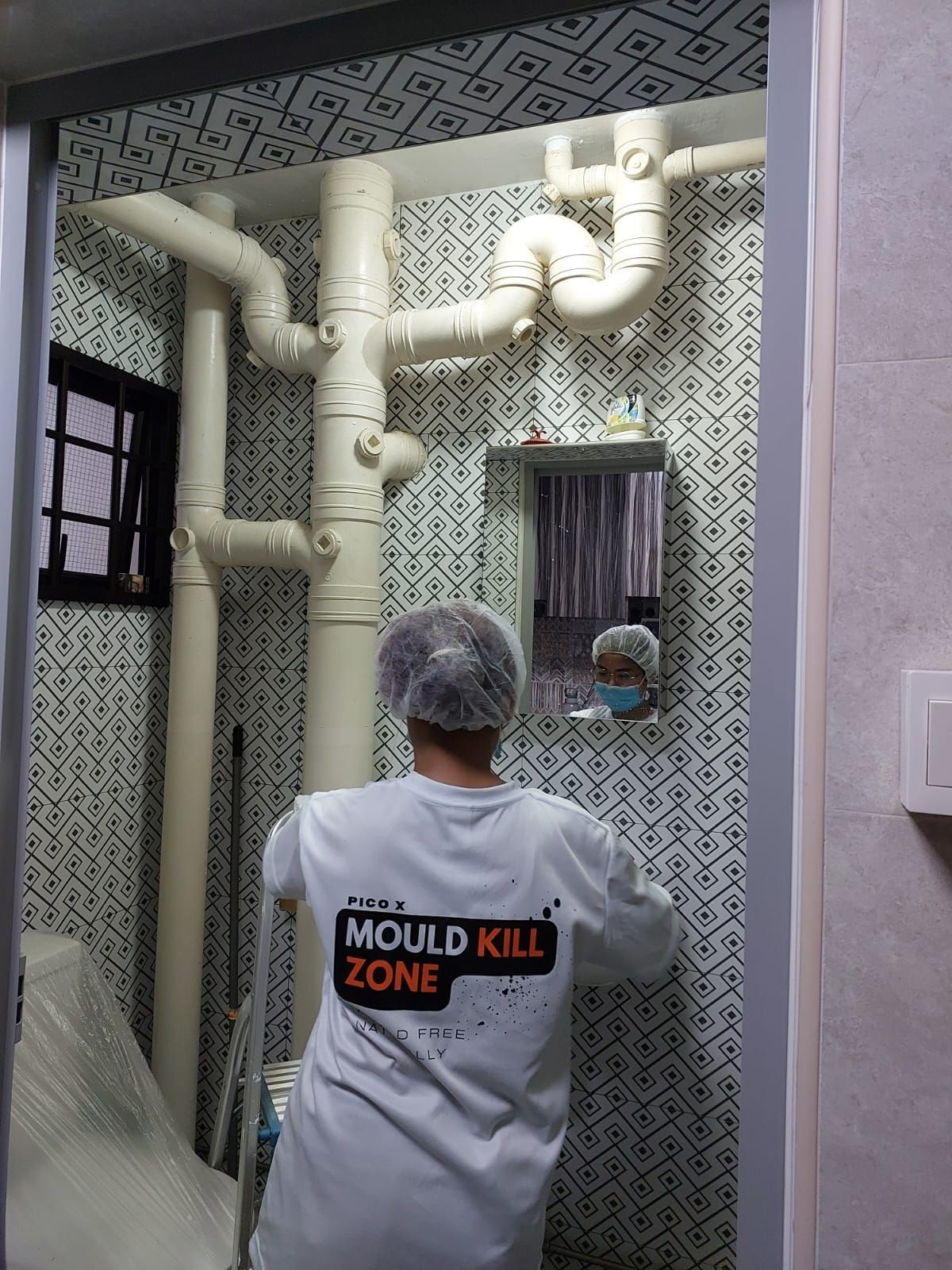
Our Team in Action
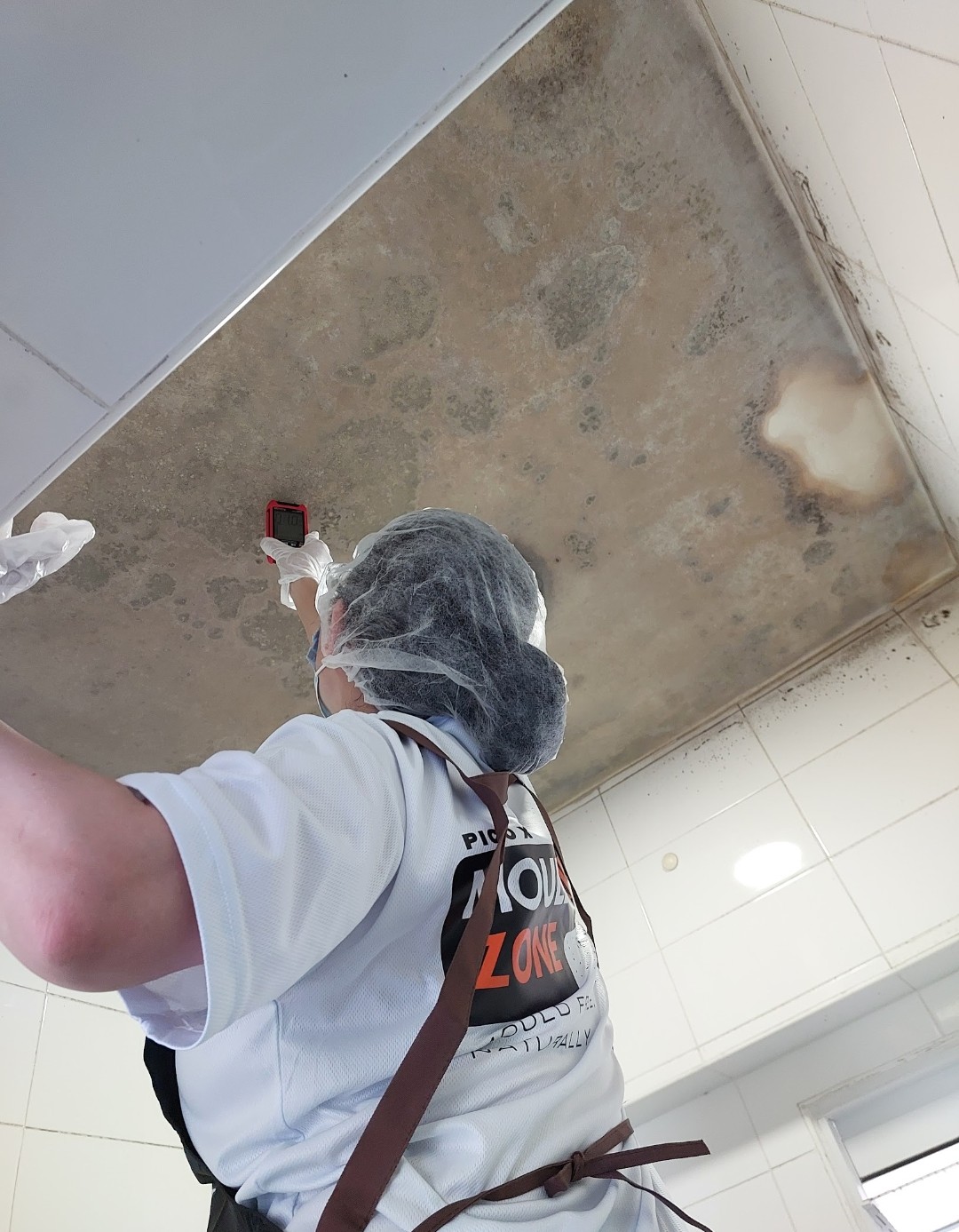
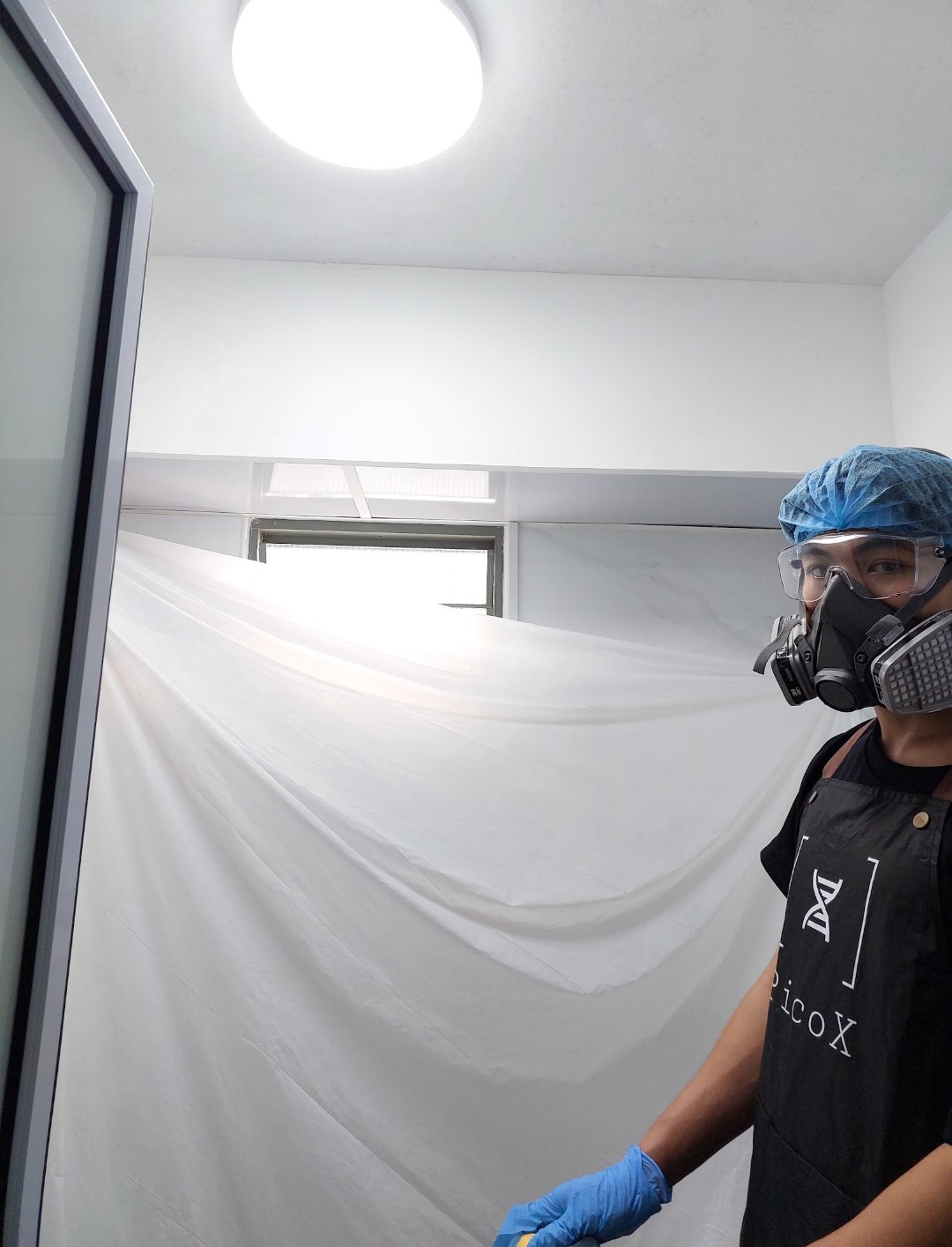
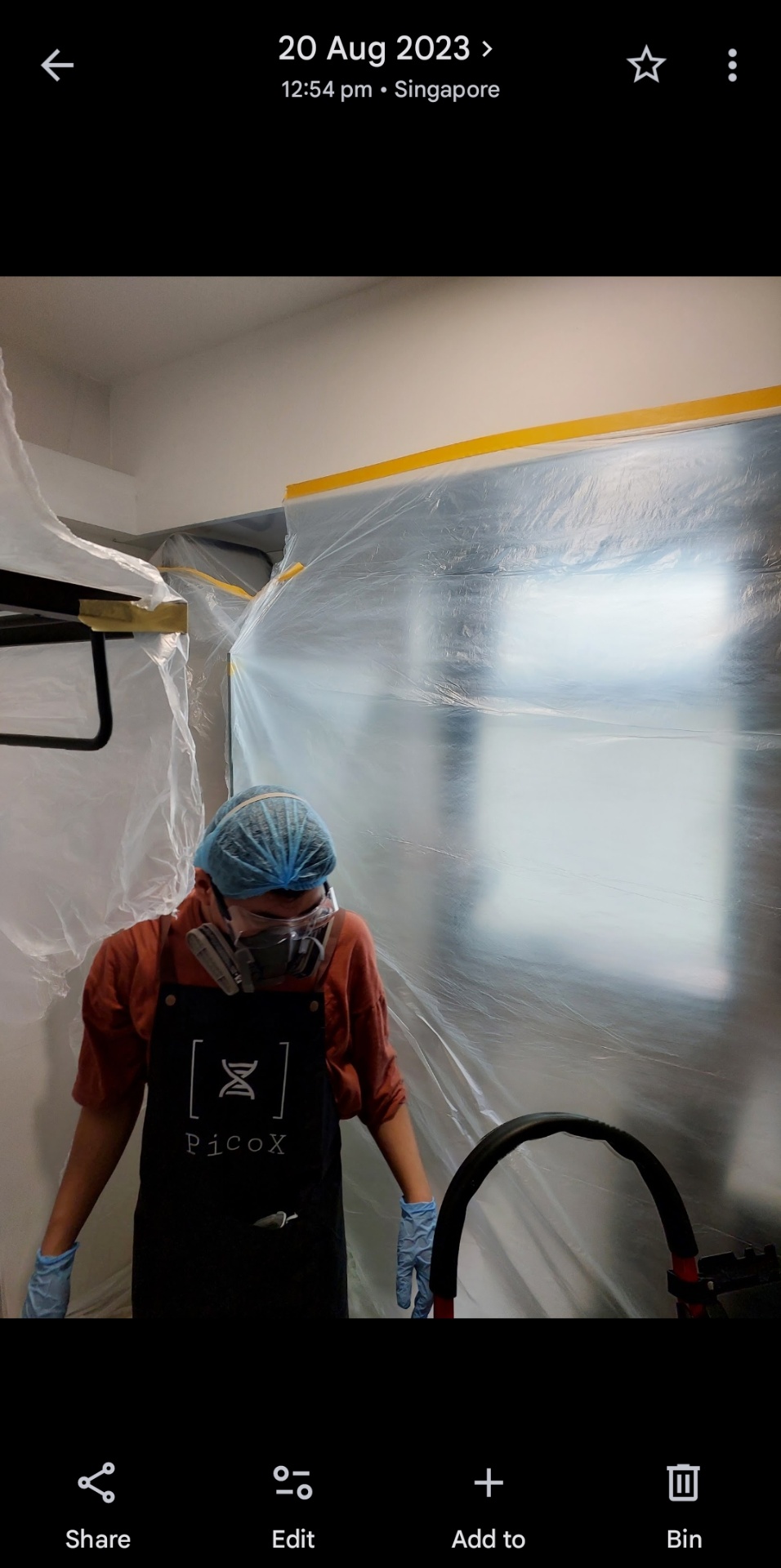
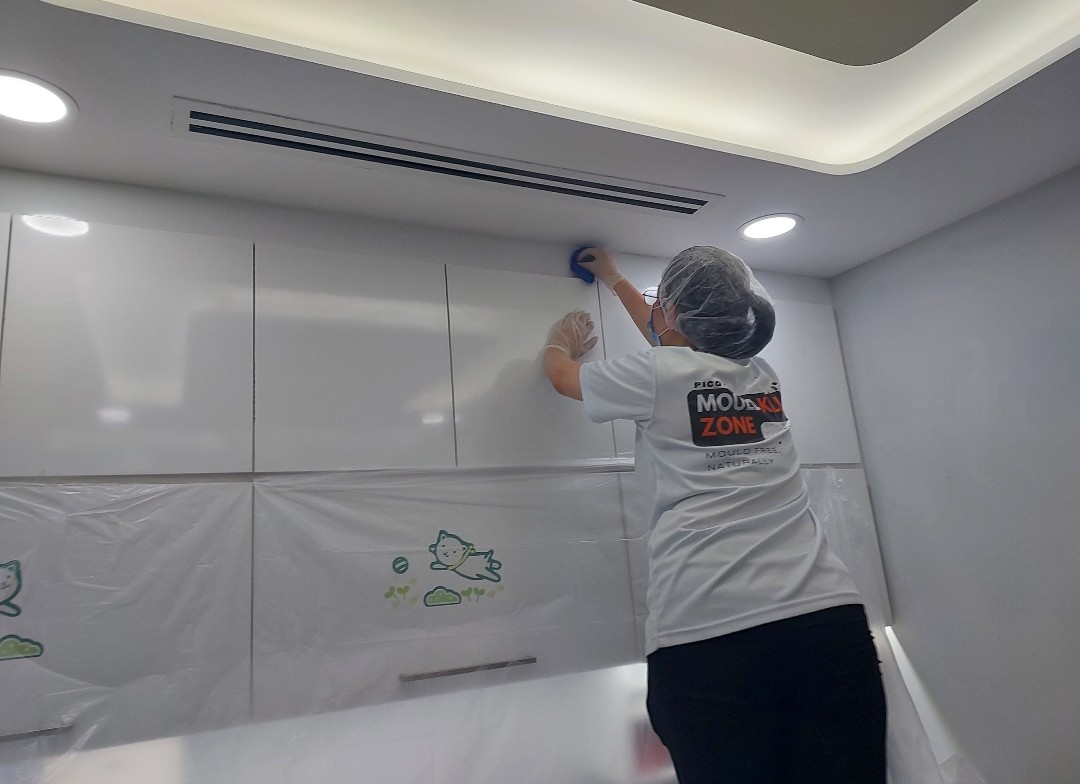
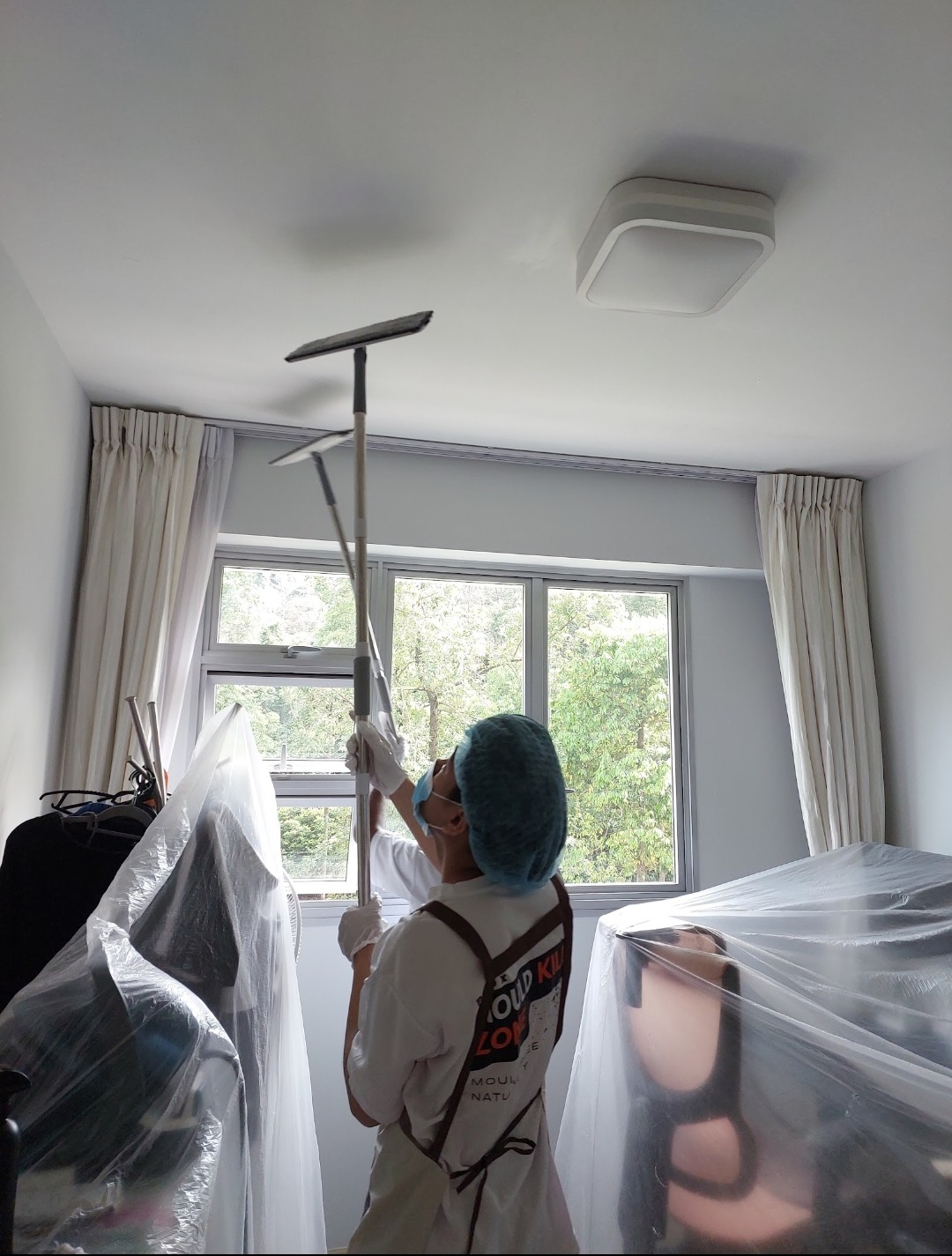
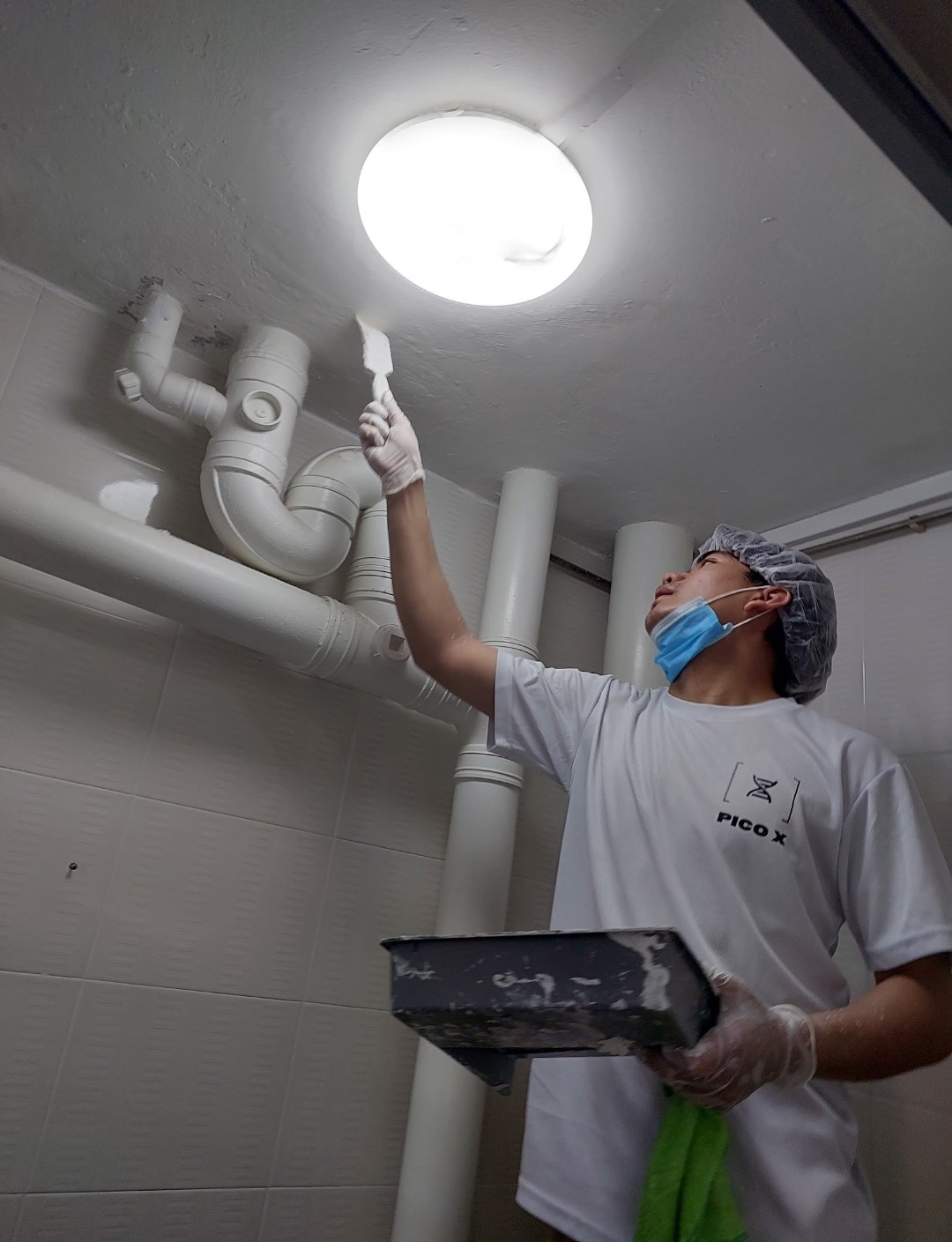
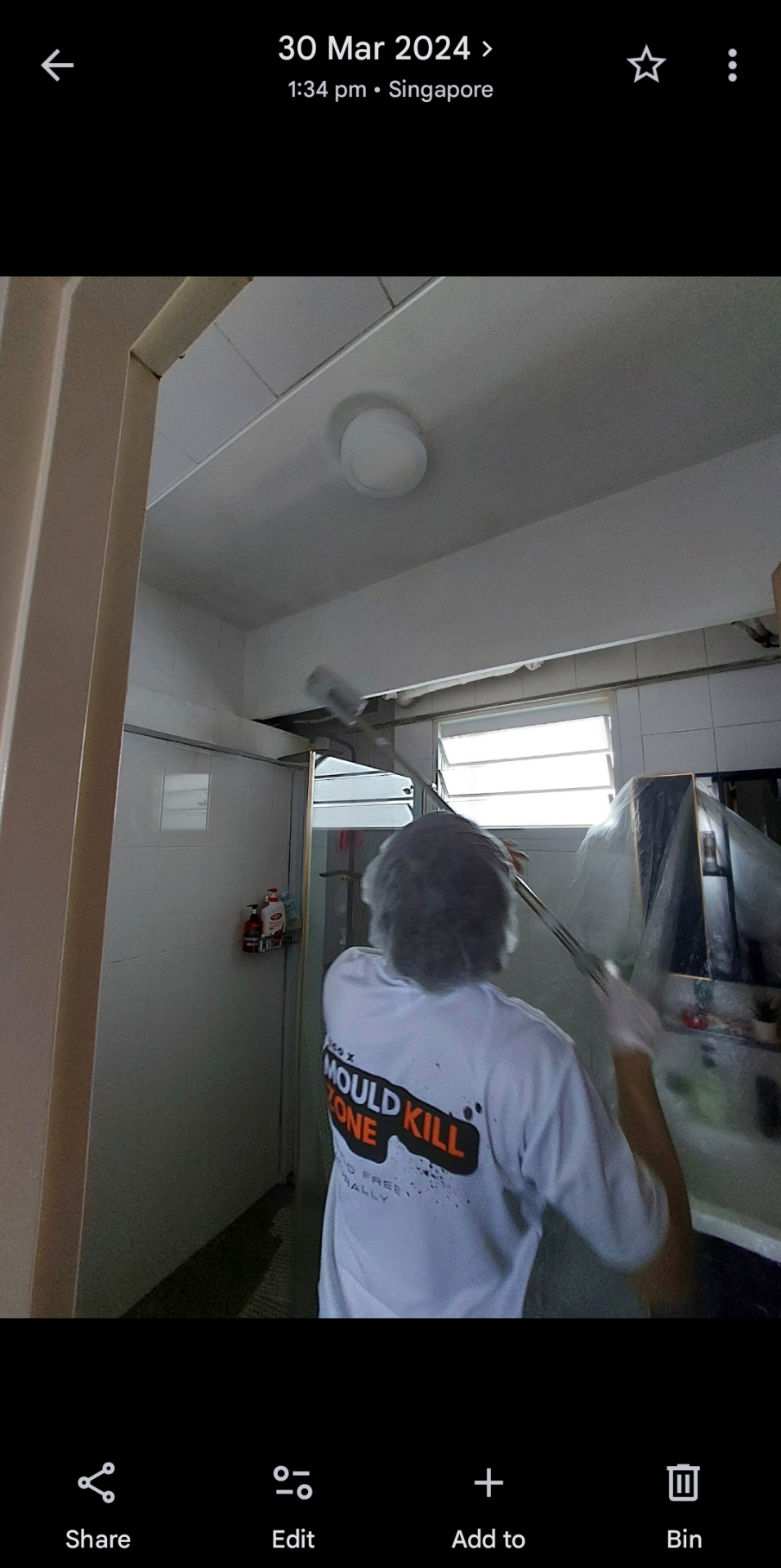
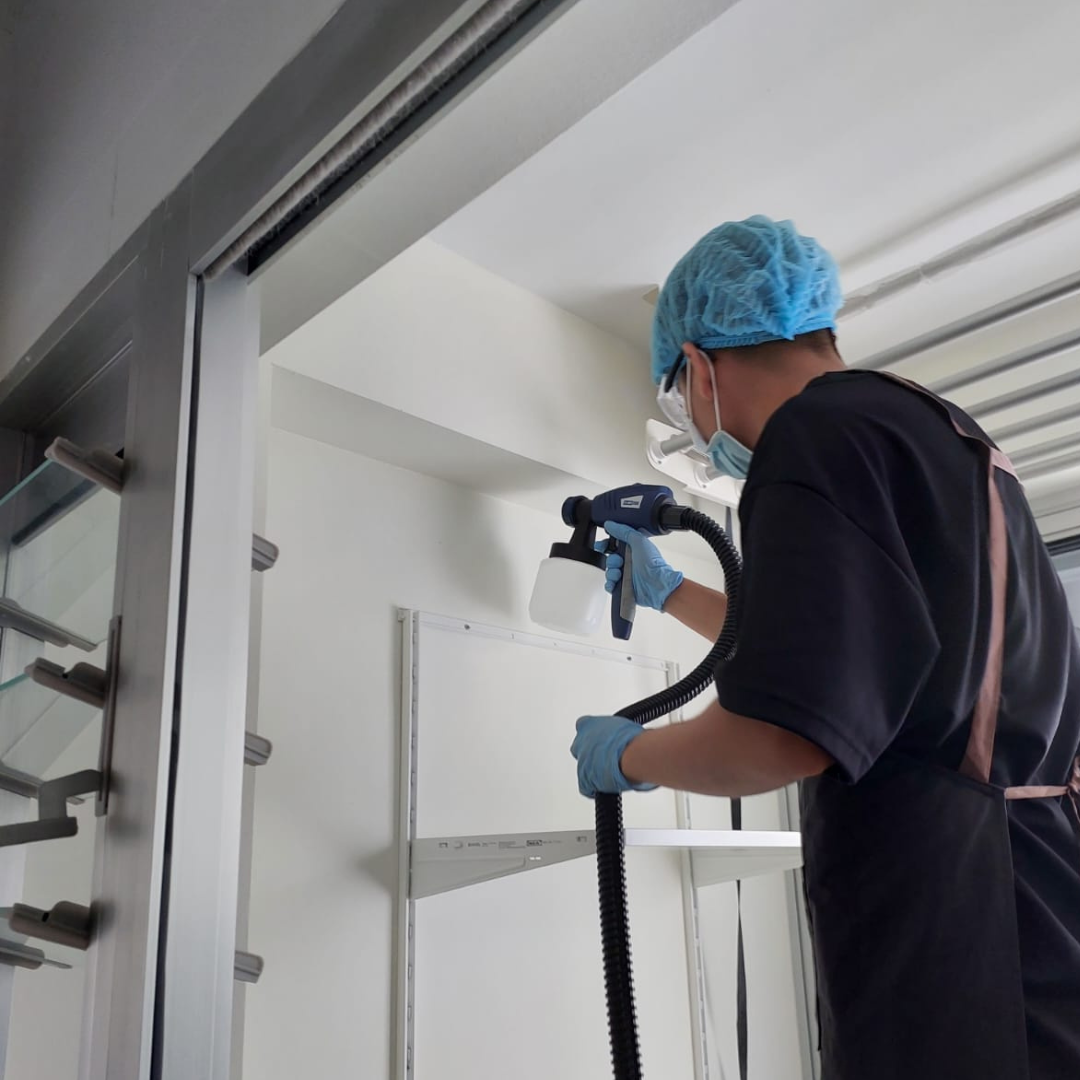
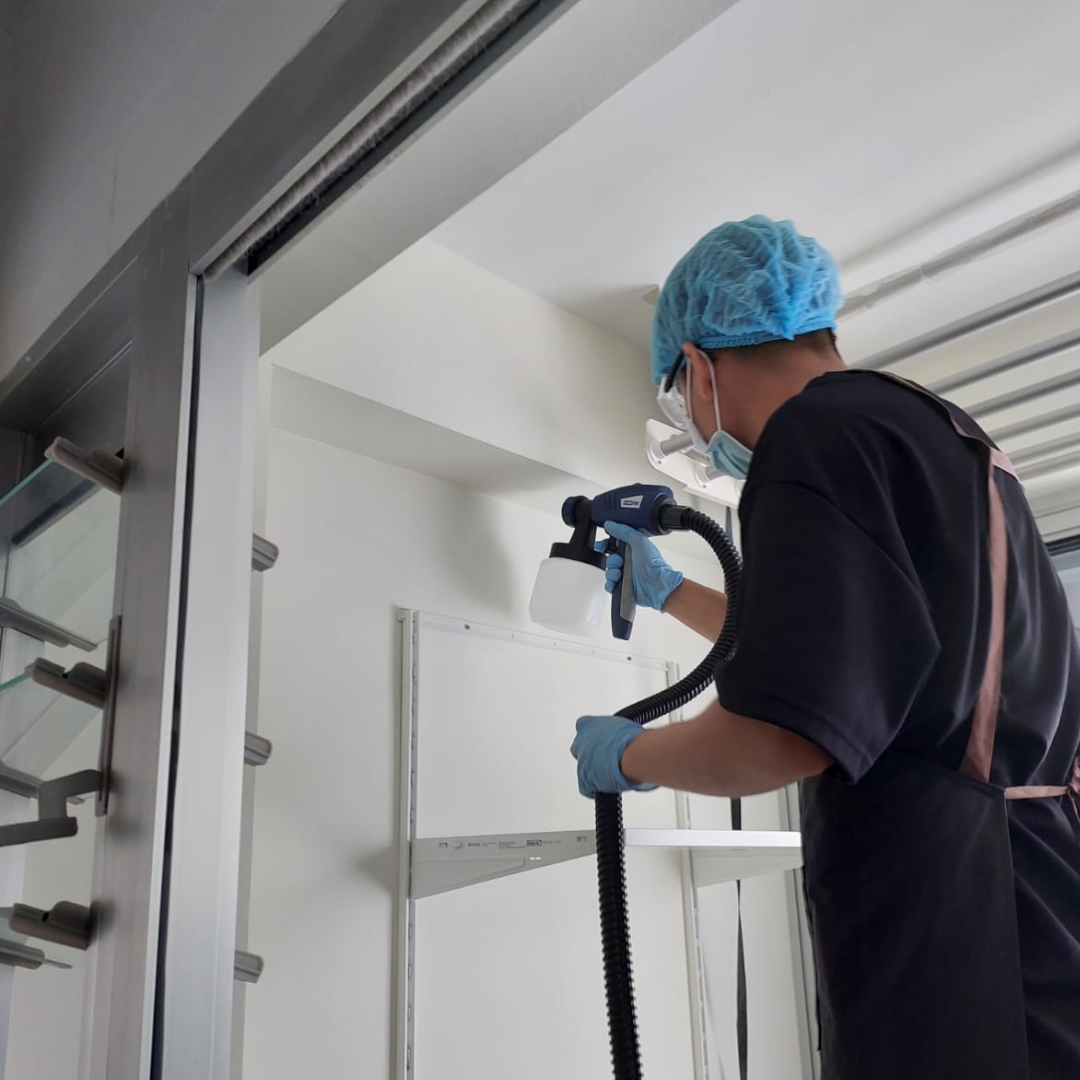
Trained Pico X Health technicians follow strict containment, PPE, and protocols on every job in Singapore.
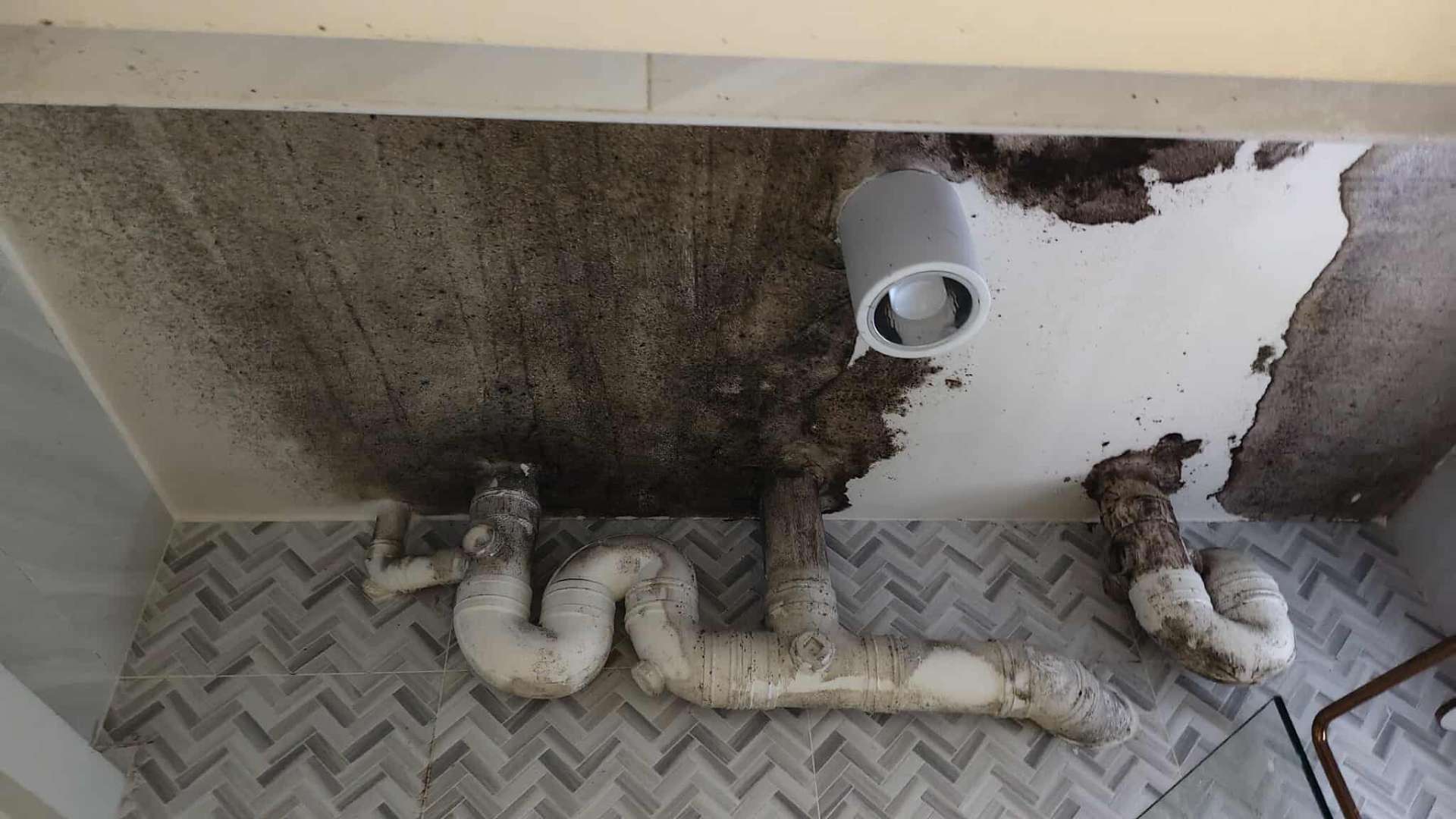
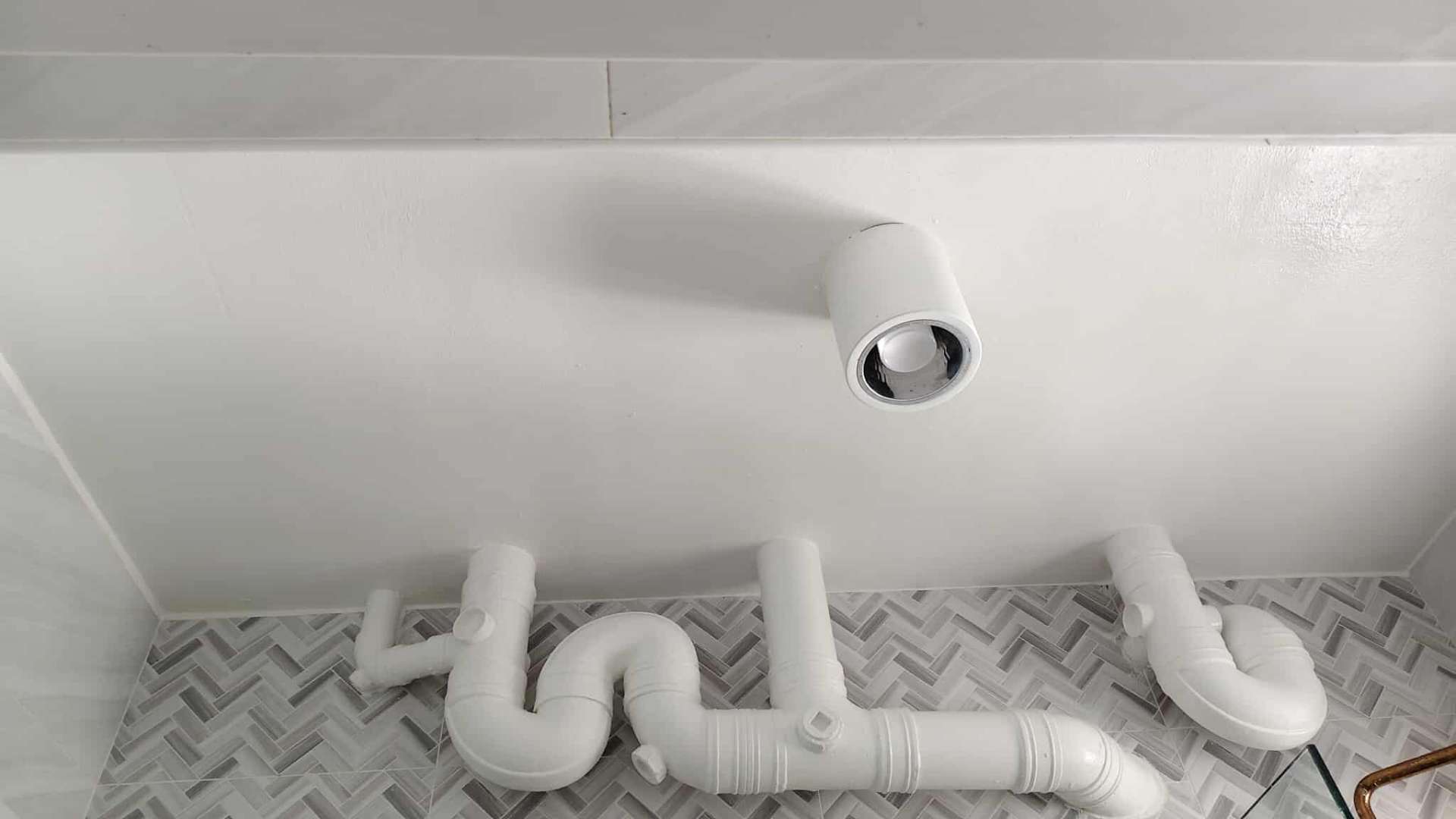
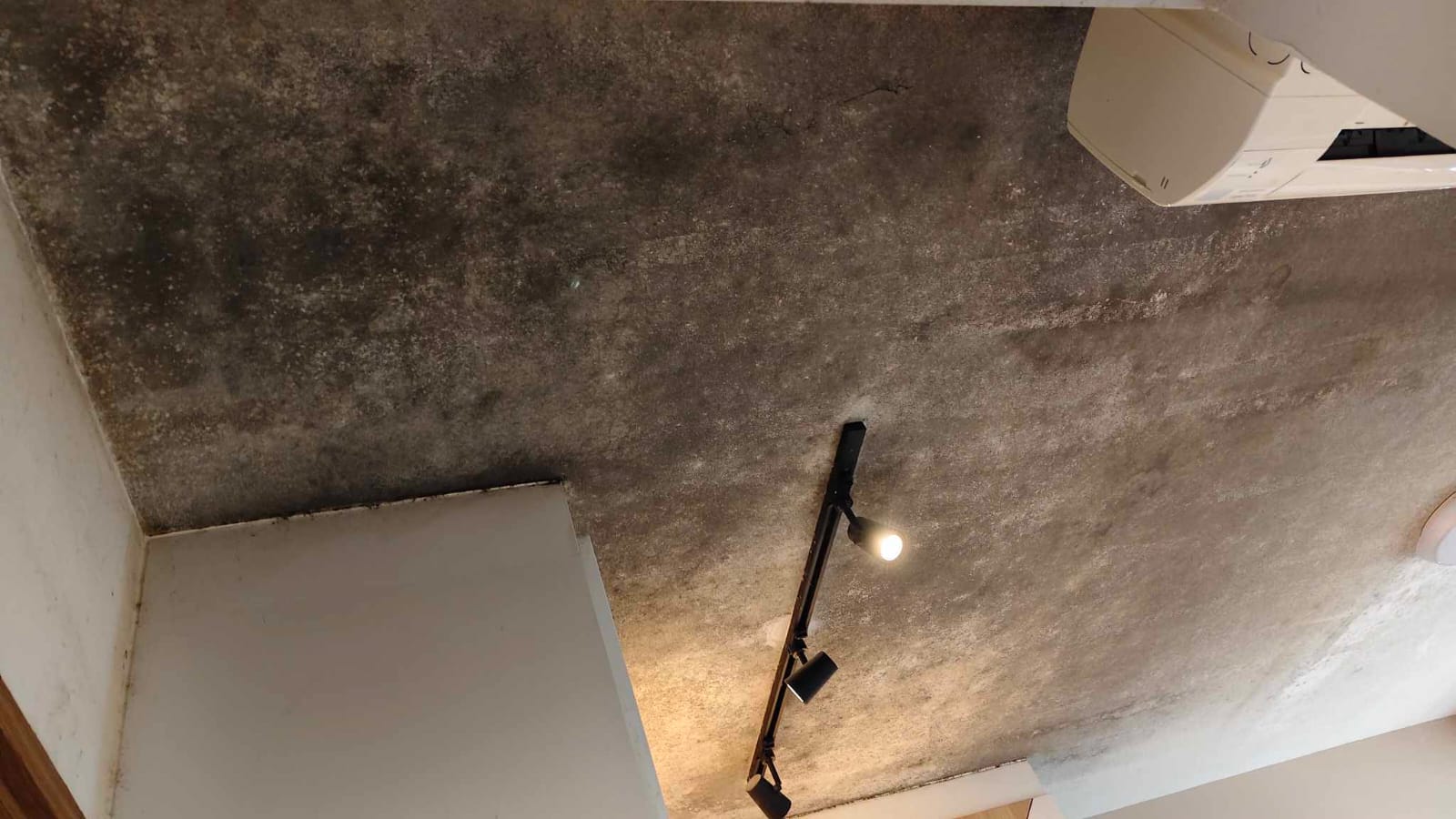
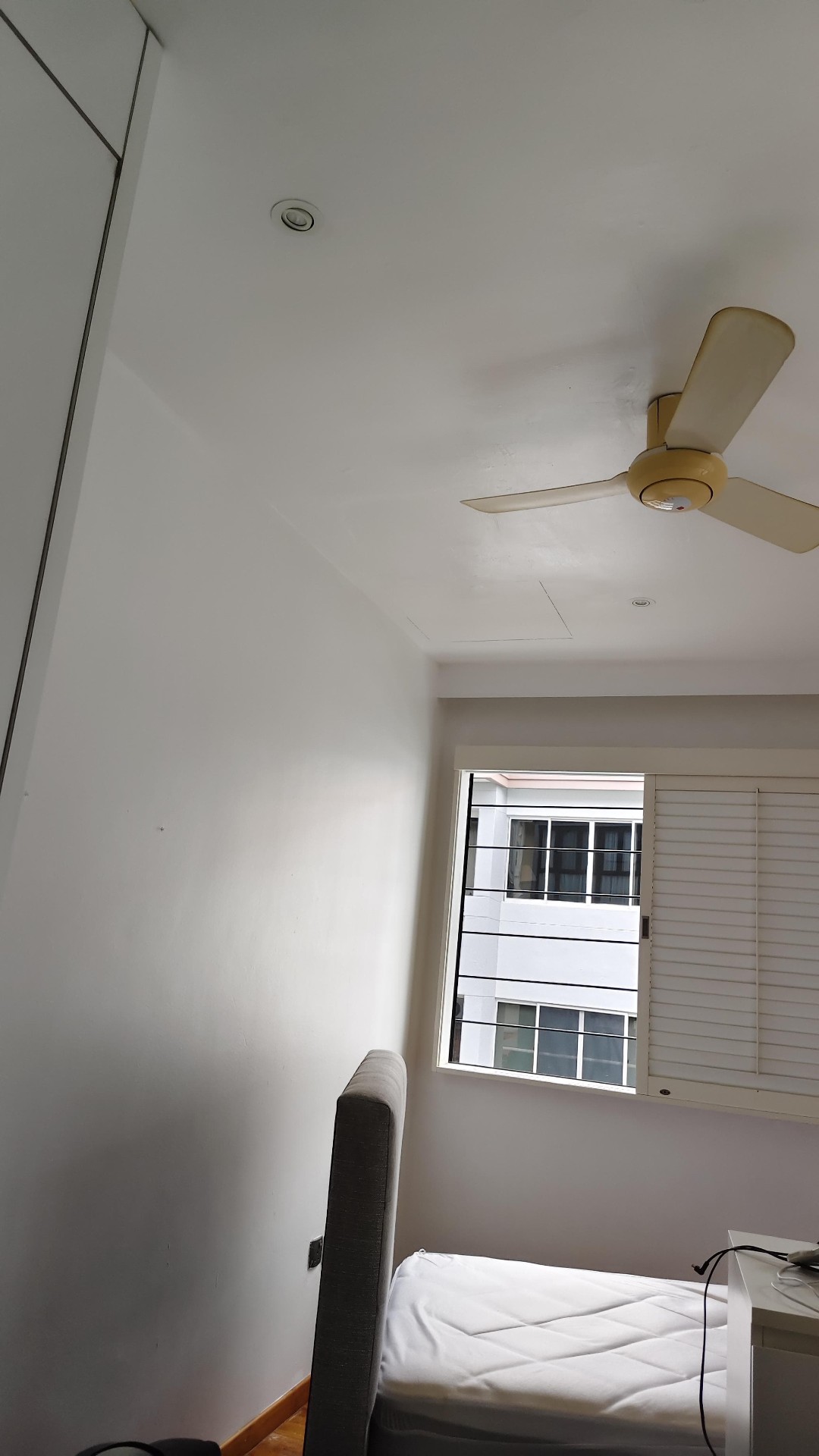
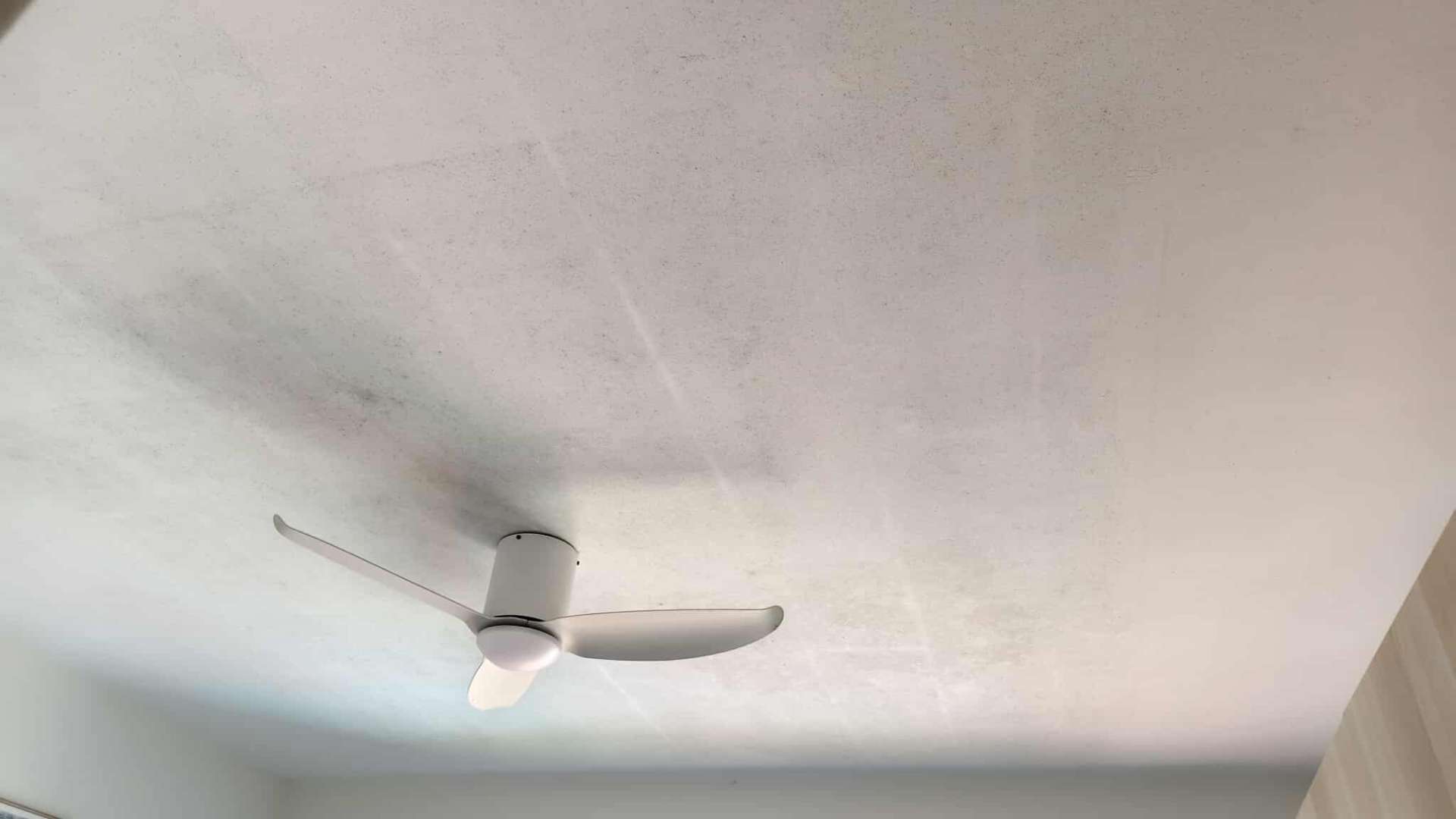
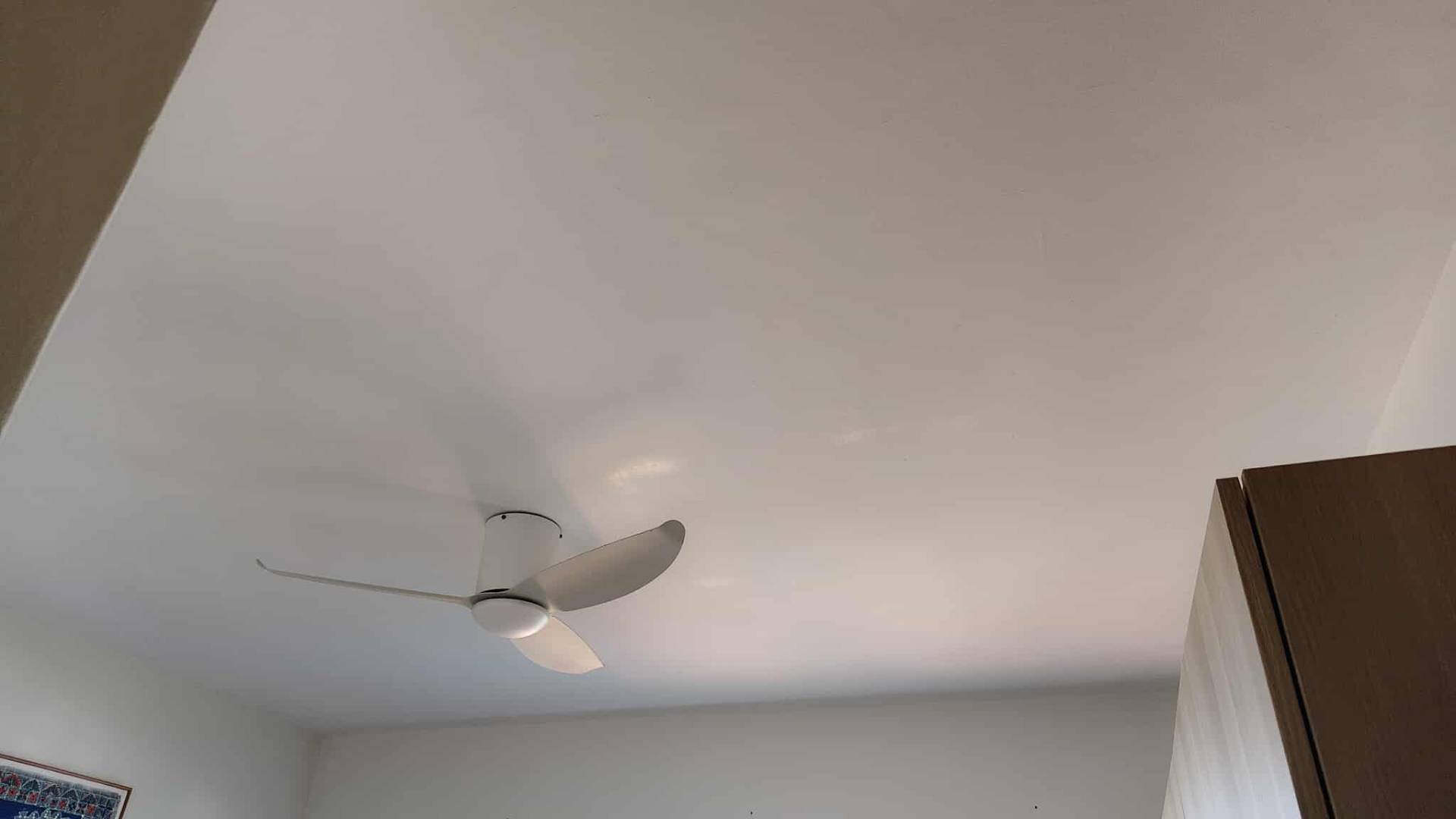
Before & After: Real Singapore Jobs
Documented mould remediation across HDB, condo, landed and commercial spaces.
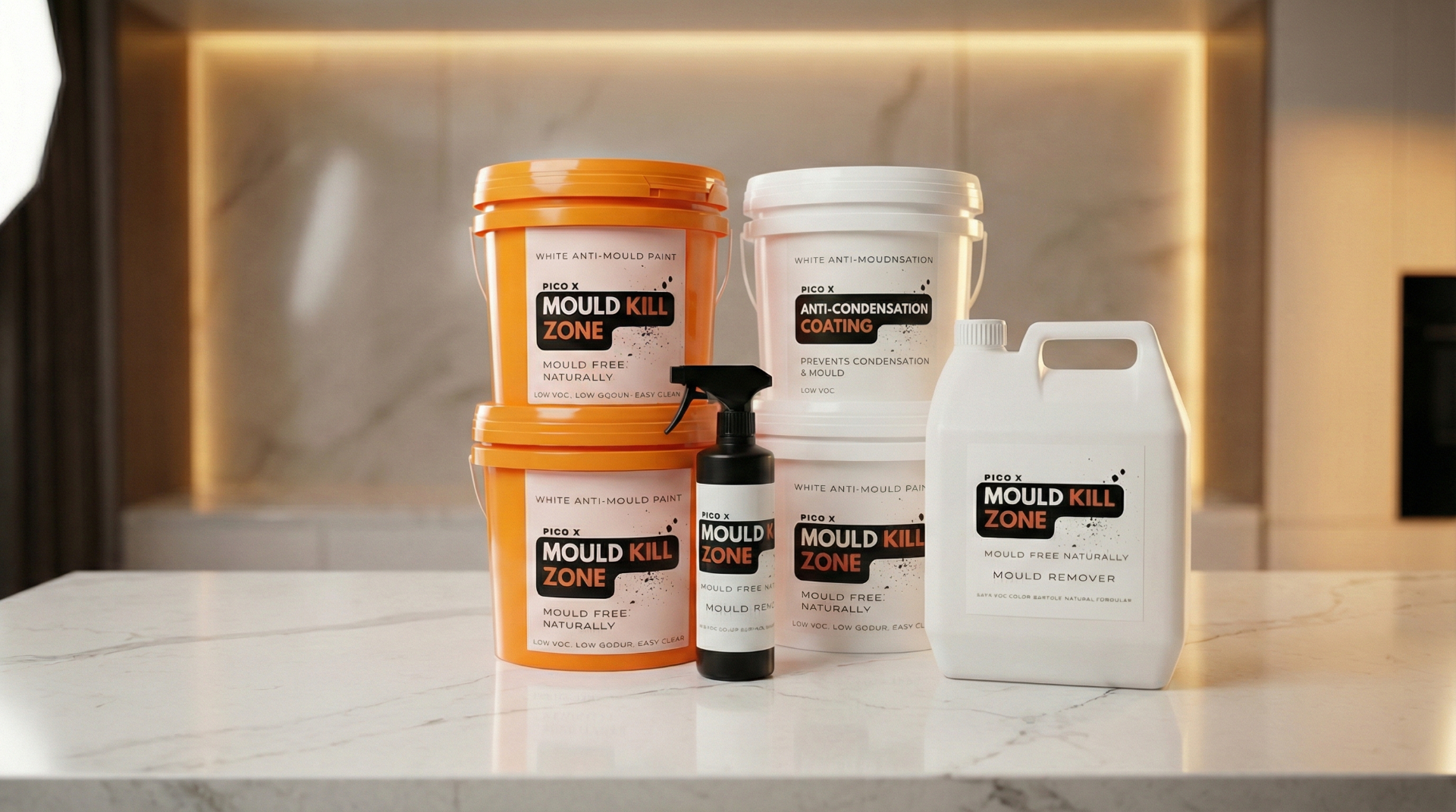
Products We Use & Recommend
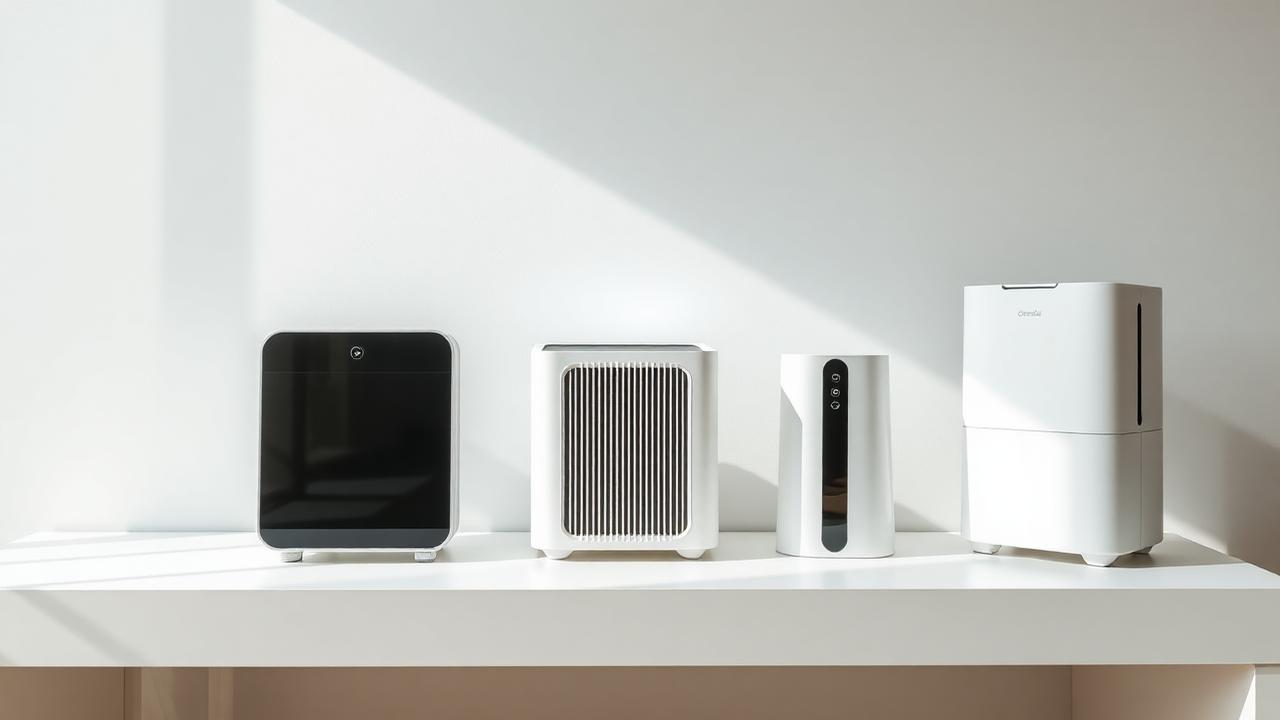
Professional-grade equipment and coatings selected for Singapore's humid climate.
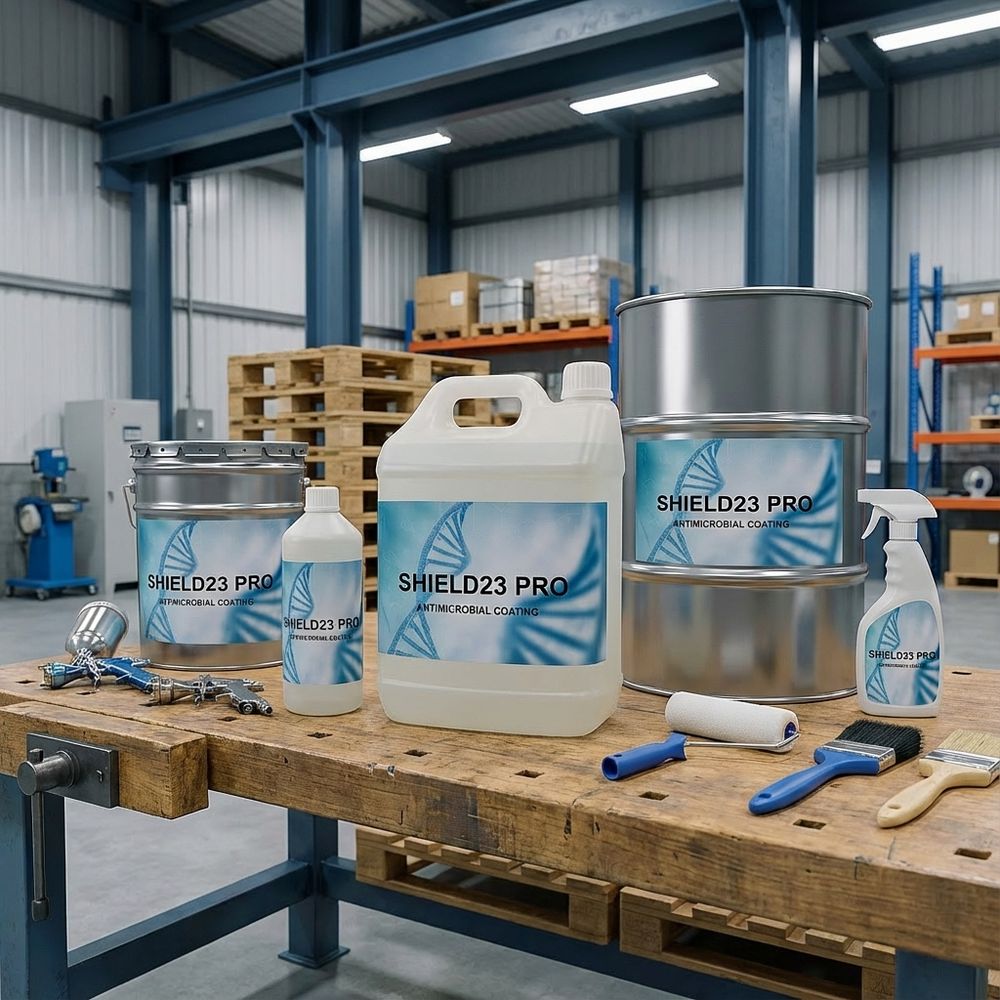
Shield23 Pro — Antimicrobial Coating
Long-life inorganic-ion defense applied by trained Pico X Health technicians across hospitals, F&B, schools, and homes.
Recommended Services
Pico X Health services most relevant to this topic.
Explore Next
- Full Price List — Every service and shop price in one place, with what is fixed and what is quoted.
- Professional Mould Report (S$299) — Written findings with equipment readings for claims, disputes and mediation.
- Mould Removal Methods Compared — Ozone, UV, steam, mouldicide and sealers — what actually works in Singapore homes.
- Is Ozone Fogging Safe at Home? — Why ozone is not used in occupied Singapore homes.
- Do Sealers and Anti-Mould Paint Stop Regrowth? — What a sealer plus anti-mould top coat can and cannot prevent.
- Should I DIY Mould Removal? — A quick checker for when DIY is fine and when it makes things worse.
- Case Studies — Documented before-and-after jobs across HDB, condo and commercial spaces.
- Video Library — Watch treatment, containment and prevention work in real Singapore homes.
- What to Expect After Booking — Preparation, arrival windows, payment options and warranty cover.