
Mould Assessment & Report for HDB & Condo Disputes
When the neighbour denies the leak, HDB asks for evidence, the insurer asks for cause, or your lawyer asks for a report — a phone photo is not enough. We document the moisture objectively: mapped meter readings, thermal imaging, dew-point data and a reasoned source analysis, issued as a written report you can actually submit.
WhatsApp Us Your SituationQuick Answer
The Pico X Health Mould Assessment & Report in Singapore provides independent documentation for HDB and condo disputes, insurance claims and MCST cases. It includes moisture mapping, thermal imaging, source analysis and a written evaluation report, from S$299. This is the same Mould Assessment & Report package available on our mould inspection page.
Based on: Pico X Health Case Studies Field Data Verification
Quick answer: what the Mould Assessment & Report is for
In Singapore, mould and water-seepage disputes between HDB or condominium neighbours are settled on documentation, not on who complains loudest. A Mould Assessment & Report from Pico X Health records calibrated moisture-meter readings, thermal images, ambient RH and dew-point data, quantifies the affected area, and states the most likely moisture source with the evidence behind that conclusion. It is used for HDB and town council cases, MCST submissions, Community Disputes Resolution Tribunal filings, insurance claims and landlord–tenant disputes. Inspection takes 1–2 hours; the written report is issued in 3–5 working days.
Why these disputes drag on for months
- Your neighbour says it isn't them. The wet patch is on your side of the party wall, the mould is in your bedroom, and the upstairs or next-door unit insists nothing is leaking. Without independent moisture readings on both sides of the wall, it stays one person's word against another's — for months.
- HDB and MCST want evidence, not complaints. Town councils, HDB branch offices and MCST managing agents will open a case, but they act on documentation: dated photos, moisture readings, a scope of works and a professional opinion on the likely source. A verbal complaint and a phone photo rarely move anything.
- Your lawyer needs a defensible report. If a dispute escalates to a demand letter, the Community Disputes Resolution Tribunal or an insurance claim, the report has to stand up: methodology stated, instruments named, readings recorded, limitations declared, conclusions separated from opinion. A cleaning quote is not evidence.
- Landlord and tenant blaming each other. Tenants get blamed for "not ventilating". Landlords get blamed for "a hidden leak". Deposits are withheld and reinstatement costs disputed. An independent inspection at handover or mid-tenancy settles who is responsible before money is on the line.
- Insurers reject claims on documentation, not damage. Most home and commercial mould claims fail because the cause and date of onset were never evidenced. Insurers want the moisture source identified, the affected area quantified and the remediation scope itemised — in a single, consistent document.
- By the time it dries out, the proof is gone. Damp evidence disappears. Once a leak is patched and a wall dries, thermal signature and moisture readings normalise within days. If nobody documented it while it was wet, the case effectively resets to zero.
What's inside the report
Written so a third party — HDB officer, managing agent, adjuster or judge — can follow how each conclusion was reached.
- Instrument readings. Calibrated pin and pinless moisture meter readings at mapped points, ambient temperature and relative humidity, surface temperature and calculated dew point per affected room.
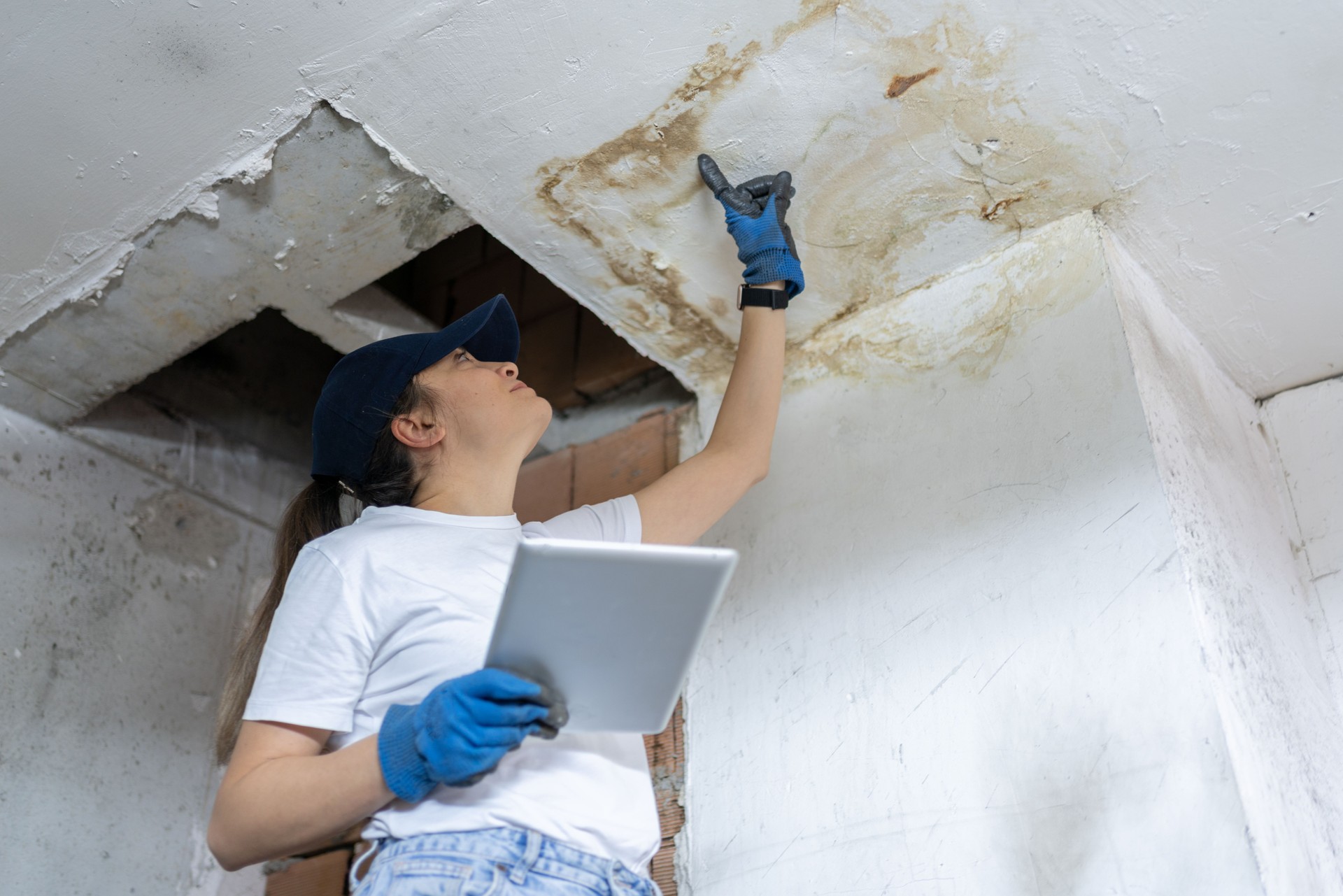
- Thermal imaging & photo log. Thermal images showing moisture and thermal-bridging patterns behind finishes, paired with dated, location-labelled visual photographs of every affected surface.
- Source analysis. A reasoned assessment of the most likely moisture source — neighbour or upstairs leak, external envelope ingress, plumbing, aircon condensate, or internal condensation — with the evidence supporting each conclusion.
- Scope, cost & methodology. Affected area quantified in square metres, recommended remediation scope, indicative cost, plus the methodology and limitations statement that lets a third party assess how the findings were reached.
When people ask us for a report
- HDB neighbour leak & seepage disputes — party-wall, ceiling and upstairs-unit seepage evidence for HDB and town council submissions.
- Condominium & MCST cases — common-property vs lot-owner responsibility, riser and facade ingress, managing-agent submissions.
- Community Disputes Resolution Tribunal — independent third-party documentation for CDRT filings and mediation.
- Insurance claims — cause, onset, extent and remediation scope evidenced in one consistent document.
- Landlord–tenant & deposit disputes — handover, mid-tenancy and end-of-lease condition reporting.
- Pre-purchase & post-renovation — independent verification before you buy, or before you sign off a contractor's work.
How it works
- WhatsApp us the situation. Photos, unit type and who the dispute is with. We tell you within the day whether an inspection will actually help your case.
- On-site inspection (1–2 hours). Moisture mapping, thermal imaging, RH and dew-point logging, and where access is granted, readings on the adjoining or upstairs unit.
- Report issued in 3–5 working days. A written PDF report with findings, annotated images, source analysis, remediation scope and limitations — addressed to you, and usable with HDB, MCST, insurers or your lawyer.
- Follow-up & remediation (optional). If you proceed with remediation, we document the works and issue post-remediation verification so the closure is evidenced too.
Mould reporting FAQs
Can I use your mould inspection report for an HDB or town council complaint?
Yes. The report is written as independent third-party documentation: dated photographs, mapped moisture-meter readings, thermal images, ambient RH and dew-point data, source analysis and a stated methodology. HDB branch offices, town councils and MCST managing agents act on this kind of evidence far faster than on a verbal complaint or phone photos.
My neighbour denies there is a leak. What can you actually prove?
We can establish objectively where the moisture is, how wet it is, its distribution pattern and whether the pattern is consistent with seepage from an adjoining unit, external ingress, plumbing, aircon condensate or internal condensation. Where the neighbour grants access we take readings on their side too, which usually resolves the question outright. Where access is refused, the report records that refusal along with the evidence available from your unit — which is itself relevant to HDB, MCST and tribunal proceedings.
Is the report accepted for legal proceedings or the Community Disputes Resolution Tribunal?
The report is prepared to an evidential standard — instruments named, readings recorded, conclusions separated from opinion, limitations declared — so it can be submitted in CDRT filings, mediation, insurance claims and solicitors' correspondence. We are a specialist mould remediation and inspection company, not a law firm; whether a tribunal gives it weight is for the tribunal to decide, and your lawyer should advise on filing.
How much does the Mould Assessment & Report cost?
The Mould Assessment & Report starts from S$299; the final price depends on property size and scope. It includes on-site equipment readings, moisture mapping, thermal imaging, source analysis and a written evaluation report. If you subsequently engage us for remediation, the report fee is credited against the remediation scope — see our mould removal cost guide.
How quickly can you inspect? The wall is drying out.
Document it while it is wet — that is the single most important thing. Take dated photos immediately, do not repaint, and message us. We prioritise active-leak and dispute cases, and in most cases can attend within 1–3 days. Reports are issued 3–5 working days after inspection. For active flooding or burst pipes, see emergency response.
Do you also do air sampling for mould spores?
Where the case turns on health impact or indoor air quality rather than water source, we can include air and surface sampling with laboratory analysis as an add-on. For most neighbour and HDB seepage disputes, moisture mapping and thermal imaging are the decisive evidence, so we advise on whether sampling is worth the additional cost before you pay for it.
I'm a landlord. Can you document condition at handover?
Yes. Pre-tenancy, mid-tenancy and end-of-lease condition reports are common — they record moisture and mould condition on a dated basis so responsibility for later damage is not a matter of argument. The same applies to pre-purchase inspections and post-renovation sign-off.
Will you also fix the mould you find?
We can, and most clients do proceed with us — but the inspection is deliberately sold and written as an independent service. The report states what was found and what remediation the findings justify; you are free to take that scope to any contractor.
Document it while it's still wet
Send us dated photos and tell us who the dispute is with. We'll tell you honestly whether an inspection will strengthen your case before you spend anything.
WhatsApp for Report AdviceOur Team in Action
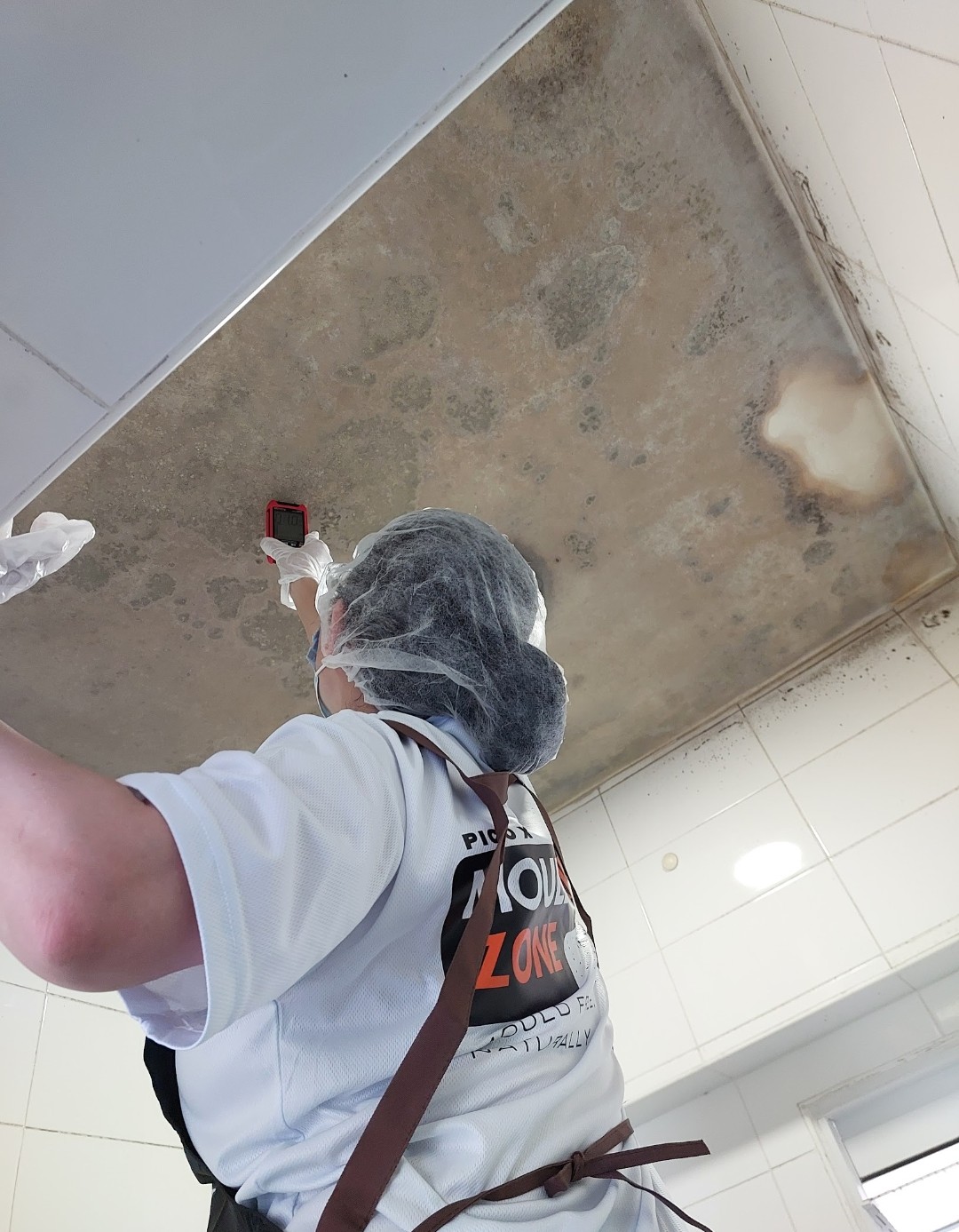
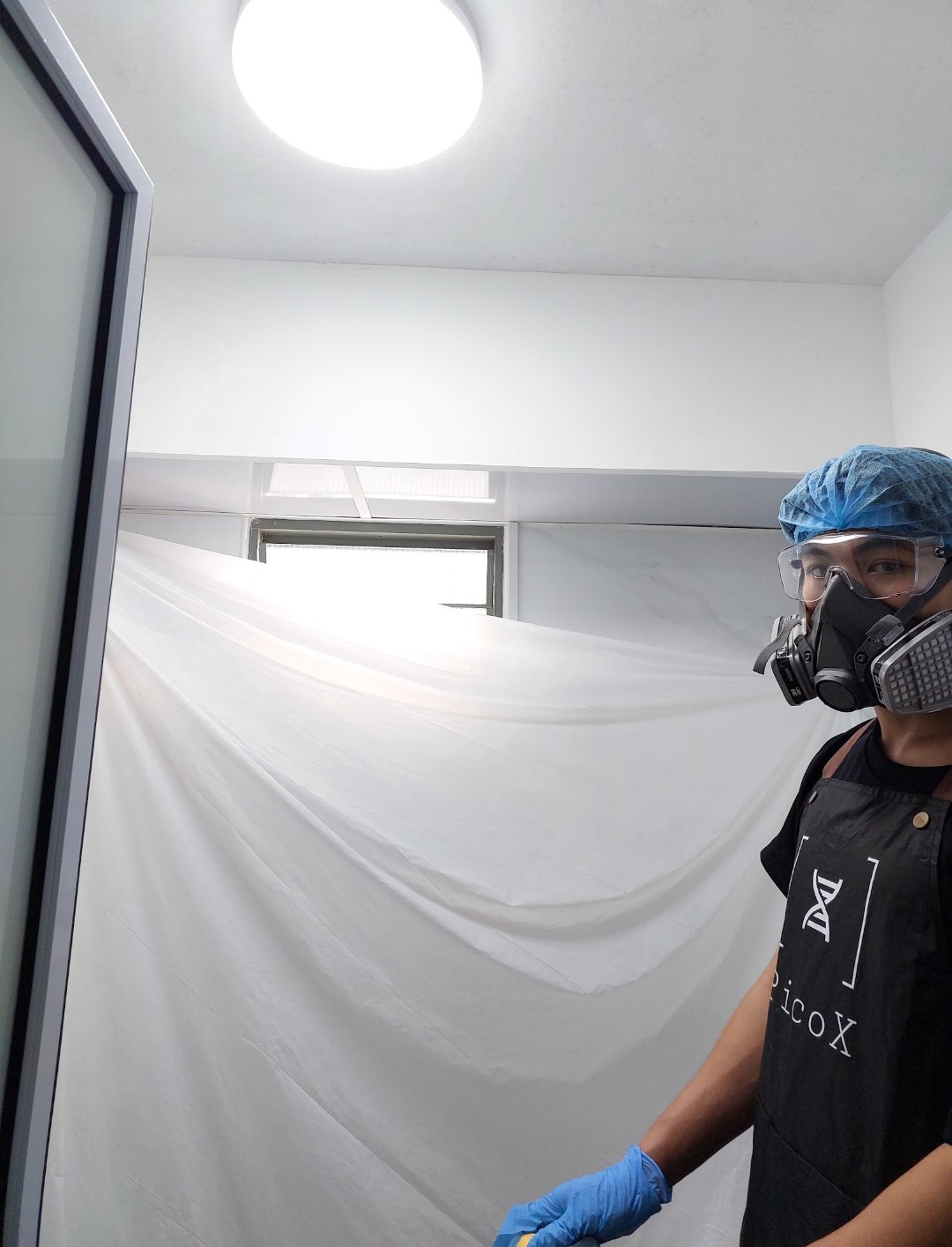
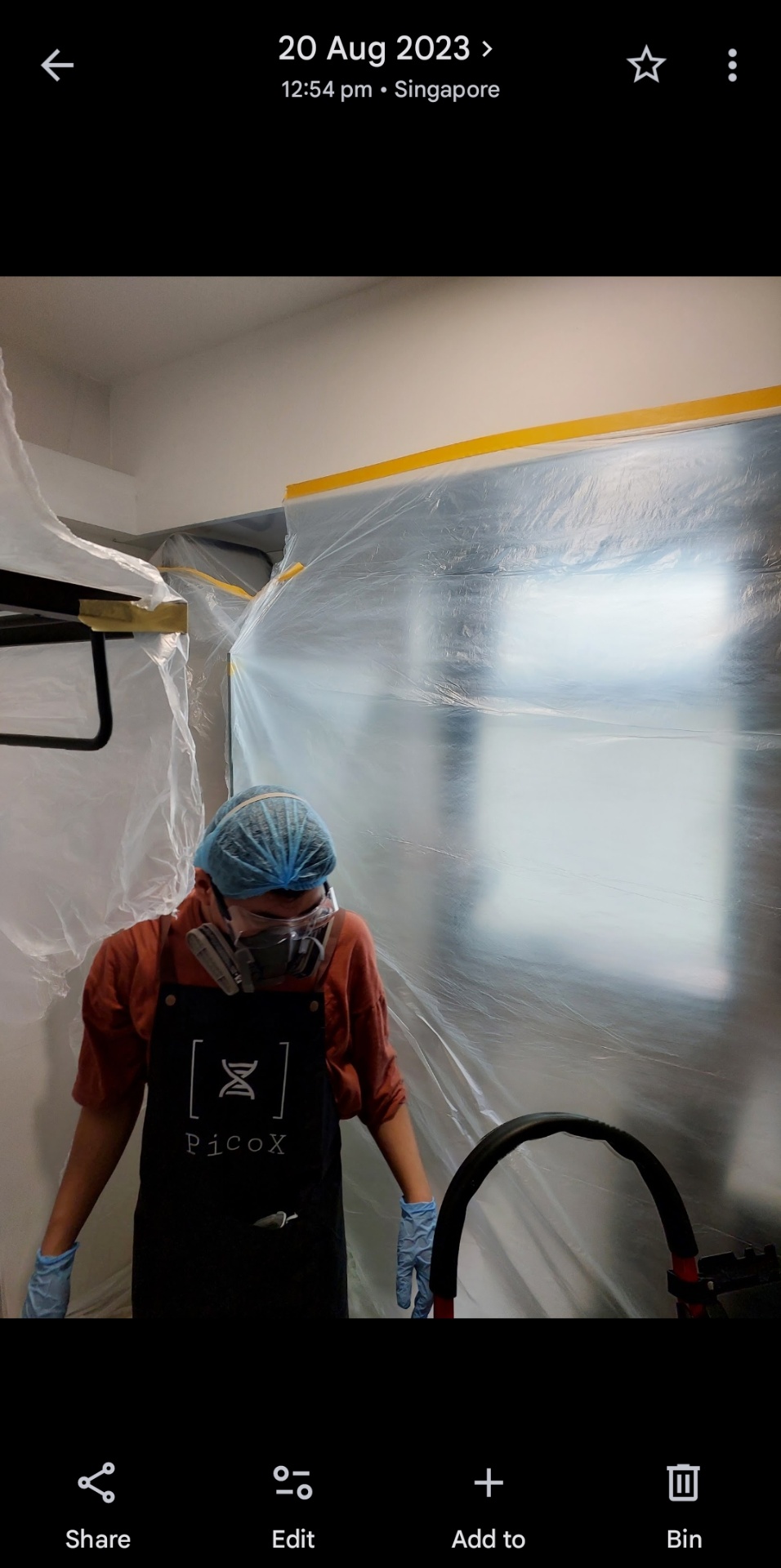
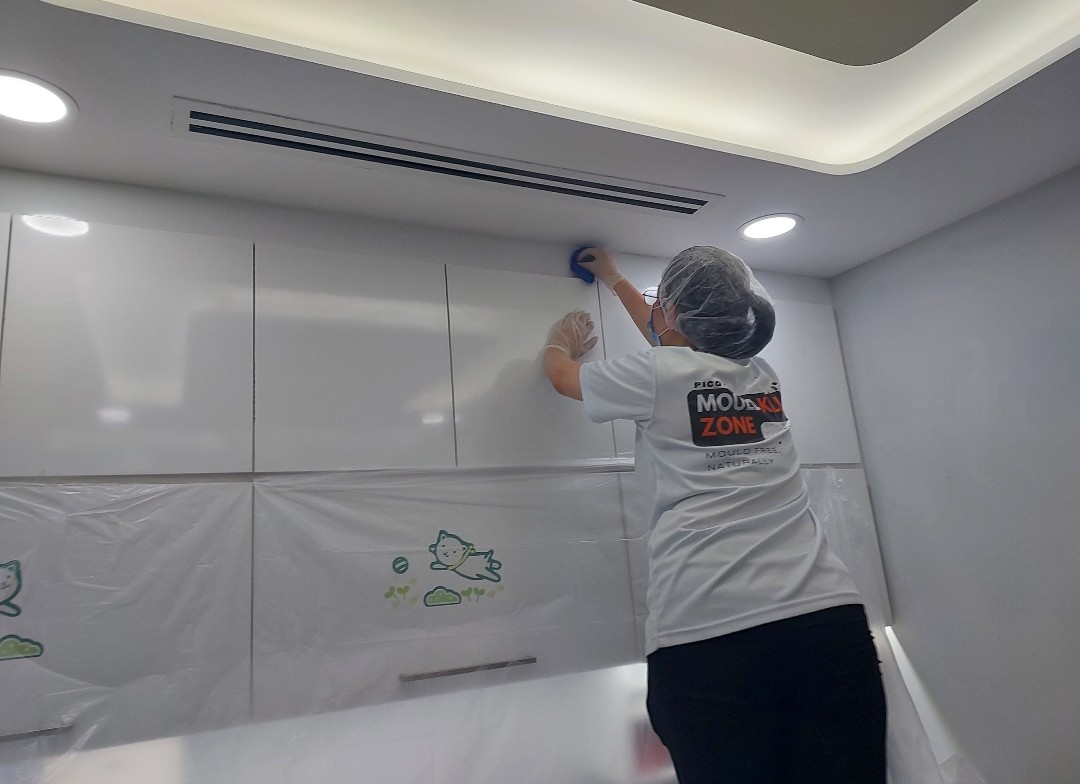
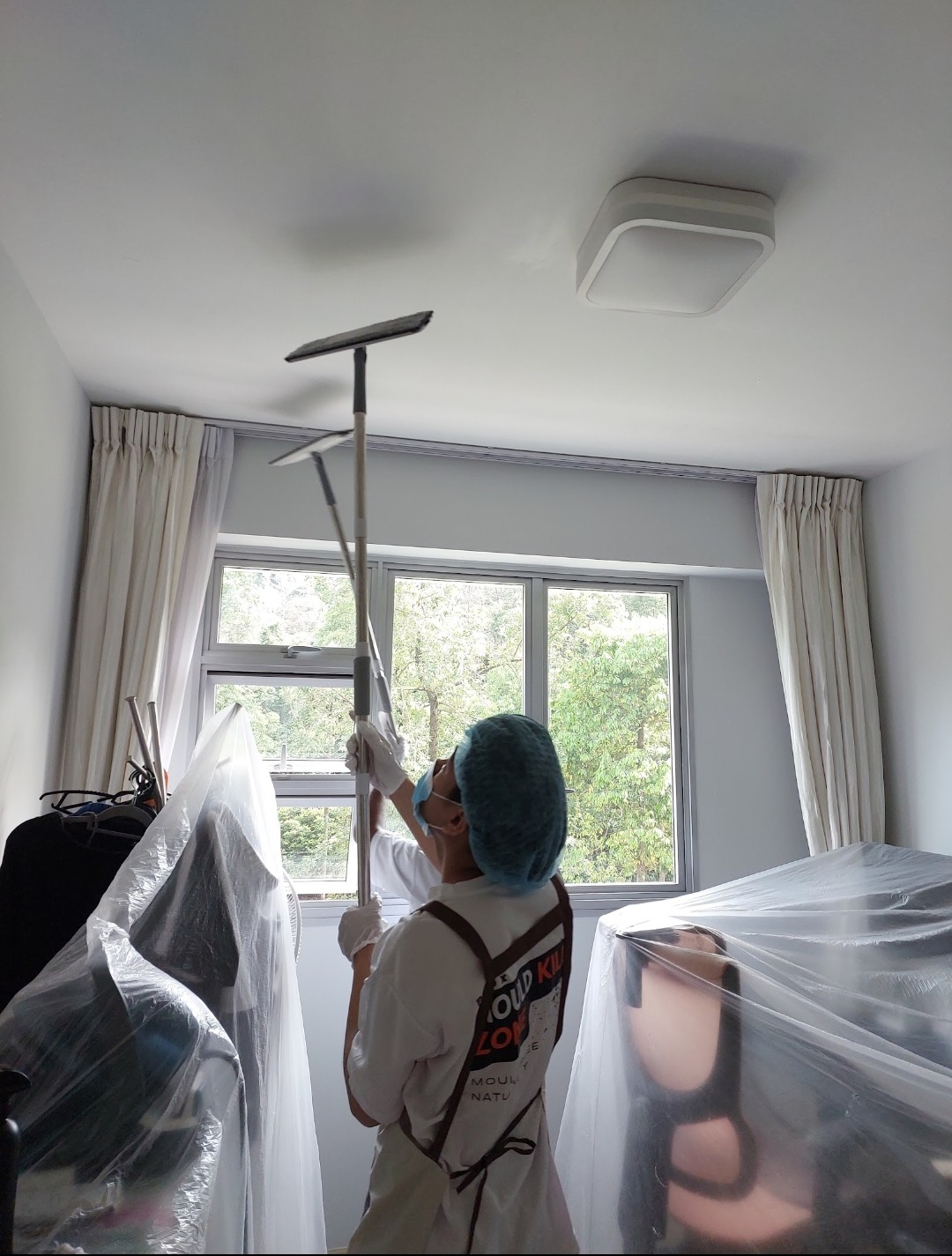
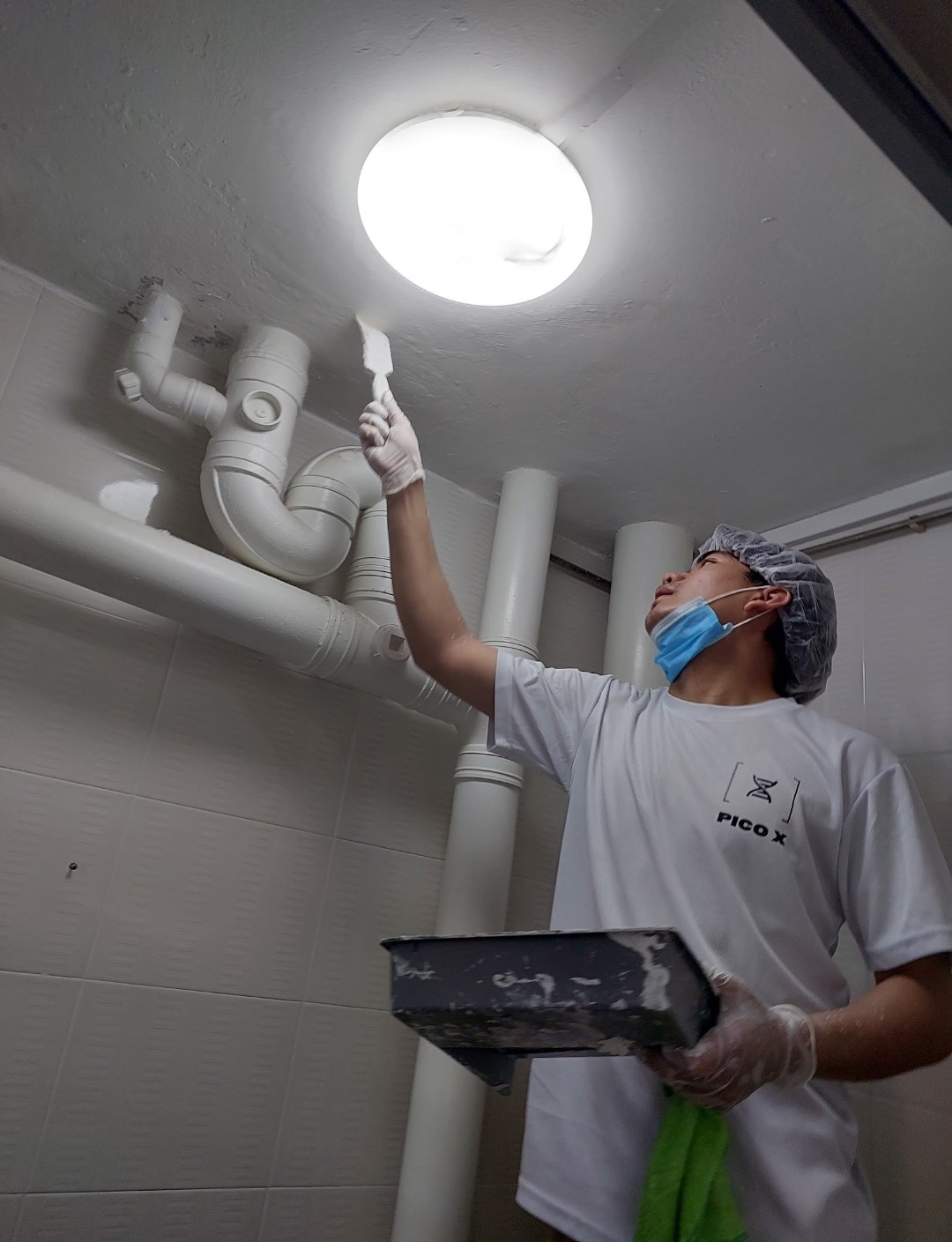
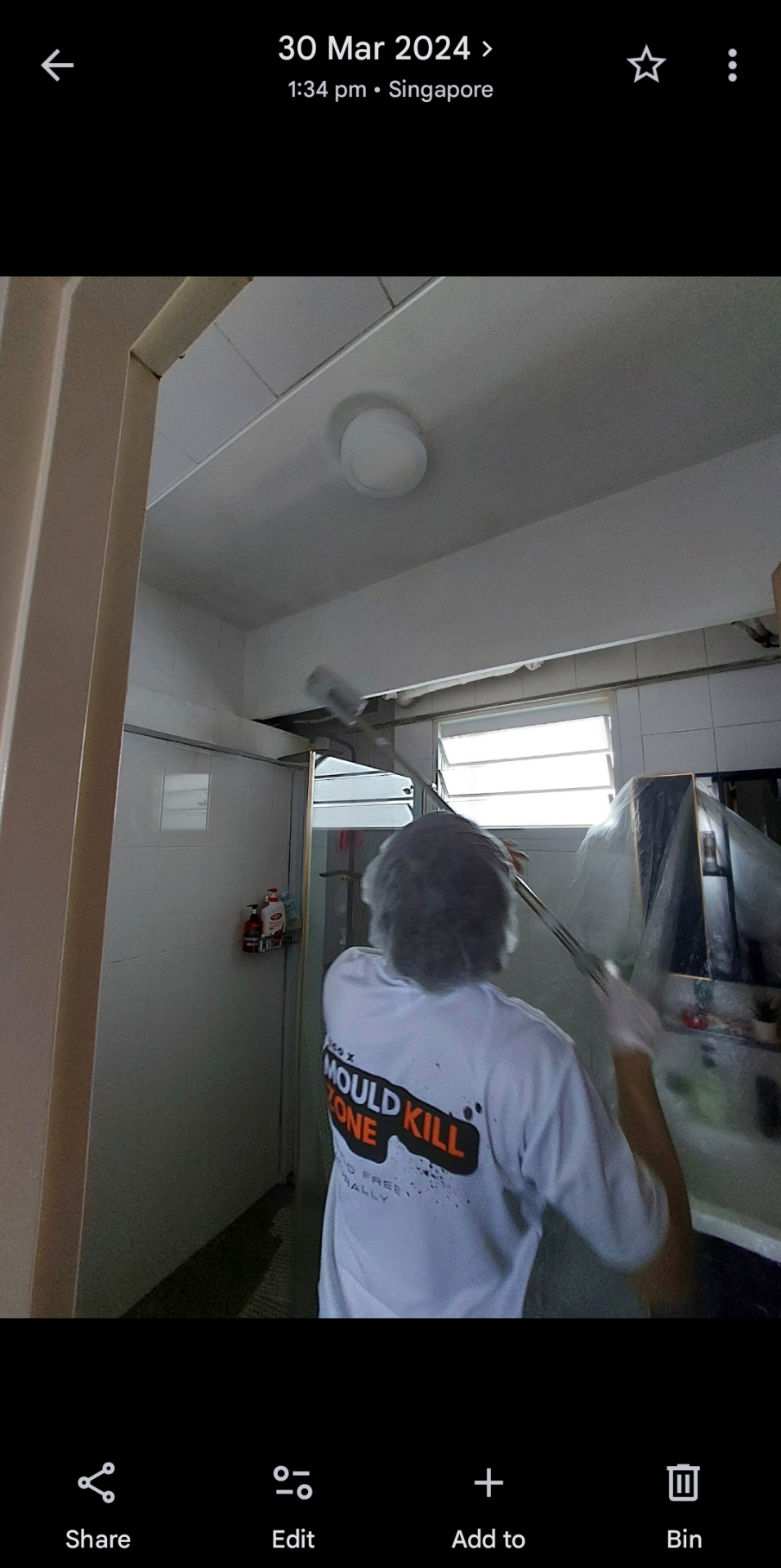
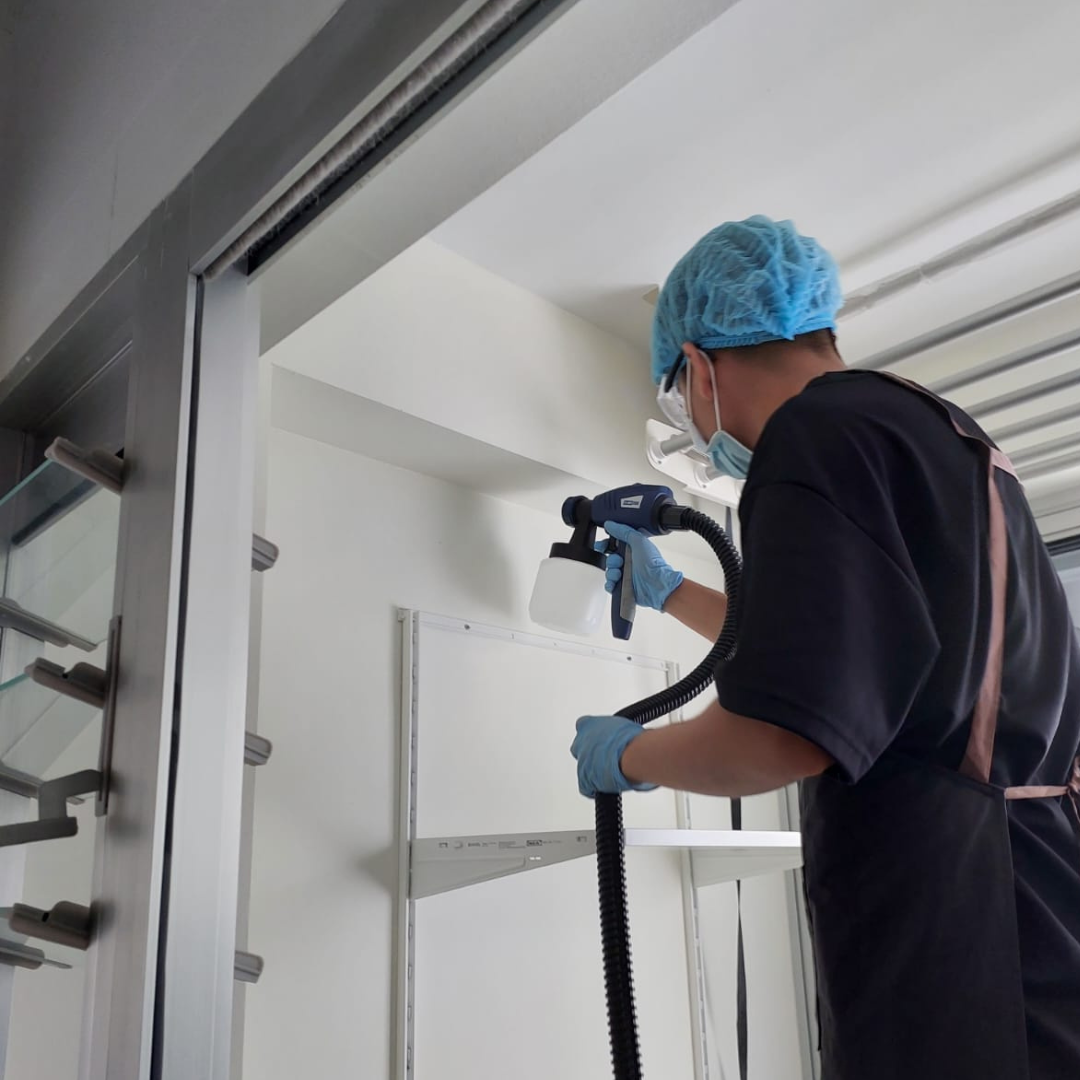
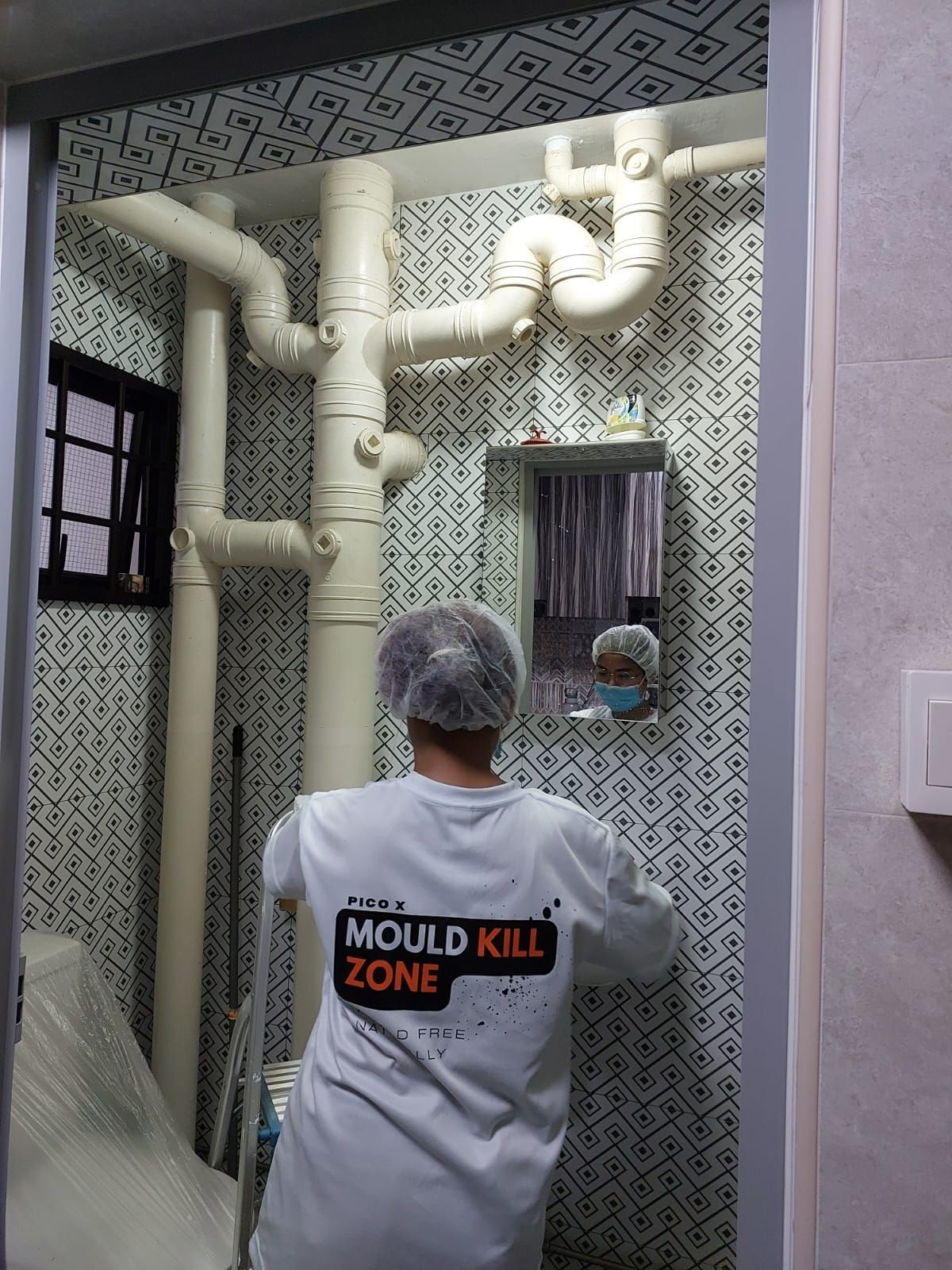
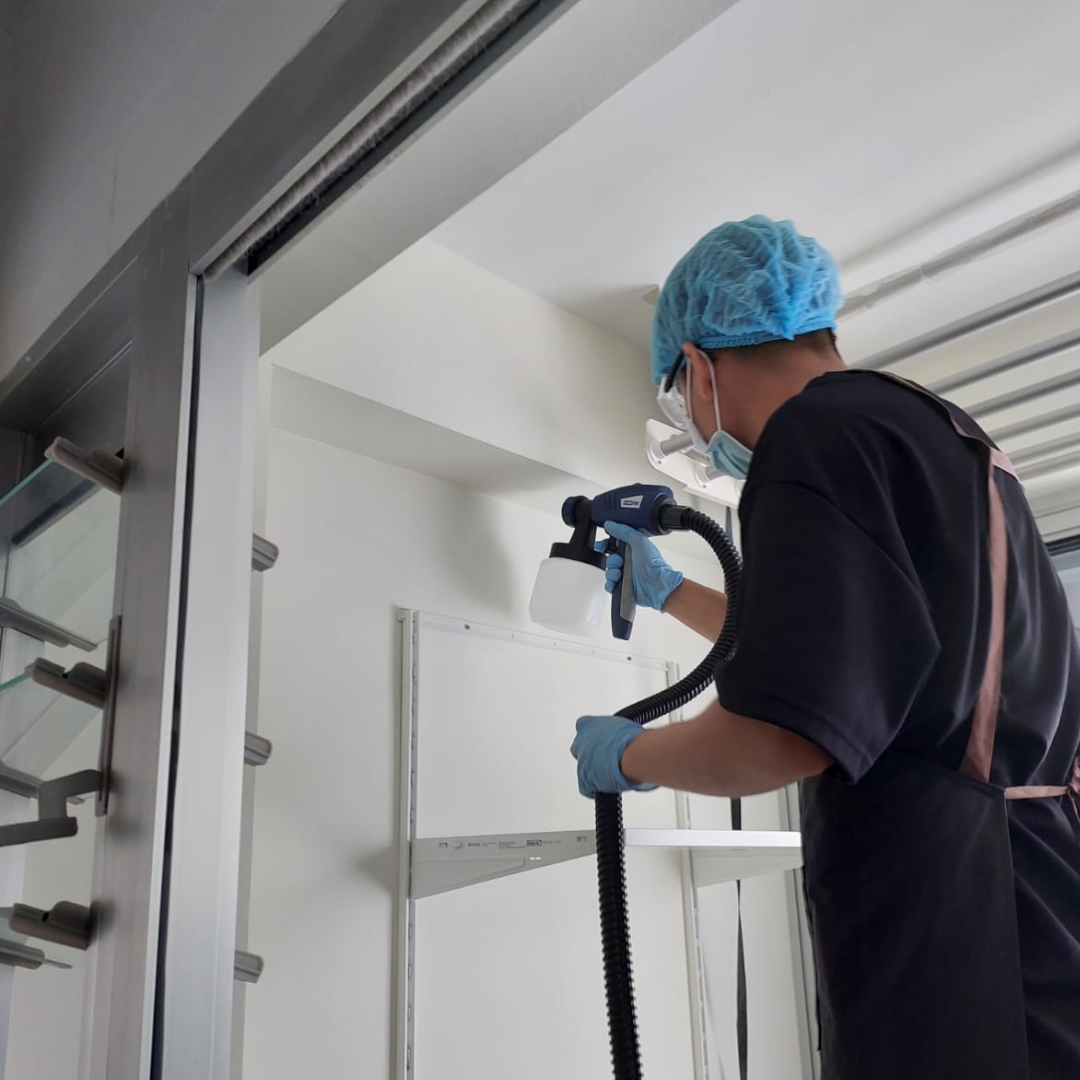
Trained Pico X Health technicians follow strict containment, PPE, and protocols on every job in Singapore.
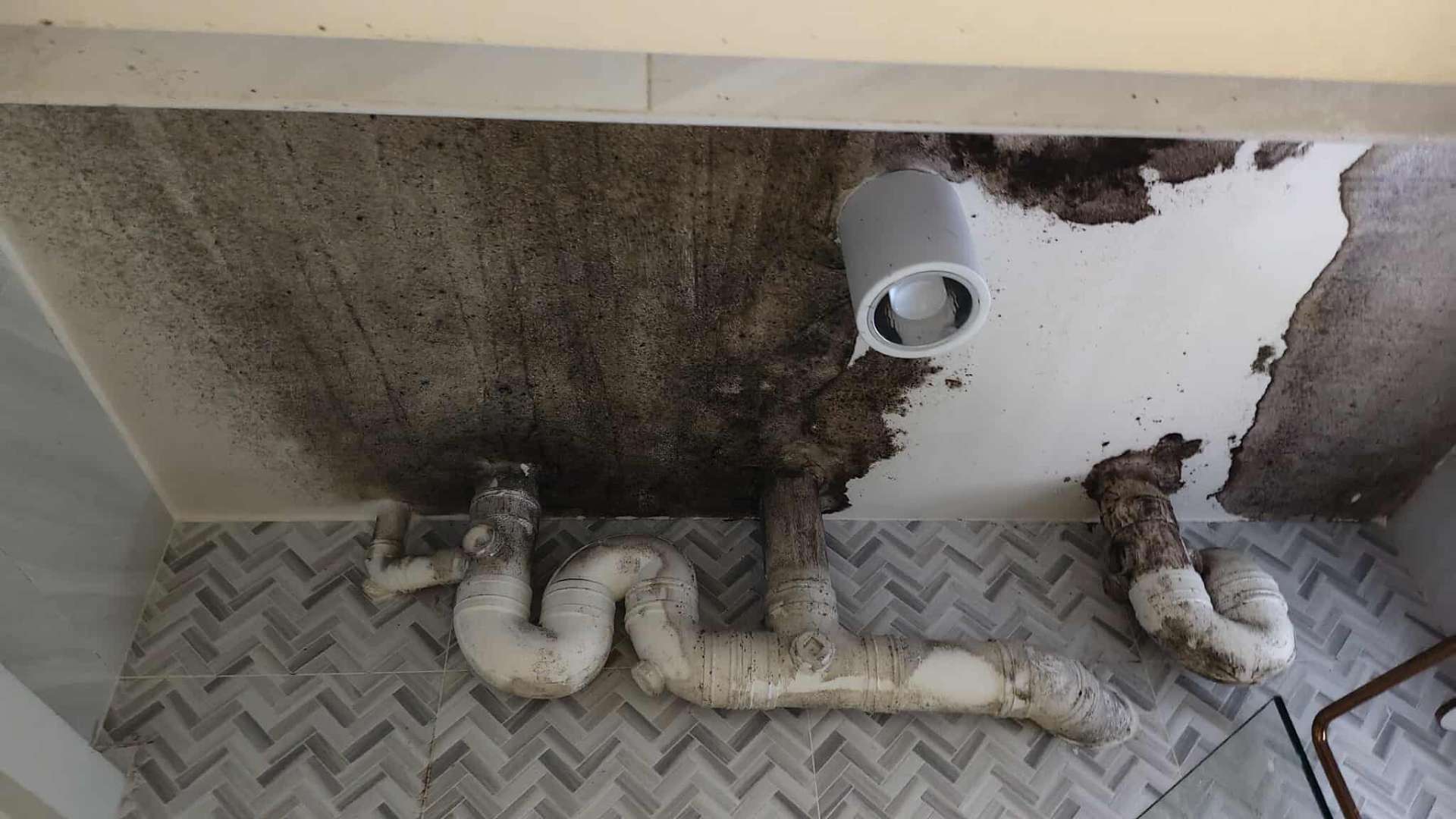
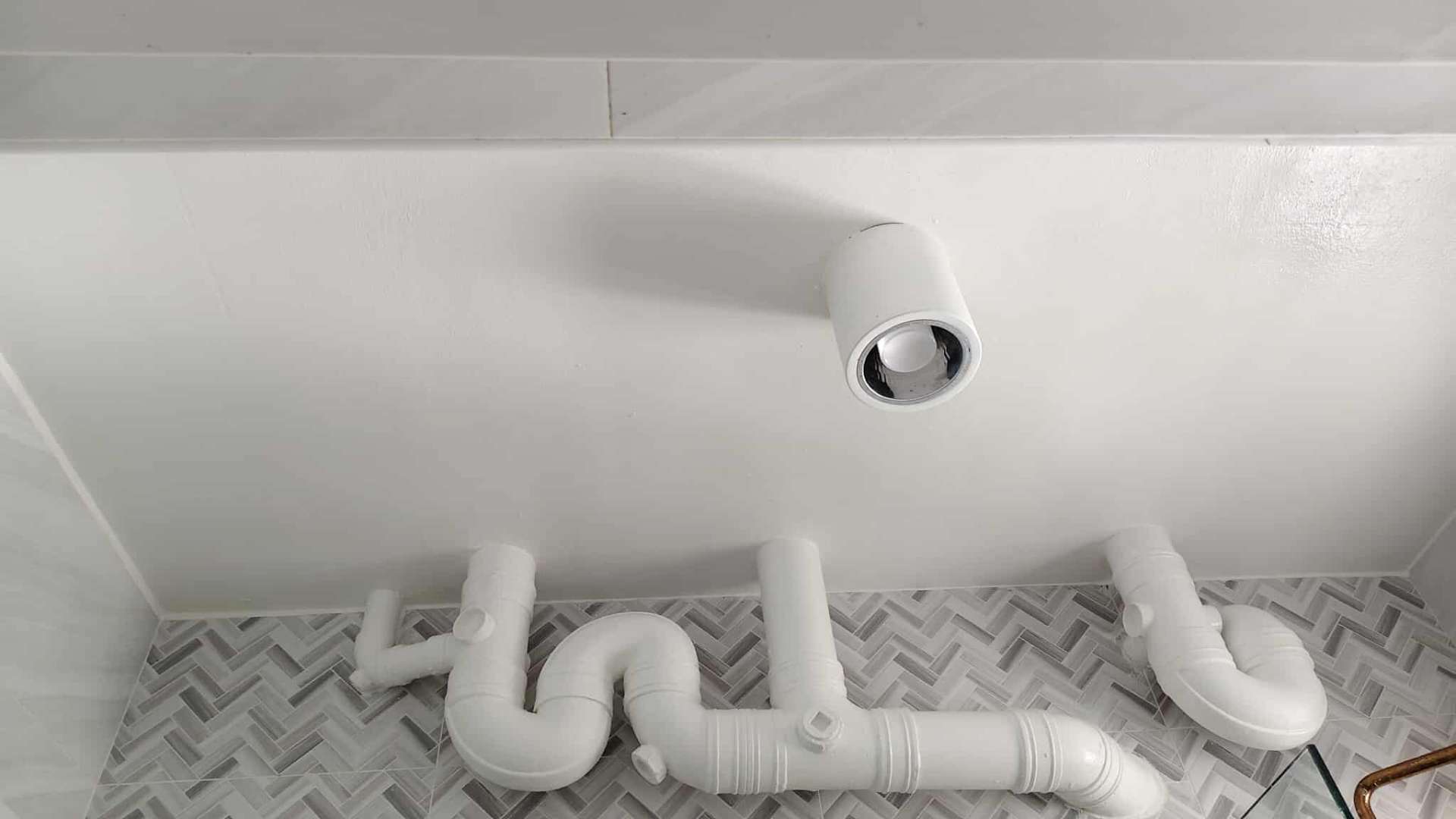
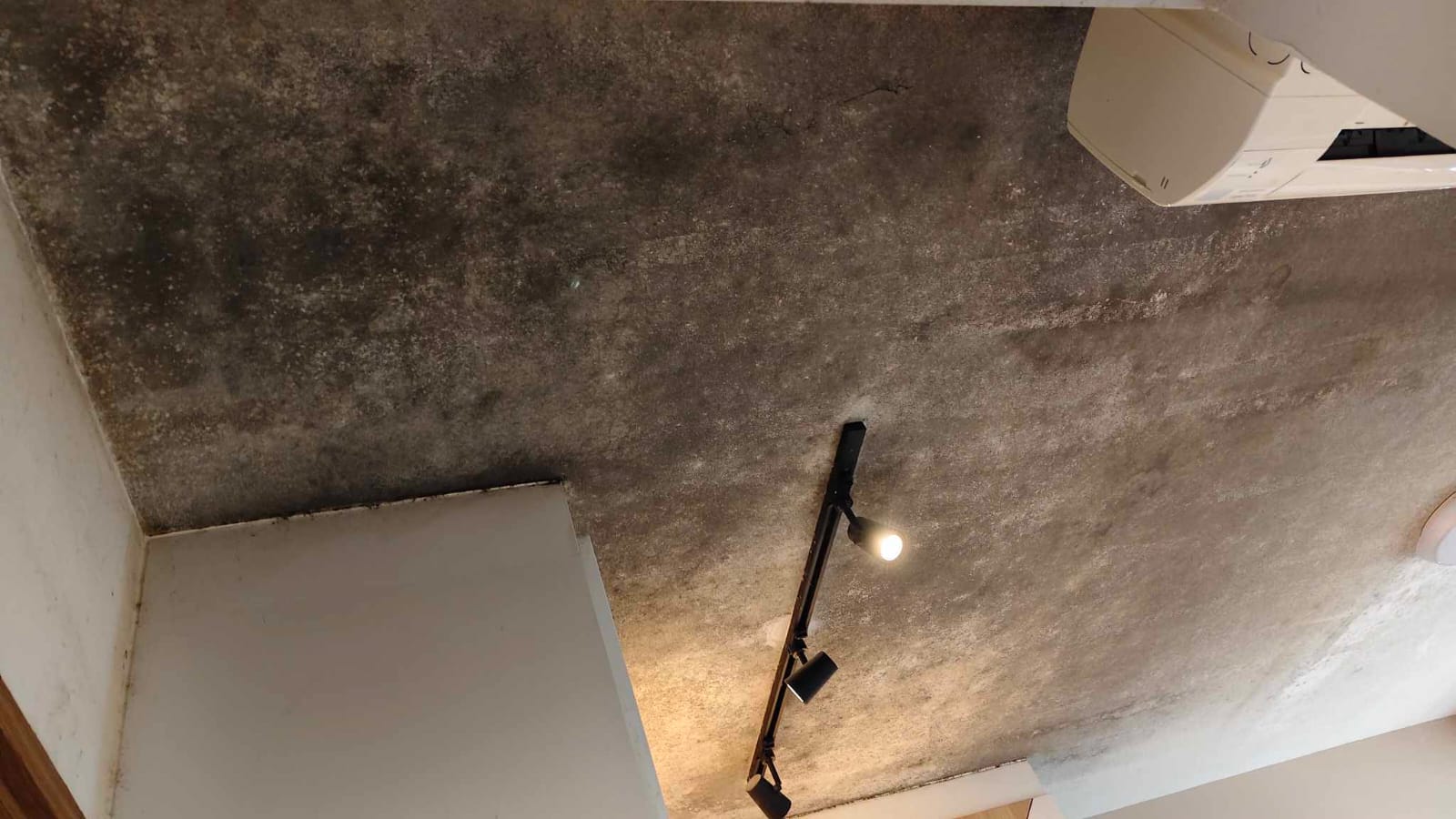
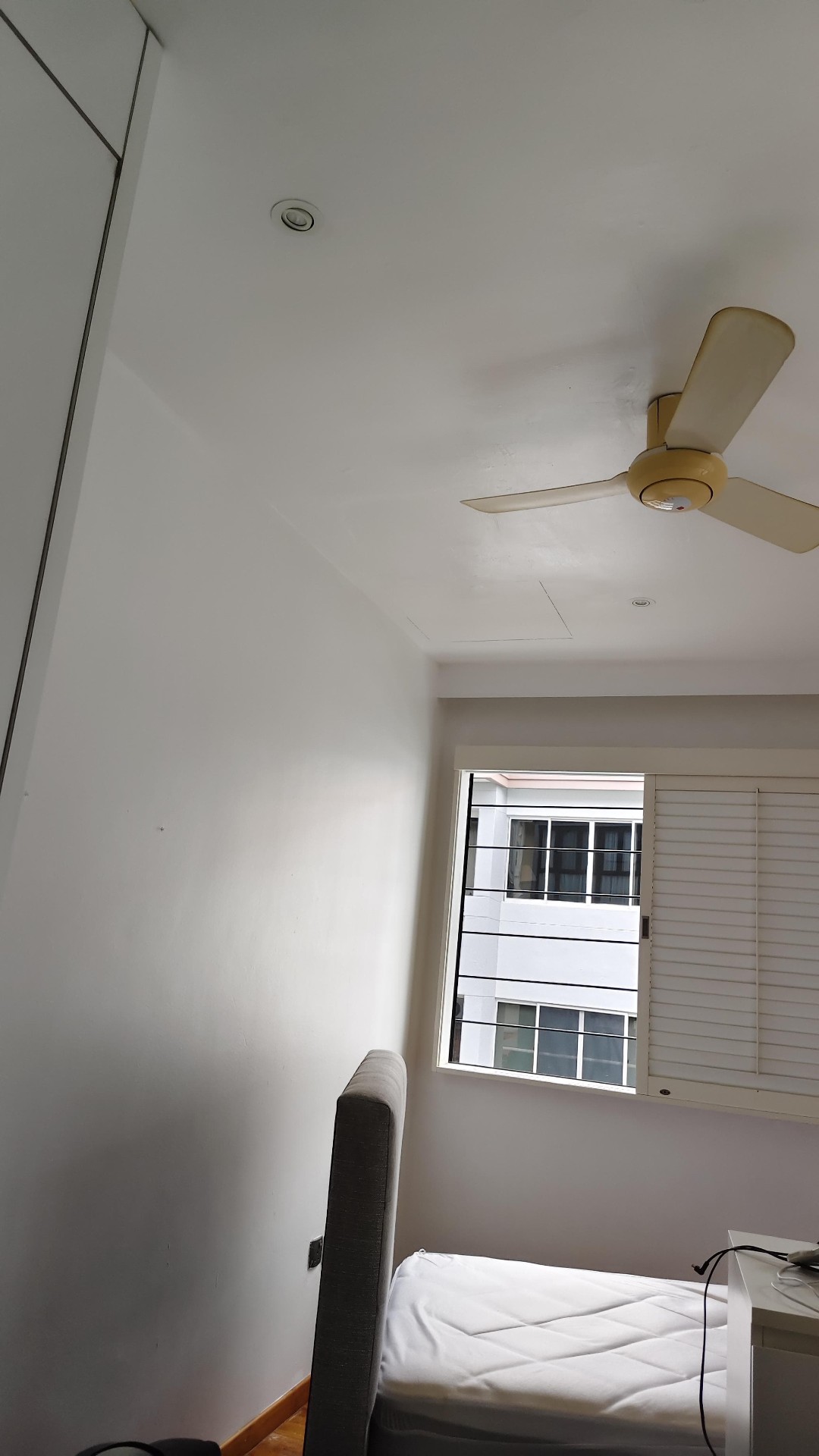
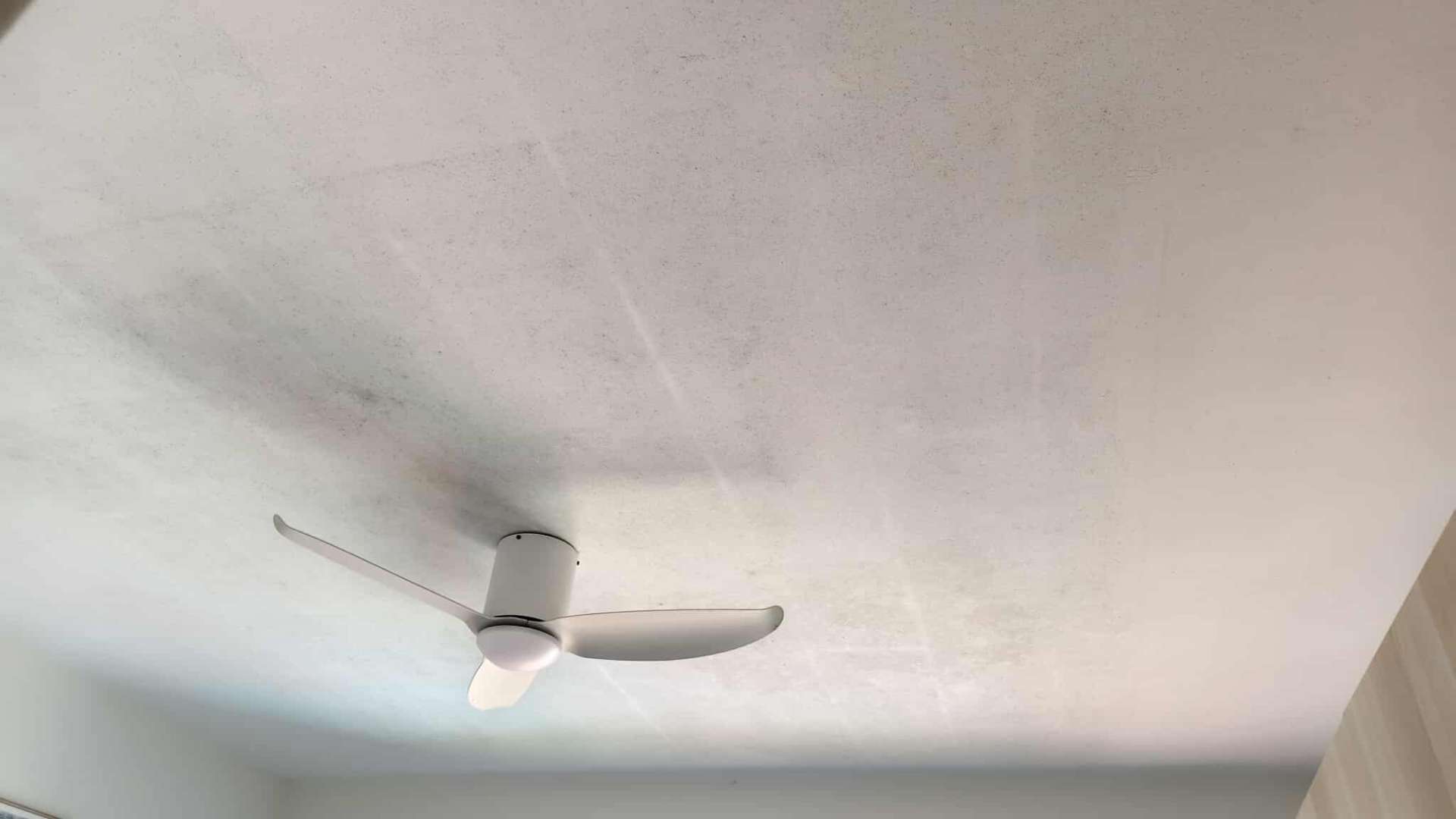
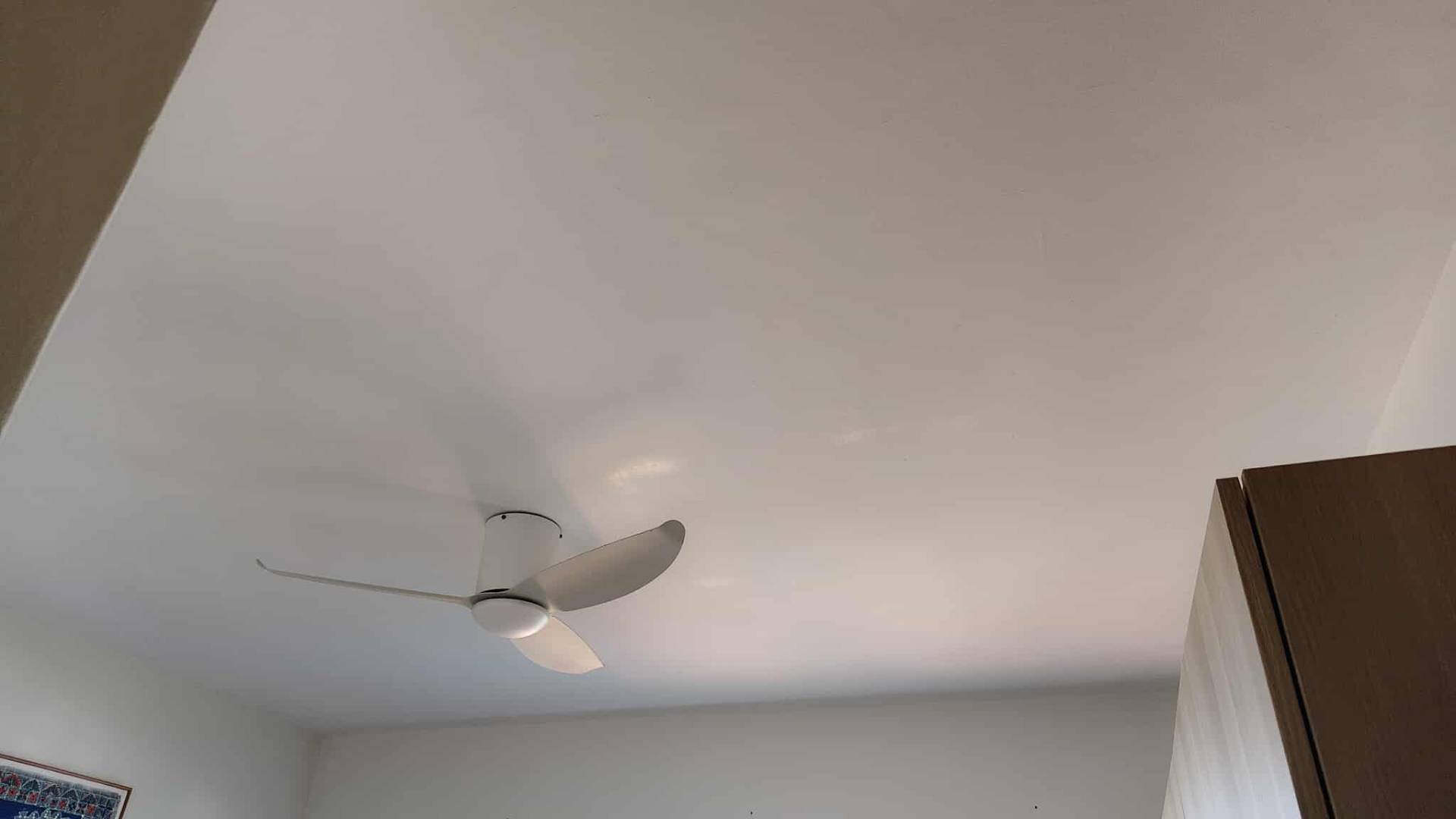
Before & After: Real Singapore Jobs
Documented mould remediation across HDB, condo, landed and commercial spaces.
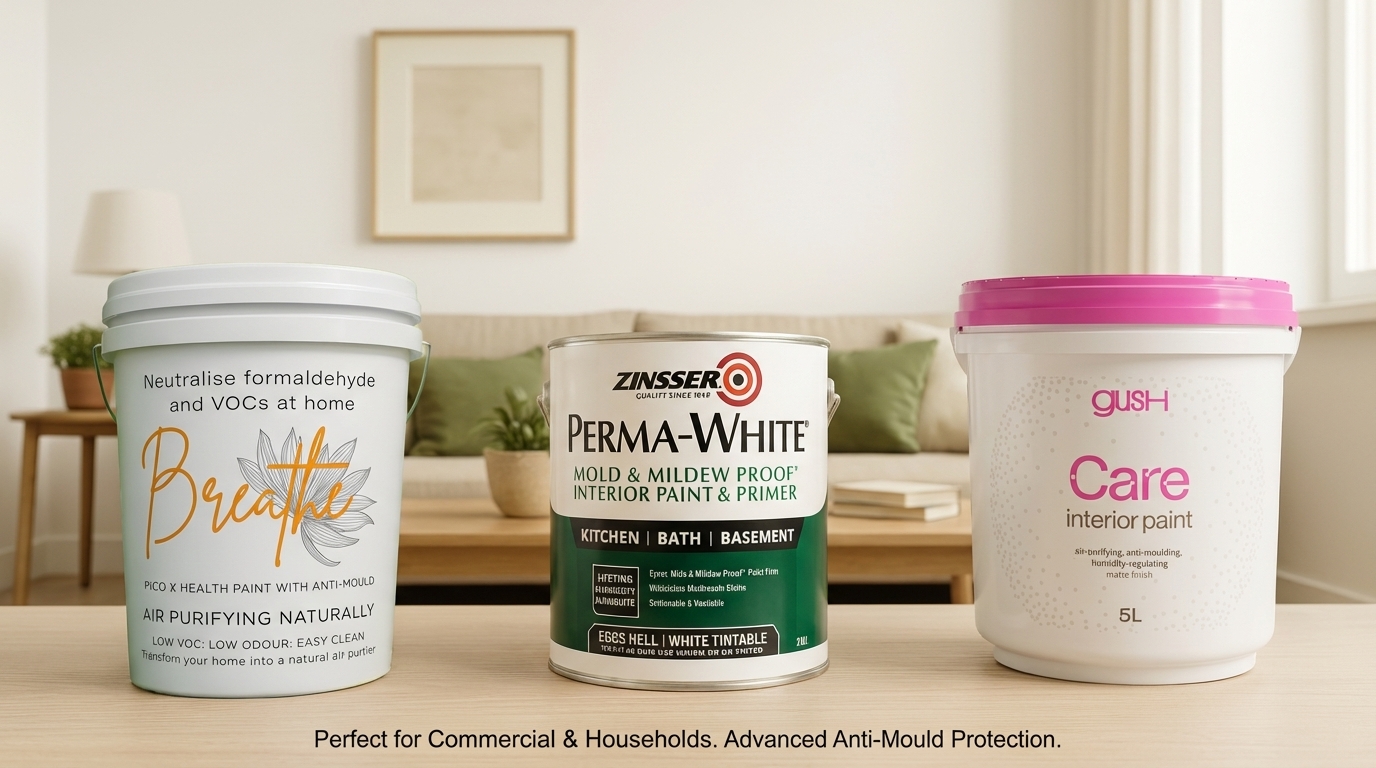
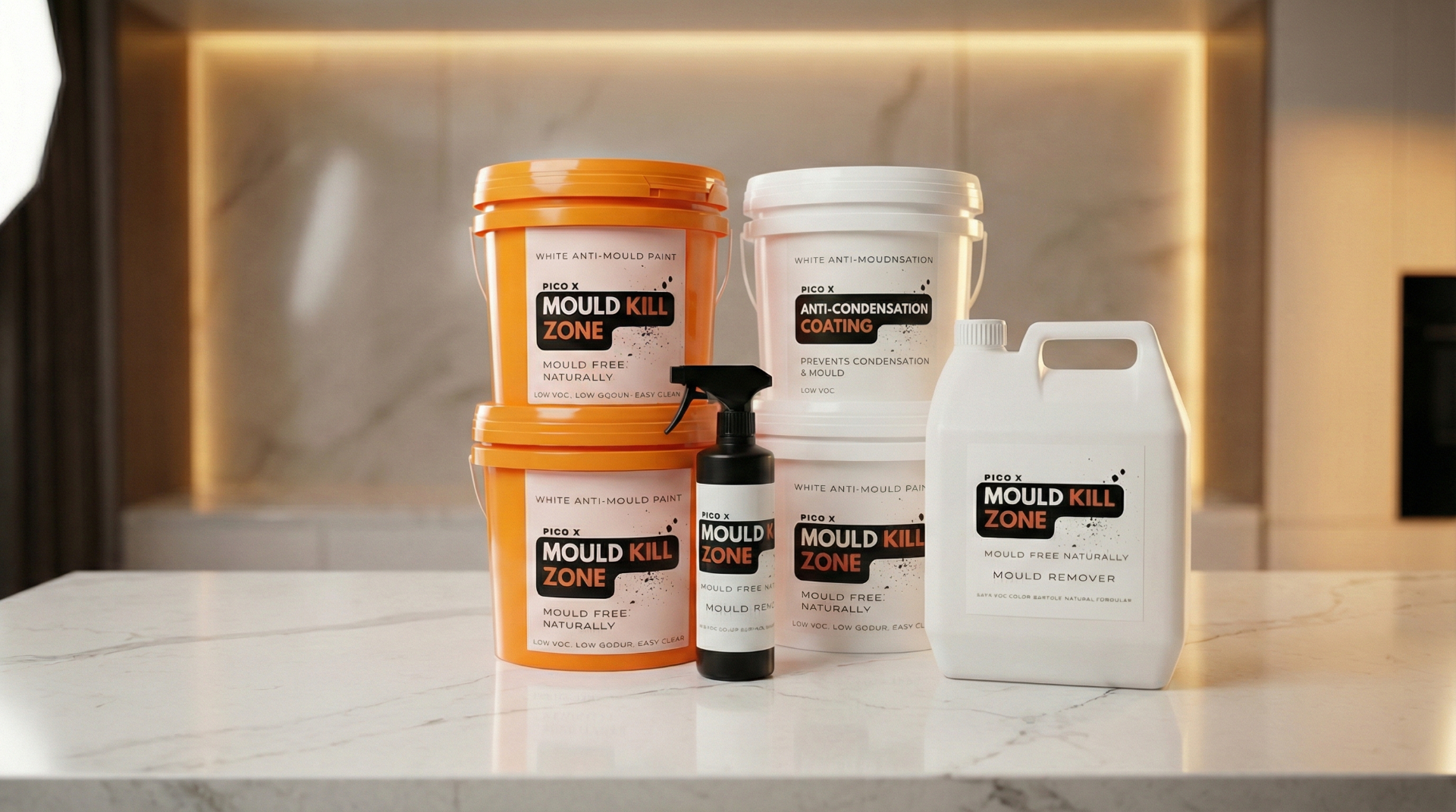
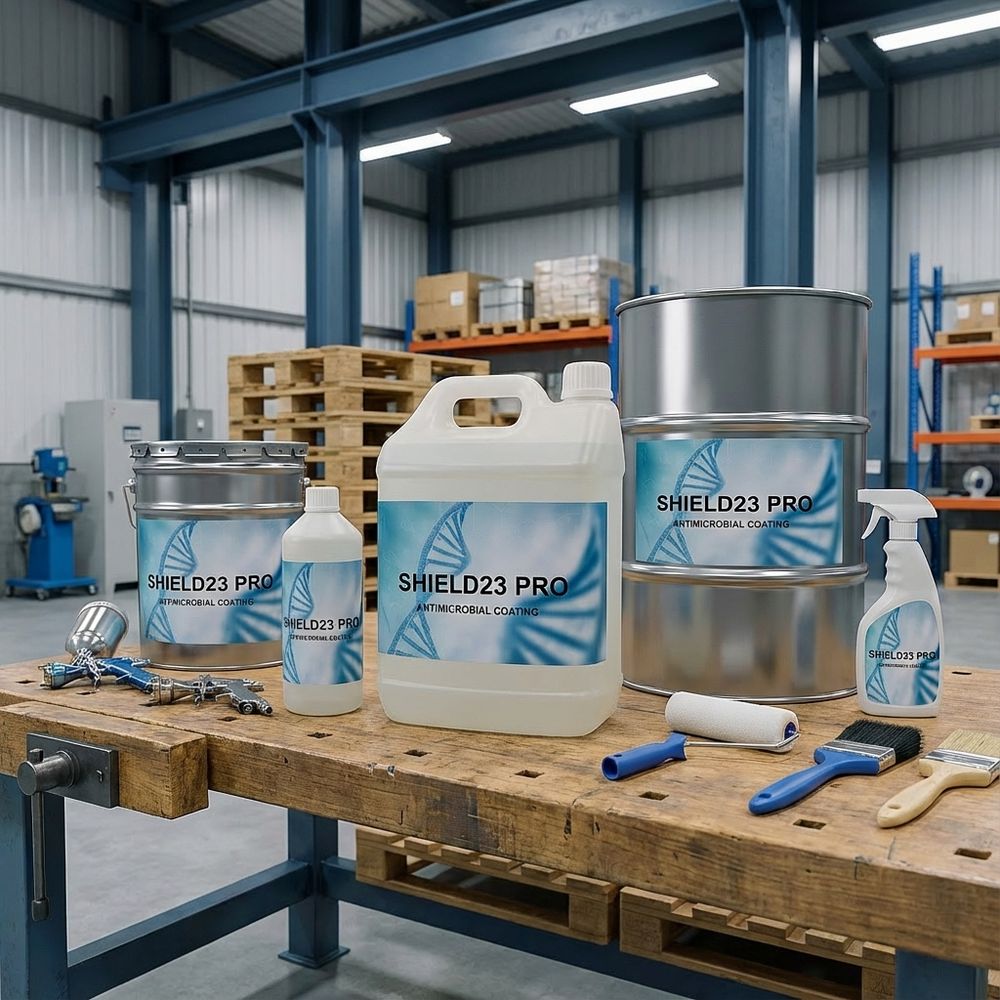
Products We Use & Recommend
Professional-grade equipment and coatings selected for Singapore's humid climate.
Shield23 Pro — Antimicrobial Coating
Long-life inorganic-ion defense applied by trained Pico X Health technicians across hospitals, F&B, schools, and homes.
Recommended Services
Pico X Health services most relevant to this topic.
See the full price list
Full Price List — Every Pico X price in one place — mould treatment, bathroom packages, assessments, aircon care and shop products, with what is fixed and what is quoted.